Consignment Agreement for Retail Sales through Website
Understanding this form
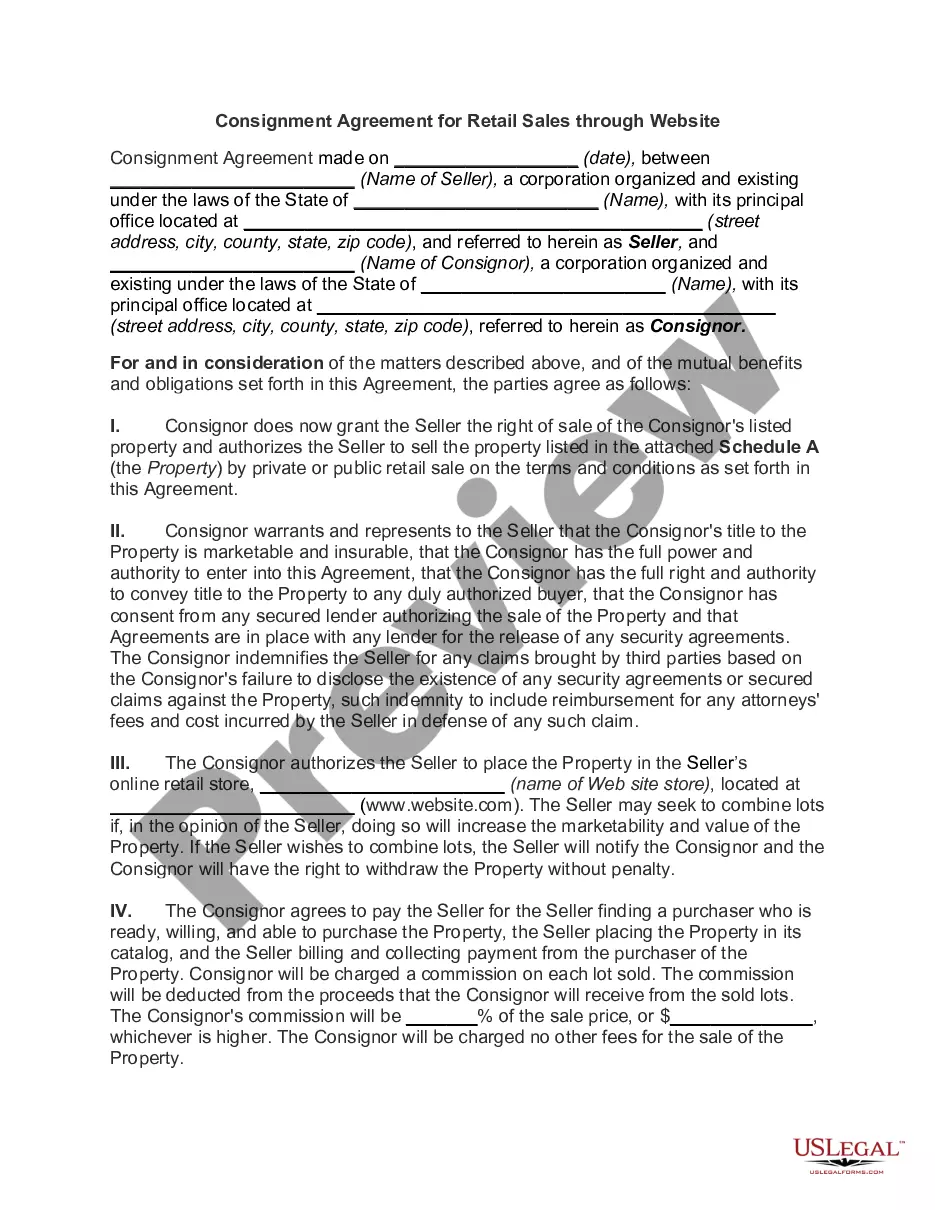
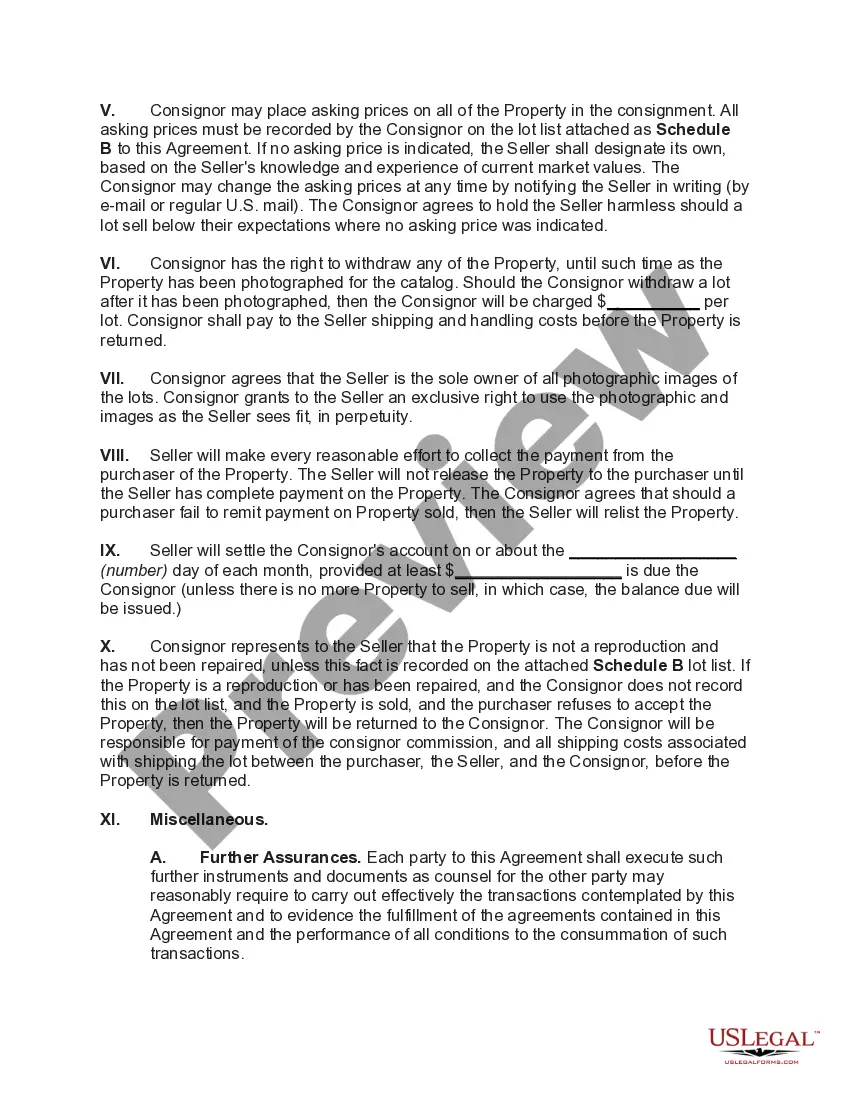
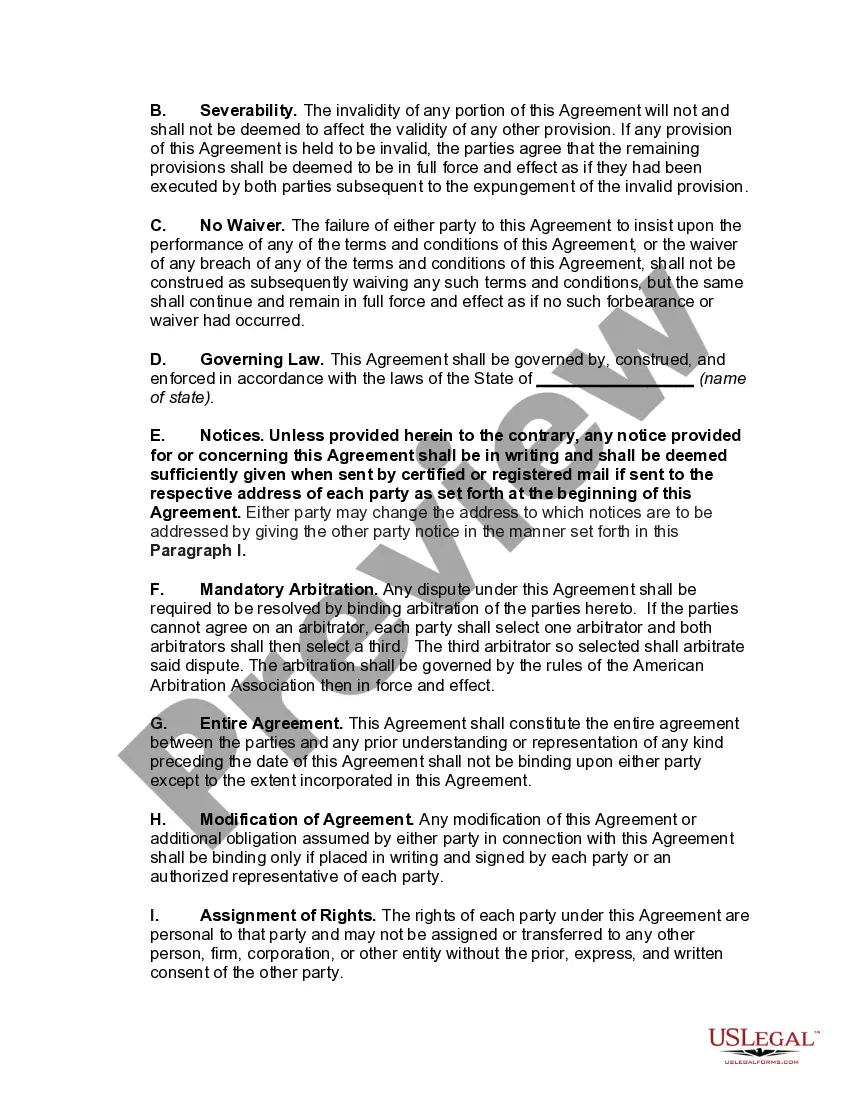
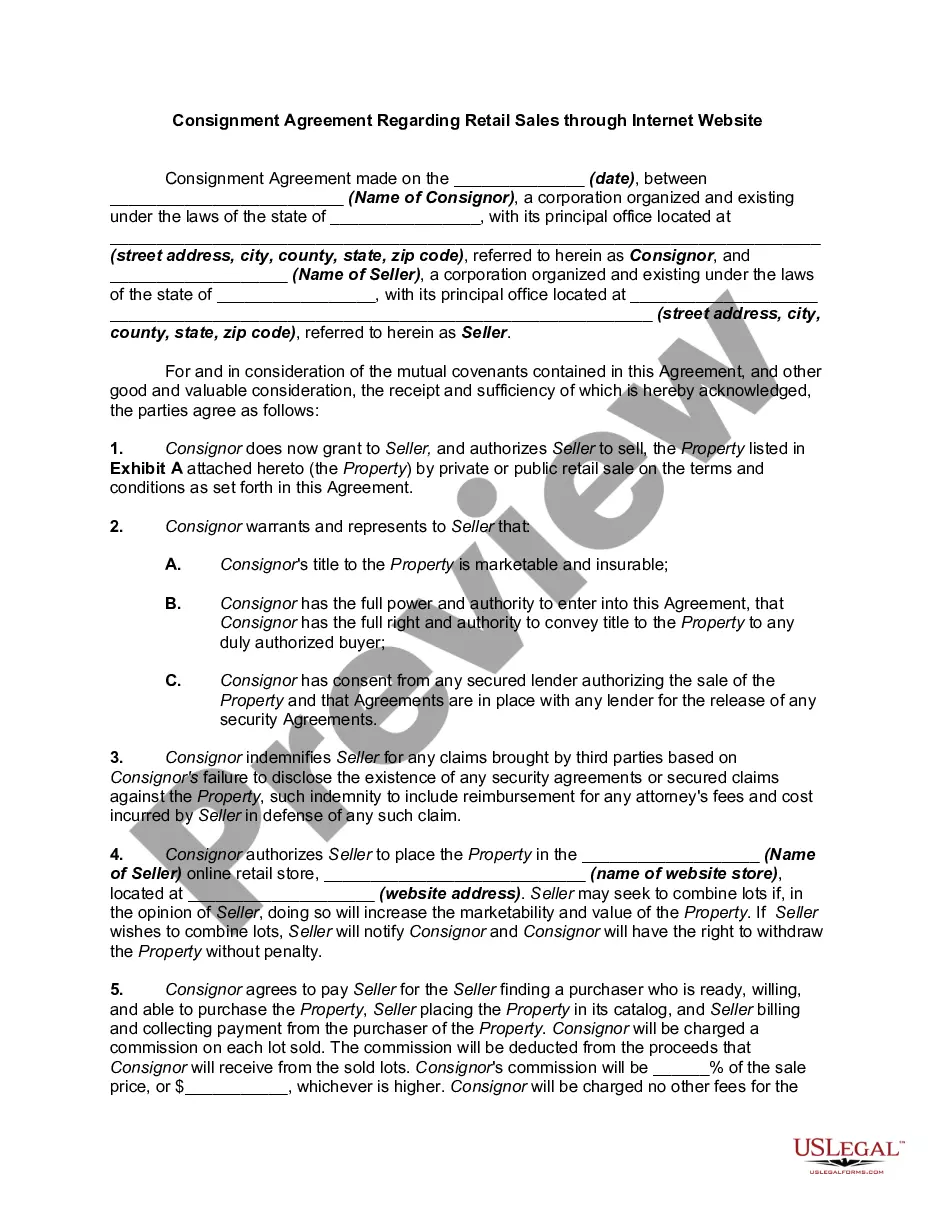
A consignment agreement for retail sales through a website is a legal document that outlines the relationship between a consignor and a seller. In this type of agreement, the consignor entrusts goods to the seller to sell on their behalf without an immediate purchase. The seller receives payment from the buyer and is responsible for the sale process, while the consignor gets paid after the sale occurs. This form is distinct from a standard sales agreement, as it allows for a consignment arrangement, helping both parties define their rights and obligations clearly.
Key components of this form
- Identification of parties: Names and addresses of both the consignor and seller.
- Property description: Details of the items being sold, including an attached schedule.
- Commission structure: Specifies the fees the seller will charge for selling the property.
- Withdrawal rights: Outlines the conditions under which the consignor can withdraw items.
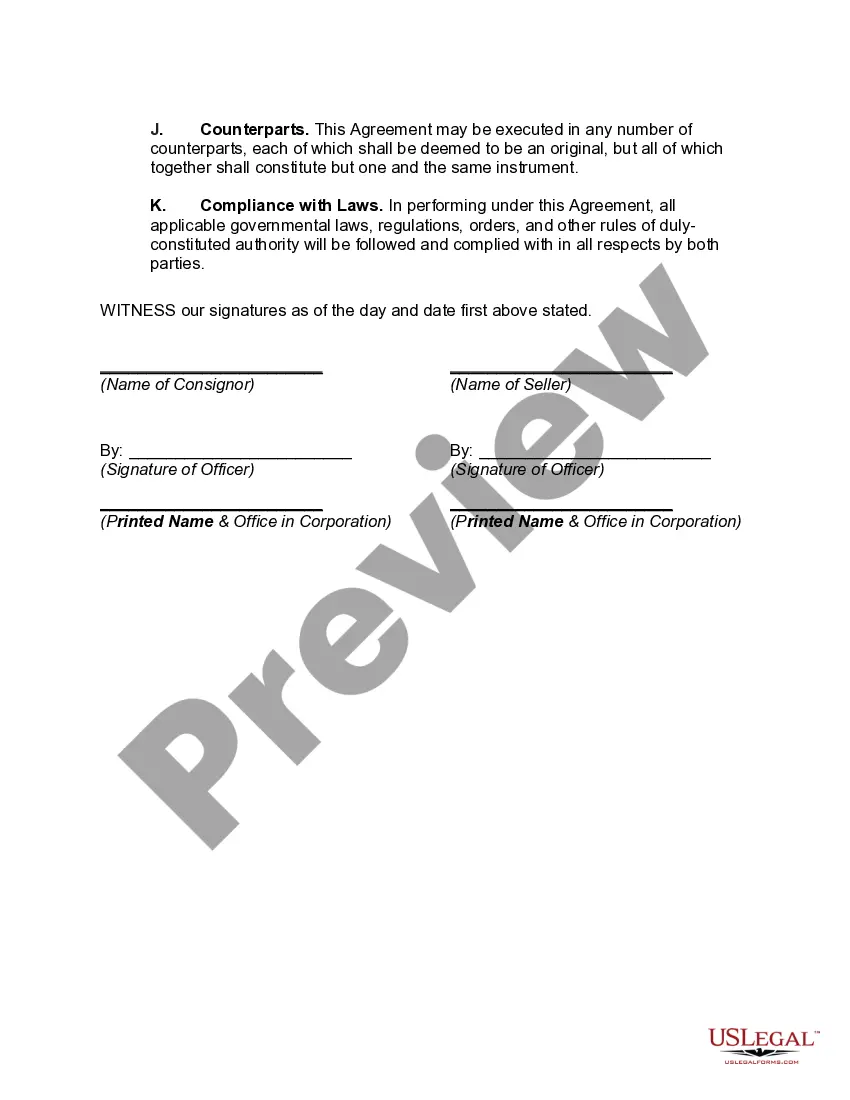
- Dispute resolution: Establishes the process for handling any disagreements, including arbitration.

When this form is needed
This consignment agreement should be used when a consignor wants to sell items online but prefers to have a seller manage the sale process. It is ideal for scenarios such as artists selling their artwork, antique dealers, or retailers looking to expand their reach through online marketplaces. It allows the consignor to retain ownership until the sale is completed while providing the seller with the authority to handle the sales and payments.
Intended users of this form
- Individuals or businesses looking to sell goods online without immediate payment.
- Retailers wanting to expand their sales channels through an online platform.
- Artists and craftsmen seeking to showcase and sell their creations through a physical or online store.
Completing this form step by step
- Identify the parties by filling in the names and contact information of both the consignor and seller.
- List the specific goods being consigned along with their descriptions in the attached schedule.
- Define the commission structure, including the percentage or flat fee to be charged by the seller.
- Specify any withdrawal rights, including terms under which the consignor can reclaim unsold goods.
- Ensure both parties sign the agreement to make it legally binding.
Does this form need to be notarized?
This form does not typically require notarization unless specified by local law. Always check local regulations to confirm the requirements relevant to your jurisdiction.
Get your form ready online
Our built-in tools help you complete, sign, share, and store your documents in one place.
Make edits, fill in missing information, and update formatting in US Legal Forms—just like you would in MS Word.
Download a copy, print it, send it by email, or mail it via USPS—whatever works best for your next step.
Sign and collect signatures with our SignNow integration. Send to multiple recipients, set reminders, and more. Go Premium to unlock E-Sign.
If this form requires notarization, complete it online through a secure video call—no need to meet a notary in person or wait for an appointment.
We protect your documents and personal data by following strict security and privacy standards.

Make edits, fill in missing information, and update formatting in US Legal Forms—just like you would in MS Word.

Download a copy, print it, send it by email, or mail it via USPS—whatever works best for your next step.

Sign and collect signatures with our SignNow integration. Send to multiple recipients, set reminders, and more. Go Premium to unlock E-Sign.

If this form requires notarization, complete it online through a secure video call—no need to meet a notary in person or wait for an appointment.

We protect your documents and personal data by following strict security and privacy standards.
Common mistakes to avoid
- Failing to describe the consigned property accurately, which can lead to disputes.
- Not clearly defining the commission structure, leading to confusion over fees.
- Omitting signatures from both parties, which is essential for a valid agreement.
Benefits of using this form online
- Convenience of accessing and completing the form from any location.
- Editability allows users to tailor the agreement to their specific needs.
- Reliability of forms drafted by licensed attorneys, ensuring legal soundness.
Looking for another form?


Form popularity
FAQ
When the consignor sends goods to the consignee, a journal entry is not needed. However, when the consignee sells the goods received, they pay the consignor a predetermined sale amount. The consignor would then record a debit to cash and a credit to sales.
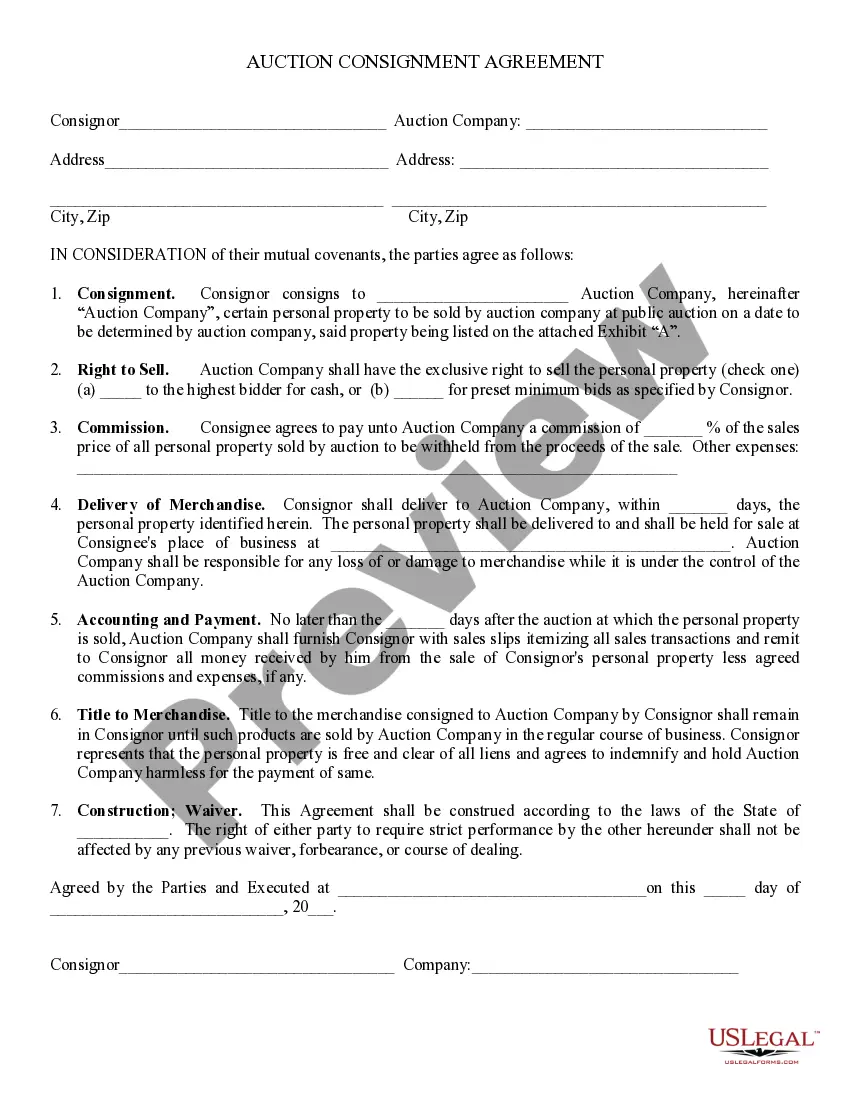
A consignment agreement is a contract in which one party (the consignor) agrees to sell goods with another party (the consignee) but retains ownership until the goods are sold. The store then displays the items on behalf of the owner until sold.
Consignment inventory is a supply chain model in which a product is sold by a retailer, but ownership is retained by the supplier until the product has been sold. Because the retailer does not actually buy the inventory until it has been sold, unsold products can be returned.
Basically, there are two parties involved in a Consignment Agreement. i.e.; consignor and consignee. A consignor is a person or entity that owns the goods, and the sender or the shipper of the goods to the consignee, in order for the consignee to sell, store, resell or transfer the goods on behalf of the consignor.
In a carriage contract, consignment means the delivery of goods by a carrier to a named receiver. The consignor is the person who sends the goods, also known as the shipper or sender; the consignee is the person who receives the goods, also known as the receiver.
Consignment agreements can be of two types: Exclusive : In an exclusive consignment agreement, only the consignee has the right to sell the consignor's item. Non-exclusive : In a non-exclusive consignment agreement, multiple consignees can attempt to sell the same item.
A consignment agreement is a contract between the consignor and the consignee, and should include these basic provisions: Parties. Provide the names and addresses of the consignor and the consignee. Item(s) for sale.Pricing.Payment.Expenses.Record-keeping.Ownership.Insurance.
Written Consignment Agreement The supplier provides the goods to the consignee, but the consignee does not become the owner of the goods. Instead, the consignor will retain ownership of the goods until the consignee sells them to the consumer, who then becomes the owner of the goods.