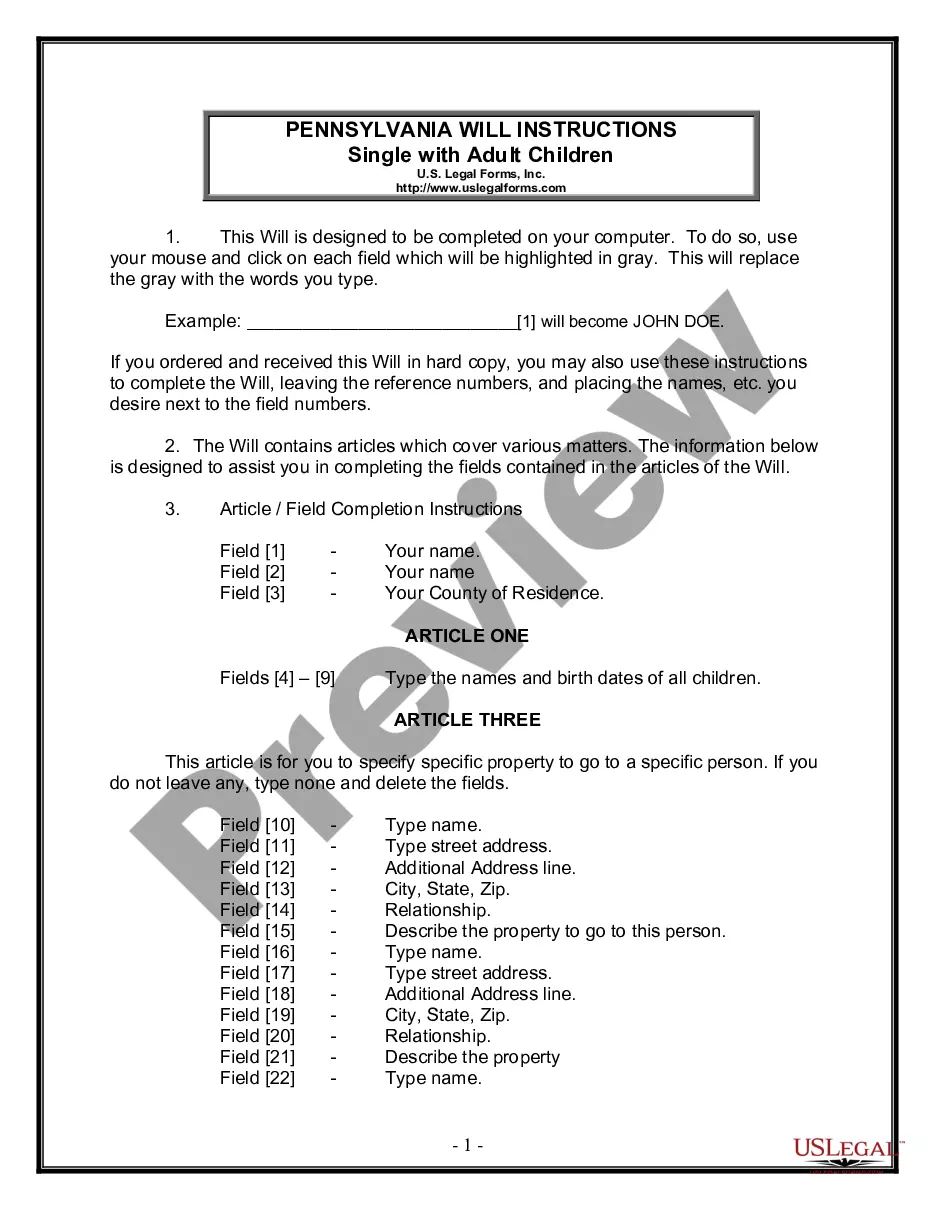
Tennessee Release - Satisfaction - Cancellation of Deed of Trust - by Corporate Lender
About this form
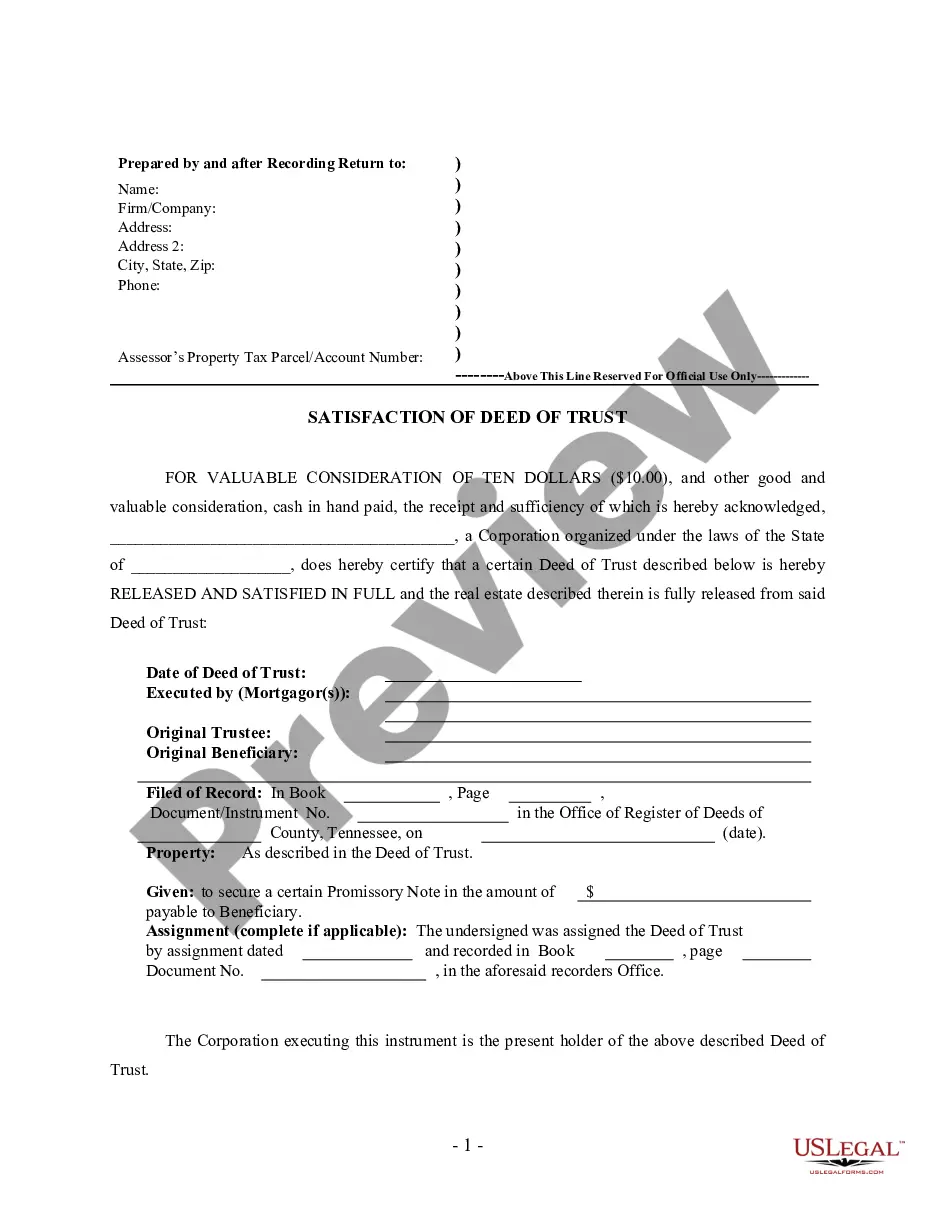
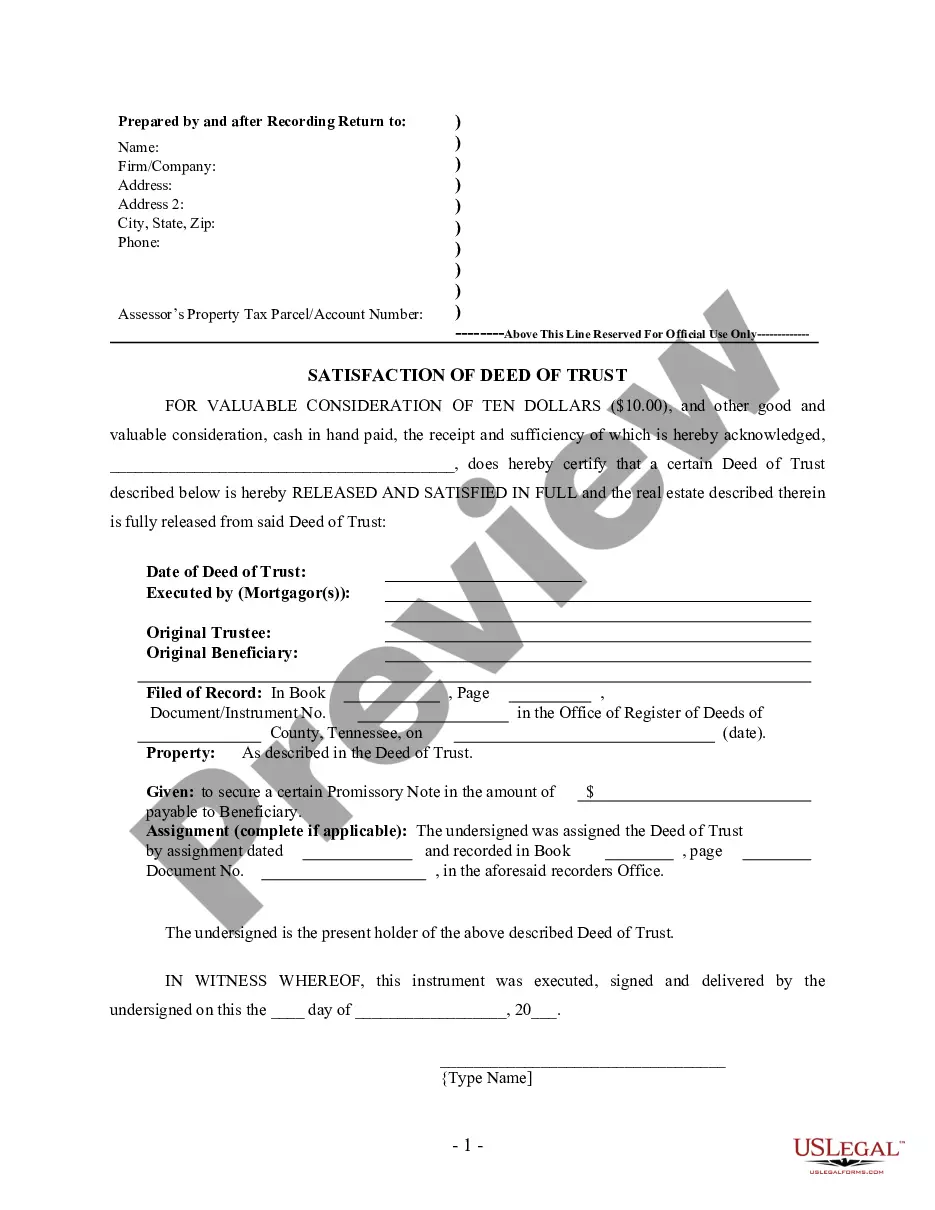
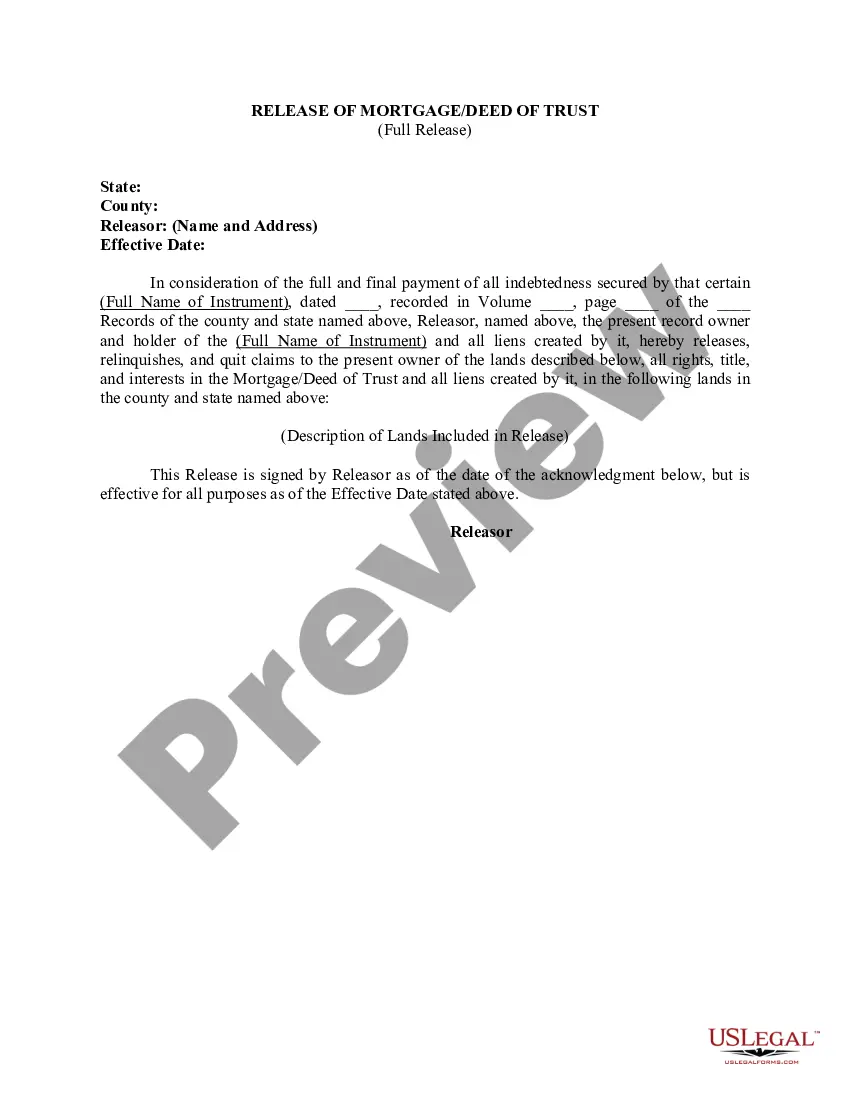
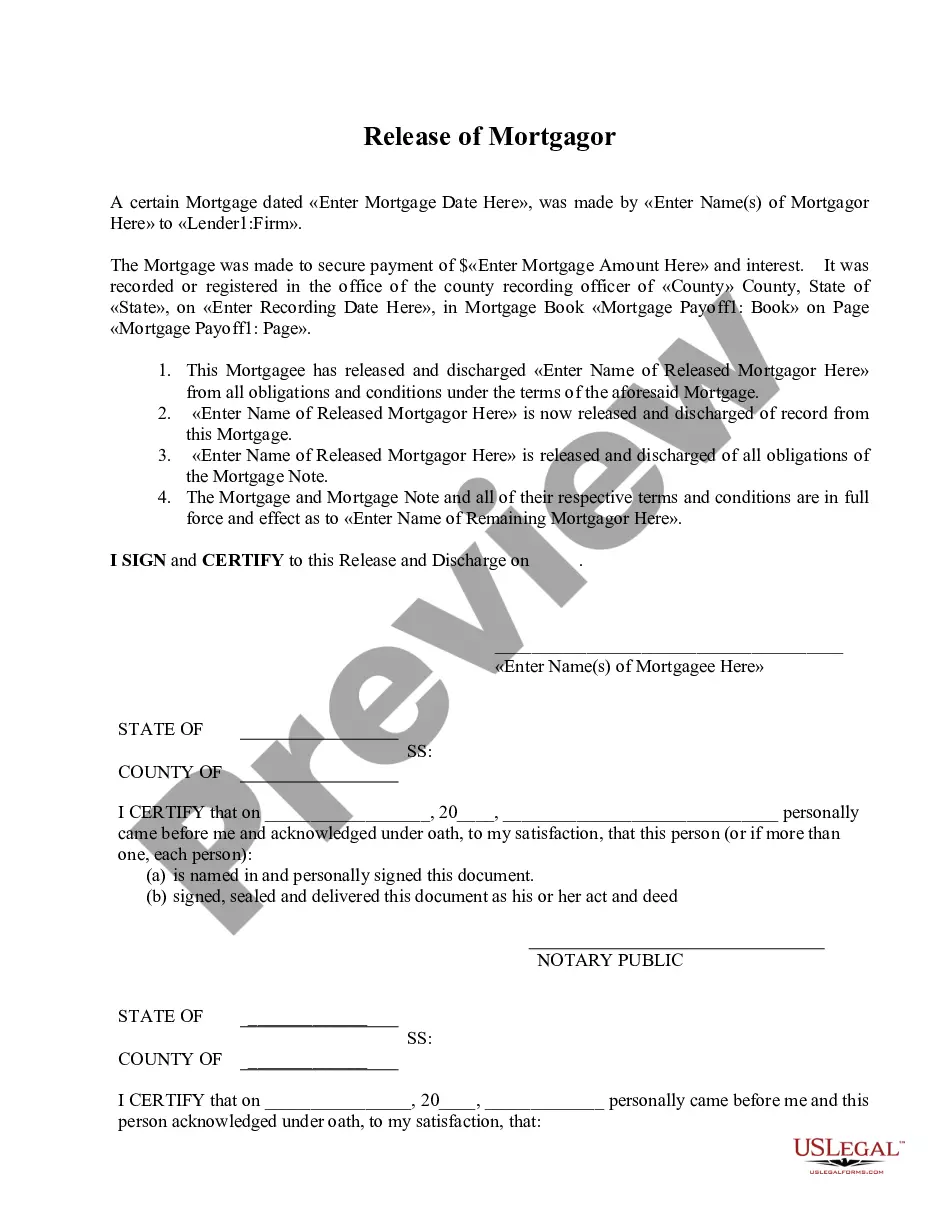
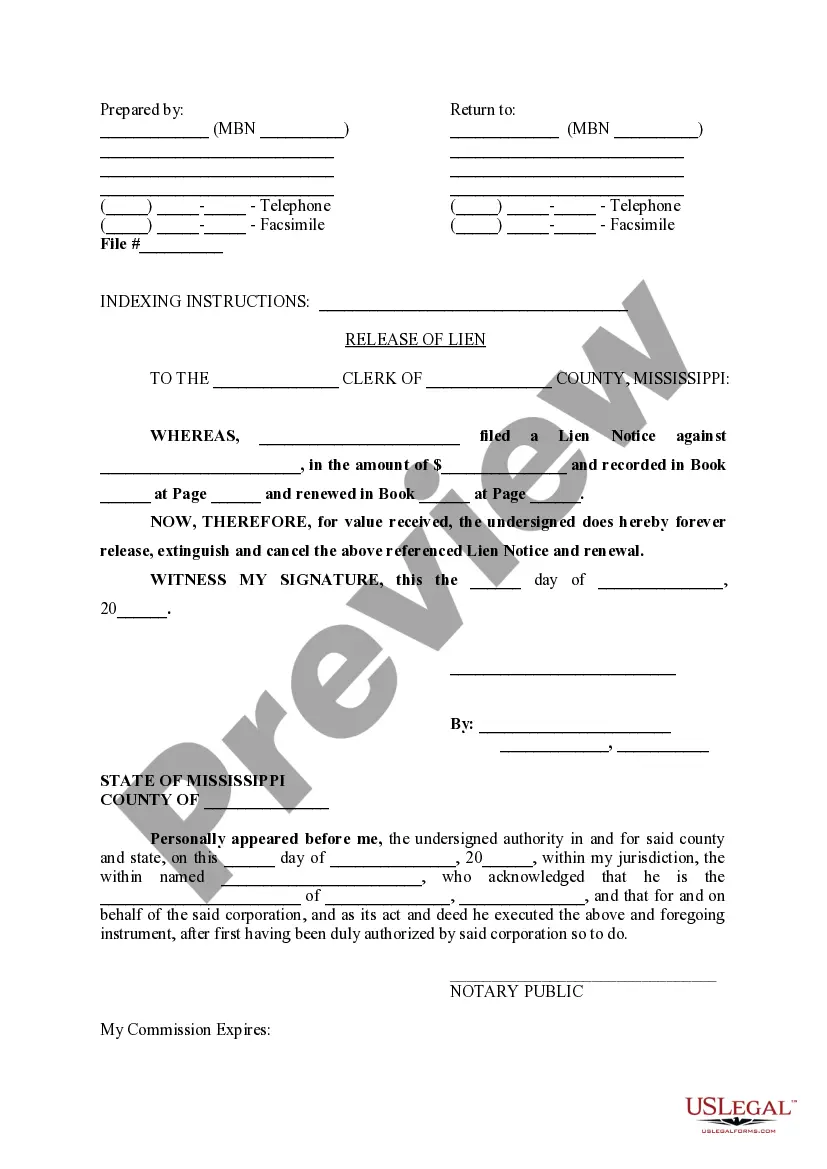
The Release - Satisfaction - Cancellation of Deed of Trust - by Corporate Lender is a legal document used to release a mortgage lien on a property in Tennessee that was held by a corporation. The form signifies that the mortgage has been satisfied, thus allowing the property to be cleared of the debt obligation. This form differs from other mortgage release documents as it is specifically tailored for transactions involving corporate lenders and complies with the relevant state laws.
Key parts of this document
- Date of the original Deed of Trust
- Details of the mortgagor(s), trustee, and beneficiary
- Description of the property secured by the mortgage
- Assignment information, if applicable
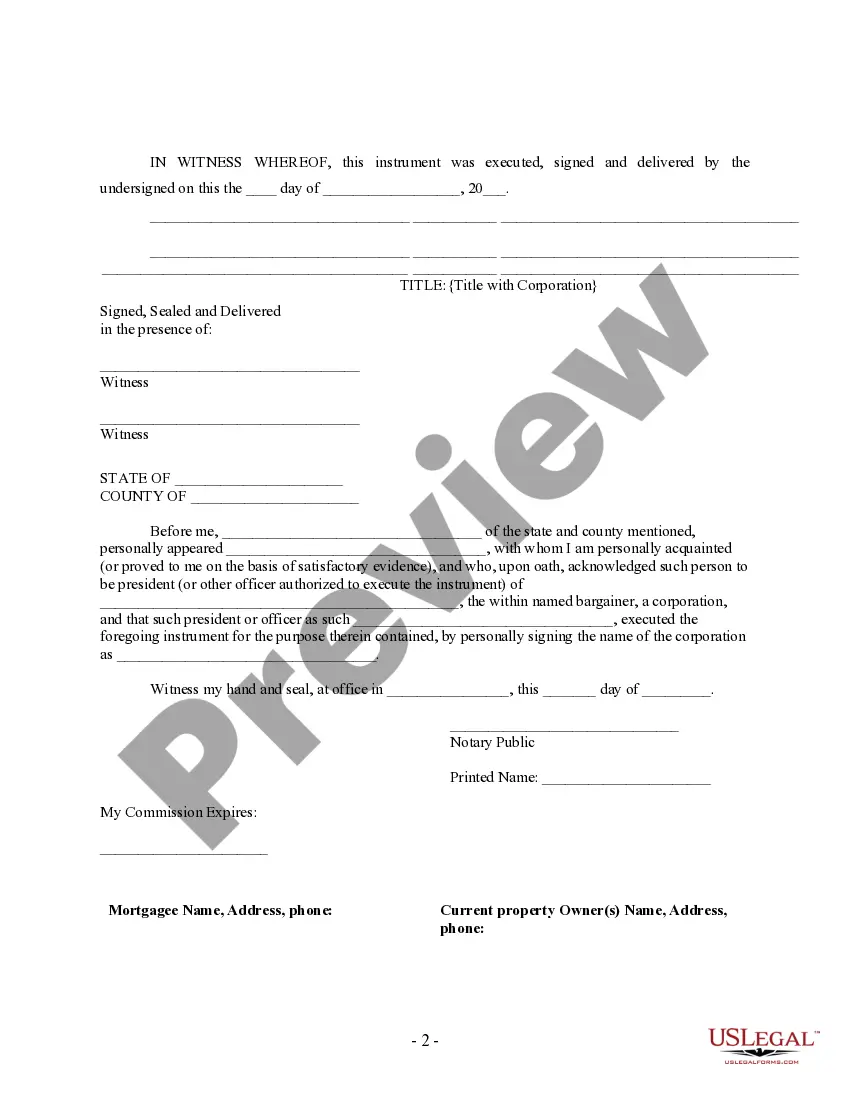
- Signature and title of the corporate officer executing the release
- Notarization section, confirming the identity of signatories


When to use this document
This form should be used when a corporation has satisfied a mortgage obligation secured by a property in Tennessee. It is necessary when the corporation wants to formally release the property from the mortgage lien, allowing the property owner to have clear title without any encumbrance from the debt obligation. This can occur upon full payment of the mortgage or when the loan is refinanced.
Who needs this form
This form is intended for:
- Corporations that are the mortgagee in a Deed of Trust
- Property owners looking to clear their property title from a corporate mortgage
- Legal professionals facilitating the mortgage release process
How to complete this form
- Enter the date of the original Deed of Trust.
- Provide the names of the mortgagor(s), the original trustee, and the original beneficiary.
- Describe the property being released based on the details from the Deed of Trust.
- If applicable, complete the assignment section to show the corporation as the current holder of the Deed of Trust.
- Have an authorized corporate officer sign the document and include their title.
- Ensure the form is notarized by a notary public.
Notarization requirements for this form
This form needs to be notarized to ensure legal validity. US Legal Forms provides secure online notarization powered by Notarize, allowing you to complete the process through a verified video call, available anytime.
Get your form ready online
Our built-in tools help you complete, sign, share, and store your documents in one place.
Make edits, fill in missing information, and update formatting in US Legal Forms—just like you would in MS Word.
Download a copy, print it, send it by email, or mail it via USPS—whatever works best for your next step.
Sign and collect signatures with our SignNow integration. Send to multiple recipients, set reminders, and more. Go Premium to unlock E-Sign.
If this form requires notarization, complete it online through a secure video call—no need to meet a notary in person or wait for an appointment.
We protect your documents and personal data by following strict security and privacy standards.
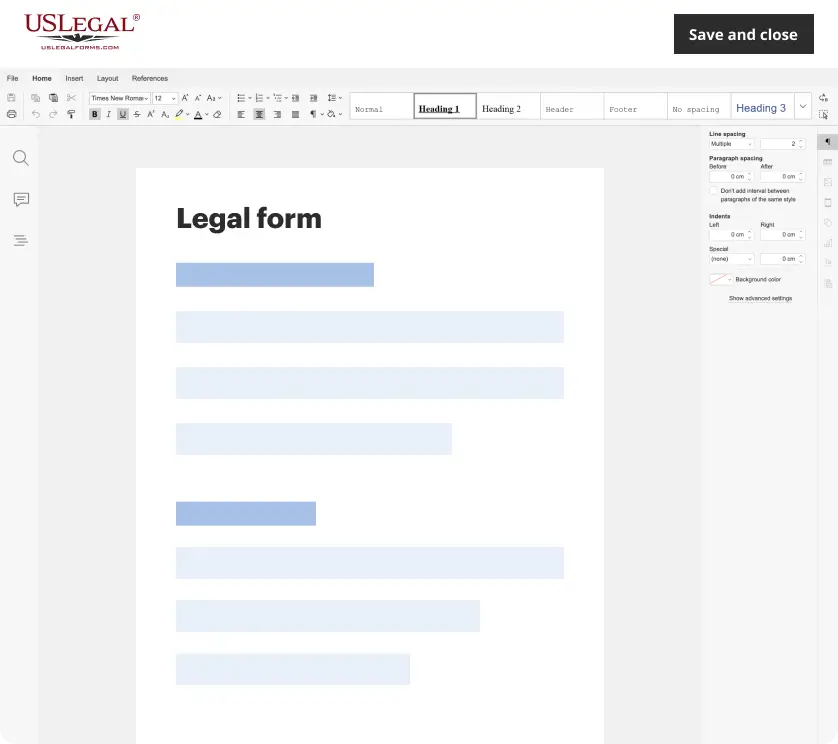
Make edits, fill in missing information, and update formatting in US Legal Forms—just like you would in MS Word.
Download a copy, print it, send it by email, or mail it via USPS—whatever works best for your next step.
Sign and collect signatures with our SignNow integration. Send to multiple recipients, set reminders, and more. Go Premium to unlock E-Sign.

If this form requires notarization, complete it online through a secure video call—no need to meet a notary in person or wait for an appointment.
We protect your documents and personal data by following strict security and privacy standards.
Common mistakes
- Failing to provide complete property details
- Not including the date of the original deed
- Omitting the signature of an authorized corporate officer
- Neglecting to notarize the document
- Incorrectly filling out the assignment section if not applicable
Why use this form online
- Convenient access to legal forms that can be downloaded instantly
- Forms are drafted by licensed attorneys, ensuring compliance with state laws
- Edit and customize the form to fit your specific needs
- Secure online storage of completed forms for easy retrieval
Summary of main points
- The Release - Satisfaction - Cancellation of Deed of Trust is essential for clearing a mortgage held by a corporate lender.
- This form must be executed according to Tennessee law, including notarization.
- Proper completion ensures smooth property transfers and legal compliance.
Looking for another form?
Form popularity
FAQ
Giving the wrong legal address for the property or the wrong amount of the debt can render the deed unenforceable. In some cases, the error is easy to fix, and the court will rule the deed is enforceable.
In order to clear the Deed of Trust from the title to the property, a Deed of Reconveyance must be recorded with the Country Recorder or Recorder of Deeds. If the Trustee/Beneficiary fails to record a satisfaction within the set time limits, the Trustee/Beneficiary may be responsible for damages as set out by statute.
In order to reconvey a deed of trust, the full reconveyance must be recorded within 21 days of receipt of the documents from the Beneficiary. The deed of reconveyance must be recorded in the county where the property is located. Locate the name of the Trustee in the recorded Deed of Trust.
A deed of trust expires can and will expire based upon one of two specific timelines. The deed can either expire at a designated point follow the maturity date or, in the absence of this information, exactly 35 years after the date on which the deed had been recorded.
Once you've paid off your outstanding mortgage debt, the lender must prepare and issue a release of mortgage. This document officially discharges you from the debt obligation and removes the lien against the property.
The property's title remains in the trust until the loan is paid off, or satisfied, then it is released from the trust. To complete the release, the lender prepares a deed of reconveyance. This document states that the conditions of the loan have been met and you have no further financial obligations to the lender.
The deed can be re-written to reflect changes, but it needs the consent of both parties. If you want to make substantial changes to the deed, it's typically best to get a new one written. If changes are only minor, you can enter a deed of variation.
In real estate parlance, the party conveying property is called the grantor. The party receiving the property is the grantee. Either party can be an individual, a business entity, or a partnership. The contract between the grantor and grantee establishes the terms of transfer between the parties.
With a deed of trust, you temporarily give control of the title to your property to the lender for security purposes. Once you pay off the debt, the lender conveys that temporary control back to you.