Pennsylvania Aging Parent Package
Understanding this form package
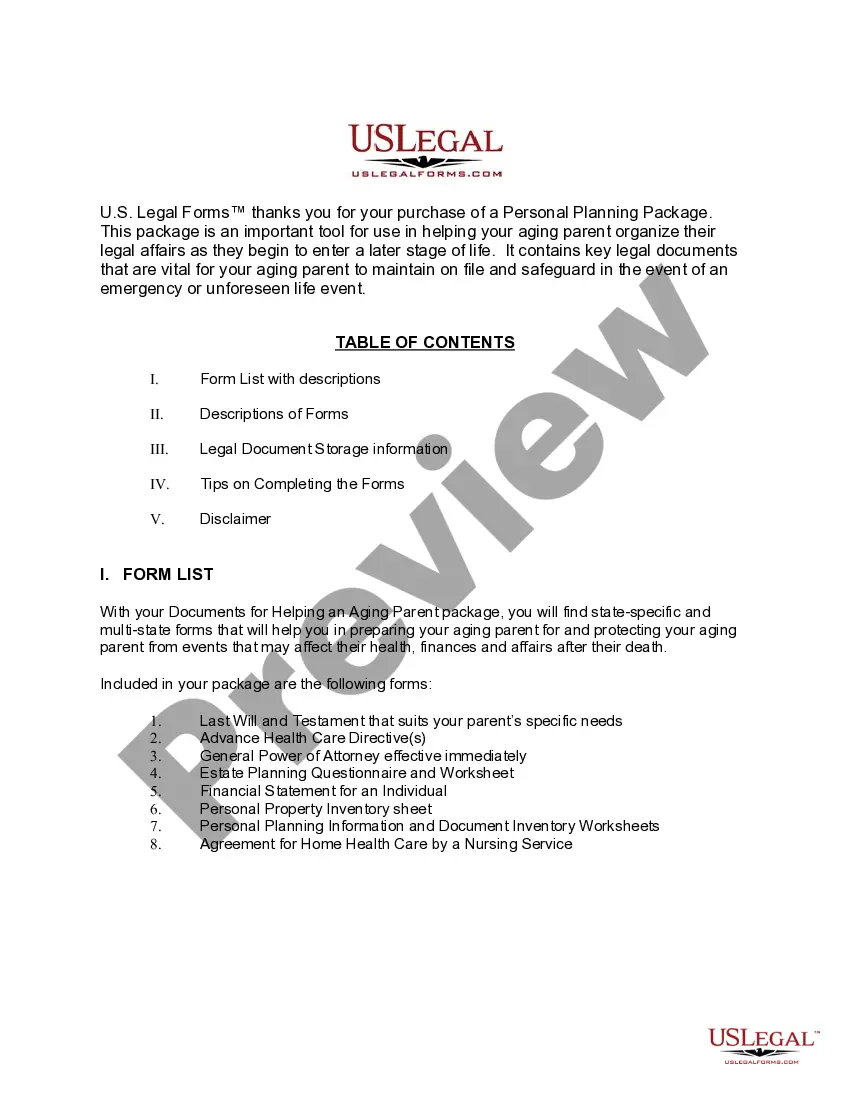
The Pennsylvania Aging Parent Package is designed to help families organize the legal affairs of their aging parents. This comprehensive package includes essential state-specific and multi-state documents that prepare and protect your loved ones as they navigate health challenges, financial concerns, and estate planning. It differs from similar packages by focusing specifically on the unique needs and scenarios faced by aging individuals and their families in Pennsylvania.
Documents contained in this package
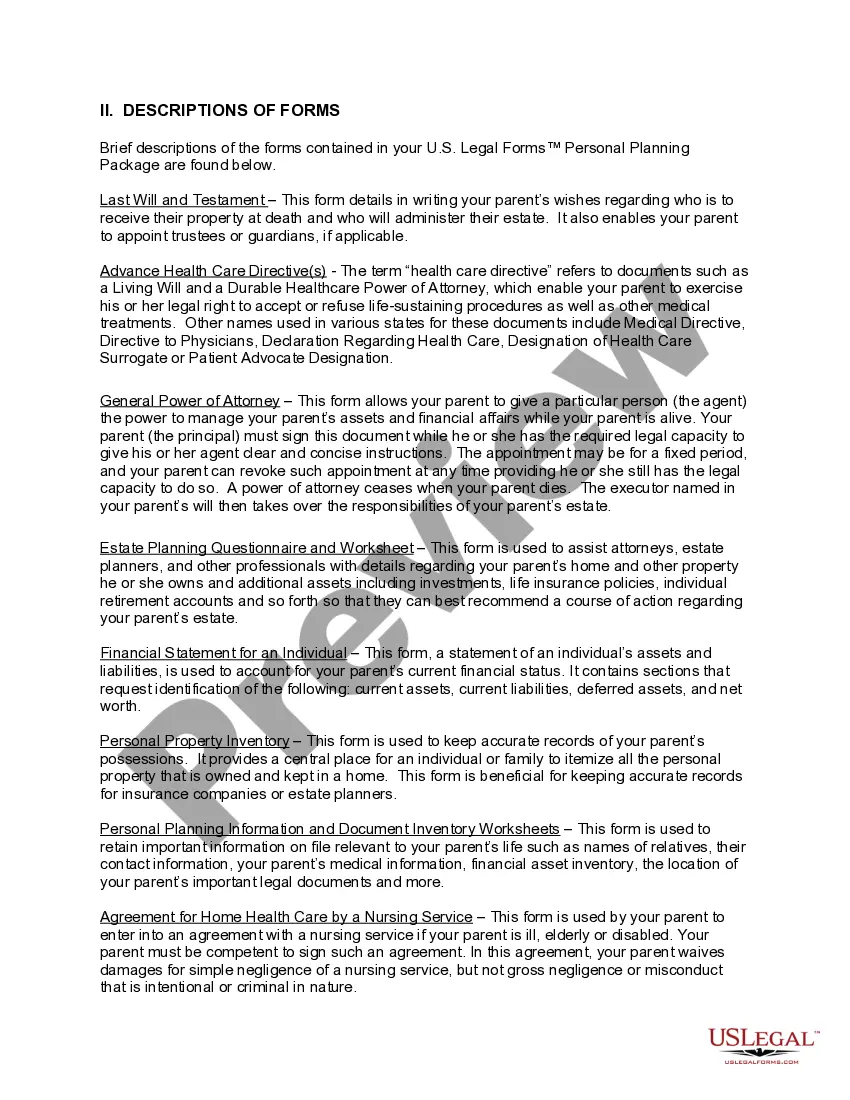
- Last Will and Testament
- Durable Power of Attorney for Health Care with Advance Health Care Provisions
- General Durable Power of Attorney for Property and Finances or Financial Effective Immediately
- Mental Health Care Power of Attorney
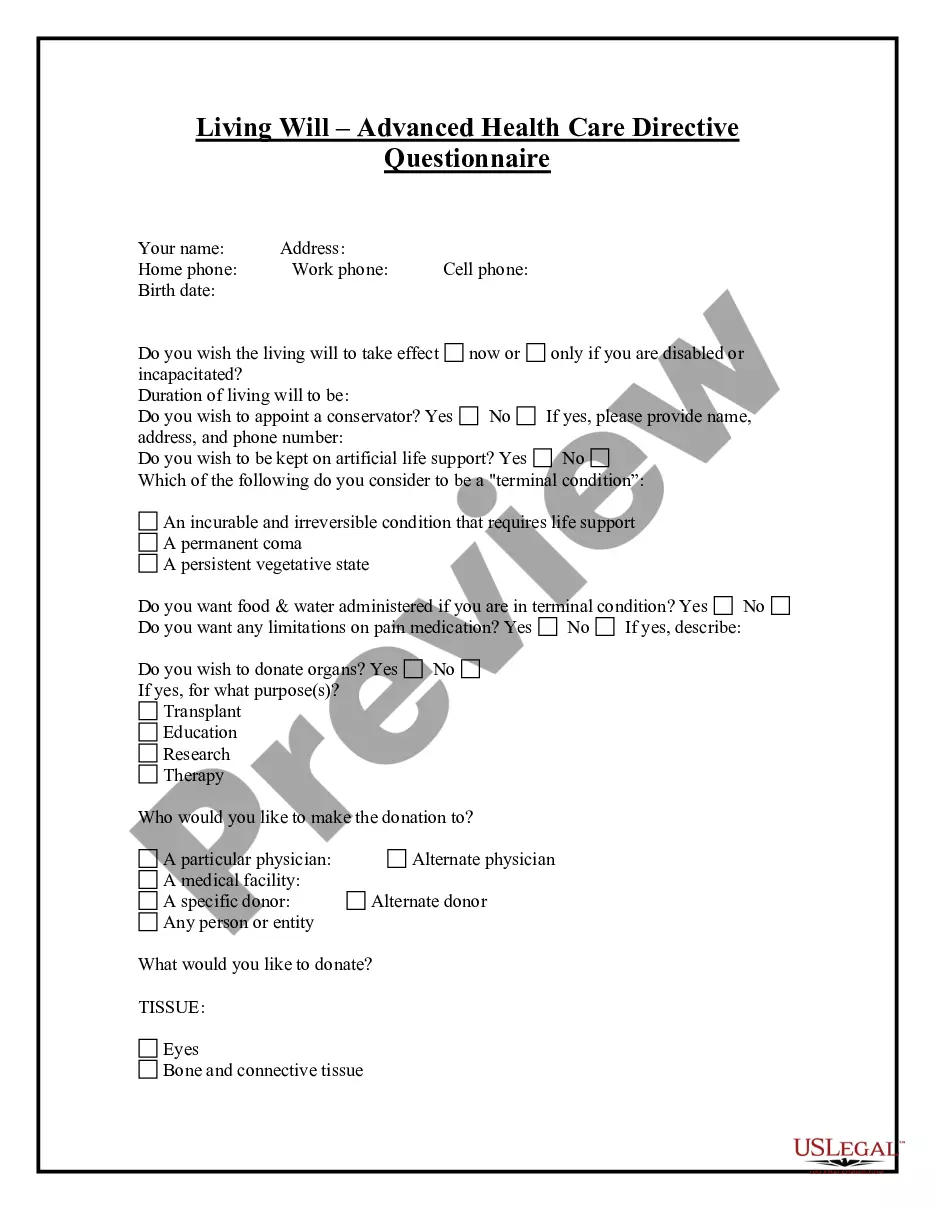
- Statutory Living Will - Advance Directive for Healthcare - Statutory form
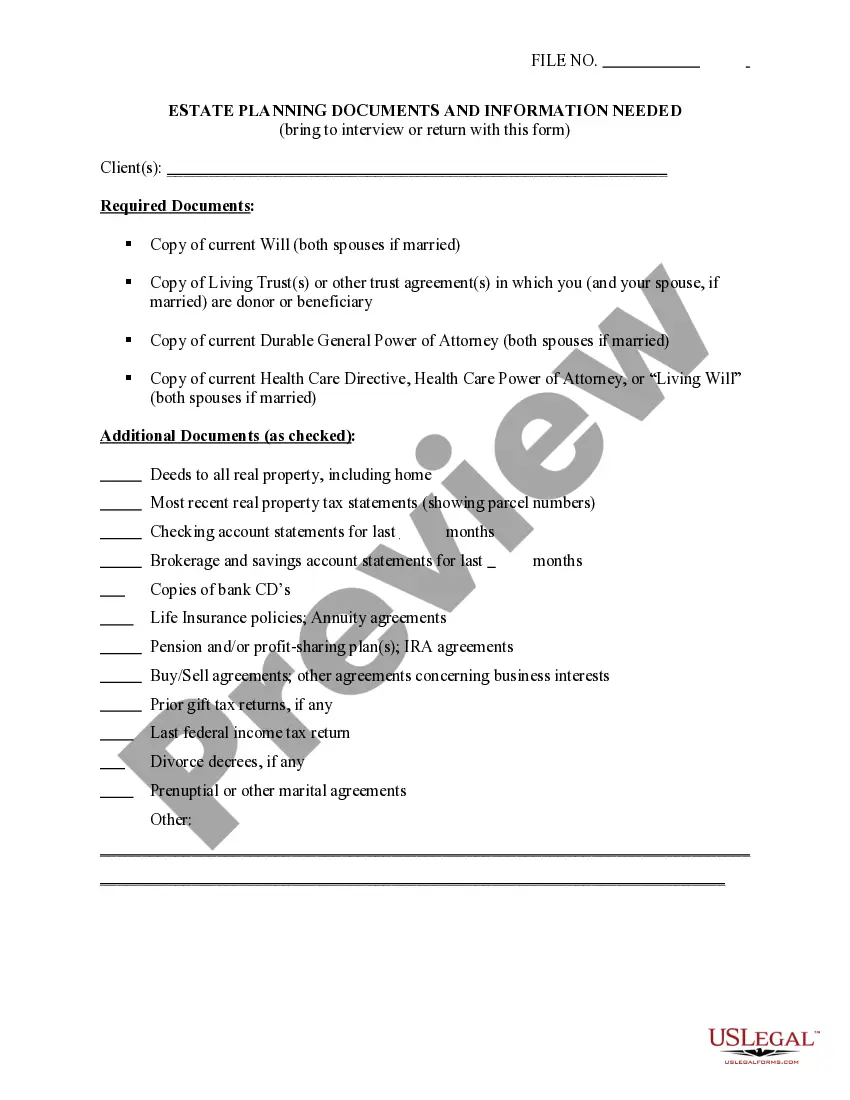
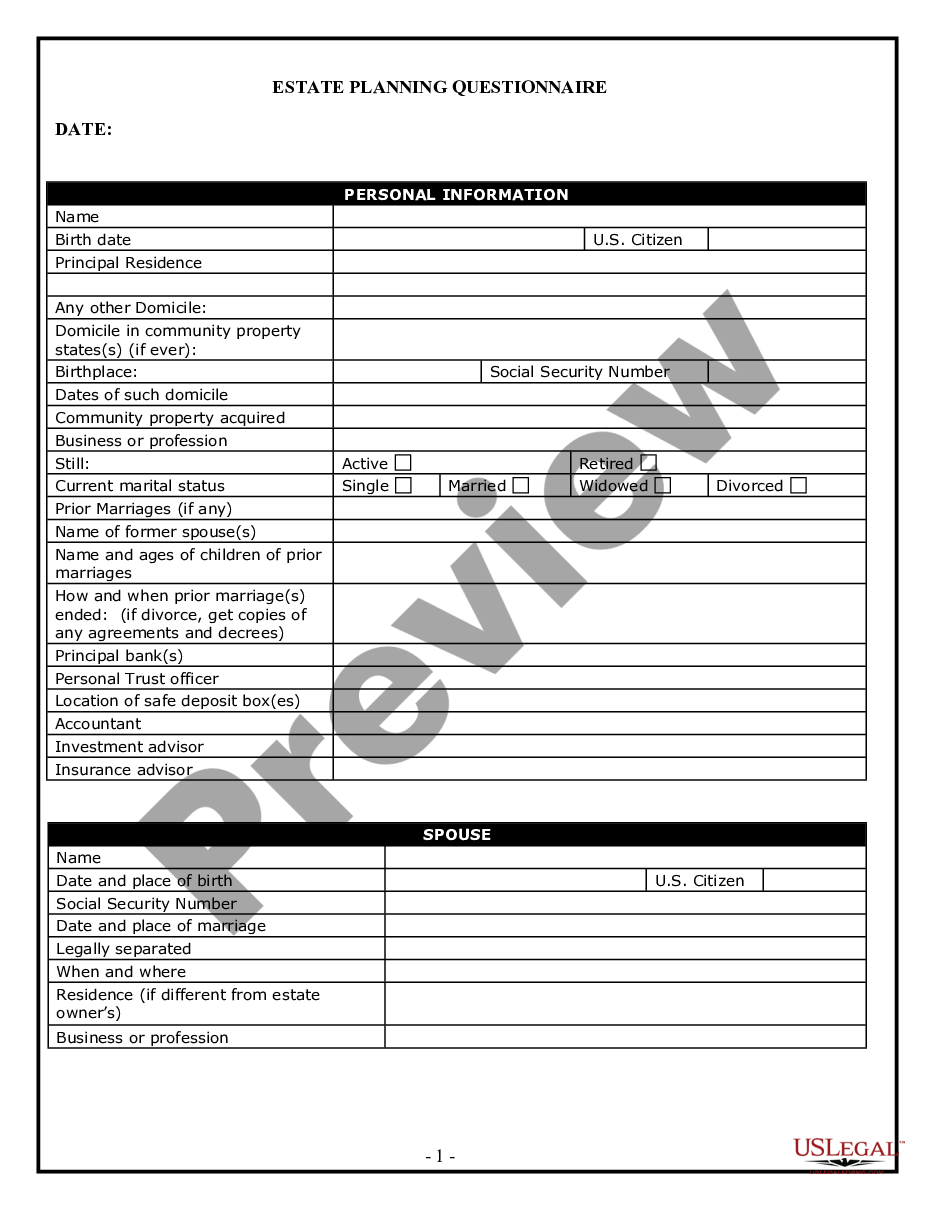
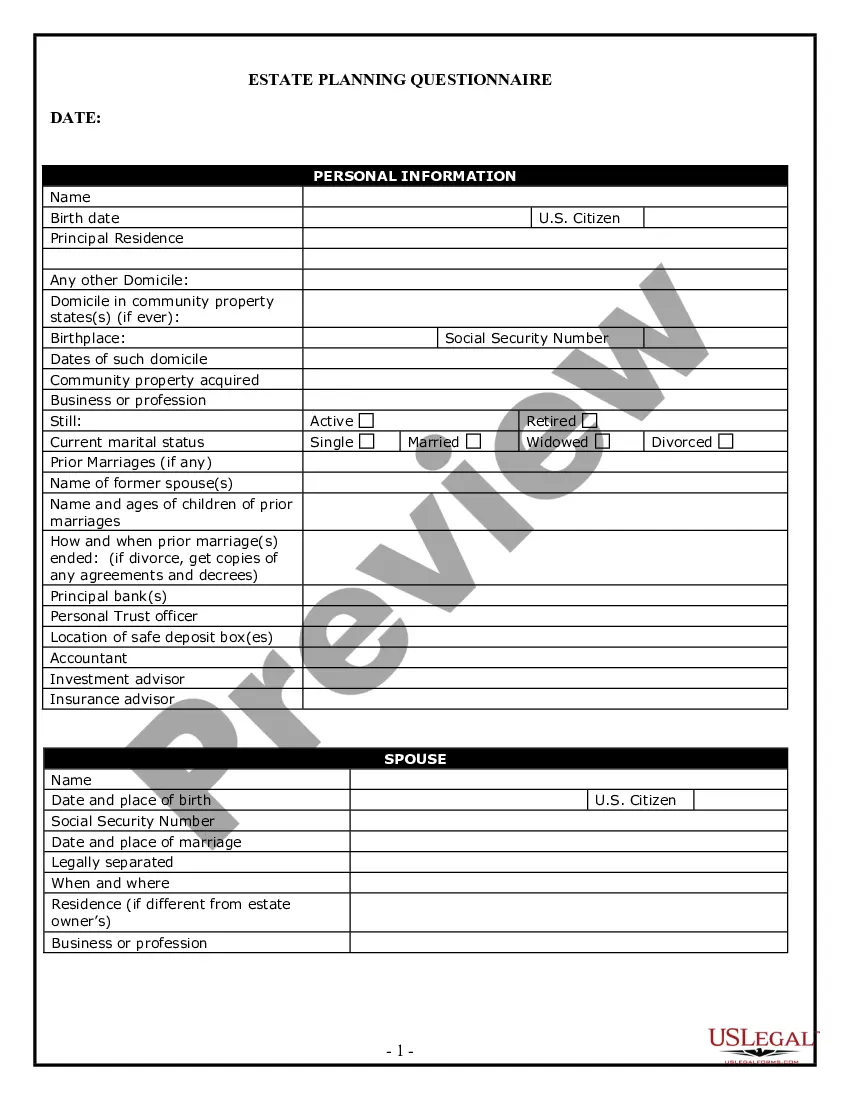
- Estate Planning Questionnaire and Worksheets
- Personal Care Agreement for Home Healthcare by a Nursing Service
- Personal Property Inventory
- Financial Statement Form - Husband and Wife Joint
- Personal Planning Information and Document Inventory Worksheets - A Legal Life Document

Common use cases
This form package should be used in various situations, including:
- When your aging parent needs assistance in managing their health care decisions.
- If preparing for potential health emergencies or unexpected life events is necessary.
- When organizing their financial affairs to ensure their preferences are respected after death.
- If planning for long-term care or home health services is needed.
Who should use this form package
- Children or guardians of aging parents who want to assist them in legal planning.
- Caregivers tasked with managing the health and financial affairs of elderly individuals.
- Individuals looking to ensure their aging parents' wishes are documented and respected.
- Anyone involved in the estate planning process for an older family member.
How to prepare this document
- Review the included forms thoroughly to understand each document's purpose.
- Gather necessary information about your parent's health care preferences, financial assets, and personal wishes.
- Fill out each form accurately, ensuring all information is correct and complete.
- Ensure all required signatures are obtained from your parent and any appointed agents.
- Store the completed documents in a safe place and inform trusted family members of their location.
Do documents in this package require notarization?
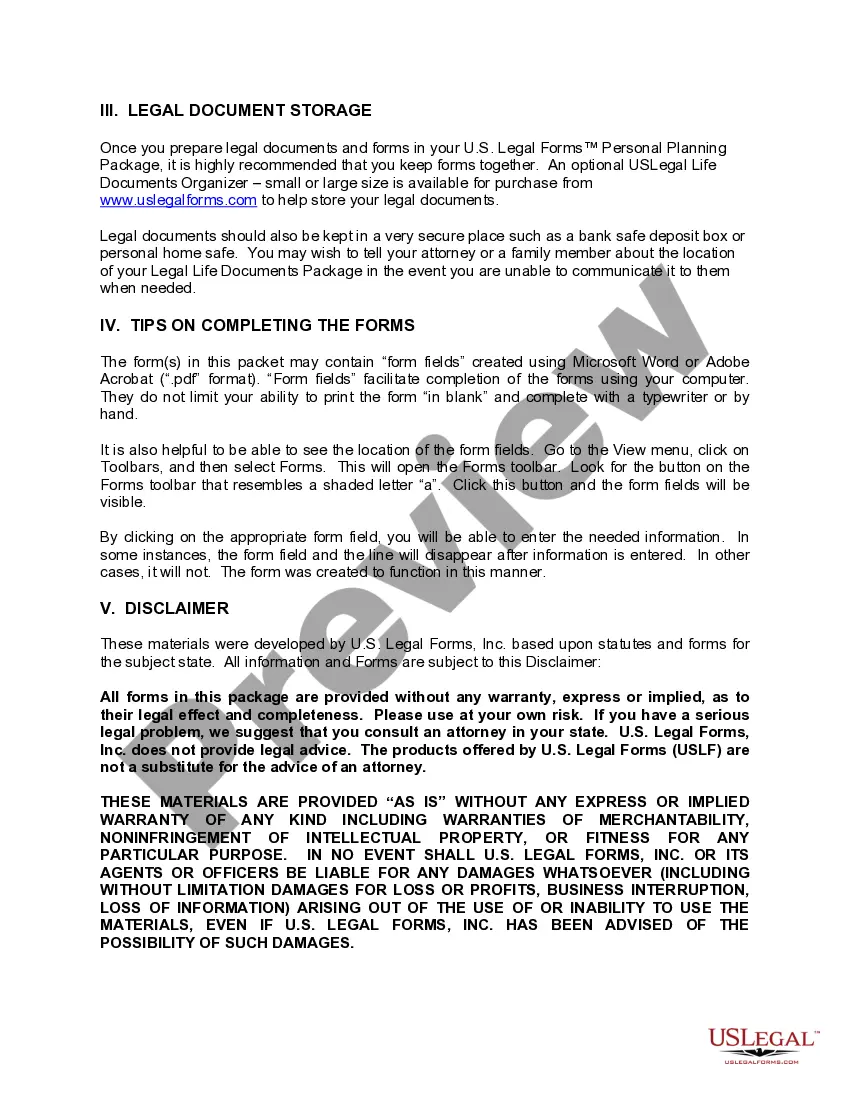
Some included forms must be notarized to ensure validity. US Legal Forms provides secure online notarization powered by Notarize, allowing you to complete the process through a verified video call anytime.
Get your form ready online
Our built-in tools help you complete, sign, share, and store your documents in one place.
Make edits, fill in missing information, and update formatting in US Legal Forms—just like you would in MS Word.
Download a copy, print it, send it by email, or mail it via USPS—whatever works best for your next step.
Sign and collect signatures with our SignNow integration. Send to multiple recipients, set reminders, and more. Go Premium to unlock E-Sign.
If this form requires notarization, complete it online through a secure video call—no need to meet a notary in person or wait for an appointment.
We protect your documents and personal data by following strict security and privacy standards.

Make edits, fill in missing information, and update formatting in US Legal Forms—just like you would in MS Word.

Download a copy, print it, send it by email, or mail it via USPS—whatever works best for your next step.

Sign and collect signatures with our SignNow integration. Send to multiple recipients, set reminders, and more. Go Premium to unlock E-Sign.

If this form requires notarization, complete it online through a secure video call—no need to meet a notary in person or wait for an appointment.

We protect your documents and personal data by following strict security and privacy standards.
Common mistakes to avoid
- Failing to update documents as circumstances change, such as a change in health or financial status.
- Not executing forms correctly, such as missing signatures or failing to have them witnesses if required.
- Overlooking the need for state-specific provisions in health care and financial documents.
Advantages of online completion
- Convenient access to forms that can be downloaded and completed at home.
- Editability allows for modifications to fit personal situations better.
- Reliability assured as documents are drafted by licensed attorneys with state-specific knowledge.
Legal use & context
- This package facilitates the legal organization of an aging parent's affairs.
- Properly executed documents can prevent disputes among family members in the future.
- Ensures that your parent's wishes are respected and actionable when necessary.
Main things to remember
- The Pennsylvania Aging Parent Package is vital for safeguarding your aging parent's legal interests.
- This package includes essential documents tailored to state requirements.
- Proper completion of these forms can provide peace of mind and clarity for families.
Looking for another form?
Form popularity
FAQ
Currently, four states offer paid family leave in order to care for a spouse. These are New Jersey, Rhode Island, New York, and California. All of these programs are intended to allow spouses to care for their partners for short periods of time, usually between 4 12 weeks.
Pennsylvania allows spouses to be paid for a limited number of ex- traordinary care services (e.g., home and community habilitation and certain trans- portation services) in some of its waiver programs, but not to the extent of these other states.
Retirement social security will not pay a caregiver directly. However, depending on your earnings amount through your working lifetime, and when you decide to take your social security income, you may make enough to pay for a caregiver.
Many government programs allow family members of veterans and people with disabilities to get paid for caring for them.Long-Term Care Insurance allows family members to be paid as caregivers. But some policies won't pay family members who live with the person they're caring for.
The most common program that pays loved ones for caregiving is a Medicaid option program known as Medicaid Waivers. These Waivers are also referred to Home and Community Based Services (HCBS) Waivers, 1915(c) Waivers, or even Section 1115 Waivers.
Yes, there are restrictions. Specifically, a spouse (husband or wife) or legal guardian cannot provide home care services and be paid for them through the state Medicaid waiver program. Spouses can only provide informal support, i.e. unpaid support.
OPTIONS is a program that allows individuals to receive services and supports in their homes and communities. Funded primarily through the Aging Block Grant, the OPTIONS Program (OPTIONS) serves individuals who are either financially or clinically ineligible for Medical Assistance (MA) Long-Term Services and Supports.
Commonly, it is an adult child who is paid via Medicaid to provide care, but some states, such as Alabama, Arizona, California, Colorado, Delaware, Florida, Hawaii, Kentucky, Minnesota, Montana, New Hampshire, New Jersey, North Dakota, Oklahoma, Oregon, and Wisconsin, even provide funds for spouses to be paid
The Pennsylvania Caregiver Support Program works to ease the stresses of caregiving by focusing on the well-being of the caregiver. The program provides the primary caregiver with reimbursement for out-of-pocket costs associated with caregiving, such as respite, caregiving-related services and supplies.