Pennsylvania Statutory Living Will - Advance Directive for Healthcare - Statutory form
What is this form?
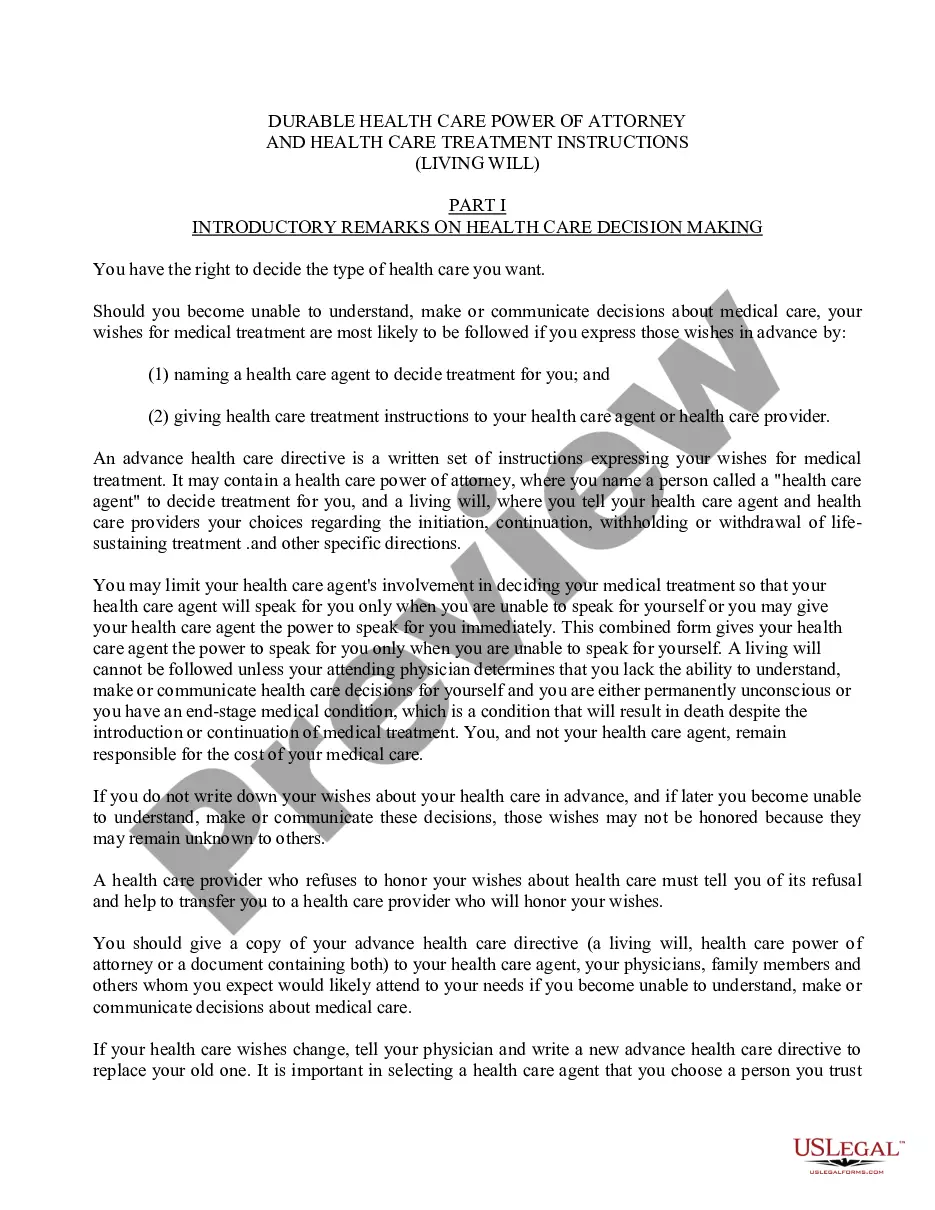
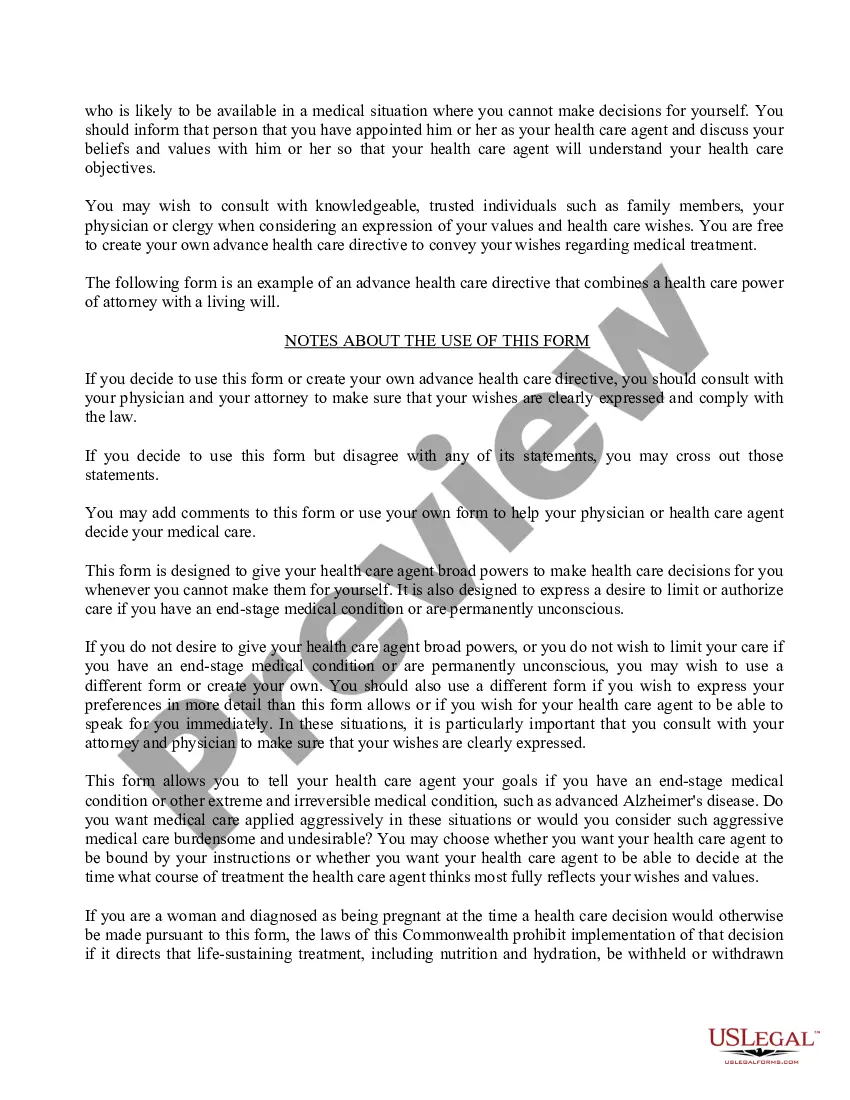
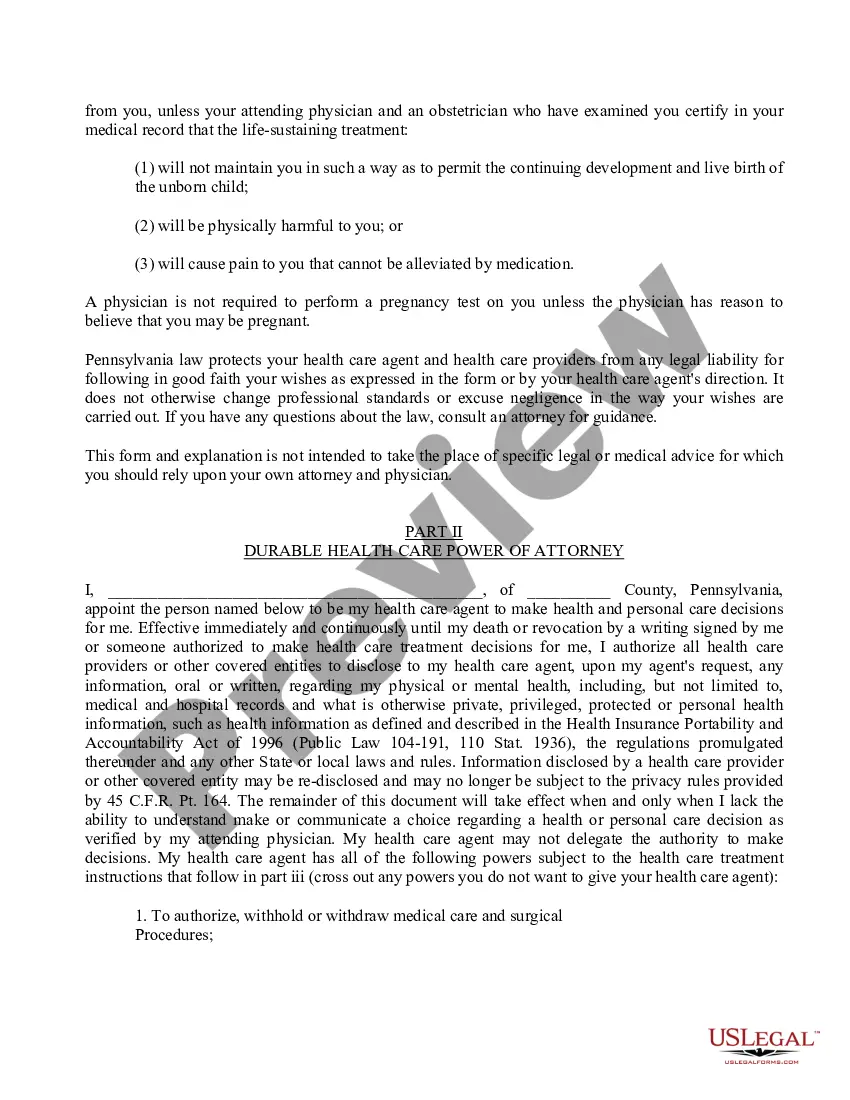
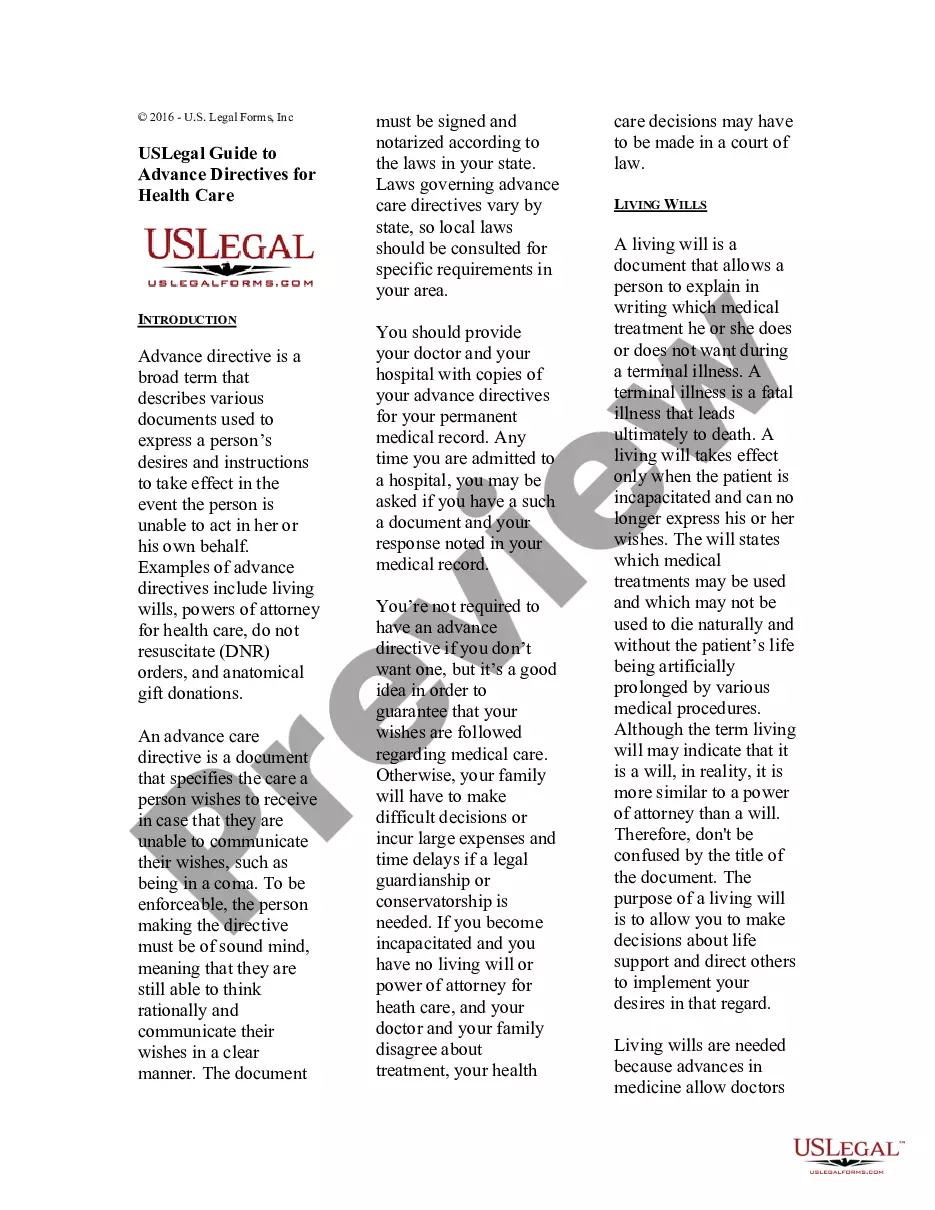
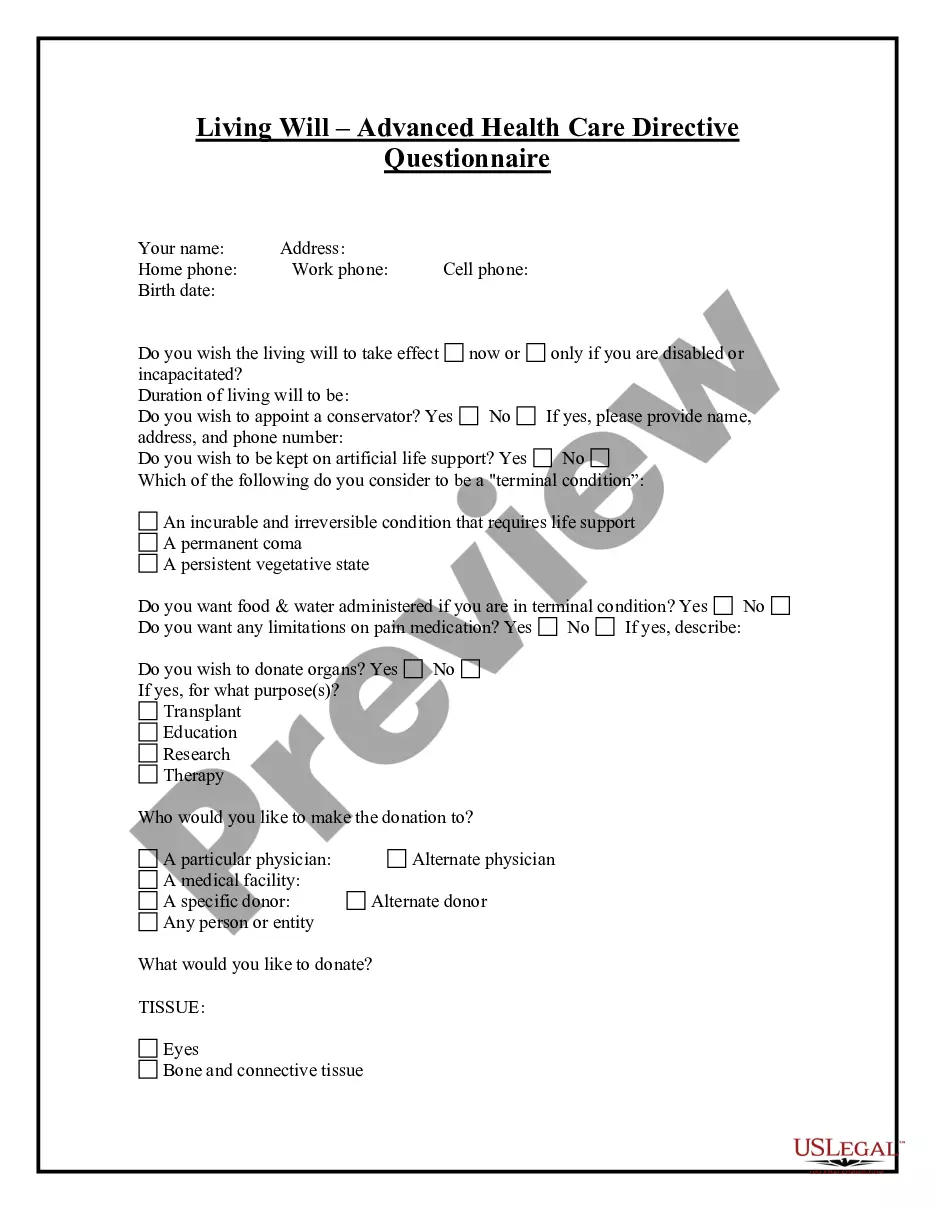
The Statutory Living Will - Advance Directive for Healthcare is a legal document that allows you to outline your healthcare preferences in advance. This form serves two primary purposes: it expresses your wishes regarding the initiation, continuation, or withdrawal of life-sustaining treatment, and it appoints a health care agent to make decisions on your behalf if you become unable to do so. Unlike a general power of attorney, this form specifically focuses on healthcare directives and preferences, addressing situations such as terminal illness or permanent unconsciousness.
Main sections of this form
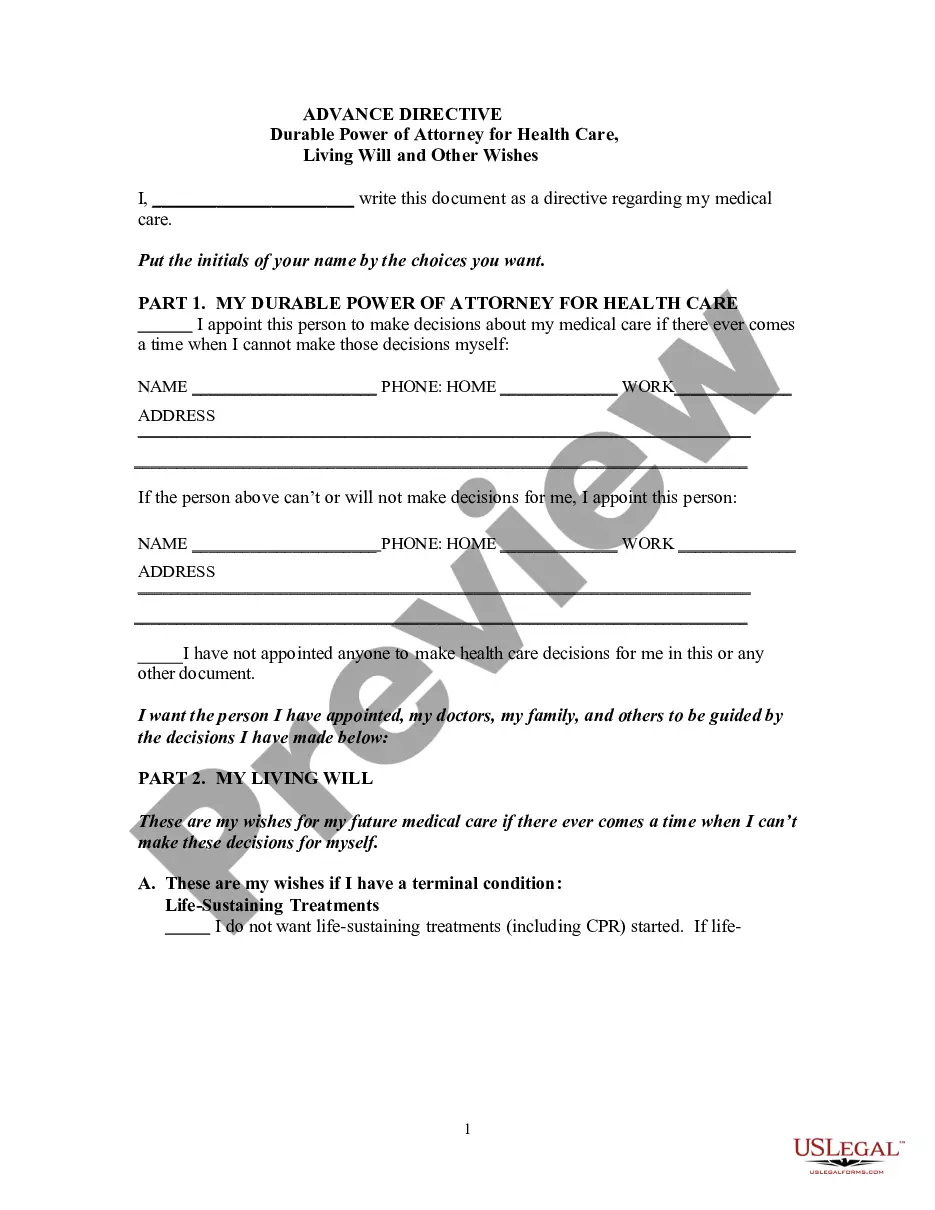
- Declaration of healthcare treatment preferences
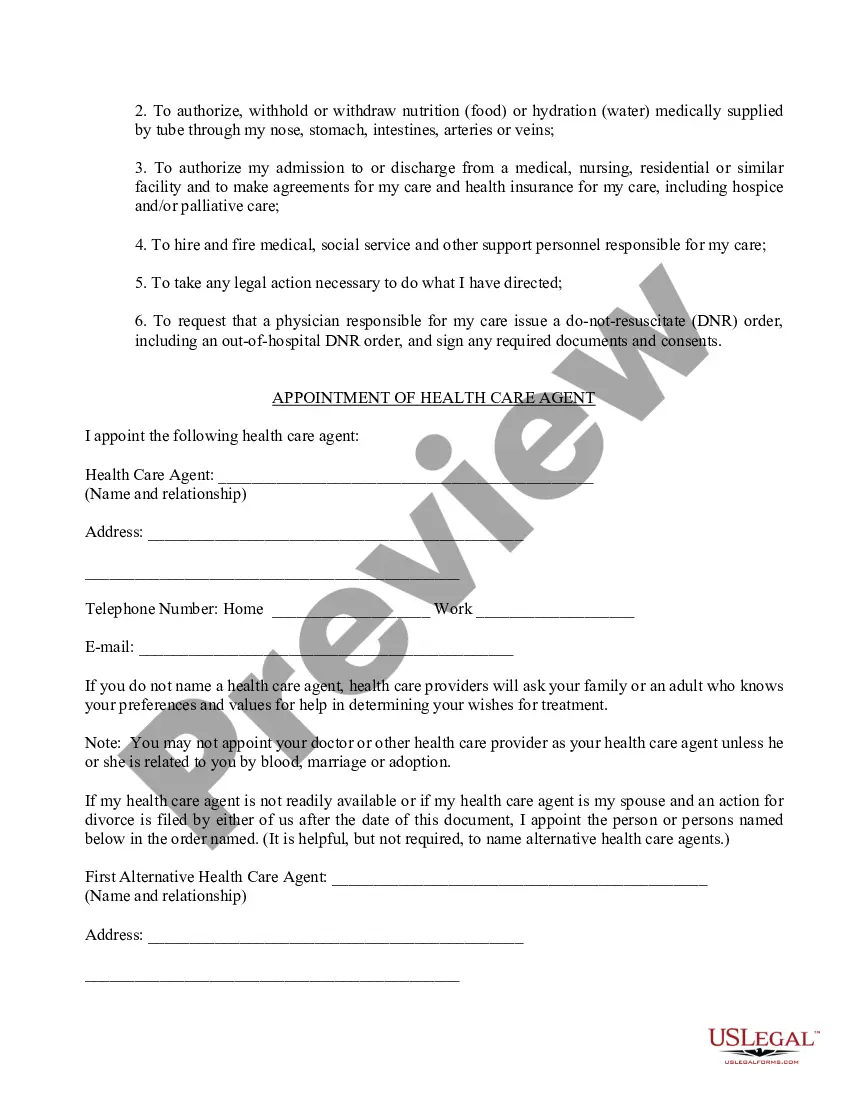
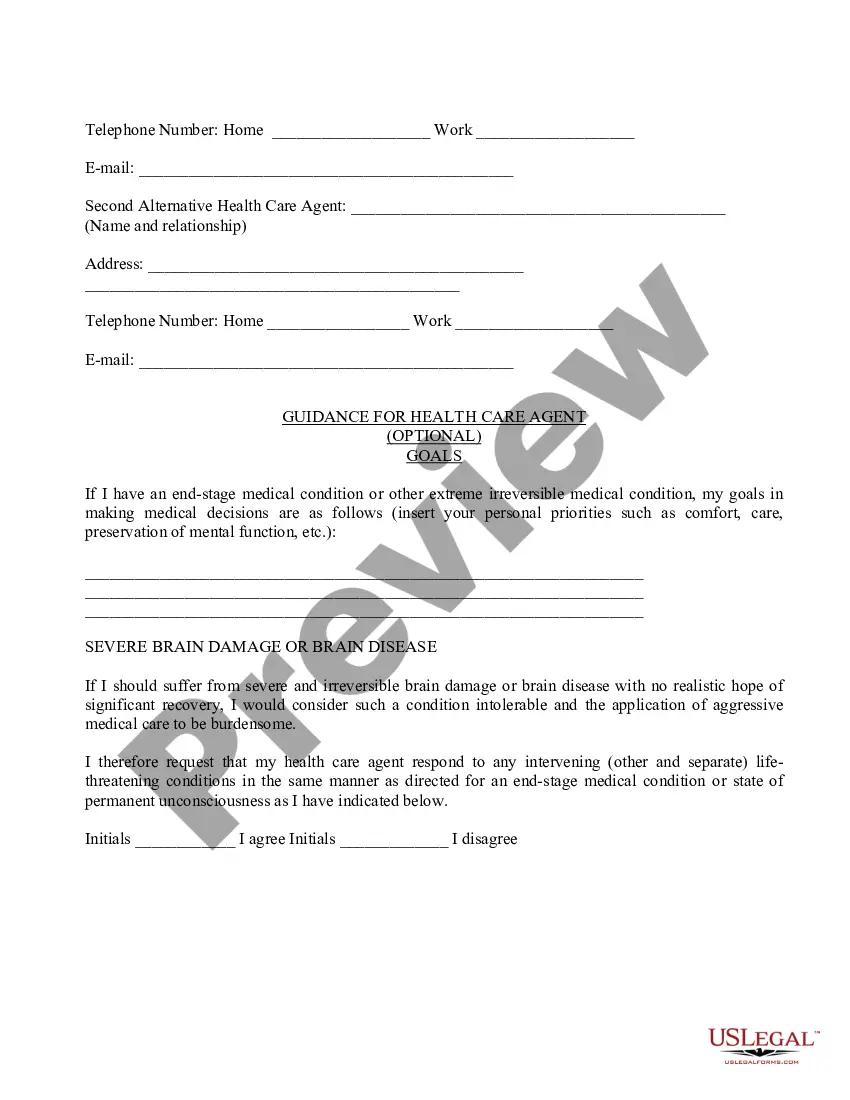
- Appointment of a health care agent
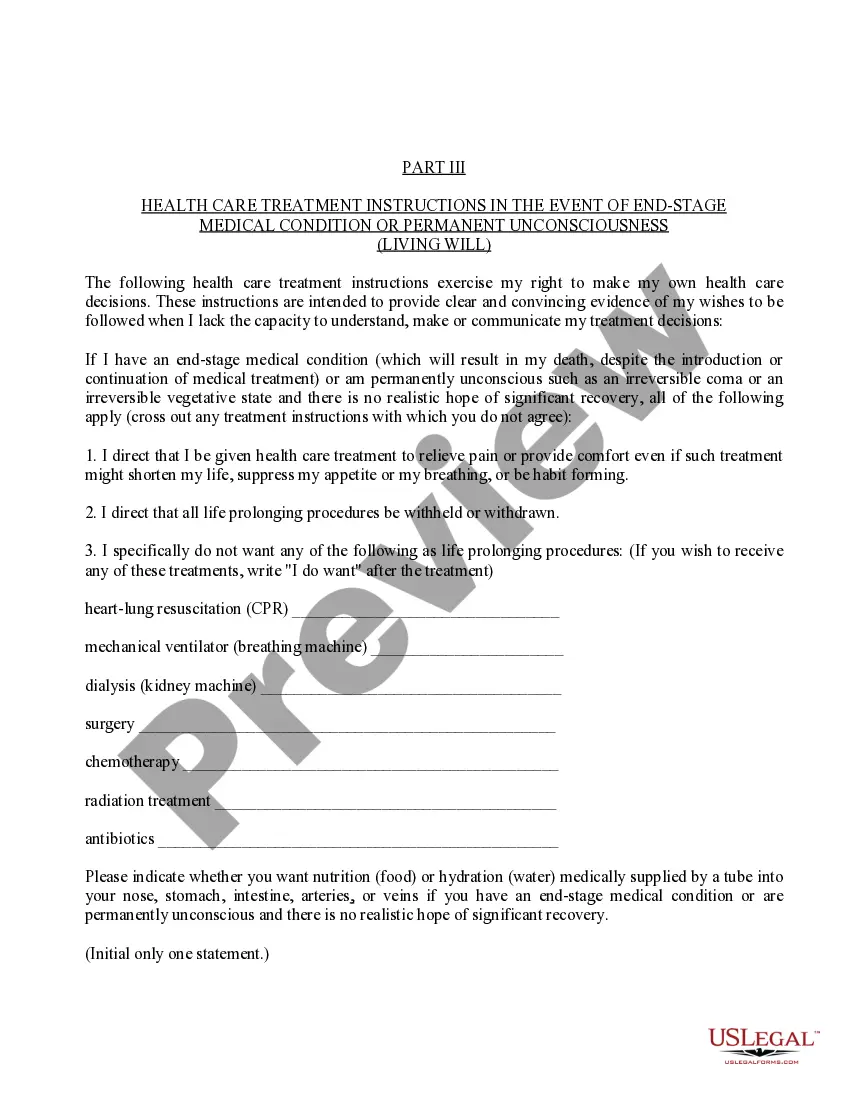
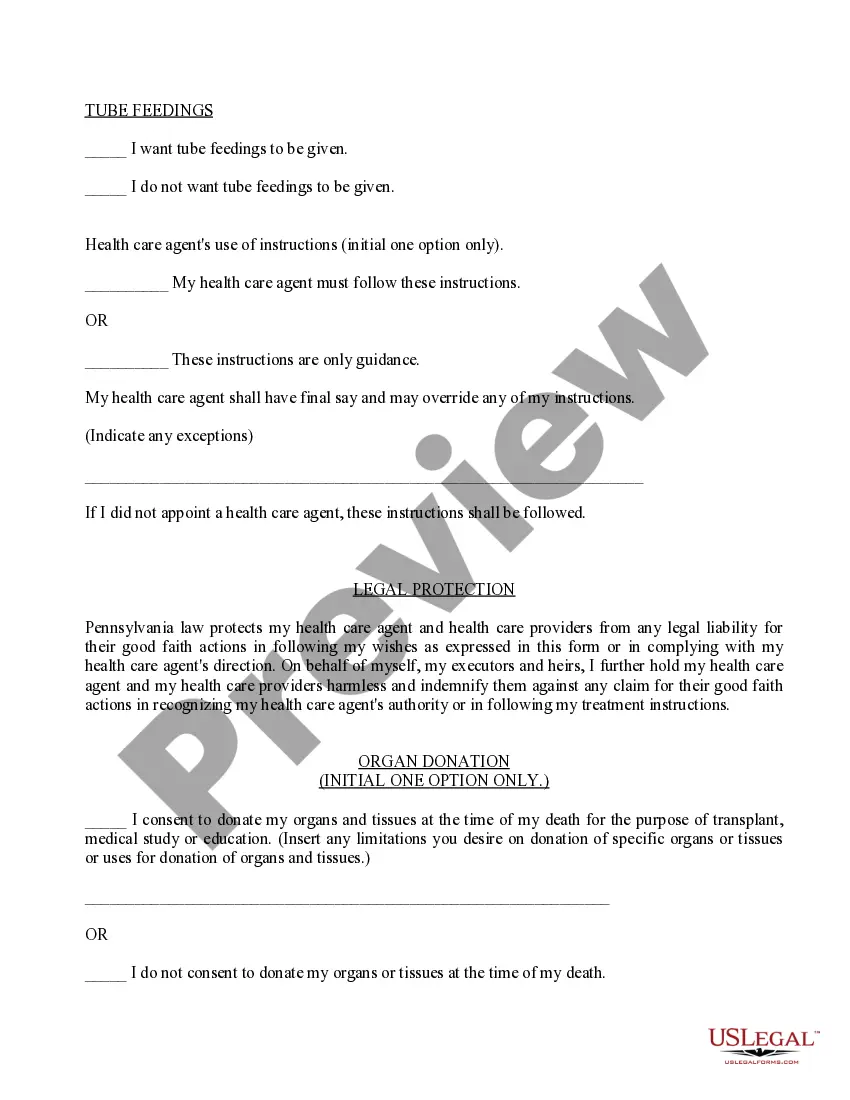
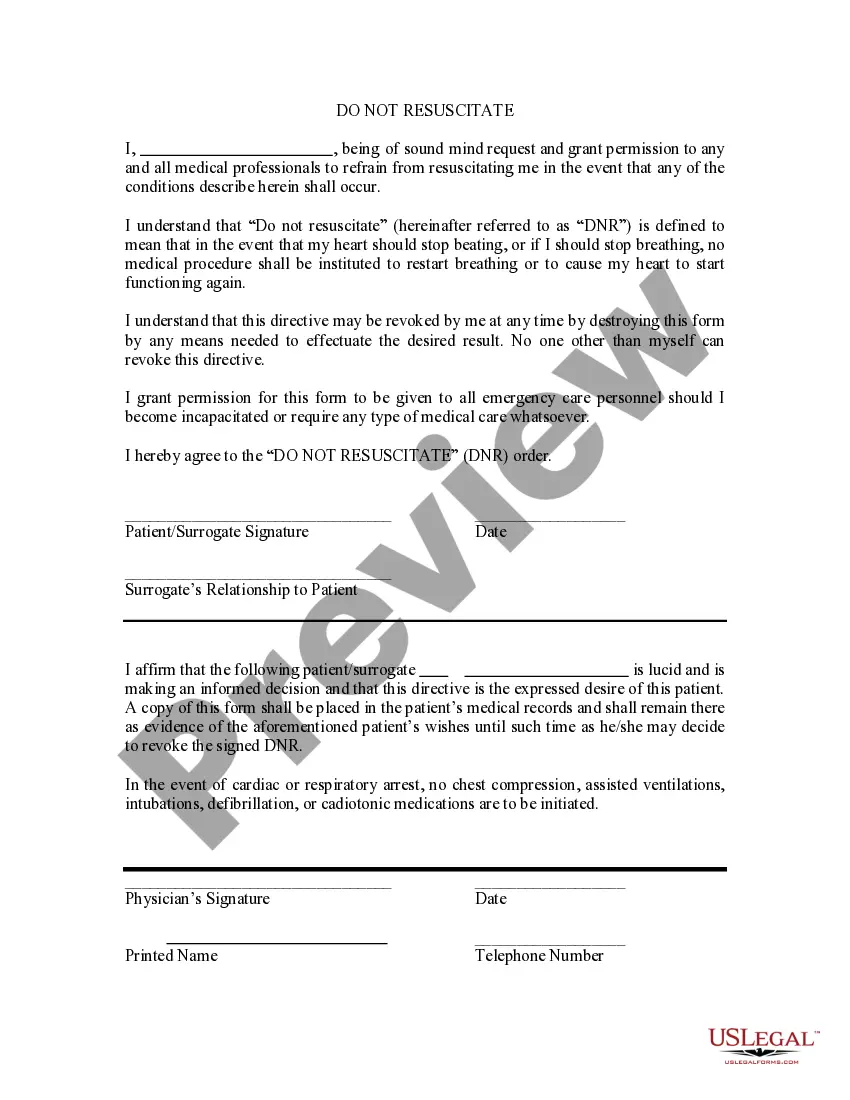
- Instructions regarding life-sustaining procedures
- Guidance for health care agents in specific medical conditions
- Options regarding organ donation

When to use this document
You should consider using this form when you want to ensure that your healthcare wishes are known and respected in cases where you may become incapacitated. It is particularly important for individuals facing serious health conditions or those who are concerned about the quality of life in terminal situations. This form is also useful for anyone wanting to relieve their loved ones from making difficult healthcare decisions during critical times.
Who can use this document
- Adults who wish to express their healthcare preferences clearly and legally.
- Individuals with serious or chronic health conditions.
- Those who want to appoint someone as their health care agent.
- People who want their family members to know their healthcare decisions in advance.
Steps to complete this form
- Identify and appoint a trusted health care agent who will make decisions on your behalf.
- Clearly outline your wishes regarding life-sustaining treatments, including preferences for pain management and other medical interventions.
- Consider including specific goals for your health care preferences in the event of an end-stage medical condition.
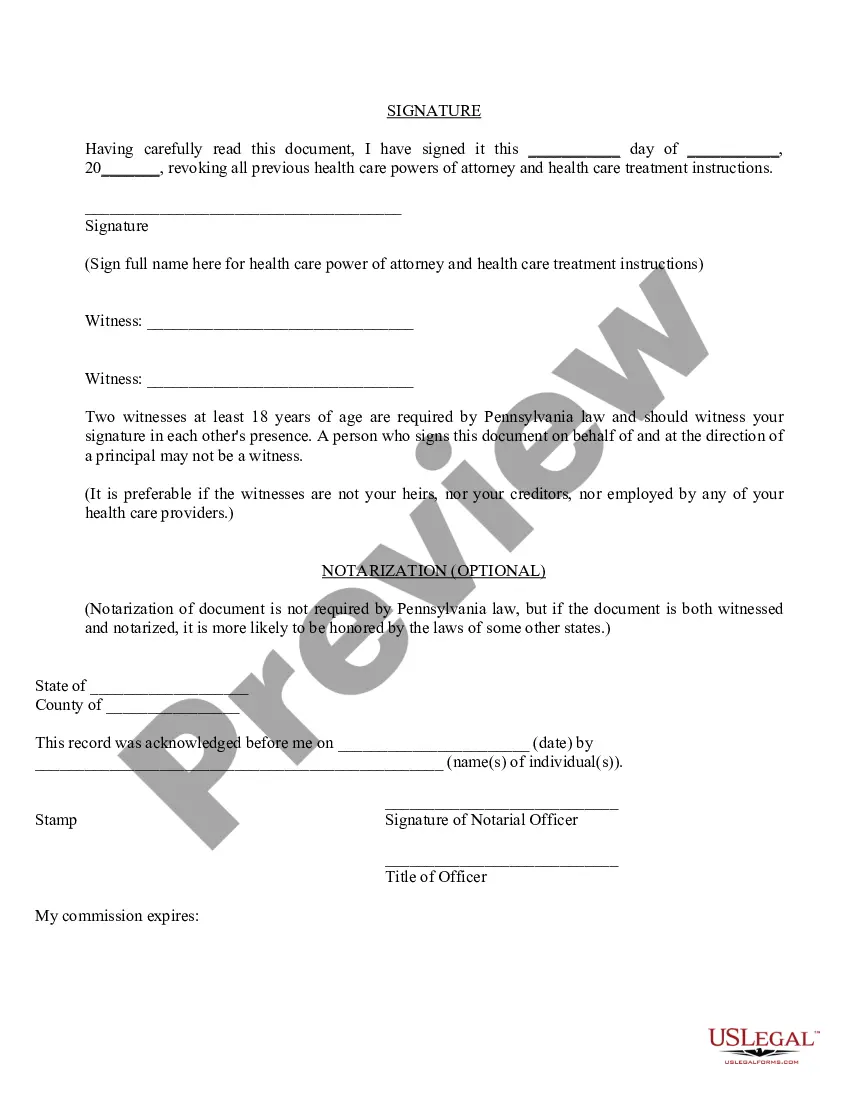
- Sign the document in the presence of two witnesses who are at least 18 years old.
- Provide copies of the signed form to your health care agent, your physicians, and family members.
Does this document require notarization?
Notarization is generally not required for this form. However, certain states or situations might demand it. You can complete notarization online through US Legal Forms, powered by Notarize, using a verified video call available anytime.
Get your form ready online
Our built-in tools help you complete, sign, share, and store your documents in one place.
Make edits, fill in missing information, and update formatting in US Legal Forms—just like you would in MS Word.
Download a copy, print it, send it by email, or mail it via USPS—whatever works best for your next step.
Sign and collect signatures with our SignNow integration. Send to multiple recipients, set reminders, and more. Go Premium to unlock E-Sign.
If this form requires notarization, complete it online through a secure video call—no need to meet a notary in person or wait for an appointment.
We protect your documents and personal data by following strict security and privacy standards.

Make edits, fill in missing information, and update formatting in US Legal Forms—just like you would in MS Word.

Download a copy, print it, send it by email, or mail it via USPS—whatever works best for your next step.

Sign and collect signatures with our SignNow integration. Send to multiple recipients, set reminders, and more. Go Premium to unlock E-Sign.

If this form requires notarization, complete it online through a secure video call—no need to meet a notary in person or wait for an appointment.

We protect your documents and personal data by following strict security and privacy standards.
Typical mistakes to avoid
- Failing to discuss your wishes with your appointed health care agent.
- Not updating the document after significant life changes, such as marital status or health condition.
- Not providing copies to relevant parties, which may lead to confusion during emergencies.
- Choosing a health care agent who does not understand your values or preferences.
Why complete this form online
- Convenience of filling out and downloading the form from home.
- Editability allows for personalized modifications to suit your specific needs.
- Reliable templates drafted by licensed attorneys ensure legal compliance.
Summary of main points
- The form clarifies your healthcare wishes and appoints an agent to make decisions on your behalf.
- Legally compliant with Pennsylvania laws regarding advance directives.
- Essential for anyone wanting their health care preferences honored during incapacitation.
Looking for another form?
Form popularity
FAQ
As long as you can still make your own decisions, your advance directive won't be used. You can change or cancel it at any time. Your health care agent will only make choices for you if you can't or don't want to decide for yourself.
The living will. Durable power of attorney for health care/Medical power of attorney. POLST (Physician Orders for Life-Sustaining Treatment) Do not resuscitate (DNR) orders. Organ and tissue donation.
To create a valid will in Pennsylvania, the will creator (testator) must be 18 years of age and must possess a sound mind. Possessing a sound mind means that the testator is mentally competent and fully understands what property they own and who they are conveying their property to.
Living will. A living will is a written, legal document that spells out medical treatments you would and would not want to be used to keep you alive, as well as your preferences for other medical decisions, such as pain management or organ donation. In determining your wishes, think about your values.
In Pennsylvania, you are not required to have your living will notarized, however, if you are contemplating using the document in another state you should find out if the other state requires notarization.
An advance directive is a set of instructions someone prepares in advance of ill health that determines his healthcare wishes. A living will is one type of advance directive that becomes effective when a person is terminally ill.
No, in Pennsylvania, you do not need to notarize your will to make it legal. However, you must go to a notary to make your will self-proving, see above.
An advance directive is a set of instructions someone prepares in advance of ill health that determines his healthcare wishes. A living will is one type of advance directive that becomes effective when a person is terminally ill.
A notarized will does not need to be probated.When a person dies leaving behind a will that is not notarized, the law requires that its validity be ascertained by a notary or by a court. Similarly, any non-notarized modification made to a will must be probated, whether the will is notarized or not.