New York Electrical Contract for Contractor
Understanding this form
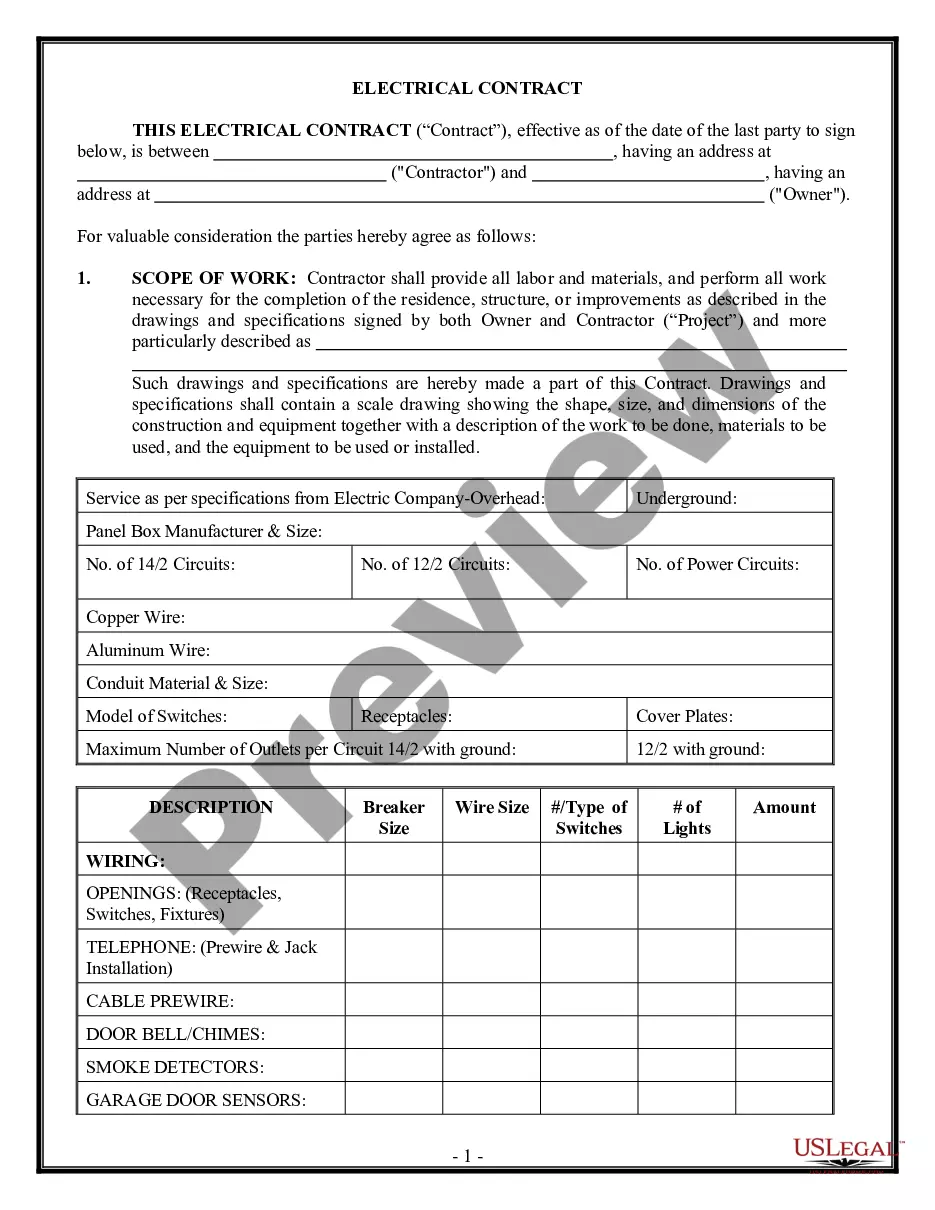
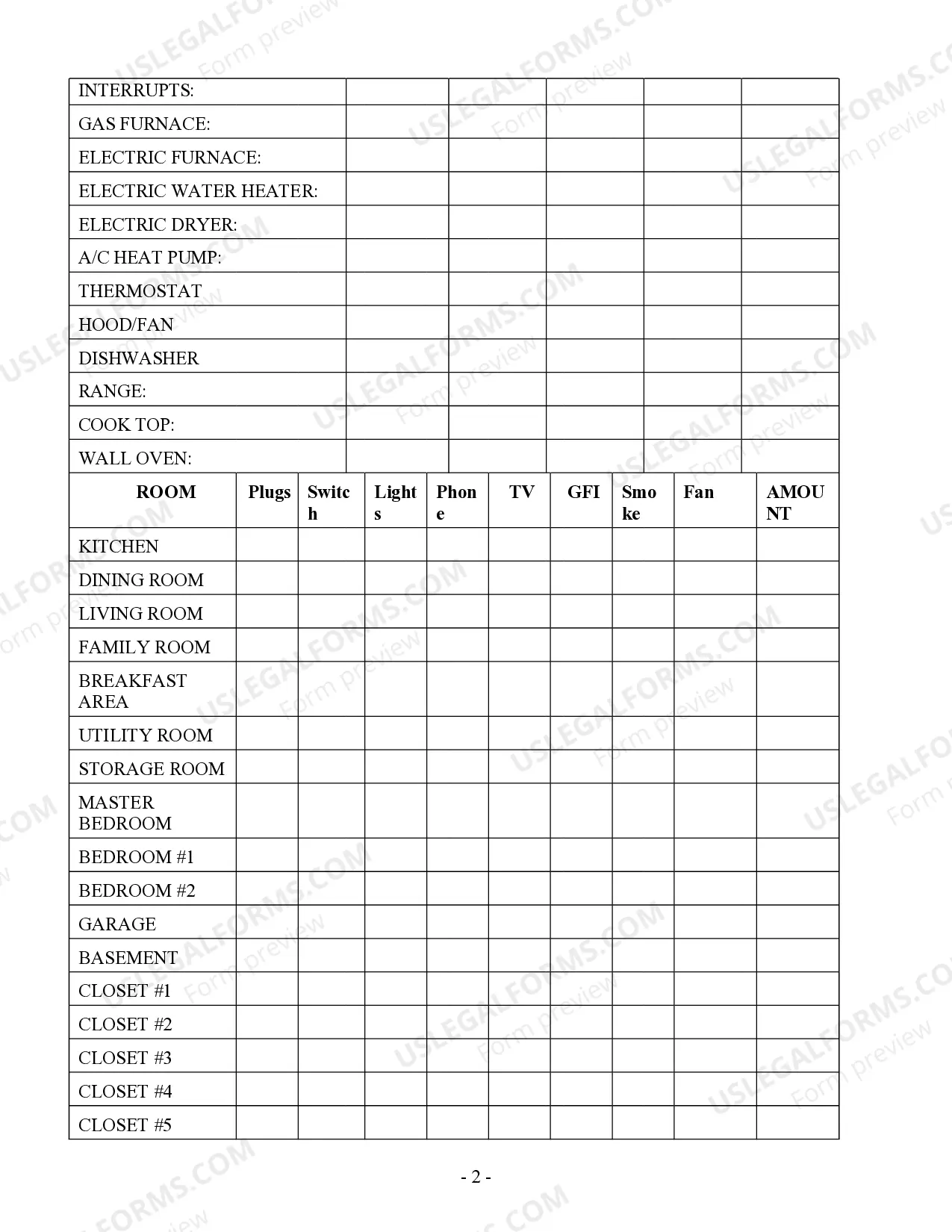
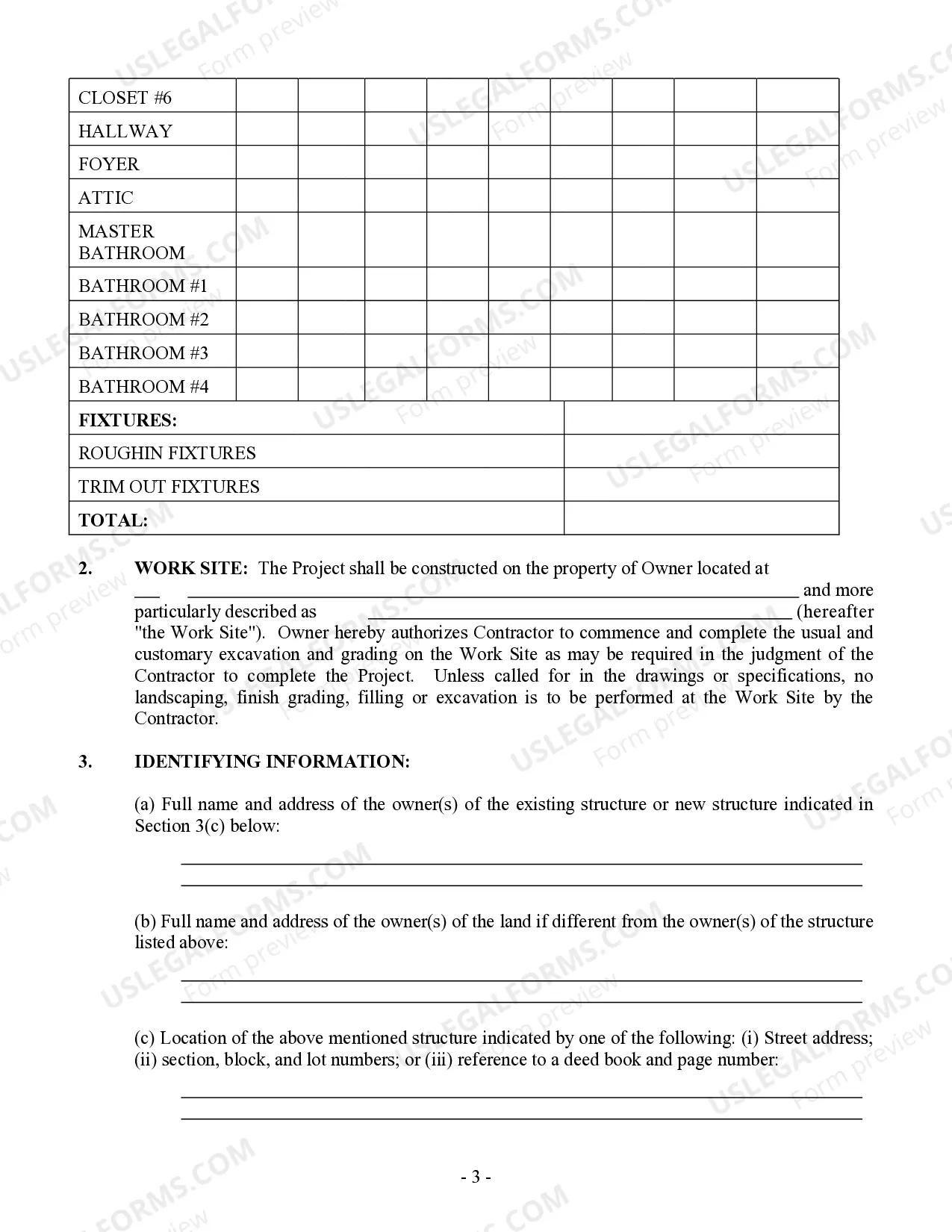
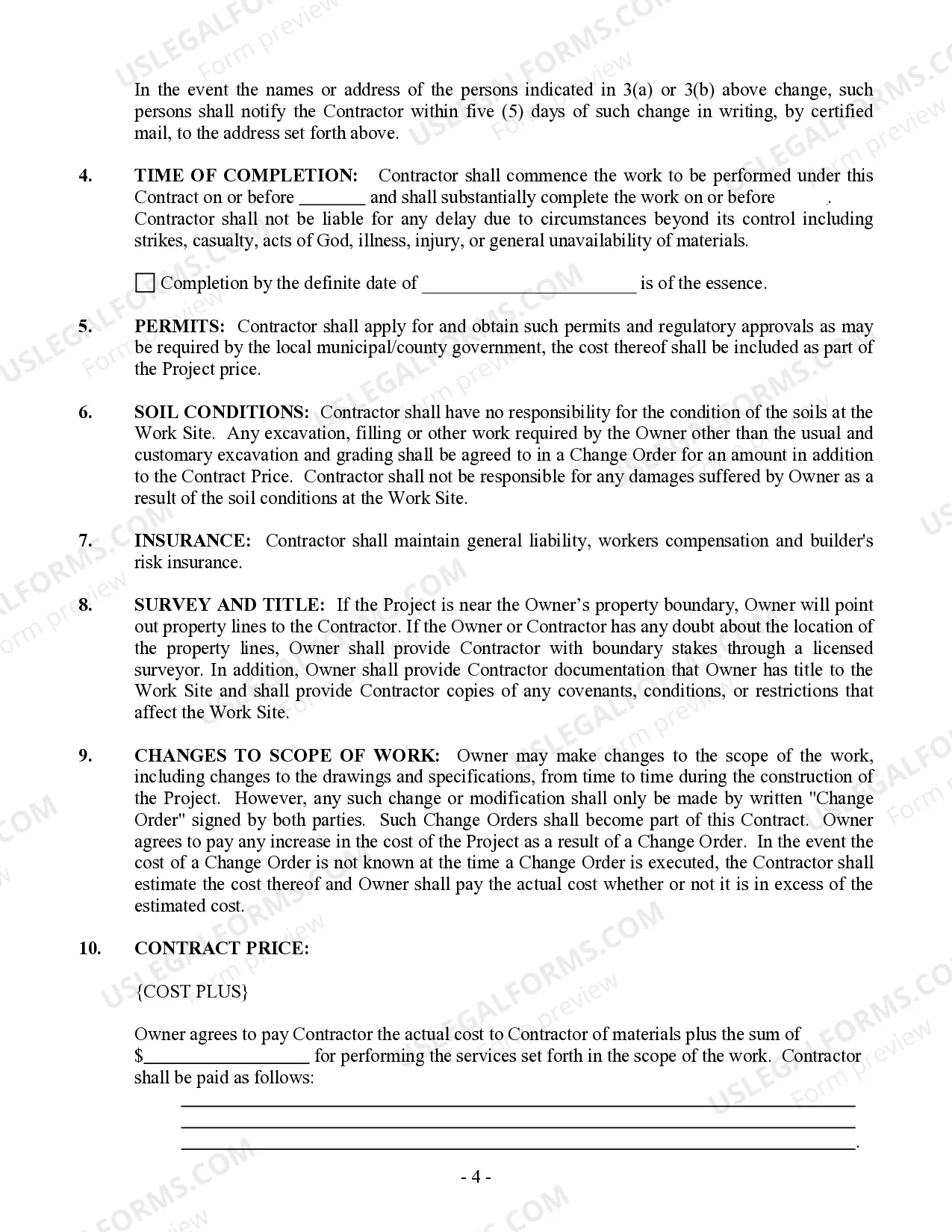
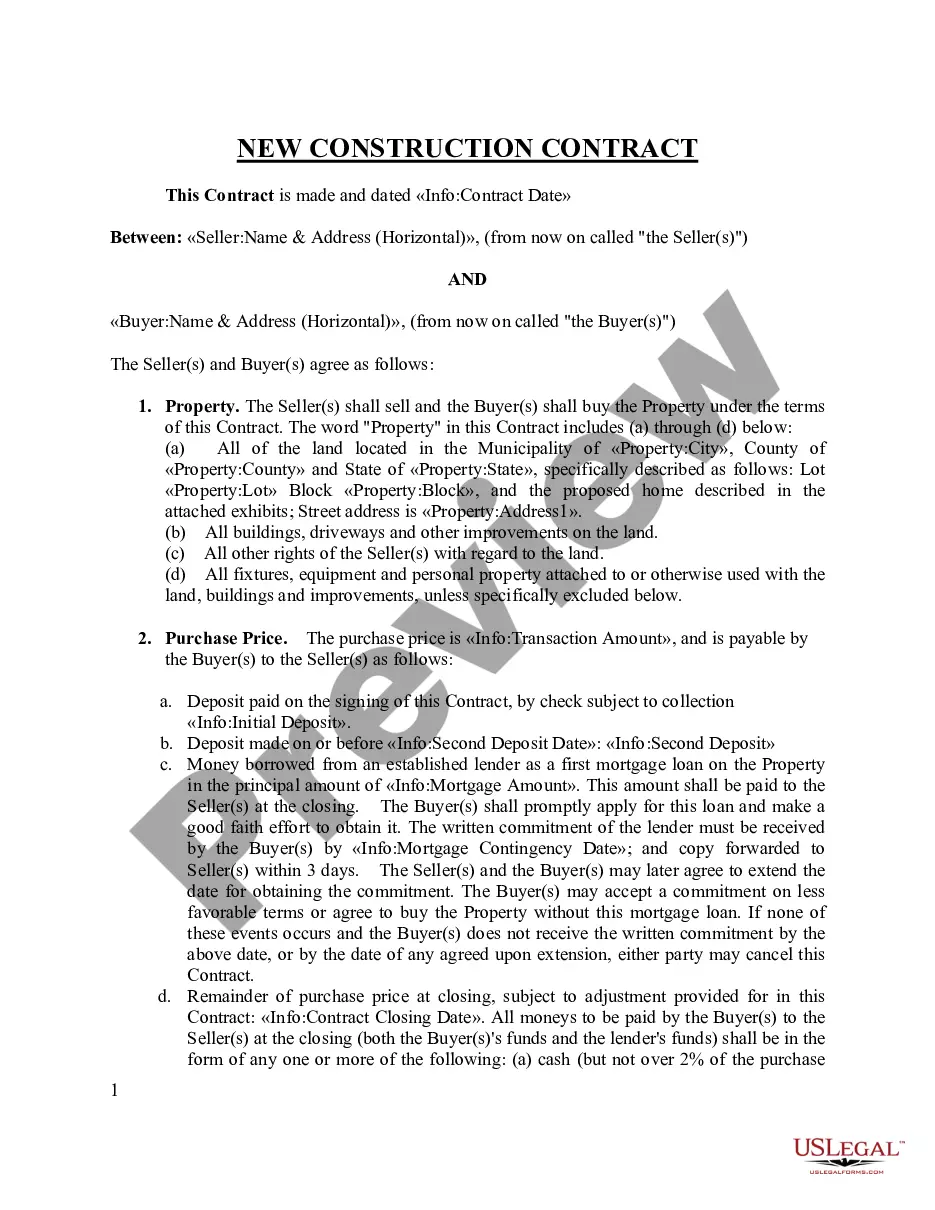
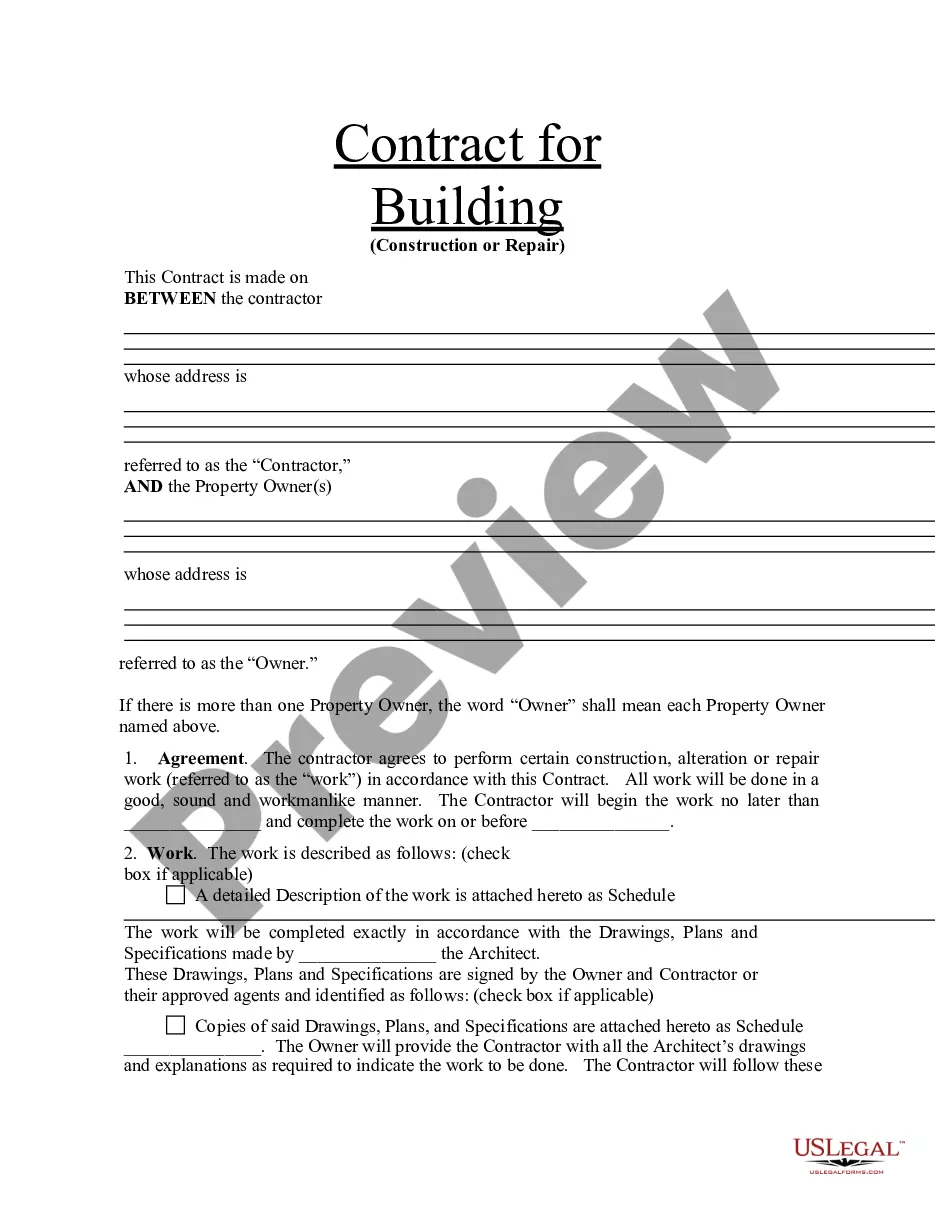
The Electrical Contract for Contractor is a legally binding document that outlines the terms and conditions agreed upon between an electrical contractor and a property owner. This contract can be executed under either a cost-plus or fixed fee payment arrangement. It addresses crucial matters such as change orders, work site information, warranties, and insurance, ensuring compliance with New York state laws. It serves as a mutual understanding of project expectations, responsibilities, and liabilities which distinguishes it from simple verbal agreements or informal contracts.
Main sections of this form
- Identifying Information: Full names and addresses of the owner(s) and contractor.
- Permits: Requirement for the contractor to apply for necessary local permits.
- Soil Conditions: Clarification that the contractor is not responsible for soil conditions at the work site.
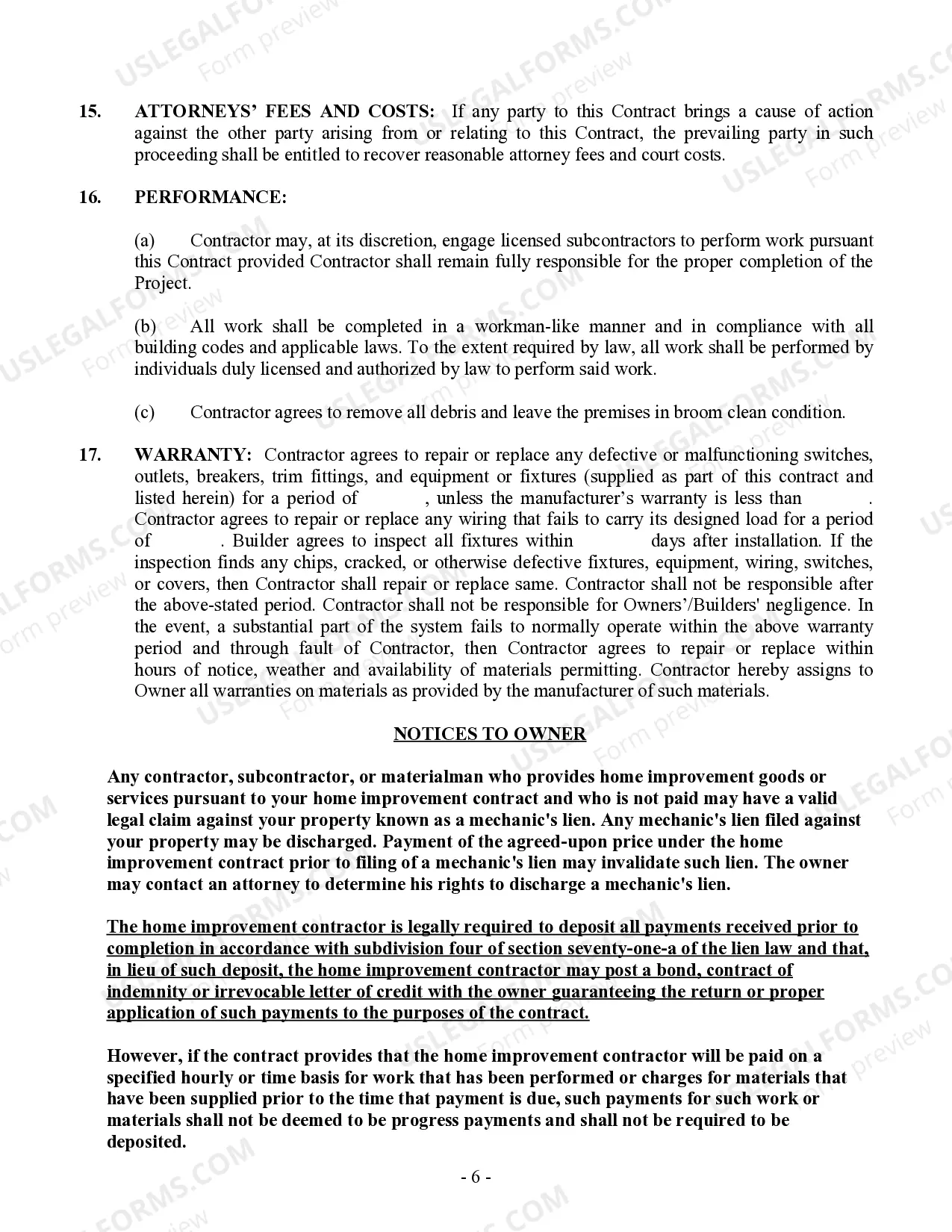
- Insurance: Mandates general liability and worker's compensation insurance to be maintained by the contractor.
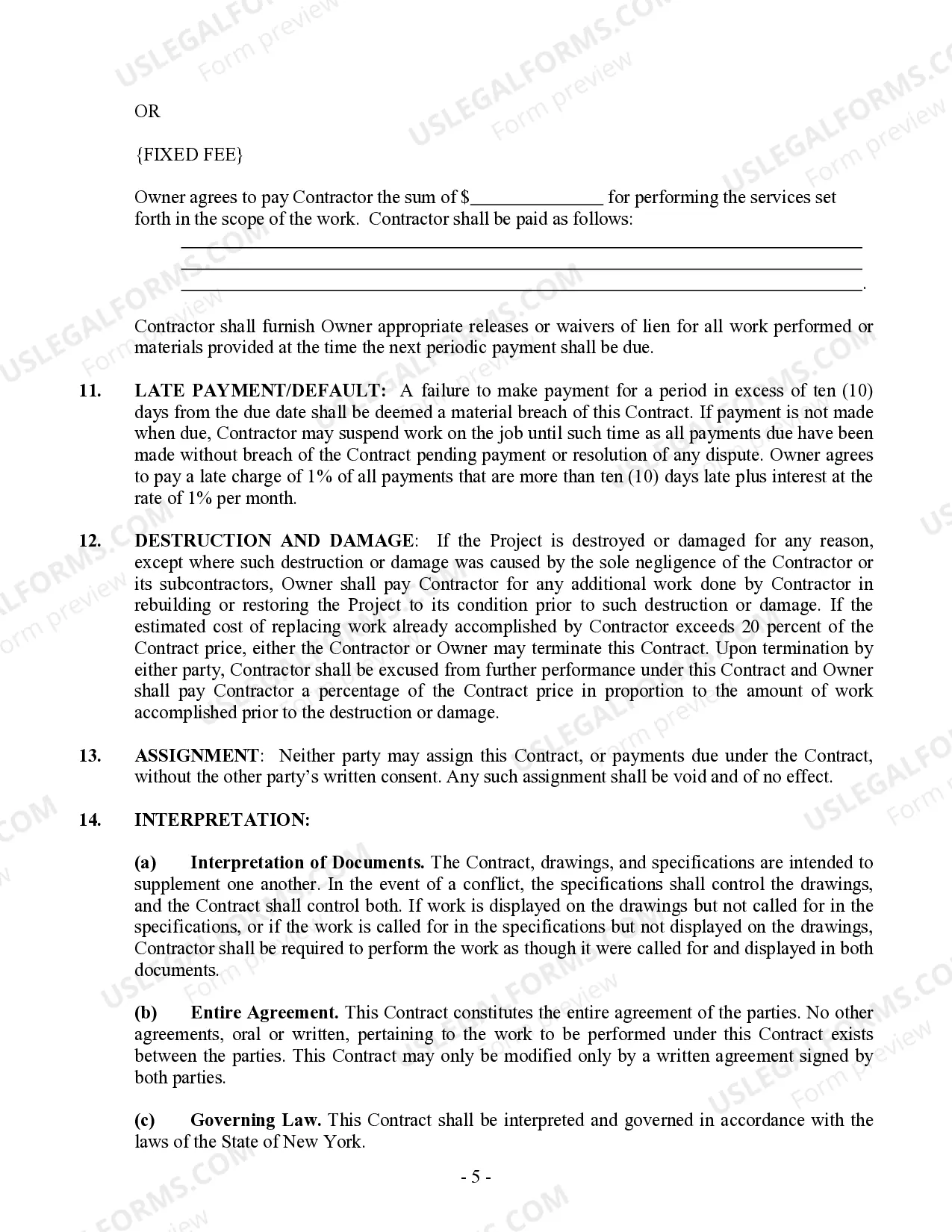
- Destruction and Damage: Conditions under which the contract may be terminated if the project is damaged or destroyed.
- Assignment: Prohibition on assignment of the contract without written consent from both parties.
Situations where this form applies
This form should be used when a property owner wishes to hire an electrical contractor for specific electrical work, including new installations or repairs. It is essential where detailed arrangements regarding payment structures, project specifications, and liability issues need to be documented. The contract helps mitigate disputes by outlining the responsibilities of both parties clearly.
Who can use this document
- Property owners seeking to engage an electrical contractor for work on residential or commercial properties.
- Electrical contractors who require a formal contract to define the scope of their services and payment terms.
- Entities involved in significant electrical projects where legal clarity and protection are necessary.
Completing this form step by step
- Identify the parties involved by entering the full names and addresses of both the property owner(s) and the electrical contractor.
- Specify the project details, including the type of electrical work and the agreed payment structure (cost-plus or fixed fee).
- List required permits to be obtained by the contractor and any specific insurance requirements.
- Review clauses regarding soil conditions, warranties, and the process for handling changes or damages, making edits as necessary.
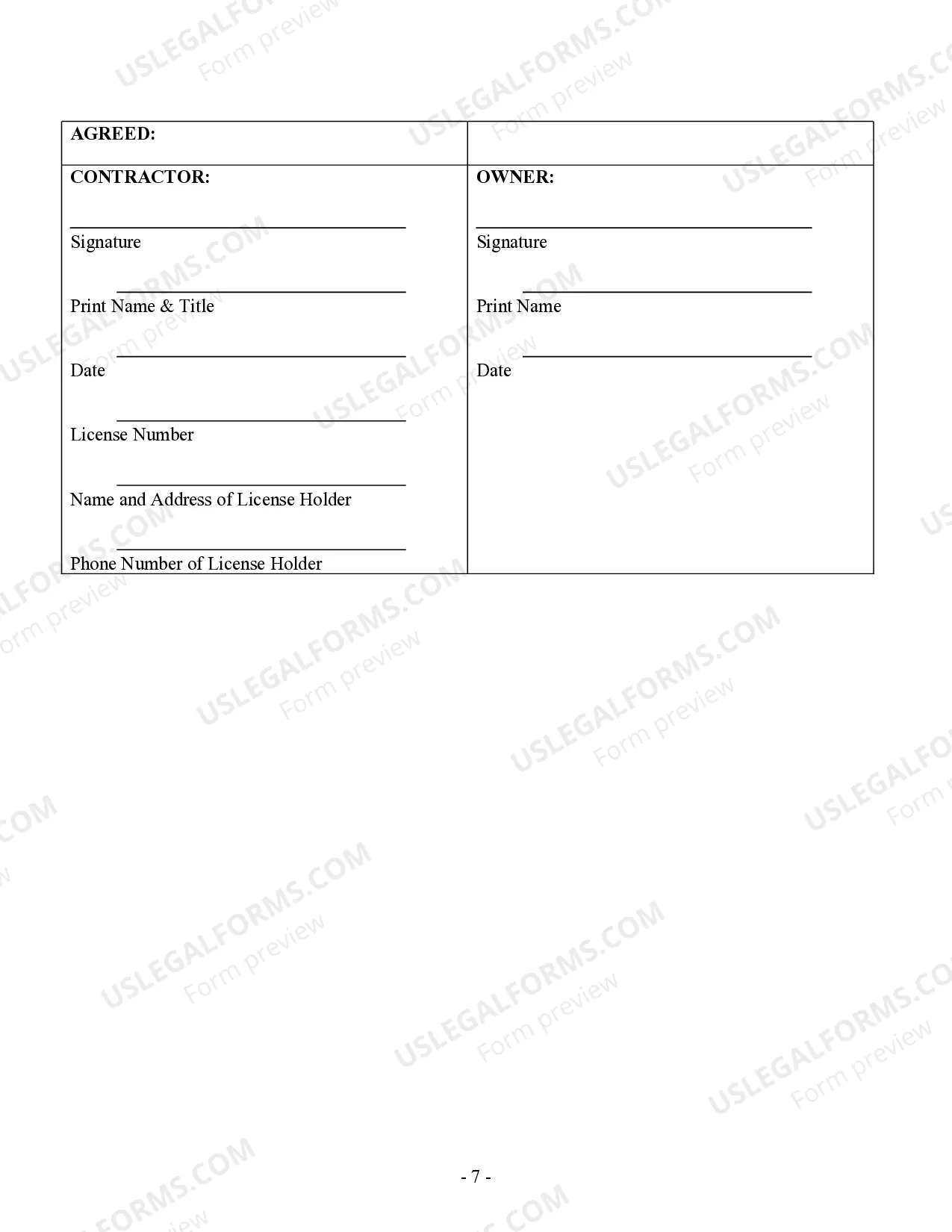
- Ensure all parties sign and date the agreement to make it legally binding.
Does this document require notarization?
This form does not typically require notarization unless specified by local law. Ensure to check New York regulations to confirm any specific requirements regarding notarization for your contract.
Get your form ready online
Our built-in tools help you complete, sign, share, and store your documents in one place.
Make edits, fill in missing information, and update formatting in US Legal Forms—just like you would in MS Word.
Download a copy, print it, send it by email, or mail it via USPS—whatever works best for your next step.
Sign and collect signatures with our SignNow integration. Send to multiple recipients, set reminders, and more. Go Premium to unlock E-Sign.
If this form requires notarization, complete it online through a secure video call—no need to meet a notary in person or wait for an appointment.
We protect your documents and personal data by following strict security and privacy standards.

Make edits, fill in missing information, and update formatting in US Legal Forms—just like you would in MS Word.

Download a copy, print it, send it by email, or mail it via USPS—whatever works best for your next step.

Sign and collect signatures with our SignNow integration. Send to multiple recipients, set reminders, and more. Go Premium to unlock E-Sign.

If this form requires notarization, complete it online through a secure video call—no need to meet a notary in person or wait for an appointment.

We protect your documents and personal data by following strict security and privacy standards.
Avoid these common issues
- Failing to specify the payment terms clearly, leading to disputes later.
- Not including all necessary parties in the contract which can result in confusion about responsibilities.
- Omitting required permit obligations, which could lead to legal issues.
- Neglecting to secure signatures, rendering the contract unenforceable.
Benefits of using this form online
- Convenient access to professionally drafted documents that can be downloaded anytime.
- Editability allows users to tailor the contract to fit specific project needs easily.
- Reliable legal standing due to compliance with state regulations, protecting both parties.
Looking for another form?





Form popularity
FAQ
Yes, absolutely. Starting work without a signed contract means that your position isn't clear, or even worse it's weak.It also means that the contract is legally enforceable and will be able to support you if you decide to take legal action.
The California statute of limitations for breach of contract and breach of implied warranty is two years for oral agreements and four years for written ones.
Both parties should sign the contract, and both should be bound by the terms and conditions spelled out in the agreement. In general that means the contractor will be obliged to provide specified materials and to perform certain services for you. In turn, you will be required to pay for those goods and that labor.
If you run a small business that hires 1099 contractors, also known as independent contractors, it is vital that you have them sign an independent contractor contract. This is because there is a significant gray area between who is classified as an independent contractor and who is classified as an employee.
In California, the statute of repose is four years for most defects, but 10 years for latent defects (those that aren't observable right away, such as a faulty foundation). In Georgia, the statute of repose is eight years for all claims related to design or construction of the building.
A one year warranty is the minimum you should expect. New York State law requires the buyer have certain warranties when buying a new home. One year's protection against faulty workmanship and defective materials.
Contracts often don't include express references to latent defects, and asset owners and operators can pursue damages when the contractor or builder is deemed or thought to be negligent. In other scenarios, designers and contractors may be liable for latent defects for between 6 and 12 years.
Most contractors do offer some kind of guarantee on their work, because doing so protects their interests as well as your own. While a contractor's warranty can protect you, the homeowner, from having to live with shoddy work, it also protects the contractor from having to return to fix things over and over again.
To obtain a Home Improvement Contractor License, please visit the New York City Department of Consumer Affairs or call (212) 487-4060. If you need to renew, change or update your license, call (212) 487-4104.