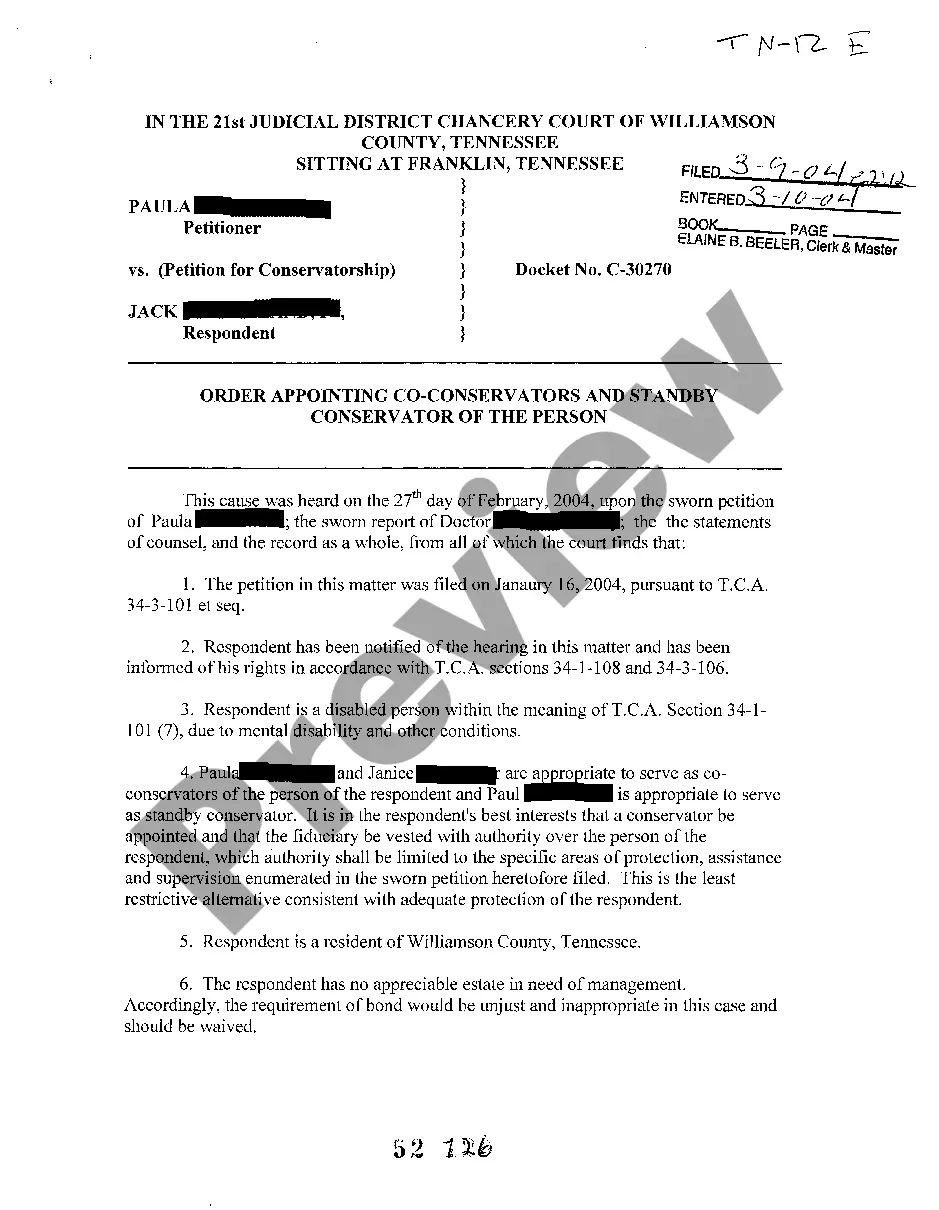
New Mexico Special or Limited Power of Attorney for Real Estate Sales Transaction By Seller
Overview of this form
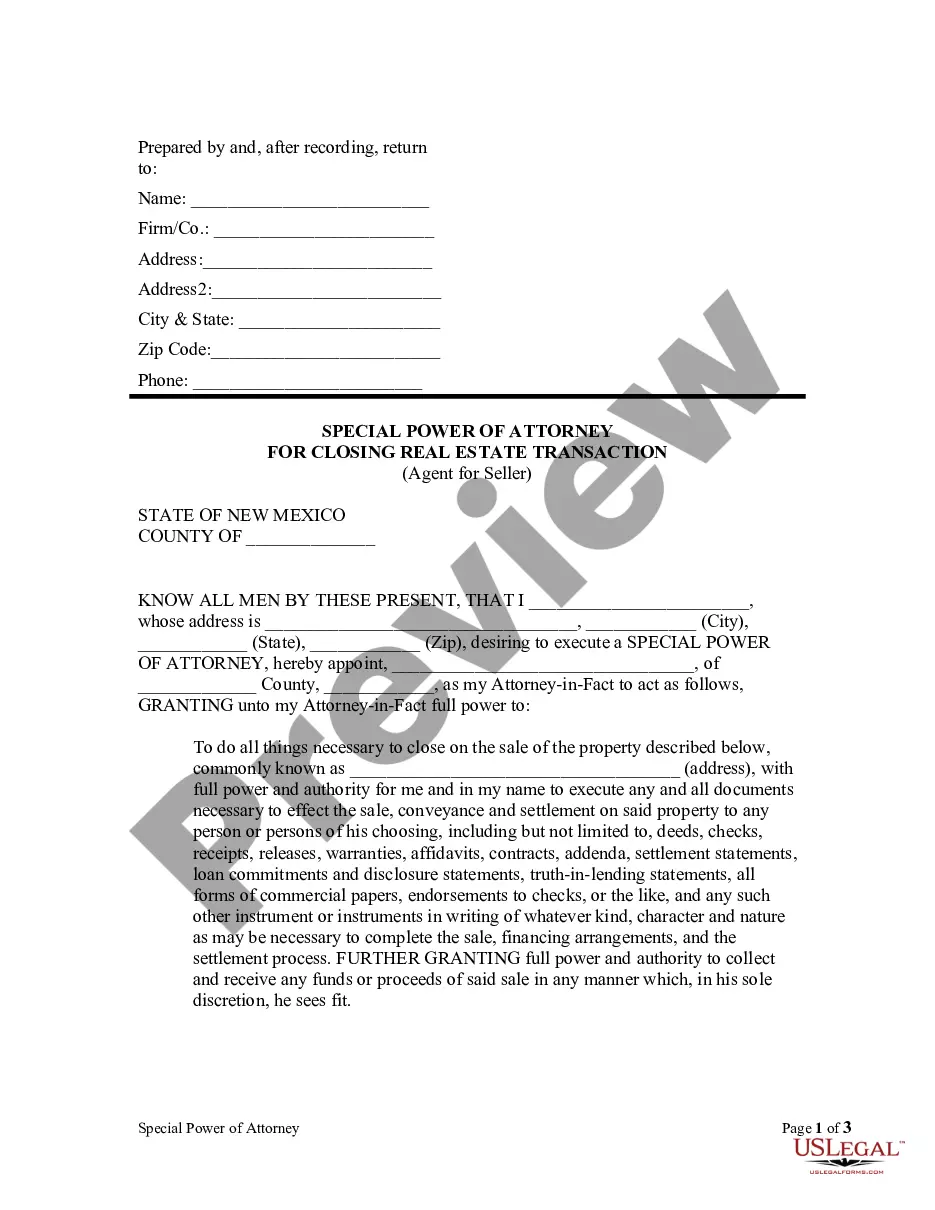
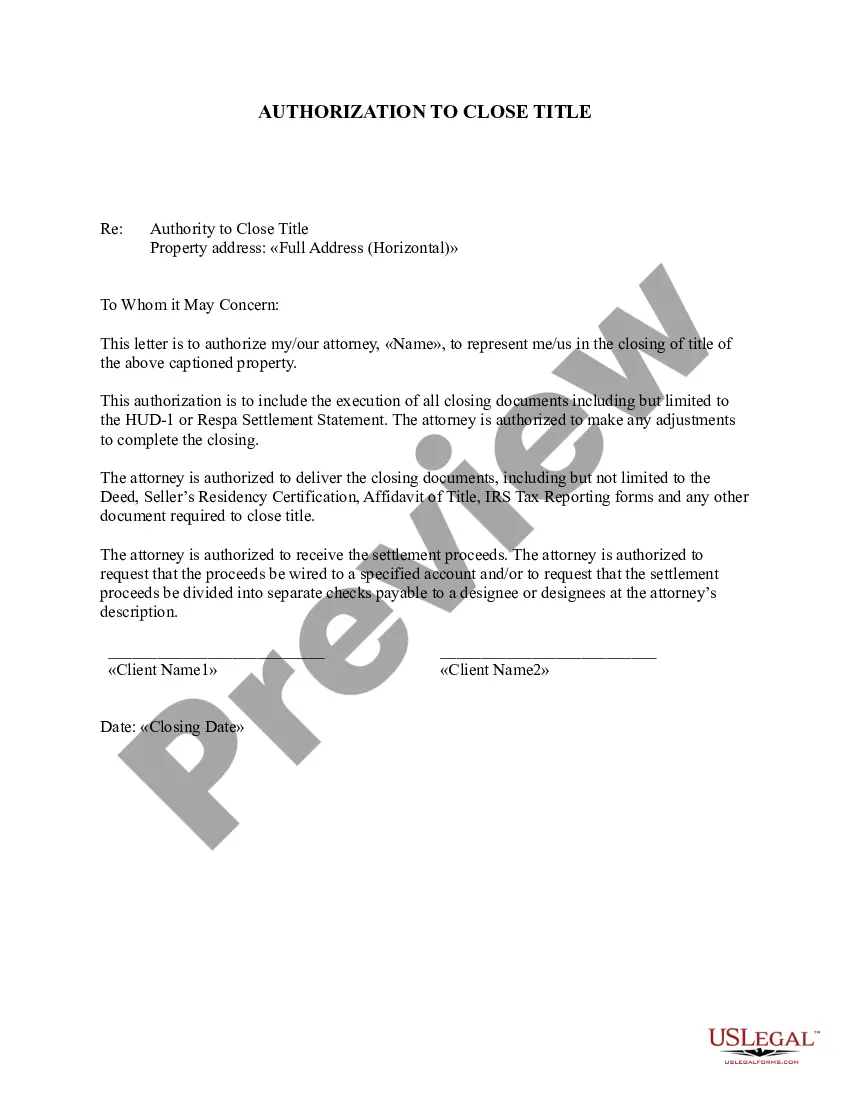
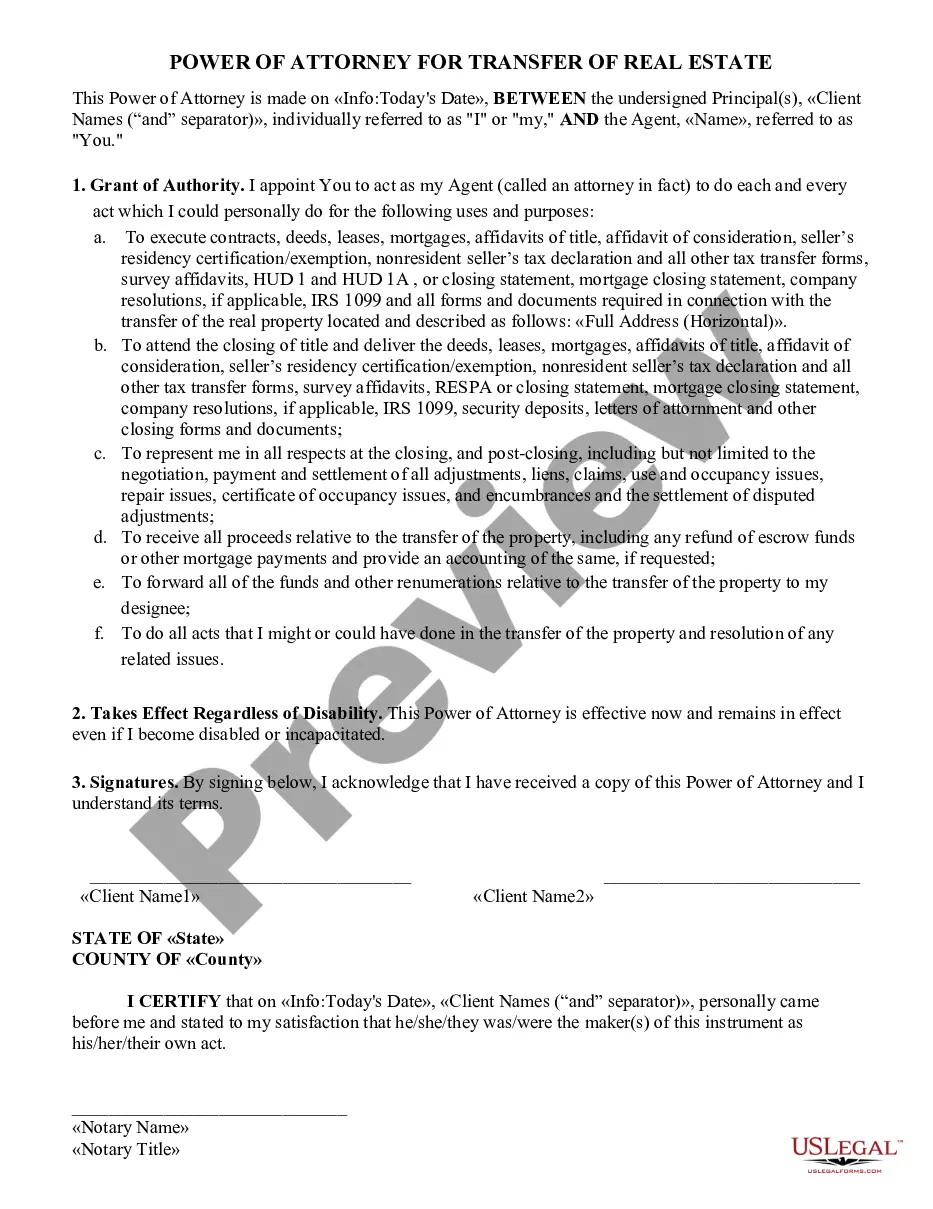
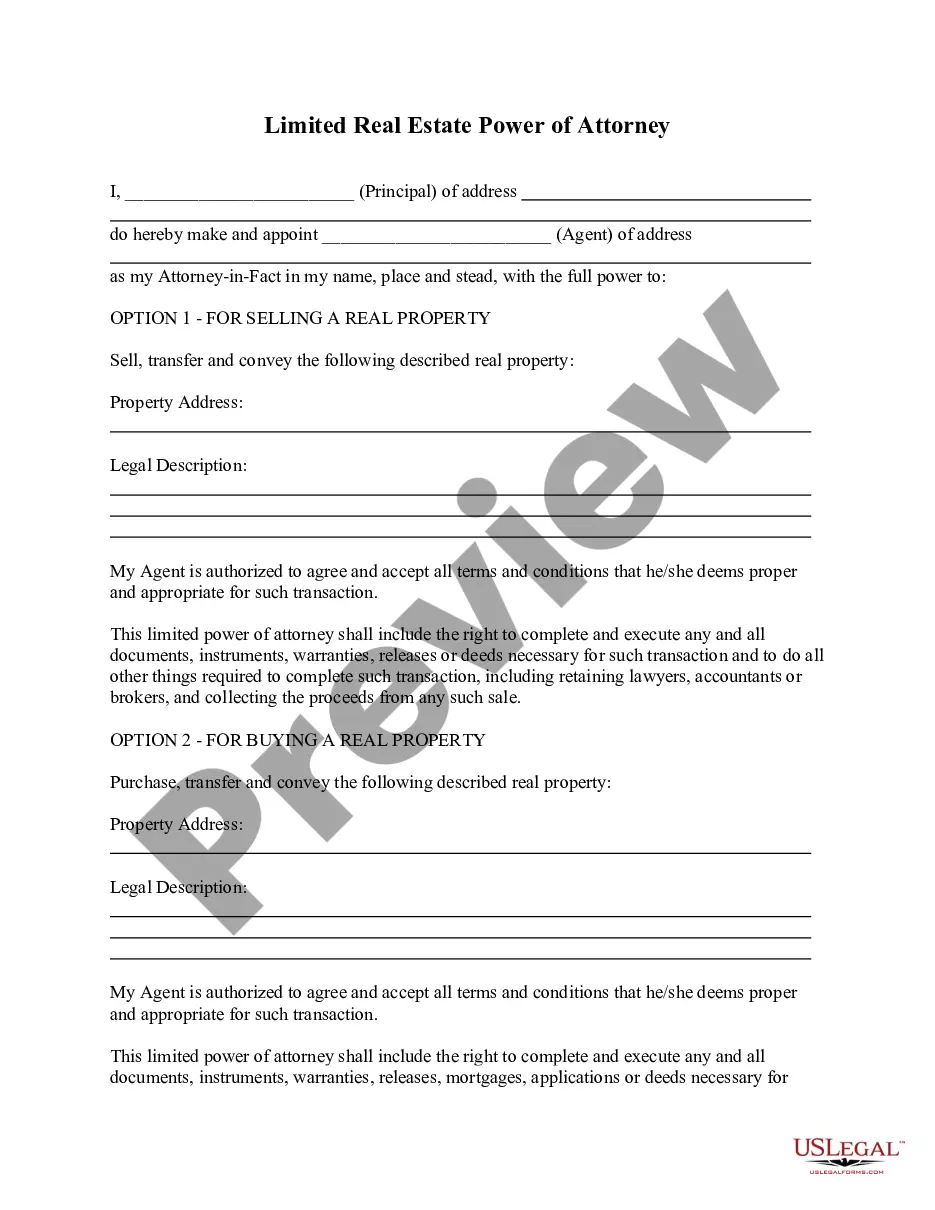
The Special or Limited Power of Attorney for Real Estate Sales Transaction By Seller allows a seller to designate an attorney-in-fact to act on their behalf during the sale of a specific parcel of real estate. This legal form grants the appointed individual the authority to execute necessary documents and manage all aspects of the sale transaction, distinguishing it from more general power of attorney forms that cover a broader scope of authority.
Form components explained
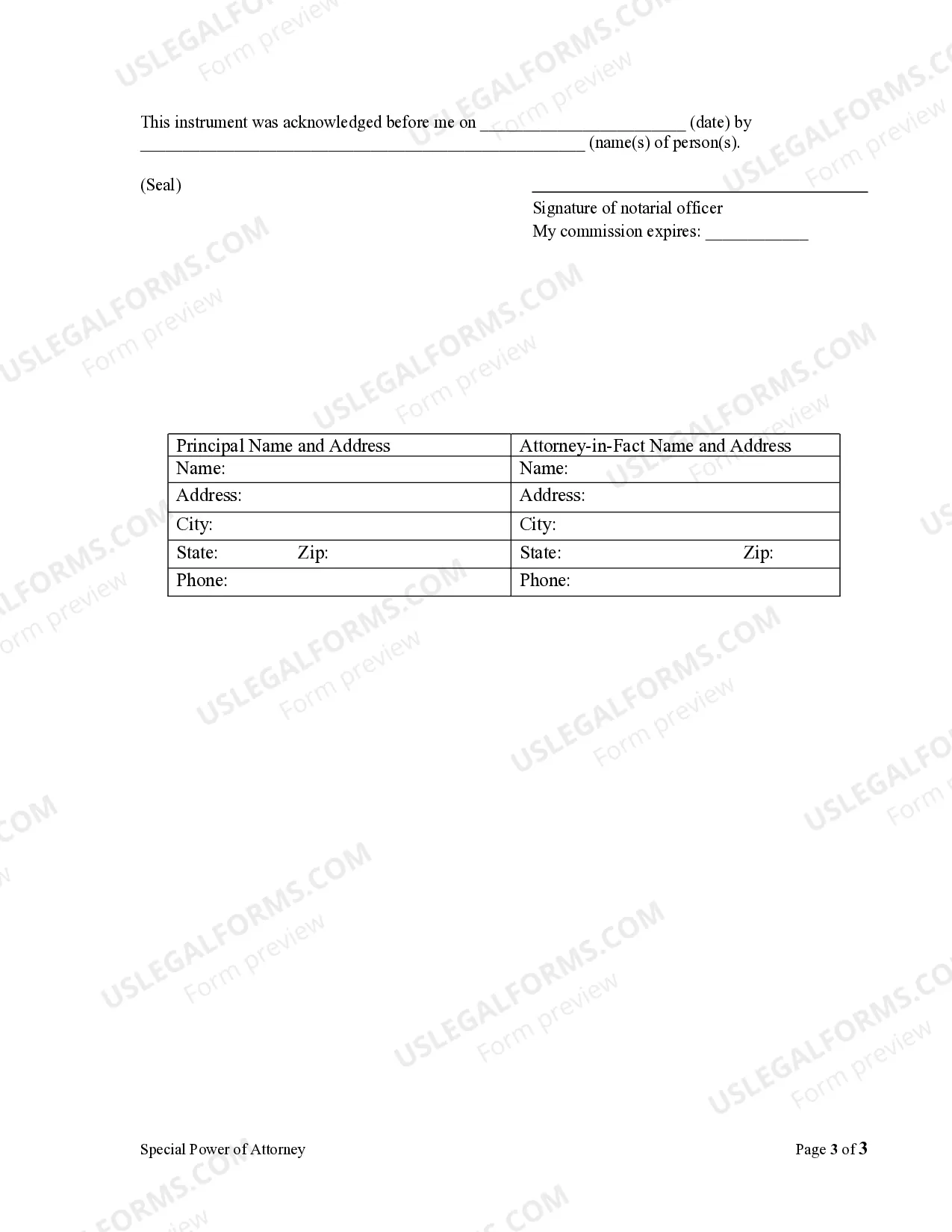
- Principal's details: Name and address of the seller granting the power of attorney.
- Attorney-in-fact information: Name and address of the appointed individual who will act on behalf of the seller.
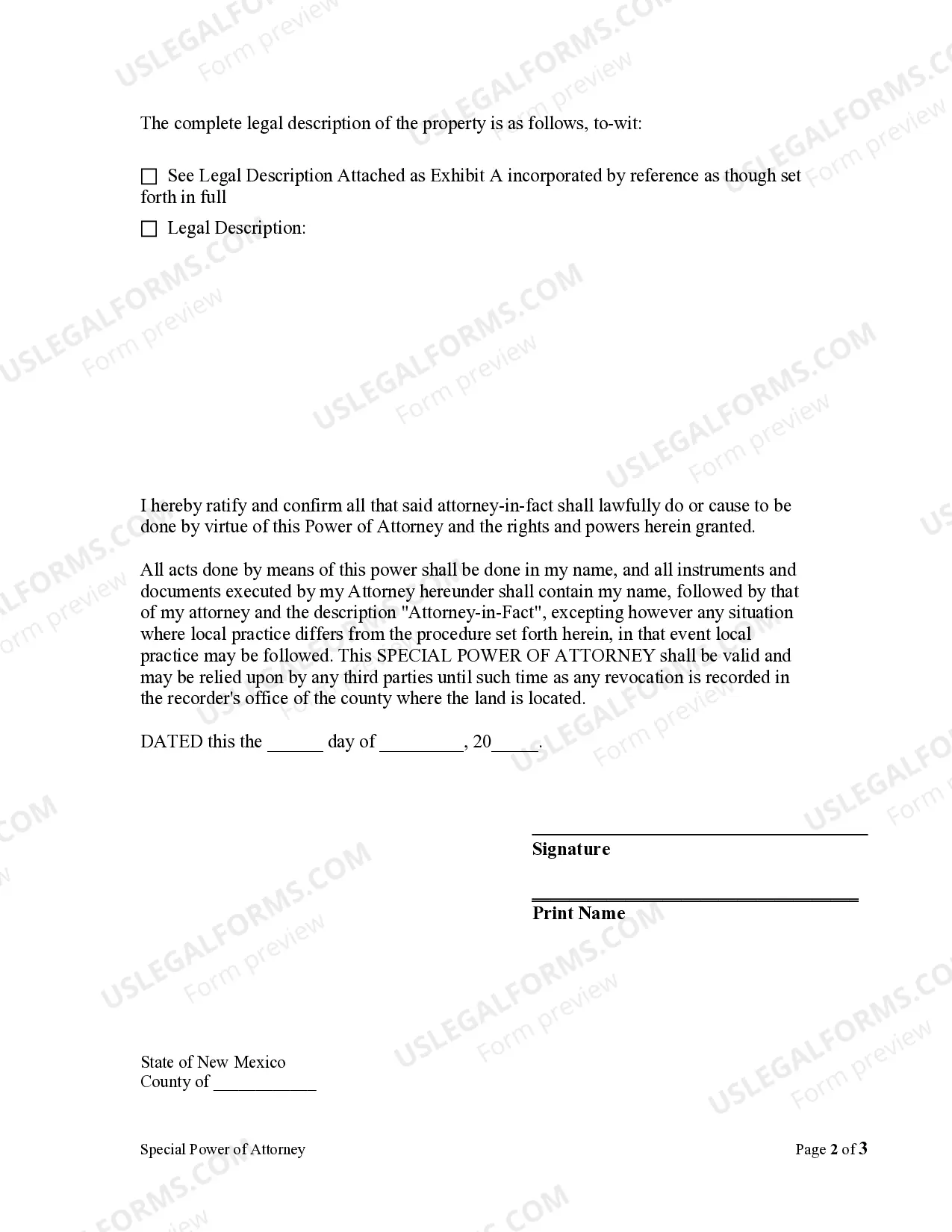
- Property description: Clear identification of the real estate being sold, including its address.
- Authority granted: Specification of the powers given to the attorney-in-fact, including executing documents necessary for the transaction.
- Signature and date: Required signature of the seller and the date signed to validate the document.

Common use cases
This form is typically used when a property seller cannot be present for the closing of a real estate sale. It is beneficial in situations like a seller being out of the state, unable to attend due to personal reasons, or simply preferring to delegate the sale process to a trusted individual, such as a family member or attorney.
Intended users of this form
- Property sellers who need to authorize someone else to handle the sale process.
- Individuals who are unable to attend the closing of their real estate transaction in person.
- Anyone looking to streamline the real estate sale process by empowering a trusted representative.
Completing this form step by step
- Identify the parties involved: Fill in the name and address of both the seller and the attorney-in-fact.
- Specify the property: Provide the complete address and any relevant details of the property being sold.
- Grant authority: Clearly outline the powers that the attorney-in-fact will have regarding the sale.
- Sign and date: The seller must sign the document and include the date to validate it.
- Notarization: Depending on state requirements, ensure the document is notarized if necessary.
Notarization guidance
Notarization is required for this form to take effect. Our online notarization service, powered by Notarize, lets you verify and sign documents remotely through an encrypted video session, available 24/7.
Get your form ready online
Our built-in tools help you complete, sign, share, and store your documents in one place.
Make edits, fill in missing information, and update formatting in US Legal Forms—just like you would in MS Word.
Download a copy, print it, send it by email, or mail it via USPS—whatever works best for your next step.
Sign and collect signatures with our SignNow integration. Send to multiple recipients, set reminders, and more. Go Premium to unlock E-Sign.
If this form requires notarization, complete it online through a secure video call—no need to meet a notary in person or wait for an appointment.
We protect your documents and personal data by following strict security and privacy standards.

Make edits, fill in missing information, and update formatting in US Legal Forms—just like you would in MS Word.

Download a copy, print it, send it by email, or mail it via USPS—whatever works best for your next step.

Sign and collect signatures with our SignNow integration. Send to multiple recipients, set reminders, and more. Go Premium to unlock E-Sign.

If this form requires notarization, complete it online through a secure video call—no need to meet a notary in person or wait for an appointment.

We protect your documents and personal data by following strict security and privacy standards.
Mistakes to watch out for
- Leaving the property description incomplete or unclear.
- Not signing or dating the document, which can render it invalid.
- Omitting vital details about the attorney-in-fact, such as full name or address.
- Failing to check state-specific notarization requirements.
Benefits of completing this form online
- Convenience: Easily access and download the form at any time without needing to visit a legal office.
- Editability: Customize the form to fit specific needs with ease before finalizing.
- Reliability: Utilize forms prepared by licensed attorneys, ensuring legal compliance and accuracy.
Looking for another form?
Form popularity
FAQ
No, in New Mexico, you do not need to notarize your will to make it legal. However, New Mexico allows you to make your will "self-proving" and you'll need to go to a notary if you want to do that. A self-proving will speeds up probate because the court can accept the will without contacting the witnesses who signed it.
Summary: New Mexico enacts the Uniform Power of Attorney Act (UPOAA).The Act doesn't require a power of attorney to be notarized, but a court will presume the signature to be genuine if it is acknowledged before a Notary or an officer authorized to take acknowledgments.
A power of attorney (or POA) is a legal document that grants a person or organization the legal authority to act on another's behalf and make certain decisions for them.A power of attorney needs to be signed in front of a licensed notary public in order to be legally binding.
A power of attorney (POA) for a real estate closing is permissible if not all parties can make it to the settlement table, but is not to be used as a matter of convenience. A POA is written authorization to act in a legal capacity on another's behalf, in certain circumstances, which are laid out in the document.
Most states offer simple forms to help you create a power of attorney for finances. Generally, the document must be signed, witnessed and notarized by an adult. If your agent will have to deal with real estate assets, some states require you to put the document on file in the local land records office.
In many states, notarization is required by law to make the durable power of attorney valid. But even where law doesn't require it, custom usually does. A durable power of attorney that isn't notarized may not be accepted by people with whom your attorney-in-fact tries to deal.
Remember that all of the authorized agents under the power of attorney or representatives in an estate must sign the listing agreement, disclosure documents, etc. For example, when there are two executors in an estate, then they both must sign the Listing Contract.
The POA can be a useful tool in residential real estate transactions when a necessary party will be unavailable to execute documents prior to or attend the closing.In order to be recorded, the POA presented must contain the original signature of the principal, and it must be notarized.
Name, signature, and address of the principal. Name, signature, and address of the agent. Properties and activities under the authority of the agent. Date of effect and termination of authority. Compensation to services of the agent.