Tennessee Flood Zone Statement and Authorization
Overview of this form
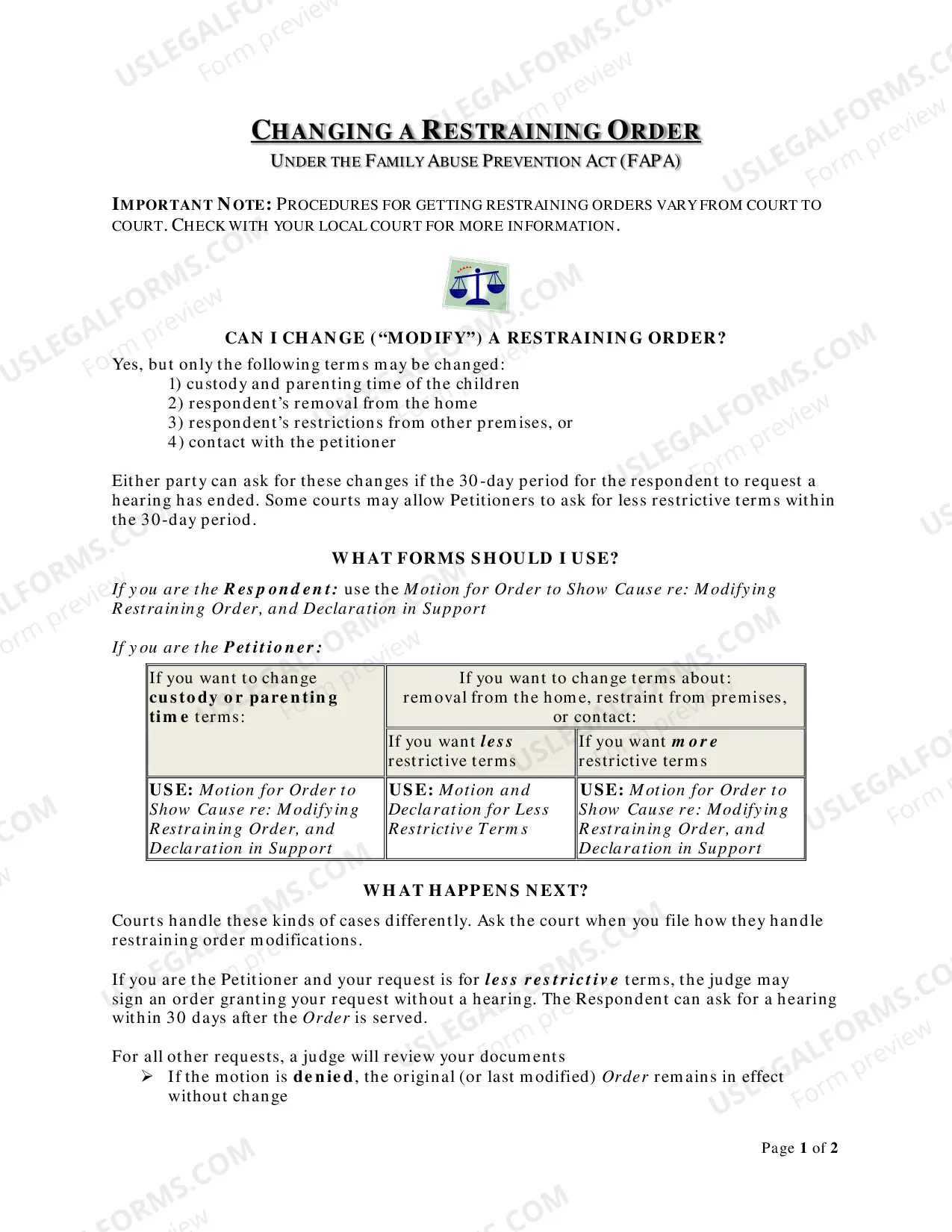
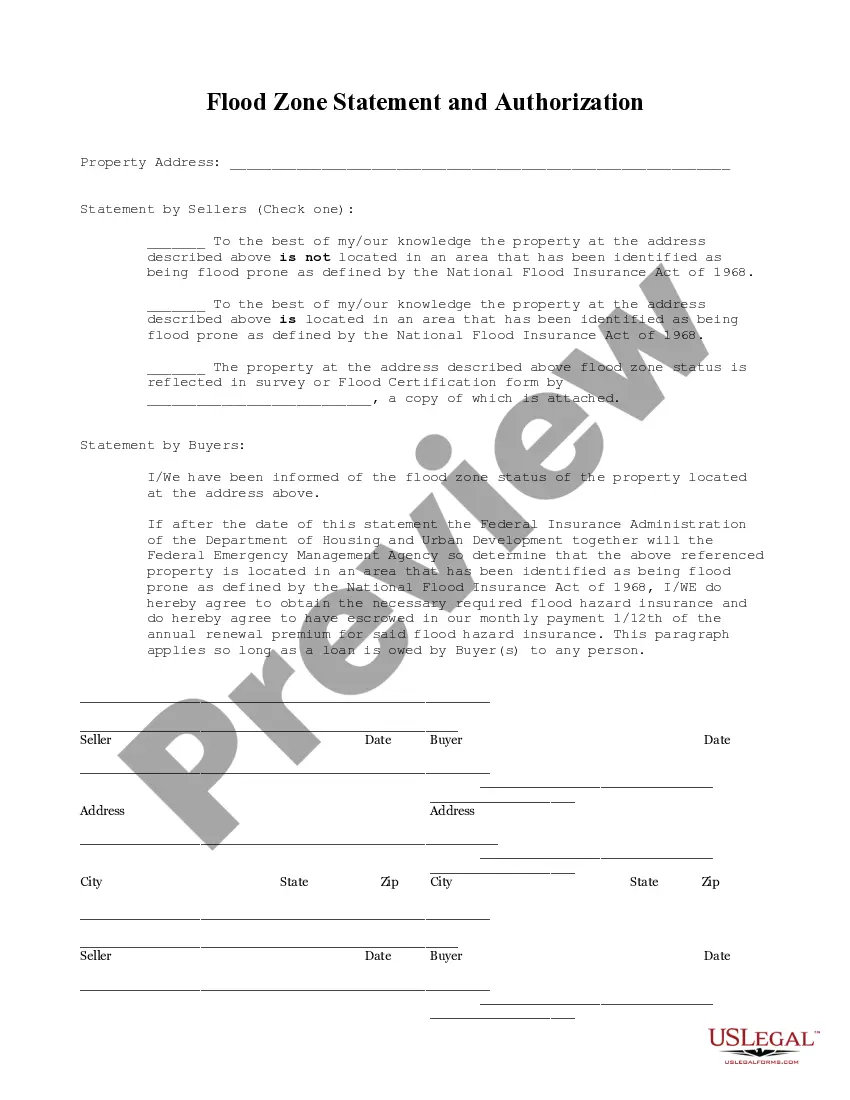
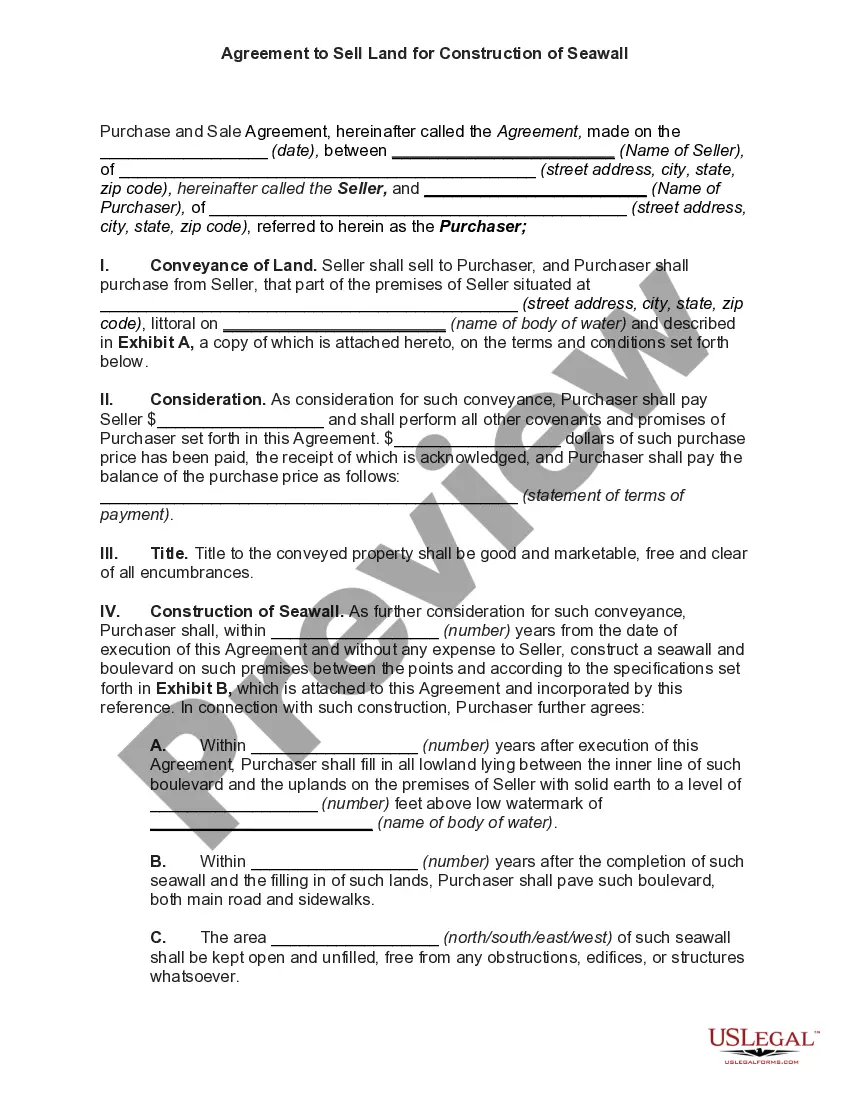
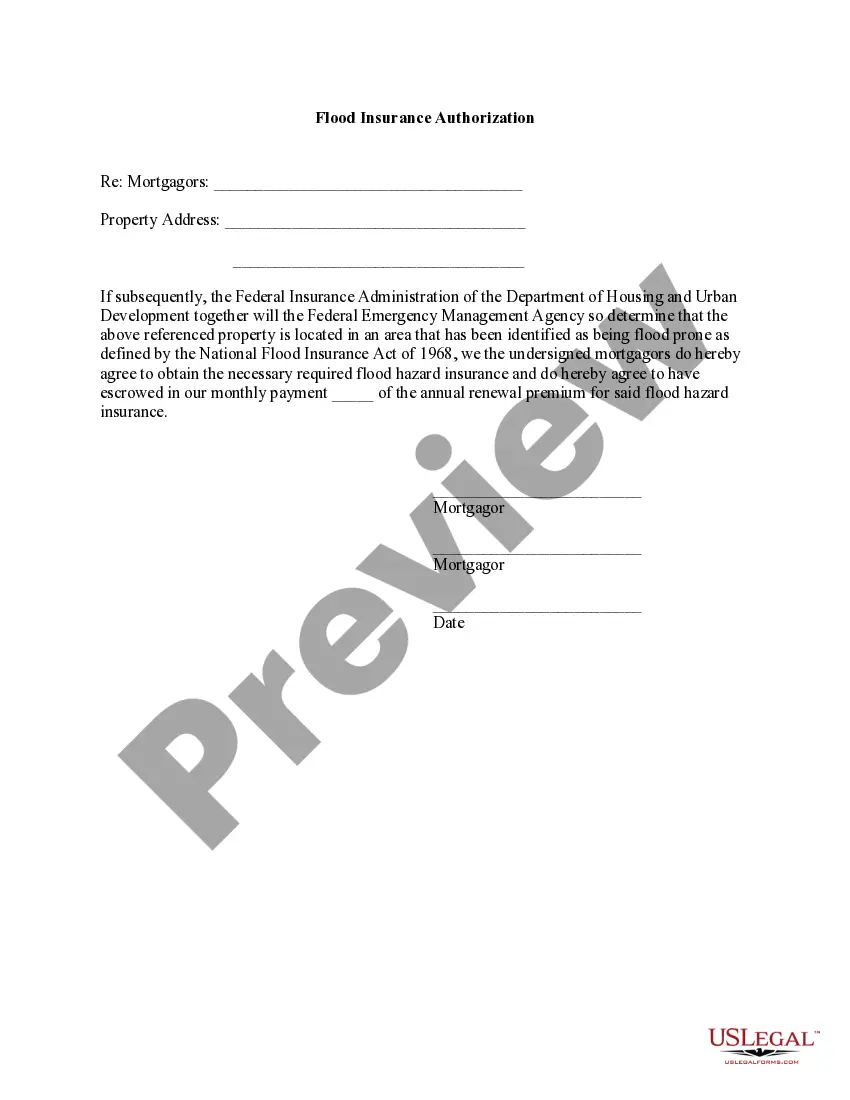
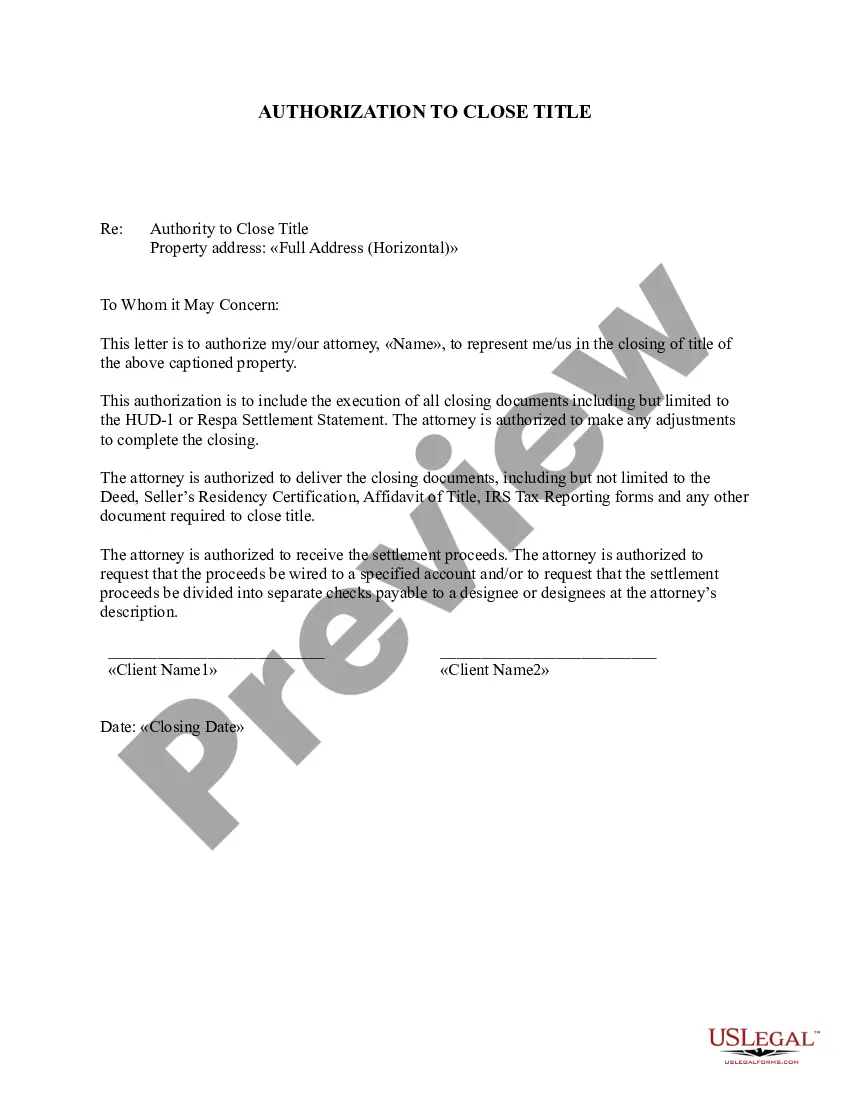
The Flood Zone Statement and Authorization form is a legal document used by sellers to declare the flood zone status of a property. It requires seller(s) to confirm whether the property is located in a flood-prone area as defined by the National Flood Insurance Act of 1968. Buyers acknowledge this information and agree to obtain flood insurance if the property is later determined to be in a flood zone. This form helps to protect both parties in real estate transactions, ensuring informed decisions regarding flood risk and insurance obligations.
Key components of this form
- Property address field to identify the location of the property.
- Seller's statement indicating flood zone status.
- Option for sellers to provide evidence of flood zone status if available.
- Buyer's acknowledgment of flood zone status and agreement to obtain flood insurance if necessary.
- Signature lines for both sellers and buyers to validate the agreement.
When this form is needed
This form is used during a real estate transaction when the property is being sold. It is particularly important when the property is located in or near areas categorized as flood-prone by federal guidelines. Sellers should use this form to disclose known properties in flood zones, while buyers need it to acknowledge the potential for flooding and their obligation to secure flood insurance if the property is found to be in such a zone.
Who should use this form
- Sellers of residential or commercial properties in flood-prone areas.
- Buyers considering the purchase of properties in or near flood zones.
- Real estate agents facilitating transactions in flood-prone areas.
- Anyone involved in property transactions requiring disclosure of flood risk.
Completing this form step by step
- Identify the property by entering the complete address in the designated field.
- Choose the appropriate statement regarding the property's flood zone status by checking one of the options provided.
- If applicable, provide details of any supporting flood certification documentation attached.
- Ensure that all sellers sign and date the form to validate the information disclosed.
- Have all buyers sign and date the form, indicating their understanding and agreement to obtain flood insurance if required.
Notarization guidance
Notarization is generally not required for this form. However, certain states or situations might demand it. You can complete notarization online through US Legal Forms, powered by Notarize, using a verified video call available anytime.
Get your form ready online
Our built-in tools help you complete, sign, share, and store your documents in one place.
Make edits, fill in missing information, and update formatting in US Legal Forms—just like you would in MS Word.
Download a copy, print it, send it by email, or mail it via USPS—whatever works best for your next step.
Sign and collect signatures with our SignNow integration. Send to multiple recipients, set reminders, and more. Go Premium to unlock E-Sign.
If this form requires notarization, complete it online through a secure video call—no need to meet a notary in person or wait for an appointment.
We protect your documents and personal data by following strict security and privacy standards.

Make edits, fill in missing information, and update formatting in US Legal Forms—just like you would in MS Word.

Download a copy, print it, send it by email, or mail it via USPS—whatever works best for your next step.

Sign and collect signatures with our SignNow integration. Send to multiple recipients, set reminders, and more. Go Premium to unlock E-Sign.

If this form requires notarization, complete it online through a secure video call—no need to meet a notary in person or wait for an appointment.

We protect your documents and personal data by following strict security and privacy standards.
Typical mistakes to avoid
- Failing to check the correct flood zone status option.
- Not providing supporting documents when the flood certification is available.
- Omitting signatures or dates from either sellers or buyers.
- Not reviewing local laws that may impose additional requirements.
Advantages of online completion
- Convenient access to download and print the form anytime.
- Edit and customize the form easily to fit specific transaction needs.
- Access to legally reviewed forms drafted by licensed attorneys.
- Streamlined process to complete and sign the form electronically if needed.
Looking for another form?
Form popularity
FAQ
According to FEMA and the National Flood Insurance Program, any building located in an A or V zone is considered to be in a Special Flood Hazard Area, and is lower than the Base Flood Elevation.Flood insurance is mandatory in V zone areas.
Flood Zone A. Areas subject to inundation by the 1-percent-annual-chance flood event generally determined using approximate methodologies. Flood Zone AE, A1-30. Flood Zone AH. Flood Zone AO. Flood Zone AR. Flood Zone A99. Flood Zone V. Flood Zone VE, V1-30.
Summary: Proximity to a flood zone lowers property values. The findings indicate that the price of a residential property located within a floodplain is significantly lower than an otherwise similar house located outside the flood zone.
Evidence of flood insurance Completed and executed NFIP Flood Insurance Application PLUS a copy of the Borrower's premium check or agent's paid receipt.
Petersburg, Florida-headquartered Wright National Flood Insurance Company, says buying a home in a non-SFHA flood zone can be worth it, too, provided you have flood coverage intact, even if it's not required. Everyone should have flood coverage, says Templeton-Jones.
1Your local floodplain manager: Your local floodplain manager may already have a certificate on file.2The seller of your property: If you're buying a property, the sellers may already have the certificate, and you can ask them for it before purchasing.What Is An Elevation Certificate for Flood Insurance? - ValuePenguin\nwww.valuepenguin.com > elevation-certificate-flood-insurance
Zone A. Zone A is the flood insurance rate zone that corresponds to the I-percent annual chance floodplains that are determined in the Flood Insurance Study by approximate methods of analysis.
After a house is flooded, there's a sudden loss of real estate liquidity and then a subsequent, gradual accumulation of liquidity. In other words, the decrease in home value is impermanent. It's more broadly impacted by the location of the home itself and its proximity to or within a floodplain.
Compared to selling other types of properties, selling a property in a flood zone is always more difficult. These properties are located in areas that FEMA considers high risk due to their risk of flooding and low elevation.