Problem Solving
About this form
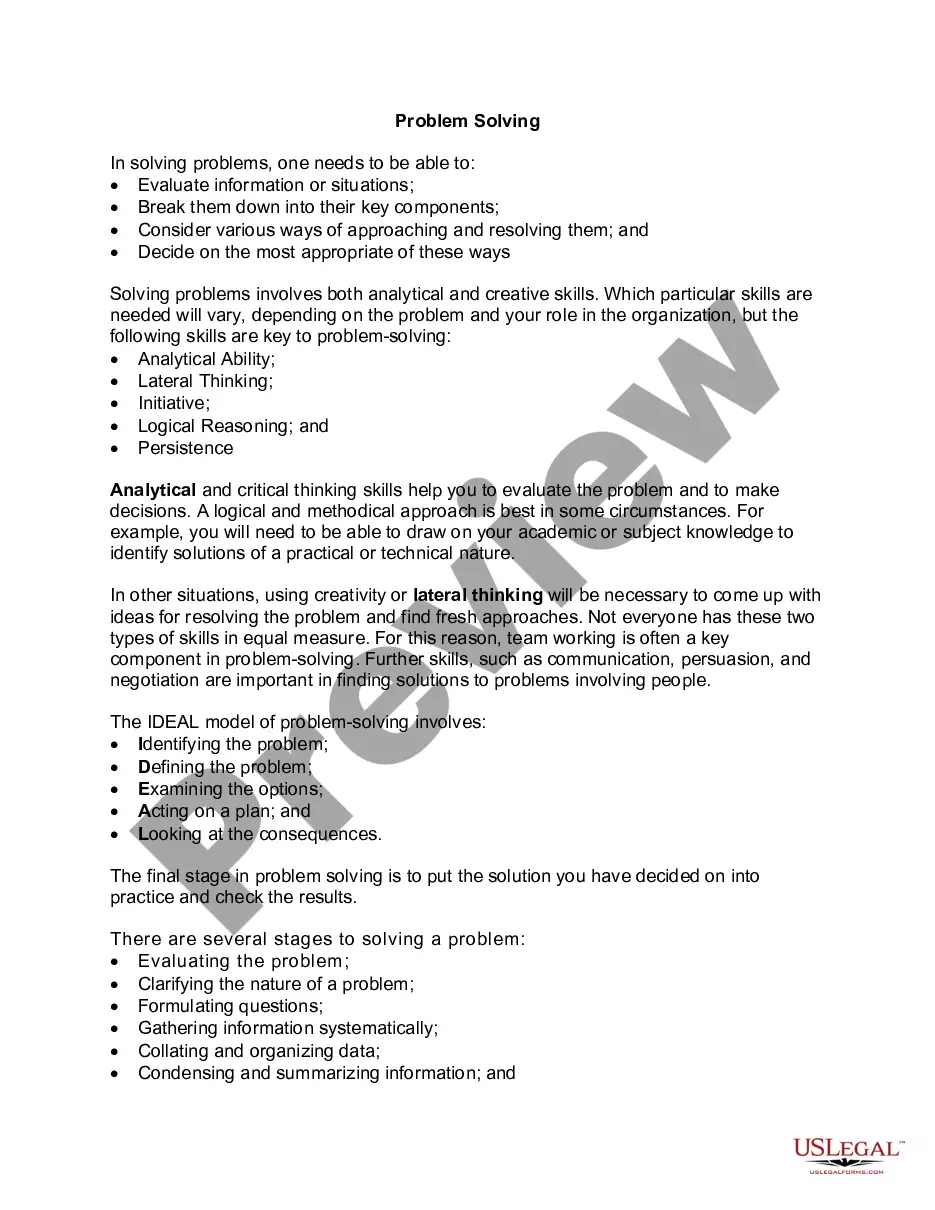
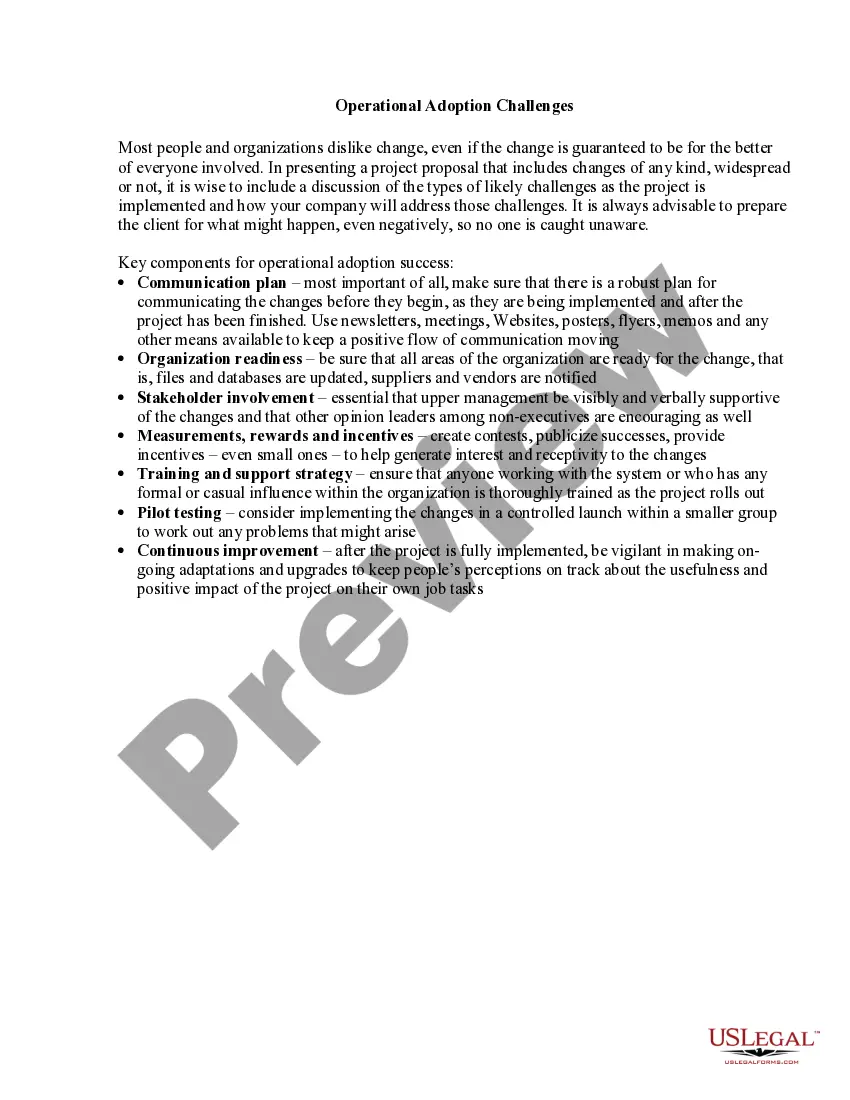
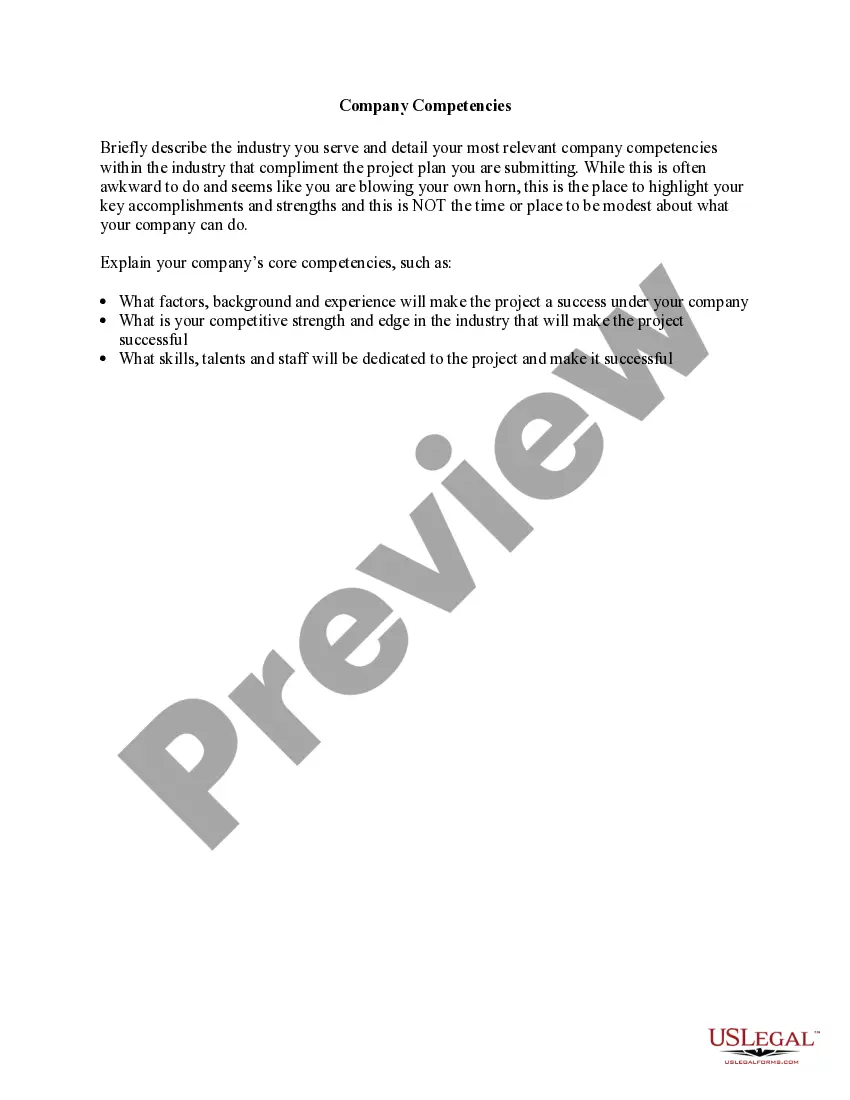
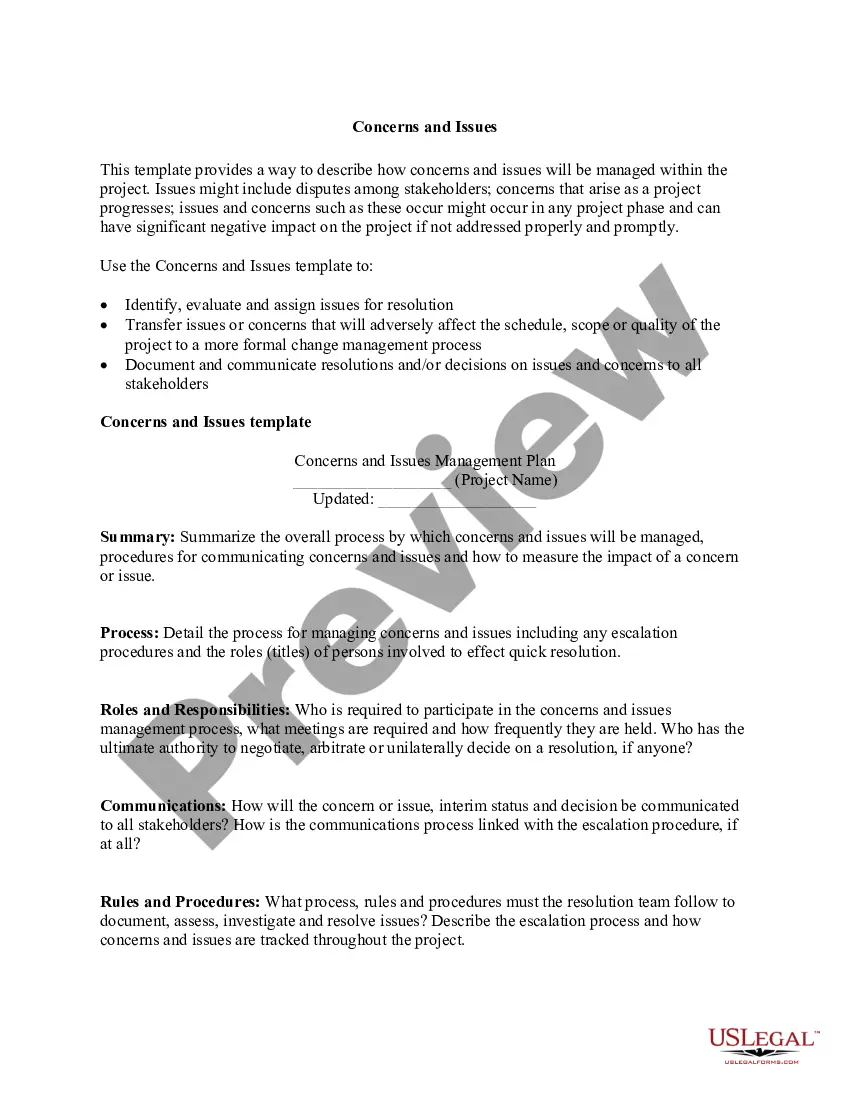
The Problem Solving form is a structured tool designed to assist individuals and organizations in systematically addressing and resolving issues. This form guides users through the process of identifying problems, evaluating options, and implementing solutions. Unlike similar forms, it focuses specifically on developing analytical and creative skills necessary for effective problem-solving.
What’s included in this form
- Identification of the problem
- Definition and clarification of the issue
- Evaluation of options and brainstorming solutions
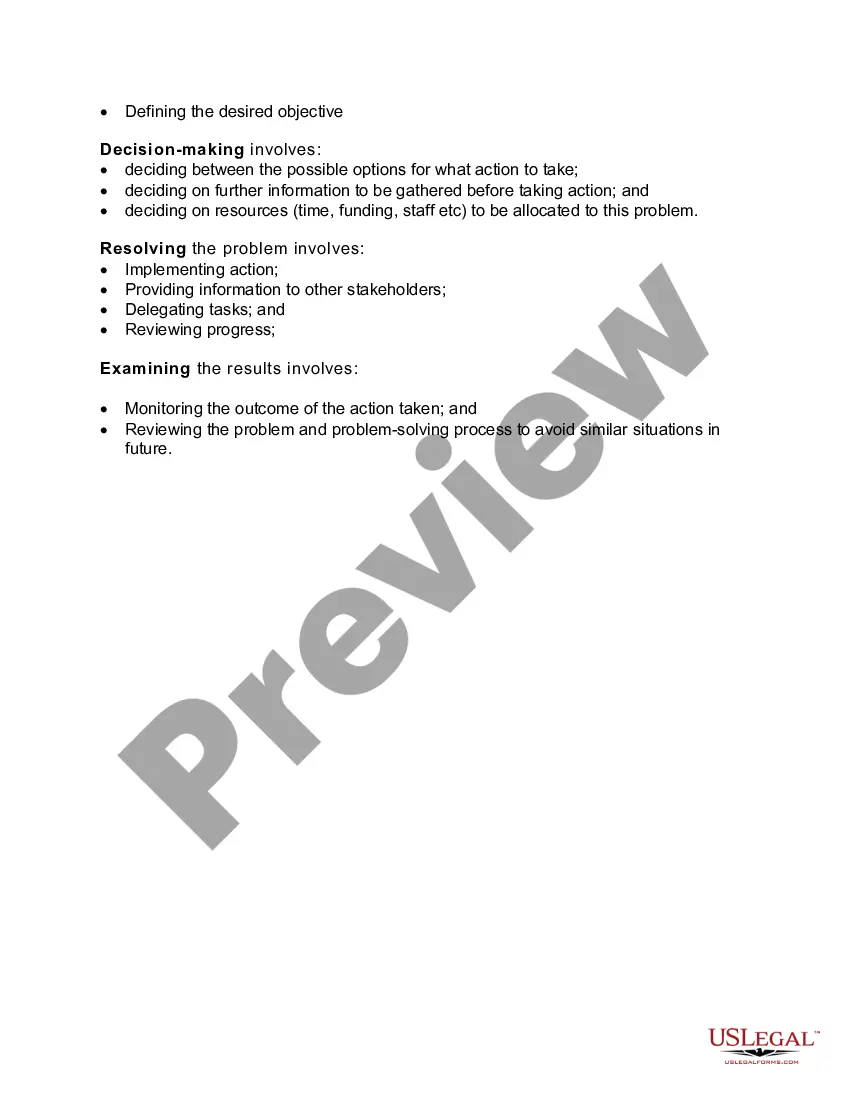
- Action planning and implementation
- Monitoring and reviewing outcomes
When to use this document
This form is useful in various scenarios, such as when a team encounters challenges in project management, when an individual faces a decision-making dilemma, or in any situation where systematic problem-solving is required. It can be utilized in academic, professional, or personal contexts to develop strategies for overcoming obstacles.
Who should use this form
- Students tackling academic problems or projects
- Professionals seeking to improve team collaboration
- Managers and leaders addressing organizational challenges
- Individuals facing personal dilemmas that require structured solutions
Completing this form step by step
- Clearly identify the problem you wish to address.
- Define the parameters and implications of the problem.
- Consider multiple options for addressing the issue; encourage creative thinking.
- Choose the best course of action and formulate a plan for implementation.
- After executing the plan, monitor the outcomes and make adjustments as necessary.
Notarization requirements for this form
In most cases, this form does not require notarization. However, some jurisdictions or signing circumstances might. US Legal Forms offers online notarization powered by Notarize, accessible 24/7 for a quick, remote process.
Get your form ready online
Our built-in tools help you complete, sign, share, and store your documents in one place.
Make edits, fill in missing information, and update formatting in US Legal Forms—just like you would in MS Word.
Download a copy, print it, send it by email, or mail it via USPS—whatever works best for your next step.
Sign and collect signatures with our SignNow integration. Send to multiple recipients, set reminders, and more. Go Premium to unlock E-Sign.
If this form requires notarization, complete it online through a secure video call—no need to meet a notary in person or wait for an appointment.
We protect your documents and personal data by following strict security and privacy standards.

Make edits, fill in missing information, and update formatting in US Legal Forms—just like you would in MS Word.

Download a copy, print it, send it by email, or mail it via USPS—whatever works best for your next step.

Sign and collect signatures with our SignNow integration. Send to multiple recipients, set reminders, and more. Go Premium to unlock E-Sign.

If this form requires notarization, complete it online through a secure video call—no need to meet a notary in person or wait for an appointment.

We protect your documents and personal data by following strict security and privacy standards.
Avoid these common issues
- Failing to correctly define the problem before brainstorming solutions.
- Rushing through the evaluation of options without adequate consideration.
- Neglecting to follow up on the implementation of the chosen solution.
- Overlooking stakeholder involvement and input during the process.
Why complete this form online
- Convenience of accessing the form from any device at any time.
- Editability allows for customization to suit your specific problem-solving needs.
- Reliable guidance structured to enhance critical thinking and decision-making skills.
Legal use & context
- This form supports systematic problem-solving, which is applicable in various personal and professional contexts.
- It is not a legally binding document but serves as a framework for decision-making.
- Properly utilizing this form can enhance collaborative efforts and improve outcomes in group settings.
Summary of main points
- The Problem Solving form provides a structured approach to effective resolution strategies.
- Engaging both analytical and creative skills is key to successful problem-solving.
- Utilizing this form can enhance collaboration and communication among team members.
Looking for another form?
Form popularity
FAQ
Problem-solving skills help you determine why an issue is happening and how to resolve that issue. It's one of the key skills that employers seek in job applicants. Problem-solving starts with identifying the issue, coming up with solutions, implementing those solutions, and evaluating their effectiveness.
Step 1: Define the Problem. What is the problem? Step 2: Clarify the Problem. Step 3: Define the Goals. Step 4: Identify Root Cause of the Problem. Step 5: Develop Action Plan. Step 6: Execute Action Plan. Step 7: Evaluate the Results. Step 8: Continuously Improve.
Step 1: Understand the problem. Step 2: Devise a plan (translate). Step 3: Carry out the plan (solve). Step 4: Look back (check and interpret).
A few months ago, I produced a video describing this the three stages of the problem-solving cycle: Understand, Strategize, and Implement. That is, we must first understand the problem, then we think of strategies that might help solve the problem, and finally we implement those strategies and see where they lead us.
Define the problem. Gather information. Generate possible solutions. Evaluate ideas and then choose one. Evaluate.
Step 1: Identify and define the problem. State the problem as clearly as possible. Step 2: Generate possible solutions. Step 3: Evaluate alternatives. Step 4: Decide on a solution. Step 5: Implement the solution. Step 6: Evaluate the outcome.
Problem-solving is a mental process that involves discovering, analyzing, and solving problems. The ultimate goal of problem-solving is to overcome obstacles and find a solution that best resolves the issue. The best strategy for solving a problem depends largely on the unique situation.
Step 1: Identify the Problem. Step 2: Analyze the Problem. Step 3: Describe the Problem. Step 4: Look for Root Causes. Step 5: Develop Alternate Solutions. Step 6: Implement the Solution. Step 7: Measure the Results.