Maine Marital Domestic Separation and Property Settlement Agreement Adult Children Parties May have Joint Property or Debts effective Immediately
What is this form?
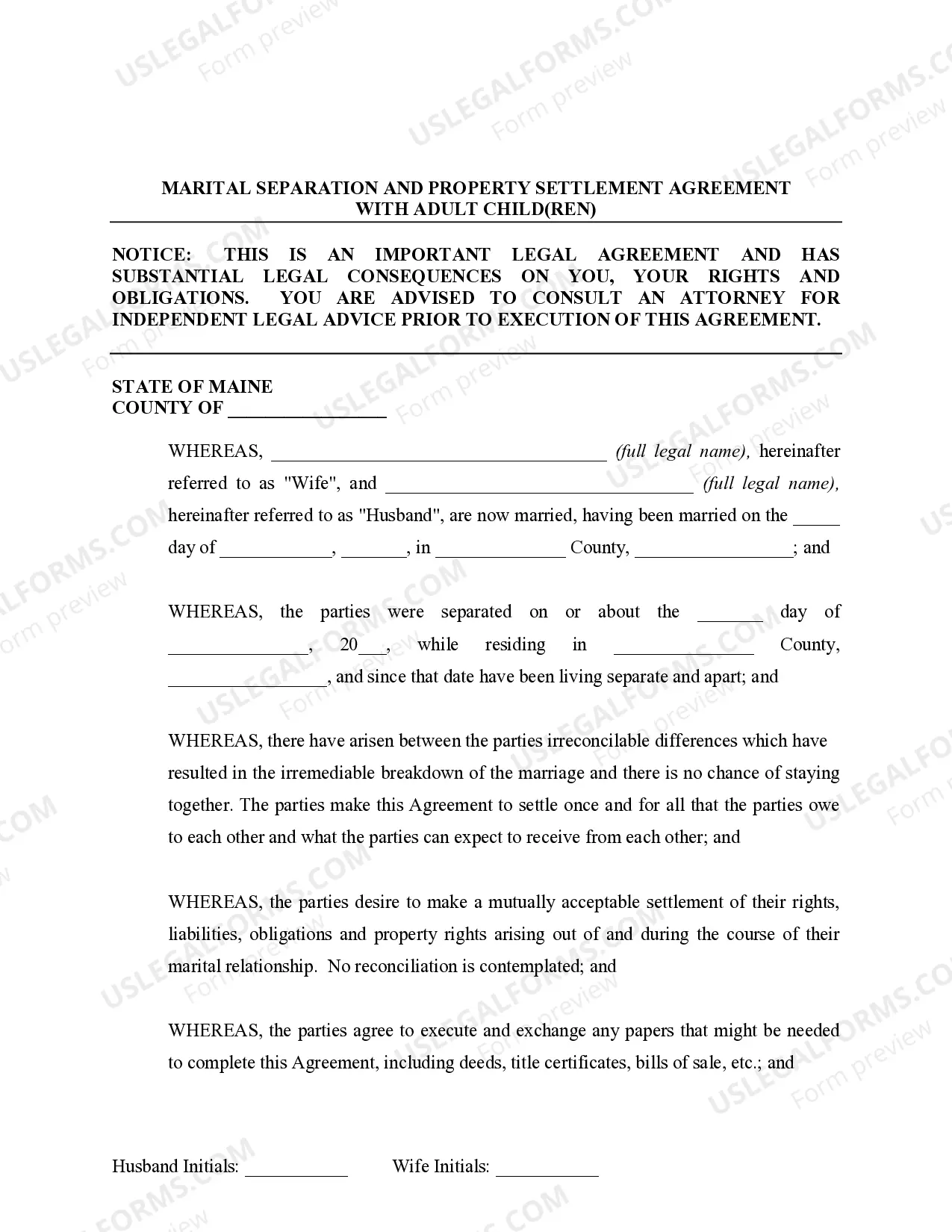
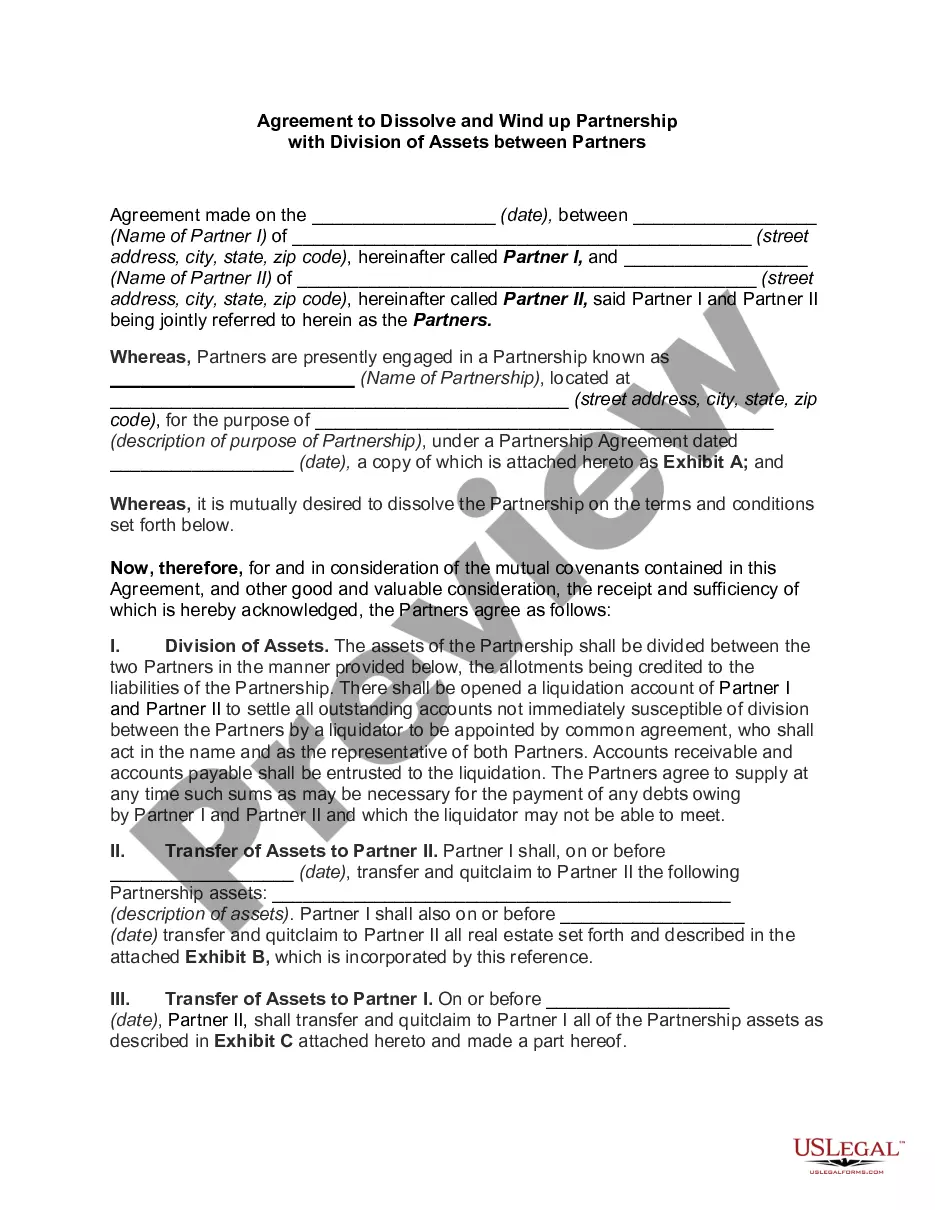
This Marital Domestic Separation and Property Settlement Agreement is designed for married individuals with adult children who wish to formalize their separation and address the division of joint property and debts. Unlike traditional separation agreements meant for couples without children or with dependent children, this document focuses on the rights, obligations, and property matters of parties who are already parents of self-supporting adult children.
Main sections of this form
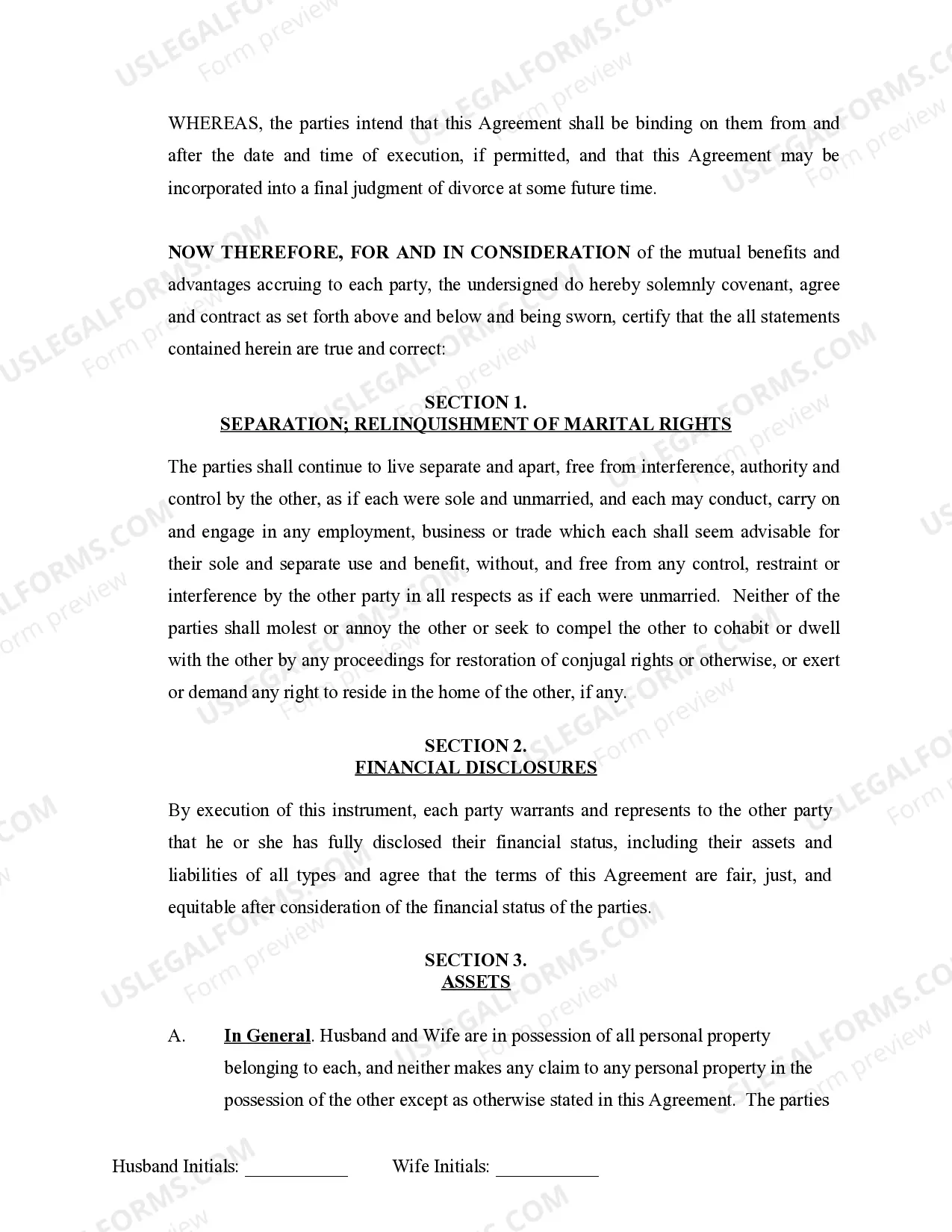
- Provision for the separation of marital rights and responsibilities.
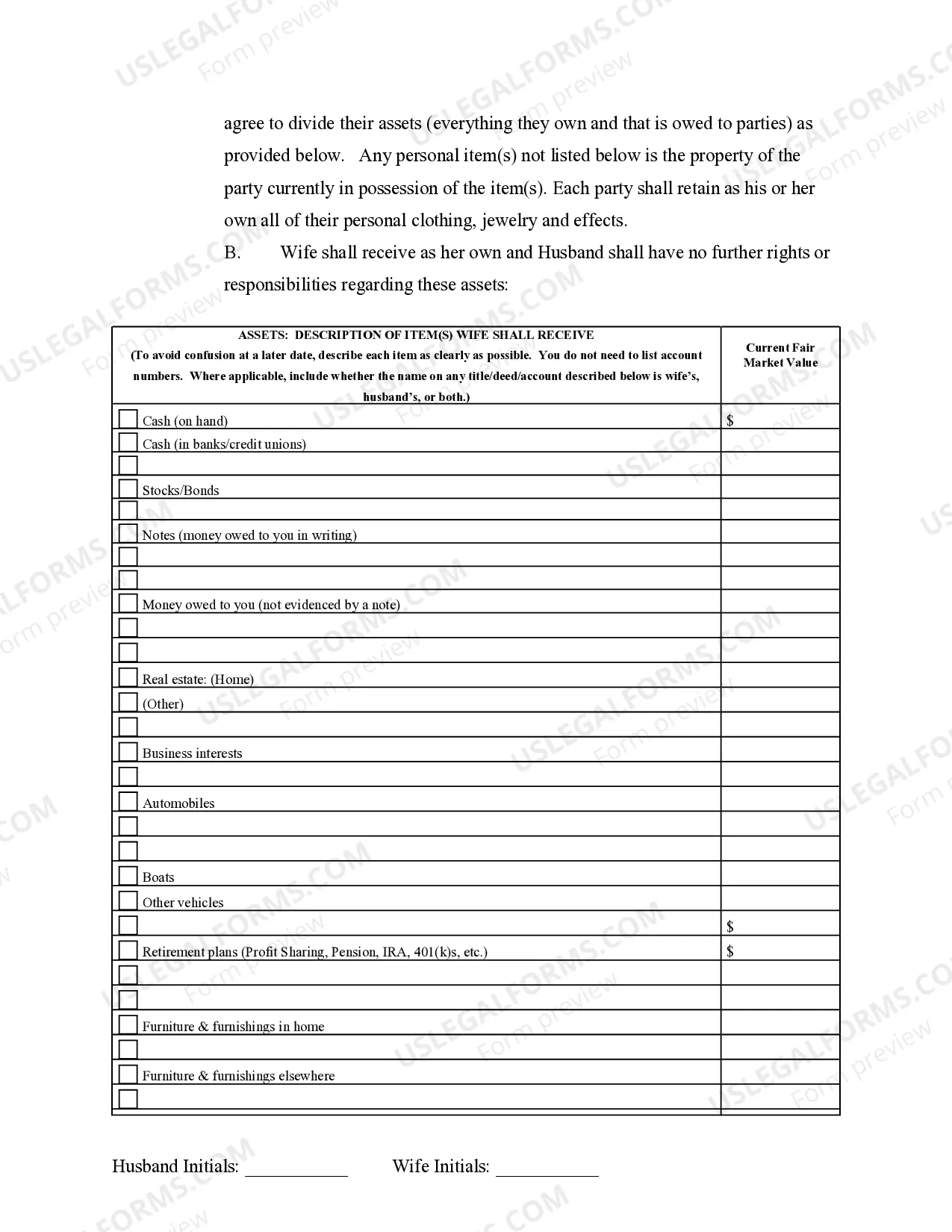
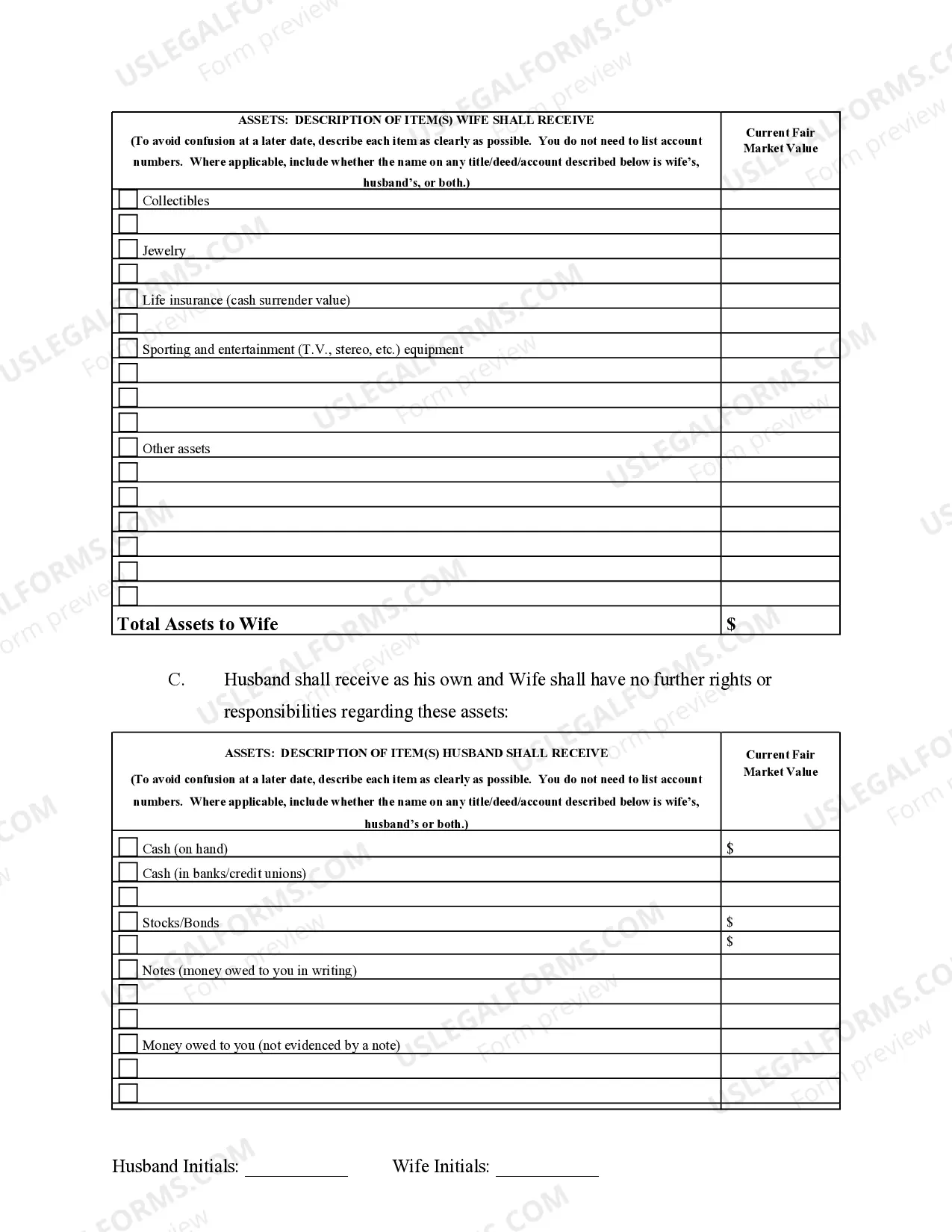
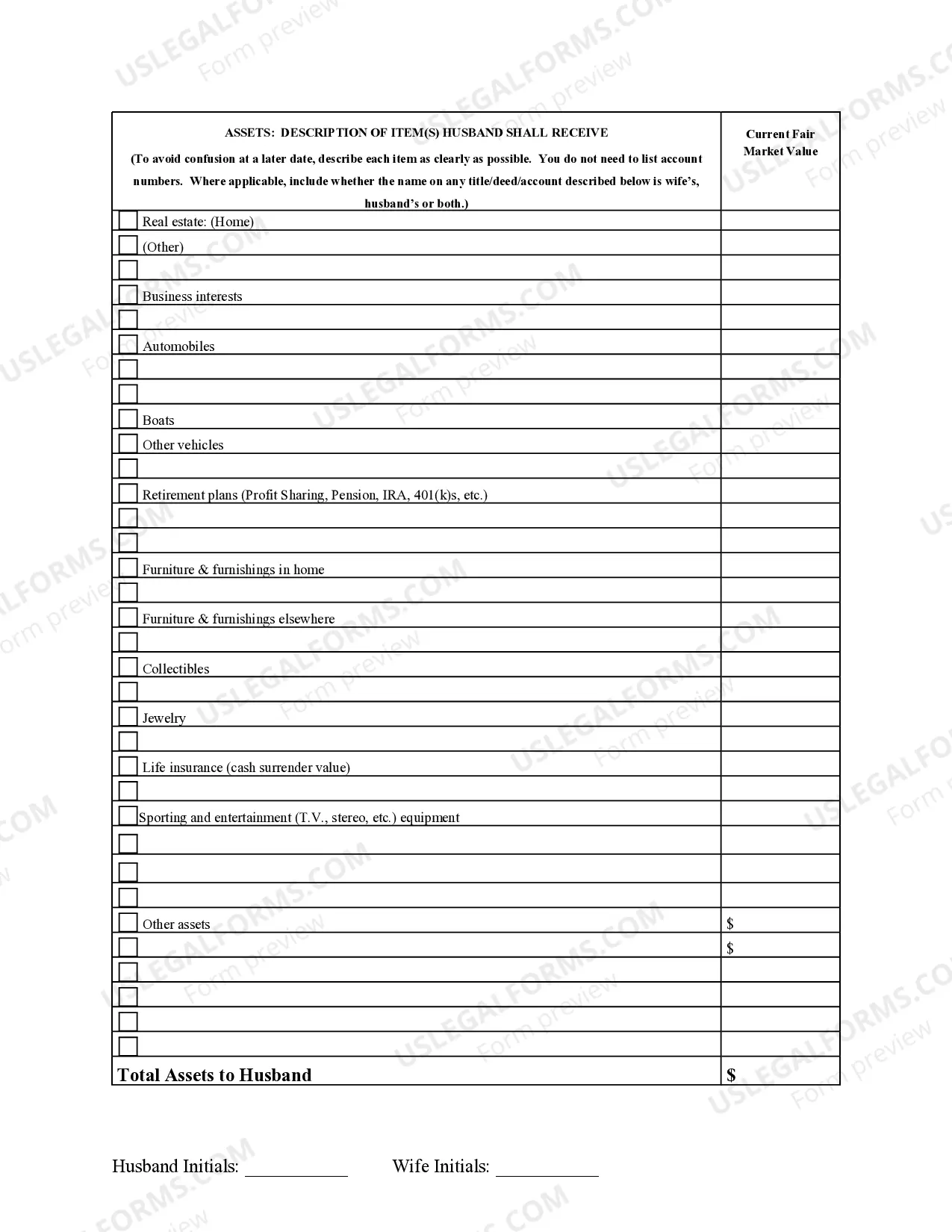
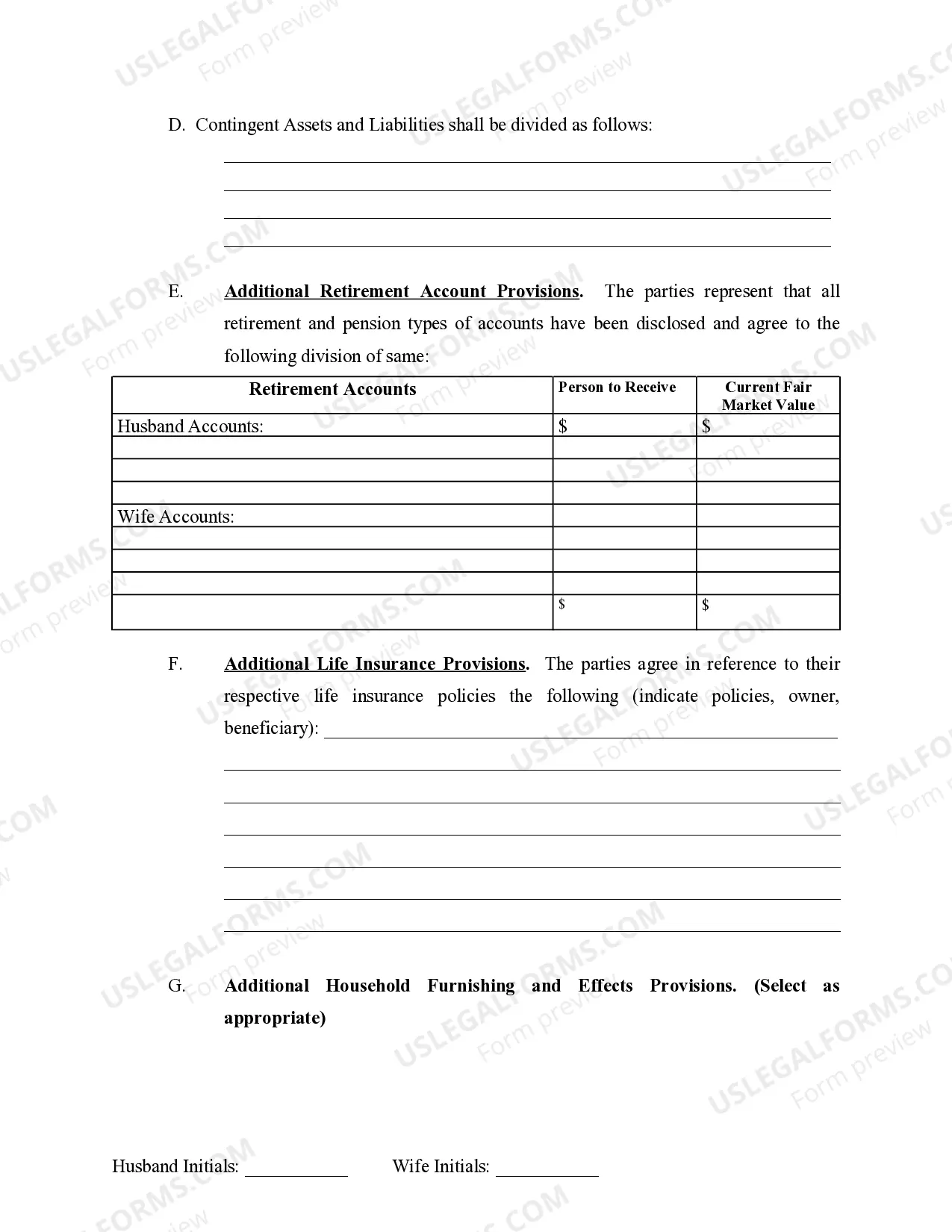
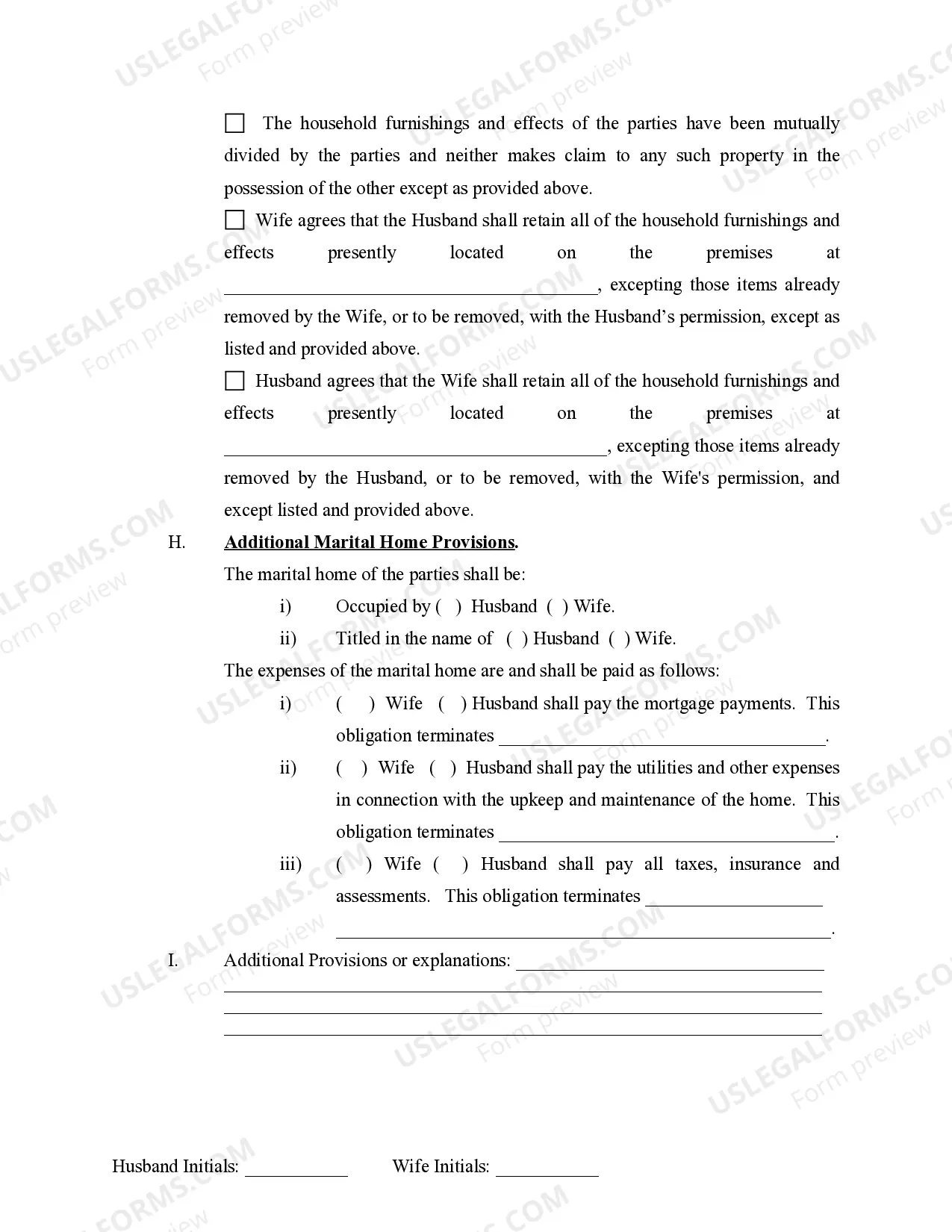
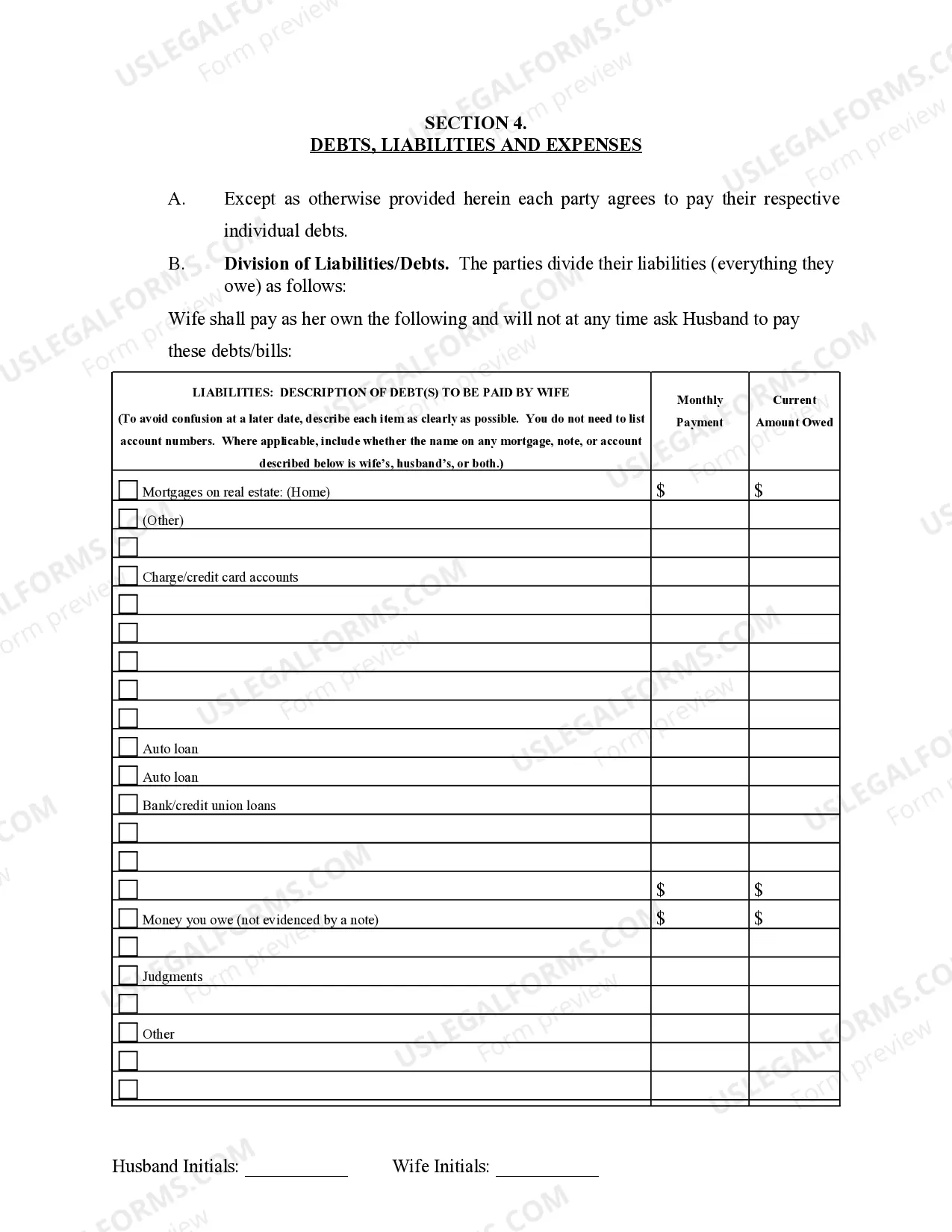
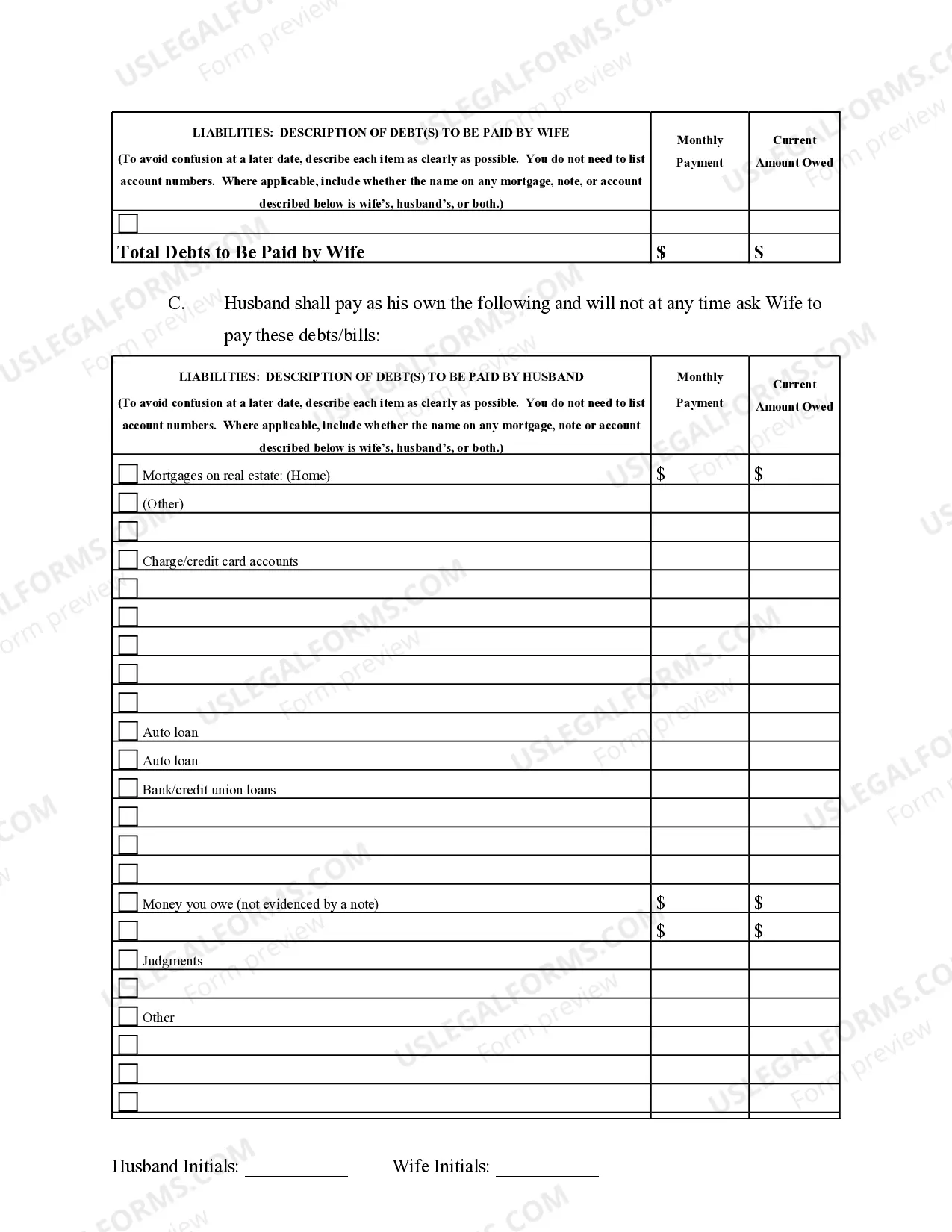
- Detailed sections for the division of assets and liabilities between the parties.
- Clauses on spousal support (alimony) if applicable.
- Indemnity provisions regarding debts and tax liabilities.
- Signature requirements and notarization to validate the agreement.

When to use this form
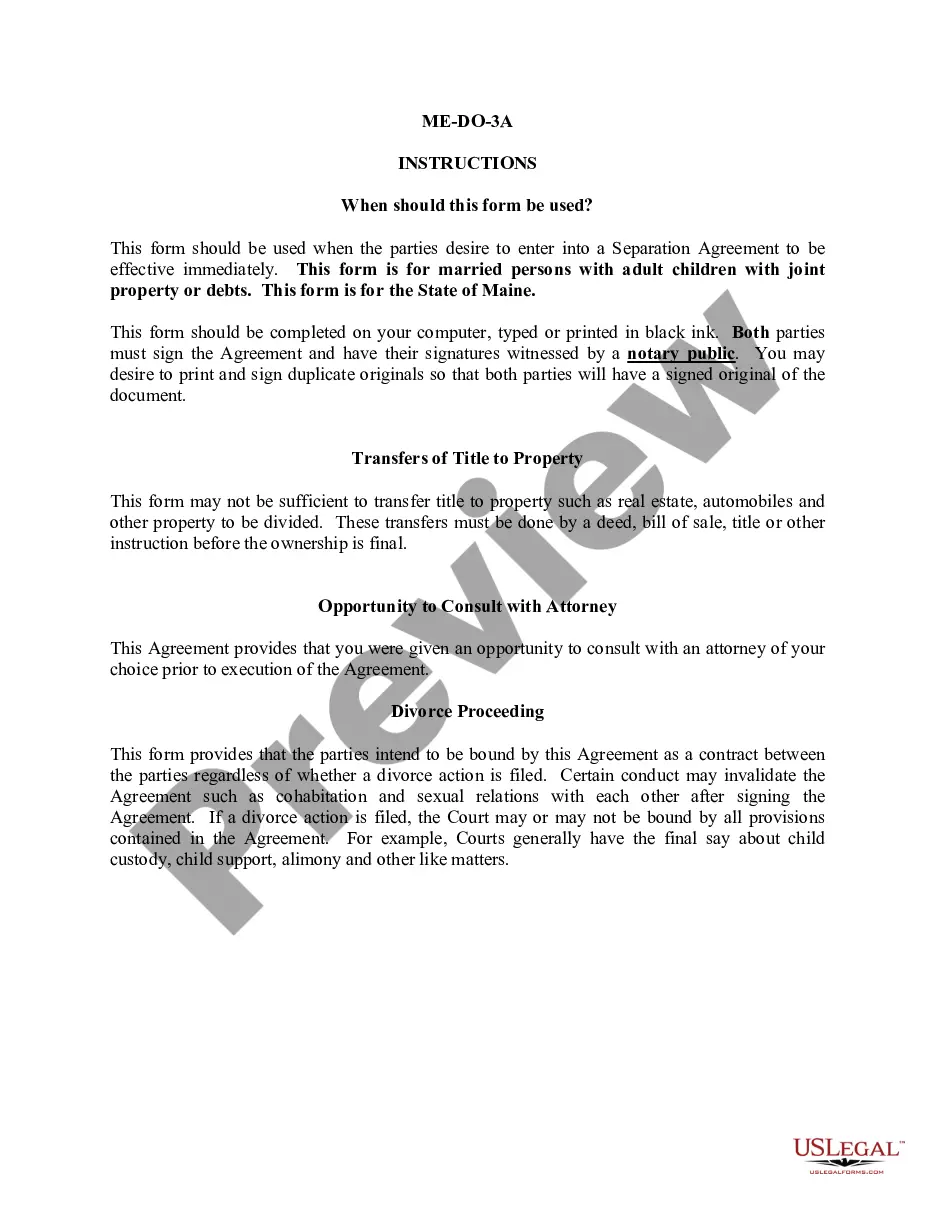
This form should be used immediately after a couple decides to separate, especially when they have adult children and joint property or debts to address. It is suitable for couples looking to clarify their financial obligations and asset distribution while avoiding future conflicts.
Who this form is for
- Married individuals residing in Maine seeking to separate amicably.
- Couples with adult children who have financial ties through joint property or debts.
- Parties interested in formally documenting their separation arrangements.
Completing this form step by step
- Identify the parties involved and provide their legal names and contact information.
- Clearly delineate the assets and debts each party will retain, specifying ownership as needed.
- Fill out any necessary financial disclosures accurately to ensure transparency.
- Both parties must sign the agreement in front of a notary public.
- Consider printing duplicate originals for each party's records.
Does this form need to be notarized?
Yes, this form must be notarized to be legally valid. Both parties are required to sign the document in the presence of a notary public, ensuring that the agreement is recognized by the state. US Legal Forms offers integrated online notarization services, available 24/7 for added convenience and security.
Get your form ready online
Our built-in tools help you complete, sign, share, and store your documents in one place.
Make edits, fill in missing information, and update formatting in US Legal Forms—just like you would in MS Word.
Download a copy, print it, send it by email, or mail it via USPS—whatever works best for your next step.
Sign and collect signatures with our SignNow integration. Send to multiple recipients, set reminders, and more. Go Premium to unlock E-Sign.
If this form requires notarization, complete it online through a secure video call—no need to meet a notary in person or wait for an appointment.
We protect your documents and personal data by following strict security and privacy standards.

Make edits, fill in missing information, and update formatting in US Legal Forms—just like you would in MS Word.

Download a copy, print it, send it by email, or mail it via USPS—whatever works best for your next step.

Sign and collect signatures with our SignNow integration. Send to multiple recipients, set reminders, and more. Go Premium to unlock E-Sign.

If this form requires notarization, complete it online through a secure video call—no need to meet a notary in person or wait for an appointment.

We protect your documents and personal data by following strict security and privacy standards.
Avoid these common issues
- Failing to disclose all assets and liabilities, leading to disputes later.
- Not having the signatures notarized, rendering the agreement unenforceable.
- Overlooking the need for clarity in asset descriptions, which can create confusion.
- Signing without consulting an attorney, which can lead to misunderstandings of rights.
Advantages of online completion
- Convenient access to legal forms that can be downloaded anytime from any location.
- Editability allows users to customize the agreement to their specific situation.
- Reliability stems from use of templates drafted by licensed attorneys.
Summary of main points
- This agreement is crucial for married couples with adult children looking to separate their financial affairs.
- It is specifically tailored for the State of Maine, following local regulations.
- Accurate and complete disclosures are vital for the agreement's effectiveness.
- Notarization is a necessary step to enforce the legal validity of the document.
Looking for another form?
Form popularity
FAQ
A detailed parenting-time scheduleincluding holidays! Specifics about support. Life insurance. Retirement accounts and how they will be divided. A plan for the sale of the house.
Marital Settlement Agreements, reached between the parties in writing and signed by the parties, become legally binding when approved by the court at the time of the final court hearing.Once approved by the court, such post judgment stipulations do become legally binding and enforceable between the parties.
#1. Start with the Basics. #2. Include the Details. #3. Confirm Your Agreement. #4. Identify and Divide Assets and Debts. #5. Create a Parenting Plan for Custody and Visitation. #6. Agree on Child Support and Spousal Support (Alimony) #7. Polishing Your Agreement. Conclusion.
Some people wonder if they can save even more by money by writing their own settlement agreement and not seeking the help of a divorce attorney at all. While there is no legal requirement that you have a lawyer draft your settlement agreement, it is certainly a good idea to do so.
If both parties want to keep the marital home, or they individually cannot afford the home by themselves, the home can be sold. The proceeds from the sale will be split based on the agreement the parties have reached in their divorce settlement, or the manner ordered by the court.
Yes, it is mandatory. Each party must obtain independent legal advice prior to signing a separation agreement. You also cannot use the same lawyer and should not use the same law firm. If you fail to obtain advice from a lawyer, the separation agreement will be unenforceable.
A fair settlement should include ample parenting time for each parent. An equitable visitation agreement may not give parents equal custodial time, but it should provide for frequent and continuing contact with each parent.
Make sure you have all of the basic information and divorce forms you need according to the divorce laws in your state. Make sure you have all of the personal information you need. Include a statement that you and the other party are in agreement with the contents of the document.
#1. Start with the Basics. #2. Include the Details. #3. Confirm Your Agreement. #4. Identify and Divide Assets and Debts. #5. Create a Parenting Plan for Custody and Visitation. #6. Agree on Child Support and Spousal Support (Alimony) #7. Polishing Your Agreement. Conclusion.