Massachusetts Statement of Lien by Individual
About this form
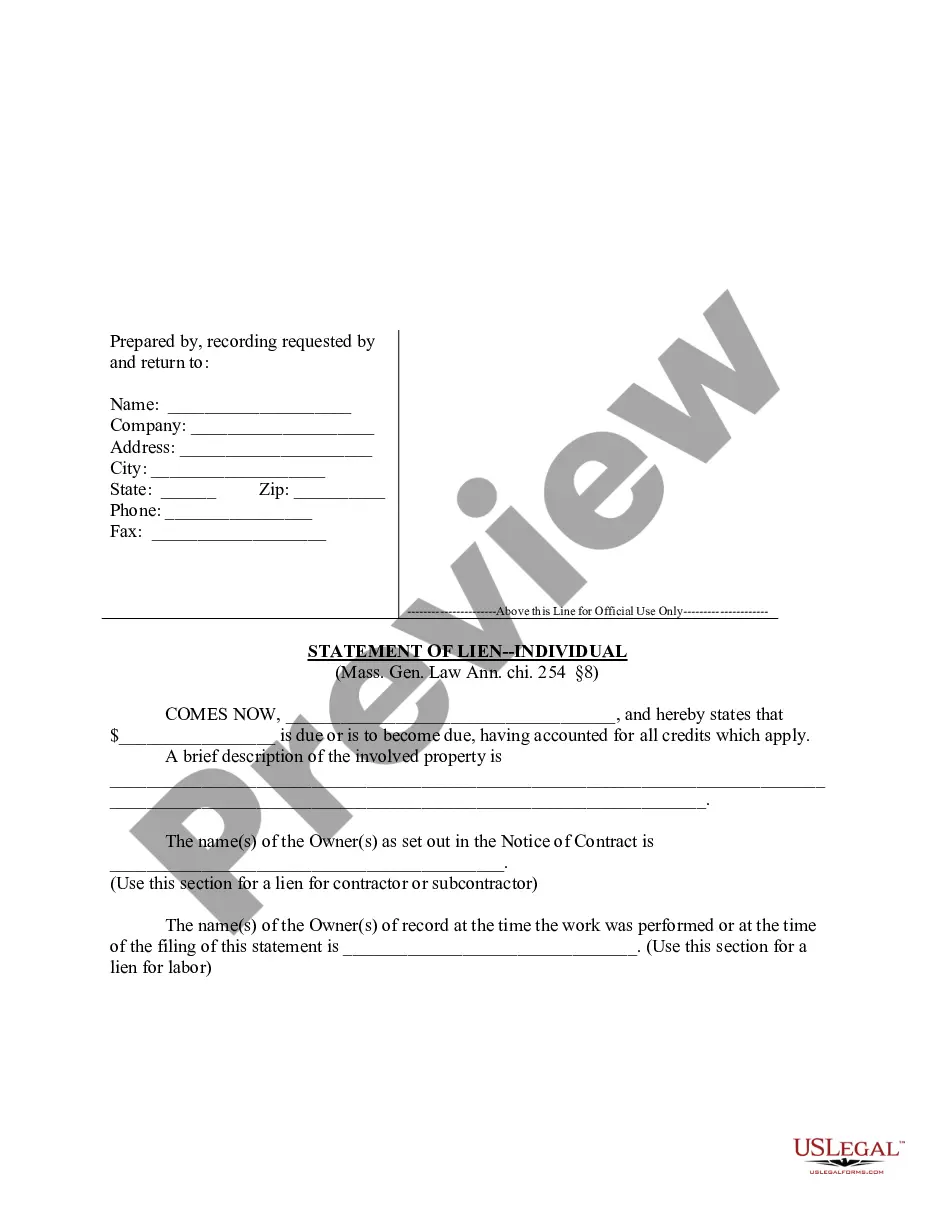
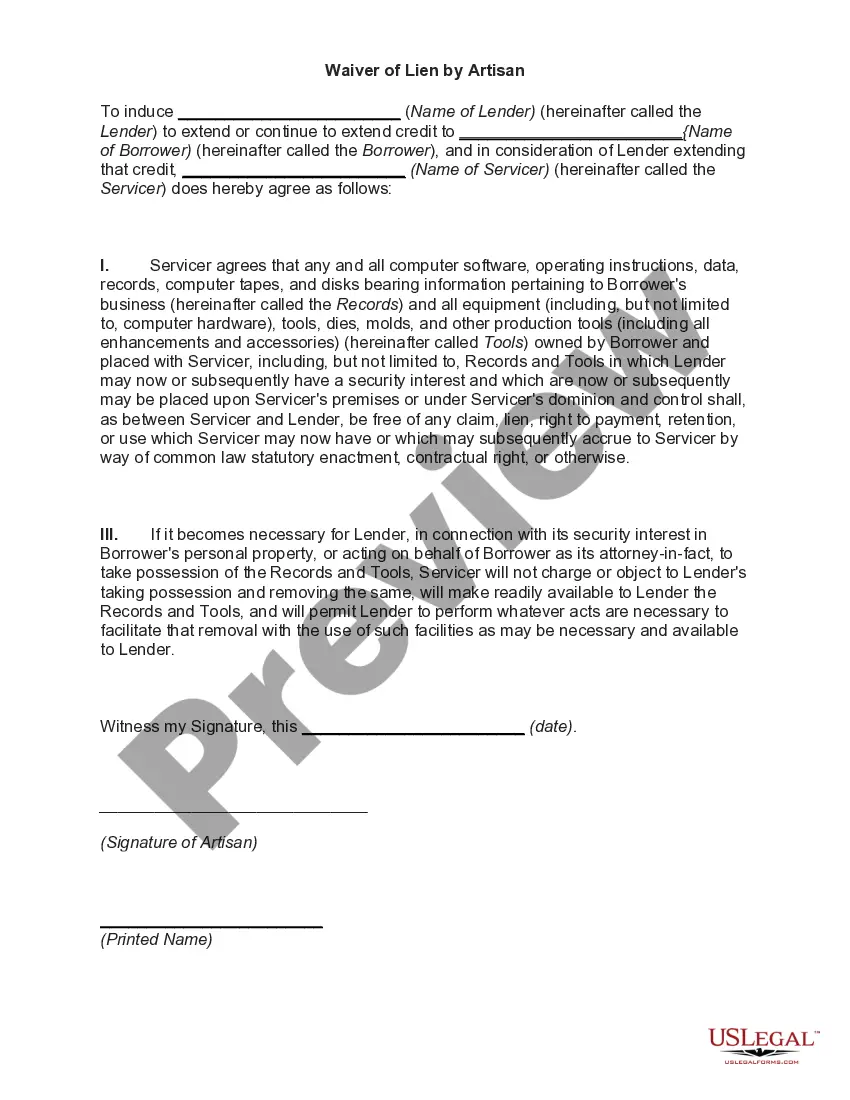
The Statement of Lien by Individual is a legal document that allows individuals, such as contractors or subcontractors, to assert a lien against a property for unpaid labor or materials provided. This form is essential for those who have performed work or supplied materials but have not received payment, making it a crucial step in the construction and contracting process. Unlike other lien forms, this one is specifically designed for individual claimants and outlines the necessary details to support their claim.
Main sections of this form
- Claimant's Information: Provides space for the name, company, address, phone number, and fax number of the individual filing the lien.
- Amount Due: A section to specify the amount that is due or will become due, including any applicable credits.
- Property Description: Requires a brief description of the property in question.
- Owner Information: Sections for identifying the owner(s) of the property and the owner(s) of record at the time work was performed.
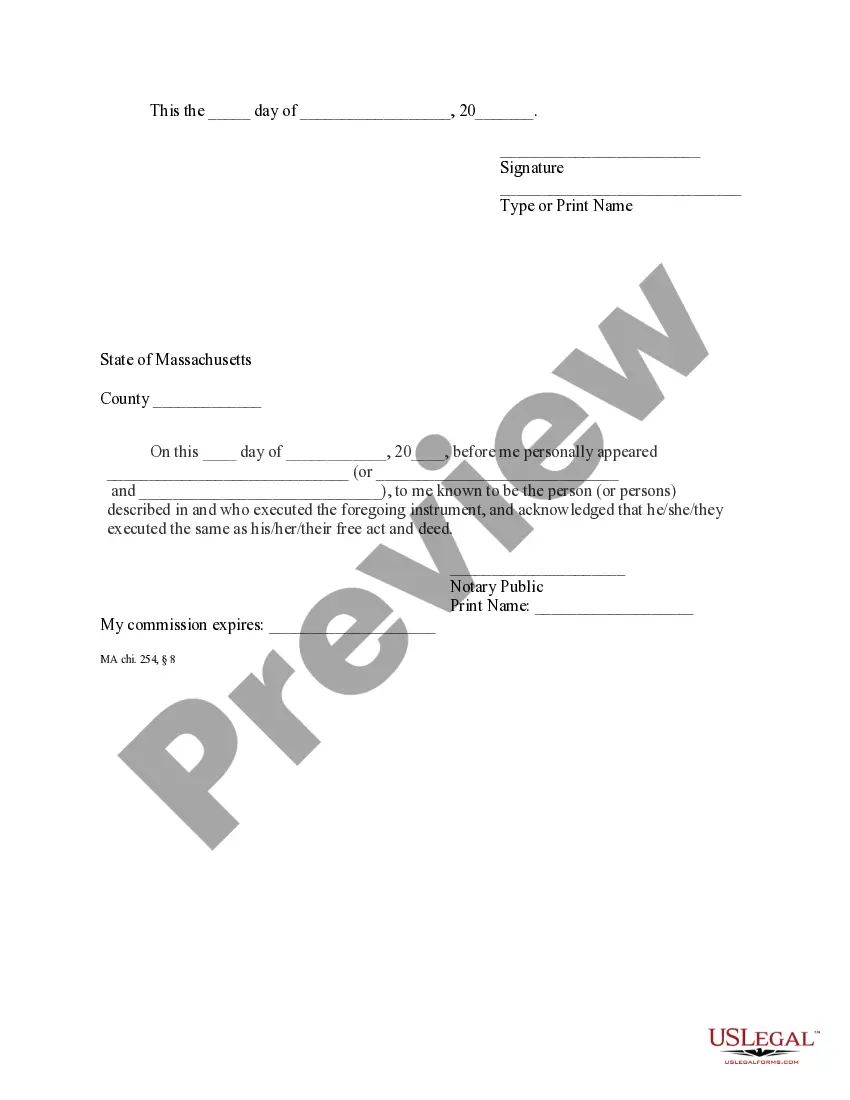
- Signature Section: A space for the claimant's signature and acknowledgment before a notary public.
When to use this document
This form should be used whenever an individual has provided labor or materials for a construction project and has not been compensated for their work. It is particularly relevant after the project is completed or if there have been disputes regarding payment. The Statement of Lien helps secure the right to claim payment by legally attaching the debt to the property involved.
Who should use this form
- Contractors who have not received payment for their services.
- Subcontractors seeking to enforce their right to payment for labor or materials supplied.
- Individuals who performed work or provided materials and need to file a lien to secure payment.
Instructions for completing this form
- Identify yourself as the claimant by filling in your name, company, and contact details.
- Specify the amount due or expected to become due after accounting for all applicable credits.
- Provide a brief yet comprehensive description of the property related to the lien.
- Fill out the names of the property owners as indicated in the Notice of Contract.
- Sign the document and have it notarized to ensure its legal validity.
Is notarization required?
Yes, this form must be notarized to be legally valid. This ensures that the document is executed under lawful circumstances. US Legal Forms offers integrated online notarization services, allowing you to complete the process securely and conveniently at any time.
Get your form ready online
Our built-in tools help you complete, sign, share, and store your documents in one place.
Make edits, fill in missing information, and update formatting in US Legal Forms—just like you would in MS Word.
Download a copy, print it, send it by email, or mail it via USPS—whatever works best for your next step.
Sign and collect signatures with our SignNow integration. Send to multiple recipients, set reminders, and more. Go Premium to unlock E-Sign.
If this form requires notarization, complete it online through a secure video call—no need to meet a notary in person or wait for an appointment.
We protect your documents and personal data by following strict security and privacy standards.

Make edits, fill in missing information, and update formatting in US Legal Forms—just like you would in MS Word.

Download a copy, print it, send it by email, or mail it via USPS—whatever works best for your next step.

Sign and collect signatures with our SignNow integration. Send to multiple recipients, set reminders, and more. Go Premium to unlock E-Sign.

If this form requires notarization, complete it online through a secure video call—no need to meet a notary in person or wait for an appointment.

We protect your documents and personal data by following strict security and privacy standards.
Avoid these common issues
- Failing to provide a complete description of the property involved.
- Not including all relevant owner names, leading to possible disputes.
- Missing the signature or failing to get the document notarized.
- Filing after the deadline which invalidates the lien.
Benefits of using this form online
- Convenience of downloading and completing the form from home.
- Editability to customize the form for specific details before printing.
- Access to professionally drafted templates increases reliability and accuracy.
Quick recap
- The Statement of Lien by Individual is crucial for securing payment in construction projects.
- It requires specific information about the claimant, property, and amount due.
- Proper notarization is essential for the form to be valid.
- Timely filing is necessary to maintain the legal enforceability of the lien.
Looking for another form?
Form popularity
FAQ
A lien is a claim on property to ensure payment of a debt. When you borrow money to purchase a car, the lender files a lien on the vehicle with the state to insure that if the loan defaults, the lender can take the car. When the debt is fully repaid, a release of the lien is provided by the lender.
A Lien Demand Letter or Notice of Intent to Lien is a formal demand for payment.A lien demand letter puts a debtor on notice of your intent to lien the job site property by a specific date deadline. Increase your odds of getting paid with a lien demand letter.
If you're claiming a lien on real property, it must be filed in the recorder's office of the county where the property is located. Expect to pay a filing fee between $25 and $50 depending on the location where you file.
Therefore, liens are not officially recorded, and personal property could be sold off to a third party who is unaware of the lien's existence. In most states, judgment liens must be filed by the creditor through the county or state.
While it's unlikely that just anyone can put a lien on your home or land, it's not unheard of for a court decision or a settlement to result in a lien being placed against a property.
In order to qualify to file a mechanics lien in Massachusetts, certain parties must send a preliminary notice. Any party that did not contract directly with the GC or property owner must provide a Notice of Identification. They must send the notice within 30 days of first providing labor and services on a project.
Who you are. The services or materials you provided. The last date you provided the services or materials. How much payment should be. The date on which you will file a lien if you do not receive payment. How the debtor should pay.
A judgment lien in Massachusetts will remain attached to the debtor's property (even if the property changes hands) for 20 years (for liens on real estate) or 30 days (for liens on personal property).
A mortgage creates a lien on your property that gives the lender the right to foreclose and sell the home to satisfy the debt. A deed of trust (sometimes called a trust deed) is also a document that gives the lender the right to sell the property to satisfy the debt should you fail to pay back the loan.