New Jersey Special or Limited Power of Attorney for Real Estate Purchase Transaction by Purchaser
About this form
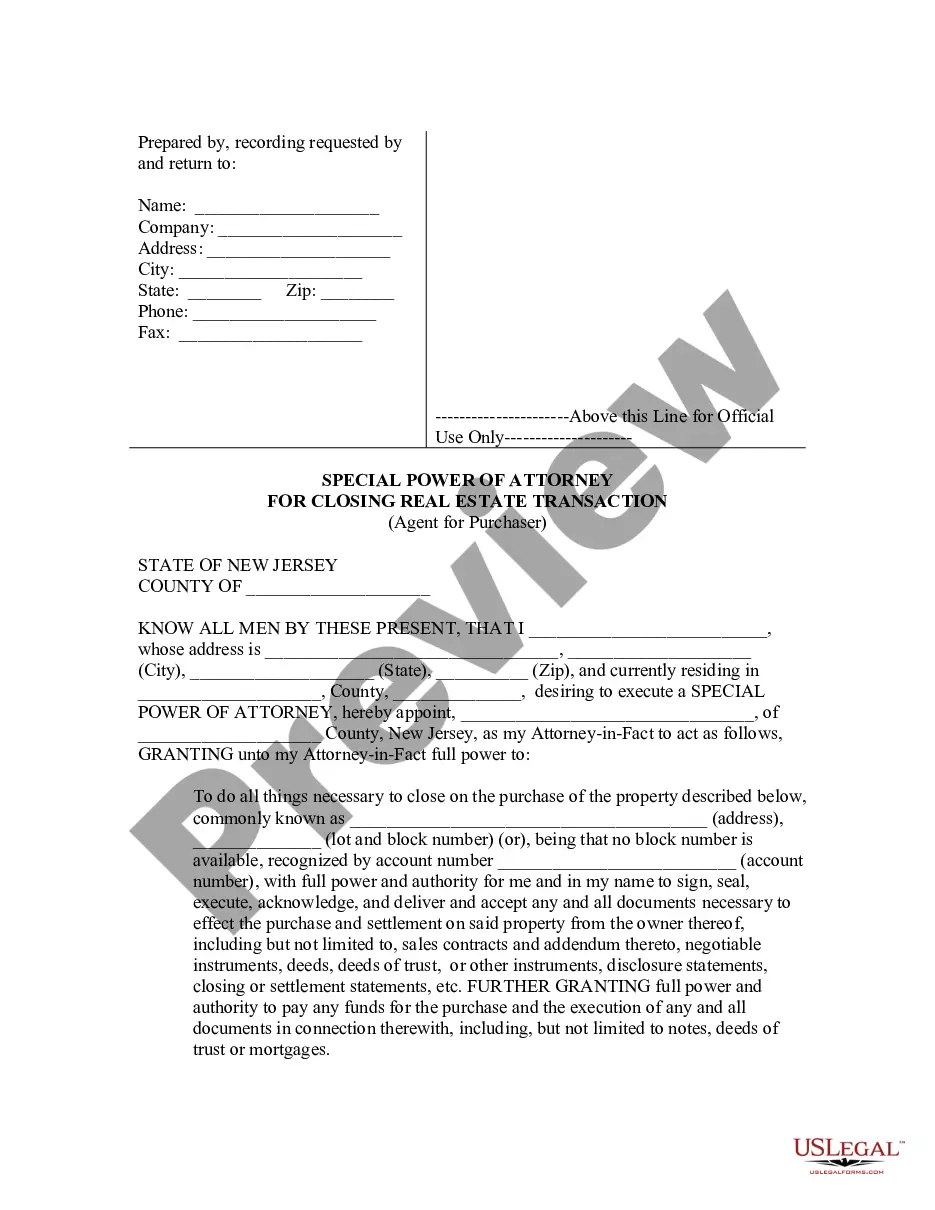
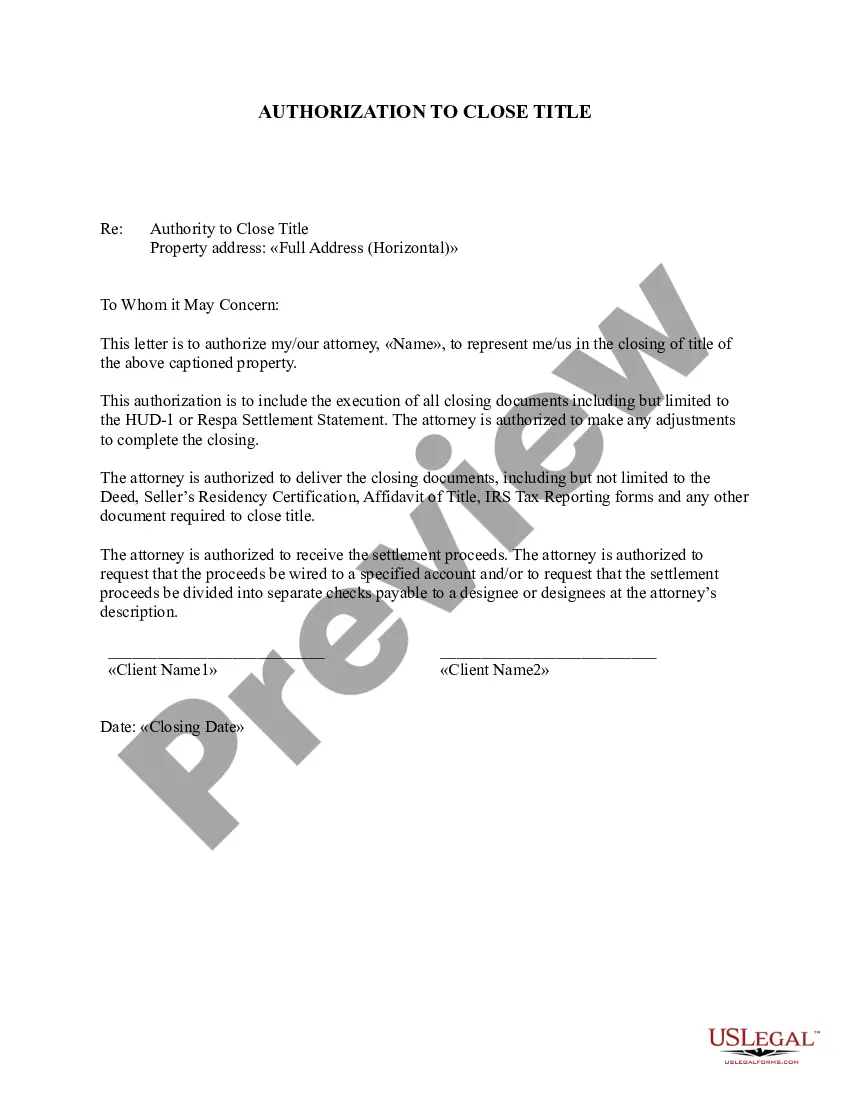
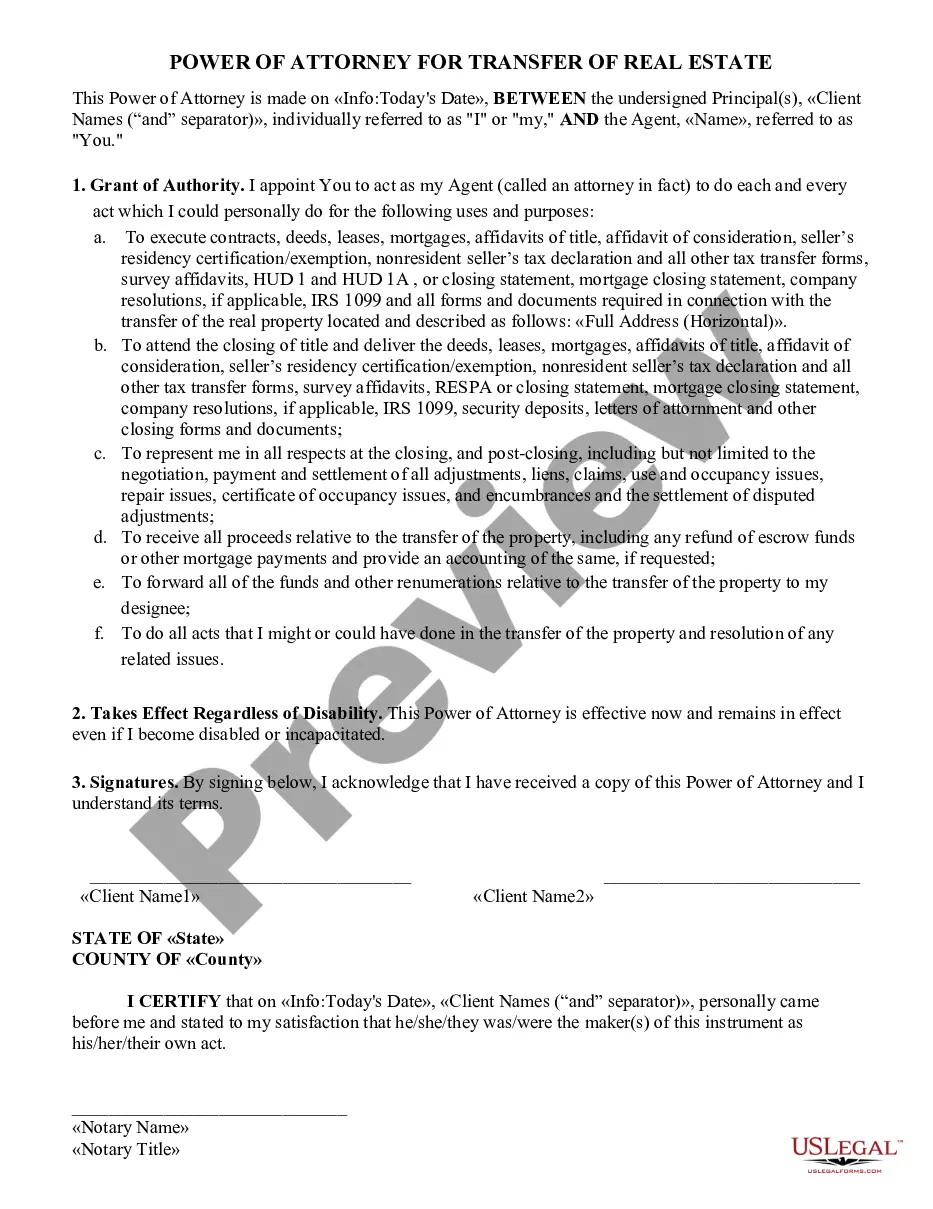
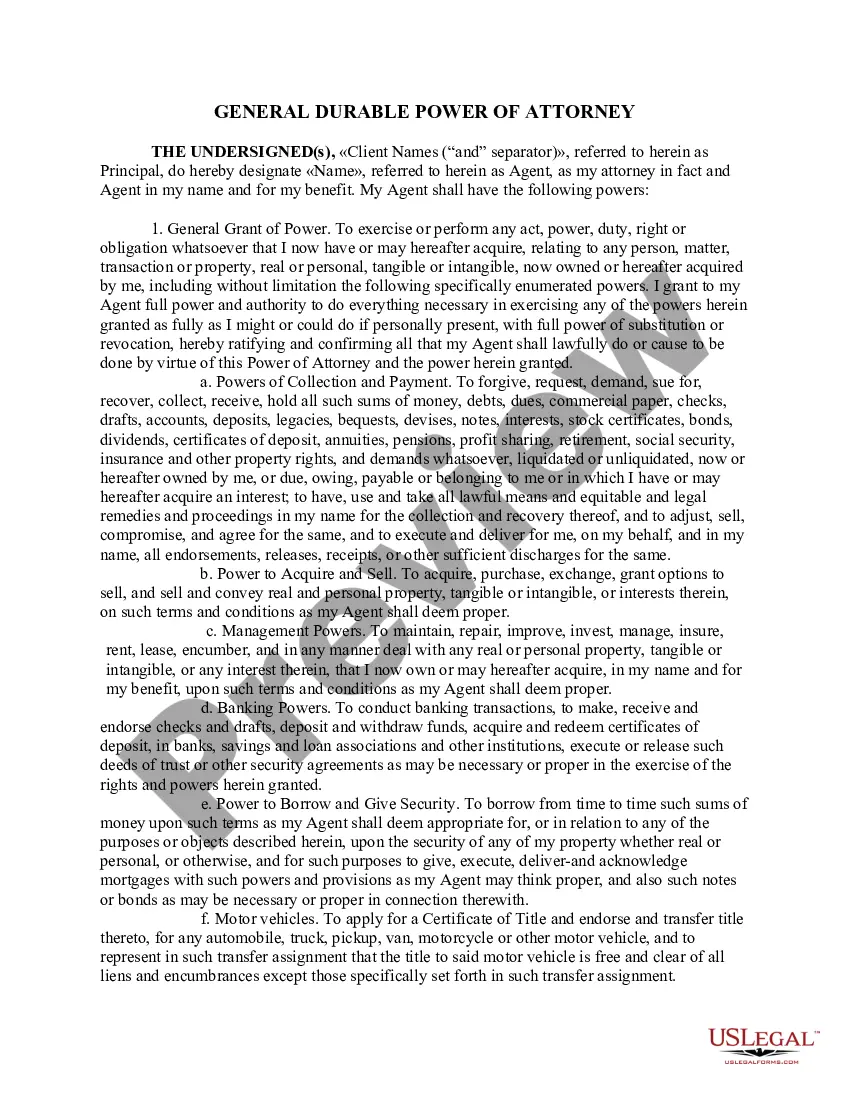
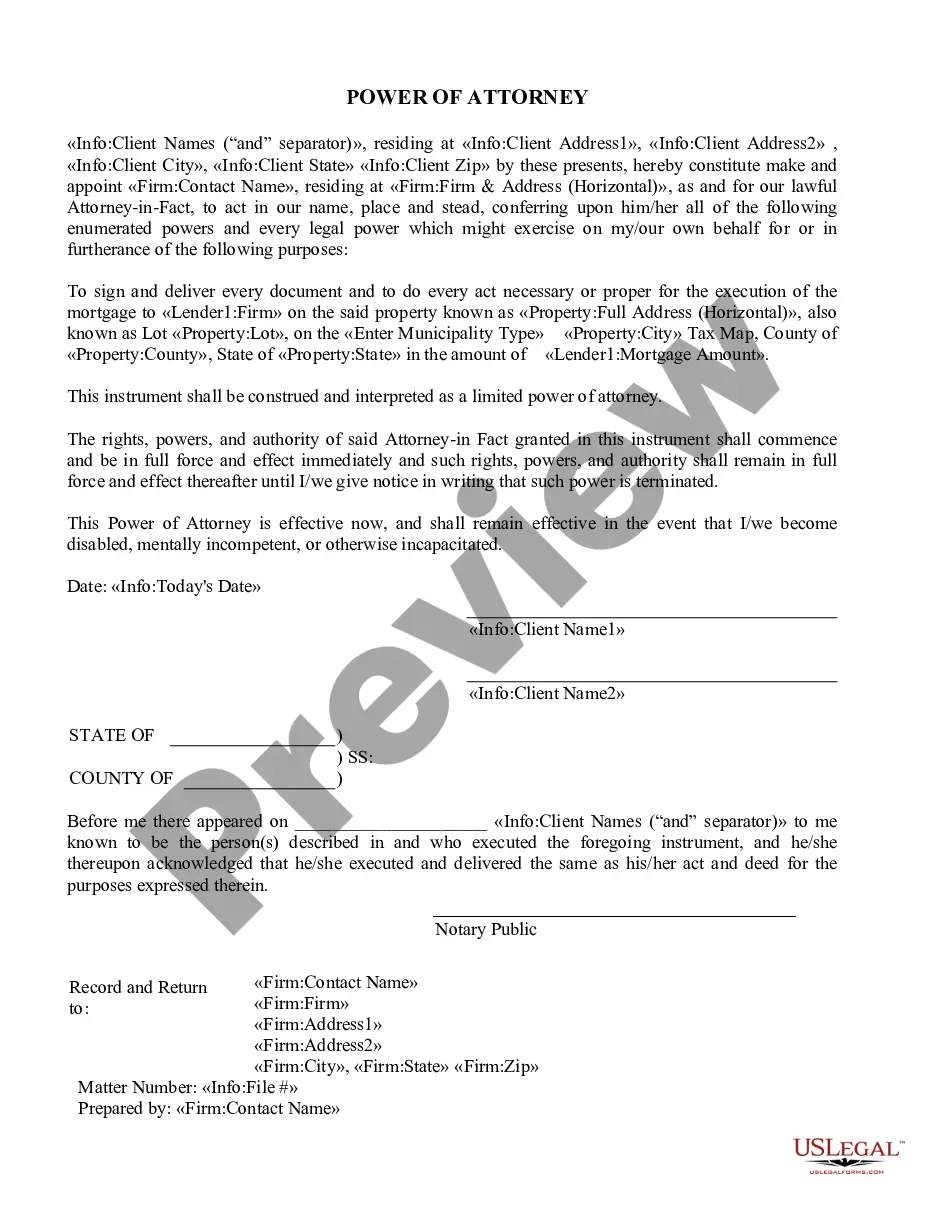
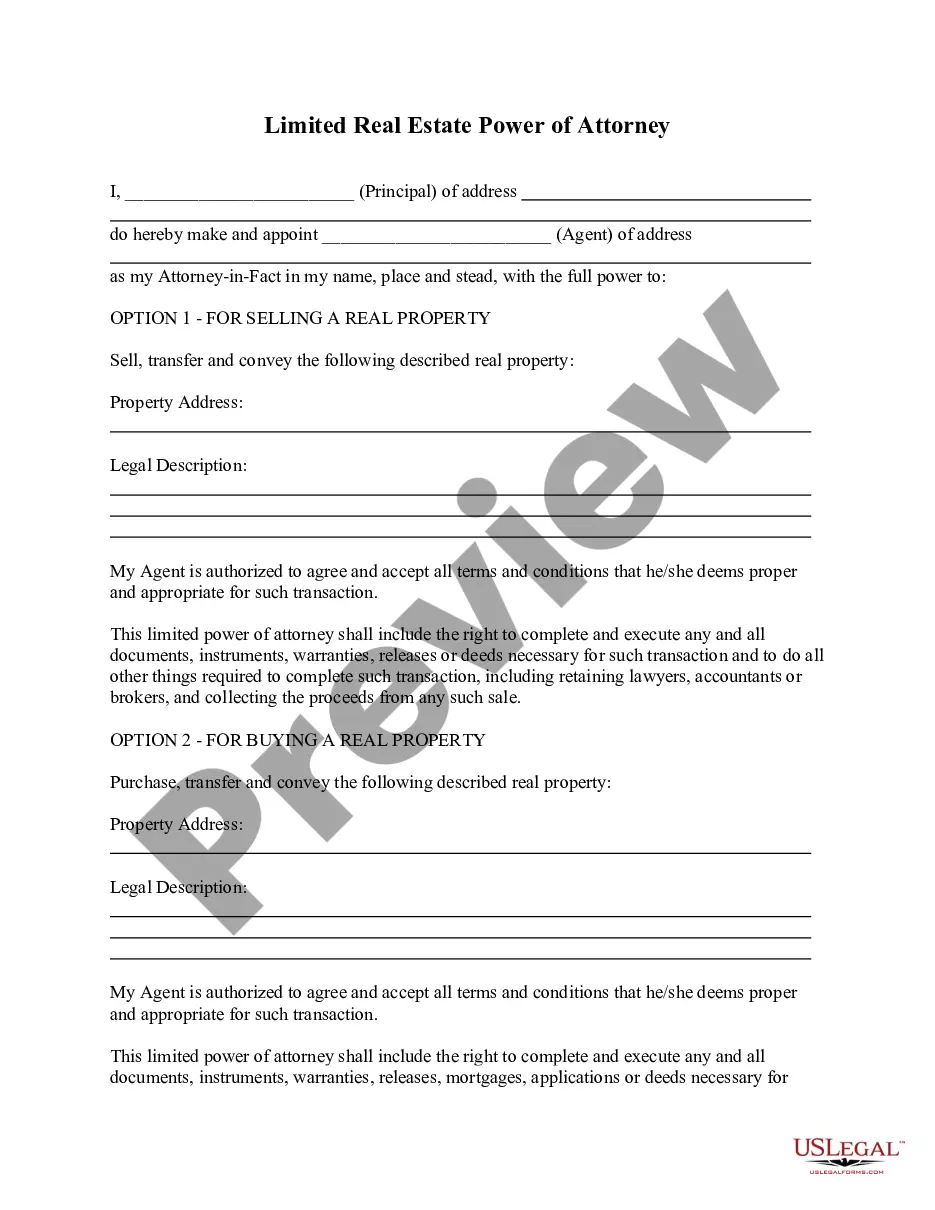
The Special or Limited Power of Attorney for Real Estate Purchase Transaction by Purchaser enables an individual, known as the principal, to designate an attorney-in-fact. This designated person can make decisions and take actions necessary for purchasing a specific parcel of real estate. This form is specifically tailored for real estate transactions and differs from general power of attorney forms by focusing solely on real estate purchases, including signing loan documents and contracts.
Form components explained
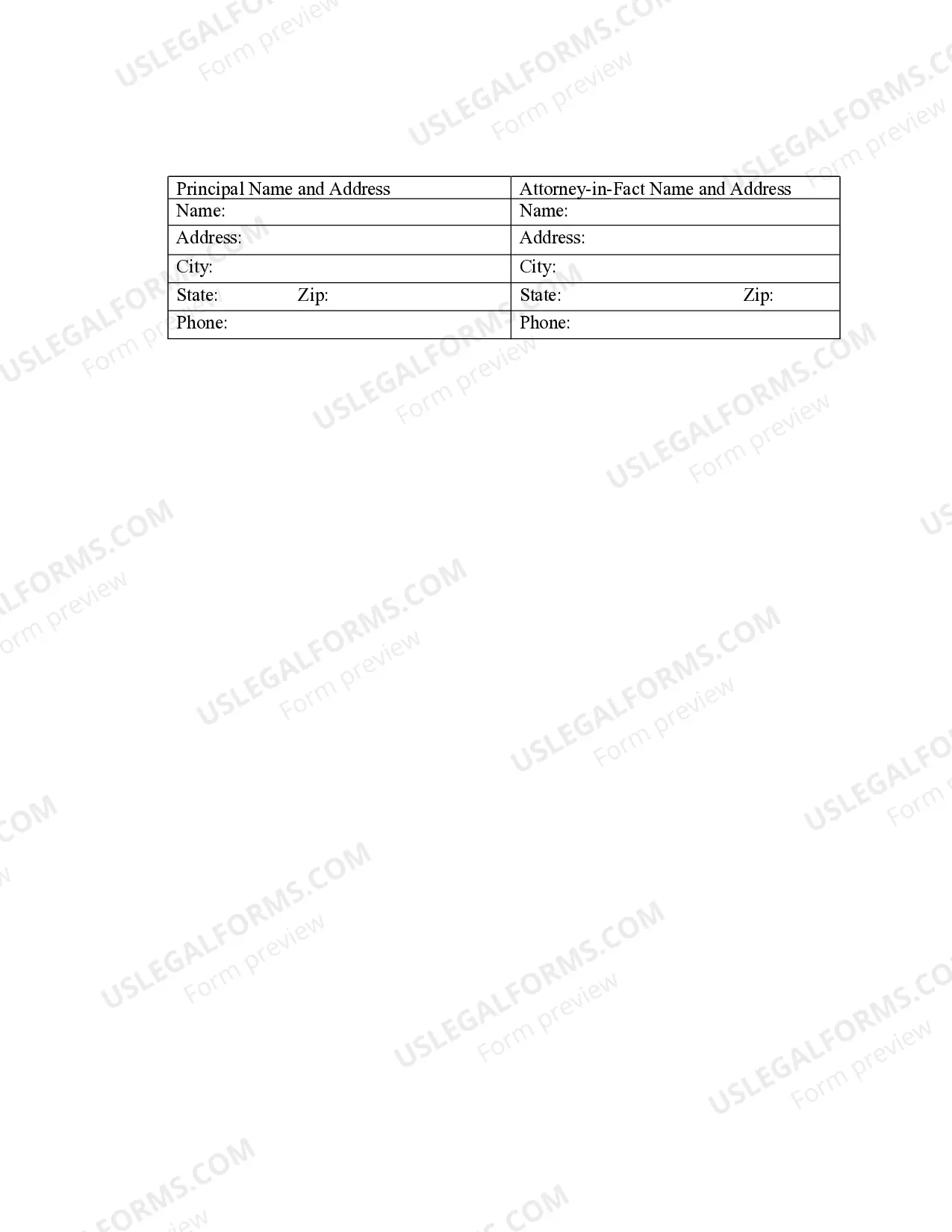
- Identification of the principal and attorney-in-fact, including addresses.
- A detailed description of the property being purchased.
- Granting authority to the attorney-in-fact to sign essential documents for the transaction.
- Provision for financial transactions related to the purchase.
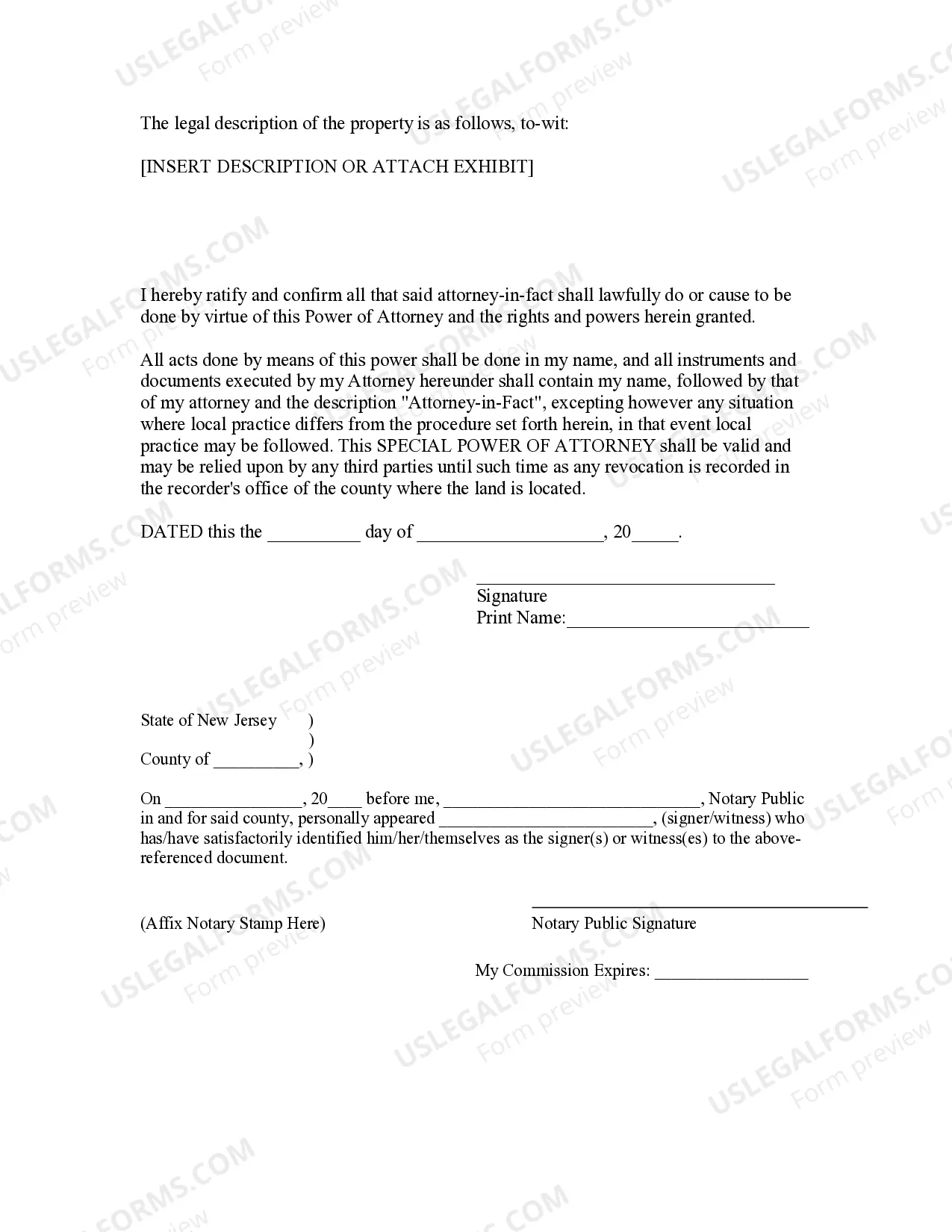
- Notarization requirement to validate the document.
When this form is needed
This form should be used when a buyer (principal) is unable to attend the closing of a real estate transaction and needs to appoint someone else (attorney-in-fact) to act on their behalf. It is also applicable when the principal wishes to authorize specific actions related to purchasing property, such as executing contracts and securing financing without being physically present.
Who this form is for
- Homebuyers who are unavailable to attend the closing.
- Individuals working with someone experienced in real estate transactions.
- Anyone needing to delegate purchasing responsibilities to a trusted person.
Instructions for completing this form
- Identify and enter the names and addresses of both the principal and the attorney-in-fact.
- Specify the exact property by including its address and legal description.
- Clearly outline the powers being granted to the attorney-in-fact.
- Provide the date and sign the document in the presence of a notary public.
- Include any additional documents required by local law or real estate practices.
Does this document require notarization?
This document requires notarization to meet legal standards. US Legal Forms provides secure online notarization powered by Notarize, allowing you to complete the process through a verified video call, available 24/7.
Get your form ready online
Our built-in tools help you complete, sign, share, and store your documents in one place.
Make edits, fill in missing information, and update formatting in US Legal Forms—just like you would in MS Word.
Download a copy, print it, send it by email, or mail it via USPS—whatever works best for your next step.
Sign and collect signatures with our SignNow integration. Send to multiple recipients, set reminders, and more. Go Premium to unlock E-Sign.
If this form requires notarization, complete it online through a secure video call—no need to meet a notary in person or wait for an appointment.
We protect your documents and personal data by following strict security and privacy standards.

Make edits, fill in missing information, and update formatting in US Legal Forms—just like you would in MS Word.

Download a copy, print it, send it by email, or mail it via USPS—whatever works best for your next step.

Sign and collect signatures with our SignNow integration. Send to multiple recipients, set reminders, and more. Go Premium to unlock E-Sign.

If this form requires notarization, complete it online through a secure video call—no need to meet a notary in person or wait for an appointment.

We protect your documents and personal data by following strict security and privacy standards.
Common mistakes to avoid
- Failing to include a complete legal description of the property.
- Not notarizing the document, which may invalidate it in some jurisdictions.
- Neglecting to specify all powers granted to the attorney-in-fact.
- Not confirming the attorney-in-fact is willing and able to act on behalf of the principal.
Advantages of online completion
- Convenient access to the form at any time without needing to visit a legal office.
- Editable fields allow for quick adjustments to personalize the document.
- Reliability from professionally drafted templates reviewed by licensed attorneys.
Quick recap
- This form allows a person to appoint an attorney-in-fact to manage real estate purchases on their behalf.
- It is essential to provide complete and accurate descriptions and necessary information.
- Notarization is required for the document to be enforceable.
- Using this form can simplify the purchasing process when the principal cannot be present.
Looking for another form?
Form popularity
FAQ
The states that require a real estate attorney to be involved include Alabama, Connecticut, Delaware, District of Columbia, Florida, Georgia, Kansas, Kentucky, Maine, Maryland, Massachusetts, Mississippi, New Hampshire, New Jersey, New York, North Dakota, Pennsylvania, Rhode Island, South Carolina, Vermont, Virginia
A limited PoA, amongst other things, grants the PoA holder access and permission to execute trades/orders on your trading account, on your behalf. However, it does not allow the PoA holder to perform withdrawals requests or transfer of funds. All withdrawals must be requested by the authorized signatory of the account.
Remember that all of the authorized agents under the power of attorney or representatives in an estate must sign the listing agreement, disclosure documents, etc. For example, when there are two executors in an estate, then they both must sign the Listing Contract.
Some types of power of attorney also give the attorney the legal power to make a decision on behalf of someone else such as where they should live or whether they should see a doctor. In order to make a power of attorney, you must be capable of making decisions for yourself.
In New Jersey, all power of attorney documents require that both the principal and the attorney-in-fact are competent and be of sound mind at the point at which they are executed. They must be signed in the presence of at least 2 witnesses and in the presence of a licensed Notary of the State of New Jersey.
A solicitor or the NSW Trustee and Guardian can prepare a power of attorney for you.The form must be witnessed by a barrister, solicitor, registrar of the Local Court, an employee of the NSW Trustee and Guardian or trustee company, a qualified overseas lawyer or a licenced conveyancer.
The principal must sign the power of attorney document in front of either a notary public or an attorney licensed to practice in New Jersey. The principal should not sign the document until they are in the presence of the notary or attorney. After the principal signs, the notary or attorney signs the document.
A limited power of attorney grants the representative that you choose (the agent or attorney-in-fact) the power to act on your behalf under limited circumstances.Under a general power of attorney, the agent or attorney-in-fact can do anything that you can do.
Guardianship. In order for you to obtain a power of attorney, your parents need to give their authorization in front of a notary. The guardianship requires probate court approval and supervision, and involves proving the incapacity of your parents through medical statements.