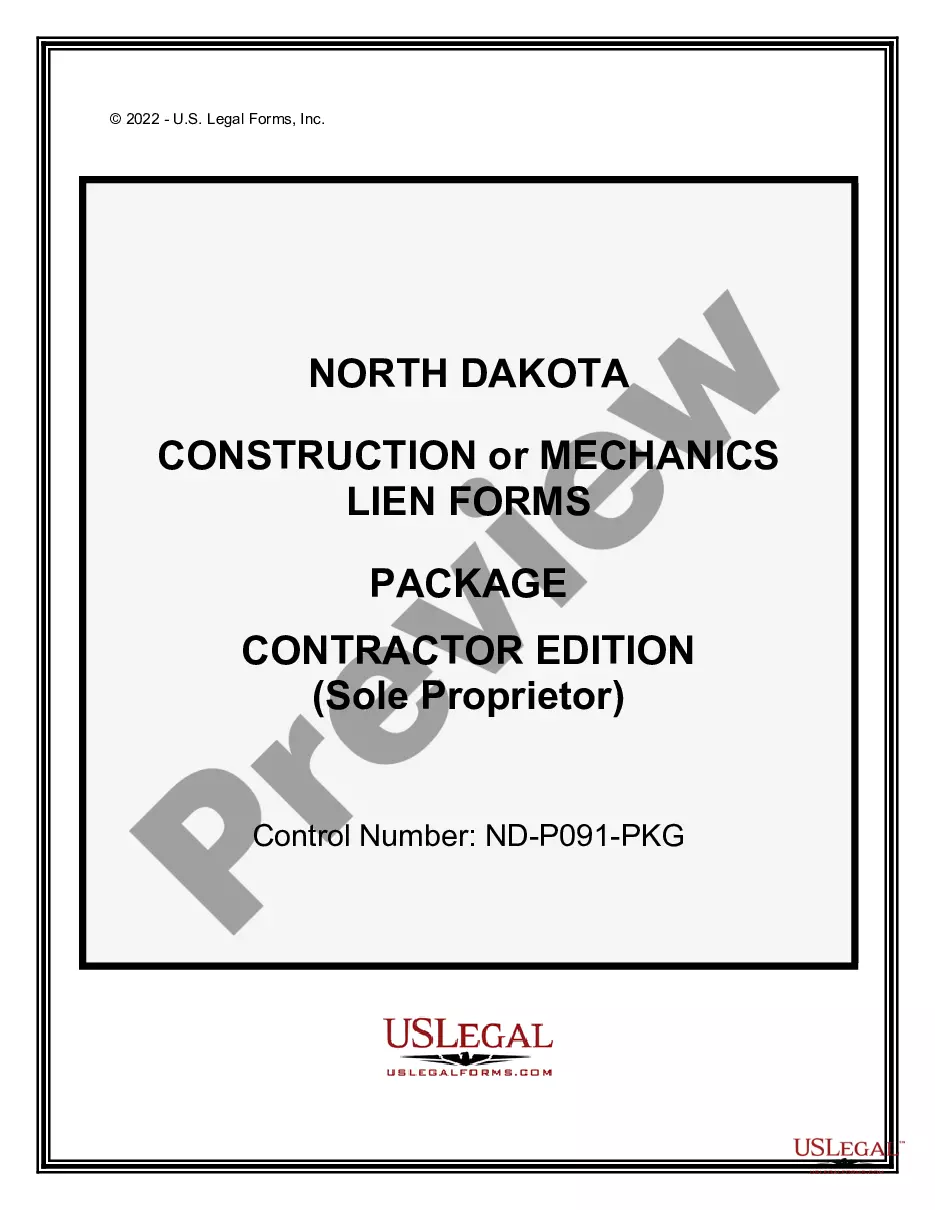
North Dakota Construction or Mechanics Lien Package - Corporation or LLC
Overview of this form package
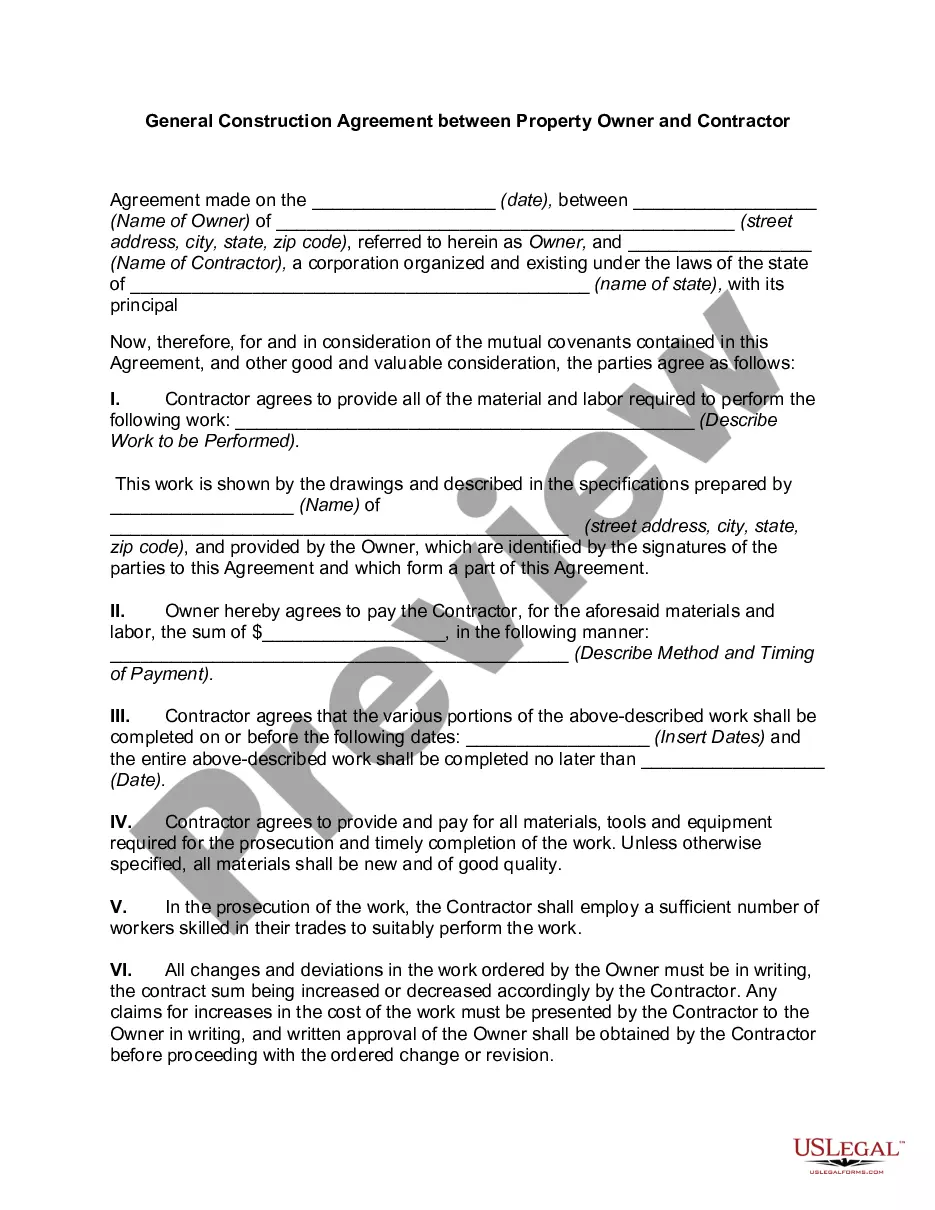
The North Dakota Construction or Mechanics Lien Package for Corporations or LLCs is a comprehensive legal toolkit designed to help corporations and limited liability companies recover unpaid debts for labor, materials, or services provided for real property improvements. This package includes essential forms and guidance tailored to ensure you properly file a lien, making it distinct from other legal form packages by catering specifically to corporate entities involved in construction-related endeavors.
What’s included in this form package
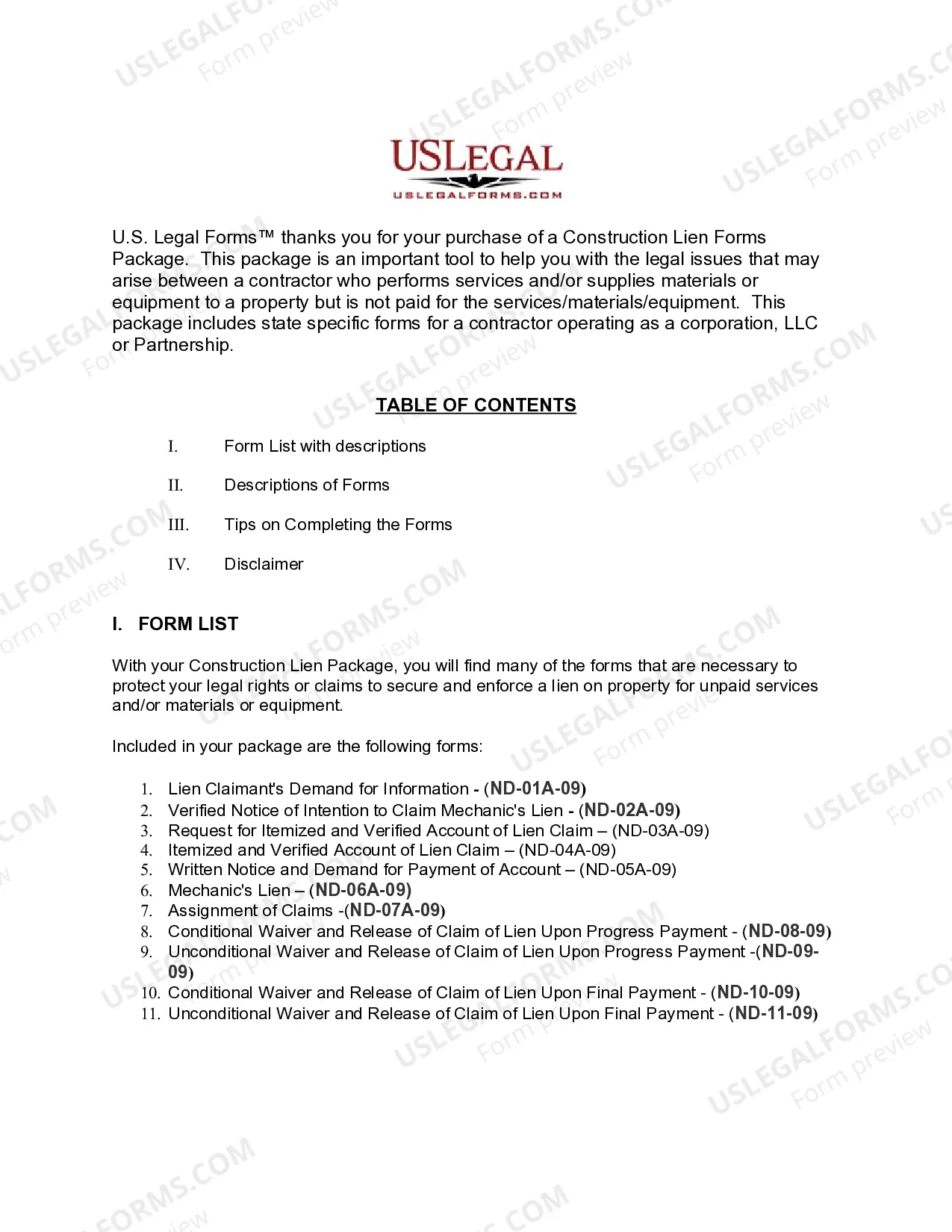
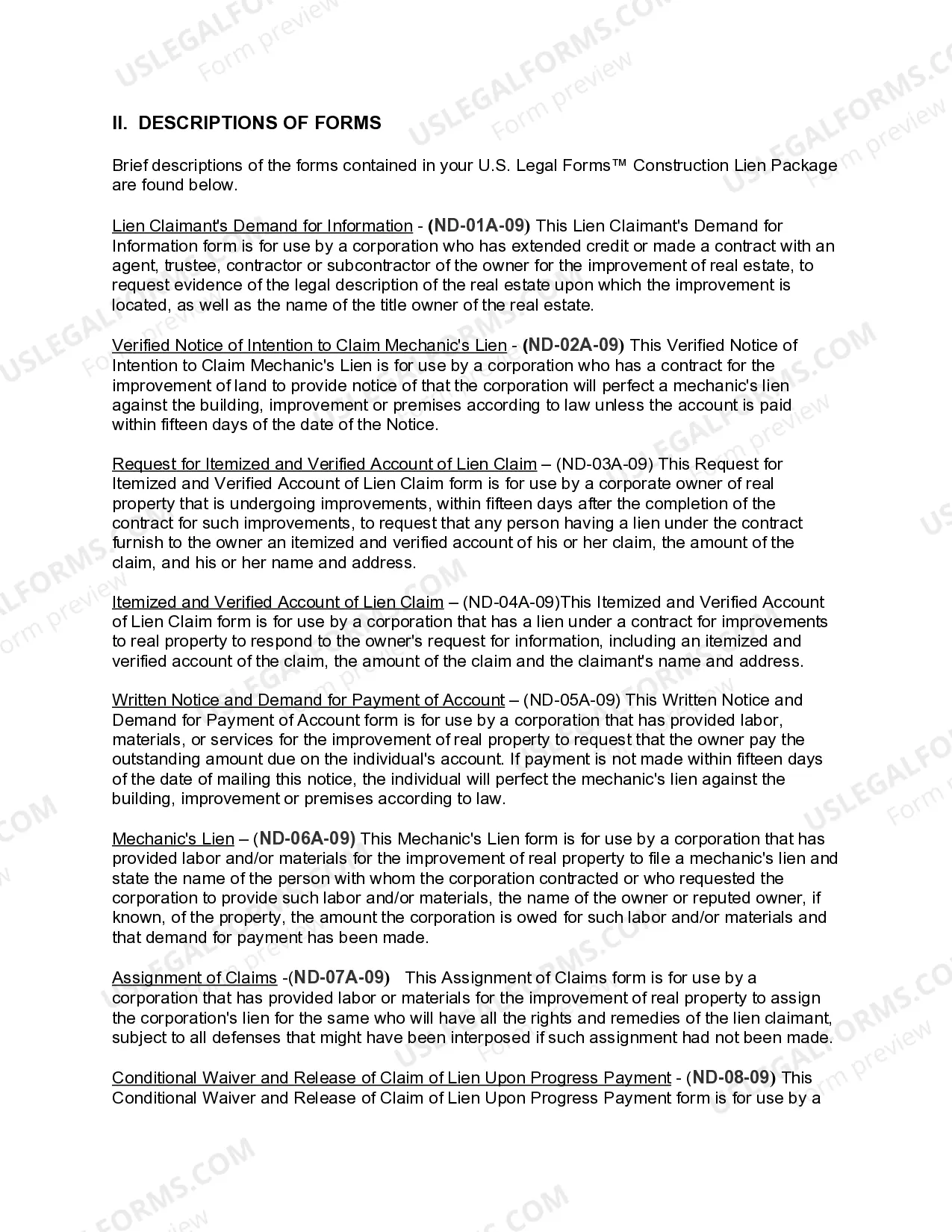
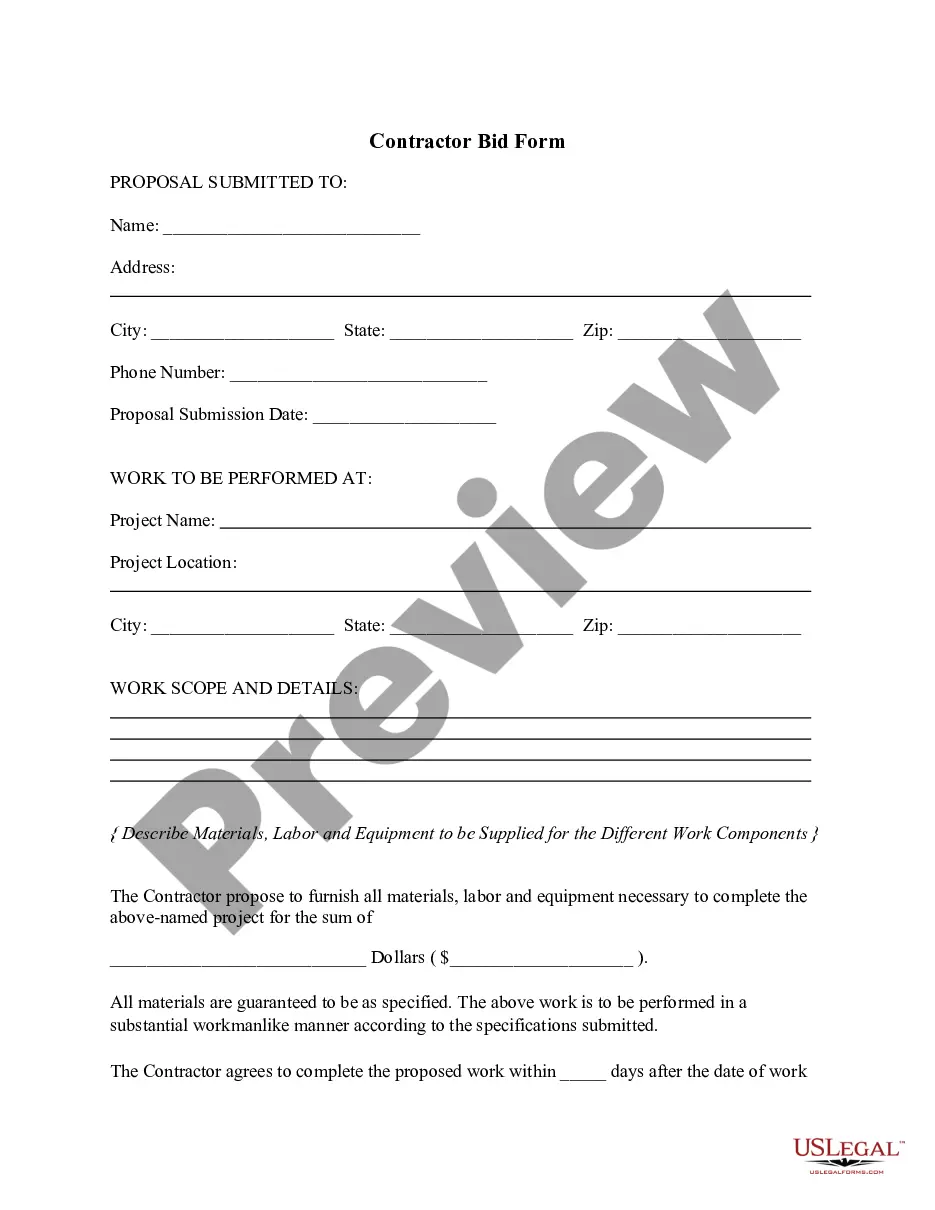
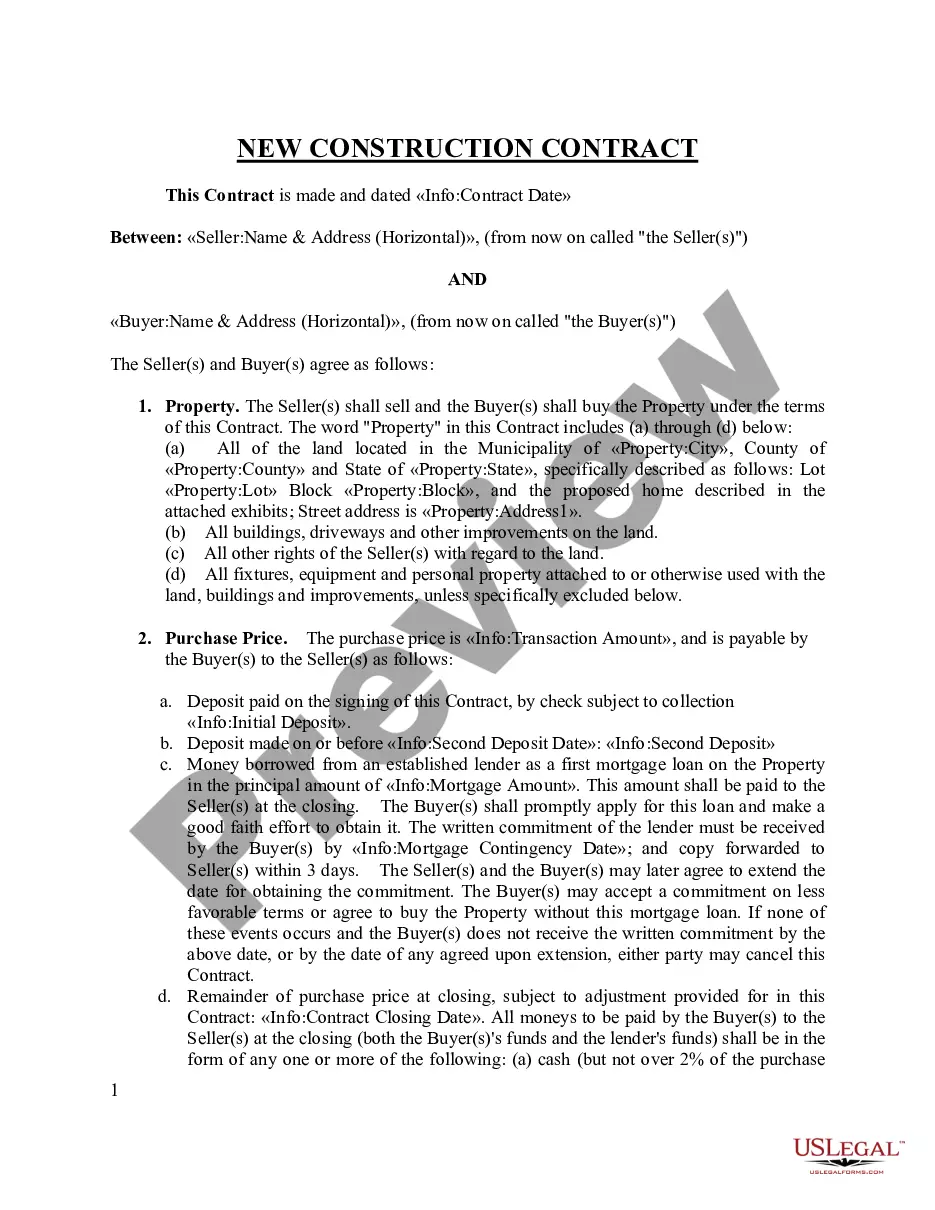
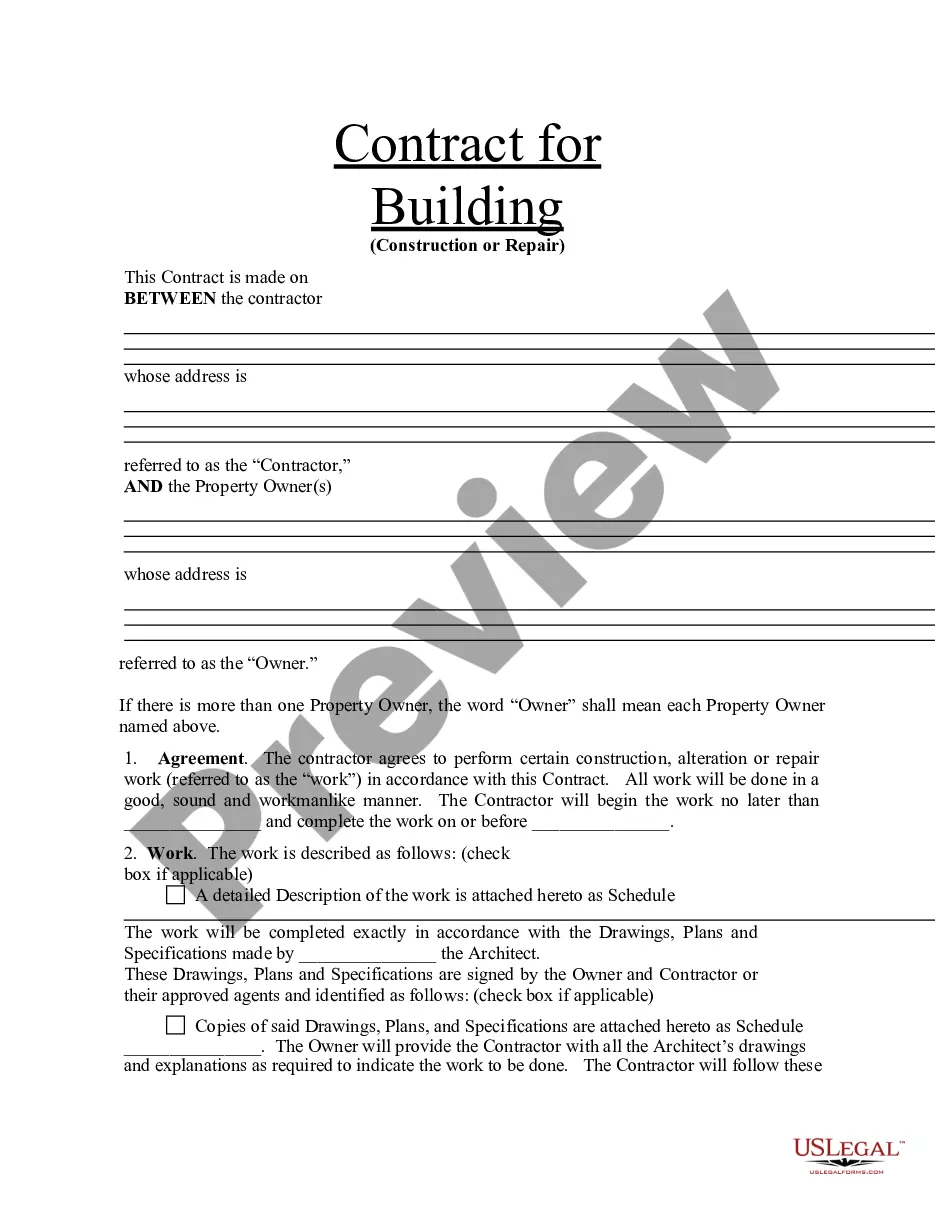
- Lien Claimant's Demand for Information - Corporation
- Mechanic's Lien - Corporation
- Assignment of Claims - Corporation
- Conditional Waiver and Release of Claim of Lien Upon Progress Payment
- Unconditional Waiver and Release of Claim of Lien Upon Progress Payment
- Conditional Waiver and Release of Claim of Lien Upon Final Payment
- Unconditional Waiver and Release of Claim of Lien Upon Final Payment
When to use this form package
This form package is applicable in situations such as:
- Your corporation or LLC has provided labor or materials for construction and has not received payment.
- You need to file a mechanics lien to secure your right to payment against the property improved.
- A property owner has failed to respond after you requested payment for your services.
Intended users of this form package
- Corporations or LLCs engaged in providing construction services or materials.
- Corporations or LLCs seeking to ensure their rights to payment through a mechanics lien.
- Business owners in the construction industry who want to protect their financial interests in real property projects.
How to complete these forms
- Review all included forms to familiarize yourself with the requirements.
- Identify parties involved, such as the property owner and your corporation or LLC.
- Complete the necessary forms, ensuring accurate information is provided in each field.
- File the completed forms with the appropriate local authority following the required procedures.
- Retain copies of all correspondence and filings for your records.
Notarization details for included forms
Notarization is not commonly needed for forms in this package. However, if your state’s laws require it, our notarization service, powered by Notarize, allows you to finalize documents online 24/7 without in-person visits.
Get your form ready online
Our built-in tools help you complete, sign, share, and store your documents in one place.
Make edits, fill in missing information, and update formatting in US Legal Forms—just like you would in MS Word.
Download a copy, print it, send it by email, or mail it via USPS—whatever works best for your next step.
Sign and collect signatures with our SignNow integration. Send to multiple recipients, set reminders, and more. Go Premium to unlock E-Sign.
If this form requires notarization, complete it online through a secure video call—no need to meet a notary in person or wait for an appointment.
We protect your documents and personal data by following strict security and privacy standards.

Make edits, fill in missing information, and update formatting in US Legal Forms—just like you would in MS Word.

Download a copy, print it, send it by email, or mail it via USPS—whatever works best for your next step.

Sign and collect signatures with our SignNow integration. Send to multiple recipients, set reminders, and more. Go Premium to unlock E-Sign.

If this form requires notarization, complete it online through a secure video call—no need to meet a notary in person or wait for an appointment.

We protect your documents and personal data by following strict security and privacy standards.
Avoid these common issues
- Failing to provide complete and accurate information on the forms.
- Not filing the lien within the statutory time frame.
- Neglecting to serve the forms properly to all parties involved.
Benefits of using this package online
- Convenient access to professionally drafted legal forms from anywhere.
- Edit and customize forms digitally to fit your specific needs.
- Reliable templates that comply with current North Dakota law.
Looking for another form?



Form popularity
FAQ
Step 1: Send a Notice of Intent to Lien. Step 2: Prepare your North Dakota lien form. Step 3: File your North Dakota mechanics lien. Enforce or release your mechanics lien.
The people who can file mechanic's liens are identified by state law. A subcontractor or supplier to a subcontractor may not be able to file a lien. Also, unlicensed contractors are often barred from filing a mechanic's lien.
First of all, you can sue your contractor for breach of contract, even without a written contract, and she can sue you as well.See Nolo's article, "Breach of Contract Cases in Small Claims Court," for more on this. However, an alleged oral contract does create difficult evidentiary questions for the judge.
The process of bonding off a mechanics lien starts after a claimant has filed a mechanics lien. After the claim is made, a general contractor or a property owner can contact a surety bond company to purchase a surety bond that replaces the value of the lien that was filed against the property.
To enforce the lien, the contractor must file a lawsuit within 90 days from the date of recording the lien. If this deadline is passed, the contractor may not be able to enforce the lien and may be required to remove the lien.
In Florida, an unlicensed contractor will not have the right to file a lien if licensure is required for the type of work performed. If no license was required for the type of work performed, then being unlicensed will not prevent a claimant from filing a valid lien.
While they don't require lien filings to be notarized, they do require a lien filer to jump through various other hoops that, if not done properly, might cause your filing to be rejected or invalidated: Delaware.
If a license is required for the work performed, an unlicensed contractor NOT ONLY cannot file a valid mechanics lien, but s/he also cannot file suit to recover, either. In California, unlicensed contractors are not entitled to be paid period for anything, and will be thrown out of court if they sue to get paid.
Contractors, subcontractors, laborers, and material suppliers can file what is called a "mechanics lien" on a homeowner's property if they don't get paid. Property owners need to be aware of the process so they can avoid financial and legal pitfalls.