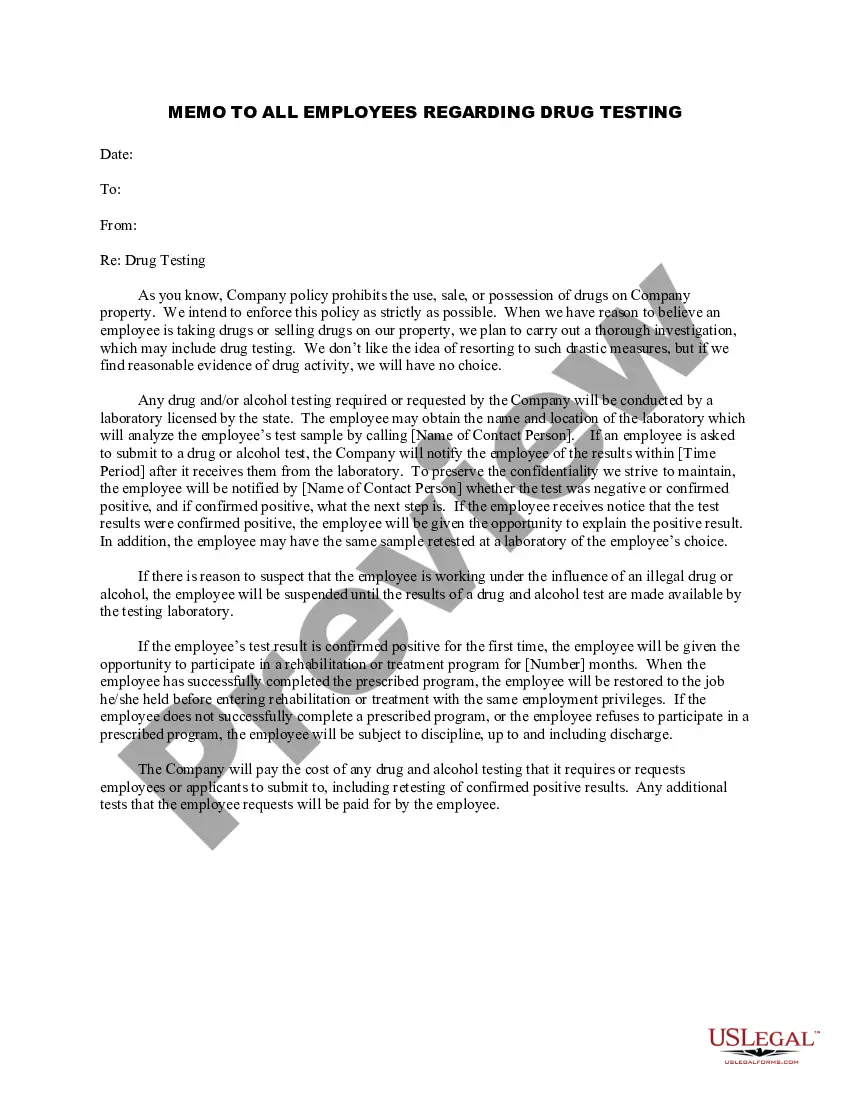
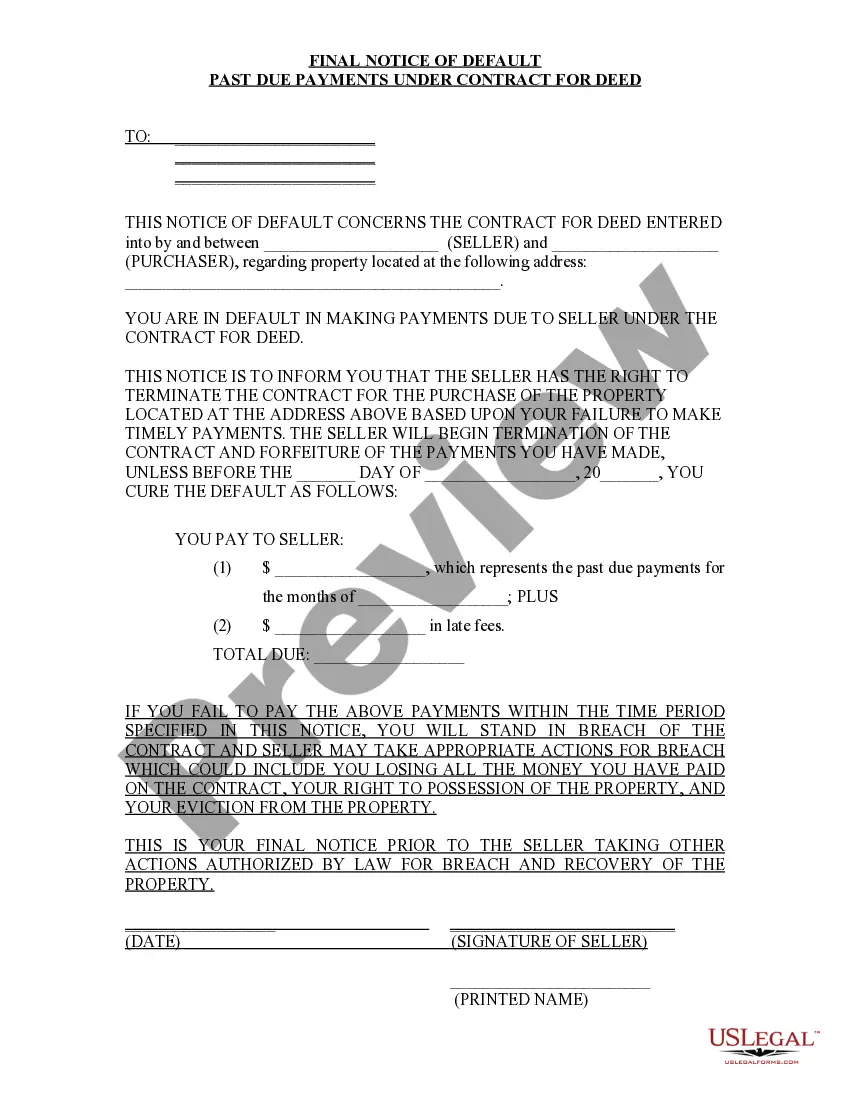
Minnesota Final Notice of Default for Past Due Payments in connection with Contract for Deed
What is this form?
The Final Notice of Default for Past Due Payments in connection with Contract for Deed is a formal document that notifies a purchaser of property under a contract for deed about their failure to make timely payments. This form serves as the seller's last warning, stating that if payment is not made by the specified date, the contract will be deemed in default, which may lead to the recovery of the property and forfeiture of prior payments. This form differs from other notices in its specificity to contracts for deed and is critical for initiating potential legal actions concerning real estate transactions.
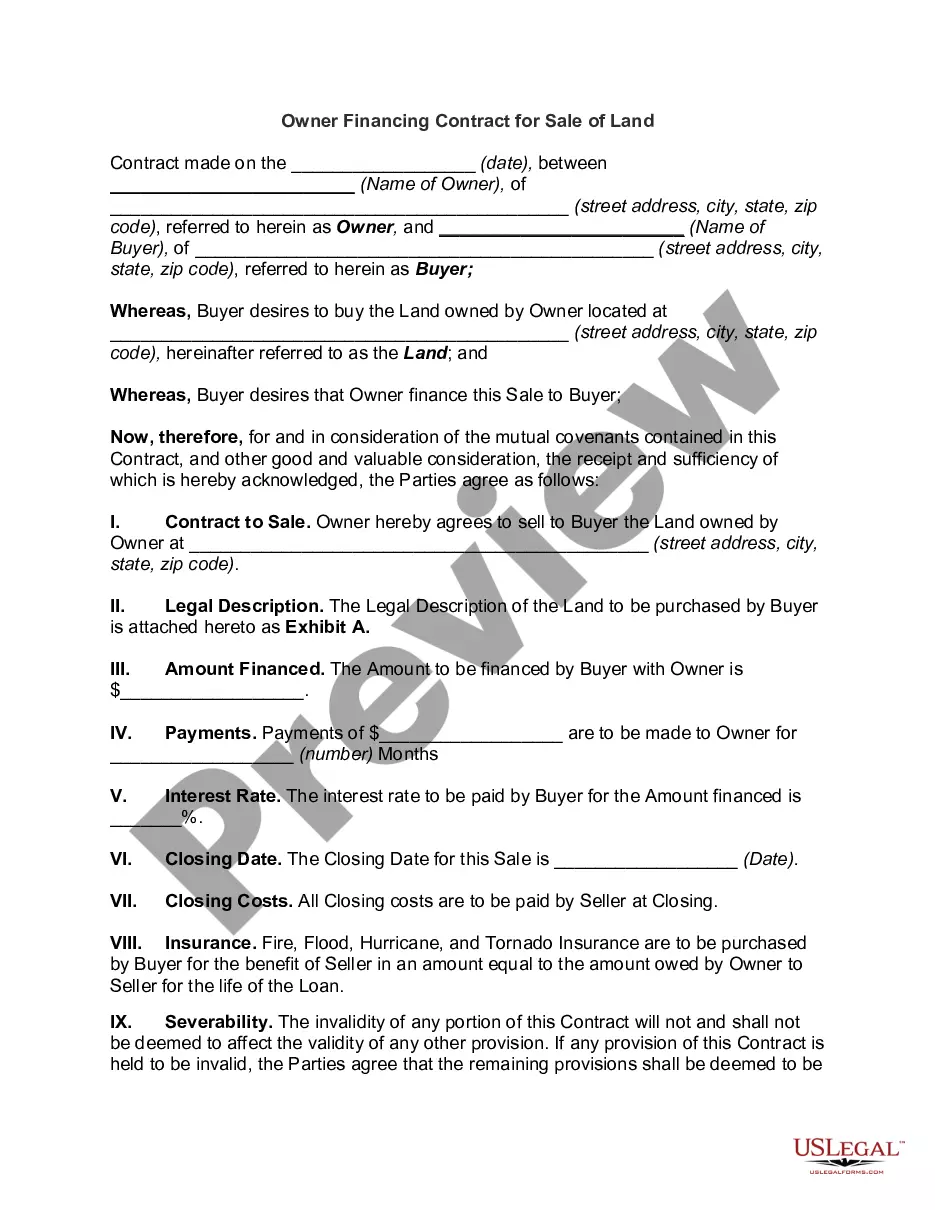
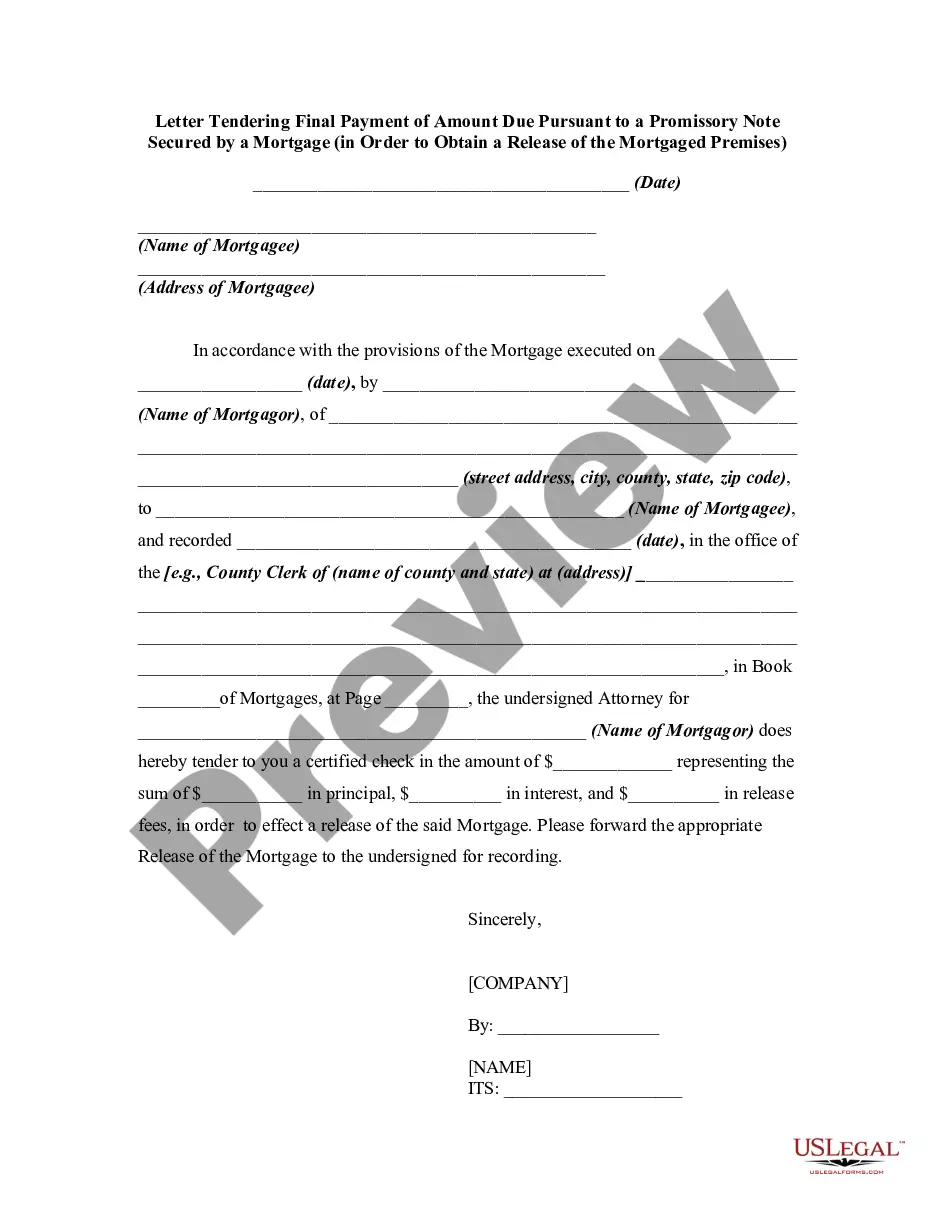
What’s included in this form
- Identification of the parties: Names and contact information of both the seller and purchaser.
- Property details: Address and description of the property in question.
- Statement of default: Clear indication of the default caused by failure to make payments.
- Payment requirements: Specific amounts due, including past payments and late fees.
- Deadline for payment: Date by which the purchaser must remedy the default to avoid contract termination.
- Legal consequences: Explanation of potential outcomes of non-payment, including eviction and loss of payments.
Situations where this form applies
This form should be used by sellers who have begun to encounter consistent non-payment from a purchaser under a contract for deed. It is particularly necessary when the seller has already issued one or more notices of failure to pay and wishes to formally initiate legal remedies. The final notice acts as a crucial step before taking further action, such as initiating eviction proceedings or terminating the contract.
Who needs this form
- Real estate sellers who have provided financing through a contract for deed.
- Purchasers who have missed multiple payment deadlines and have been notified previously.
- Legal representatives of either party looking to formalize a default notice.
How to prepare this document
- Identify the parties: Fill in the names of the seller and purchaser.
- Specify the property: Enter the complete address of the property involved in the contract for deed.
- Detail the default: Include the amount of past due payments and any late fees incurred.
- Set deadlines: Indicate the exact date by which the purchaser must make the payment to cure the default.
- Sign and date: Ensure the seller signs the document and includes the date for legal validation.
Notarization guidance
This form does not typically require notarization unless specified by local law. However, having it notarized can add an extra layer of authenticity and legal protection to your document.
Get your form ready online
Our built-in tools help you complete, sign, share, and store your documents in one place.
Make edits, fill in missing information, and update formatting in US Legal Forms—just like you would in MS Word.
Download a copy, print it, send it by email, or mail it via USPS—whatever works best for your next step.
Sign and collect signatures with our SignNow integration. Send to multiple recipients, set reminders, and more. Go Premium to unlock E-Sign.
If this form requires notarization, complete it online through a secure video call—no need to meet a notary in person or wait for an appointment.
We protect your documents and personal data by following strict security and privacy standards.

Make edits, fill in missing information, and update formatting in US Legal Forms—just like you would in MS Word.

Download a copy, print it, send it by email, or mail it via USPS—whatever works best for your next step.

Sign and collect signatures with our SignNow integration. Send to multiple recipients, set reminders, and more. Go Premium to unlock E-Sign.

If this form requires notarization, complete it online through a secure video call—no need to meet a notary in person or wait for an appointment.

We protect your documents and personal data by following strict security and privacy standards.
Typical mistakes to avoid
- Failing to accurately identify all parties involved in the contract.
- Not specifying the correct amounts due, leading to confusion.
- Leaving out the deadline for payment, which can invalidate the notice.
- Not signing or dating the form, making it unenforceable.
Why use this form online
- Access to professionally drafted forms ensures legal accuracy.
- Immediate download allows for quick use in urgent situations.
- Customization options enable specific tailoring to individual circumstances.
- Helpful guidance is often included to assist users in completing the form properly.
Legal use & context
- This form serves a critical role in legally documenting the seller's claim of default.
- Proper use of this form can help prevent disputes and provide clear evidence of the default process.
- Filing this notice may be a prerequisite for legal proceedings related to eviction or contract enforcement.
Looking for another form?
Form popularity
FAQ
A request for notice of default is a formal notification that informs parties involved in a Contract for Deed that payments are overdue. In the context of Minnesota Final Notice of Default for Past Due Payments, this document serves as a critical step for both buyers and sellers. It ensures that all parties are aware of the financial status and outlines the necessary actions to address the default. Utilizing platforms like US Legal Forms can help you create an accurate request and navigate the complexities of this process.
Statute 548.101 in Minnesota outlines the legal framework for contracts for deed, including the rights of both buyers and sellers. This law emphasizes the importance of providing a Minnesota Final Notice of Default for Past Due Payments in connection with Contract for Deed before any legal actions can be taken. It ensures that all parties are informed and have the opportunity to resolve payment issues. Understanding this statute helps buyers and sellers navigate their legal responsibilities effectively.
If a buyer defaults on payments under a land contract, the seller typically sends a Minnesota Final Notice of Default for Past Due Payments in connection with Contract for Deed. This notice serves as an official warning, allowing the buyer a chance to rectify the situation. Failure to address the default can lead to the seller initiating foreclosure proceedings. It's crucial for buyers to understand their rights and obligations under the contract to avoid losing their investment.
A major danger associated with a contract for deed is the risk of losing the property through foreclosure if payments are not made on time. Buyers might not fully understand their obligations, leading to a Minnesota Final Notice of Default for Past Due Payments in connection with Contract for Deed. To navigate these risks, utilizing platforms like uslegalforms can provide necessary documentation and guidance for a smoother transaction.
If someone defaults on a contract for deed, the seller may begin foreclosure proceedings, which could lead to the loss of the property involved. The process typically starts with issuing a Minnesota Final Notice of Default for Past Due Payments in connection with Contract for Deed, giving the buyer a chance to remedy the situation. Legal advice and prompt action can help mitigate the consequences.
The new contract for deed law in Minnesota has introduced changes aimed at protecting buyers and ensuring transparency in the transaction process. These updates may include stricter guidelines on disclosures and the management of payments. Understanding these changes is essential to avoid receiving a Minnesota Final Notice of Default for Past Due Payments in connection with Contract for Deed.
When someone defaults on a contract, particularly a contract for deed, the seller may take legal action to recover the property. This process often begins with a Minnesota Final Notice of Default for Past Due Payments in connection with Contract for Deed. The involved parties should seek resolution quickly to avoid escalation into foreclosure, which can complicate the situation further.
Defaulting on a contract for deed in Minnesota can have serious implications for both the buyer and the seller. The seller has the right to initiate foreclosure proceedings, which can result in the loss of the property. It is important to understand that defaulting may lead to receiving a Minnesota Final Notice of Default for Past Due Payments in connection with Contract for Deed, prompting immediate action.
After receiving a notice of default in Minnesota, the borrower typically has a specific time frame to address the default. This may involve making overdue payments or negotiating with the seller to avoid further consequences. If the issue remains unresolved, the next steps could lead to foreclosure proceedings, making it crucial to act promptly upon receiving the Minnesota Final Notice of Default for Past Due Payments in connection with Contract for Deed.
In Minnesota, the penalty for late recordation of a contract for deed can lead to significant financial consequences. Late recordation can result in a loss of legal protections and may affect your standing in foreclosure proceedings. It is essential to adhere to the recordation timelines to avoid receiving a Minnesota Final Notice of Default for Past Due Payments in connection with Contract for Deed.