Florida Notice of Default in Payment of Rent as Warning Prior to Demand to Pay or Terminate for Nonresidential or Commercial Property
Understanding this form
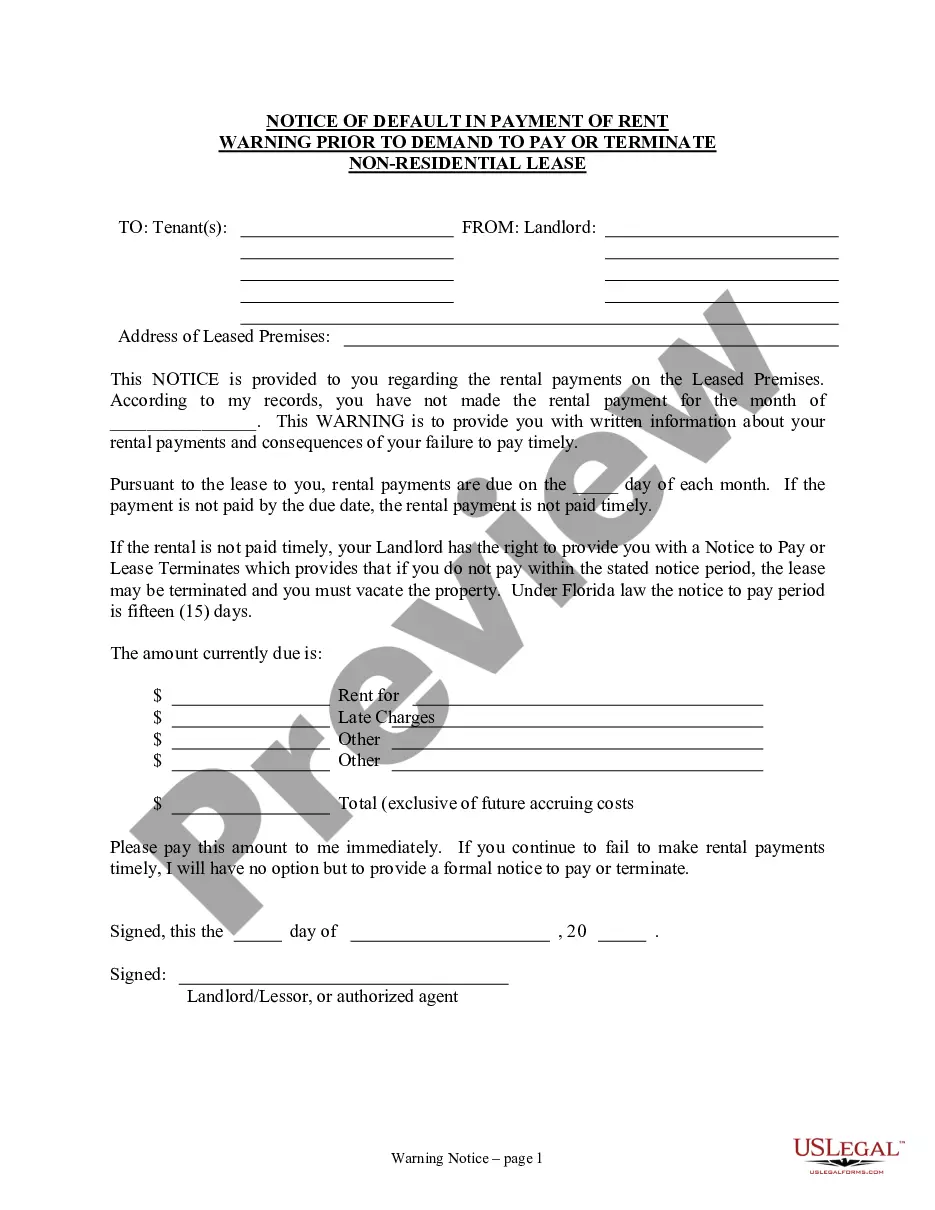
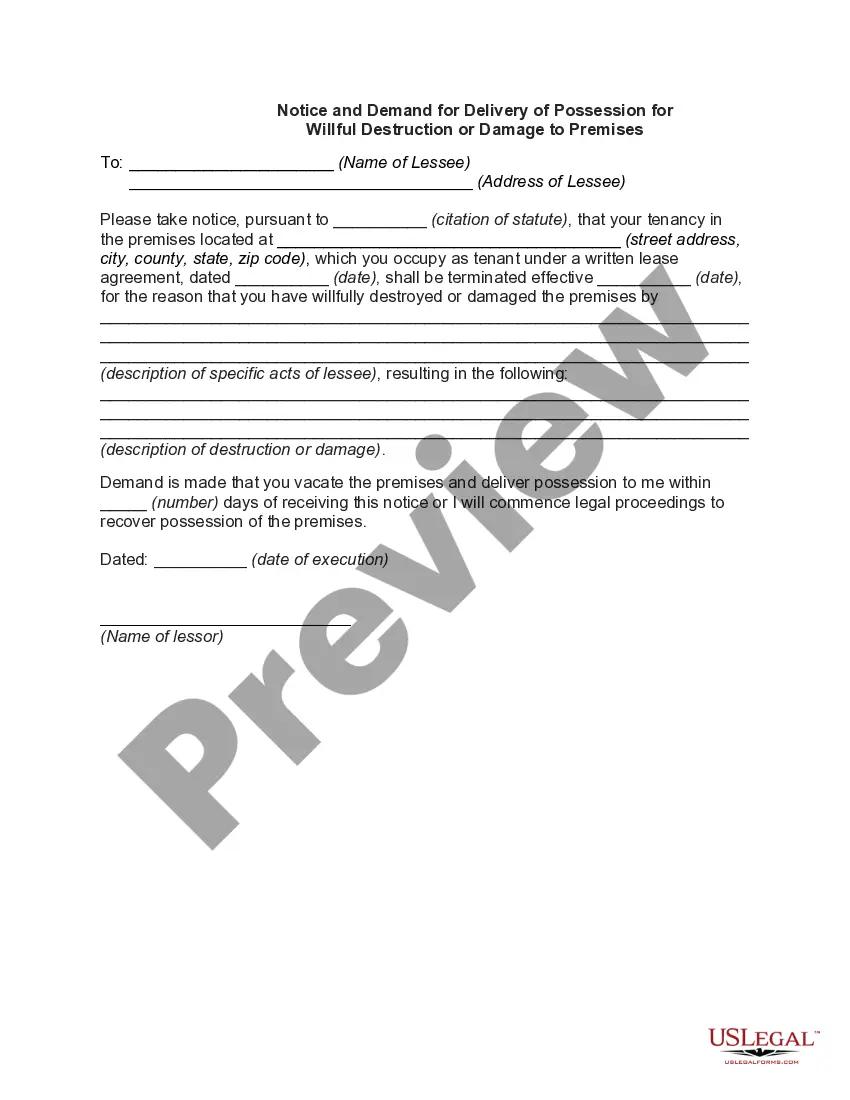
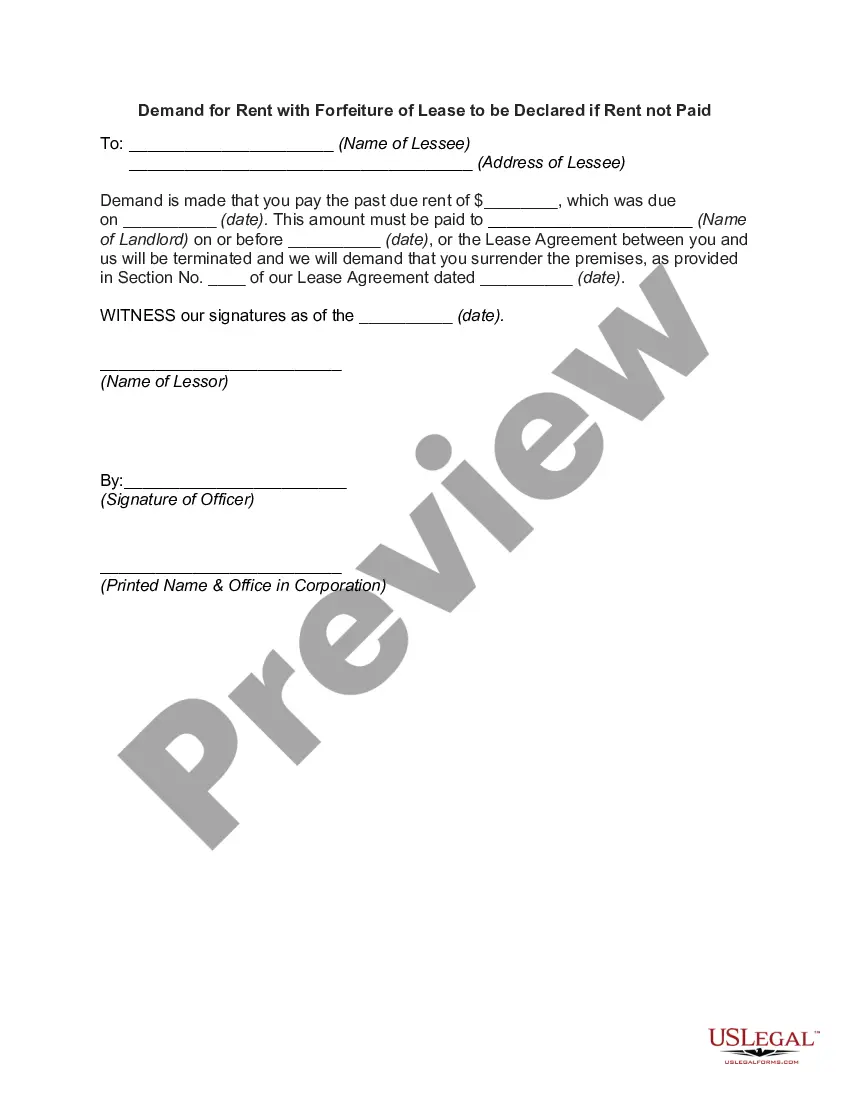
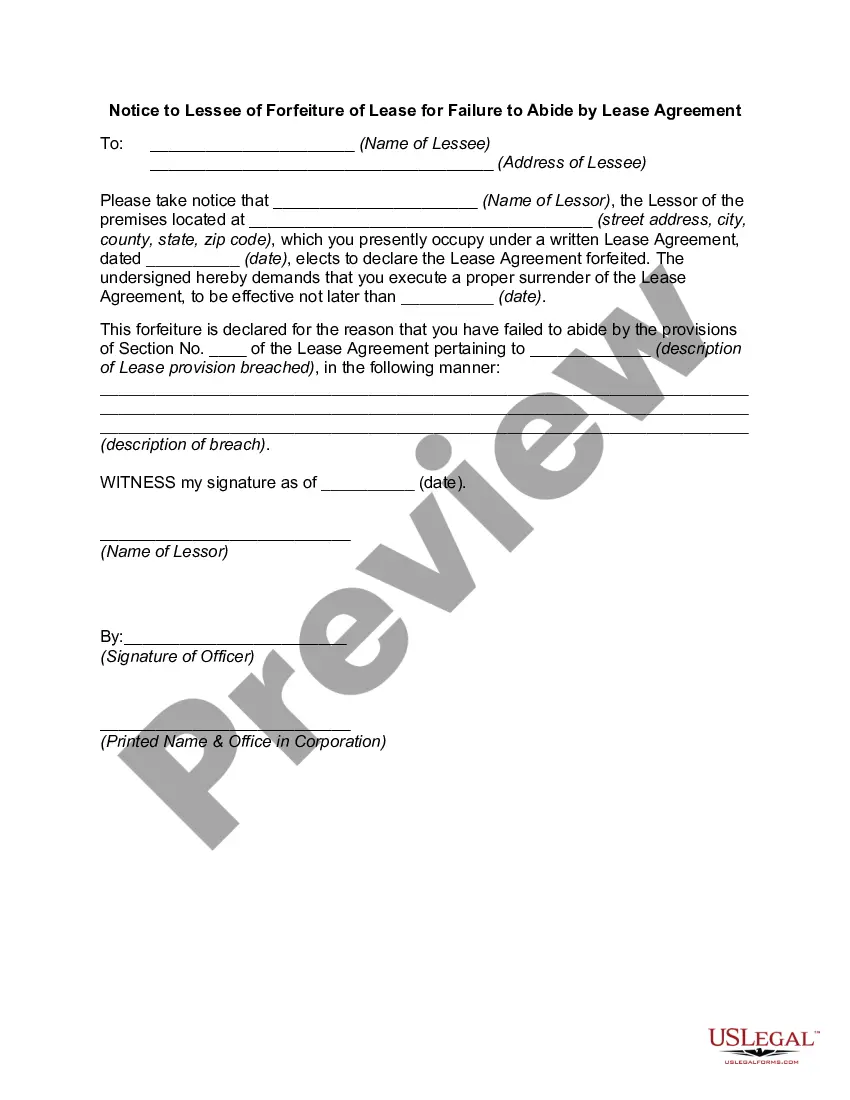
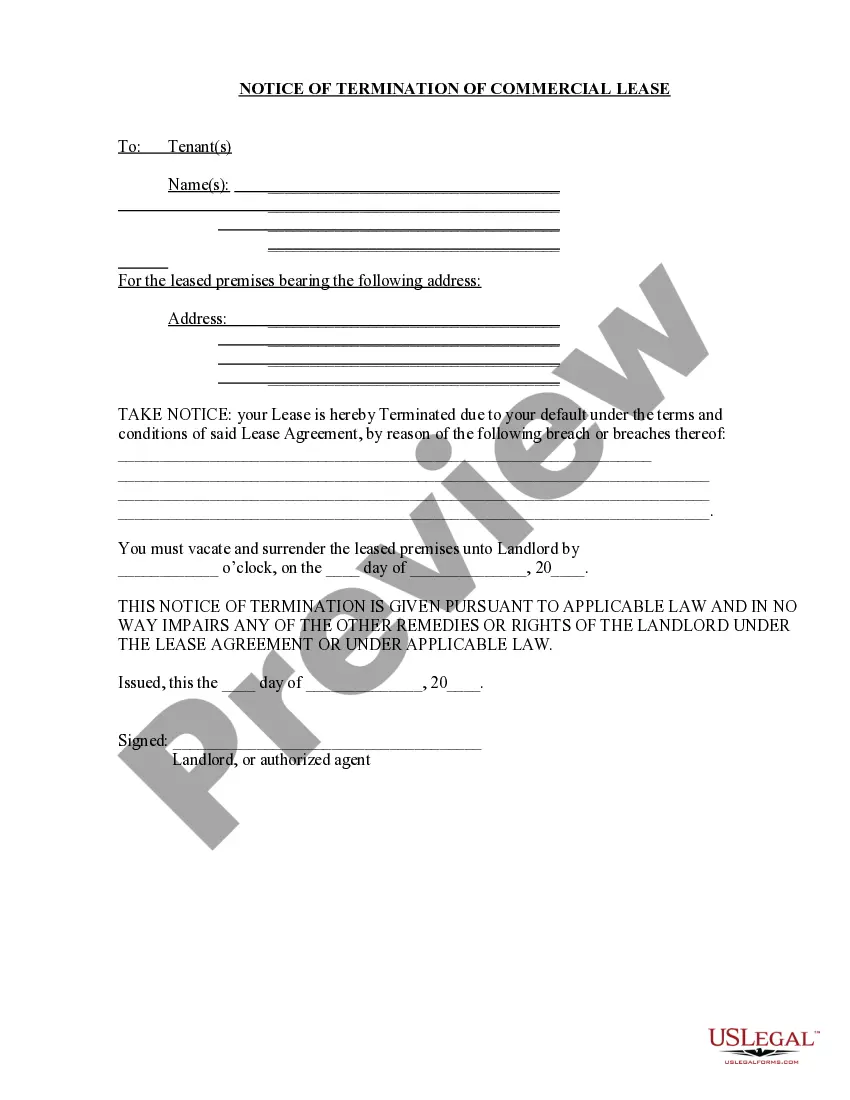
The Notice of Default in Payment of Rent as Warning Prior to Demand to Pay or Terminate for Nonresidential or Commercial Property is a legal form used by landlords to inform tenants that they have defaulted on their rent payments. This document serves as a preliminary warning before any formal demand to pay or termination of the lease is issued. It not only highlights the late payment but also outlines the consequences of continued non-payment, differentiating it from other rental notices by focusing specifically on nonresidential and commercial leases.
Main sections of this form
- Warning statement regarding overdue rent payments.
- Identification of the tenant and landlord, including addresses.
- Details of the overdue rental payment, including the due date and amount.
- Consequences of failing to pay rent on time, including potential lease termination.
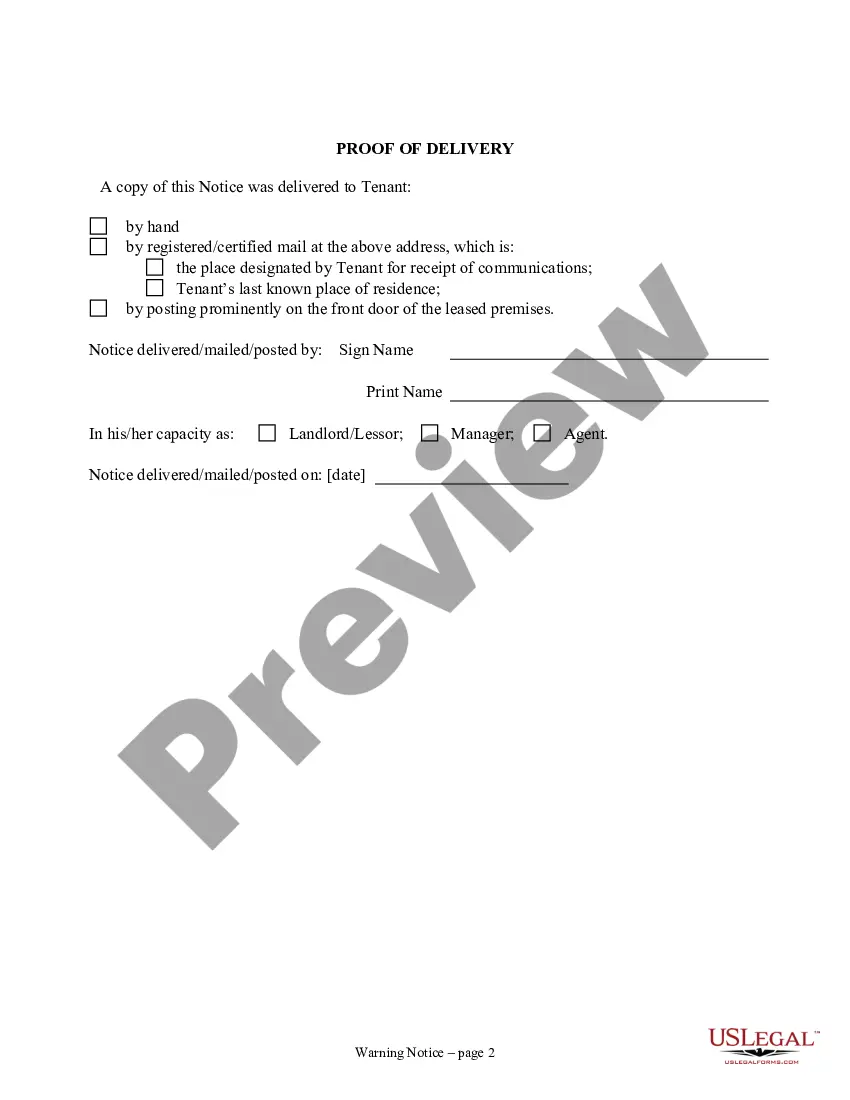
- Proof of delivery section to confirm that the notice was communicated to the tenant.

When this form is needed
This form should be used when a landlord needs to notify a tenant of a default in rent payment for a nonresidential or commercial property. It is appropriate in situations where the landlord wants to provide formal notice to the tenant about their overdue rent and the potential consequences, including lease termination, if the issue is not resolved promptly.
Intended users of this form
- Landlords of nonresidential or commercial properties requiring payment of rent.
- Property managers acting on behalf of landlords.
- Real estate professionals involved in commercial leasing.
Steps to complete this form
- Identify the parties involved by entering the names of the landlord and tenant.
- Specify the property address where the rental payment is due.
- Fill in the month and year for which the rent payment is overdue.
- Enter the due date, total amount due, and any late charges if applicable.
- Sign and date the notice to add legal validity.
- Document how the notice was delivered to the tenant, including the date.
Notarization guidance
In most cases, this form does not require notarization. However, some jurisdictions or signing circumstances might. US Legal Forms offers online notarization powered by Notarize, accessible 24/7 for a quick, remote process.
Get your form ready online
Our built-in tools help you complete, sign, share, and store your documents in one place.
Make edits, fill in missing information, and update formatting in US Legal Forms—just like you would in MS Word.
Download a copy, print it, send it by email, or mail it via USPS—whatever works best for your next step.
Sign and collect signatures with our SignNow integration. Send to multiple recipients, set reminders, and more. Go Premium to unlock E-Sign.
If this form requires notarization, complete it online through a secure video call—no need to meet a notary in person or wait for an appointment.
We protect your documents and personal data by following strict security and privacy standards.

Make edits, fill in missing information, and update formatting in US Legal Forms—just like you would in MS Word.

Download a copy, print it, send it by email, or mail it via USPS—whatever works best for your next step.

Sign and collect signatures with our SignNow integration. Send to multiple recipients, set reminders, and more. Go Premium to unlock E-Sign.

If this form requires notarization, complete it online through a secure video call—no need to meet a notary in person or wait for an appointment.

We protect your documents and personal data by following strict security and privacy standards.
Common mistakes
- Failing to deliver the notice according to prescribed methods.
- Not providing all necessary details about the overdue payment.
- Ignoring specific state laws related to the notice period.
- Not keeping a copy of the notice for records and proof of delivery.
Why complete this form online
- Convenient access to a legally vetted template at any time.
- Ability to customize the form for specific needs without unnecessary legal expenses.
- Immediate availability for download and printing, facilitating timely communication with tenants.
Legal use & context
- This notice serves as an important record of communication regarding payment issues.
- Helps protect landlord rights by providing a formal avenue to address defaults in payment.
- Must adhere to state-specific notice periods to be enforceable.
Main things to remember
- The Notice of Default in Payment of Rent is essential for commercial landlords facing tenant payment issues.
- Using this form properly can help mitigate disputes and reinforce payment terms.
- Always keep clear records of all communications with tenants regarding rent payments.
Looking for another form?
Form popularity
FAQ
An example of a late rent notice could include the date, your name, the tenant's name, and clearly state that the rent payment due on insert date has not been received. Include the amount that is now overdue, and any applicable late fees. It's important to reference the lease agreement and your next steps if the payment is not made. Using US Legal Forms can help streamline creating an effective notice that meets legal standards.
To politely remind someone that rent is due, consider starting with a friendly greeting and a message of understanding. You can say something like, 'Just a gentle reminder that your rent payment was due on insert date.' This keeps the communication friendly while still emphasizing the importance of timely payment. Remember, clear and courteous language can foster better relationships.
A past due rent notice should start with your name, the tenant's name, and the date. Clearly outline the amount of rent that is past due, the due date, and any penalties, if applicable. It’s also courteous to offer an opportunity for the tenant to discuss their situation. This approach not only maintains a professional tone but may encourage prompt payment.
To write a late notice, begin with a clear date and address it to the tenant. State the amount of rent overdue, the original due date, and reference the lease agreement. Politely remind the tenant of their obligation, and include any details about fees or consequences outlined in your lease. This formal communication is crucial in documenting the late payment issue.
Step 1- The Landlord Sends a Written Notice. Reasons for Receiving a Written Notice to Vacate. Step 2 The Tenant Gets a Summons and Complaint. Landlords may sue tenants who refuse to move out. Step 3 The Tenant Responds to the Complaint. Answering the Complaint. Step 4 Going to Court. The Hearing. Step 5: Being Evicted.
In Florida, a landlord can terminate a tenancy early and evict a tenant for a number of different reasons, including not paying rent, violating the lease or rental agreement, or committing an illegal act. To terminate the tenancy, the landlord must first give the tenant written notice.
In most situations your landlord does not need to give you a reason (although acting on discriminatory or retaliatory motives is illegal). A landlord can simply give you a written notice to move, allowing you 15 days as required by Florida law and specifying the date on which your tenancy will end.
Landlords have the option to evict a tenant who does not pay rent in Florida.If a tenant does not pay rent in Florida, then a landlord can evict the tenant from the rental unit. A tenant will have three days after receiving the eviction notice to either pay the rent or leave the property.
Landlord Does Not Have the Legal Justification to Evict (Lease Violation) If a tenant is violating a portion of the lease or rental agreement, the landlord must give the tenant an opportunity to fix the violation, if possible, before proceeding with an eviction lawsuit.
The notice must state that the tenant has three days to either pay rent or move out of the rental unit or the landlord will terminate the tenancy. If the tenant does not pay rent or move, then the landlord can file an eviction lawsuit at the end of the three days.