Irrevocable Meaning
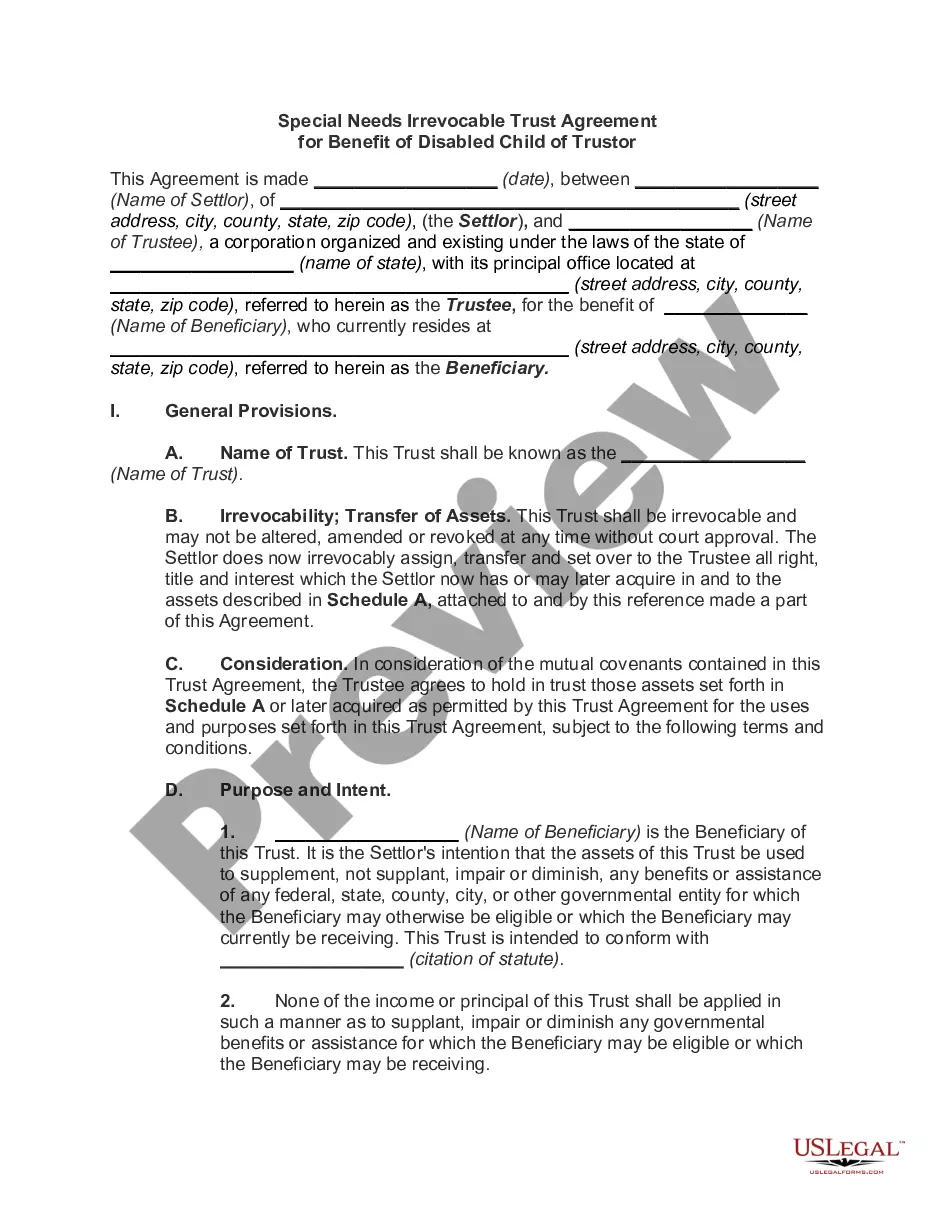
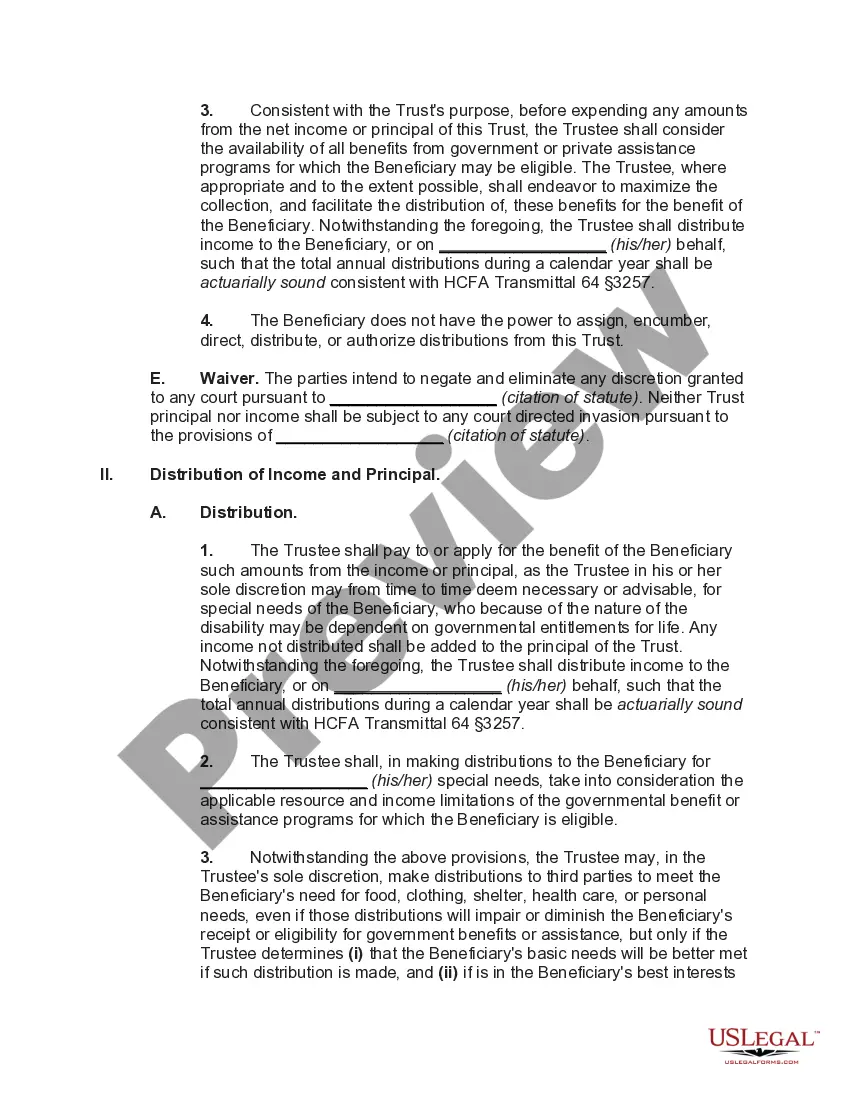
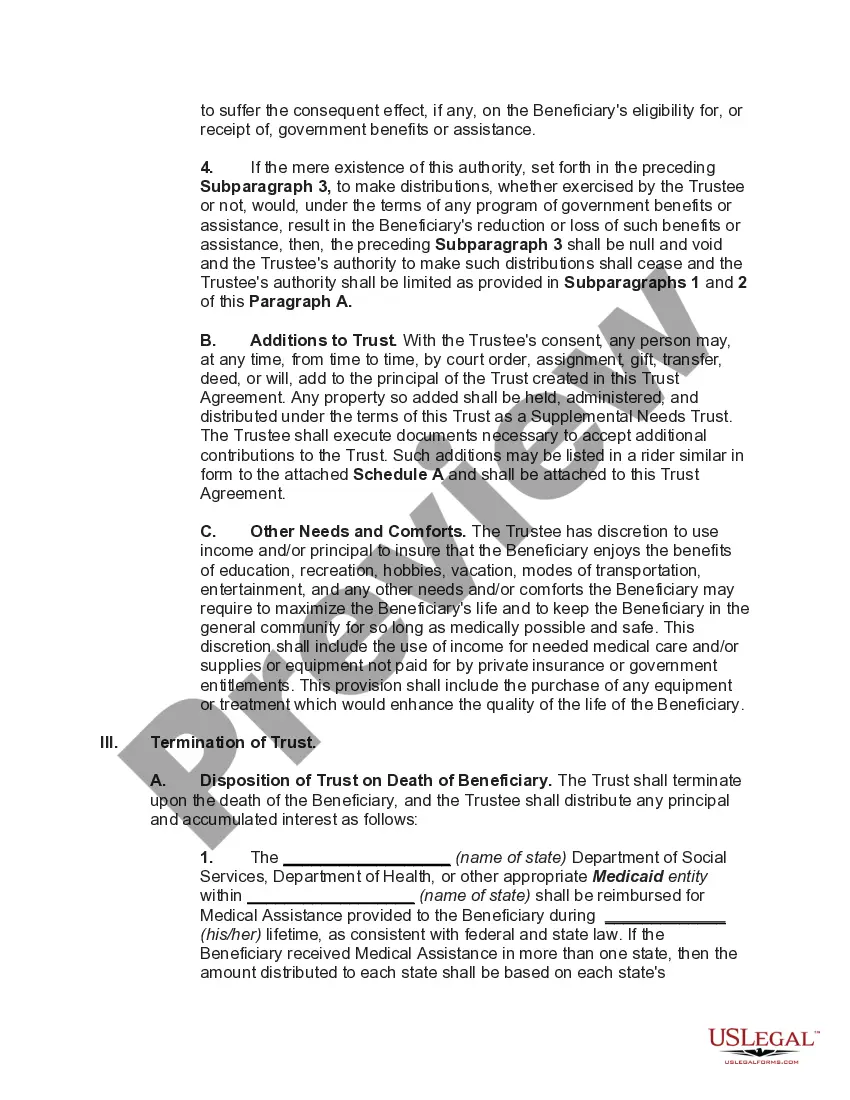
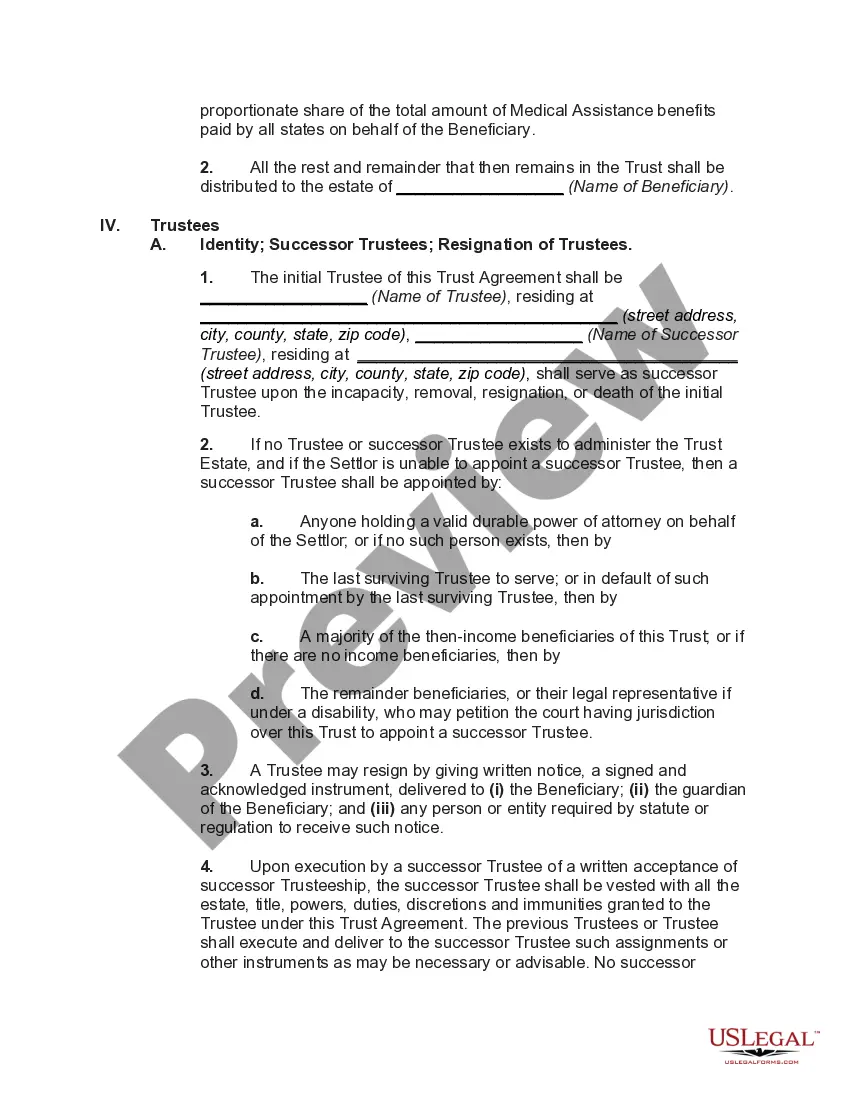
Description



Get your form ready online
Our built-in tools help you complete, sign, share, and store your documents in one place.
Make edits, fill in missing information, and update formatting in US Legal Forms—just like you would in MS Word.
Download a copy, print it, send it by email, or mail it via USPS—whatever works best for your next step.
Sign and collect signatures with our SignNow integration. Send to multiple recipients, set reminders, and more. Go Premium to unlock E-Sign.
If this form requires notarization, complete it online through a secure video call—no need to meet a notary in person or wait for an appointment.
We protect your documents and personal data by following strict security and privacy standards.

Make edits, fill in missing information, and update formatting in US Legal Forms—just like you would in MS Word.

Download a copy, print it, send it by email, or mail it via USPS—whatever works best for your next step.

Sign and collect signatures with our SignNow integration. Send to multiple recipients, set reminders, and more. Go Premium to unlock E-Sign.

If this form requires notarization, complete it online through a secure video call—no need to meet a notary in person or wait for an appointment.

We protect your documents and personal data by following strict security and privacy standards.
Looking for another form?



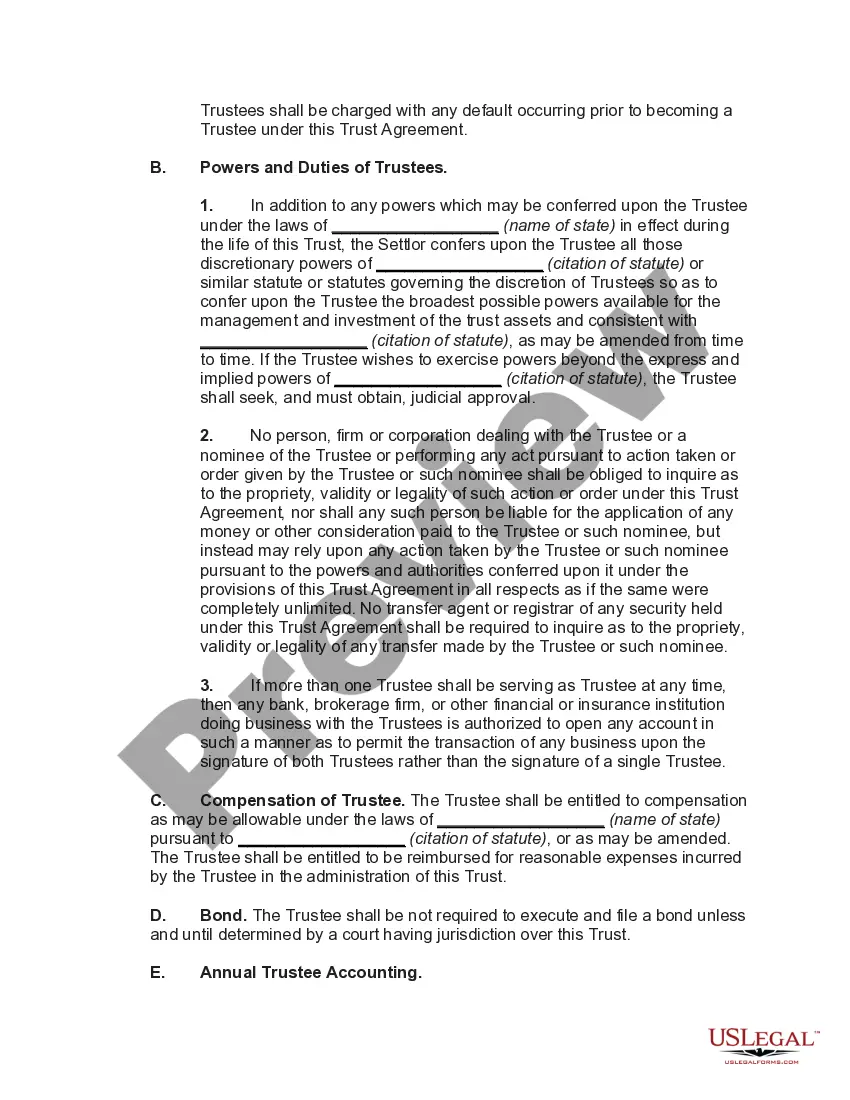
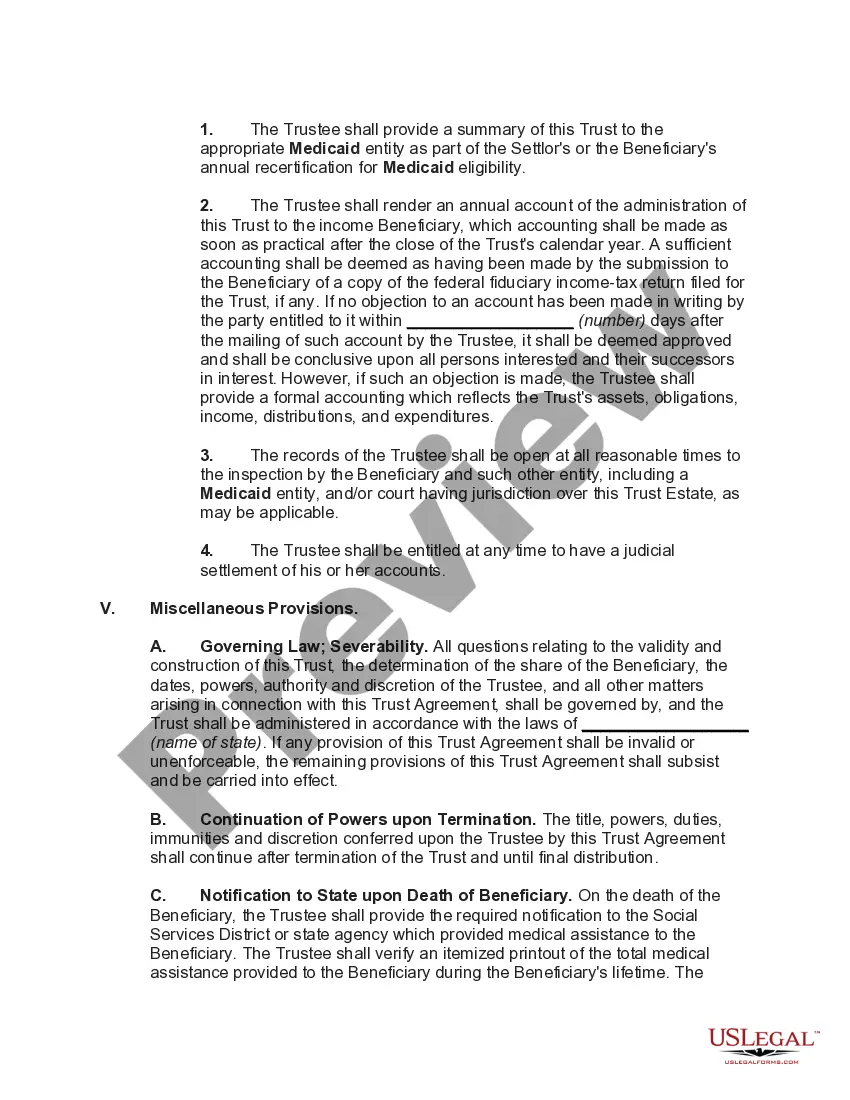
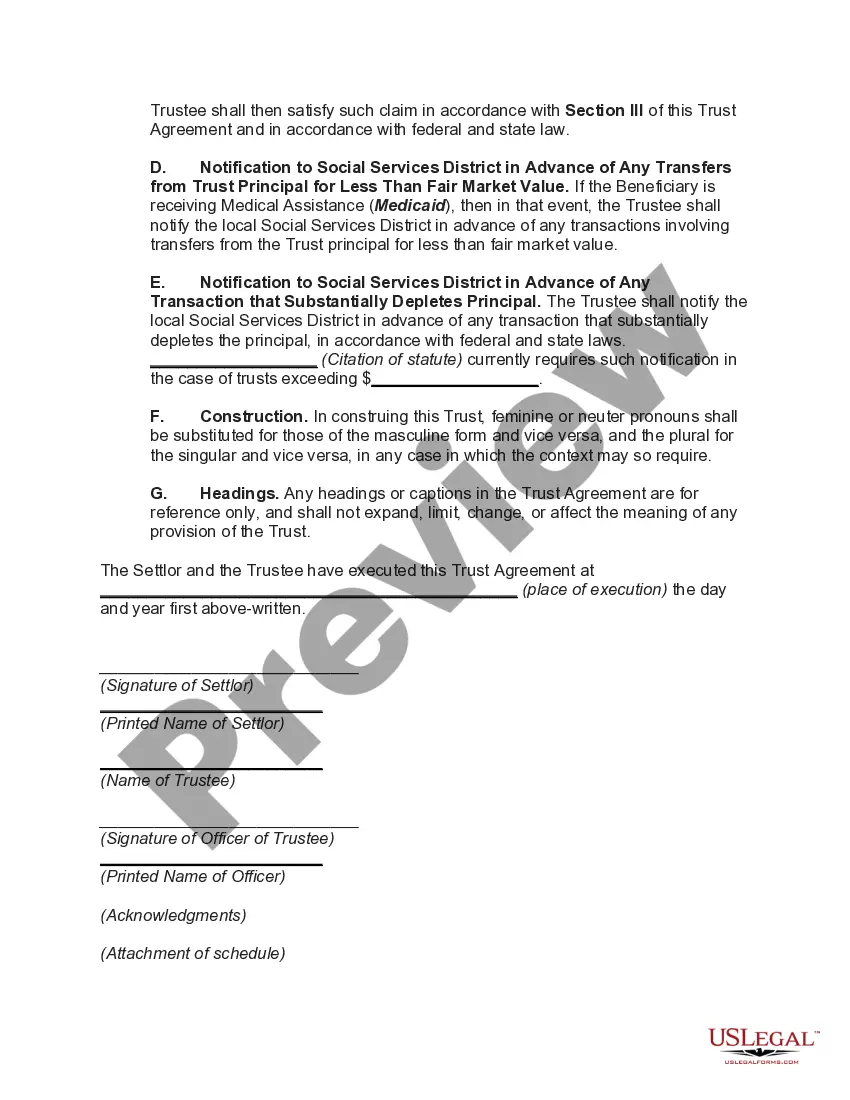
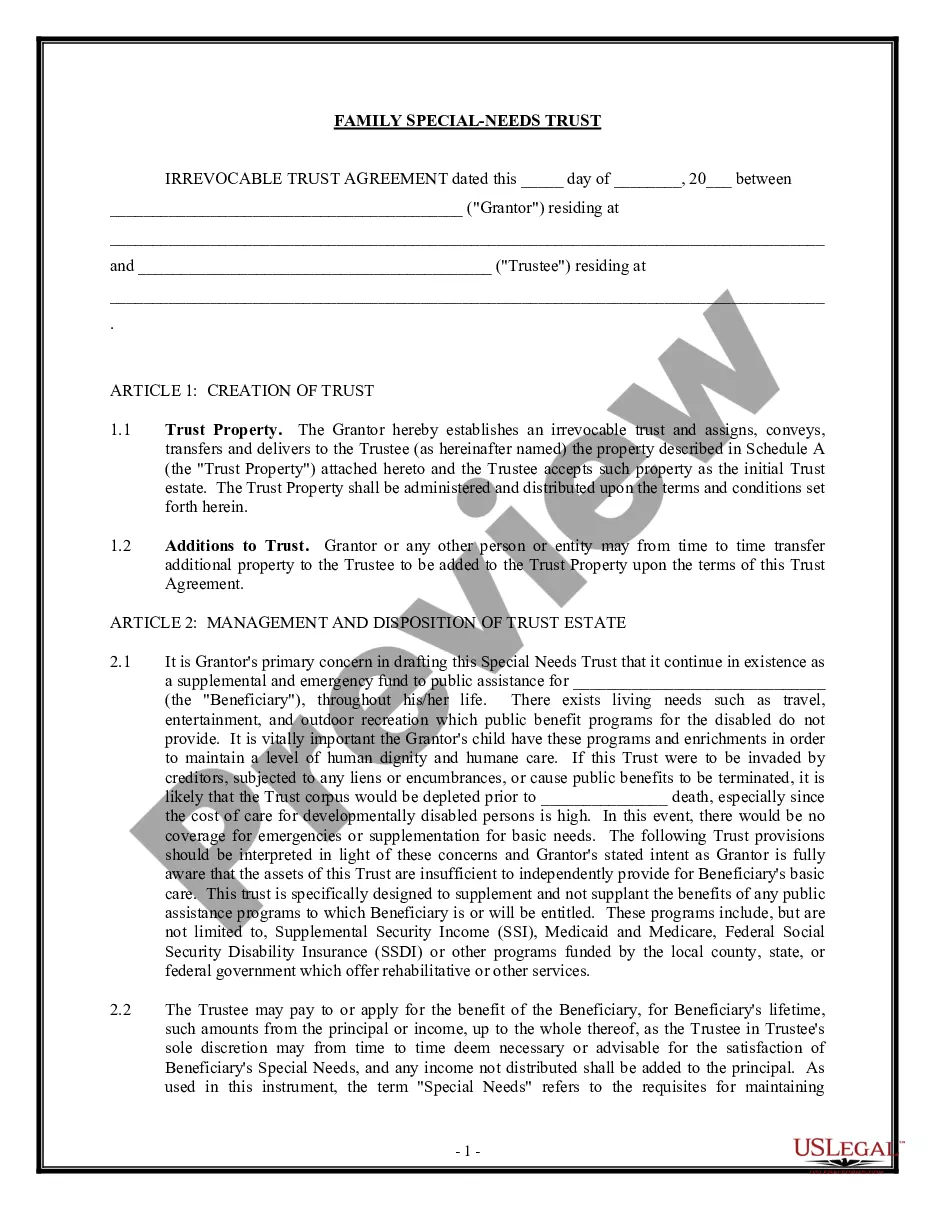
How to fill out Special Needs Irrevocable Trust Agreement For Benefit Of Disabled Child Of Trustor?
- Visit the US Legal Forms website and log in to your existing account to download your required form template directly. Ensure your subscription remains active; renew it if necessary.
- If you're new to the platform, first check the form preview and description to confirm it aligns with your requirements and local jurisdiction.
- Utilize the search function to find alternative templates if the initial option does not meet your needs.
- Proceed to purchase your chosen document by clicking the 'Buy Now' button, selecting your preferred subscription plan, and creating an account for full access.
- Complete the payment using either your credit card or PayPal, and finalize your order.
- Download the legal form to your device, making it available for future needs in the 'My Documents' section of your profile.
US Legal Forms empowers both individuals and attorneys by providing a comprehensive library of over 85,000 fillable and editable legal documents. This ensures that you can find exactly what you need while accessing premium expert support.
By utilizing US Legal Forms, you can confidently manage your legal documents effectively. Start your journey towards hassle-free legal solutions today!
Form popularity
FAQ
An irrevocable form is a legal document that, once completed and signed, cannot be altered or revoked. This ensures that specific obligations or terms set within the document remain unchanged. Familiarizing yourself with the irrevocable meaning will help you comprehend the significance and long-term consequences of using such forms in your legal and estate planning.
Many individuals choose an irrevocable trust to protect their assets and minimize tax liabilities. It ensures that specified beneficiaries receive their inheritance without interference from creditors or probate processes. Furthermore, understanding the irrevocable meaning can empower you to create a solid plan that aligns with your financial and estate goals.
You should consider placing assets like real estate, investments, and life insurance policies in your irrevocable trust. These assets can help you achieve specific goals, such as tax benefits or protecting assets from creditors. As you plan your trust, keep the irrevocable meaning in mind to ensure you understand the implications of your choices.
In the context of a will, irrevocable means that certain decisions, once made, cannot be changed or undone after the testator’s death. This includes specific provisions that ensure beneficiaries receive their designated inheritances without alterations. Knowing the irrevocable meaning can help you appreciate the importance of careful planning and clear intentions in estate management.
The main downside of an irrevocable trust is that once you place assets into it, you cannot easily withdraw them. This means giving up control over those assets, which can be concerning for some individuals. Additionally, there could be tax implications and fees involved in setting up and maintaining the trust. Understanding the irrevocable meaning helps you weigh these factors against the potential benefits.
In the Bible, irrevocable often pertains to God's promises and covenants that, once made, cannot be broken or rescinded. This concept highlights the reliability and finality of spiritual agreements, emphasizing trust and faith. Understanding the biblical context of irrevocable meaning can deepen one's insights into religious teachings and commitments.
An irrevocable decision is a choice that cannot be retracted or updated after it has been made. This type of decision often carries significant weight, especially in legal contexts such as settlements, wills, or business agreements. Understanding the implications of an irrevocable decision is essential for any individual dealing with contracts or legal documentation.
The nearest meaning of irrevocable is unchangeable or permanent. This term conveys the idea that once a decision is made or an action is taken, it is not subject to alteration. Recognizing the irrevocable meaning helps individuals appreciate the seriousness of committing to various legal or financial obligations.
To be irrevocable means that something cannot be undone or changed. In legal contexts, it often refers to agreements, decisions, or arrangements that are final and binding. By grasping the irrevocable meaning, you can better navigate situations involving contracts or legal commitments, ensuring that you understand their implications.
An example of irrevocable is an irrevocable trust, where the trust creator can no longer modify, amend, or revoke the trust after it has been established. This type of trust provides specific legal protections for assets and beneficiaries, and it clearly illustrates the irrevocable meaning, emphasizing its permanence. Such tools are often used in estate planning to safeguard wealth.