Trust Joint Form Withdrawal
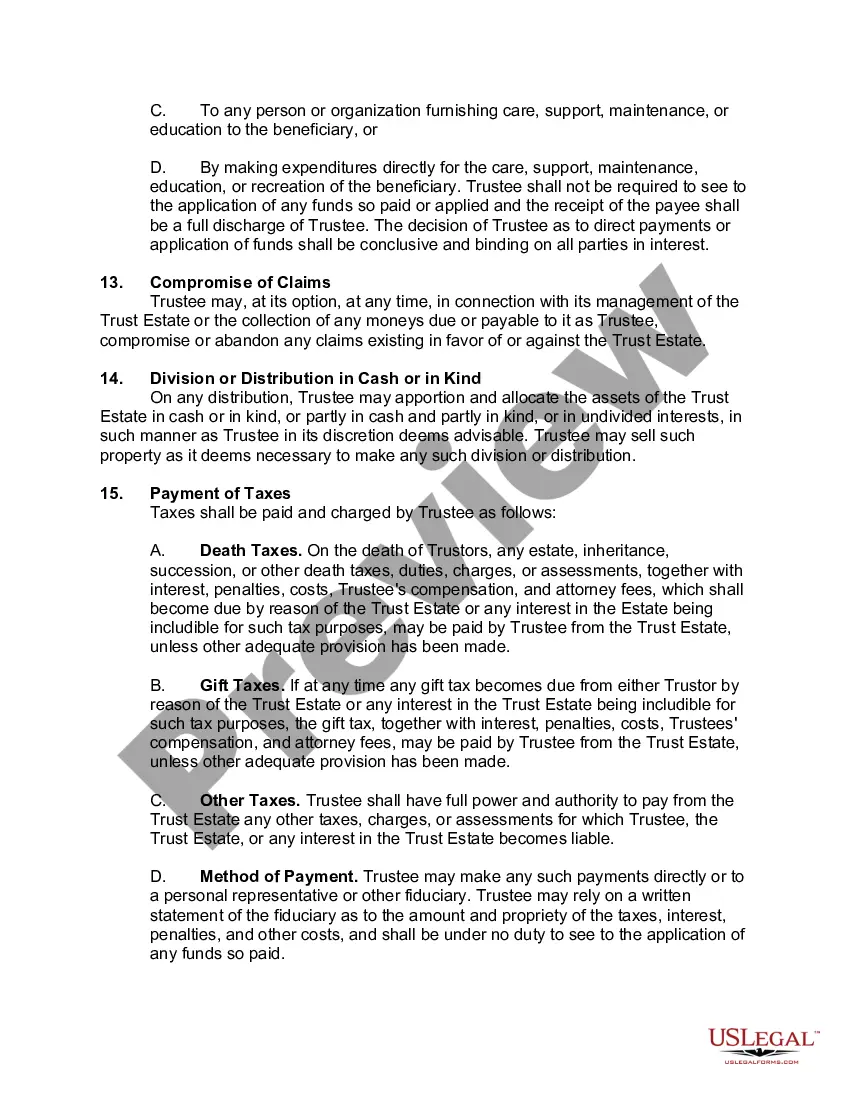
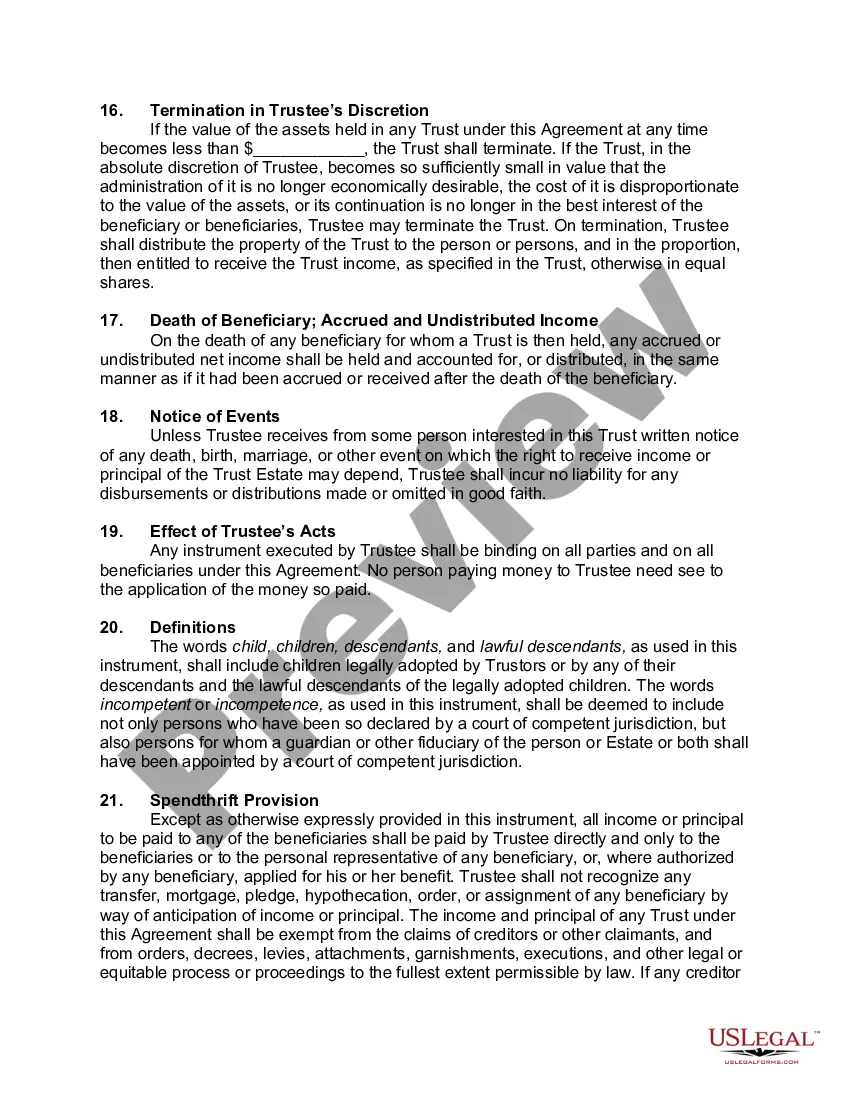
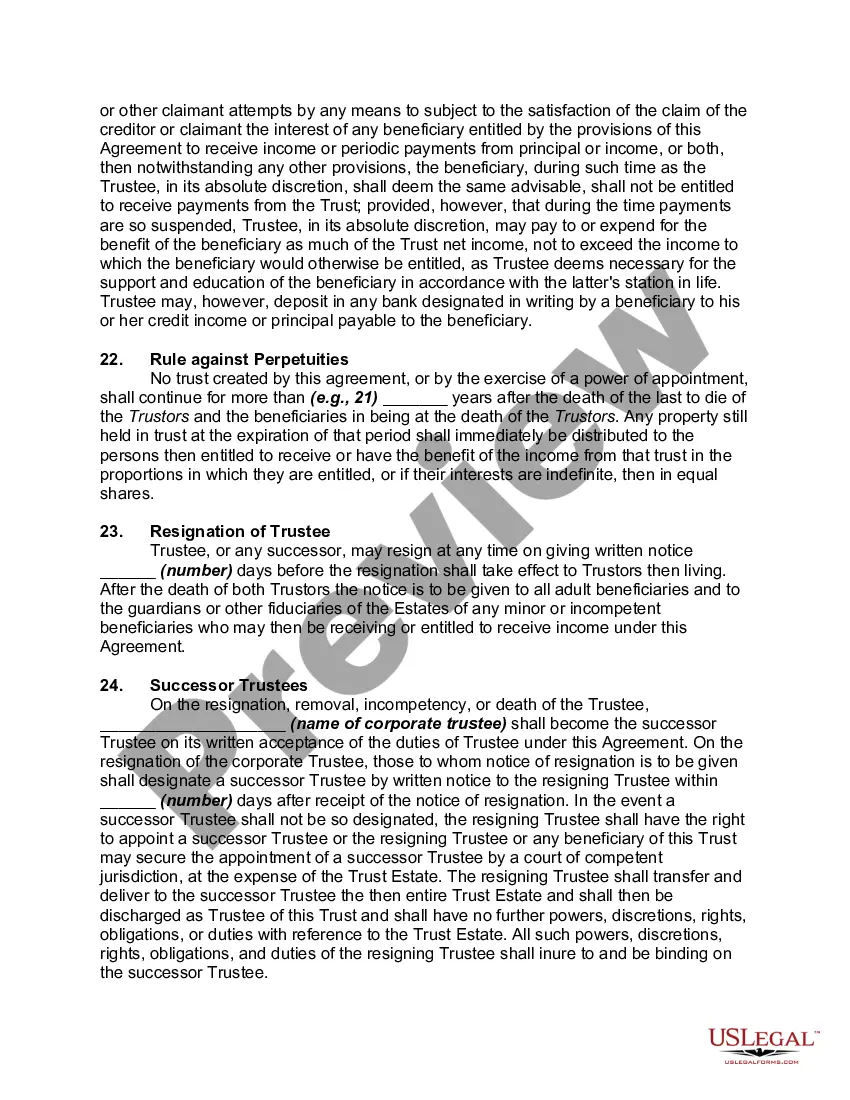
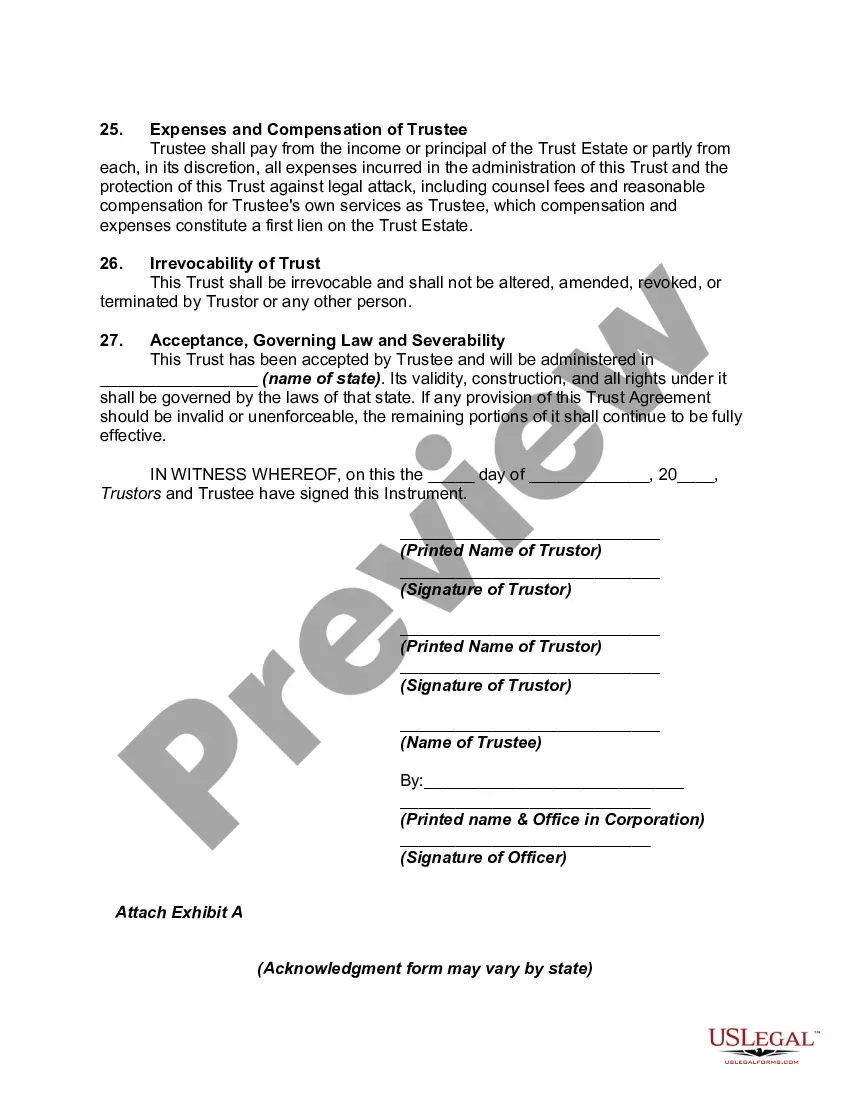
Description
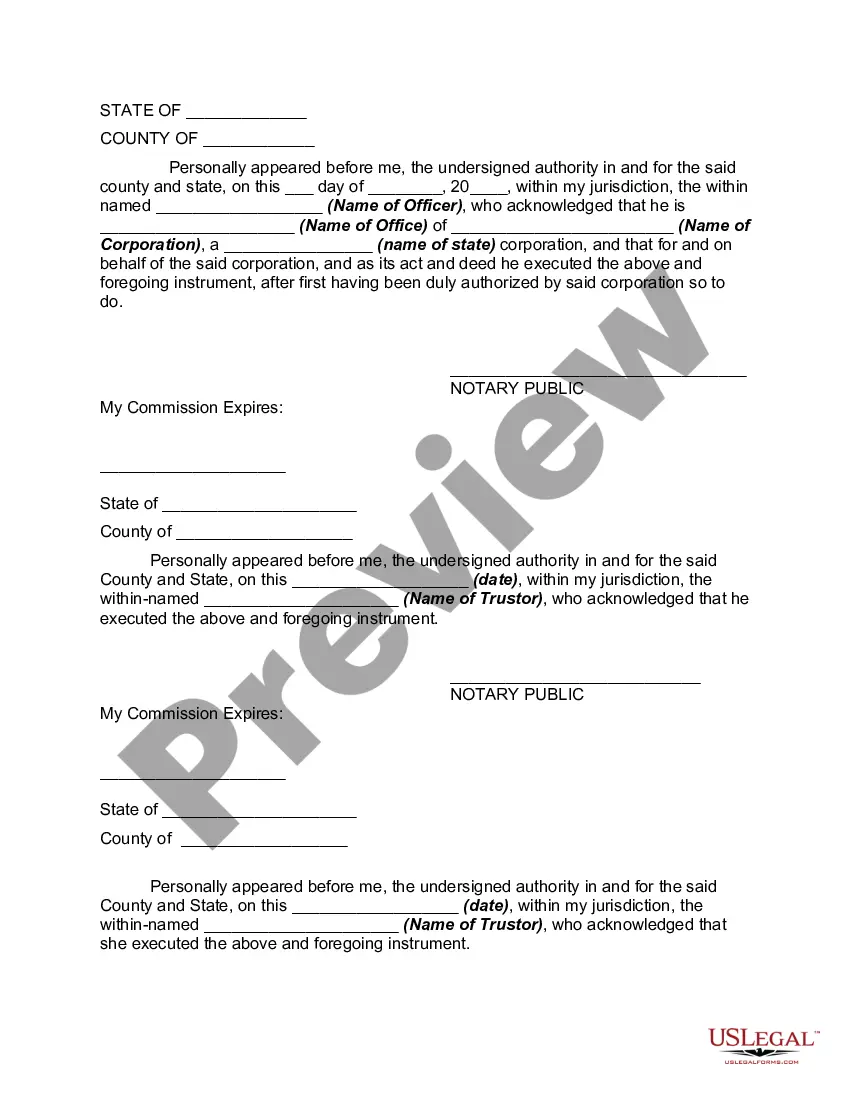

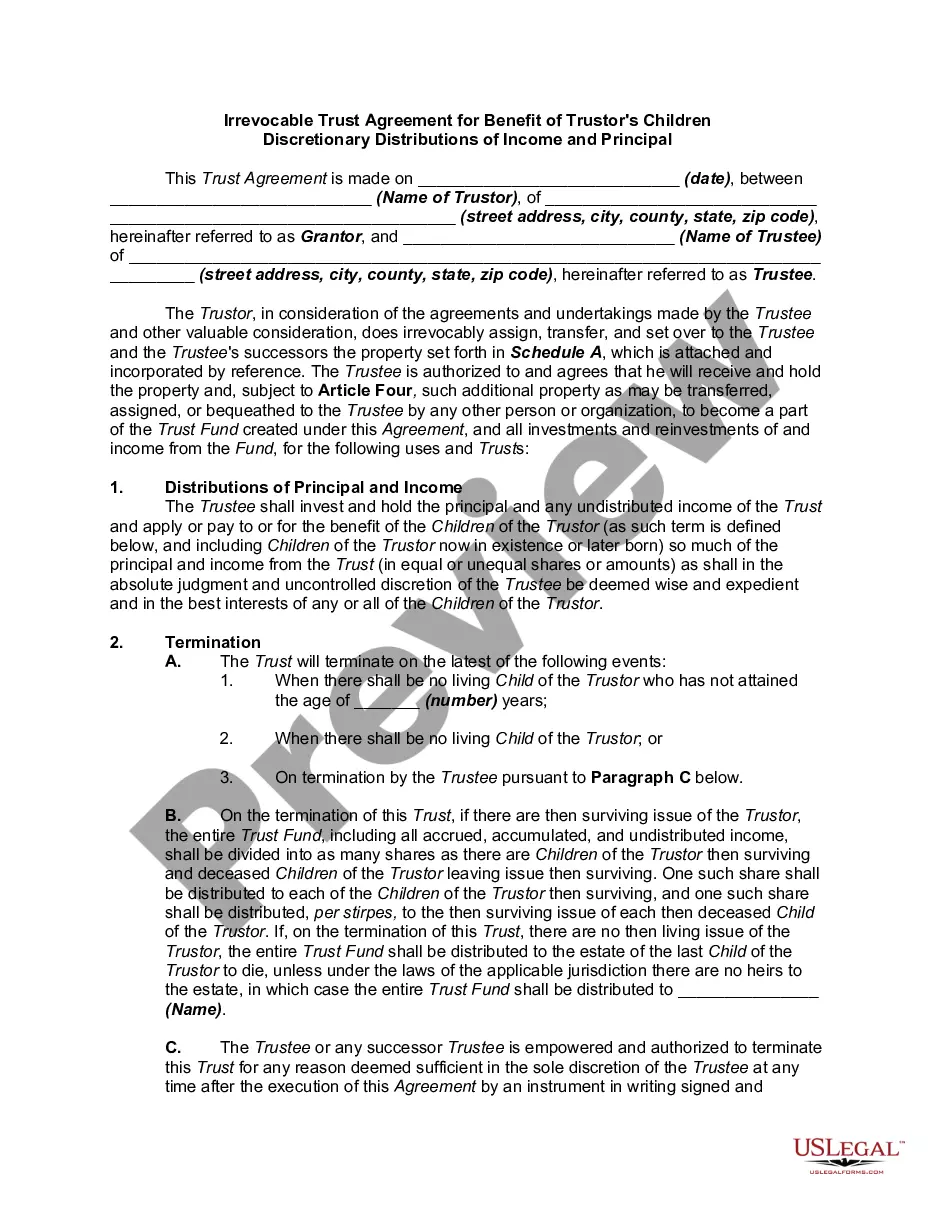

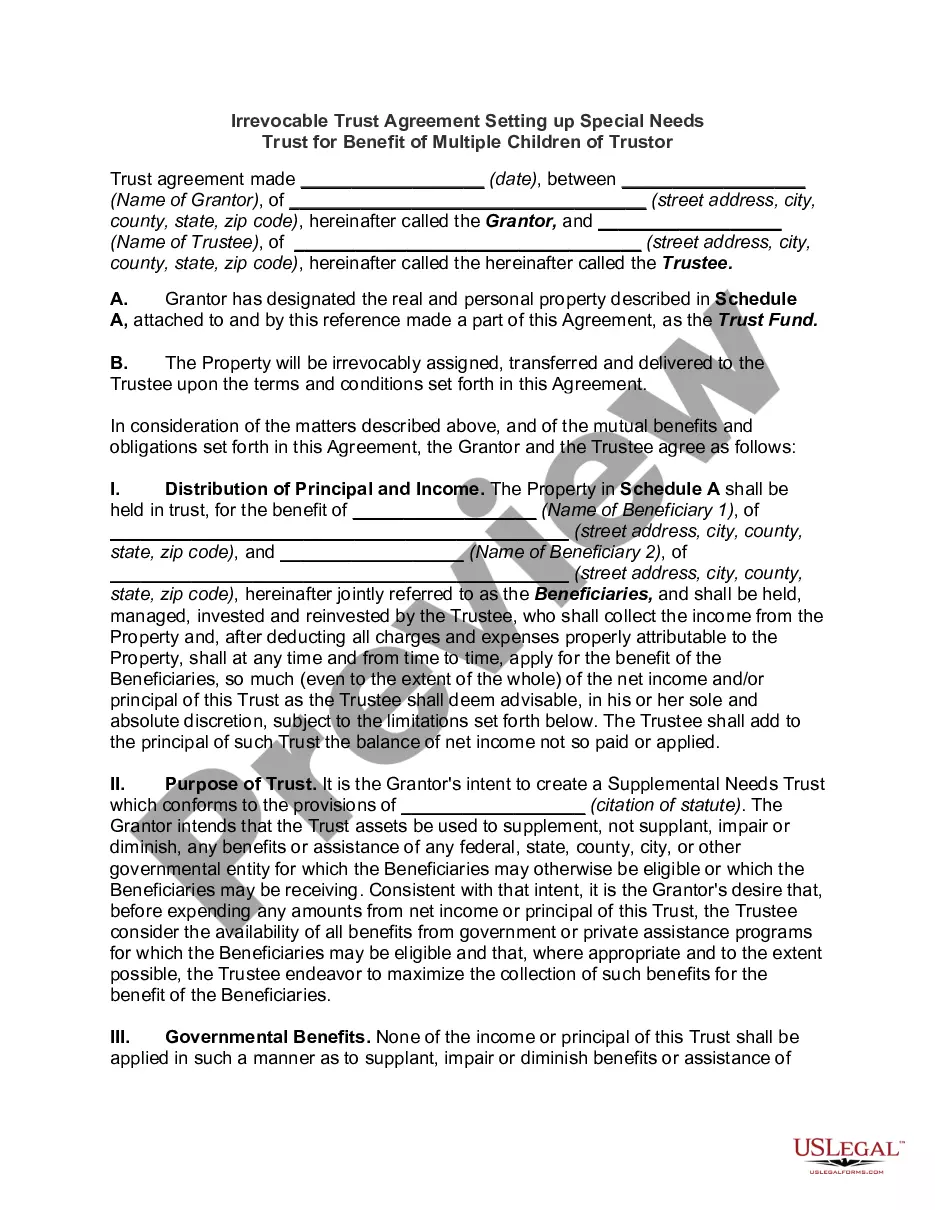
Get your form ready online
Our built-in tools help you complete, sign, share, and store your documents in one place.
Make edits, fill in missing information, and update formatting in US Legal Forms—just like you would in MS Word.
Download a copy, print it, send it by email, or mail it via USPS—whatever works best for your next step.
Sign and collect signatures with our SignNow integration. Send to multiple recipients, set reminders, and more. Go Premium to unlock E-Sign.
If this form requires notarization, complete it online through a secure video call—no need to meet a notary in person or wait for an appointment.
We protect your documents and personal data by following strict security and privacy standards.

Make edits, fill in missing information, and update formatting in US Legal Forms—just like you would in MS Word.

Download a copy, print it, send it by email, or mail it via USPS—whatever works best for your next step.

Sign and collect signatures with our SignNow integration. Send to multiple recipients, set reminders, and more. Go Premium to unlock E-Sign.

If this form requires notarization, complete it online through a secure video call—no need to meet a notary in person or wait for an appointment.

We protect your documents and personal data by following strict security and privacy standards.
Looking for another form?










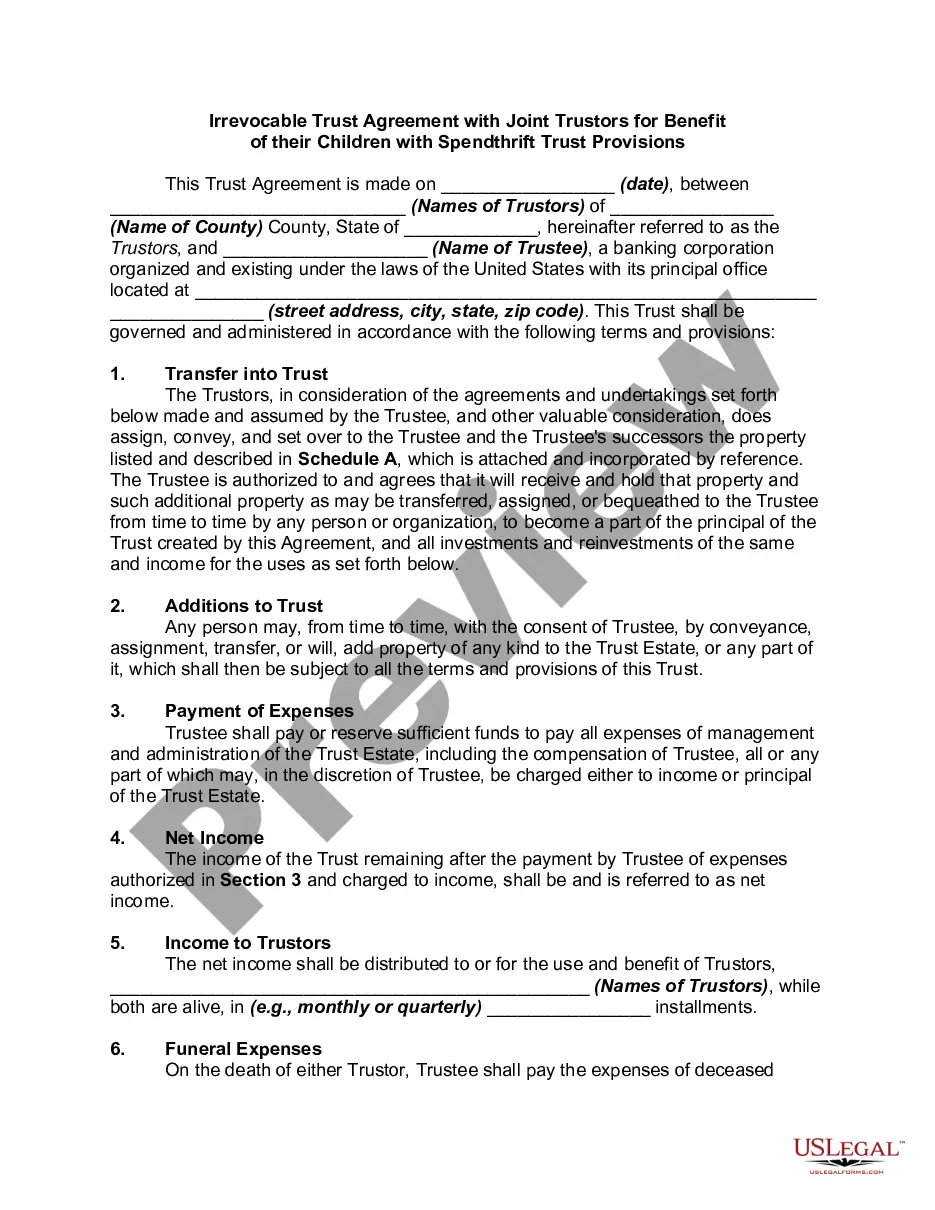
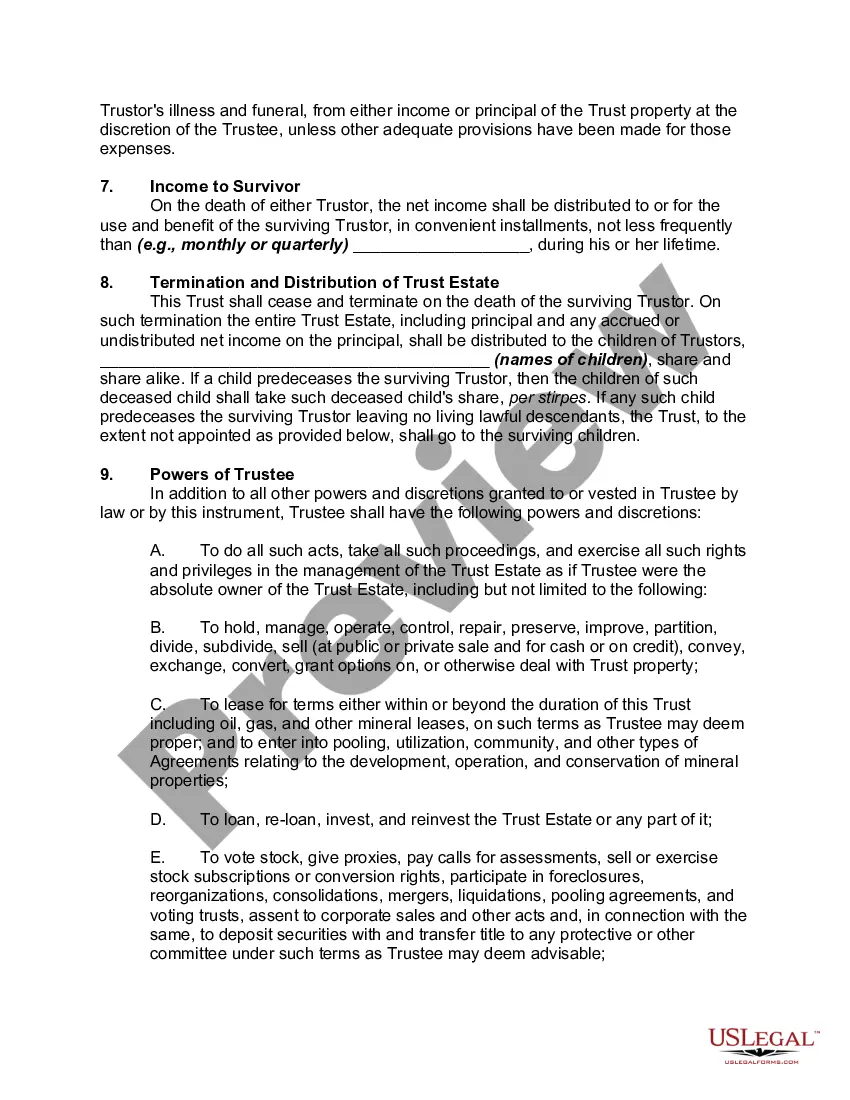
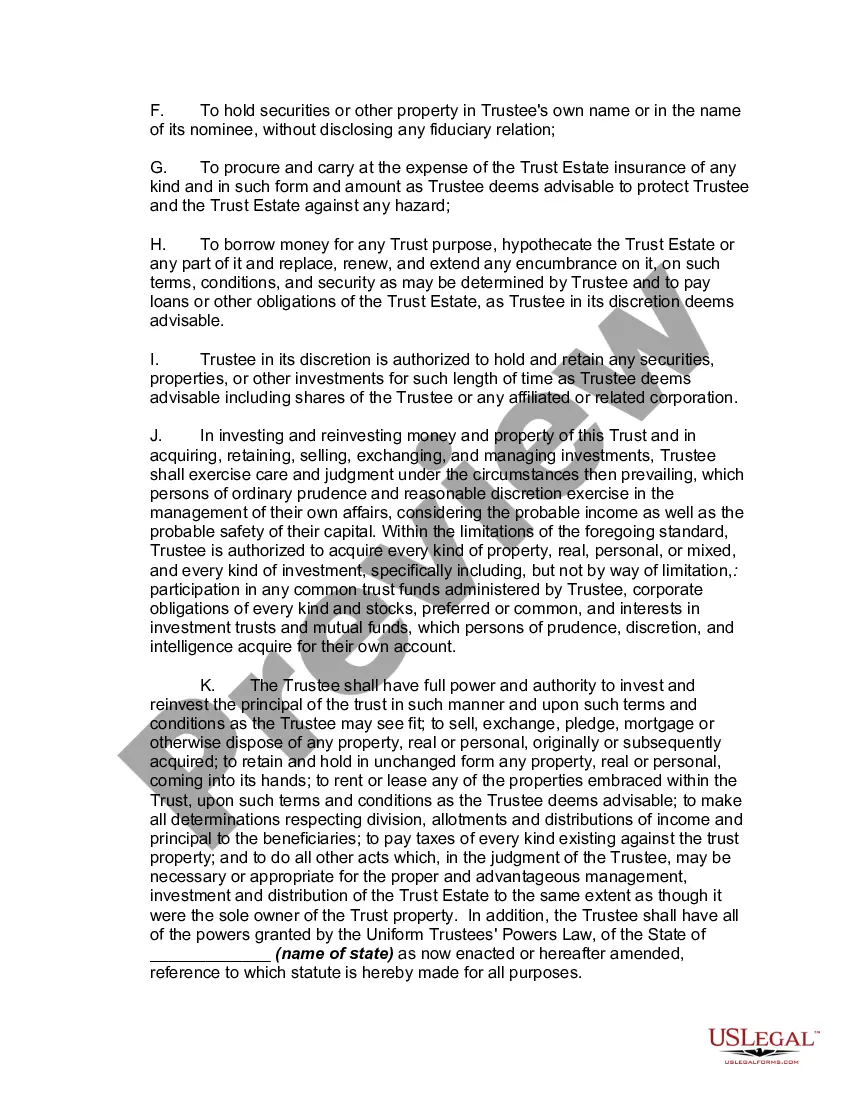
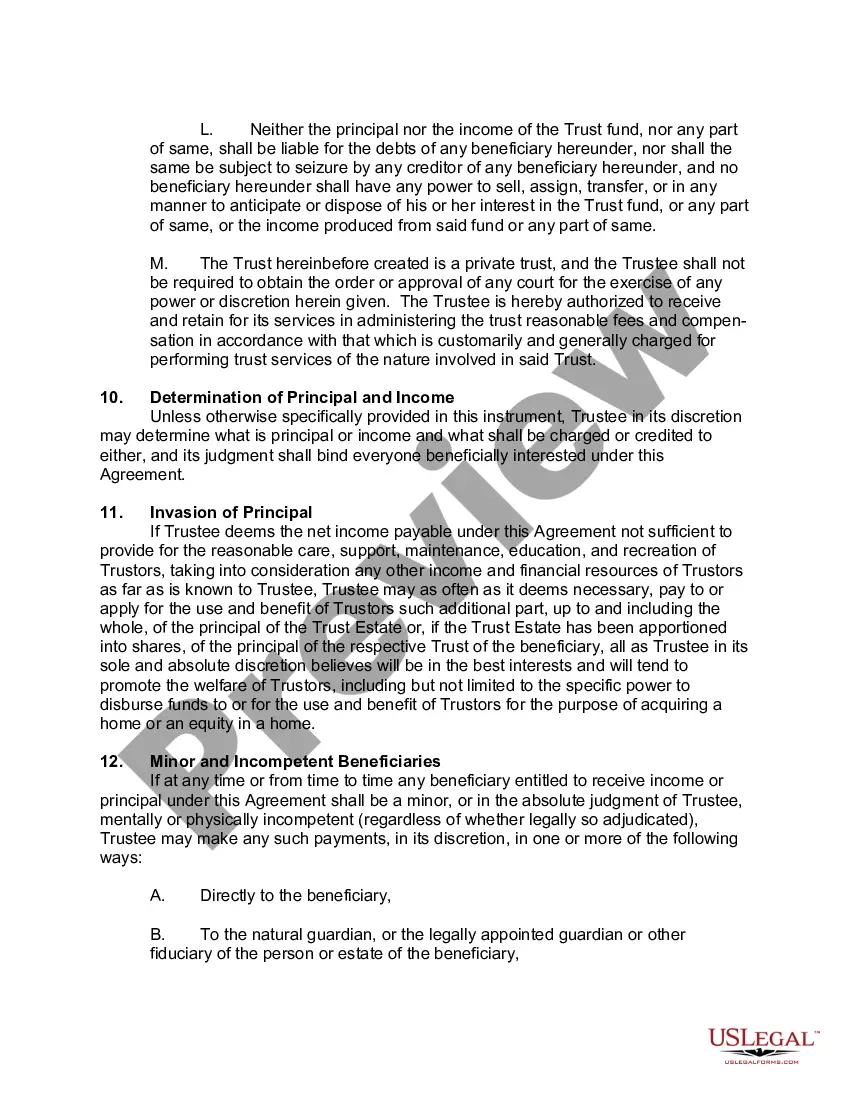
How to fill out Irrevocable Trust Agreement With Joint Trustors For Benefit Of Their Children With Spendthrift Trust Provisions?
Obtaining legal templates that comply with federal and state regulations is crucial, and the internet offers many options to pick from. But what’s the point in wasting time searching for the appropriate Trust Joint Form Withdrawal sample on the web if the US Legal Forms online library already has such templates accumulated in one place?
US Legal Forms is the largest online legal library with over 85,000 fillable templates drafted by lawyers for any professional and personal situation. They are easy to browse with all documents grouped by state and purpose of use. Our experts stay up with legislative changes, so you can always be sure your form is up to date and compliant when obtaining a Trust Joint Form Withdrawal from our website.
Obtaining a Trust Joint Form Withdrawal is fast and simple for both current and new users. If you already have an account with a valid subscription, log in and download the document sample you need in the preferred format. If you are new to our website, adhere to the steps below:
- Analyze the template using the Preview option or via the text description to make certain it meets your needs.
- Locate a different sample using the search tool at the top of the page if needed.
- Click Buy Now when you’ve located the suitable form and select a subscription plan.
- Register for an account or log in and make a payment with PayPal or a credit card.
- Pick the format for your Trust Joint Form Withdrawal and download it.
All documents you locate through US Legal Forms are reusable. To re-download and complete earlier obtained forms, open the My Forms tab in your profile. Take advantage of the most extensive and simple-to-use legal paperwork service!
Form popularity
FAQ
So can a trustee withdraw money from a trust they own? Yes, you could withdraw money from your own trust if you're the trustee. Since you have an interest in the trust and its assets, you could withdraw money as you see fit or as needed. You can also move assets in or out of the trust.
So can a trustee withdraw money from a trust they own? Yes, you could withdraw money from your own trust if you're the trustee. Since you have an interest in the trust and its assets, you could withdraw money as you see fit or as needed. You can also move assets in or out of the trust.
Trust beneficiaries must pay taxes on income and other distributions from a trust. Trust beneficiaries don't have to pay taxes on returned principal from the trust's assets. IRS forms K-1 and 1041 are required for filing tax returns that receive trust disbursements.
The grantor can opt to have the beneficiaries receive trust property directly without any restrictions. The trustee can write the beneficiary a check, give them cash, and transfer real estate by drawing up a new deed or selling the house and giving them the proceeds.
Just choose your preferred account on the ATM screen. If you use the credit card function on your Trust card at an ATM, this means you are taking a cash advance. Note that supplementary cardholders cannot take out a cash advance. If you use the debit card function, you are withdrawing cash from your savings account.