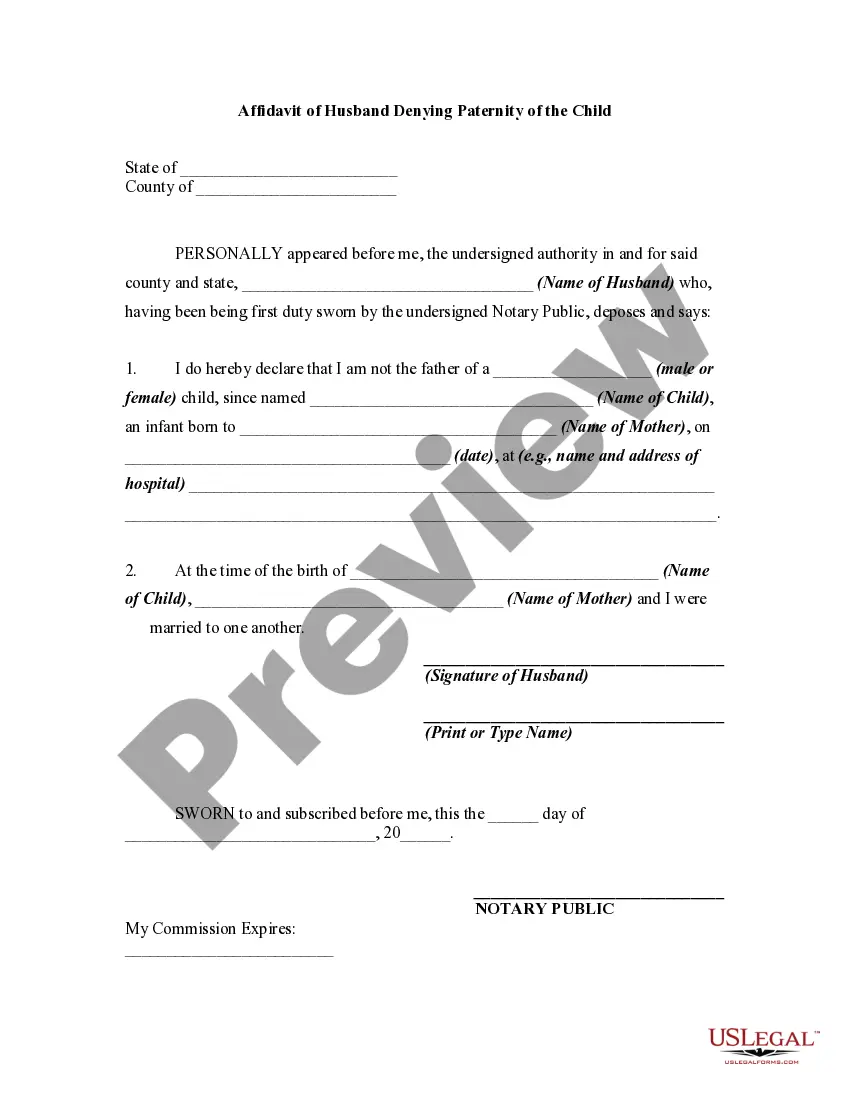
Paternity Denial Without Rfe
Description
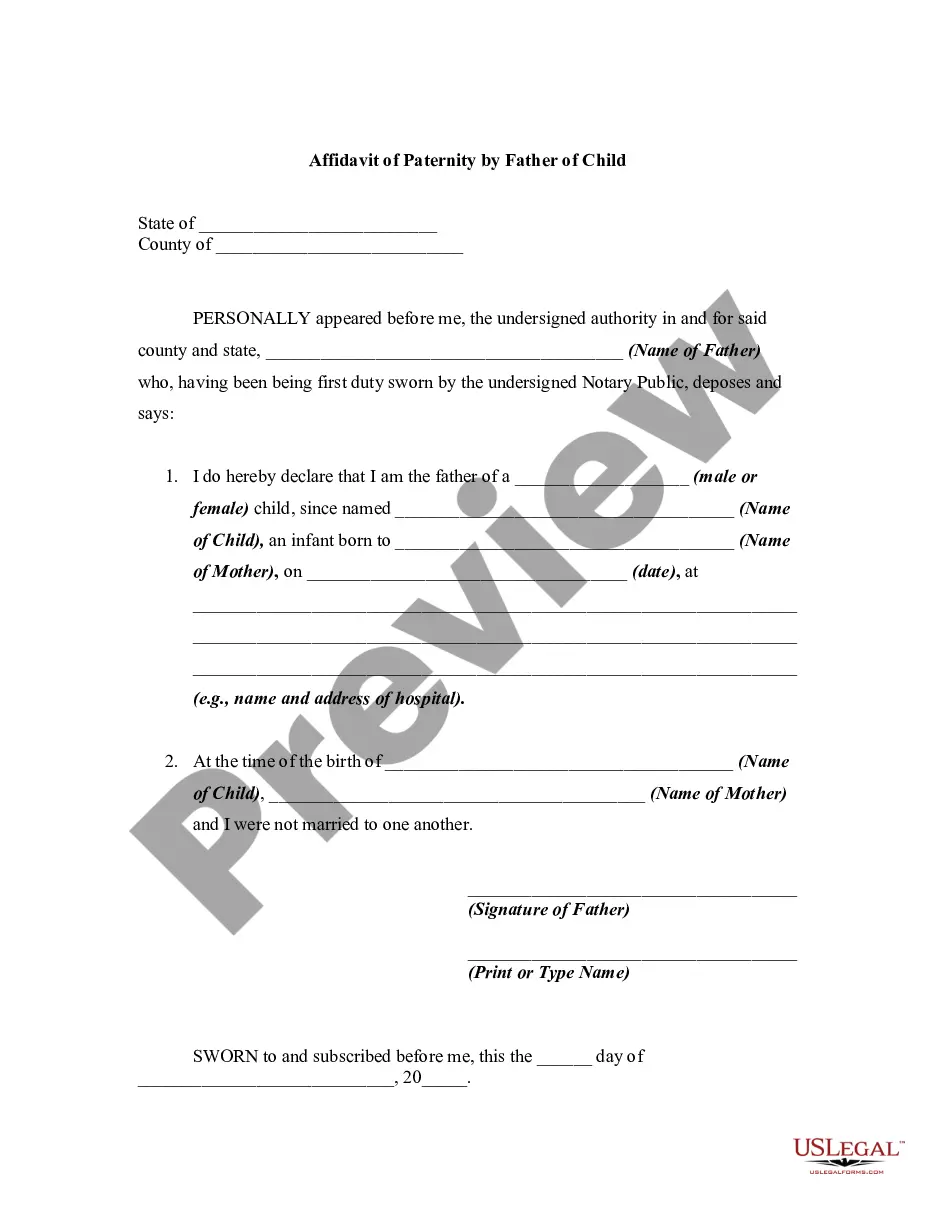
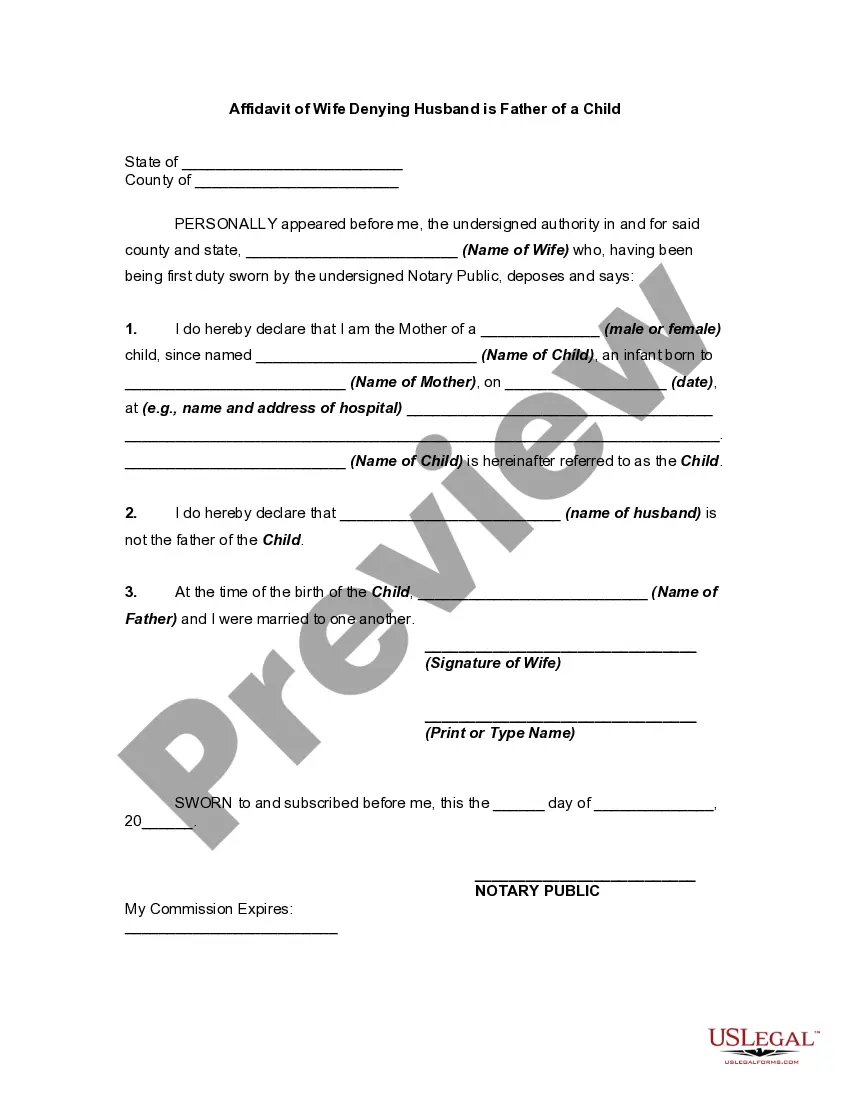
Get your form ready online
Our built-in tools help you complete, sign, share, and store your documents in one place.
Make edits, fill in missing information, and update formatting in US Legal Forms—just like you would in MS Word.
Download a copy, print it, send it by email, or mail it via USPS—whatever works best for your next step.
Sign and collect signatures with our SignNow integration. Send to multiple recipients, set reminders, and more. Go Premium to unlock E-Sign.
If this form requires notarization, complete it online through a secure video call—no need to meet a notary in person or wait for an appointment.
We protect your documents and personal data by following strict security and privacy standards.

Make edits, fill in missing information, and update formatting in US Legal Forms—just like you would in MS Word.

Download a copy, print it, send it by email, or mail it via USPS—whatever works best for your next step.

Sign and collect signatures with our SignNow integration. Send to multiple recipients, set reminders, and more. Go Premium to unlock E-Sign.

If this form requires notarization, complete it online through a secure video call—no need to meet a notary in person or wait for an appointment.

We protect your documents and personal data by following strict security and privacy standards.
Looking for another form?
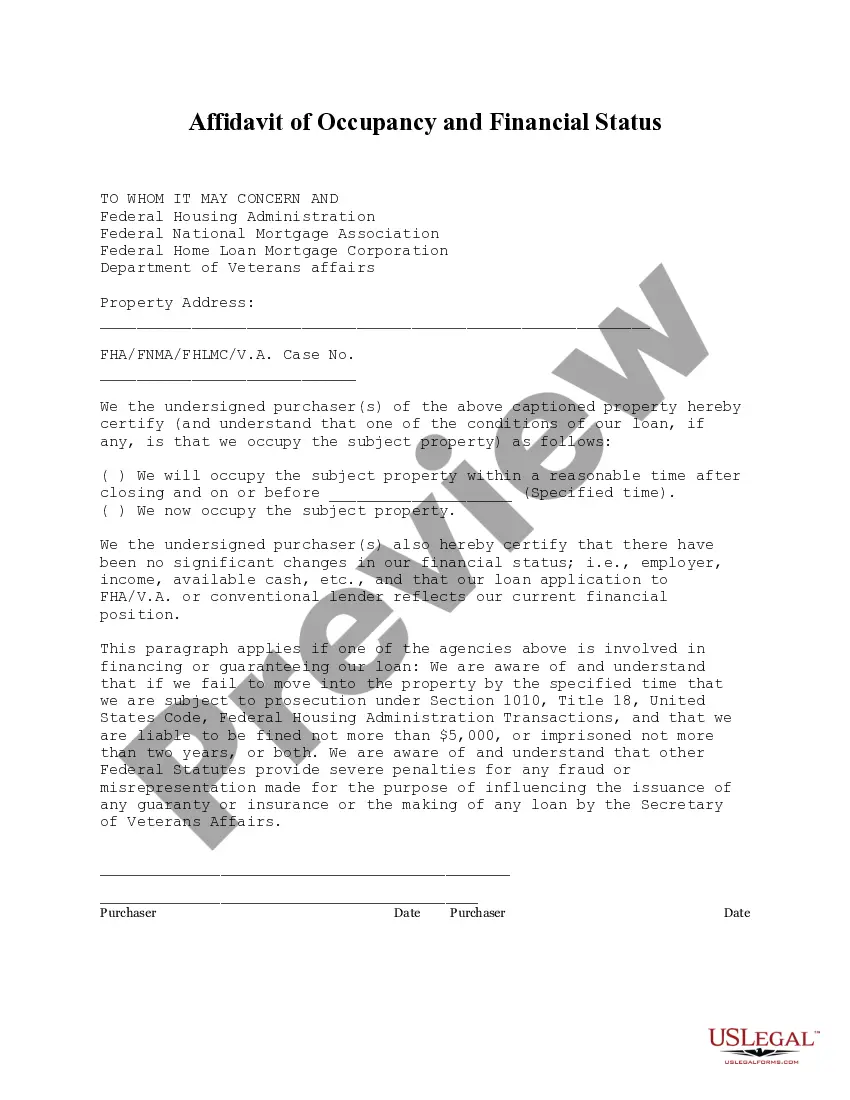
How to fill out Affidavit Of Husband Denying Paternity Of The Child?
The Paternity Rejection Without Rfe that you see on this site is a versatile legal document crafted by experienced attorneys in compliance with federal and local statutes and regulations.
For over 25 years, US Legal Forms has supplied individuals, businesses, and legal practitioners with more than 85,000 verified, state-specific templates for any commercial and personal situation. It is the quickest, simplest, and most reliable method to acquire the documents you require, as the service guarantees the utmost level of data protection and anti-malware security.
Join US Legal Forms to have verified legal templates for all of life's situations readily available.
- Search for the document you require and examine it.
- Choose the appropriate pricing plan and create an account. Use PayPal or a credit card for immediate payment. If you already possess an account, Log In to check your subscription to continue.
- Select the format you prefer for your Paternity Rejection Without Rfe (PDF, DOCX, RTF) and save the document to your device.
- Print the document to fill it out manually. Alternatively, employ an online multi-functional PDF editor to quickly and accurately complete and sign your form with a valid signature.
- Access the document again whenever required. Go to the My documents tab in your profile to re-download any previously acquired templates.
Form popularity
FAQ
The success rate of responding to an RFE varies, but many applicants successfully address the raised concerns. Proper guidance and accurate documentation are key to a favorable outcome. Thus, understanding the potential for paternity denial without RFE can guide your approach when responding to an RFE.
Yes, an I-485 can indeed be denied without an RFE. This usually indicates that USCIS found unresolved issues with the application. By addressing all concerns related to paternity upfront, you can help prevent paternity denial without RFE.
An RFE requests additional information or documents to clarify an issue, while a denial means that your application has been rejected outright. Understanding this difference is crucial, especially in avoiding paternity denial without RFE by providing complete and clear documentation upfront.
USCIS can deny an I-485 without conducting an interview if they find the application lacking sufficient evidence. This decision may reflect issues related to paternity, such as inadequate proof. Thus, avoiding paternity denial without RFE is essential for ensuring a smooth process.
Yes, USCIS can reject an application without issuing an RFE. A rejection often occurs if there are serious deficiencies in the application or supporting documents. Understanding the implications of paternity denial without RFE can help you prepare your application more effectively.
Yes, USCIS can approve applications without conducting an interview, especially when the documentation is strong and complete. If you have thoroughly addressed all concerns related to paternity, it increases the chances of approval. However, be cautious, as paternity denial without RFE could still occur if issues arise.
To avoid an RFE, ensure that you submit complete and accurate documentation when filing your application. Review the instructions carefully and double-check all forms for any missing signatures or information. This level of diligence can minimize the risk of paternity denial without RFE.
To prove paternity without the father's name on the birth certificate, you can provide DNA test results. Additionally, you may submit affidavits from individuals who can confirm the father's identity. This approach addresses potential paternity denial without RFE, as USCIS considers credible evidence.
Yes, a woman can deny a man a paternity test, but this action can complicate legal matters related to child support and custody. It's essential to understand that a court may eventually order a paternity test if the issue is elevated legally. This situation can lead to challenges in proving paternity or addressing claims of paternity denial without RFE. Seeking legal guidance can clarify the best path forward for both parties involved.
If a father denies paternity, the first step is to discuss the matter calmly with him to understand his concerns. If necessary, you can seek legal advice to explore your options, including filing for a paternity test. Engaging legal help can simplify the process of paternity denial without RFE, ensuring all parties know their rights. Additionally, resources such as USLegalForms can guide you through the legal requirements in your jurisdiction.