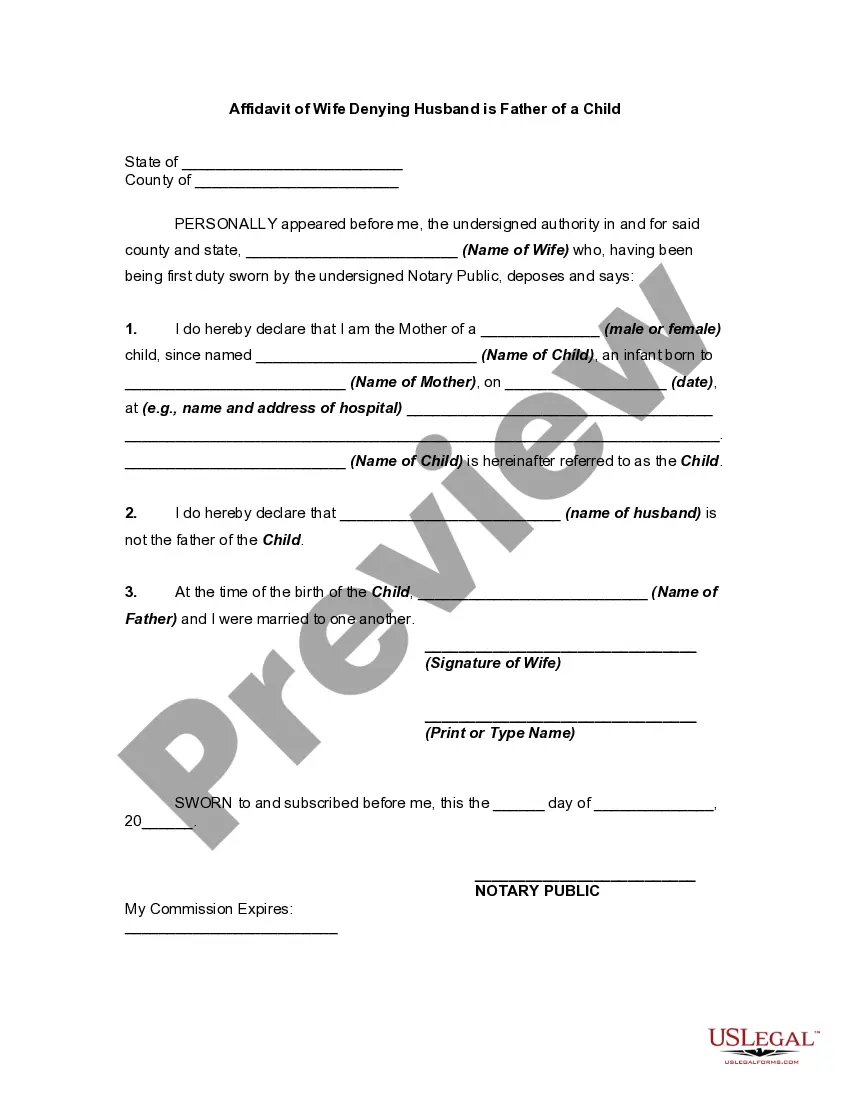
Father Family Law Without Prejudice
Description
Get your form ready online
Our built-in tools help you complete, sign, share, and store your documents in one place.
Make edits, fill in missing information, and update formatting in US Legal Forms—just like you would in MS Word.
Download a copy, print it, send it by email, or mail it via USPS—whatever works best for your next step.
Sign and collect signatures with our SignNow integration. Send to multiple recipients, set reminders, and more. Go Premium to unlock E-Sign.
If this form requires notarization, complete it online through a secure video call—no need to meet a notary in person or wait for an appointment.
We protect your documents and personal data by following strict security and privacy standards.

Make edits, fill in missing information, and update formatting in US Legal Forms—just like you would in MS Word.

Download a copy, print it, send it by email, or mail it via USPS—whatever works best for your next step.

Sign and collect signatures with our SignNow integration. Send to multiple recipients, set reminders, and more. Go Premium to unlock E-Sign.

If this form requires notarization, complete it online through a secure video call—no need to meet a notary in person or wait for an appointment.

We protect your documents and personal data by following strict security and privacy standards.
Looking for another form?
Form popularity
FAQ
A claim without prejudice means that any assertions made during negotiation cannot be used against a party in future legal proceedings. Specifically, in Father family law without prejudice scenarios, this protects fathers from having their negotiation positions taken into account during a trial. By understanding this principle, fathers can confidently communicate their needs and foster an environment that is focused on resolution rather than conflict.
The stamp without prejudice indicates that a document or correspondence is intended for negotiation purposes only and cannot be used as evidence in court. In Father family law without prejudice cases, using this stamp can protect sensitive information shared during discussions, ensuring fathers can negotiate child custody or support without compromising their legal stance. This helps build trust between parties and fosters a constructive dialogue.
A claim without prejudice allows parties to engage in negotiations or discussions regarding legal matters without affecting their legal rights. In the context of Father family law without prejudice, this means that fathers can communicate openly during custody or support negotiations without fear that their statements will be used against them later in court. This approach encourages transparency and may lead to mutually beneficial agreements.
Without prejudice operates as a protective mechanism in father family law without prejudice discussions. It helps shield communications made during negotiations from being introduced in any legal proceedings. This ensures that parties can negotiate and settle disputes without the fear of having their words scrutinized later. Understanding how this works can empower individuals to seek resolutions confidently, minimizing lengthy court processes.
The phrase 'for settlement purposes only without prejudice' acts as a safeguard in father family law without prejudice situations. It clarifies that any offers or discussions made are intended solely for settling the matter at hand and cannot be used as admissions in future legal proceedings. This encourages parties to negotiate freely, paving the way for potential agreements that benefit everyone involved. Utilizing this approach can lead to more efficient resolutions.
In Canada, the without prejudice rule is crucial in father family law without prejudice discussions. It allows parties in a dispute to engage in settlement negotiations without the risk of their statements being used as evidence in court. This rule encourages honest dialogue, as individuals can express their true thoughts and seek compromise without fear of later consequences. It ultimately promotes quicker, more amicable resolutions.
Emails that begin with 'without prejudice' serve an important purpose in father family law without prejudice. They indicate that the content is part of negotiations and cannot be used against the parties in court. This protects the confidentiality of discussions, allowing individuals to explore all options without fear of legal repercussions. By using this phrase, both parties can communicate openly and work towards a resolution.
Yes, without prejudice save as to costs refers to a situation where negotiations are protected, but costs may be discussed. In Father family law without prejudice, this means that while the substance of the negotiation remains confidential, parties can still agree on how costs should be managed if negotiations fail. This balance helps families navigate legal proceedings effectively.
The without prejudice obligation requires parties to uphold confidentiality in their communications. In cases involving Father family law without prejudice, both parties must respect that discussions will not influence any future legal actions. This obligation builds trust and encourages constructive dialogue, paving the way for a resolution.
Strictly without prejudice emphasizes that the protections of this term are unyielding. In Father family law without prejudice situations, it ensures that all discussions are entirely off the record, preventing their use in any litigation. This strictness is vital, as it provides families the freedom to negotiate sincerely without worrying about the consequences.