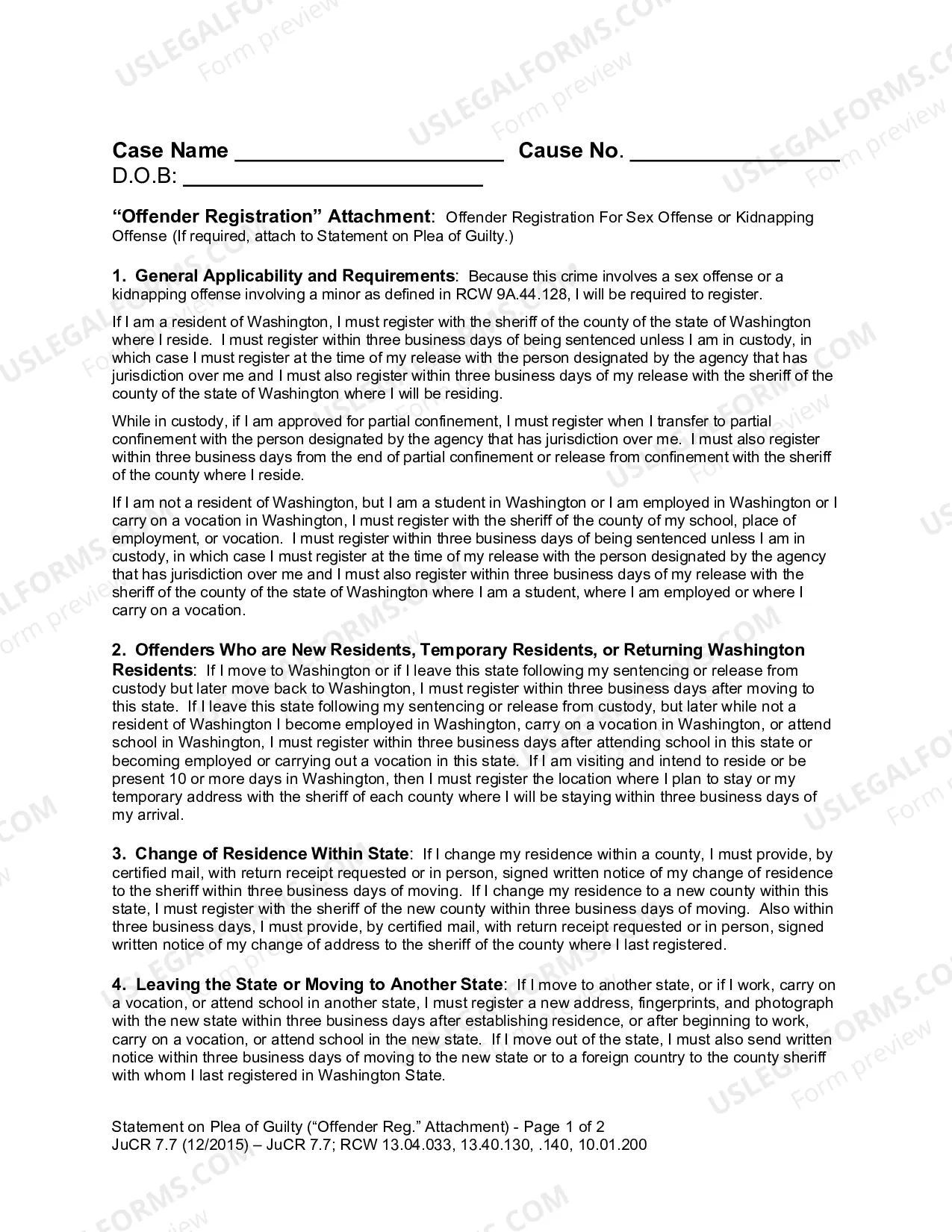
Stipulation, Deed, and Assignment by Trustee
What is this form?
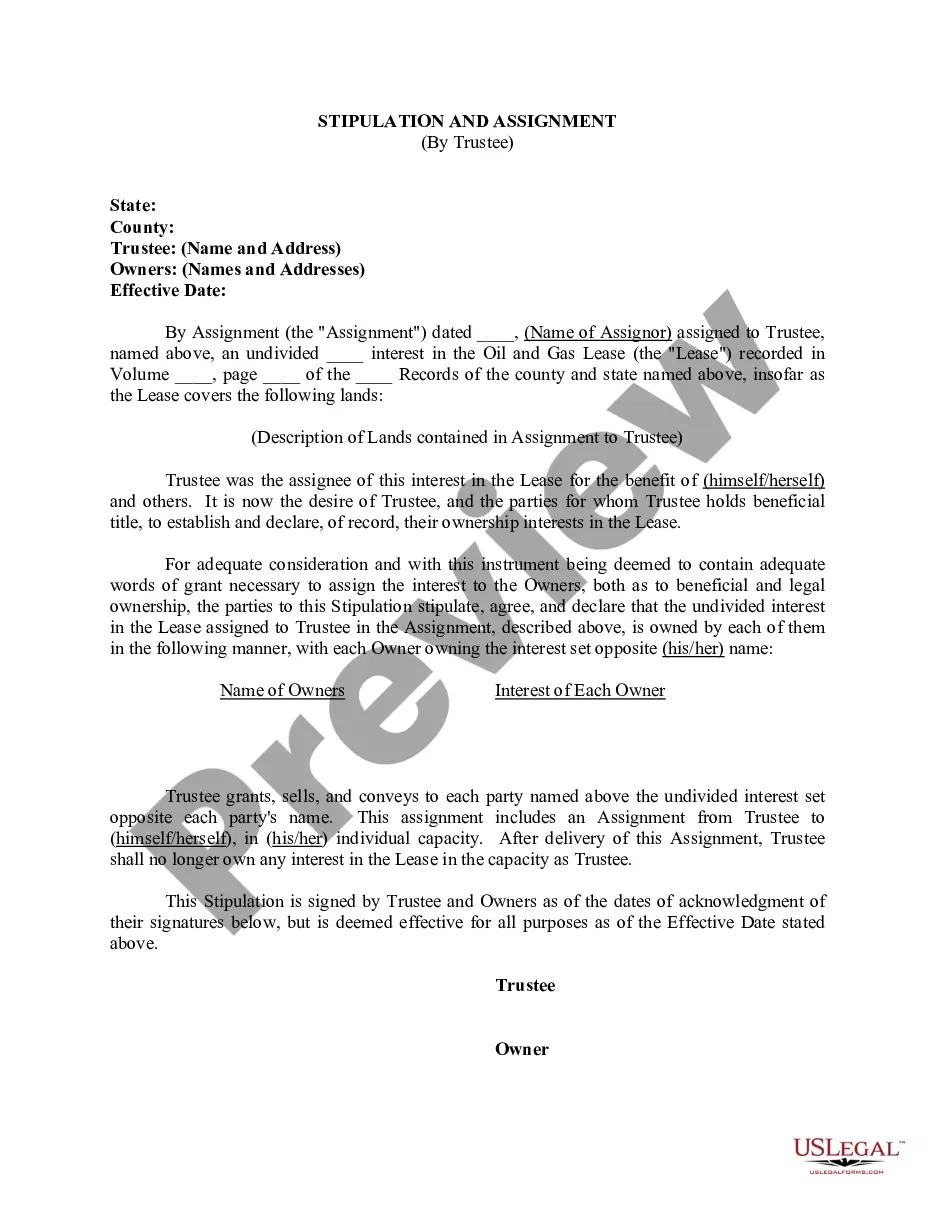
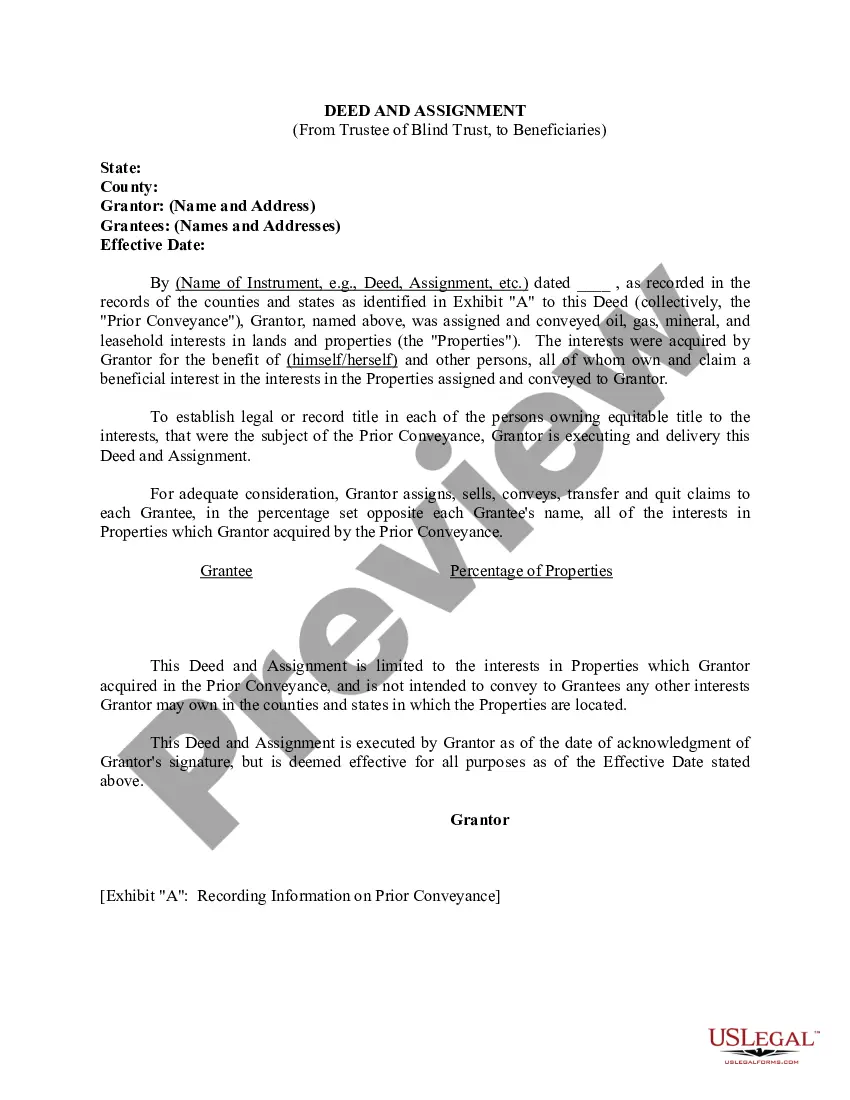
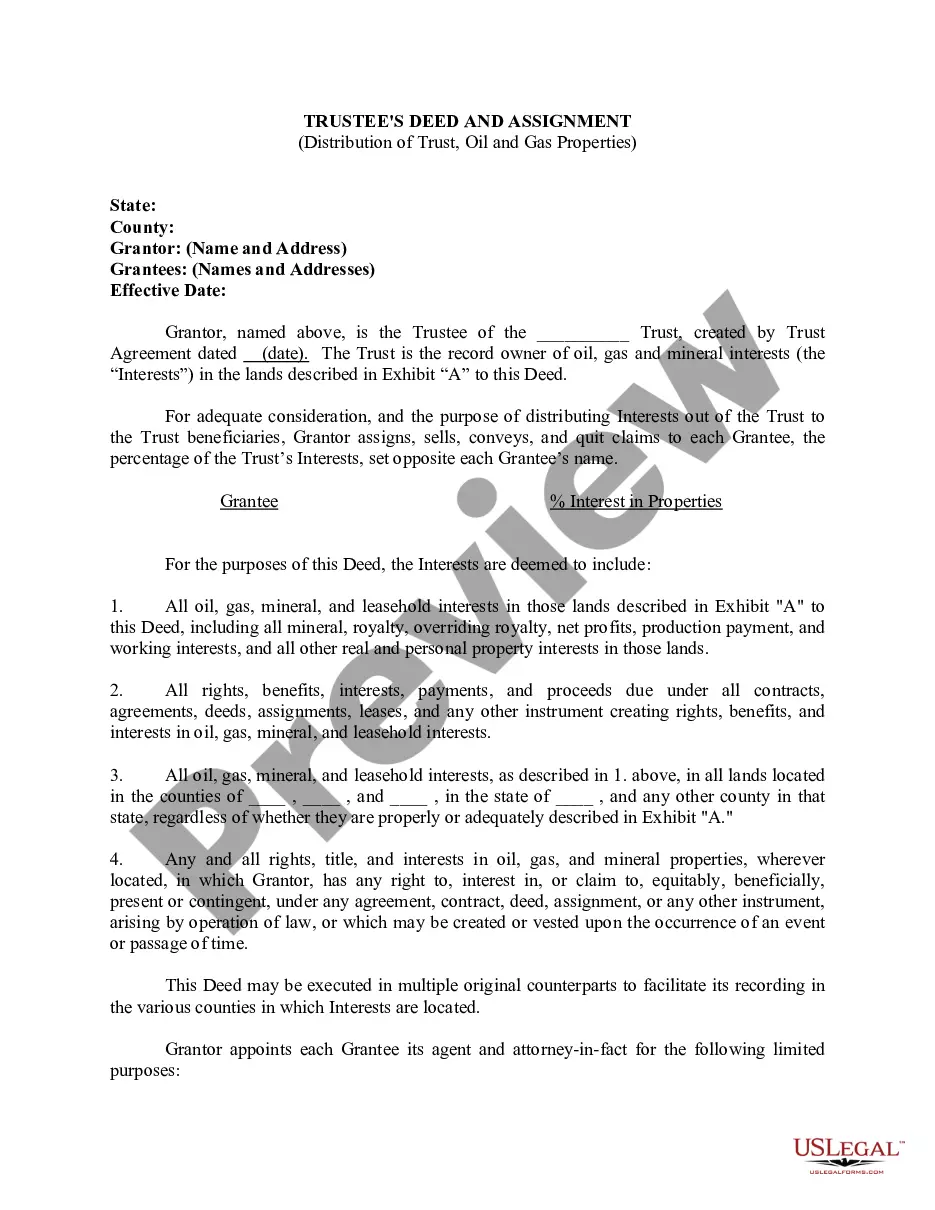
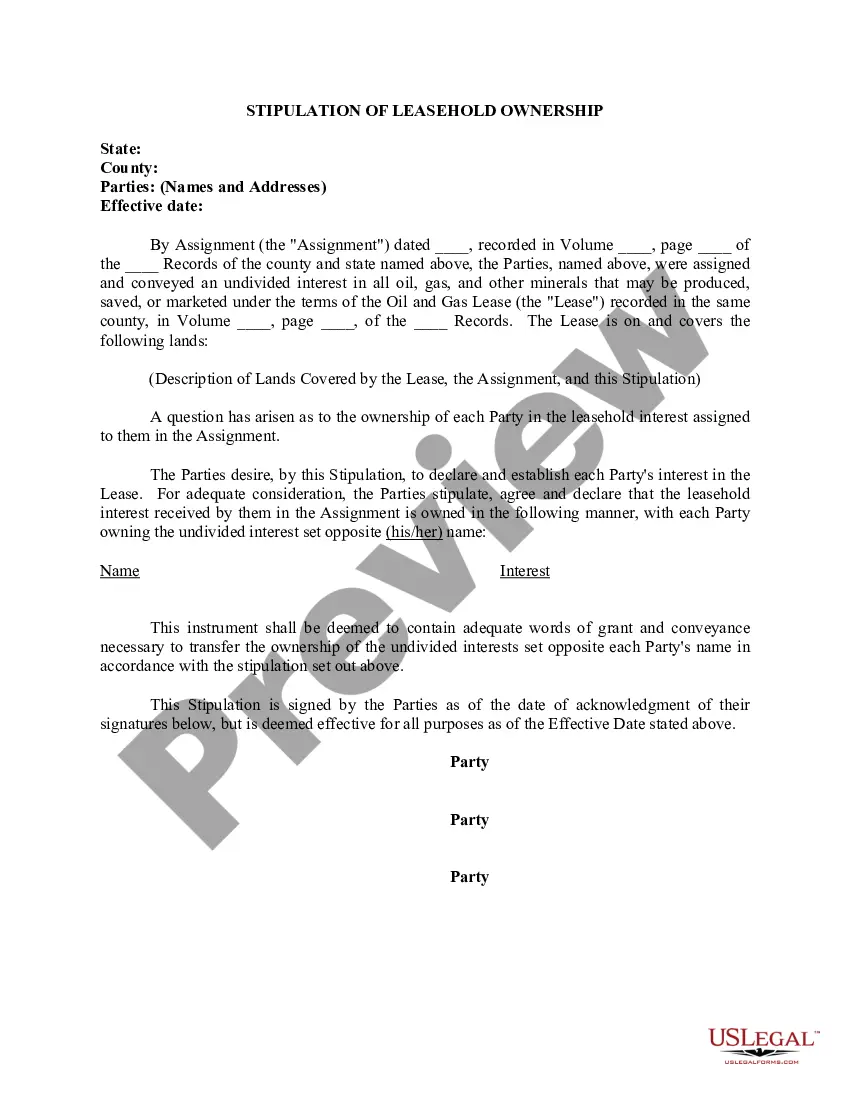
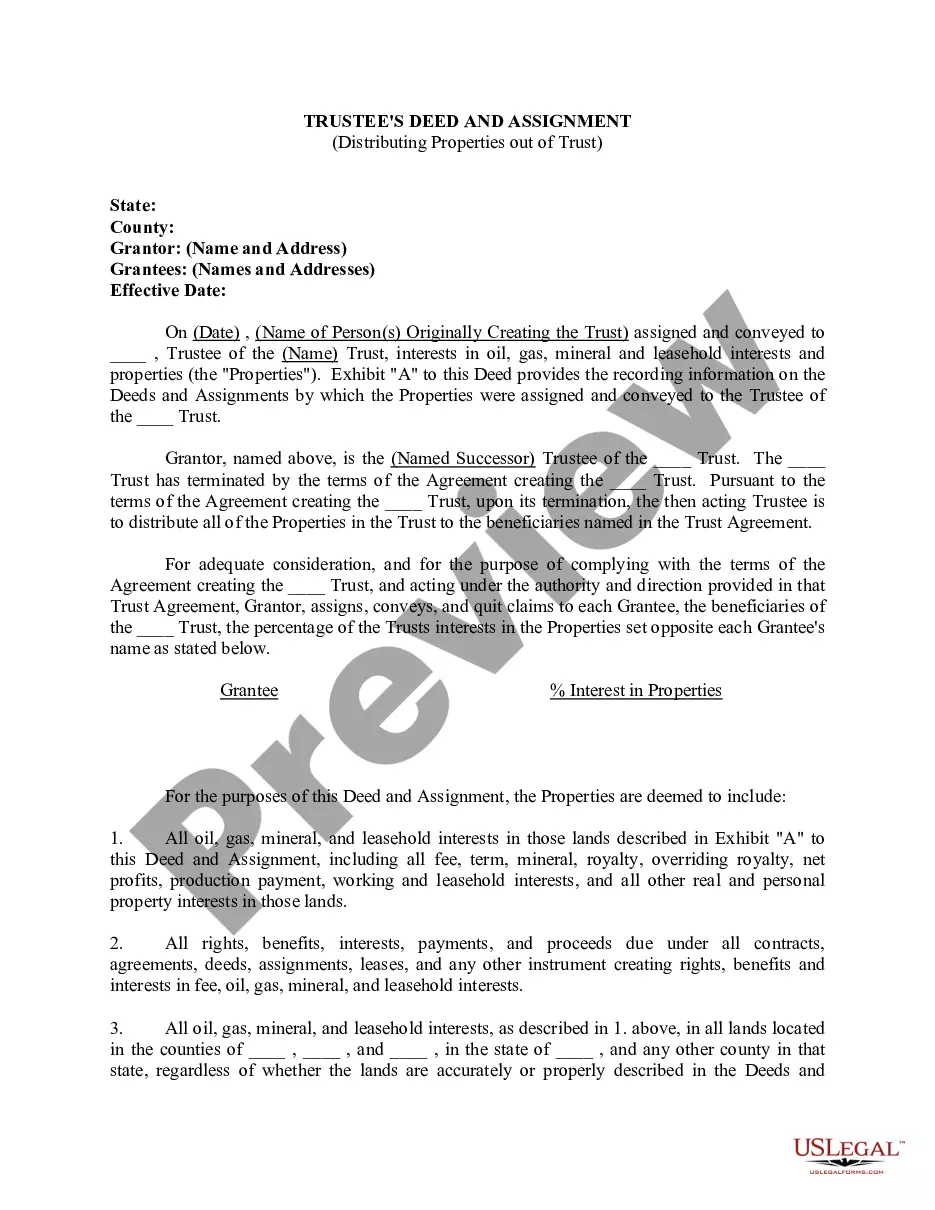
The Stipulation, Deed, and Assignment by Trustee is a legal document that allows a Trustee to formally transfer interests they hold in a trust to the beneficial owners. This form is essential in situations where a Trustee needs to execute a deed to distribute those interests according to the trust's terms. Unlike other property transfer forms, this document specifically addresses the distribution of interests from a trust, ensuring clarity in ownership among the beneficiaries.
What’s included in this form
- Identification of the Trustee and their address.
- Names and addresses of the beneficial owners receiving the interests.
- Effective date of the deed and assignment.
- Description of the undivided interest in the Oil and Gas Lease.
- Declaration of ownership interests among the parties involved.
- Signatures of the Trustee and the Owners, along with acknowledgment dates.


Common use cases
This form is typically used when a Trustee wishes to distribute their interests in a trust to the beneficial owners following the terms specified in the trust agreement. Situations may arise, such as the liquidation of assets or changes in ownership needs, wherein clear documentation of the transfer is required to ensure all parties are in agreement about their interests in the assets held by the trust.
Who this form is for
- Trustees managing a trust with beneficial owners.
- Beneficial owners receiving interests from a Trustee.
- Legal professionals assisting clients with trust management and property transfers.
Steps to complete this form
- Identify the Trustee by entering their name and address at the top of the form.
- List the names and addresses of all beneficial owners who will receive the interests.
- Specify the effective date for the assignment.
- Provide a detailed description of the undivided interest that is being assigned, including references to the relevant Oil and Gas Lease.
- Ensure that the Trustee and each Owner sign the document, including acknowledgment dates.
Does this document require notarization?
This document requires notarization to meet legal standards. US Legal Forms provides secure online notarization powered by Notarize, allowing you to complete the process through a verified video call, available 24/7.
Get your form ready online
Our built-in tools help you complete, sign, share, and store your documents in one place.
Make edits, fill in missing information, and update formatting in US Legal Forms—just like you would in MS Word.
Download a copy, print it, send it by email, or mail it via USPS—whatever works best for your next step.
Sign and collect signatures with our SignNow integration. Send to multiple recipients, set reminders, and more. Go Premium to unlock E-Sign.
If this form requires notarization, complete it online through a secure video call—no need to meet a notary in person or wait for an appointment.
We protect your documents and personal data by following strict security and privacy standards.

Make edits, fill in missing information, and update formatting in US Legal Forms—just like you would in MS Word.

Download a copy, print it, send it by email, or mail it via USPS—whatever works best for your next step.

Sign and collect signatures with our SignNow integration. Send to multiple recipients, set reminders, and more. Go Premium to unlock E-Sign.

If this form requires notarization, complete it online through a secure video call—no need to meet a notary in person or wait for an appointment.

We protect your documents and personal data by following strict security and privacy standards.
Typical mistakes to avoid
- Failing to properly identify all parties involved in the transaction.
- Not including the effective date, which may lead to disputes regarding ownership.
- Leaving out a detailed description of the property interest being assigned.
- Not obtaining all necessary signatures before finalizing the document.
Why use this form online
- Immediate access to a legally vetted document created by licensed attorneys.
- Convenience of downloading and completing the form at your own pace.
- Editable format allows for easy customization to meet specific needs.
- Secure storage and retrieval of your completed form for future reference.
Main things to remember
- The Stipulation, Deed, and Assignment by Trustee is essential for formalizing the transfer of property interests from a trustee to beneficiaries.
- Understanding how to properly fill out the form and the importance of accuracy in completion is vital to avoid legal issues.
- Always consider state-specific laws that may affect the use or requirements of this document.
Looking for another form?
Form popularity
FAQ
Party information: names and addresses of the trustor(s), trustee(s), beneficiary(ies), and guarantor(s) (if applicable) Property details: full address of the property and its legal description (which can be obtained from the County Recorder's Office)
Some owners are put off using solicitors duke to the deed of trust cost. Individuals can write out their own, and use someone else as a witness. However, this may have errors or not be a legally binding document. The investment of getting a deed of trust when buying a property is often worth it in the long term.
Yes, there are key differences between the two. With a deed, you transfer the ownership of the property to one party. In contrast, a deed of trust does not mean the holder owns the property. In an arrangement involving a deed of trust, the borrower signs a contract with the lender with details regarding the loan.
The person who owns the property usually signs a promissory note and a deed of trust. The deed of trust does not have to be recorded to be valid.
How to sign as a Trustee. When signing anything on behalf of the trust, always sign as John Smith, Trustee. By signing as Trustee, you will not be personally liable for that action as long as that action is within the scope of your authority under the trust.
A quitclaim deed can be used to transfer property from a trust, but a Special Warranty Deed seems to be a more common way to do this.
Locate the deed that's in trust. Use the proper deed. Check with your title insurance company and lender. Prepare a new deed. Sign in the presence of a notary. Record the deed in the county clerk's office.
A trustee deedsometimes called a deed of trust or a trust deedis a legal document created when someone purchases real estate in a trust deed state, such as California (check your local laws to see what is required in your state). A trust deed is used in place of a mortgage.
California Property TaxesTransferring real property to yourself as trustee of your own revocable living trust -- or back to yourself -- does not trigger a reassessment for property tax purposes. (Cal. Rev. & Tax Code § 62(d).)