Motion For Trial Request Without Trial
Description
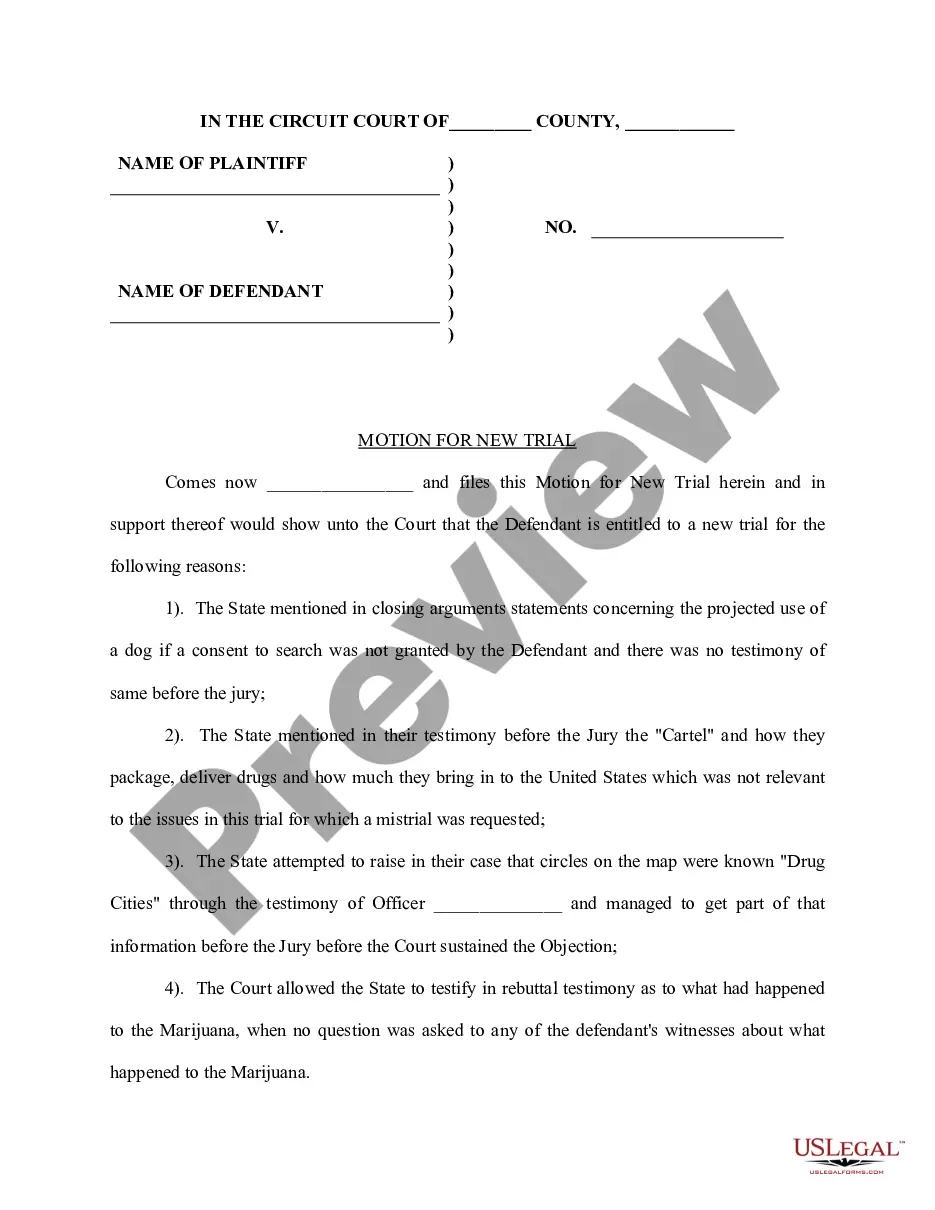
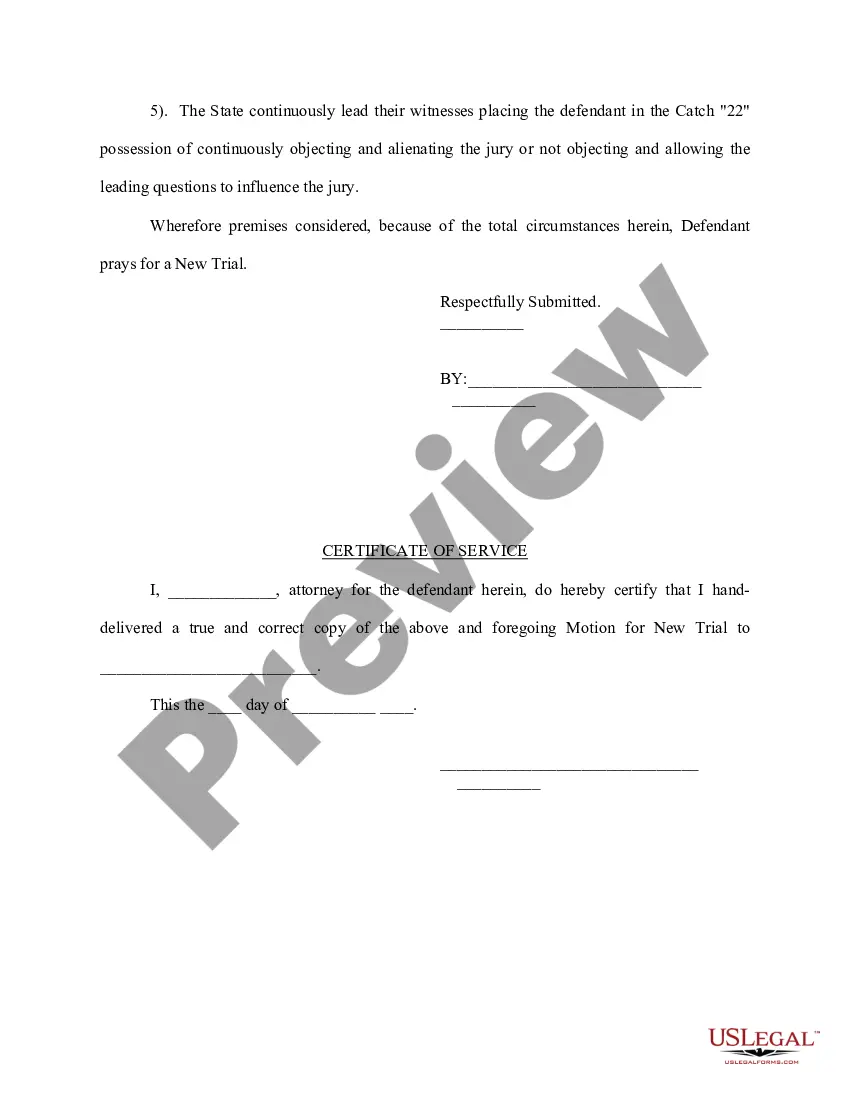
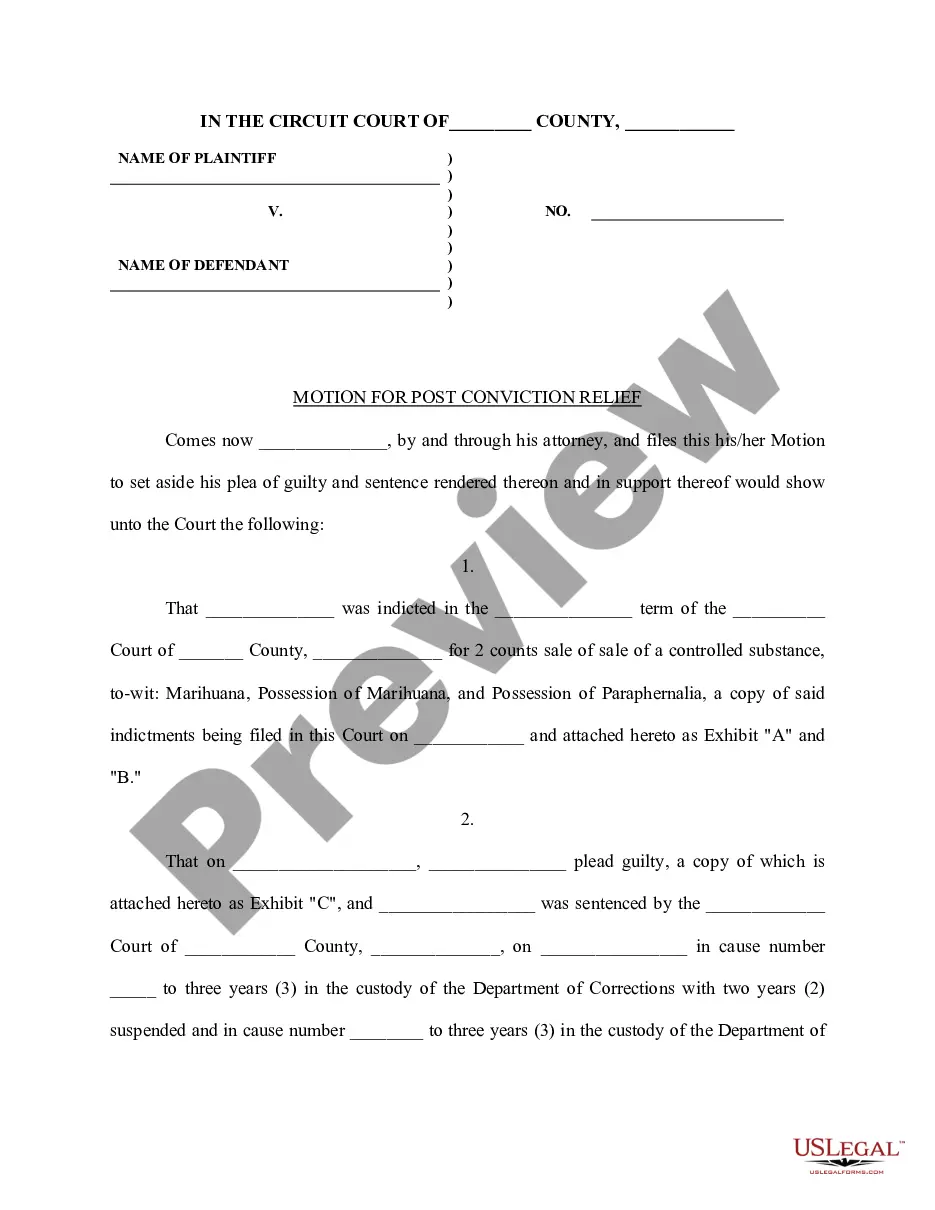
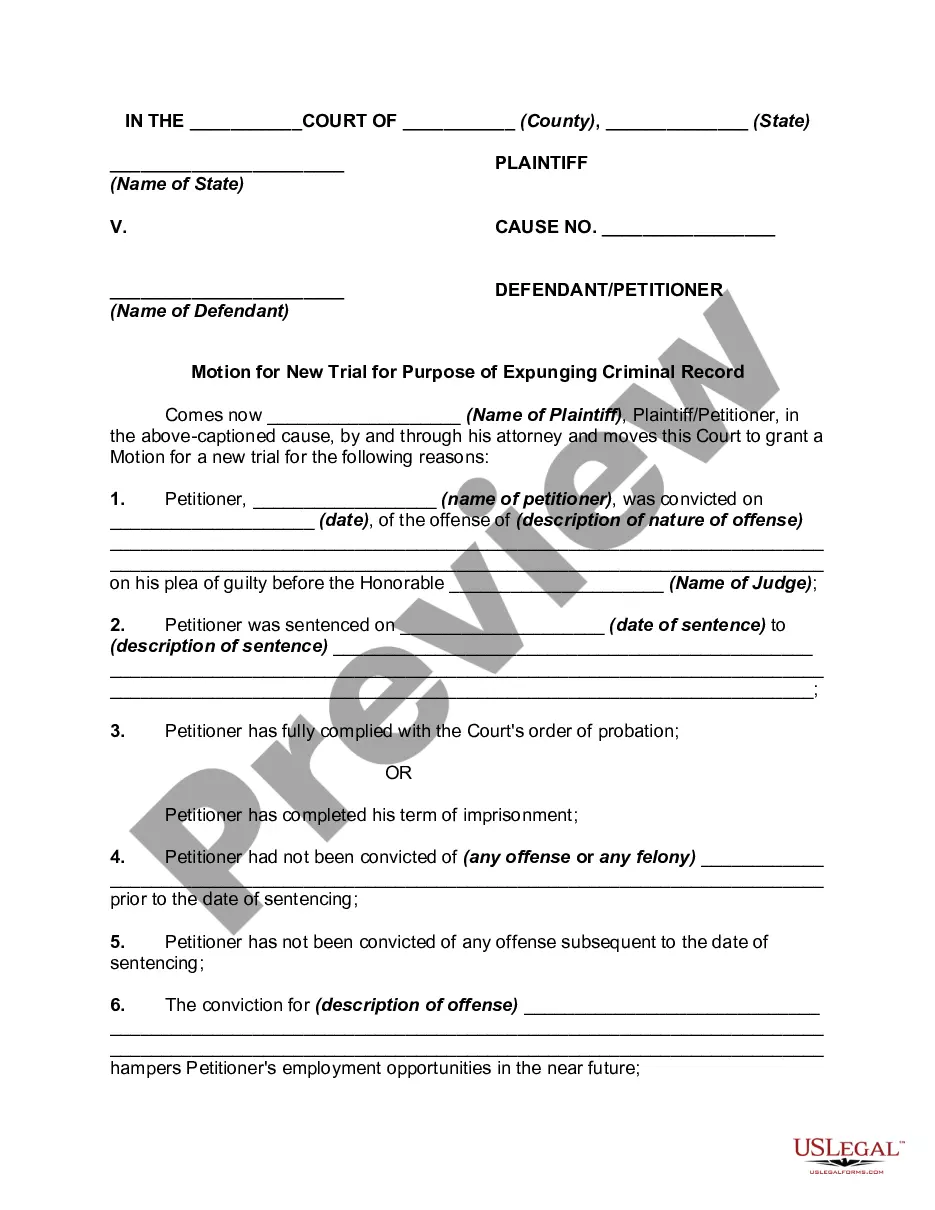
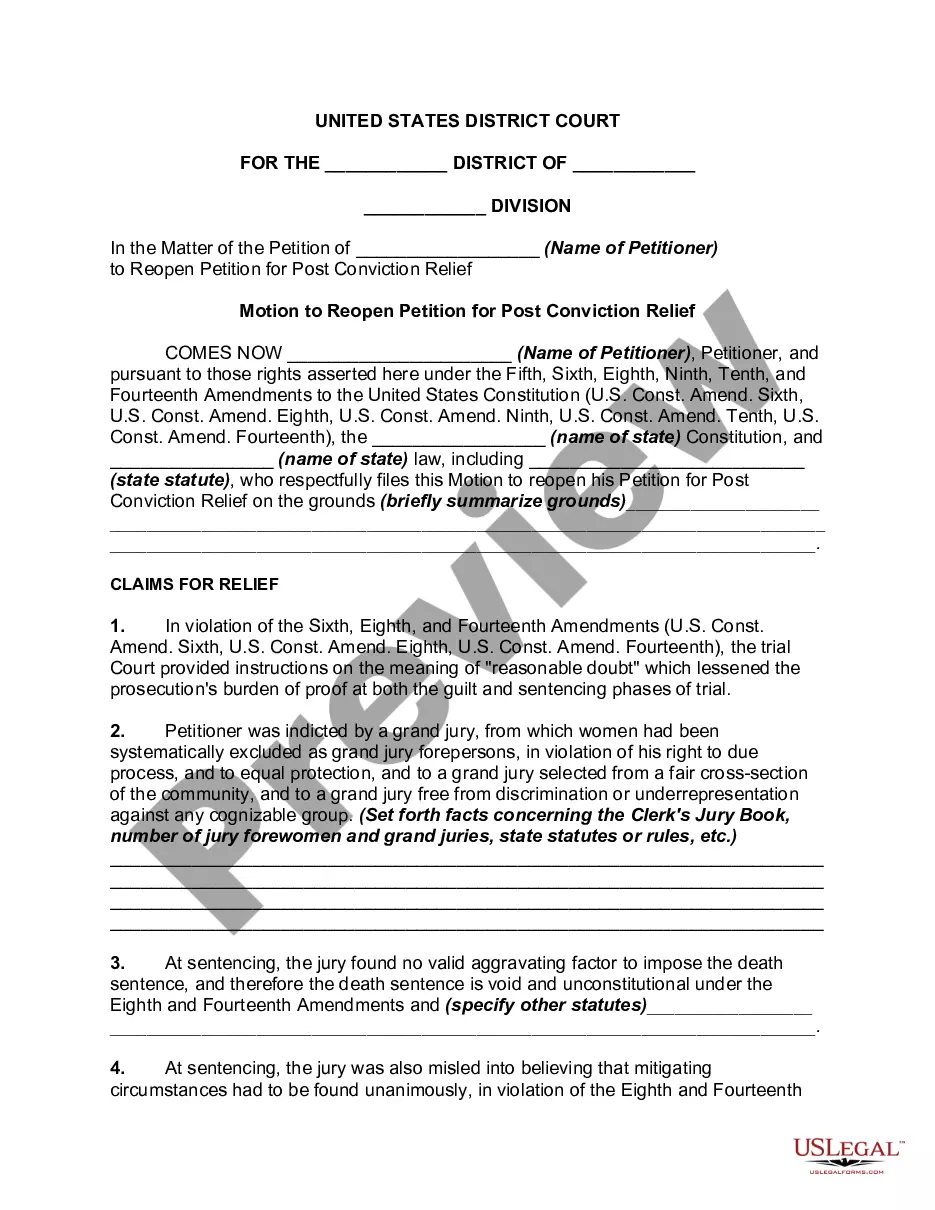
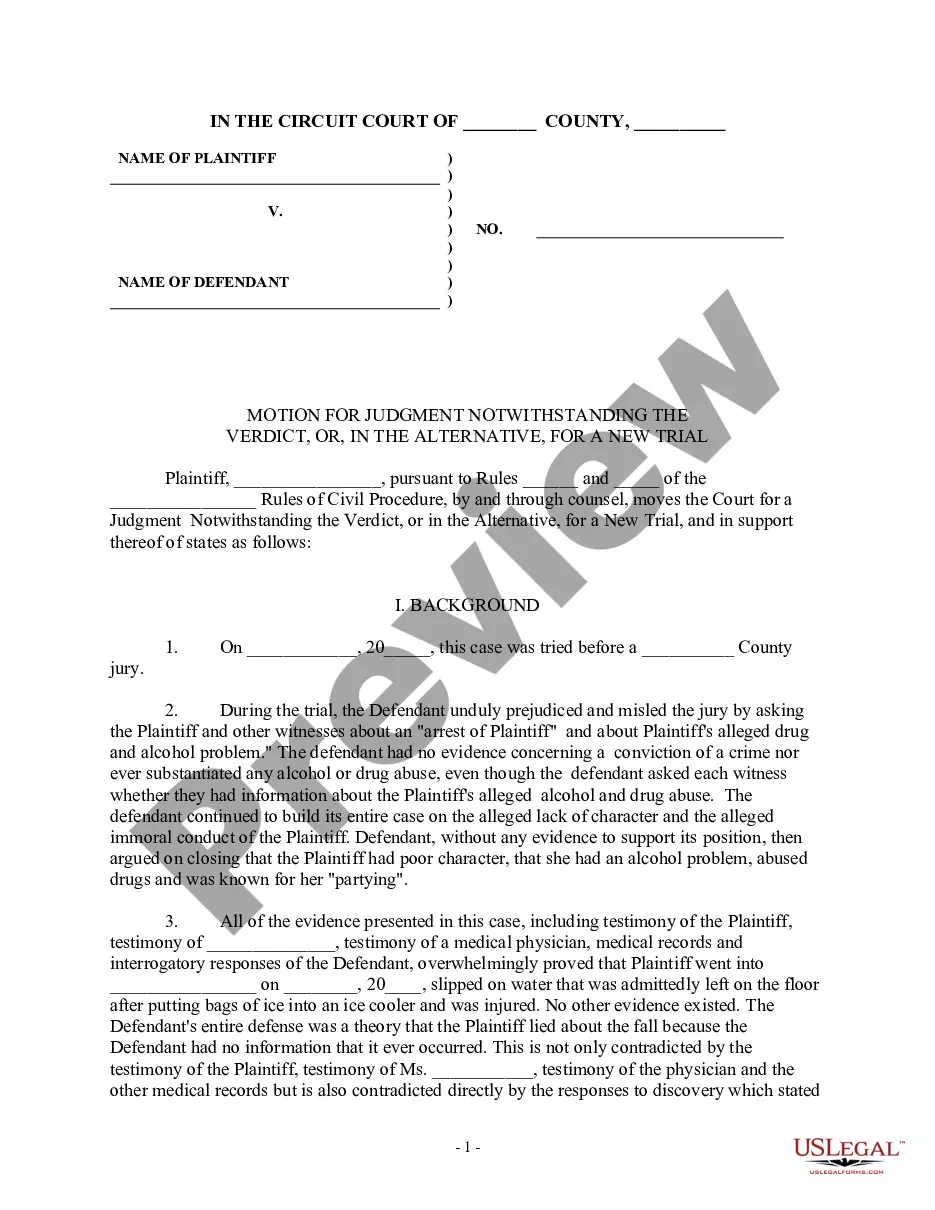
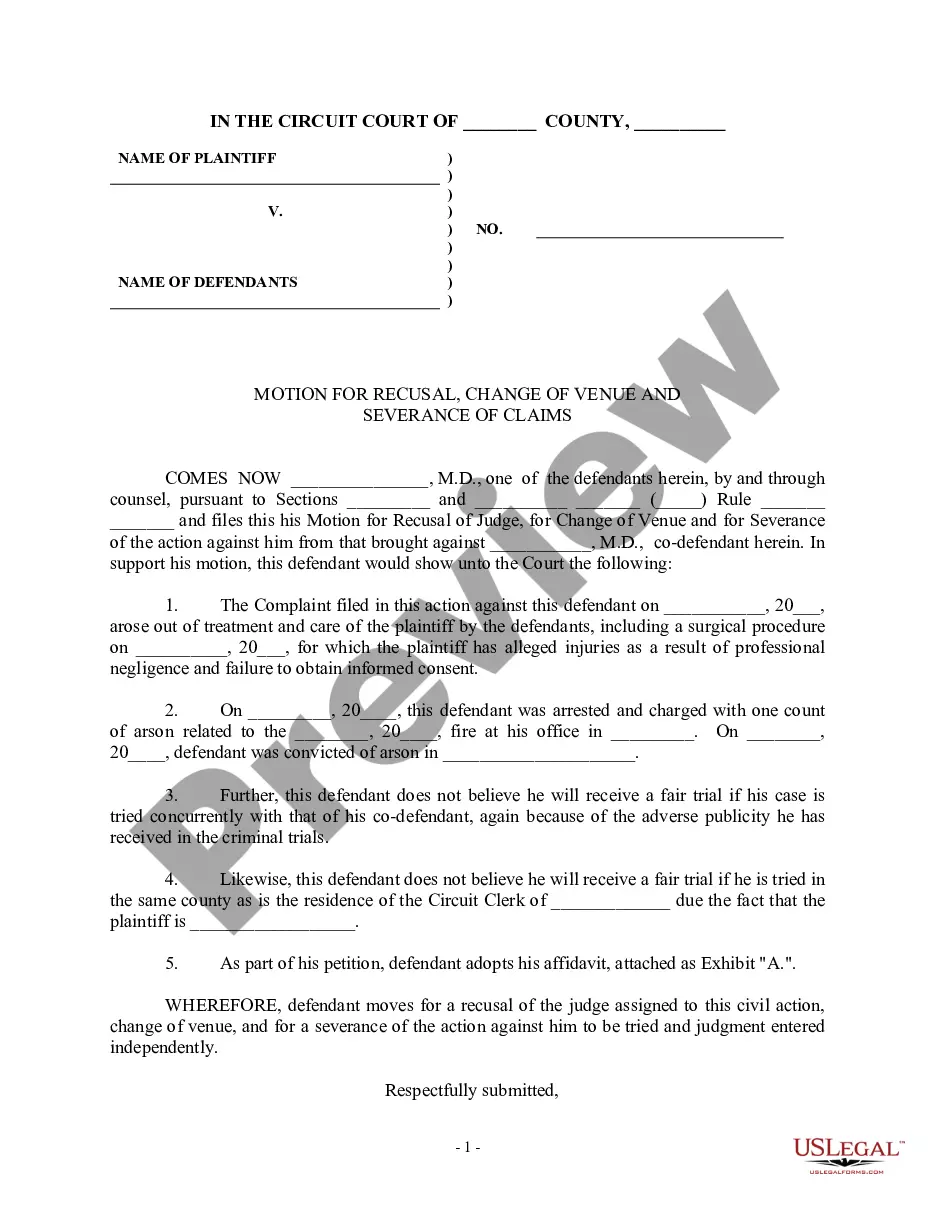
Get your form ready online
Our built-in tools help you complete, sign, share, and store your documents in one place.
Make edits, fill in missing information, and update formatting in US Legal Forms—just like you would in MS Word.
Download a copy, print it, send it by email, or mail it via USPS—whatever works best for your next step.
Sign and collect signatures with our SignNow integration. Send to multiple recipients, set reminders, and more. Go Premium to unlock E-Sign.
If this form requires notarization, complete it online through a secure video call—no need to meet a notary in person or wait for an appointment.
We protect your documents and personal data by following strict security and privacy standards.

Make edits, fill in missing information, and update formatting in US Legal Forms—just like you would in MS Word.

Download a copy, print it, send it by email, or mail it via USPS—whatever works best for your next step.

Sign and collect signatures with our SignNow integration. Send to multiple recipients, set reminders, and more. Go Premium to unlock E-Sign.

If this form requires notarization, complete it online through a secure video call—no need to meet a notary in person or wait for an appointment.

We protect your documents and personal data by following strict security and privacy standards.
Looking for another form?





How to fill out Motion For New Trial?
Legal management can be daunting, even for the most seasoned professionals.
When you seek a Motion For Trial Request Without Trial and lack the time to dedicate to finding the appropriate and current version, the processes can become taxing.
Utilize a repository of articles, manuals, and resources relevant to your situation and requirements.
Conserve time and effort searching for the documents you need, and use US Legal Forms’ sophisticated search and Preview functionality to locate the Motion For Trial Request Without Trial and download it.
Enjoy the US Legal Forms online library, supported by 25 years of expertise and trustworthiness. Revolutionize your daily document management into a simple and user-friendly experience today.
- If you hold a monthly subscription, Log In to your US Legal Forms account, search for the document, and download it.
- Check your My documents section to review the documents you've previously downloaded and manage your folders as desired.
- If this is your initial experience with US Legal Forms, create an account and gain unlimited access to all the benefits the platform offers.
- Once you have downloaded the desired document, confirm it's the correct form by previewing it and reviewing its description.
- Make sure the sample is valid in your state or county.
- Click Buy Now when you are ready.
- Select a subscription option.
- Choose the file format you need, and Download, fill out, sign, print, and submit your documents.
- Access state- or county-specific legal and business documents.
- US Legal Forms addresses any requirements you may have, from personal to commercial documents, all in one location.
- Employ advanced instruments to complete and oversee your Motion For Trial Request Without Trial.
Form popularity
FAQ
In your motion, you should present your case compellingly and respectfully. Clearly state what you seek, provide background information, and explain why your motion for trial request without trial should be granted. Avoid unnecessary details and stick to the essential points that support your argument.
Writing a motion requires clarity and organization. Start with a clear title, followed by a statement of facts, and your specific requests. If you are making a motion for trial request without trial, ensure that your arguments are logical and backed by relevant laws or precedents.
Filling out a motion for court involves several key steps. First, determine the appropriate forms needed for your case, especially if you are making a motion for trial request without trial. Next, provide detailed information and ensure your motion is formatted correctly before submitting it to the court.
To fill out a motion for trial request without trial, you need to gather information regarding your case. Begin by clearly stating your requests and the reasons behind them. Use simple language and format your motion according to your court's requirements.
When you file a motion for trial request without trial, the court reviews your request to determine its validity. The judge may schedule a hearing to understand your position better. After the hearing, the court will issue a ruling that can either grant or deny your motion.
A pretrial motion is a request made to the court before the trial officially begins. It aims to resolve issues related to evidence, legal procedures, or even case dismissal. These motions play a crucial role in shaping the trial, helping to clarify legal questions and set the stage for effective proceedings.
A ruling by the court that determines no trial is necessary is often referred to as a judgment as a matter of law. This ruling typically occurs when the evidence overwhelmingly supports one side, negating the need for a trial. Such a judgment can significantly expedite the legal process, saving time and resources for all parties involved.
The three most common post-trial motions include motions for a new trial, motions for judgment notwithstanding the verdict, and motions to alter or amend the judgment. Each of these motions serves different purposes, allowing parties to challenge the trial's outcome based on issues like procedural errors or new evidence. Understanding these motions can help effectively navigate the post-trial phase.
A motion that asserts there is no basis for a trial is known as a motion for summary judgment. This motion argues that there are no significant factual disputes requiring a trial. If granted, it results in a judgment without proceeding to trial, effectively dismissing the case in favor of one party.
To request a motion in court, you typically need to file a written document outlining your request. This document should specify the purpose of the motion, legal grounds, and any supporting evidence. Using a platform like uslegalforms can help streamline this process, ensuring you follow proper procedures and terminology.