Sublease Form Leases With Zero Down In Maryland
Description

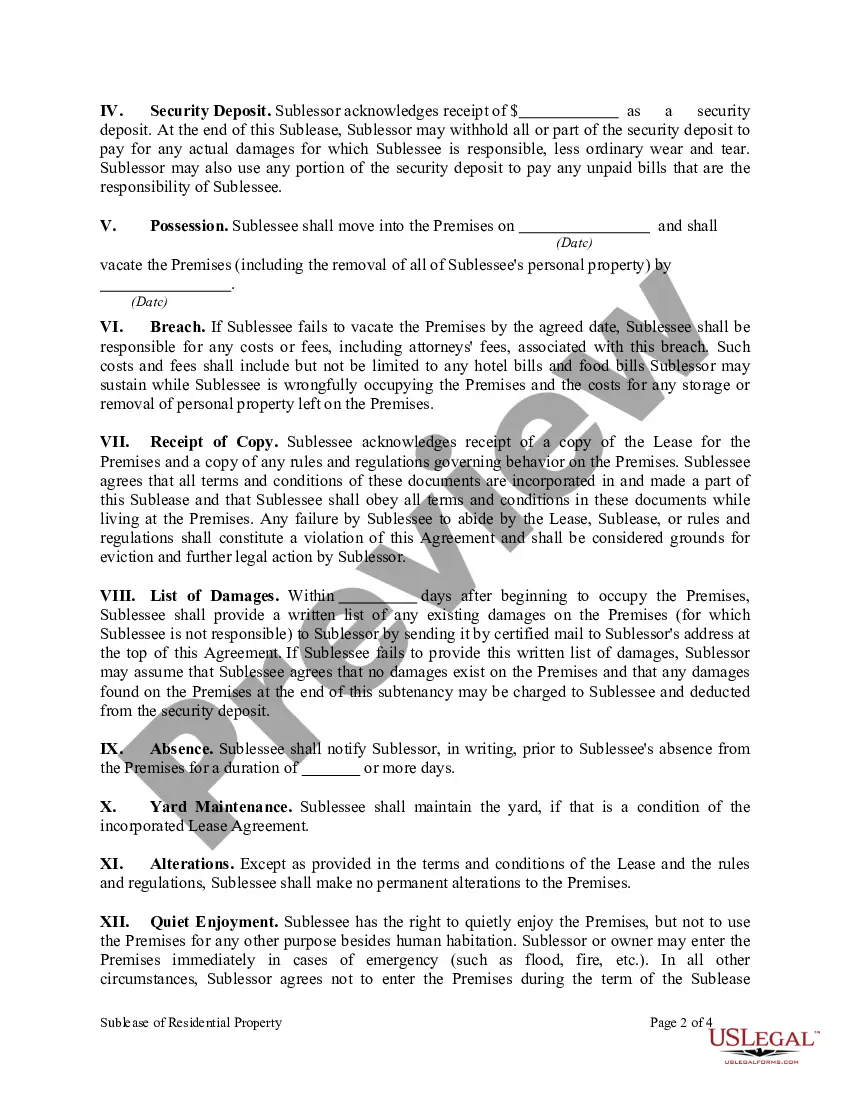
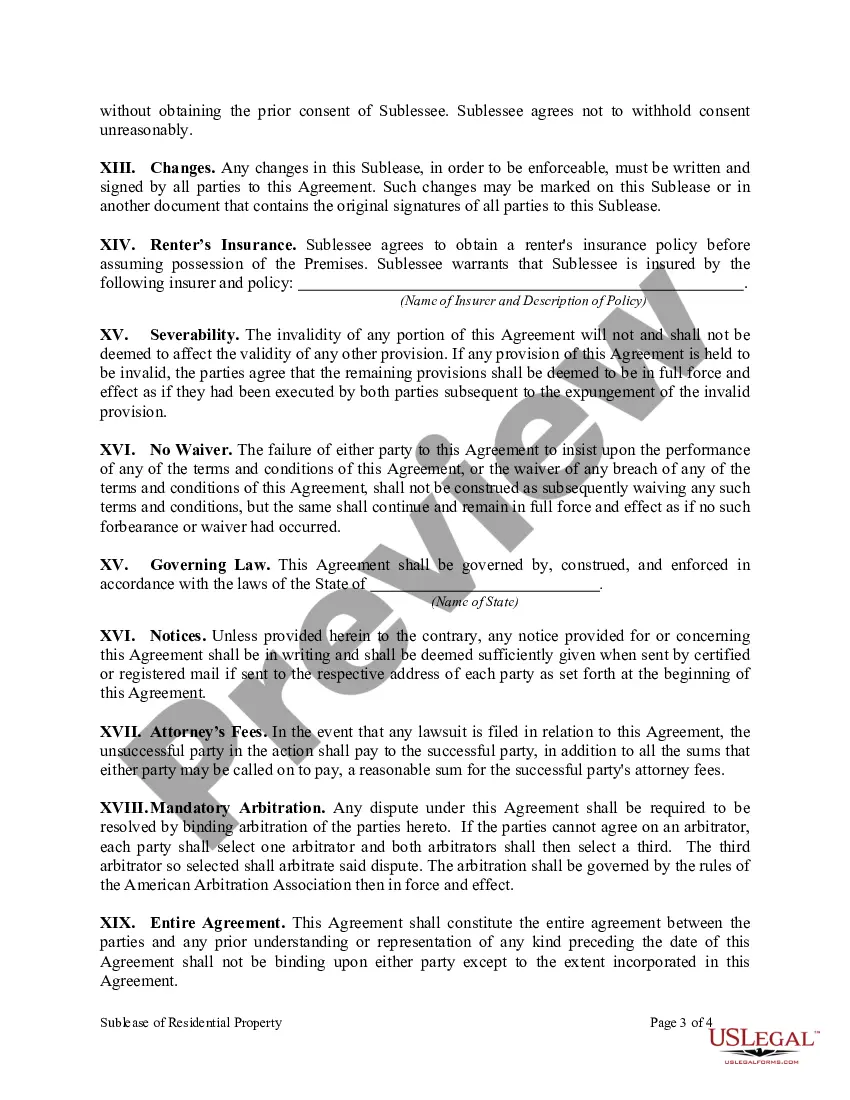
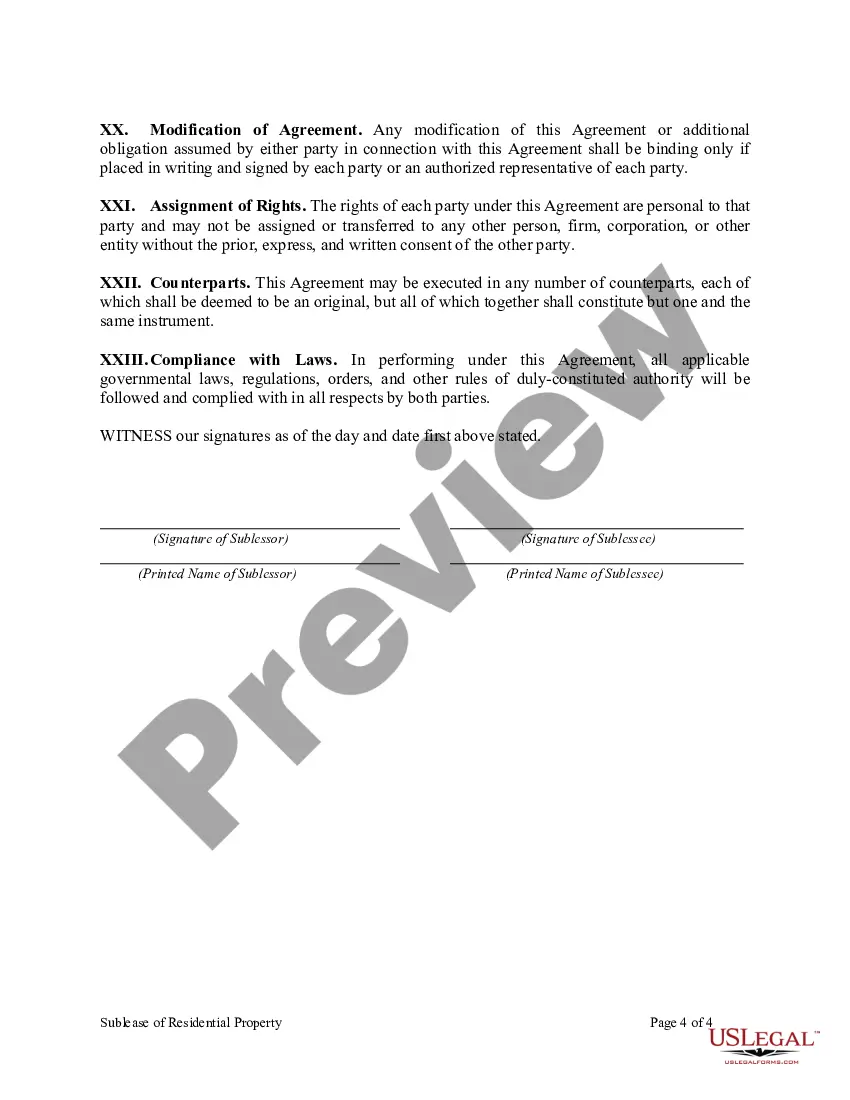

Get your form ready online
Our built-in tools help you complete, sign, share, and store your documents in one place.
Make edits, fill in missing information, and update formatting in US Legal Forms—just like you would in MS Word.
Download a copy, print it, send it by email, or mail it via USPS—whatever works best for your next step.
Sign and collect signatures with our SignNow integration. Send to multiple recipients, set reminders, and more. Go Premium to unlock E-Sign.
If this form requires notarization, complete it online through a secure video call—no need to meet a notary in person or wait for an appointment.
We protect your documents and personal data by following strict security and privacy standards.

Make edits, fill in missing information, and update formatting in US Legal Forms—just like you would in MS Word.

Download a copy, print it, send it by email, or mail it via USPS—whatever works best for your next step.

Sign and collect signatures with our SignNow integration. Send to multiple recipients, set reminders, and more. Go Premium to unlock E-Sign.

If this form requires notarization, complete it online through a secure video call—no need to meet a notary in person or wait for an appointment.

We protect your documents and personal data by following strict security and privacy standards.
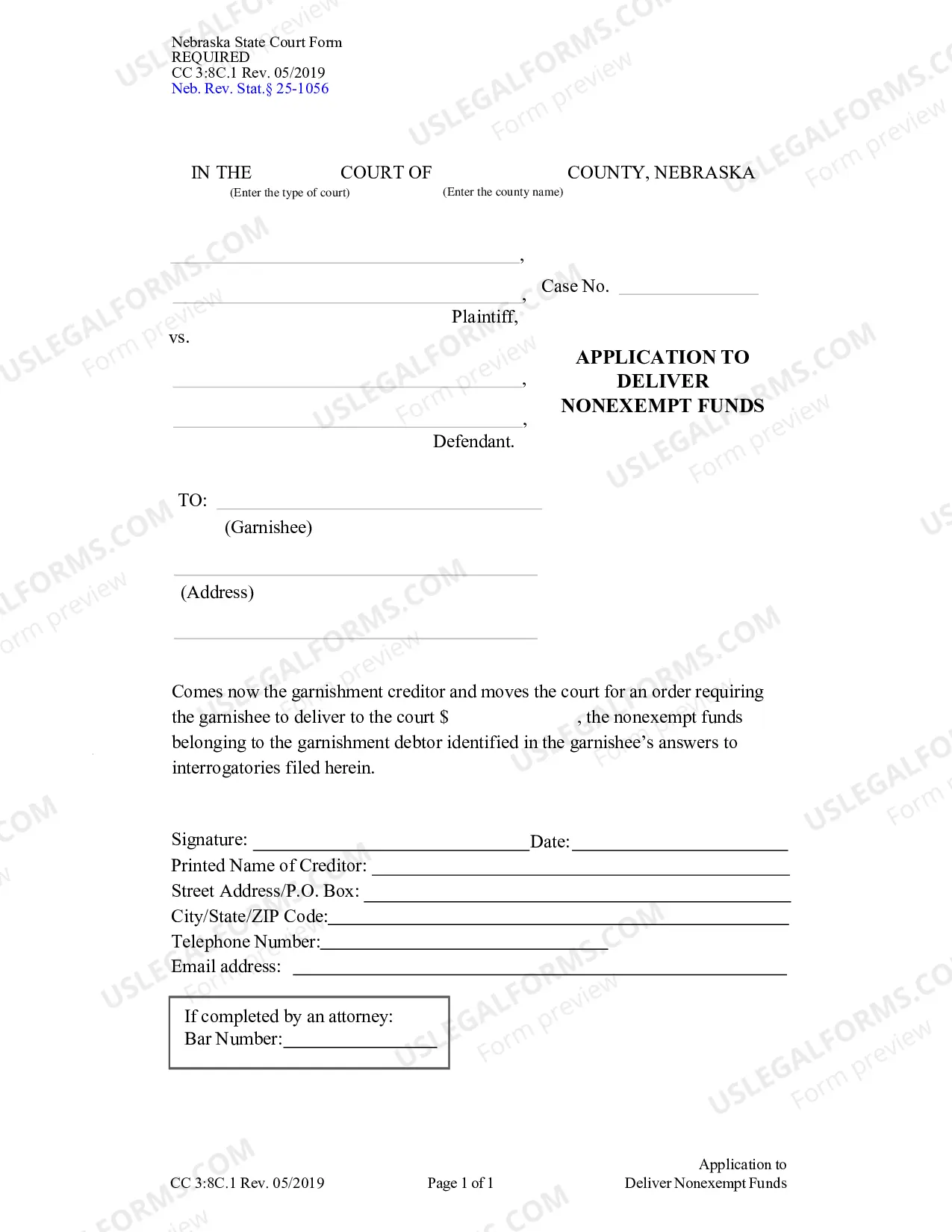
Looking for another form?





Form popularity
FAQ
If both parties want out of the agreement, that may be achieved by signing a Mutual Rescission and Release Agreement. The Mutual Rescission and Release Agreement serves to render the original contract null and void and places the parties back to their original positions before they entered into that first agreement.
No. You are not allowed to sublet an assisted unit. You must live in the unit, and it must be your only residence.
In Maryland, a tenant can sublease their rental property, but it requires written permission from the landlord. This consent may be included as part of the original lease or through a new agreement. Without proper consent, the tenant risks eviction. The subleasing process should be clearly documented to avoid disputes.
For a contract to be legally binding, the parties signing the agreement should be of legal capacity. Meaning the individual should be capable of understanding what they are agreeing to. Lack of legal capacity makes a contract null and void.
Loss of Employment, Change of Employment, Job Transfer, Death in the immediate family, Long Term Illness, Partner or Roommate Breakup, or maybe even Lack of Maintenance by the owner, No Heat or Air Conditioning, Horrible Neighbors, or any other reason imaginable. The actual reason is secondary to the situation.
What makes a contract null and void? The subject of the contract is illegal. The terms are vague or impossible to fulfill. Lack of consideration. Fraud.
Consent from the landlord A tenant must get a landlord's written permission to sub-let or transfer any part of the property. If a tenant does this without consent, they are breaching the terms of the tenancy agreement.
Subletting Can Impact Property Values Parking becomes difficult, there are higher utility costs, and the neighborhood won't be as appealing to prospective buyers.
Templates for lease agreements are widely available online; however, it is important to know how to write a lease agreement and what information must be included. Even if you decide to draft your own lease agreement, it is good practice to have it reviewed by an experienced attorney before executing.
