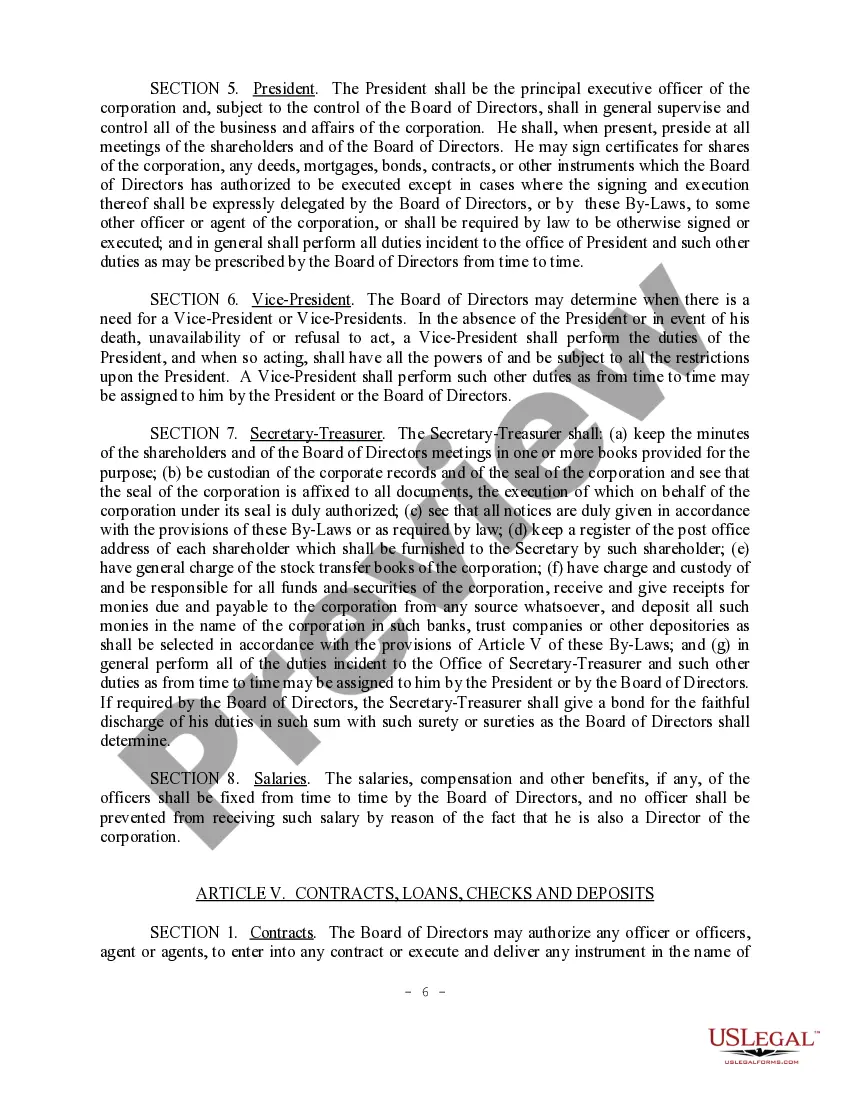
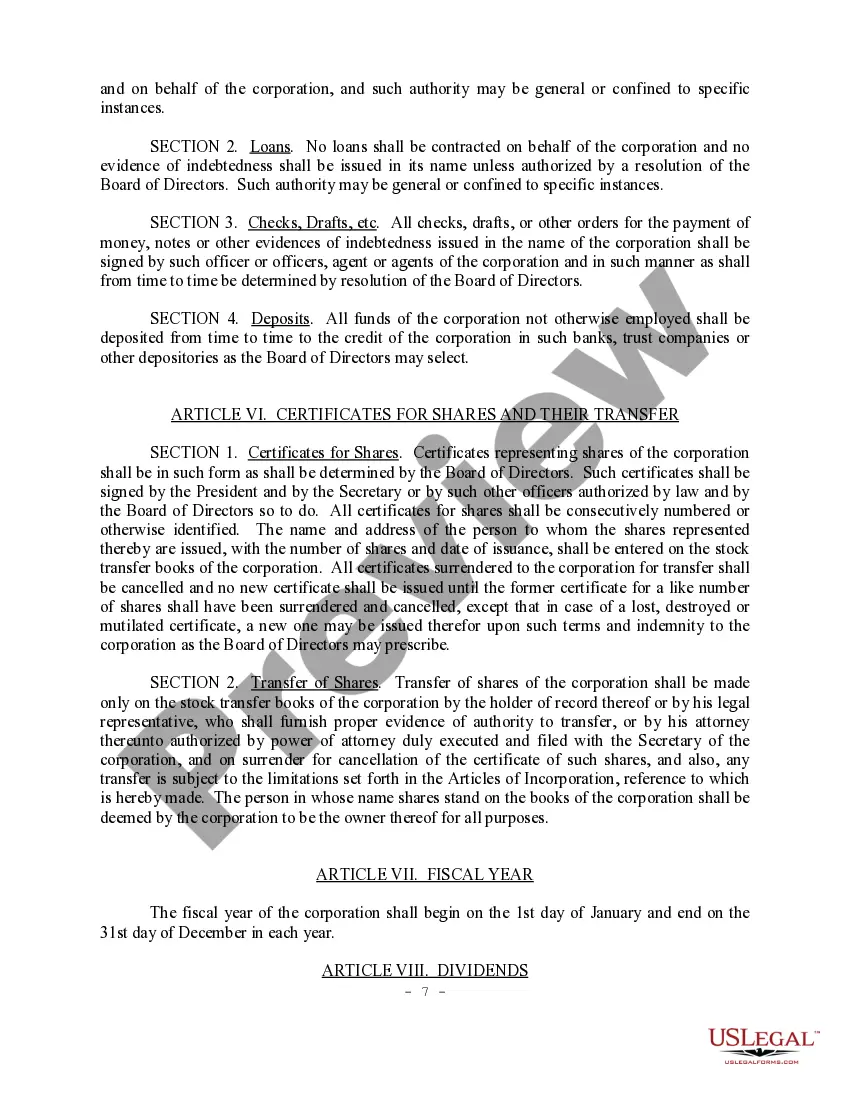
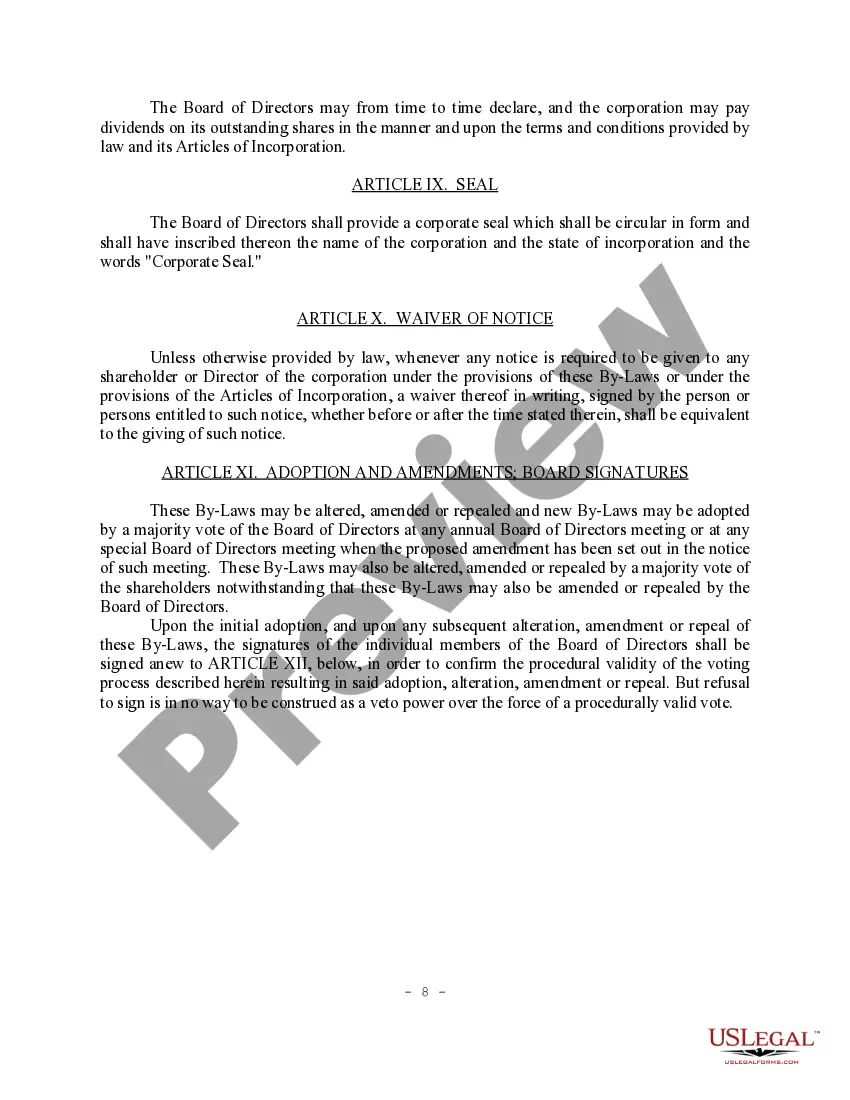
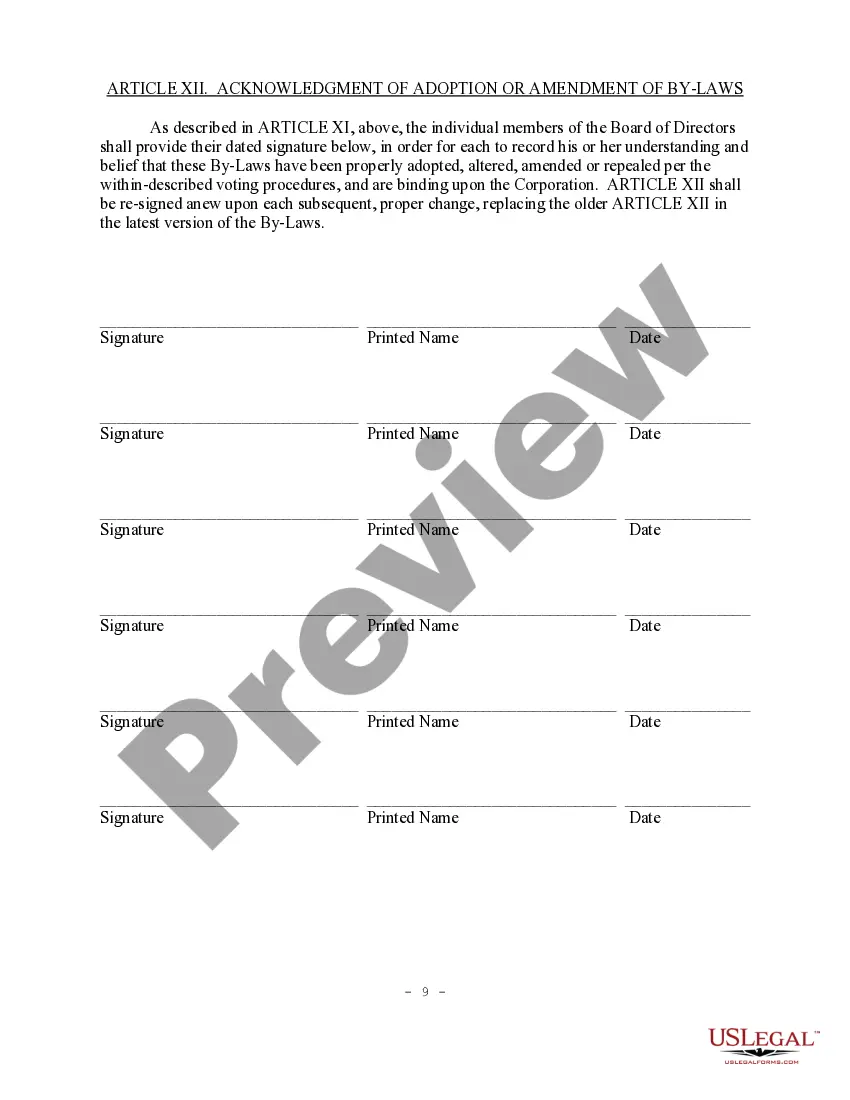
Bylaws And Regulations For Teachers In Houston
Description


Get your form ready online
Our built-in tools help you complete, sign, share, and store your documents in one place.
Make edits, fill in missing information, and update formatting in US Legal Forms—just like you would in MS Word.
Download a copy, print it, send it by email, or mail it via USPS—whatever works best for your next step.
Sign and collect signatures with our SignNow integration. Send to multiple recipients, set reminders, and more. Go Premium to unlock E-Sign.
If this form requires notarization, complete it online through a secure video call—no need to meet a notary in person or wait for an appointment.
We protect your documents and personal data by following strict security and privacy standards.

Make edits, fill in missing information, and update formatting in US Legal Forms—just like you would in MS Word.

Download a copy, print it, send it by email, or mail it via USPS—whatever works best for your next step.

Sign and collect signatures with our SignNow integration. Send to multiple recipients, set reminders, and more. Go Premium to unlock E-Sign.

If this form requires notarization, complete it online through a secure video call—no need to meet a notary in person or wait for an appointment.

We protect your documents and personal data by following strict security and privacy standards.
Looking for another form?



Form popularity
FAQ
The following crimes are directly related to the duties and responsibilities or the educator profession: Crimes involving moral turpitude; Crimes involving sexual or physical abuse of a minor or student or other illegal conduct with a minor or student;
What happens if a teacher resigns a teaching position before the end of his/her contract? Teachers are required to resign a contract no later than 45 days before the first day of instruction. A district may release a teacher voluntarily after that date, but is not compelled to do so.
Under the Texas Education Code, every classroom teacher is entitled to at least 450 minutes within each two-week period for instructional preparation, including parent-teacher conferences, evaluating students' work, and lesson planning.
The Texas educator, in maintaining the dignity of the profession, shall respect and obey the law, demonstrate personal integrity, and exemplify honesty. The Texas educator, in exemplifying ethical relations with colleagues, shall extend just and equitable treatment to all members of the profession.
(D) Standard 3.4. The educator shall not exclude a student from participation in a program, deny benefits to a student, or grant an advantage to a student on the basis of race, color, gender, disability, national origin, religion, family status, or sexual orientation.
Ethics for School Board Members I will be fair, just, and impartial in all my decisions and actions. I will others the respect I wish for myself. I will encourage expressions of different opinions and listen with an open mind to others' ideas.
Effective January 1, 2024, a new Texas law prohibits public institutions of higher education from, among other things, establishing or maintaining diversity, equity, and inclusion (DEI) offices or hiring or assigning officers, employees, or contractors to perform the duties of a DEI office.
The ethical standard of Care includes compassion, acceptance, interest and insight for developing students' potential. Members express their commitment to students' well-being and learning through positive influence, professional judgment and empathy in practice.
The Texas educator, in maintaining the dignity of the profession, shall respect and obey the law, demonstrate personal integrity, and exemplify honesty. The Texas educator, in exemplifying ethical relations with colleagues, shall extend just and equitable treatment to all members of the profession.