Deeds Of Trust In Va In Minnesota
Description

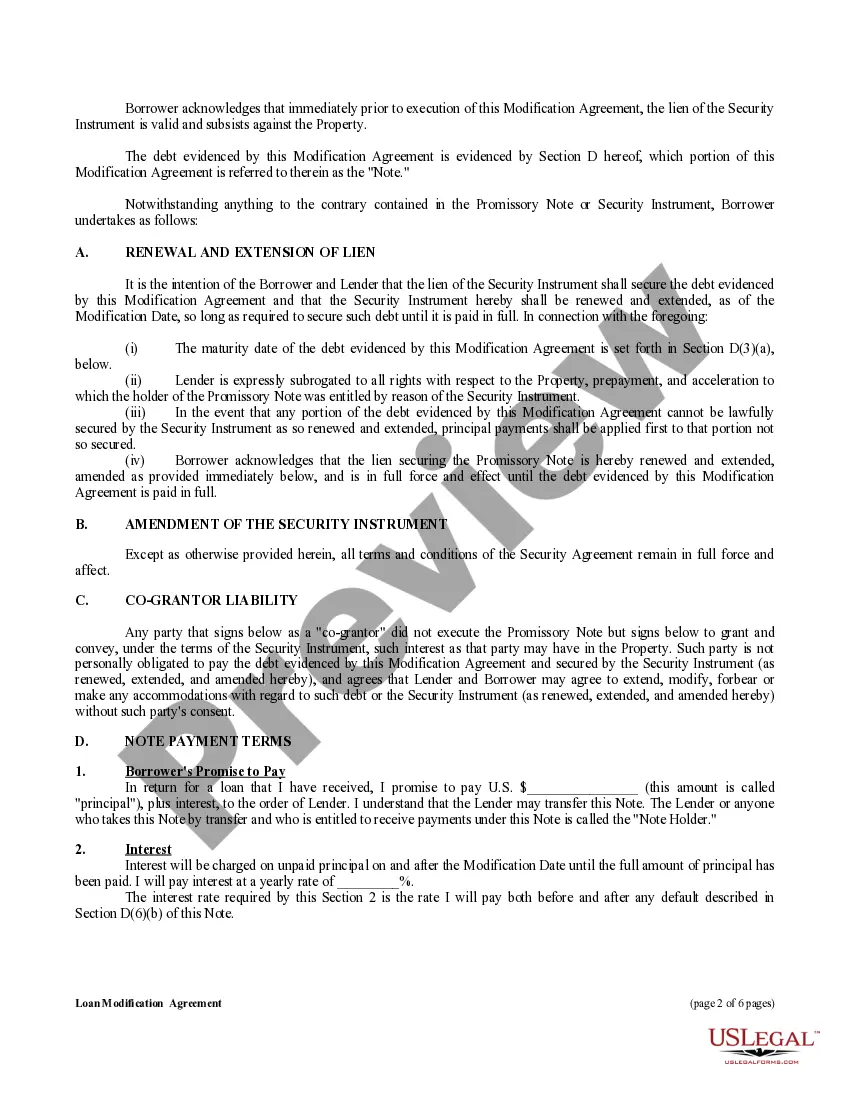
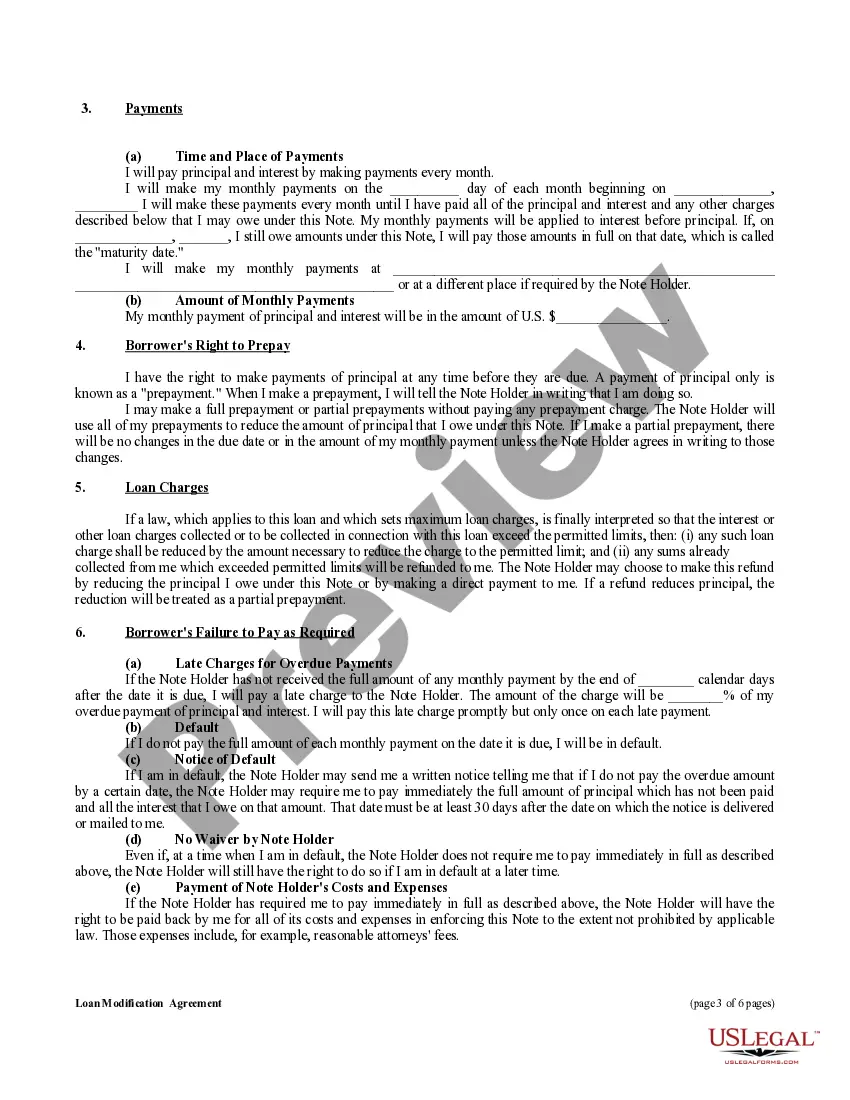
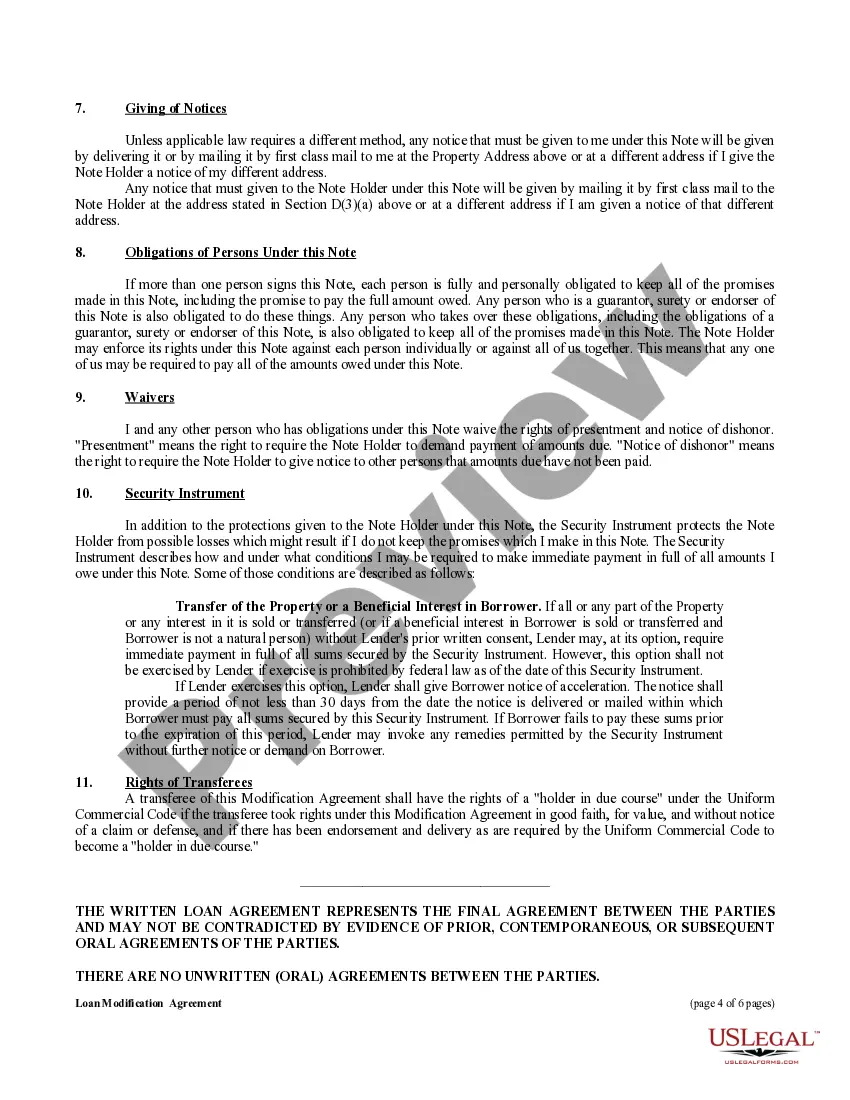
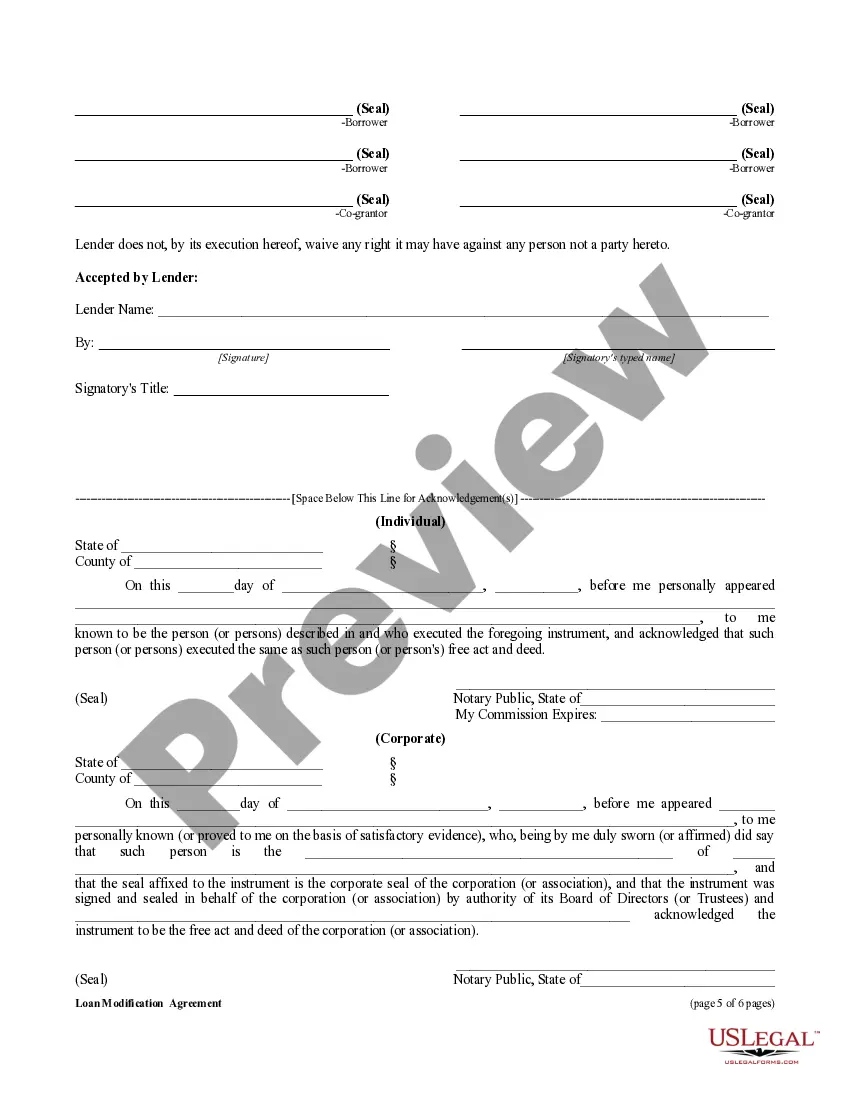

Get your form ready online
Our built-in tools help you complete, sign, share, and store your documents in one place.
Make edits, fill in missing information, and update formatting in US Legal Forms—just like you would in MS Word.
Download a copy, print it, send it by email, or mail it via USPS—whatever works best for your next step.
Sign and collect signatures with our SignNow integration. Send to multiple recipients, set reminders, and more. Go Premium to unlock E-Sign.
If this form requires notarization, complete it online through a secure video call—no need to meet a notary in person or wait for an appointment.
We protect your documents and personal data by following strict security and privacy standards.

Make edits, fill in missing information, and update formatting in US Legal Forms—just like you would in MS Word.

Download a copy, print it, send it by email, or mail it via USPS—whatever works best for your next step.

Sign and collect signatures with our SignNow integration. Send to multiple recipients, set reminders, and more. Go Premium to unlock E-Sign.

If this form requires notarization, complete it online through a secure video call—no need to meet a notary in person or wait for an appointment.

We protect your documents and personal data by following strict security and privacy standards.
Looking for another form?


Form popularity
FAQ
In Minnesota, typically the legal description of a property will denote “abstract” or “Torrens,” but if not, our office can assist with such determination and how to place documents correctly of record in any Minnesota county. 4) Mortgages: Minnesota is a mortgage state, not a deed of trust state.
Yes, you can sell a home with a Deed of Trust. However, just like a mortgage, if you're selling the home for less than you owe on it, you'll need approval from the lender.
Disadvantages of a trust deed. You may lose your business banking facility. Some banks may withdraw your business account if you enter into a trust deed. You may also find it difficult to open a business account with another bank.
Mortgage States and Deed of Trust States StateMortgage StateDeed of Trust State Texas Y Utah Y Vermont Y Virginia Y47 more rows
Trust Deed - An instrument used to create a mortgage lien by which the mortgagor conveys his or her title to a trustee, who holds it as security for the benefit of the note holder (the lender); also called a Deed of Trust.
Ideally, an SMSF trust deed should be written in a way that doesn't require regular updating. However, the deed should be reviewed at least annually to ensure it's up to date.
The deed of trust must then be recorded with the county where the property is located, and each of the parties (the trustor, trustee, and lender) should keep a copy of the recorded document.
Disadvantages of a Trust Deed For borrowers, if financial circumstances change, default on repayment can result in property foreclosure.
