Transfer Death Estate For The Dead
Description
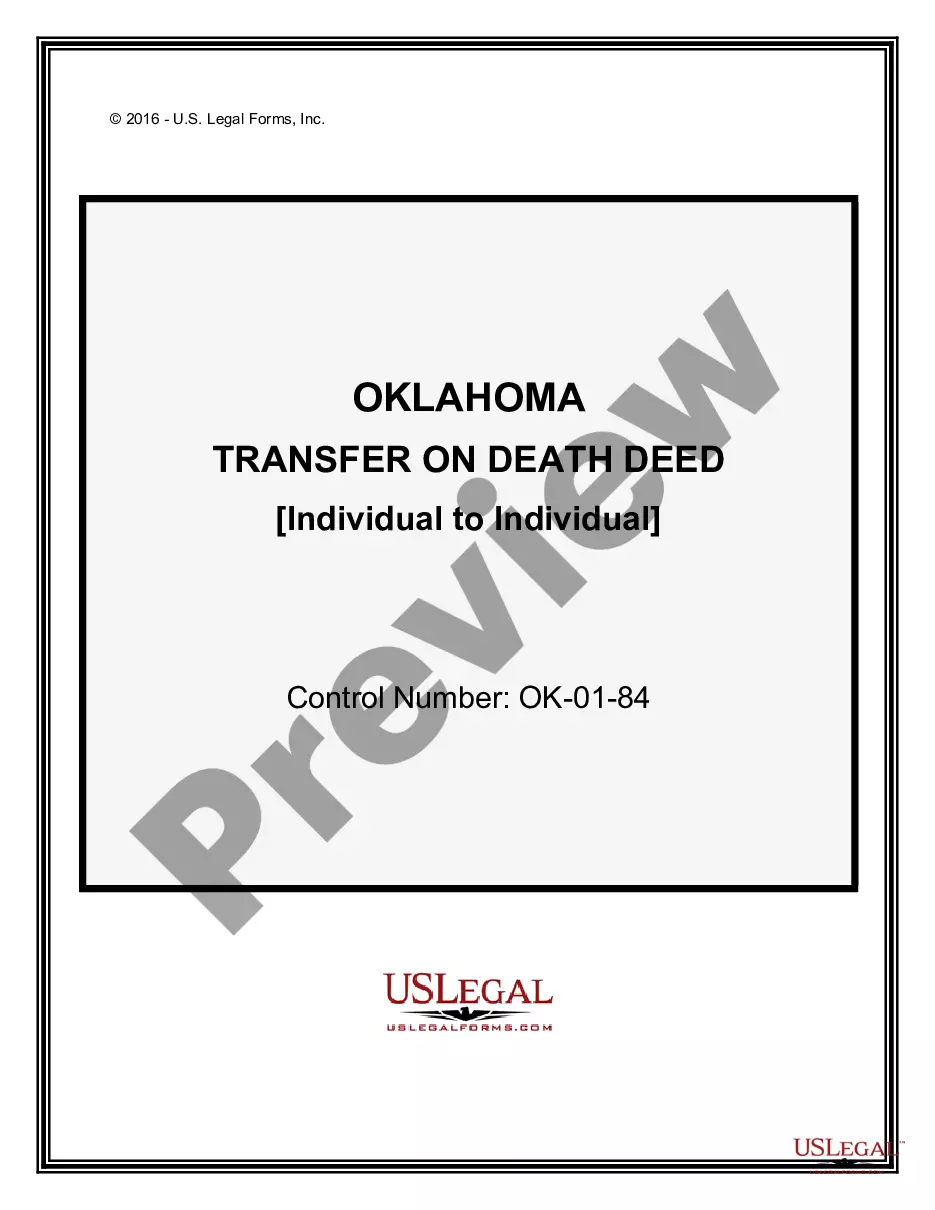
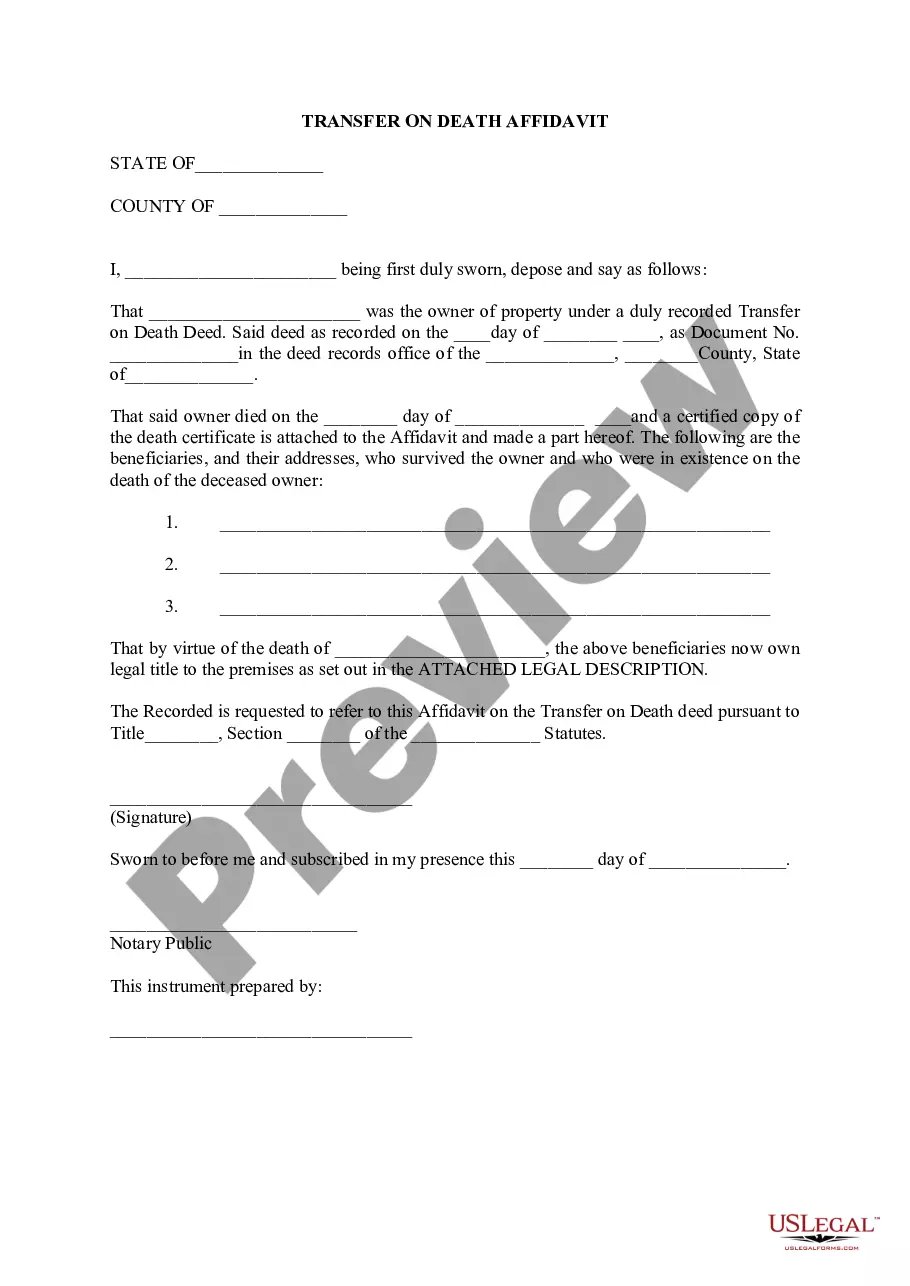
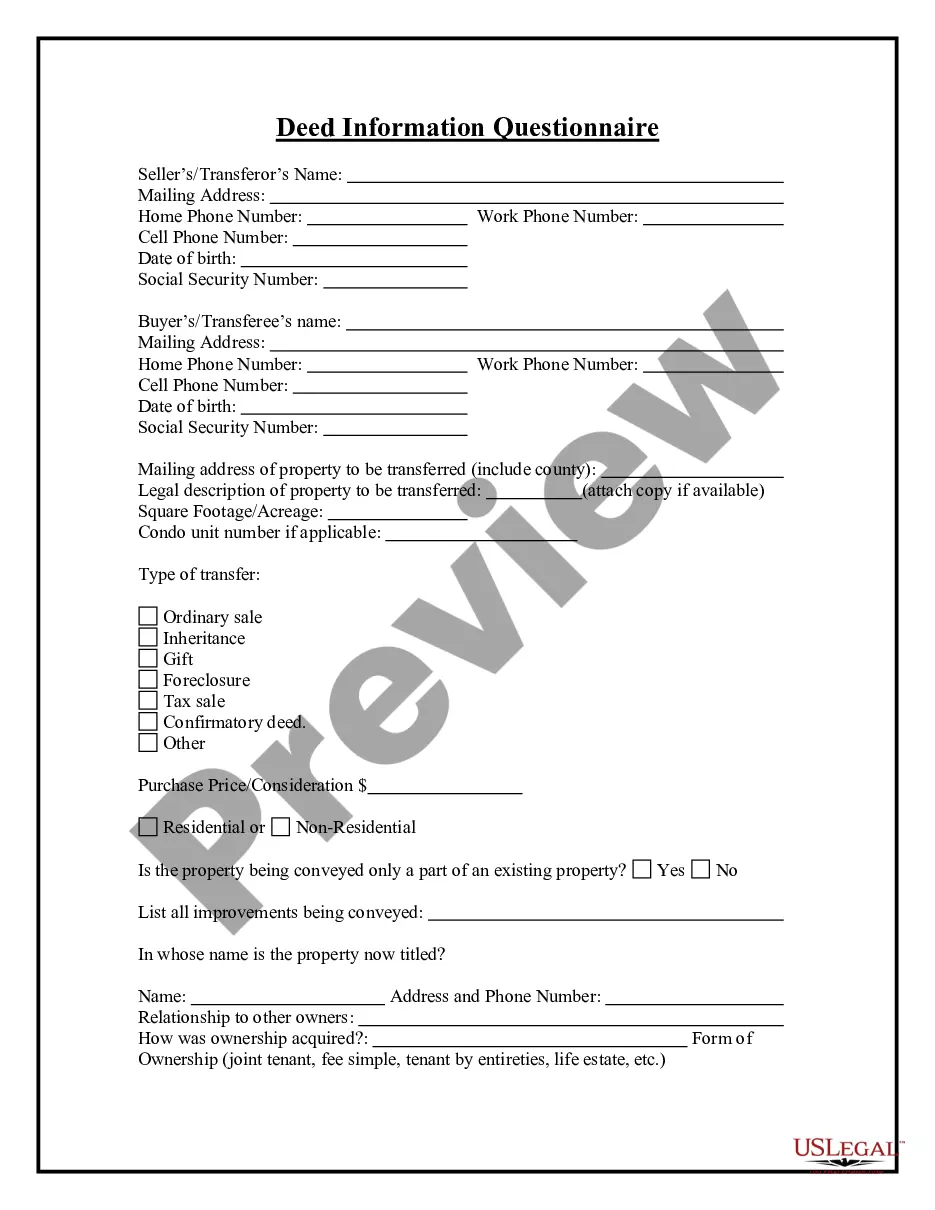
Get your form ready online
Our built-in tools help you complete, sign, share, and store your documents in one place.
Make edits, fill in missing information, and update formatting in US Legal Forms—just like you would in MS Word.
Download a copy, print it, send it by email, or mail it via USPS—whatever works best for your next step.
Sign and collect signatures with our SignNow integration. Send to multiple recipients, set reminders, and more. Go Premium to unlock E-Sign.
If this form requires notarization, complete it online through a secure video call—no need to meet a notary in person or wait for an appointment.
We protect your documents and personal data by following strict security and privacy standards.

Make edits, fill in missing information, and update formatting in US Legal Forms—just like you would in MS Word.

Download a copy, print it, send it by email, or mail it via USPS—whatever works best for your next step.

Sign and collect signatures with our SignNow integration. Send to multiple recipients, set reminders, and more. Go Premium to unlock E-Sign.

If this form requires notarization, complete it online through a secure video call—no need to meet a notary in person or wait for an appointment.

We protect your documents and personal data by following strict security and privacy standards.
Looking for another form?

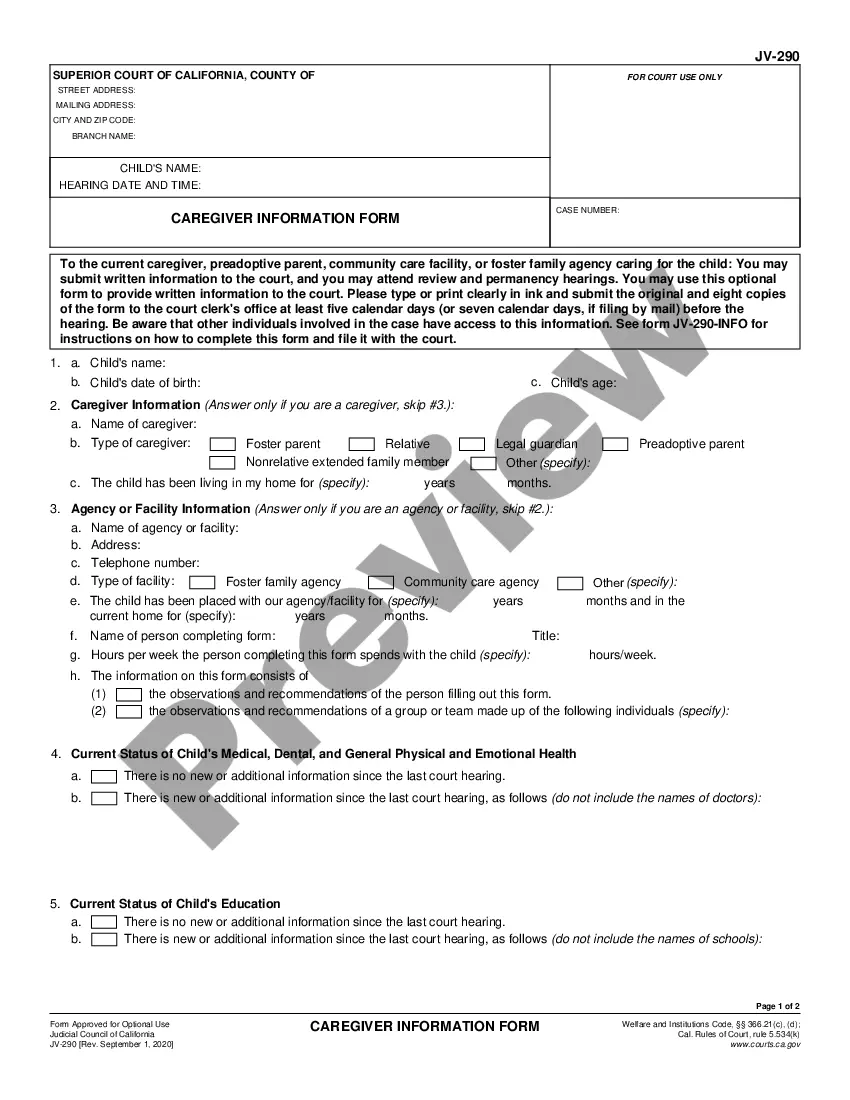


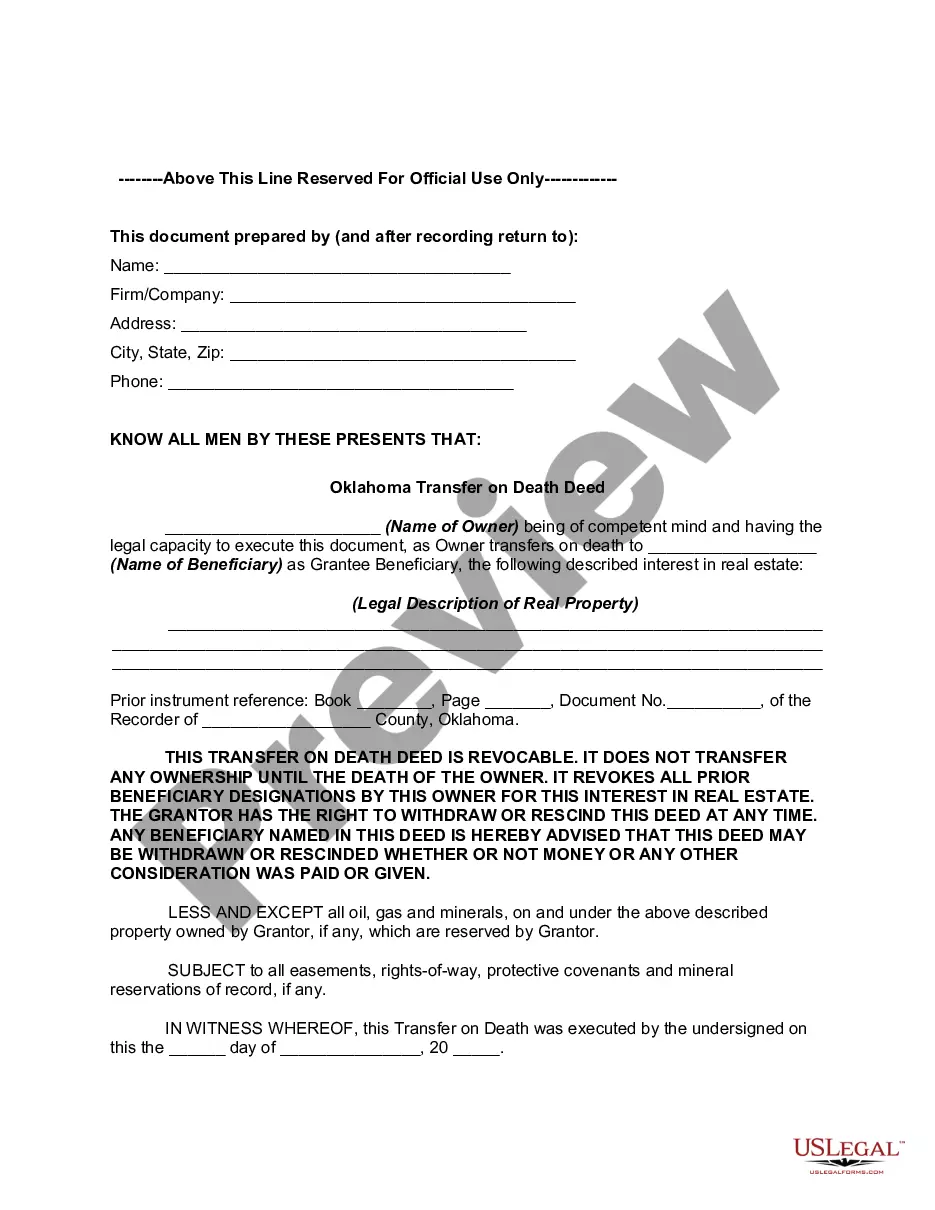
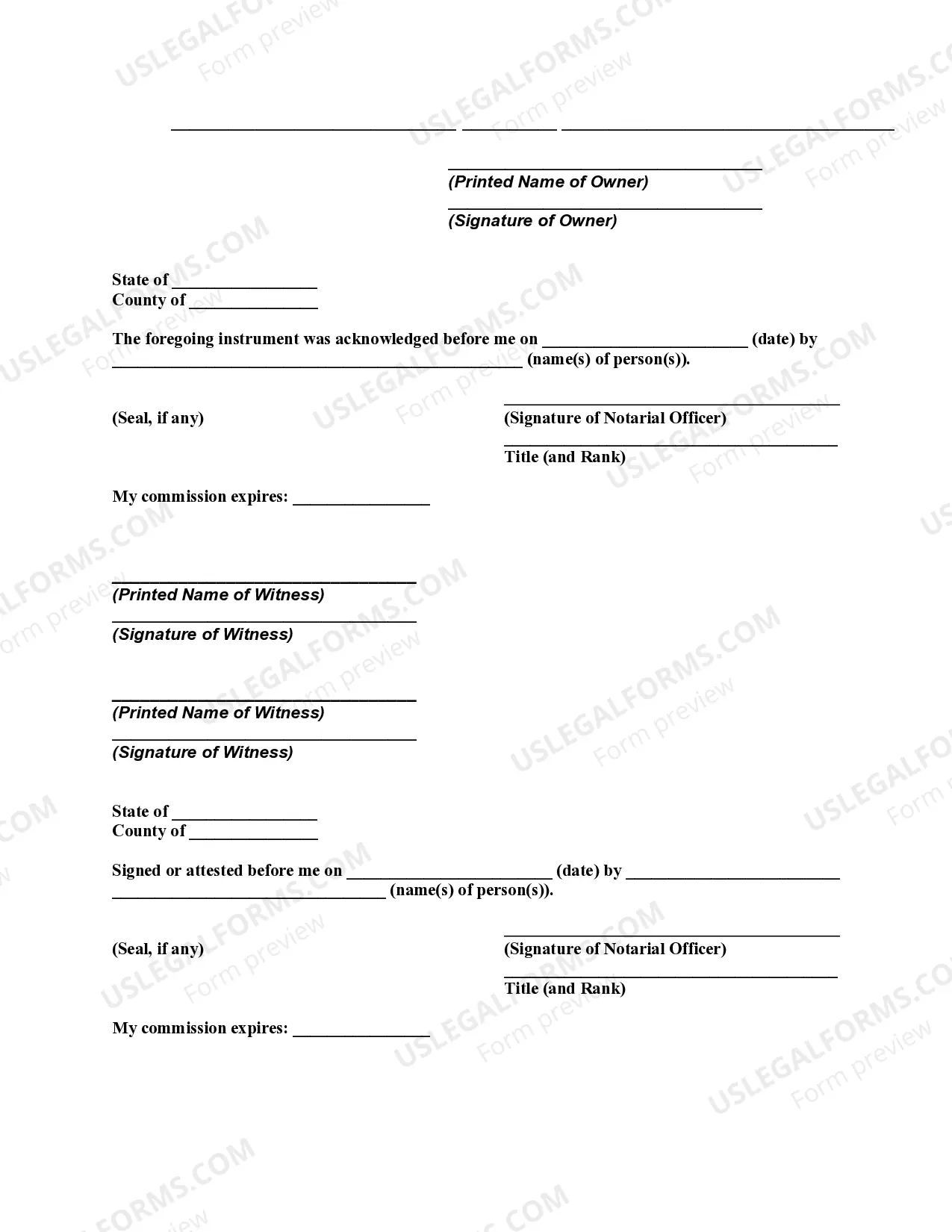
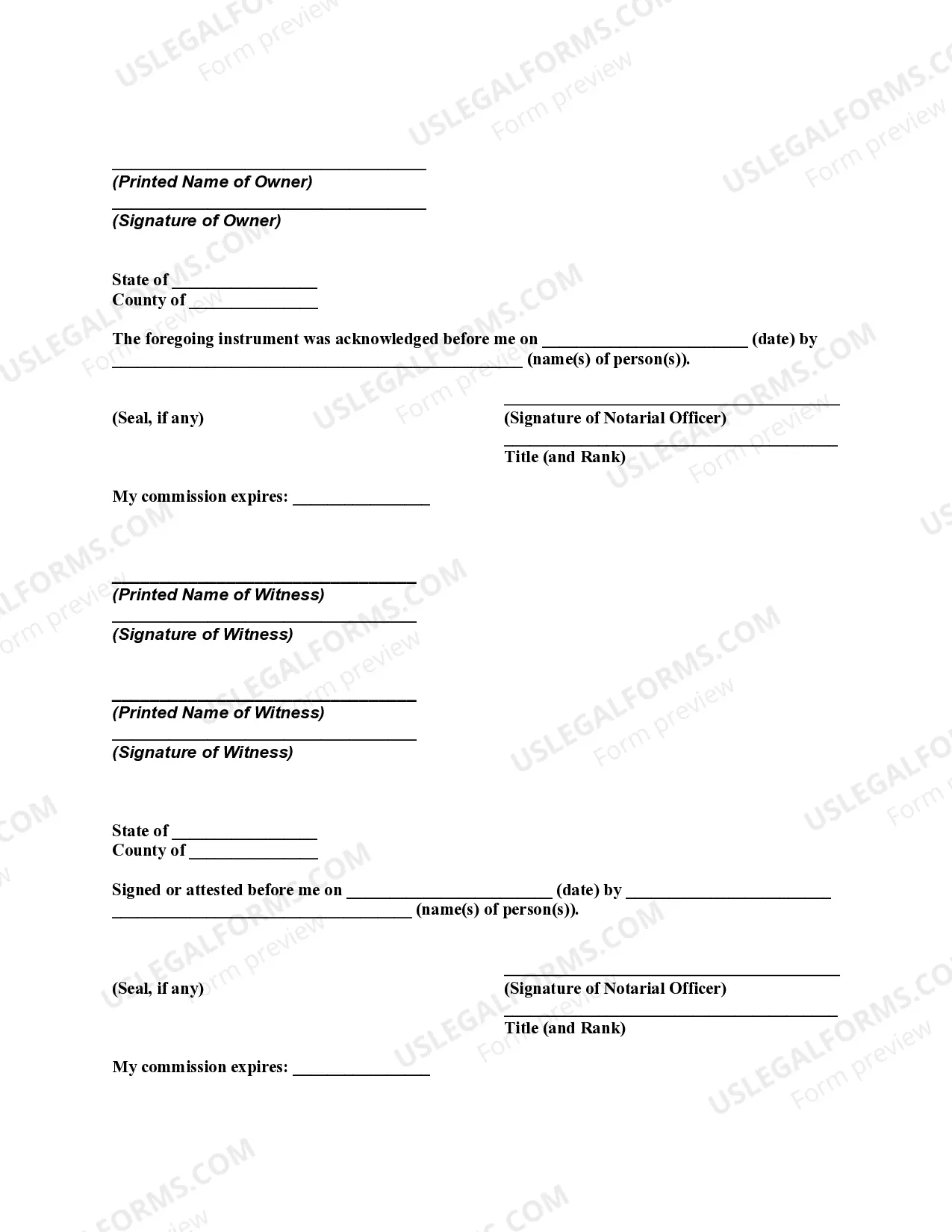
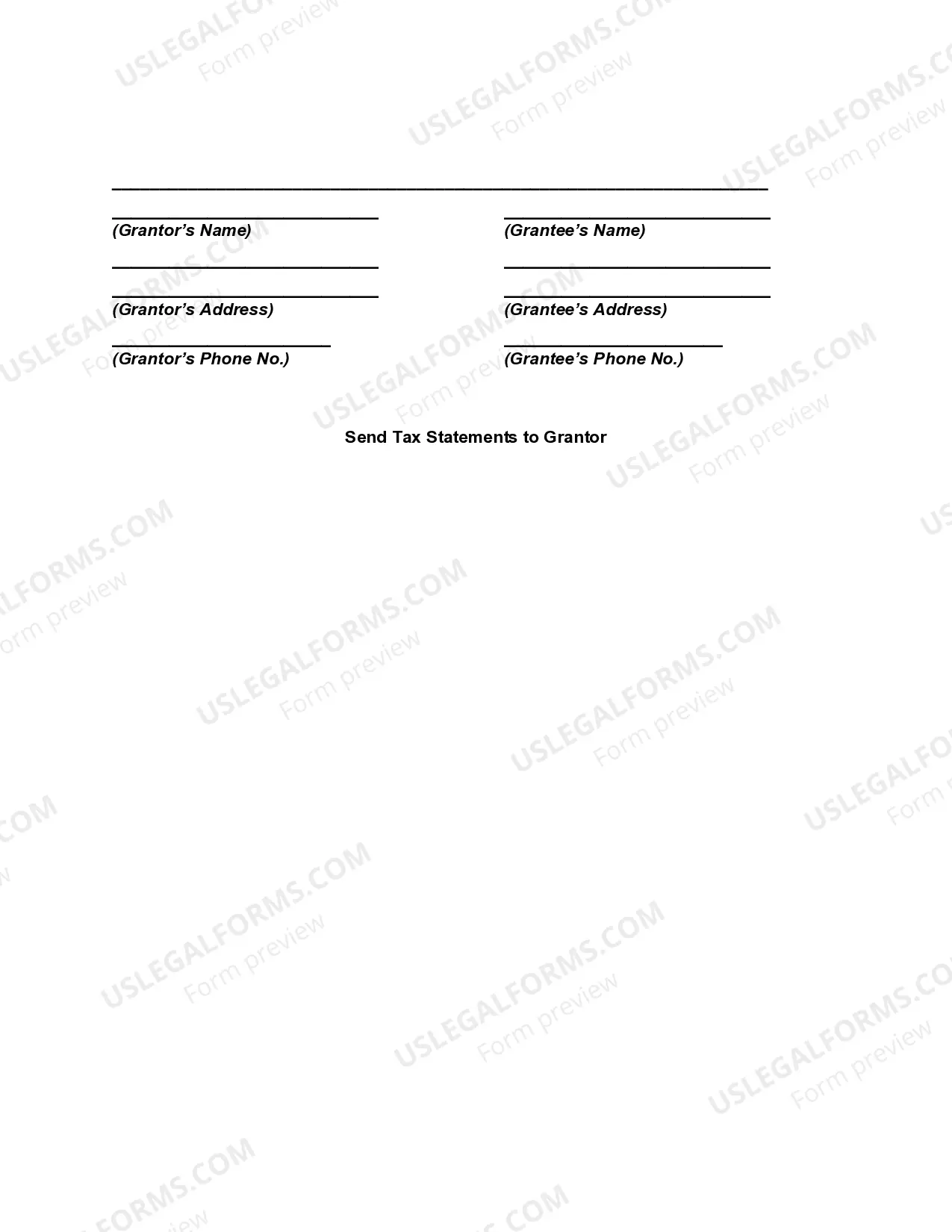
How to fill out Oklahoma Transfer On Death Deed?
- Visit the US Legal Forms website and log in to your account if you're a returning user. If it’s your first time, proceed to create an account.
- Browse through the extensive library of over 85,000 forms. Use the search bar to find the specific death estate template relevant to your needs.
- Preview the selected form to ensure it meets your requirements and complies with your local jurisdiction.
- Choose your subscription plan and click on the Buy Now button to proceed with your purchase.
- Enter your payment details via credit card or PayPal to complete your subscription.
- Download the completed form and save it to your device. You can access it anytime in the My Forms section of your profile.
Following these steps will help you efficiently obtain the necessary documentation for transferring a death estate. US Legal Forms not only provides a vast array of templates but also access to premium experts for any further assistance you may need.
Start your journey to secure and streamline your legal documentation today with US Legal Forms!
Form popularity
FAQ
While you can create a TOD deed without a lawyer, consulting with one can help you navigate specific legal requirements. A lawyer can ensure that the deed is properly prepared and meets state laws, preventing potential disputes. For assistance with transferring death estate for the dead, consider utilizing resources from uslegalforms.
Yes, TOD accounts are considered part of an estate for tax purposes. However, they do not go through probate, which can streamline the transfer to beneficiaries. Understanding how transferring death estate for the dead works can help you incorporate these accounts effectively into your estate plan.
One significant disadvantage of TOD accounts is that they do not provide protections from creditors after your death. Additionally, since they transfer assets directly to beneficiaries, they can create complications during estate settlements. It's important to consider these factors when planning your transfer death estate for the dead.
Whether a TOD is better than a trust largely depends on your specific situation and goals. A trust provides more control and privacy over asset distribution, while a TOD is simpler and generally requires less maintenance. Evaluating your needs regarding transferring death estate for the dead can help you make the right choice.
In Texas, to establish a TOD account, you need to designate a beneficiary who will receive assets upon your death. The beneficiary must be specified in a formal document that complies with state regulations. Knowing the rules around transferring death estate for the dead in Texas can help you navigate this process effectively.
While TOD accounts bypass probate, they can lead to unintended consequences if not executed properly. For instance, if you change your mind about a beneficiary, updating the TOD designation can be tricky. Understanding the complexities surrounding transfer death estate for the dead is crucial to avoid issues later.
Transfer on Death (TOD) accounts can create confusion among heirs, especially if your wishes are not clearly documented. Moreover, these accounts can lead to disputes if multiple beneficiaries claim an interest in the same assets. It's essential to communicate your plans to avoid complications when you transfer death estate for the dead.
Yes, New York State does permit Transfer on Death deeds as a means to pass property. This legal provision allows property owners to designate beneficiaries while retaining control of the property during their lifetime. By utilizing these deeds, you can effectively manage the transfer of your death estate for the dead in New York.
Yes, New Jersey allows Transfer on Death deeds, providing a straightforward way to transfer property at death without the need for probate. This option enables you to designate your beneficiaries in advance, making the process simpler. If you're considering this approach, uslegalforms can help you navigate the necessary documents to transfer death estate for the dead in New Jersey.
While a Transfer on Death deed offers many advantages, there are some downsides to consider. For instance, if the property owner incurs debt, creditors may still have a claim against the estate. Additionally, misunderstandings among beneficiaries can arise if the transfer is not clearly communicated, potentially complicating the transfer of a death estate for the dead.