Holdover Tenant Florida Forms
Description
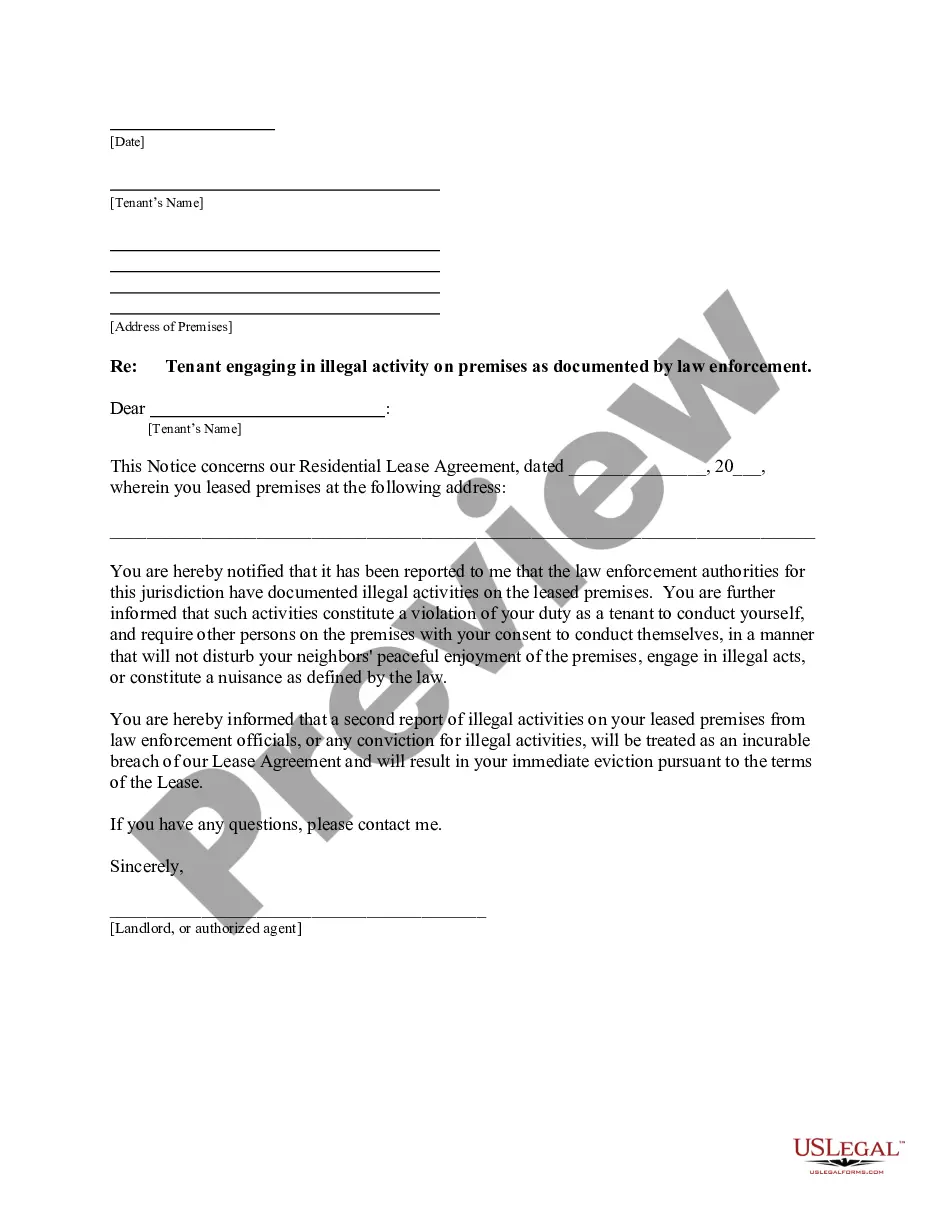

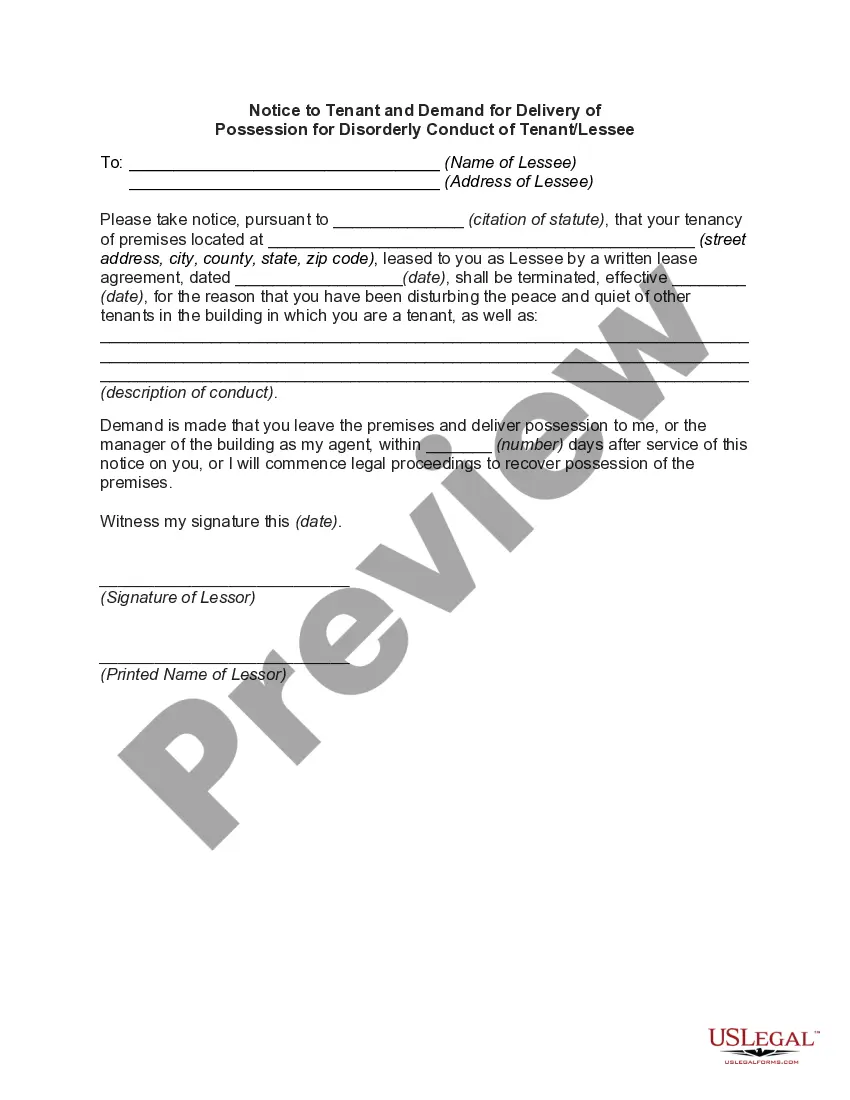
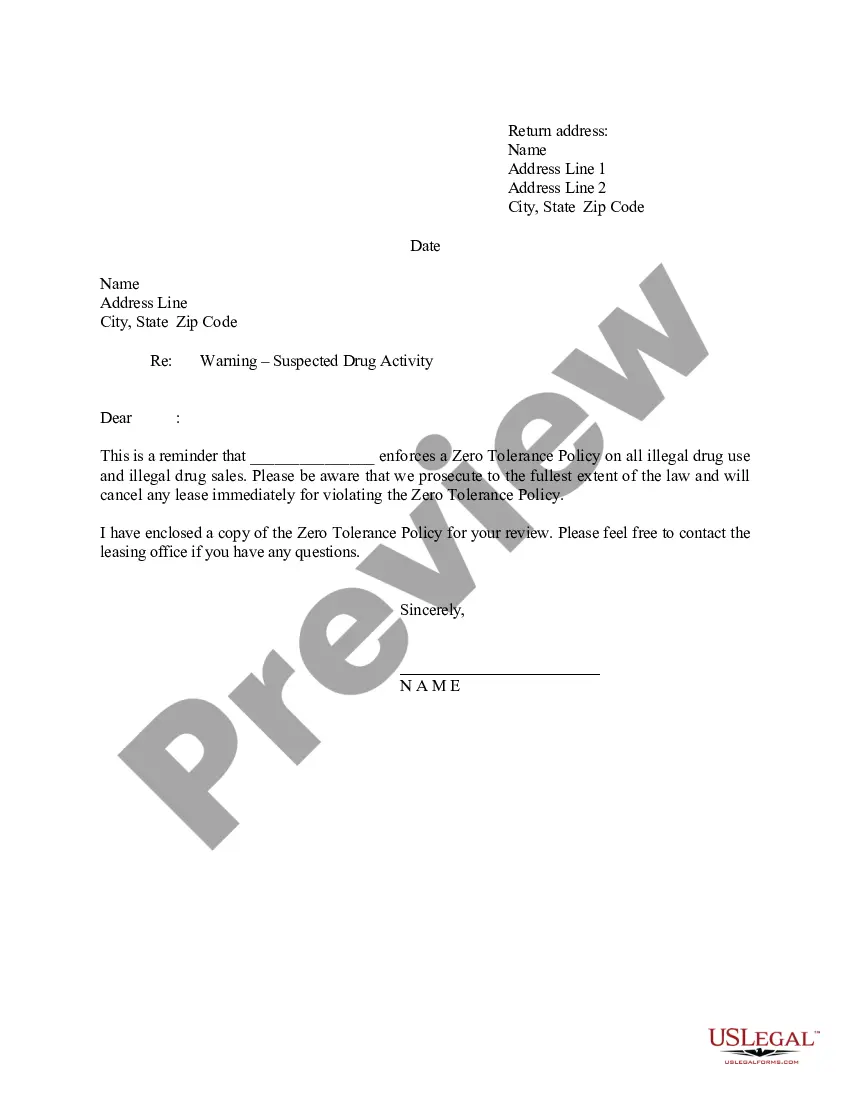
Get your form ready online
Our built-in tools help you complete, sign, share, and store your documents in one place.
Make edits, fill in missing information, and update formatting in US Legal Forms—just like you would in MS Word.
Download a copy, print it, send it by email, or mail it via USPS—whatever works best for your next step.
Sign and collect signatures with our SignNow integration. Send to multiple recipients, set reminders, and more. Go Premium to unlock E-Sign.
If this form requires notarization, complete it online through a secure video call—no need to meet a notary in person or wait for an appointment.
We protect your documents and personal data by following strict security and privacy standards.

Make edits, fill in missing information, and update formatting in US Legal Forms—just like you would in MS Word.

Download a copy, print it, send it by email, or mail it via USPS—whatever works best for your next step.

Sign and collect signatures with our SignNow integration. Send to multiple recipients, set reminders, and more. Go Premium to unlock E-Sign.

If this form requires notarization, complete it online through a secure video call—no need to meet a notary in person or wait for an appointment.

We protect your documents and personal data by following strict security and privacy standards.
Looking for another form?
Form popularity
FAQ
Statute 739.203 in Florida pertains to the requirements for the creation and execution of certain types of legal documents. Specifically, it outlines the guidelines for how contracts, including those related to real estate, must be properly drafted and executed to be enforceable. Understanding this statute is important for both landlords and tenants, especially when completing Holdover tenant Florida forms, as it ensures all agreements are valid and binding. This knowledge can ultimately prevent disputes and protect your interests.
The statute 83 holdover in Florida describes the legal process for dealing with tenants who remain in a rental unit after their lease has expired. This statute provides landlords with a clear framework to follow, ensuring that they can regain possession of their property efficiently. Utilizing Holdover tenant Florida forms can streamline this process and help both parties understand their rights and obligations. It is essential for landlords to be aware of this statute to avoid complications.
A landlord typically must give tenants at least 15 days' notice to vacate if they are on a month-to-month lease. For fixed-term leases, the notice requirements may depend on the lease terms. If a tenant does not comply, the landlord may have to start the eviction process, making knowledge of holdover tenant Florida forms essential. These forms provide the necessary legal framework to assist in reclaiming the property.
In Florida, a landlord must provide a notice period that varies based on the lease terms and rental duration. Generally, a 15-day notice is standard for month-to-month leases. Providing ample notice is critical for both parties to prepare for the change. For detailed guidance, utilizing holdover tenant Florida forms can assist in properly documenting this process.
If a tenant refuses to leave after the lease term has expired, they could be classified as a holdover tenant. In this case, landlords may need to initiate eviction proceedings, which typically involve filing the appropriate forms. It’s crucial to have the right holdover tenant Florida forms ready, as these documents are vital for navigating the eviction process smoothly. Engaging with a reliable legal resource can help ensure compliance with Florida's laws.
Once a lease expires in Florida, the tenant is expected to vacate the premises. If the tenant does not move out, they may be considered a holdover tenant. This situation can lead to legal actions, especially if landlords intend to reclaim their property. Understanding the specific holdover tenant Florida forms is essential for landlords in handling such scenarios legally.
A motion for clerk's default in Florida involves a formal request to the court for a default judgment against a tenant who has not responded to a complaint. This process uses Florida Bar Forms 76 or 77, which help landlords initiate the procedure effectively. By completing these forms, you can move forward in tackling issues with holdover tenants in Florida. Utilizing the right holdover tenant Florida forms can significantly streamline this legal step.
Defenses to a holdover tenant claim may include proving the tenant was not properly notified about the end of their lease or that they were not given a reasonable time to vacate. Other defenses may relate to claims of improper maintenance on the property or disputes regarding the notice itself. Understanding these defenses can be complex, so using Holdover tenant Florida forms can simplify your approach and clarify your rights.
Getting rid of a holdover tenant in Florida involves several steps. First, provide a formal notice that specifies the deadline for the tenant to vacate. If the tenant does not leave, you may proceed to file an eviction in court. Utilizing Holdover tenant Florida forms can help you navigate this process efficiently, ensuring legality every step of the way.
To remove a holdover tenant in Florida, start with a written notice to vacate. This notice should inform the tenant about their lease expiration and request that they leave the property. If they fail to comply, you may need to file an eviction lawsuit. Using Holdover tenant Florida forms can streamline this process and ensure all legal requirements are met.