Personal Residence Trust
About this form
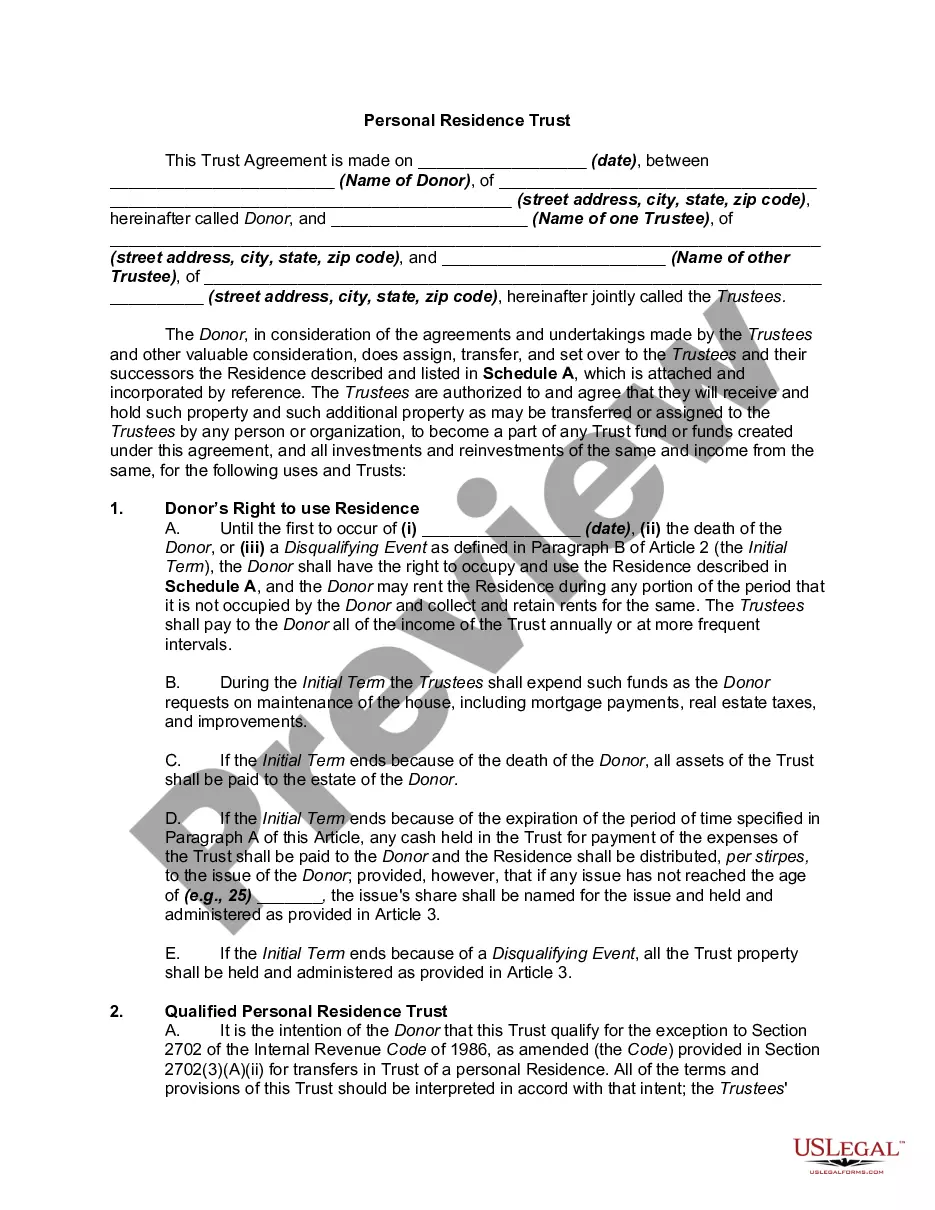
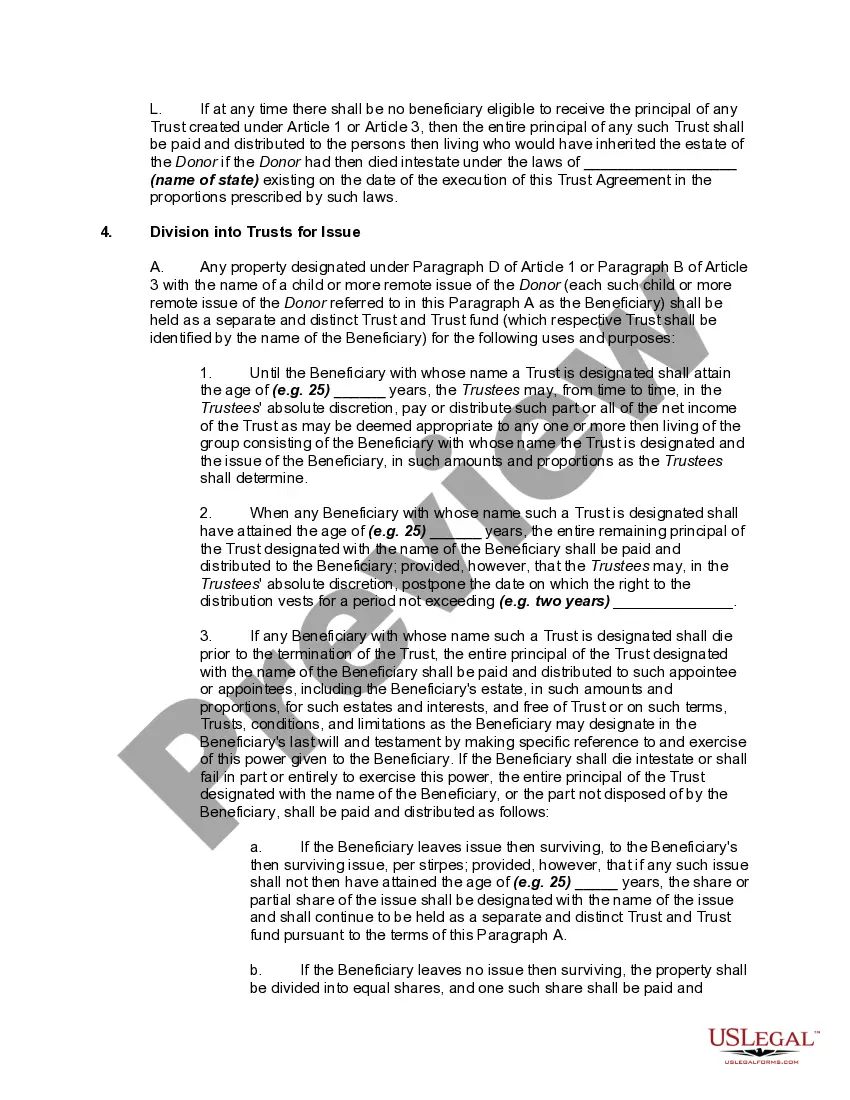
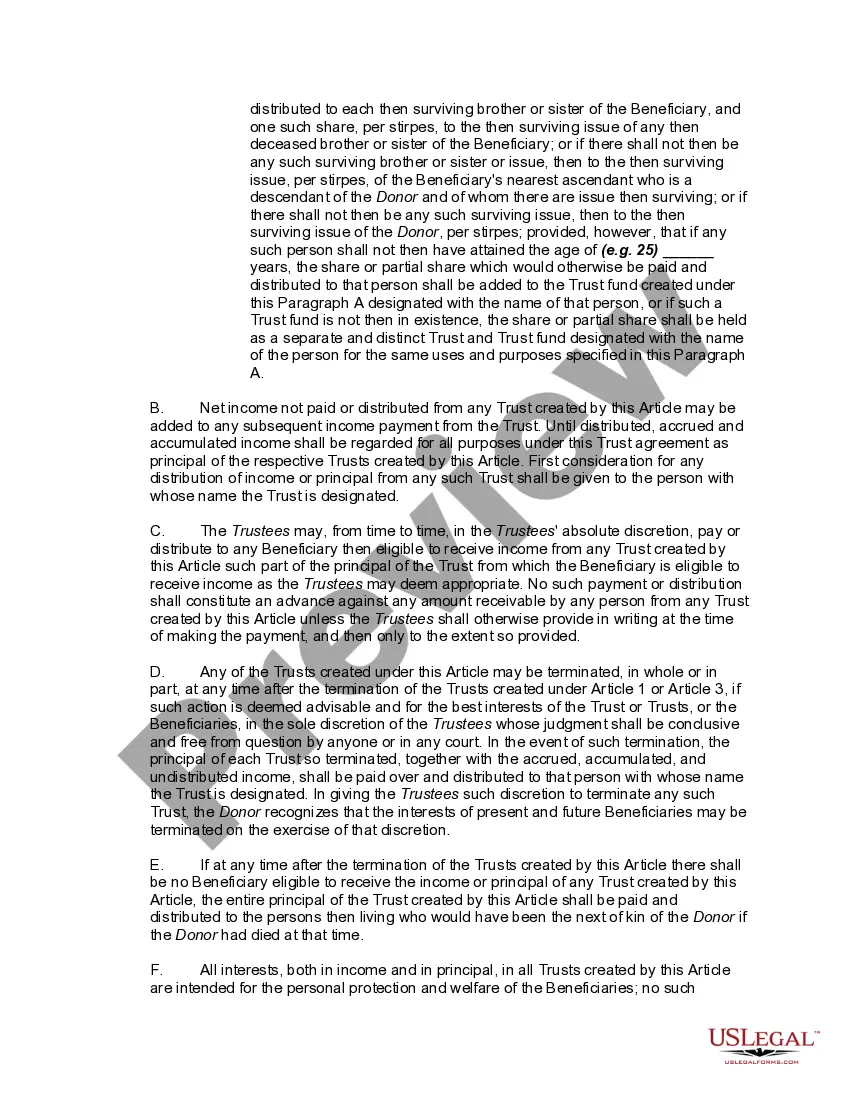
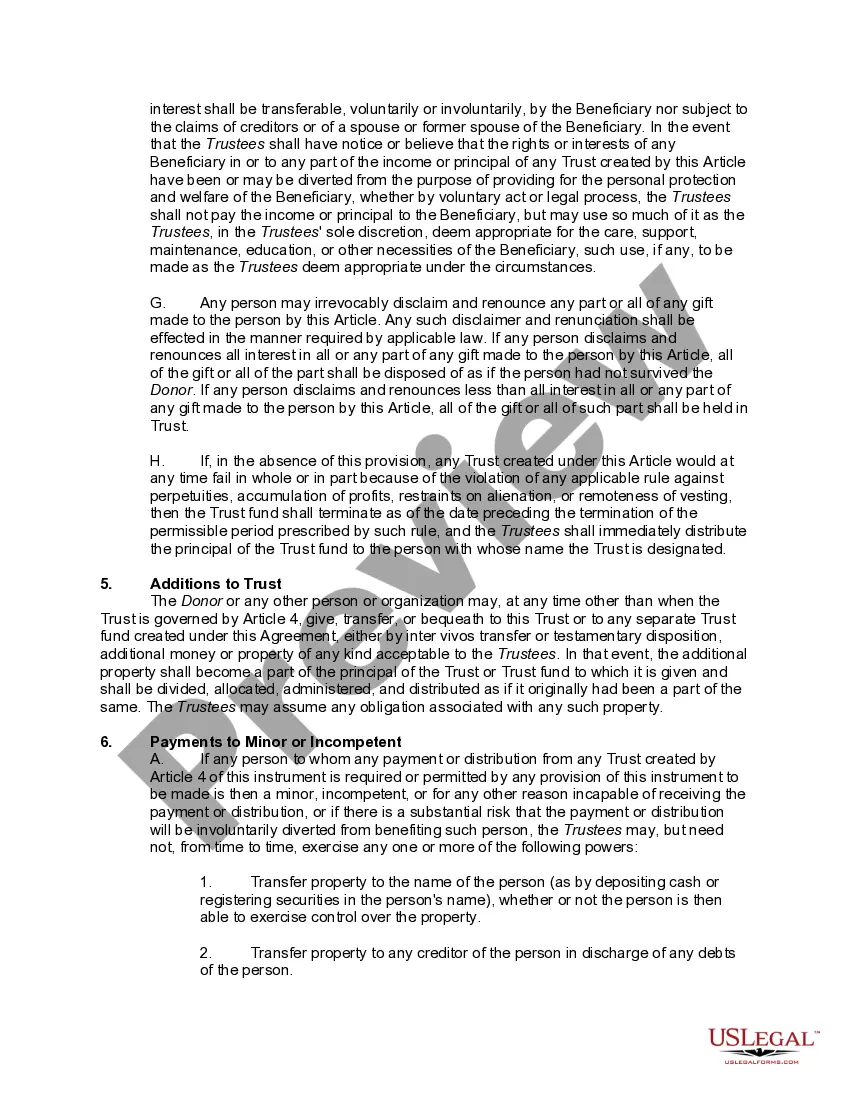
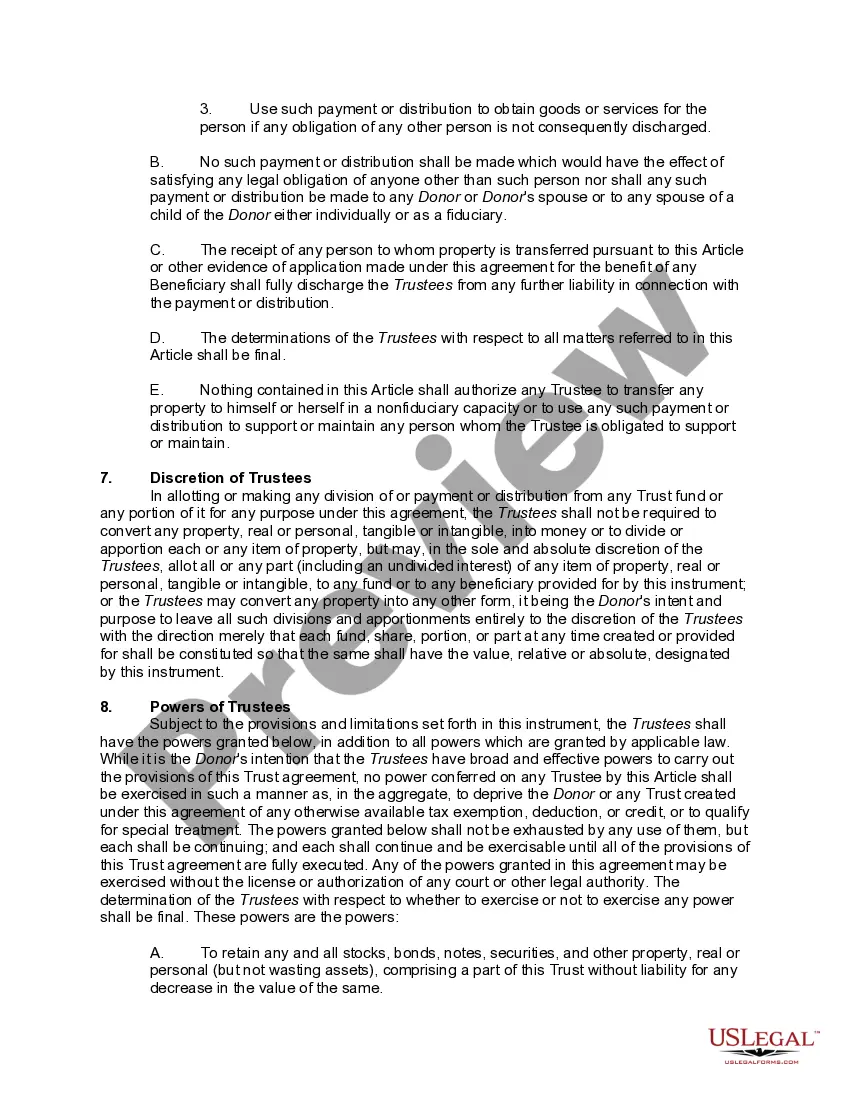
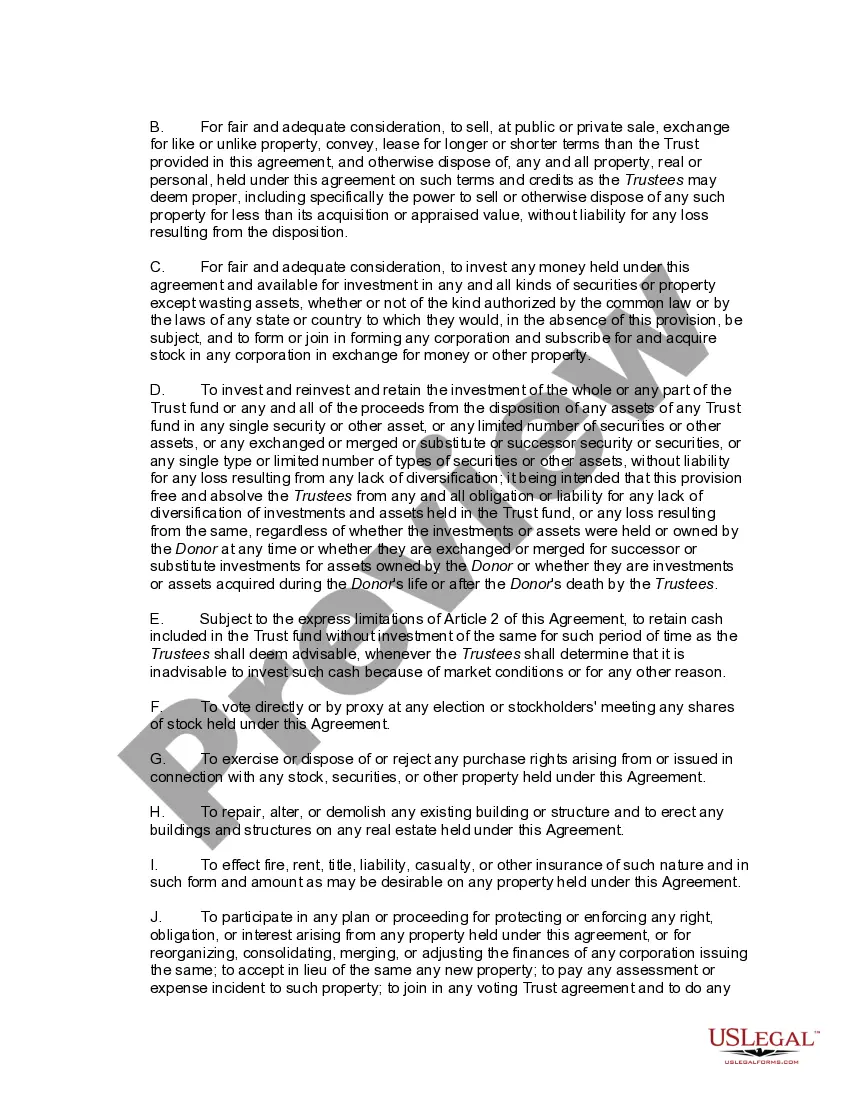
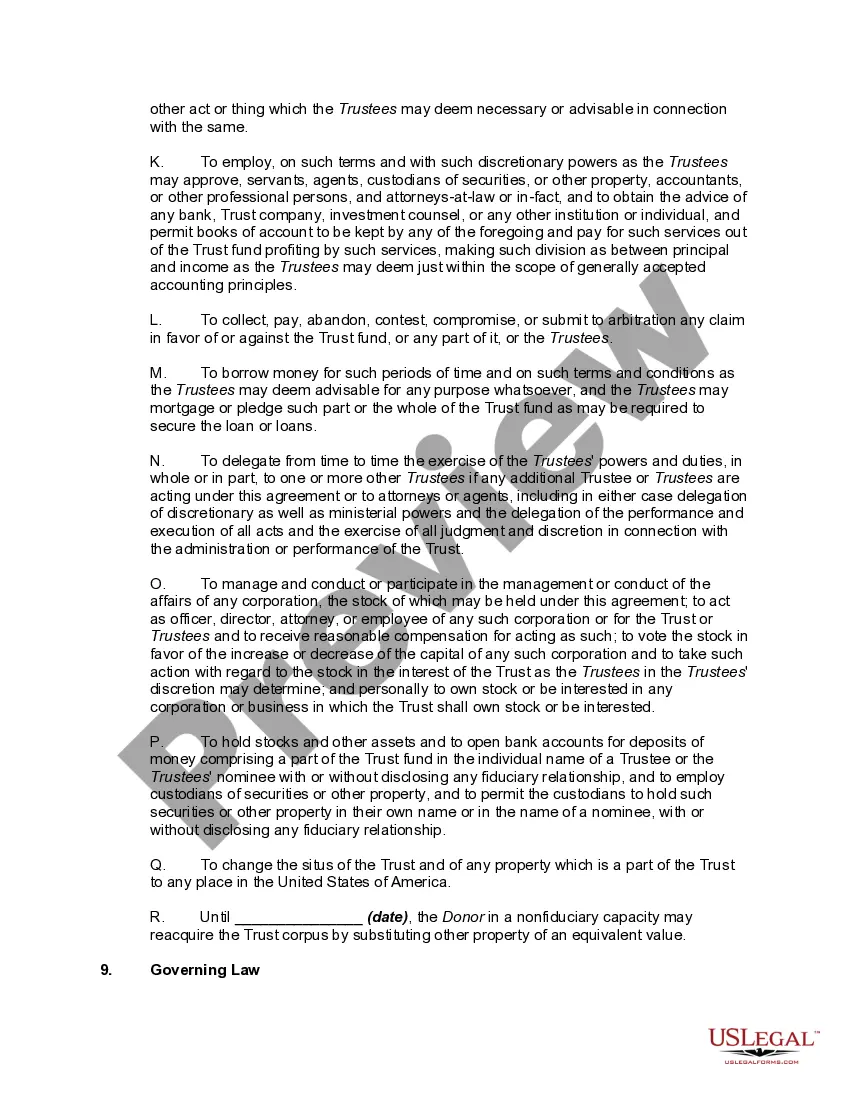
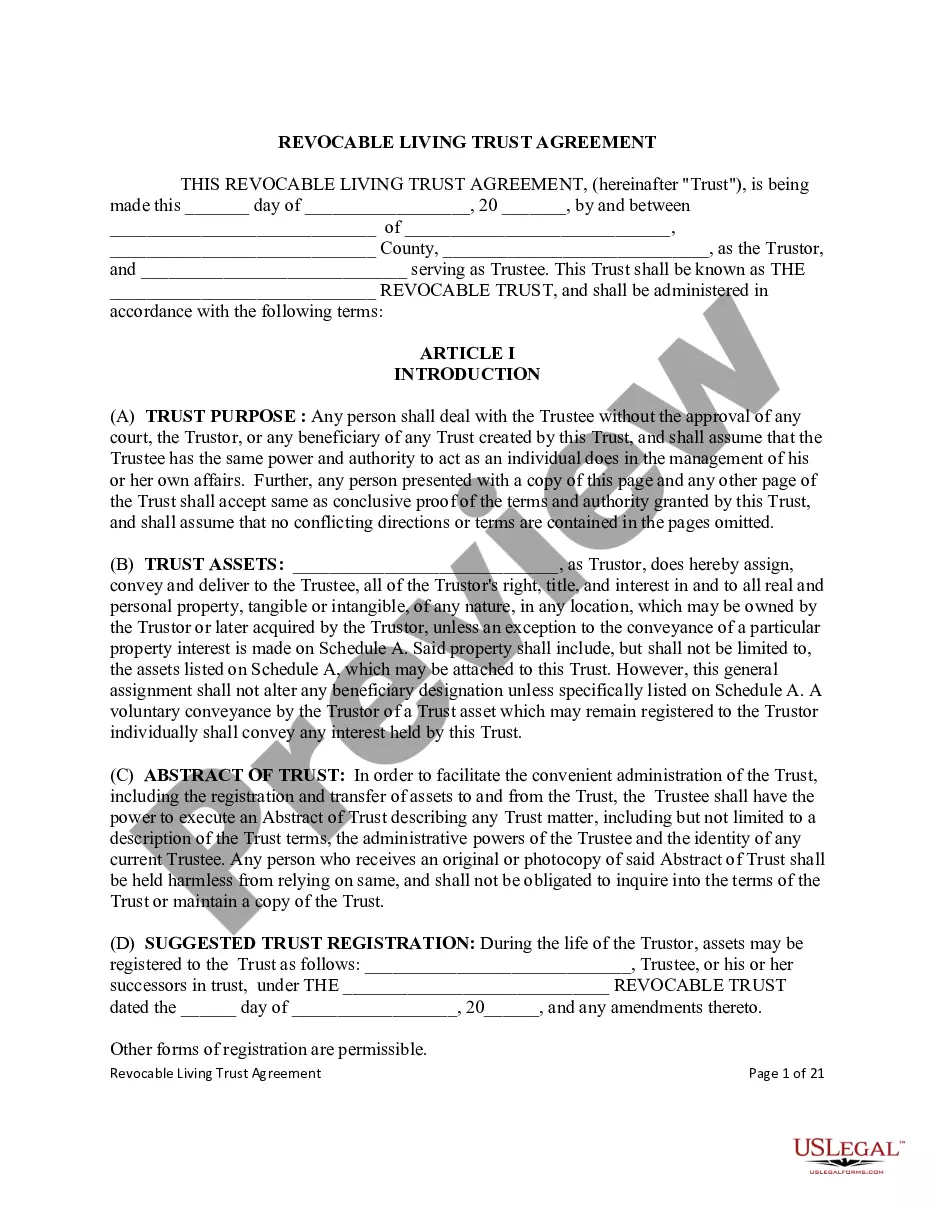
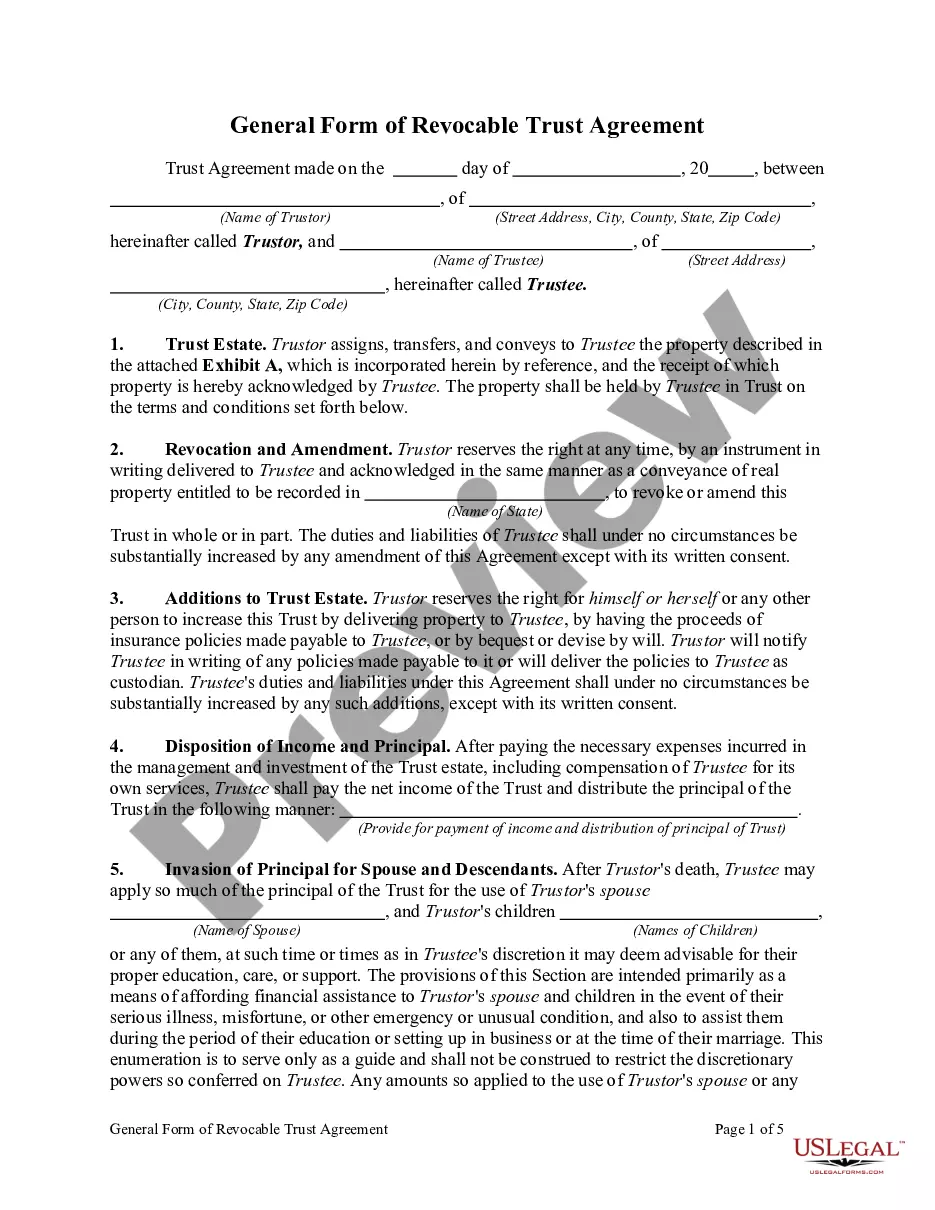
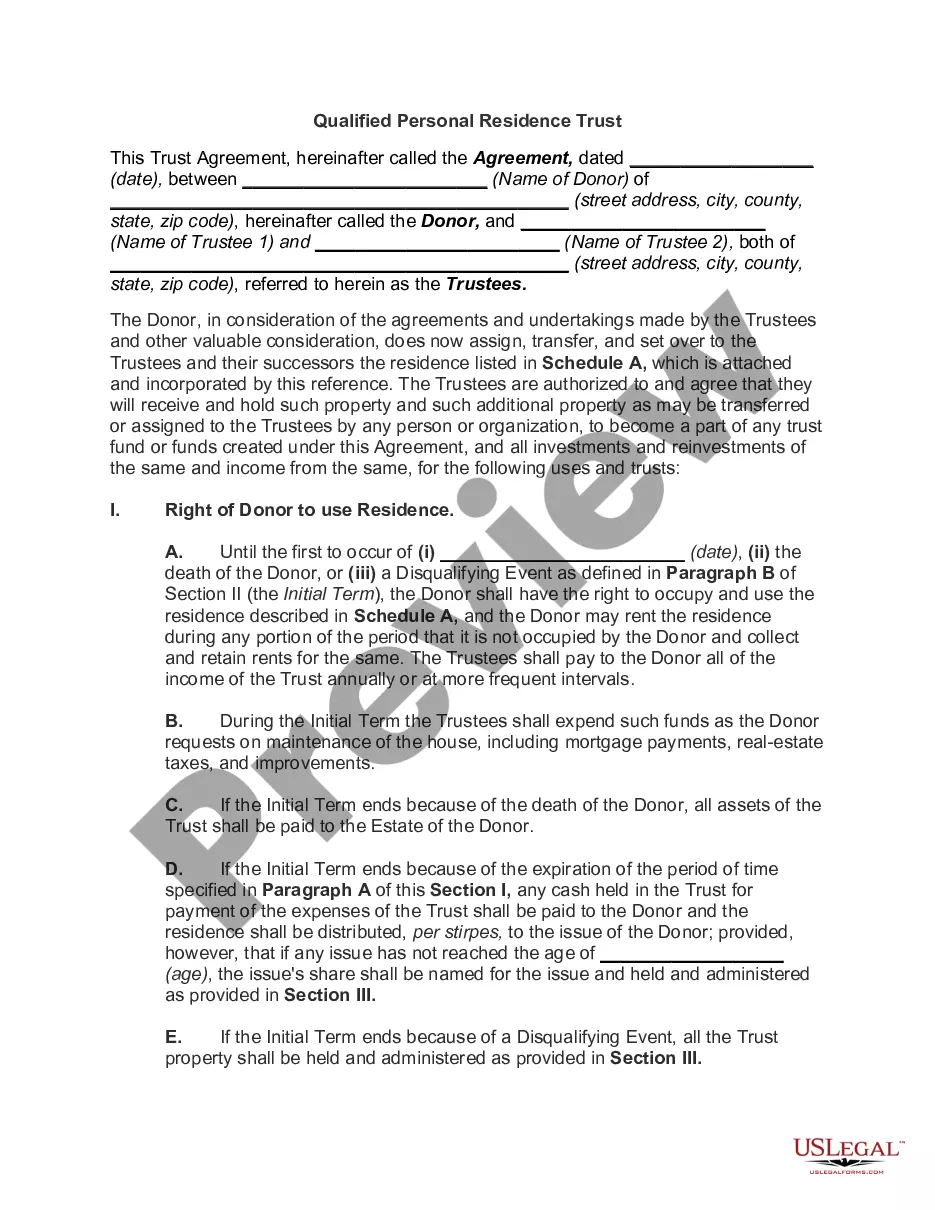
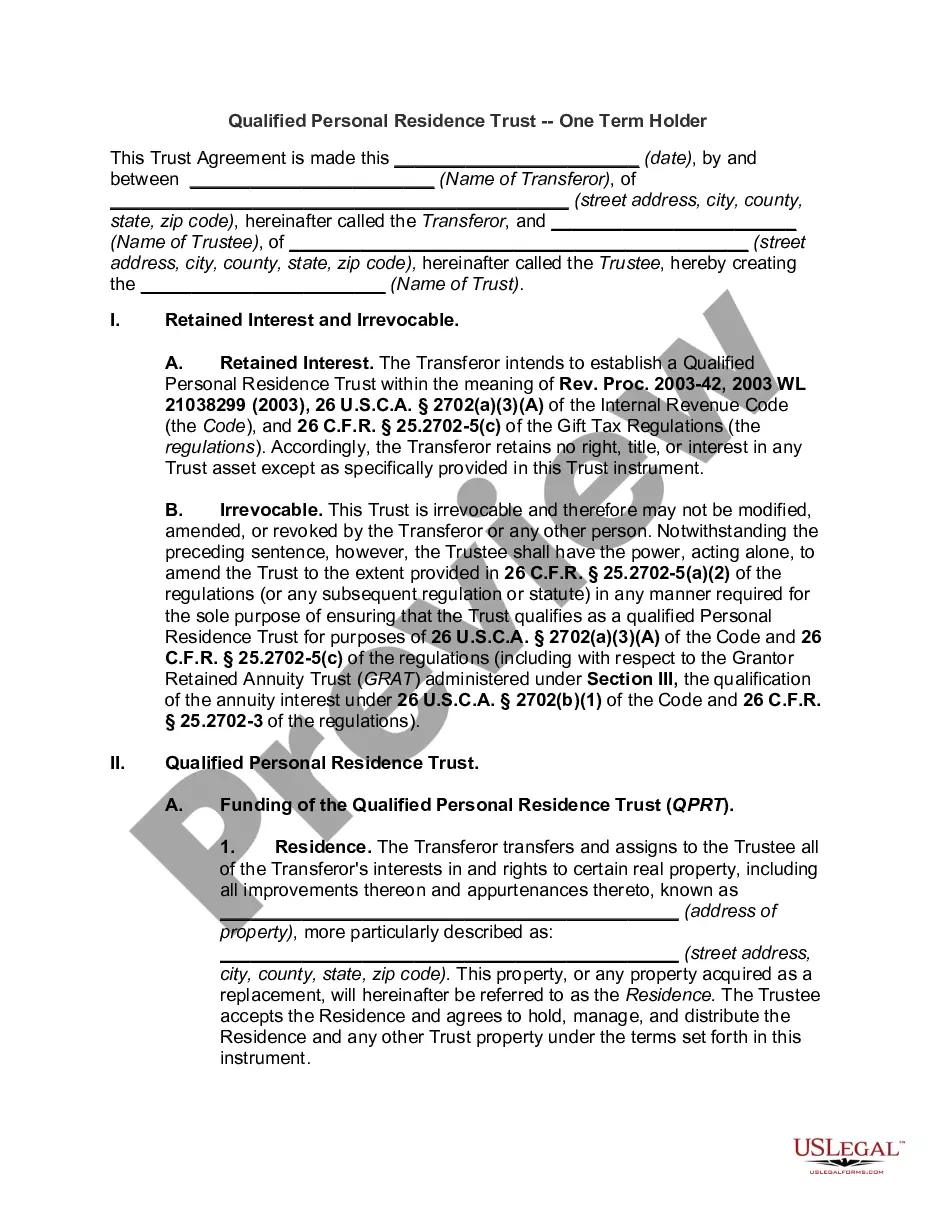
A Personal Residence Trust is a legal document that allows a grantor to transfer their residence into a trust, effectively removing it from their taxable estate while maintaining the right to live in the home for a specified period. This type of trust is designed to minimize gift taxes and reduce the estate's value for future inheritance tax purposes. Unlike a revocable trust, a Personal Residence Trust is irrevocable, meaning once established, the grantor cannot modify or terminate it easily. This form specifically caters to individuals looking to protect their home while managing their estate planning efficiently.
What’s included in this form
- Identification of the Donor and Trustees
- Details about the Residence to be transferred
- Terms under which the Donor retains the right to live in the Residence
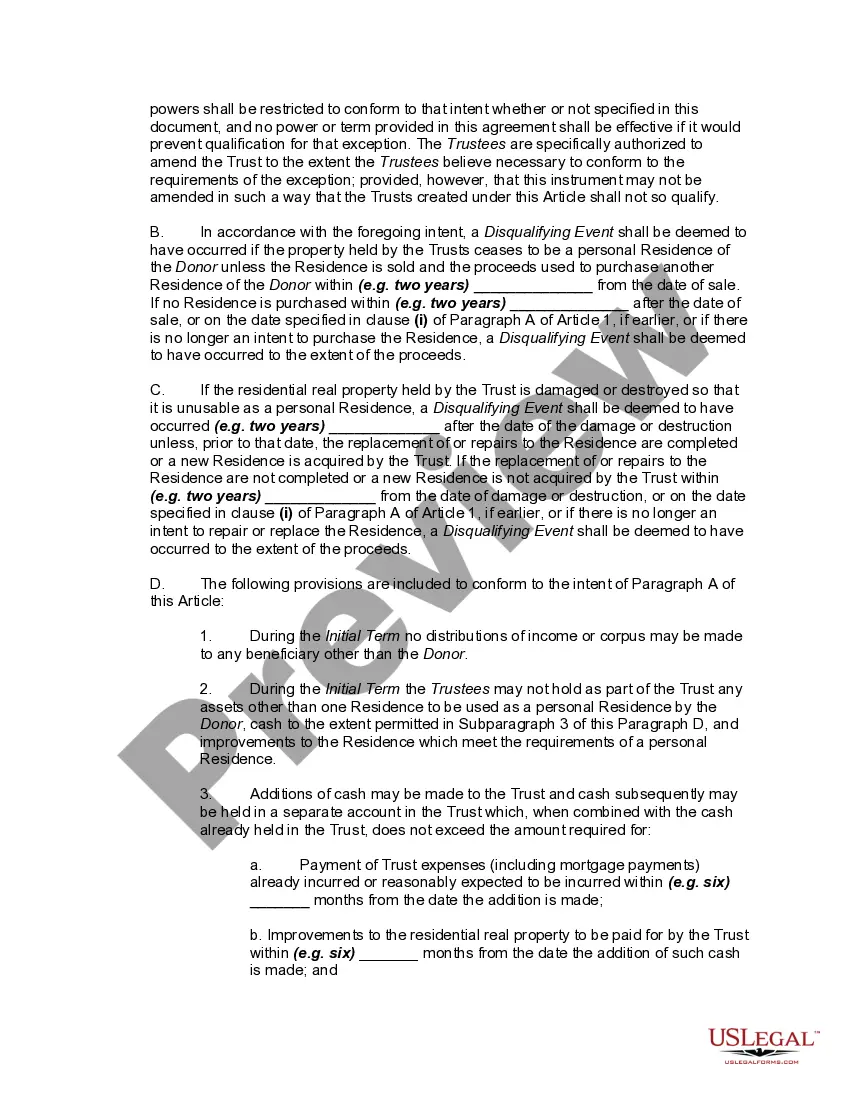
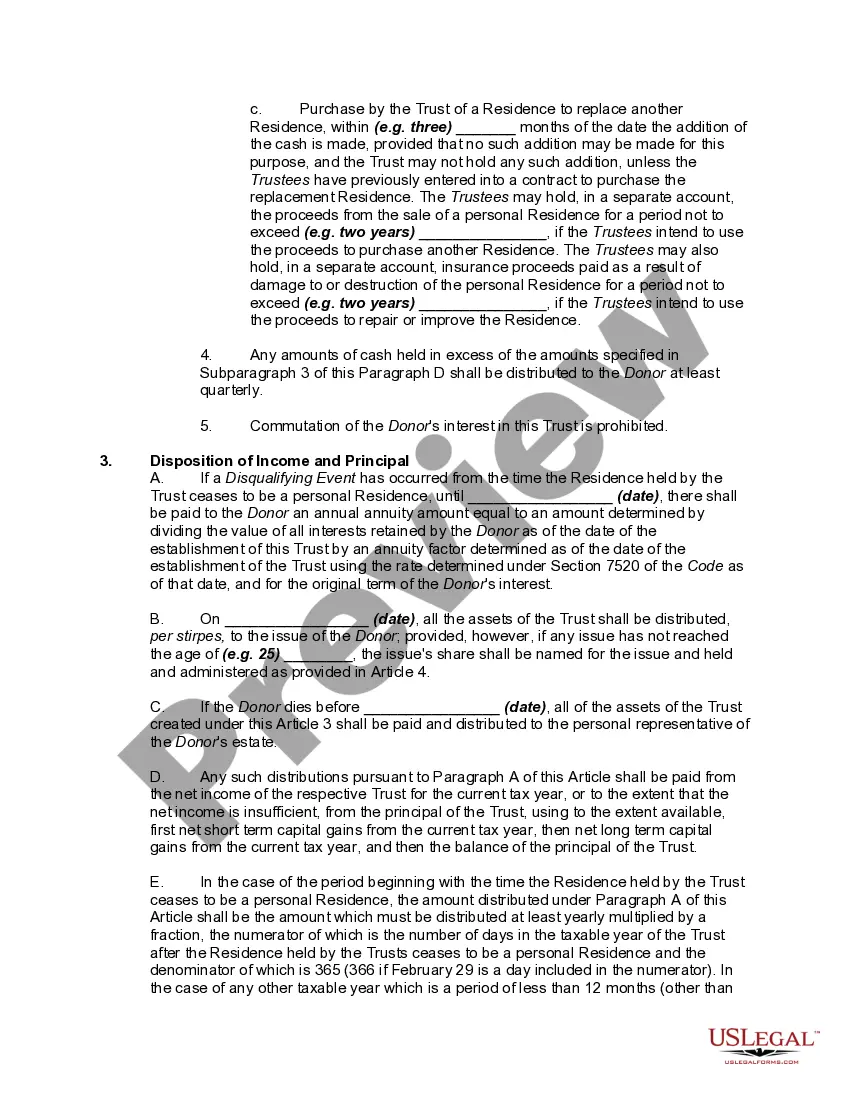
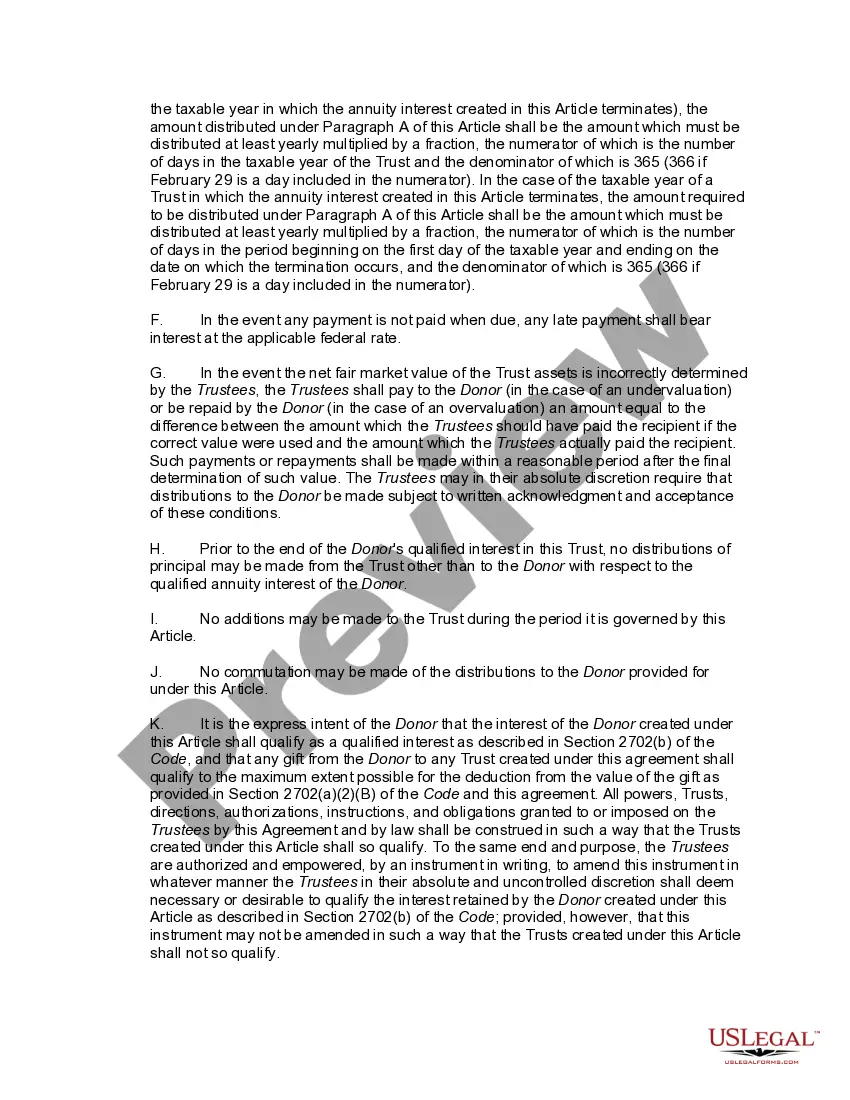
- Conditions regarding income distribution and expenses of the trust
- Provisions for handling a Disqualifying Event
- Instructions for the distribution of assets after the trust terminates

When this form is needed
This form is utilized when an individual wants to transfer their primary residence into a trust for estate planning purposes. It is particularly beneficial for those who wish to reduce potential estate taxes or gift taxes upon transferring their property to heirs. This trust can also be advantageous for individuals seeking to protect their home from creditors or to streamline the process of passing on their residence after death.
Who should use this form
- Individuals looking to minimize estate and gift taxes
- Homeowners who wish to pass their property to beneficiaries while retaining the right to live there
- Persons seeking asset protection from creditors
- Individuals engaged in estate planning who require the removal of their residence from the taxable estate
How to prepare this document
- Identify the parties involved, including the Donor and Trustees.
- Specify the property by detailing the Residence being transferred.
- Enter the date the trust is established and sign the document.
- Outline terms for the Donorâs occupancy, including duration and conditions.
- Include instructions for future distributions and handling of trust assets.
Is notarization required?
This form does not typically require notarization unless specified by local law. However, consider consulting with a legal professional to confirm whether notarization is necessary for your specific state requirements.
Get your form ready online
Our built-in tools help you complete, sign, share, and store your documents in one place.
Make edits, fill in missing information, and update formatting in US Legal Forms—just like you would in MS Word.
Download a copy, print it, send it by email, or mail it via USPS—whatever works best for your next step.
Sign and collect signatures with our SignNow integration. Send to multiple recipients, set reminders, and more. Go Premium to unlock E-Sign.
If this form requires notarization, complete it online through a secure video call—no need to meet a notary in person or wait for an appointment.
We protect your documents and personal data by following strict security and privacy standards.

Make edits, fill in missing information, and update formatting in US Legal Forms—just like you would in MS Word.

Download a copy, print it, send it by email, or mail it via USPS—whatever works best for your next step.

Sign and collect signatures with our SignNow integration. Send to multiple recipients, set reminders, and more. Go Premium to unlock E-Sign.

If this form requires notarization, complete it online through a secure video call—no need to meet a notary in person or wait for an appointment.

We protect your documents and personal data by following strict security and privacy standards.
Avoid these common issues
- Failing to accurately describe the property being transferred can lead to legal issues.
- Not understanding the implications of making the trust irrevocable.
- Neglecting to consult with a legal professional to comply with state laws.
- Overlooking the need to regularly review and update beneficiary designations.
Why use this form online
- Convenient access to legal documents that can be tailored to your needs.
- Editable format allows for customization to meet specific requirements.
- Created by licensed attorneys, ensuring reliability and legal compliance.
- Instant downloads provide immediate availability for active estate planning.
- The Personal Residence Trust is recognized for its tax benefits under the Internal Revenue Code, specifically Section 2702.
- It is essential to properly structure the trust to ensure it qualifies for tax exemptions and benefits.
- Consulting a tax advisor or attorney can help ensure the trust is set up correctly.
Quick recap
- A Personal Residence Trust can minimize estate tax liability while allowing the grantor to retain use of the property.
- Consult local laws for specific requirements and conditions applicable to the trust.
- Complete all sections accurately to avoid common pitfalls associated with trust agreements.
Looking for another form?
Form popularity
FAQ
Specifically, a QPRT is an irrevocable grantor trust, which allows an individual to take advantage of the gift tax exemption by putting a personal residence, either primary or secondary, into a trust. The grantor determines how long he will retain possession and use of the residence.
Why Create a QPRTYou can put in the Trust your primary residence or your vacation home. When you do that, you can quickly reduce your estate's size below the taxable threshold so that you don't pay any estate taxes when you pass the home to your heirs.Any appreciation in value in the house is not taxable.
In order to obtain a court order revoking an irrevocable trust, such as a QPRT, all beneficiaries of the trust must agree to the revocation.
A Qualified Personal Residence Trust (QPRT) is a specific type of irrevocable trust that allows its creator to remove a personal home from his or her estate for the purpose of reducing the amount of gift tax that is incurred when transferring assets to a beneficiary.
A grantor may establish a QPRT for no more than two residences. The trusts can be funded using (1) a principal residence; (2) a vacation home or secondary residence; or (3) a fractional interest in either.
Each taxpayer may have up to two QPRTs. Each QPRT may hold an interest in only one home. Therefore, if you wish to transfer your principal residence and a vacation home to a QPRT, you must create two separate trusts.
A qualified personal residence trust (QPRT) is a trust to which a person (called the settlor, donor, or grantor) transfers his personal residence. The grantor reserves the right to live in the house for a period of years; this retained interest reduces the current value of the gift for gift tax purposes.
A Qualified Personal Residence Trust (QPRT) is a specific type of irrevocable trust that allows its creator to remove a personal home from his or her estate for the purpose of reducing the amount of gift tax that is incurred when transferring assets to a beneficiary.This tax can also be lowered with a unified credit.