Florida Inventory and Condition of Leased Premises for Pre Lease and Post Lease
Overview of this form
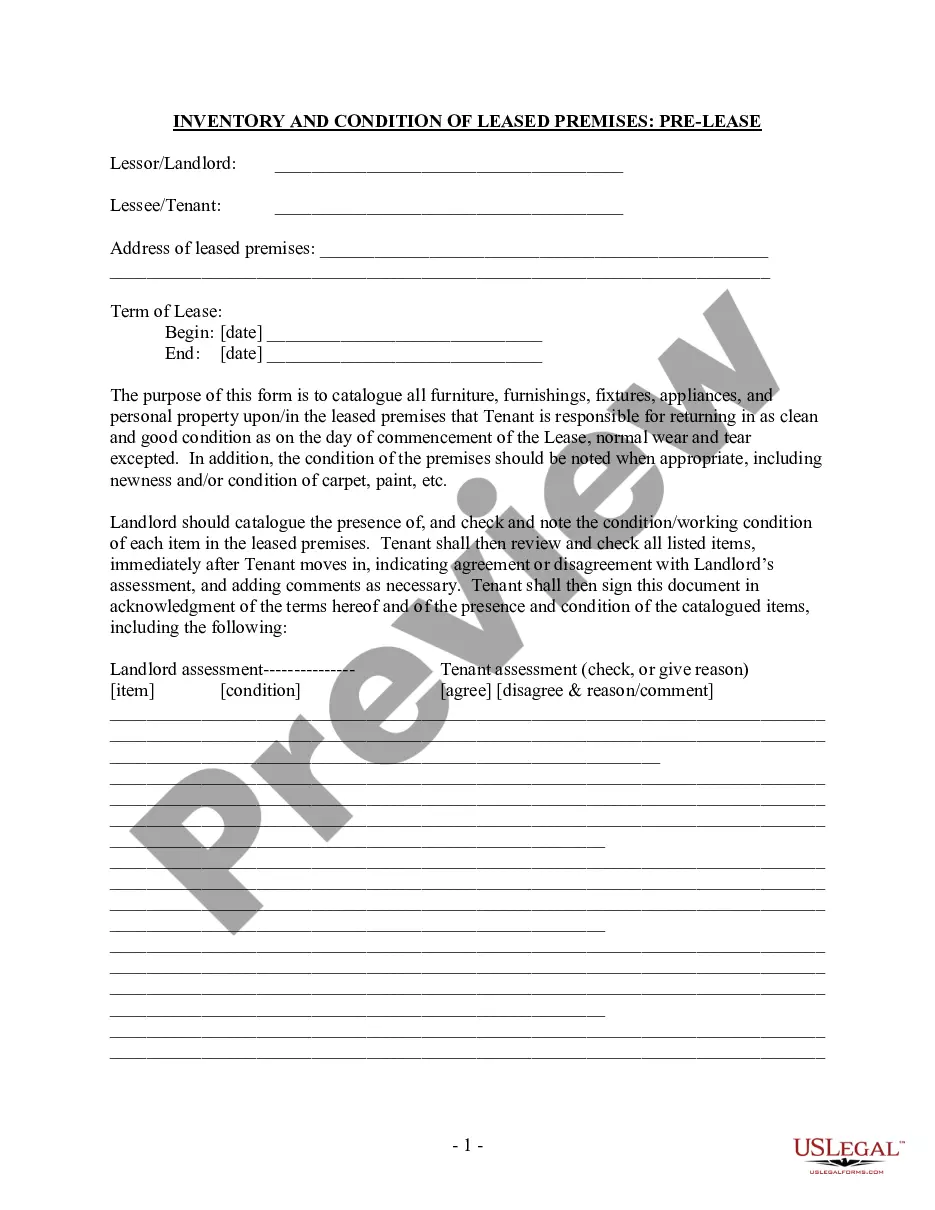
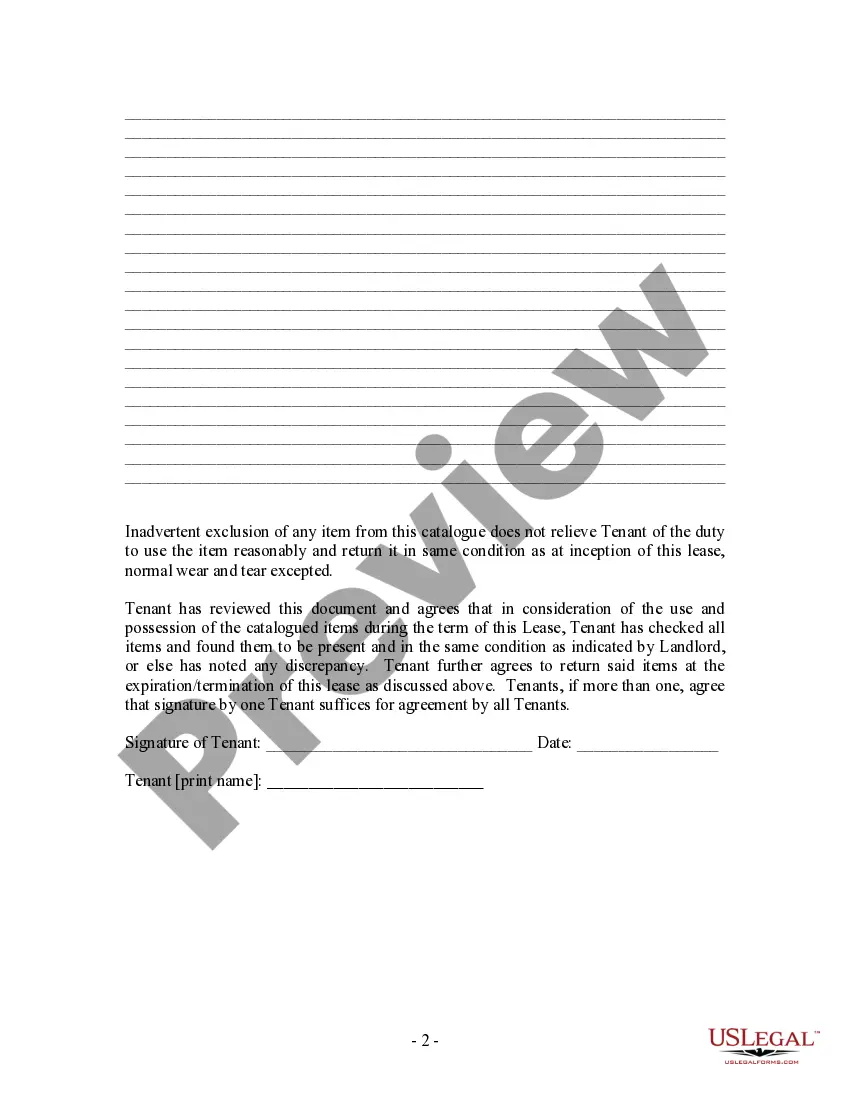
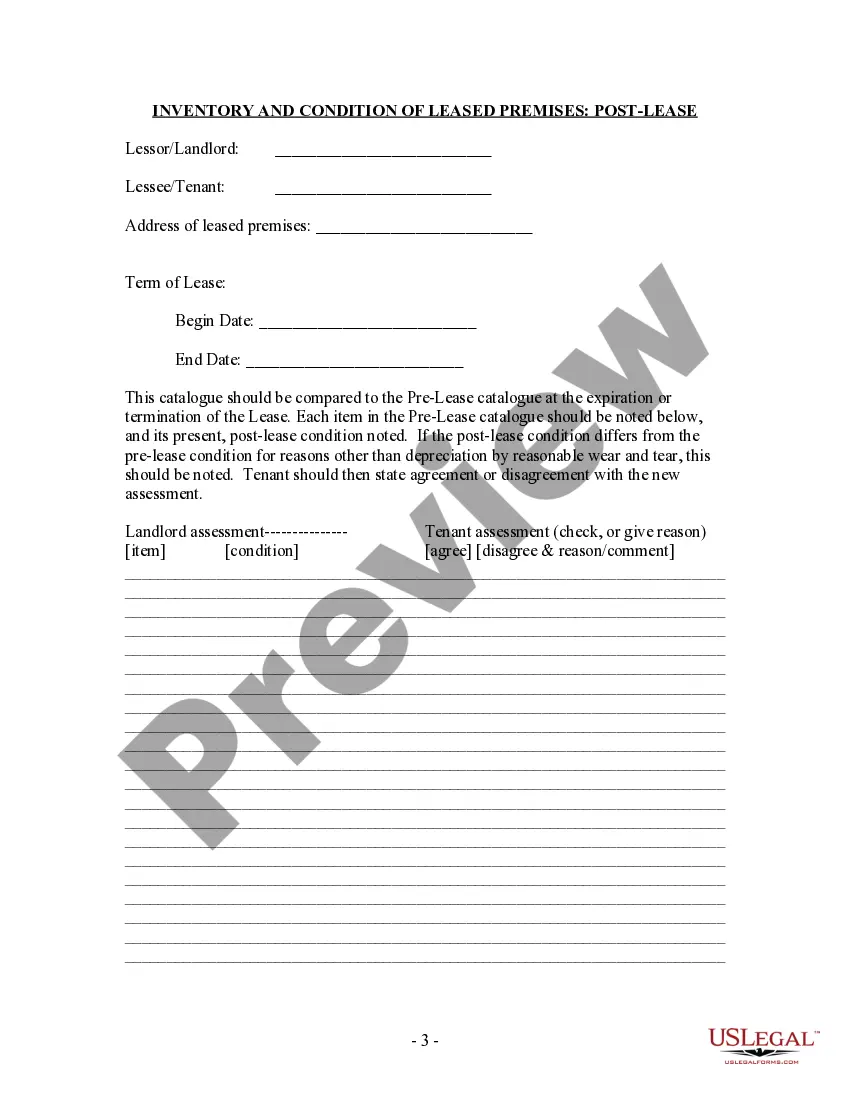
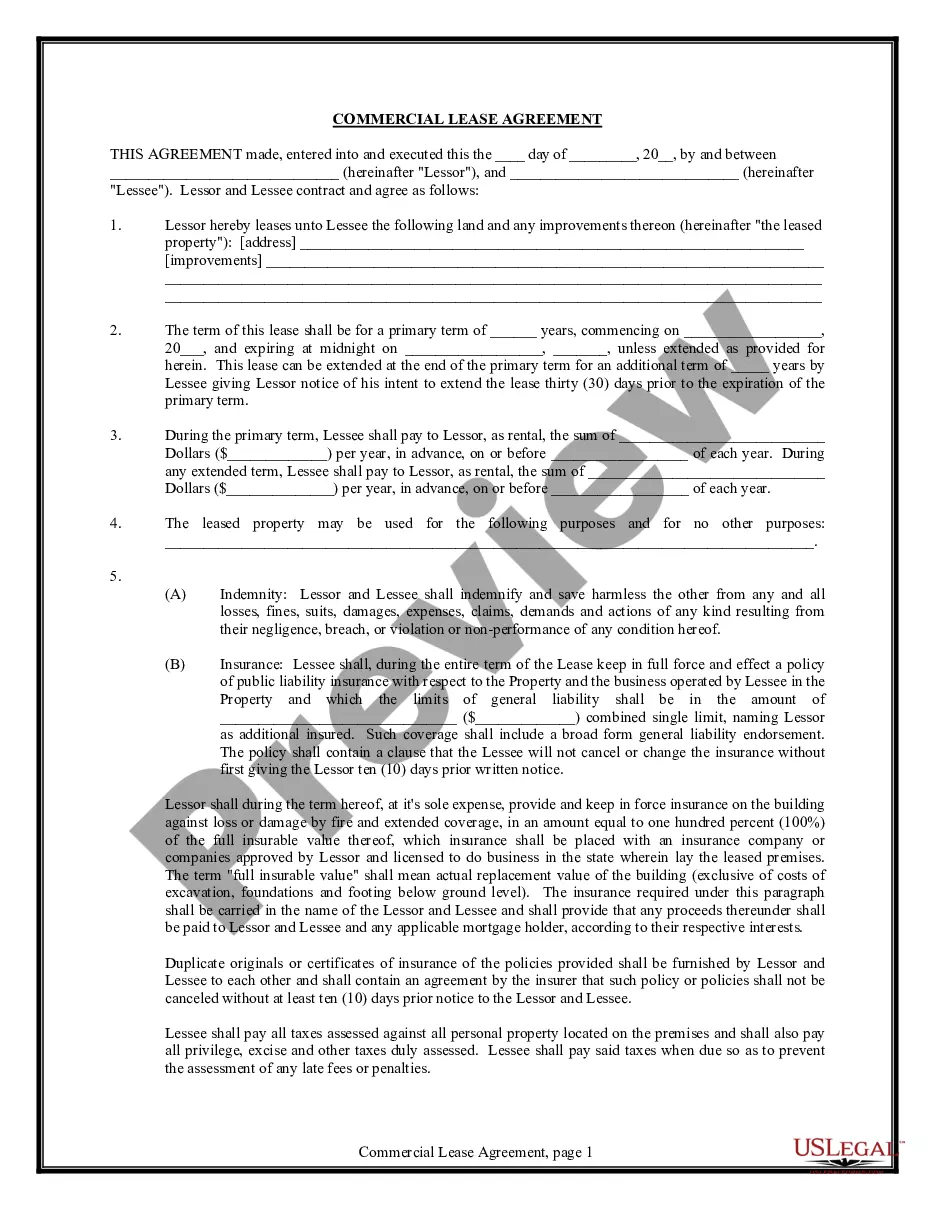
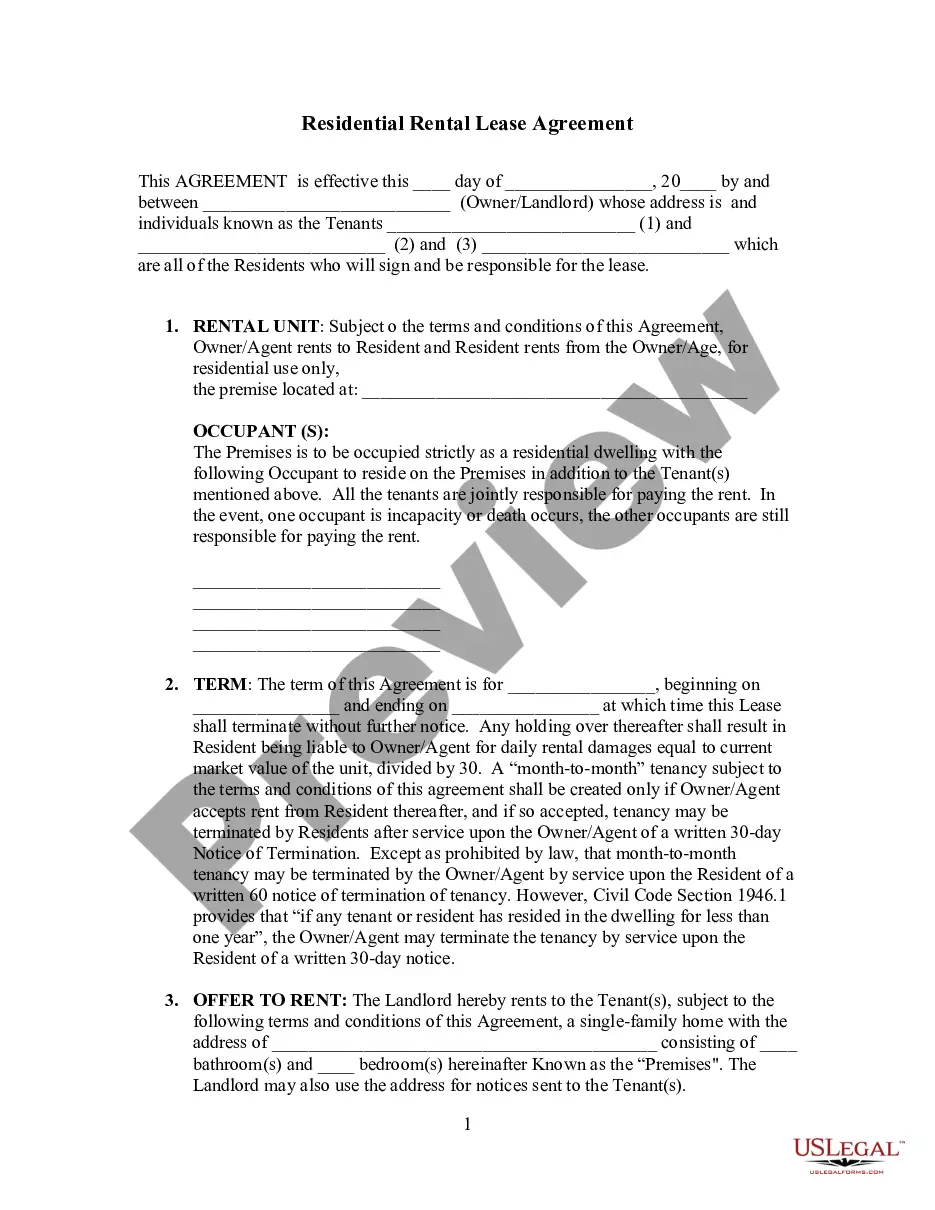
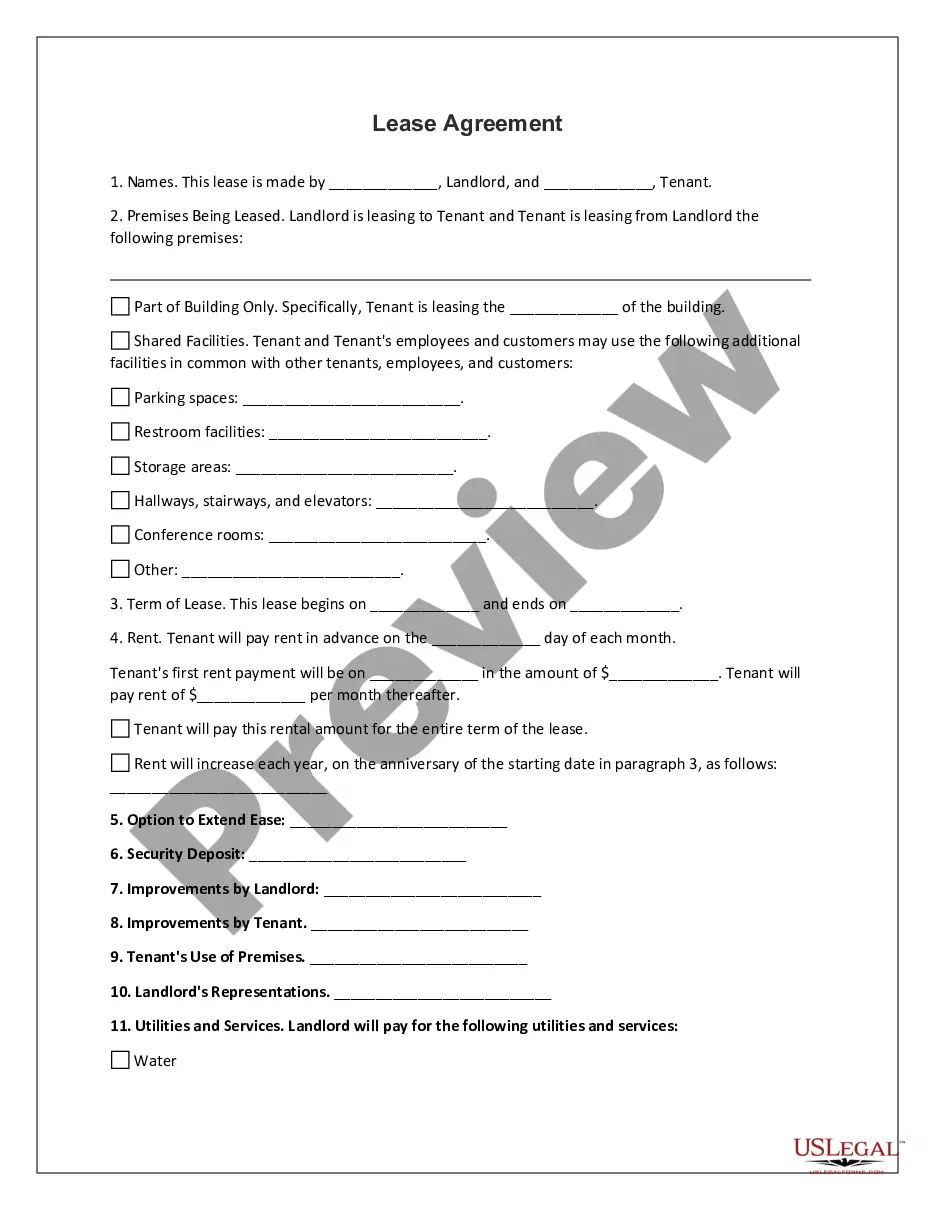
The Inventory and Condition of Leased Premises for Pre Lease and Post Lease is a legal document used by tenants and landlords to record the condition of rental properties. This form serves two main purposes: documenting the state of the premises and its contents before the lease begins and after it ends. It helps avoid disputes regarding damages or missing items, ensuring both parties understand their responsibilities concerning the leased property.
Key parts of this document
- Identification of the landlord and tenant
- Address of the leased premises
- Lease term with start and end dates
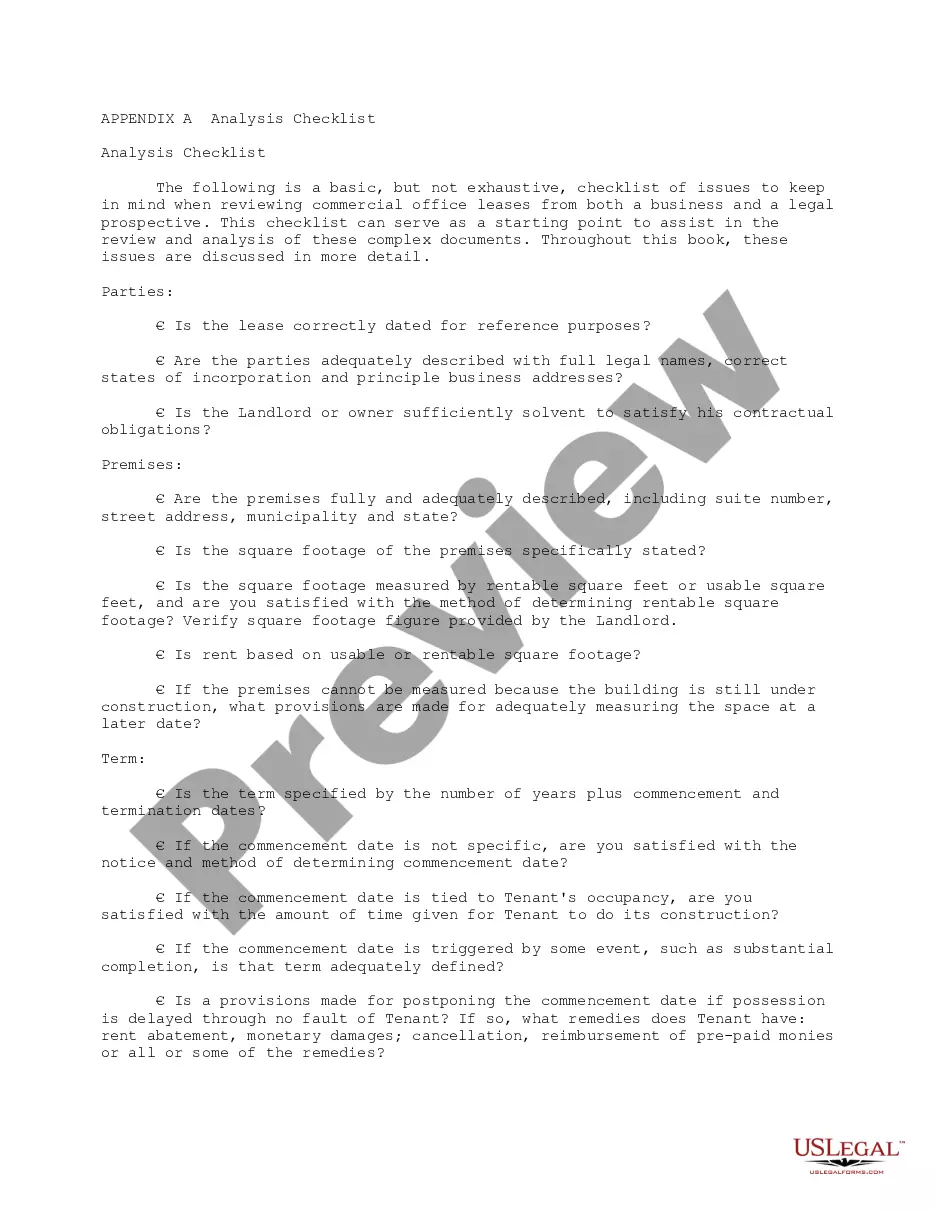
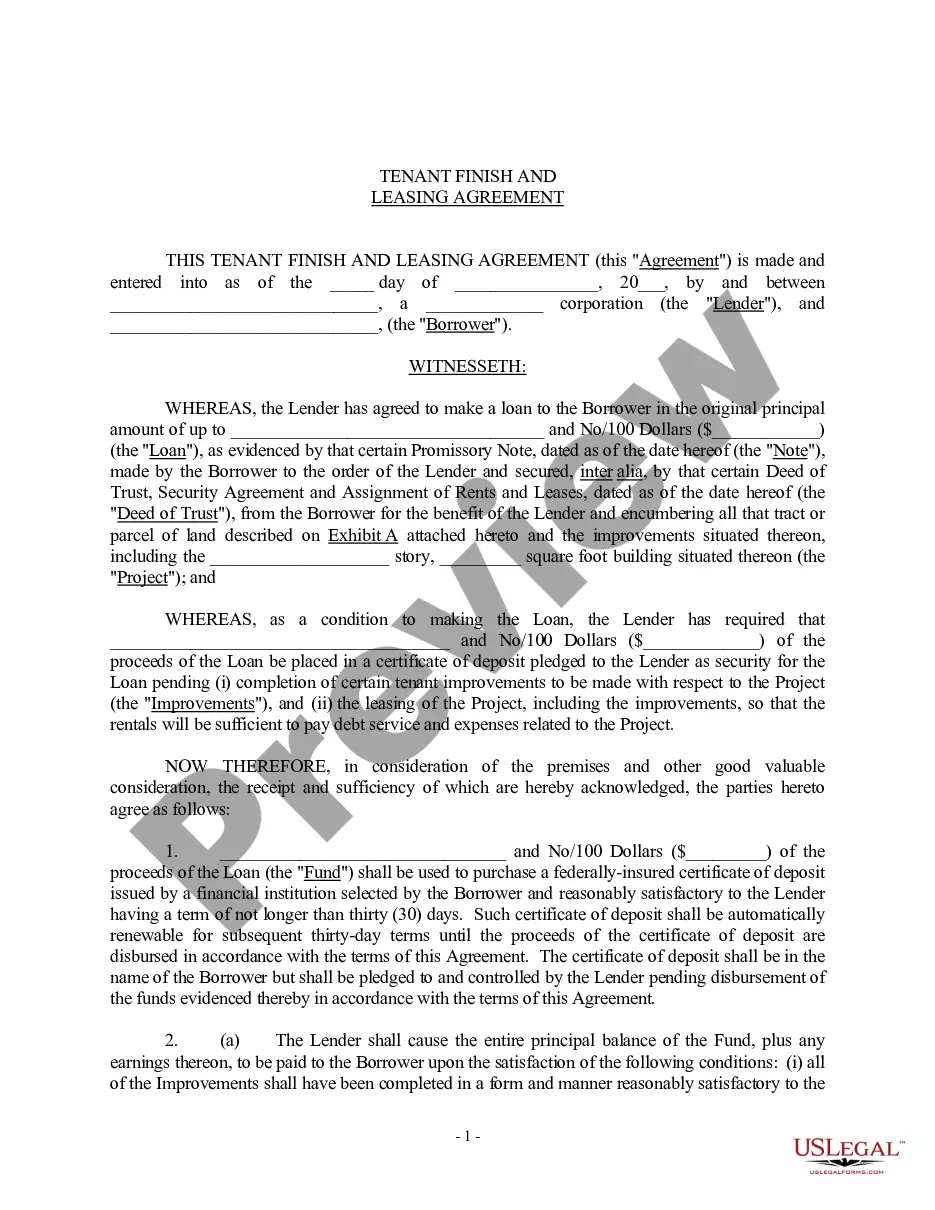
- Detailed inventory list of all items, including appliances and furnishings
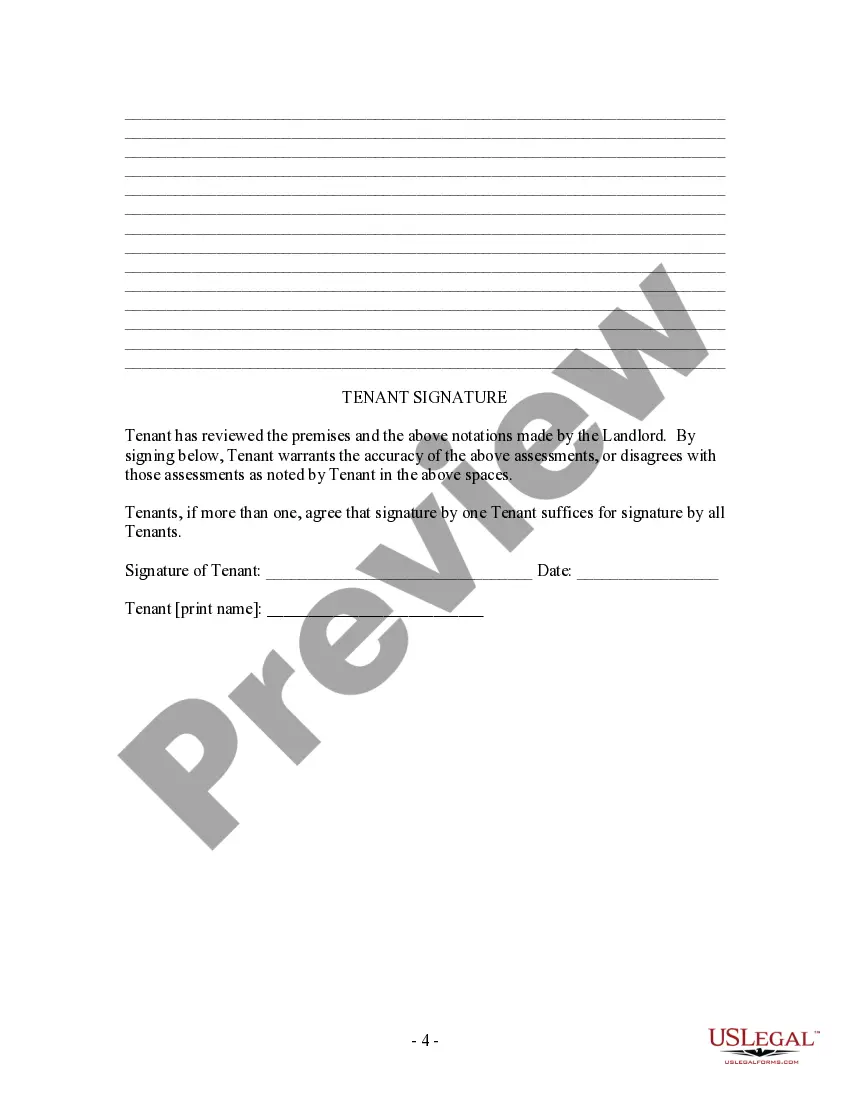
- Condition assessments by both the landlord and tenant
- Agreement sections for tenant acknowledgment
When to use this document
This form should be used whenever a tenant enters into or exits a lease agreement for a rental property. It is particularly useful in situations where there is significant furniture or appliances provided, as it helps to clarify the condition of these items. Using this form also protects the tenant from undue charges for damages that may have existed prior to their occupancy.
Who should use this form
- Landlords intending to lease residential or commercial property
- Tenants moving into a rental property
- Property management companies overseeing rental arrangements
How to complete this form
- Identify the parties involved by entering the names of the landlord and tenant.
- Provide the address of the leased premises.
- Specify the lease term by entering the start and end dates.
- Create an inventory list detailing all items included with the rental property along with their condition.
- Have both parties review the assessments, indicating agreement or disagreement with comments as necessary.
- Both tenant and landlord should sign the document for acknowledgment of the conditions stated.
Does this document require notarization?
This form does not typically require notarization to be legally valid. However, some jurisdictions or document types may still require it. US Legal Forms provides secure online notarization powered by Notarize, available 24/7 for added convenience.
Get your form ready online
Our built-in tools help you complete, sign, share, and store your documents in one place.
Make edits, fill in missing information, and update formatting in US Legal Forms—just like you would in MS Word.
Download a copy, print it, send it by email, or mail it via USPS—whatever works best for your next step.
Sign and collect signatures with our SignNow integration. Send to multiple recipients, set reminders, and more. Go Premium to unlock E-Sign.
If this form requires notarization, complete it online through a secure video call—no need to meet a notary in person or wait for an appointment.
We protect your documents and personal data by following strict security and privacy standards.

Make edits, fill in missing information, and update formatting in US Legal Forms—just like you would in MS Word.

Download a copy, print it, send it by email, or mail it via USPS—whatever works best for your next step.

Sign and collect signatures with our SignNow integration. Send to multiple recipients, set reminders, and more. Go Premium to unlock E-Sign.

If this form requires notarization, complete it online through a secure video call—no need to meet a notary in person or wait for an appointment.

We protect your documents and personal data by following strict security and privacy standards.
Mistakes to watch out for
- Failing to conduct a thorough initial assessment of the property.
- Not documenting the condition of each item in detail.
- Overlooking the need for both parties to sign the form.
- Filling the form out without the presence of both parties, which could lead to miscommunication.
Advantages of online completion
- Immediate access to a professionally drafted legal document.
- Convenient download and printable format for easy record-keeping.
- Editable sections allow customization to fit specific rental agreements.
- Reduces the risk of disputes by providing a clear record of property condition.
Looking for another form?



Form popularity
FAQ
It is a Florida form used by landlords and tenants to record the condition of a rental property at the start and end of a lease. The form helps prevent disputes over damages or missing items by providing a snapshot of the premises and its contents. It includes identification of the landlord and tenant, the leased address, the lease term, a detailed inventory, condition assessments, and a tenant acknowledgment section.
This form does not set or limit security-deposit deductions. It documents the property’s condition before and after occupancy to help determine what is chargeable for damages. The inventory items, and the landlord’s and tenant’s condition assessments, support any claims, but the allowed deductions are governed by Florida law and the lease terms.
This form does not set timelines for security-deposit claims. It documents the condition to support determinations at checkout. For deadlines, consult Florida security-deposit laws and the lease terms, which govern how and when a landlord may claim damages after tenancy ends.
This form does not specify any deposit amount or maximum. It focuses on recording the premises' condition and inventory. The deposit amount is set by the lease terms, and Florida law may govern how deposits are handled; consult an attorney for specifics.
This form helps identify whether damages existed before occupancy by comparing pre-lease and post-lease condition. It does not define negligence. For official standards on landlord duties and potential negligence in Florida, review applicable statutes and seek legal advice.
This form covers both Pre Lease and Post Lease periods in one document, with a detailed inventory, and includes condition assessments by both the landlord and tenant plus a tenant acknowledgment. That dual timing and combined sections help resolve disputes across the tenancy, not just at move-in or move-out.