Contract Assignment
About this form
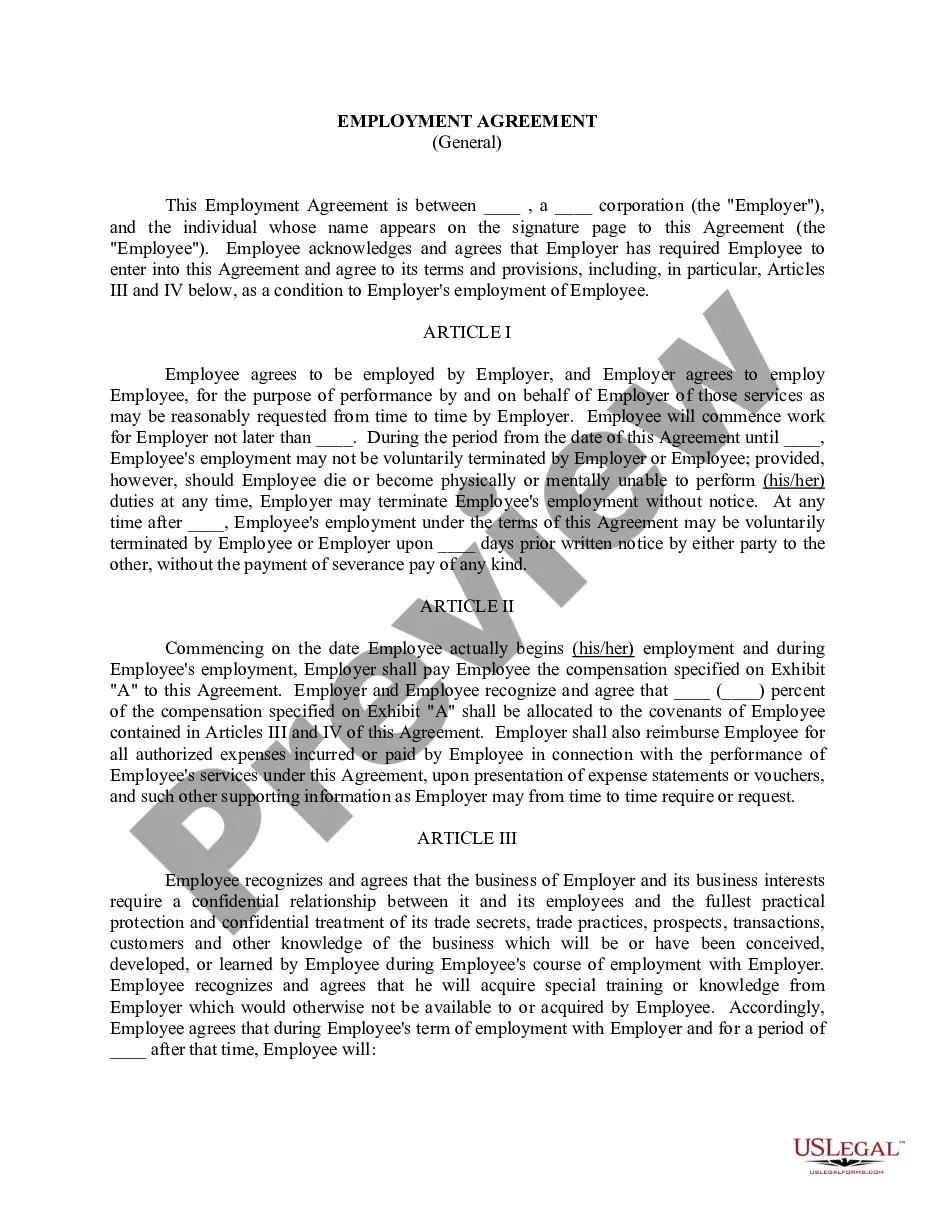
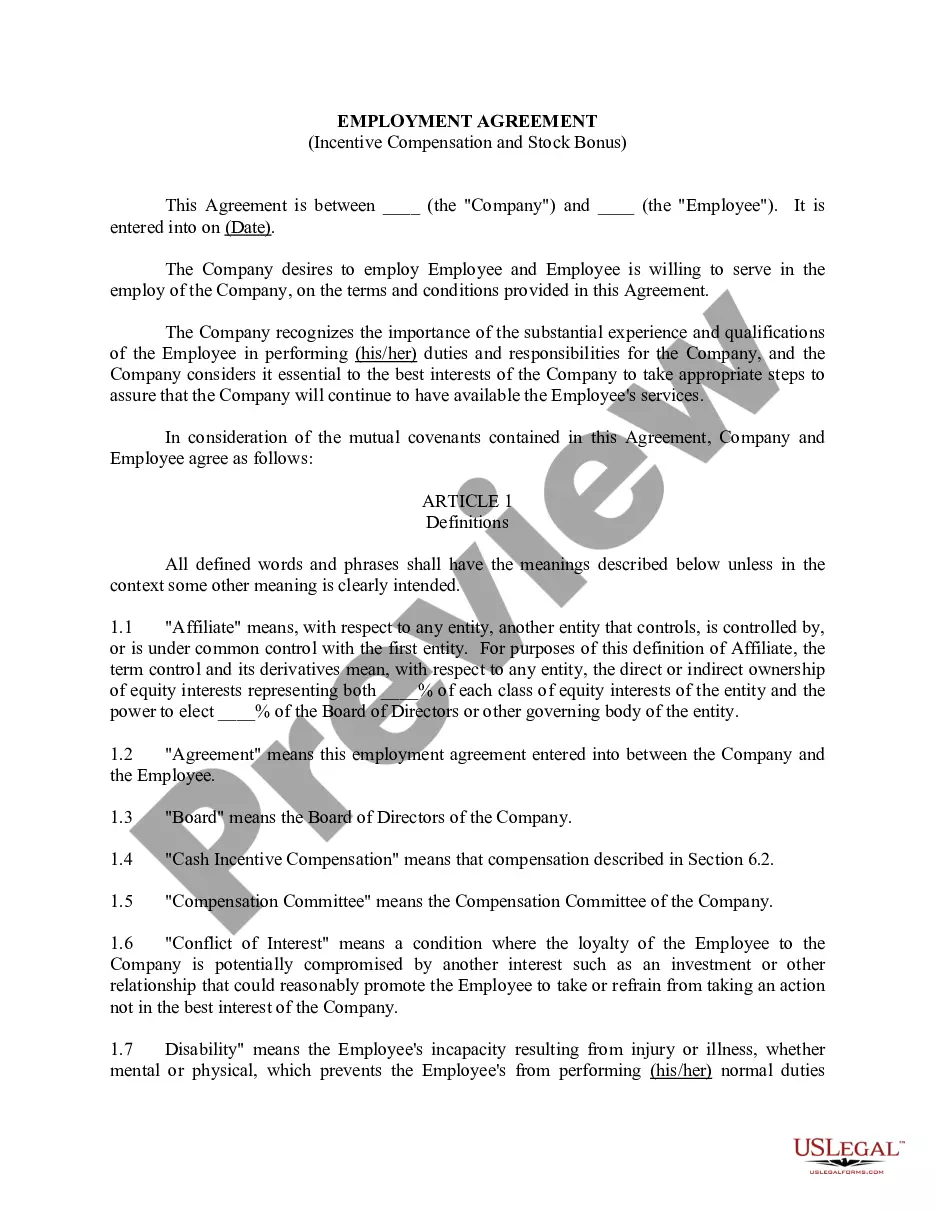
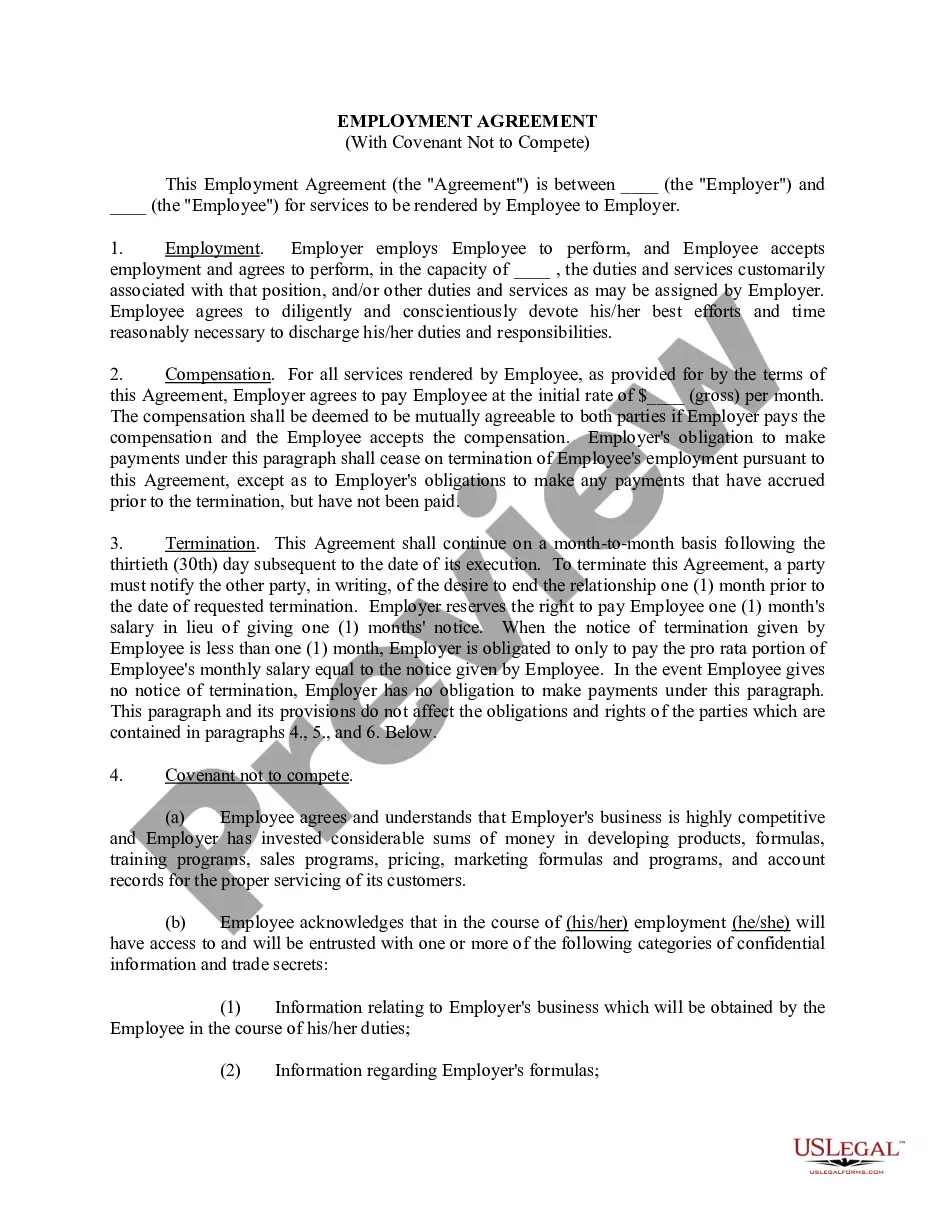
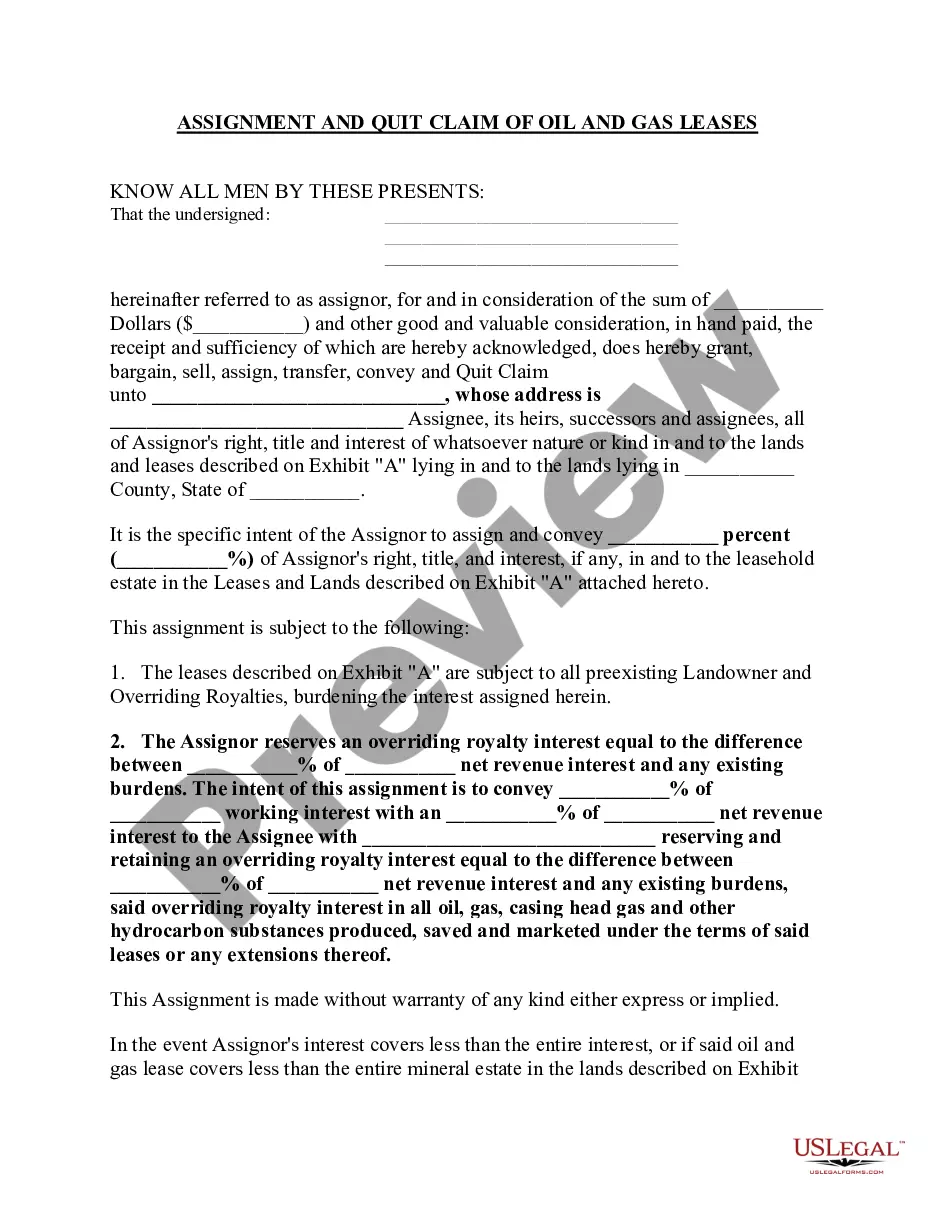
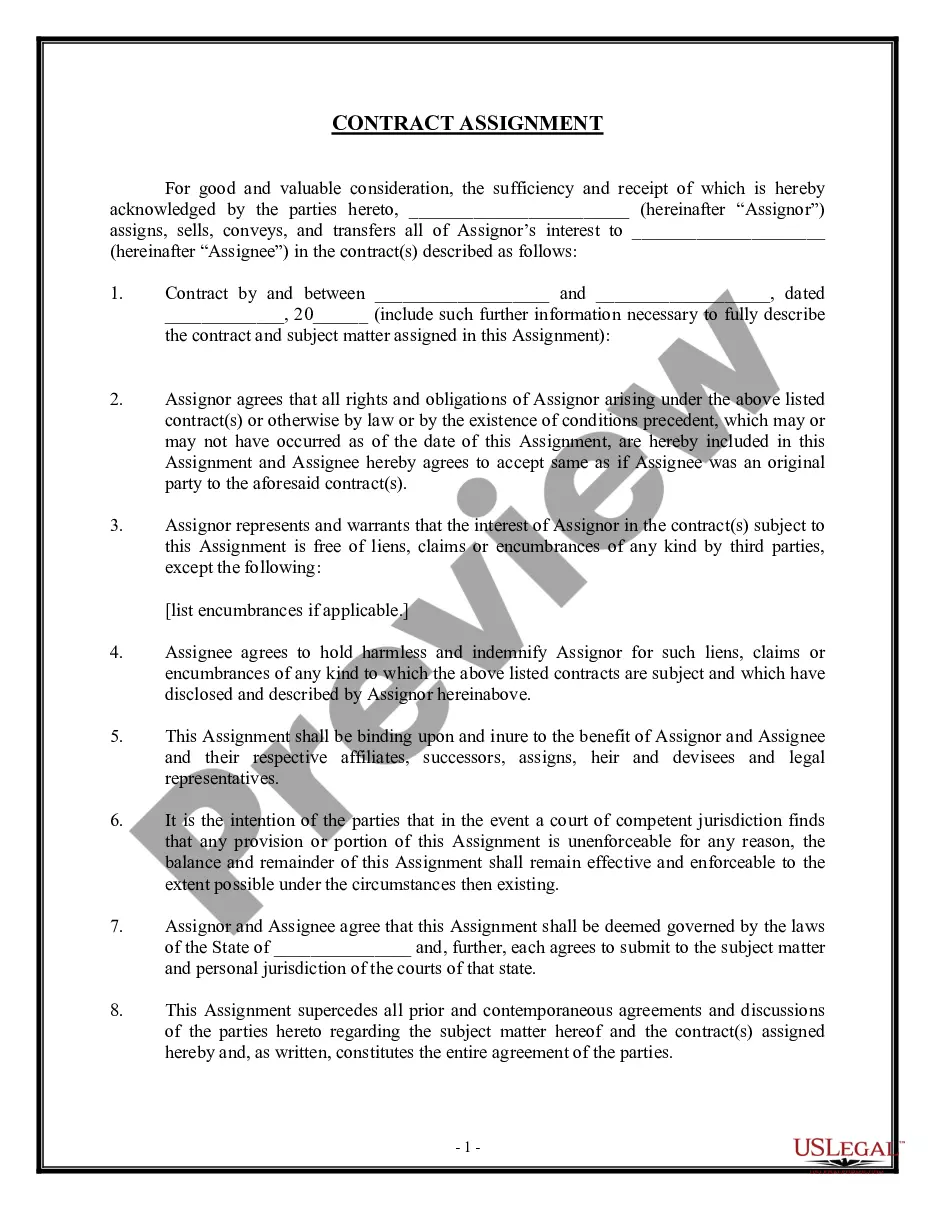
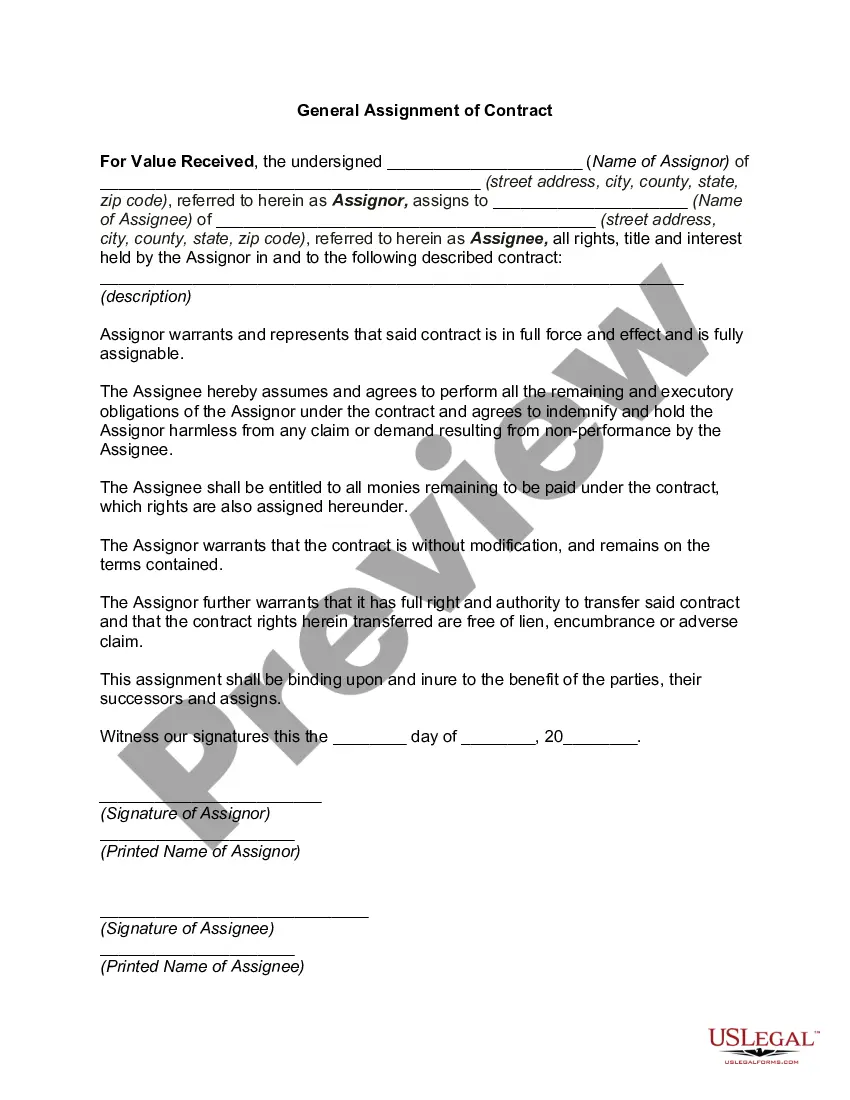
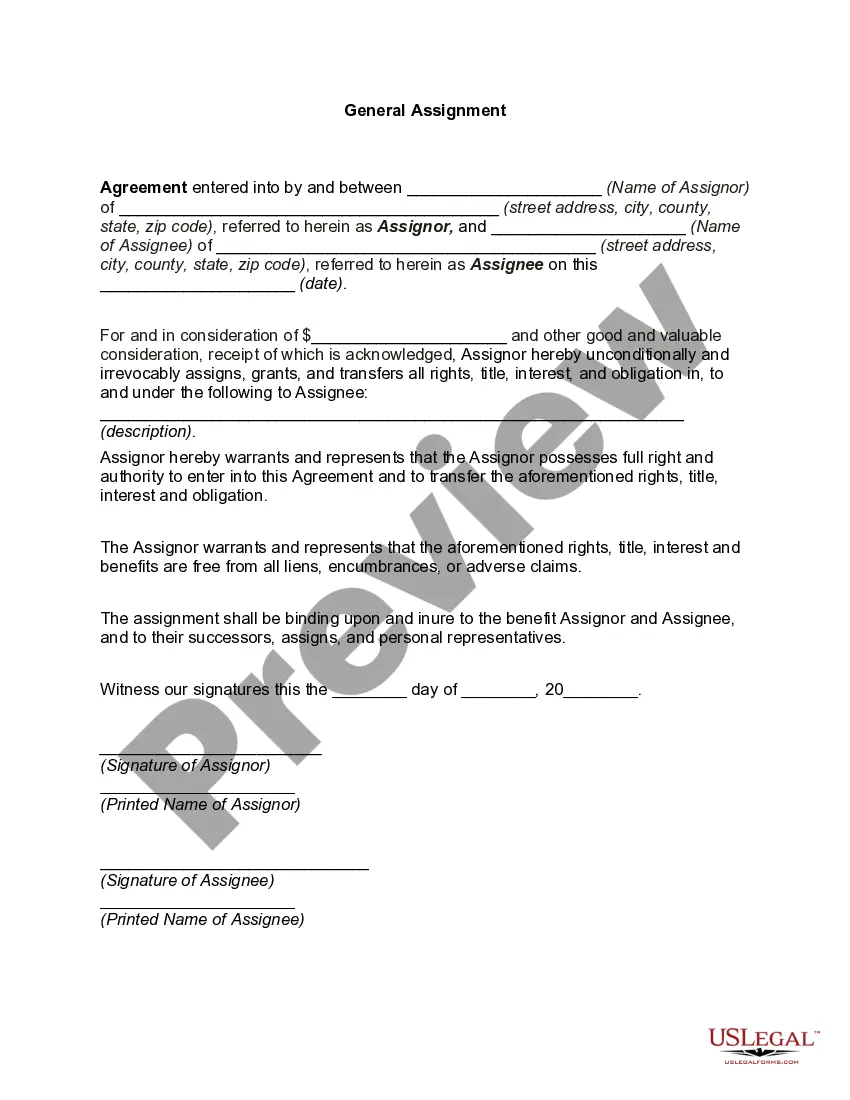
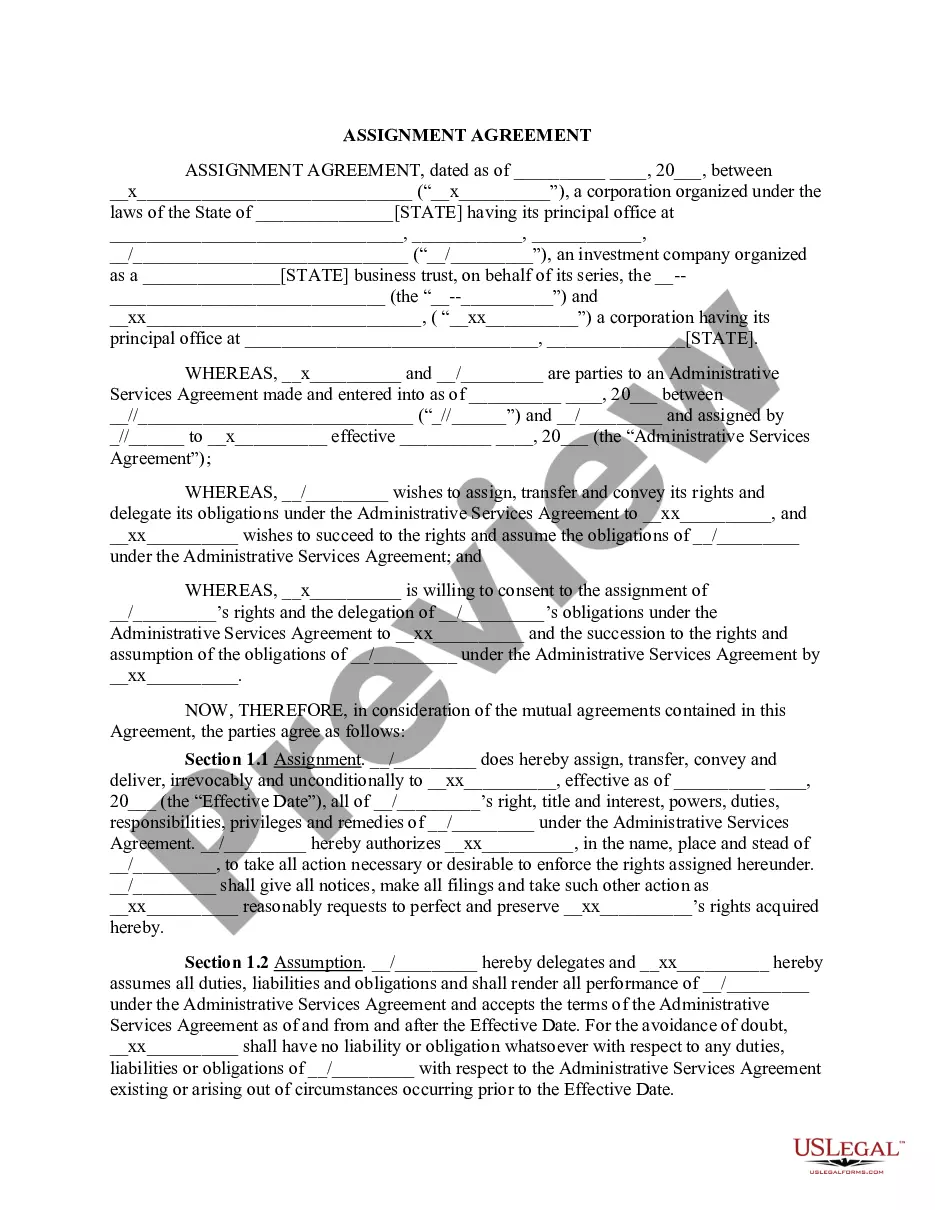
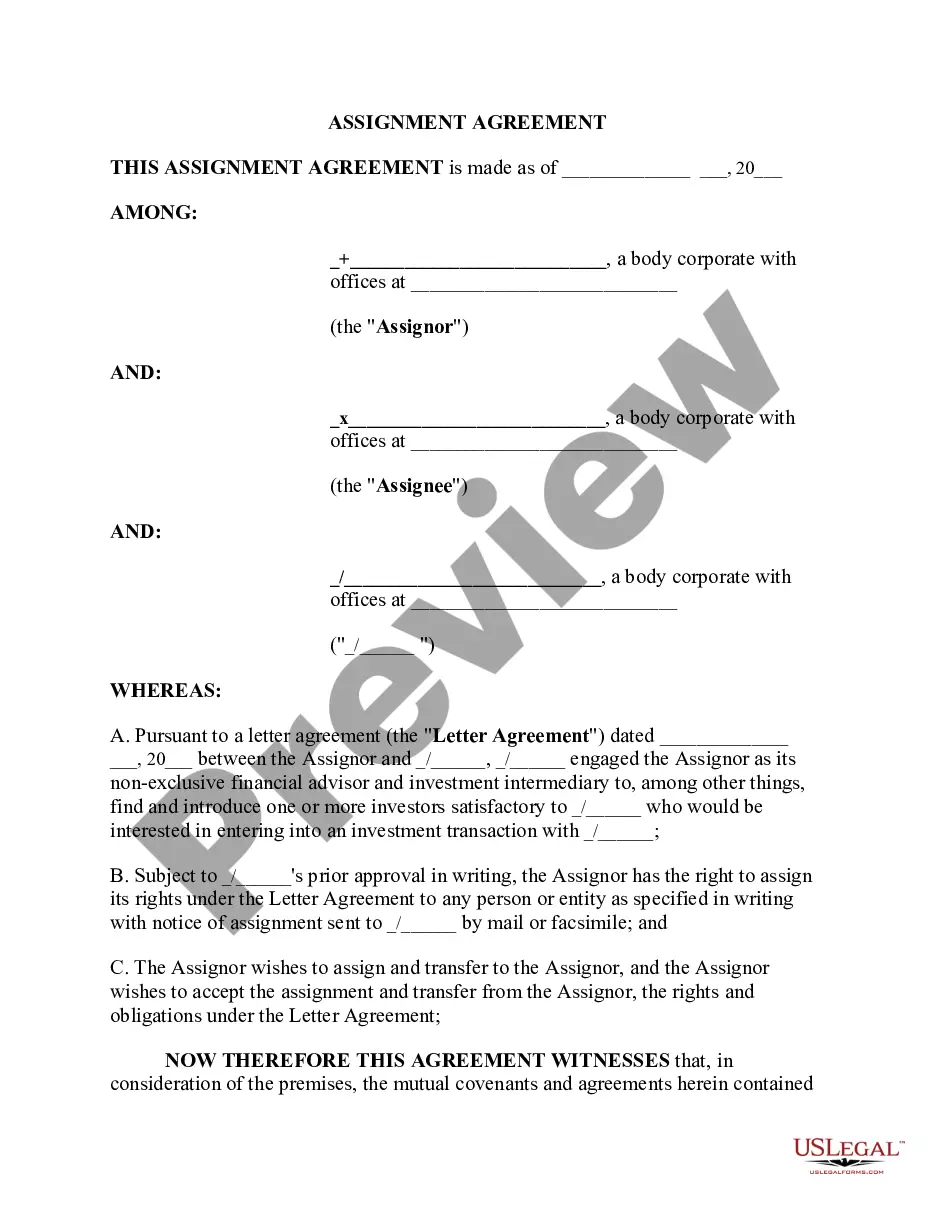
The Contract Assignment is a legal document that enables the assignor to transfer their rights and interests in a specific contract to an assignee. Unlike other agreements, this form ensures that the assignor is indemnified against any claims or encumbrances related to the contract being assigned. It establishes clear accountability between the parties involved, making it easier to manage contractual relationships effectively.
Form components explained
- Assignor and Assignee Identification: Spaces to fill in the names and details of both parties involved in the assignment.
- Contract Description: A section to specify the contract being assigned, ensuring clarity on what is being transferred.
- Representation and Warranties: The assignor's guarantee that their interest in the contract is free of third-party claims or liens.
- Indemnification Clause: A provision that protects the assignor from any legal claims arising from the contract after the assignment.
- Governing Law: The particular jurisdiction's laws that govern the execution of this contract assignment.
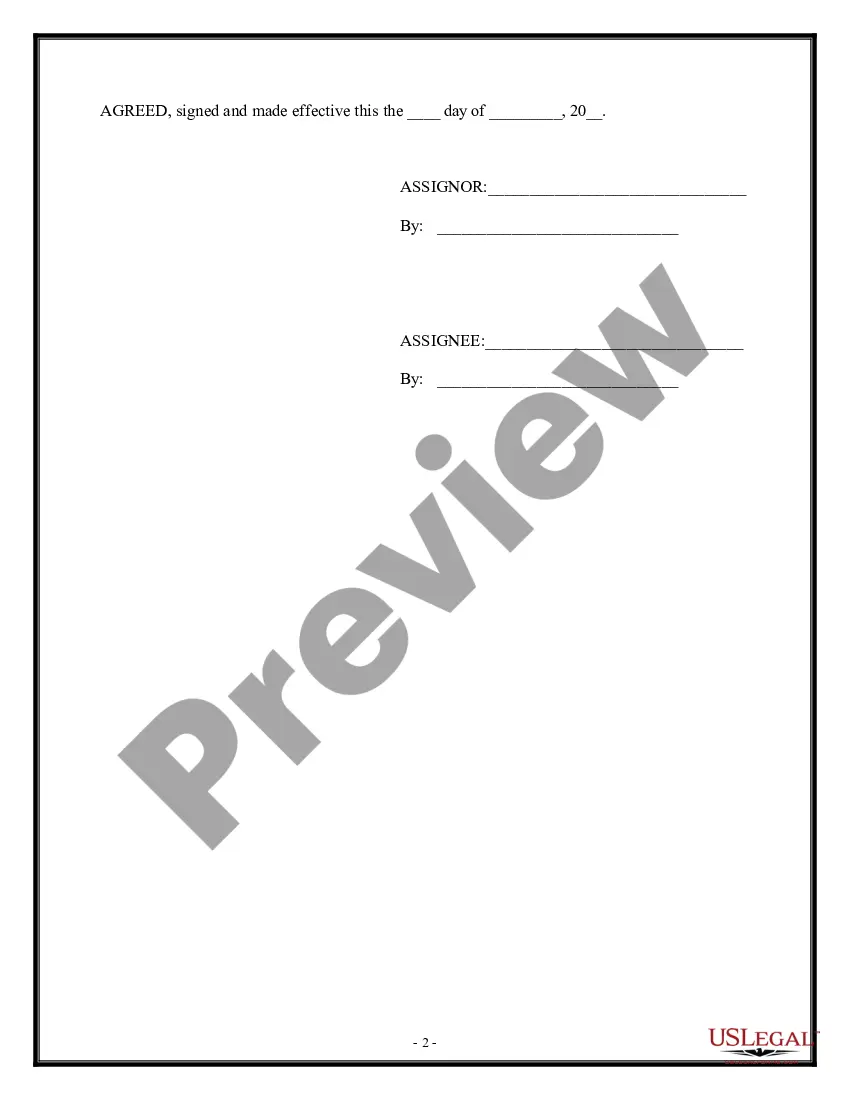
- Signatures: Lines for the assignor and assignee to sign, validating the agreement.
When to use this form
This form is particularly useful when an individual or company wishes to transfer their contractual obligations and rights to another person or entity. Typical scenarios include selling a business contract, transferring lease agreements, or delegating service contracts. It is vital in situations where ongoing contracts need to be reassigned due to sale, partnership changes, or legal reforms.
Who should use this form
- Business owners transferring contracts as part of a sale or merger.
- Individuals needing to delegate responsibilities under a contract.
- Landlords who wish to assign lease agreements to new tenants.
- Parties involved in any contractual relationship requiring the transfer of rights or responsibilities.
Instructions for completing this form
- Identify the parties: Fill in the names and addresses of both the assignor and assignee.
- Specify the contract: Clearly describe the contract being assigned to avoid ambiguity.
- List any encumbrances: Indicate any existing claims or liens on the contract, if applicable.
- Complete the indemnification clause: Ensure both parties understand the indemnification responsibilities.
- Sign and date the form: Have both parties sign and date the document to make it legally binding.
Notarization guidance
This form does not typically require notarization unless specified by local law. However, notarization can add an extra layer of legitimacy and should be considered if desired by either party.
Get your form ready online
Our built-in tools help you complete, sign, share, and store your documents in one place.
Make edits, fill in missing information, and update formatting in US Legal Forms—just like you would in MS Word.
Download a copy, print it, send it by email, or mail it via USPS—whatever works best for your next step.
Sign and collect signatures with our SignNow integration. Send to multiple recipients, set reminders, and more. Go Premium to unlock E-Sign.
If this form requires notarization, complete it online through a secure video call—no need to meet a notary in person or wait for an appointment.
We protect your documents and personal data by following strict security and privacy standards.

Make edits, fill in missing information, and update formatting in US Legal Forms—just like you would in MS Word.

Download a copy, print it, send it by email, or mail it via USPS—whatever works best for your next step.

Sign and collect signatures with our SignNow integration. Send to multiple recipients, set reminders, and more. Go Premium to unlock E-Sign.

If this form requires notarization, complete it online through a secure video call—no need to meet a notary in person or wait for an appointment.

We protect your documents and personal data by following strict security and privacy standards.
Typical mistakes to avoid
- Failing to accurately describe the contract being assigned.
- Overlooking existing liens or claims on the contract.
- Not including signatures or dates, which may render the form invalid.
- Neglecting to review state-specific laws that may affect the assignment.
Advantages of online completion
- Convenience: Easily download and fill out the form from any device.
- Editability: Make adjustments as needed before finalizing your assignment.
- Reliability: Ensure legal compliance with forms vetted by licensed attorneys.
Looking for another form?

Form popularity
FAQ
Assignment is a legal term whereby an individual, the assignor, transfers rights, property, or other benefits to another known as the assignee. This concept is used in both contract and property law. The term can refer to either the act of transfer or the rights/property/benefits being transferred.
Assignment is the transfer of a right or an interest vested in one party (the 'assignor') to another party (the 'assignee'). A valid assignment will entitle the assignee to demand performance of a contractual obligation.
Assignment of contract takes place when one party to a contract (the assignor) transfers the legal obligations of the contract to another party.In other words, you can flip real estate contracts and make money from a real estate deal without actually owning the income property.
In your Assignment Agreement, you should include information like: the name of the person handing over contractual duties (called "the assignor"); the recipient of the contractual rights and obligations (called "the assignee"); the other party to the original contract (called "the obligor"); the name of the contract
An assignment is a legal term used in the context of the law of contract and of property. In both instances, assignment is the process whereby a person, the assignor, transfers rights or benefits to another, the assignee.The rights may be vested or contingent, and may include an equitable interest.
A real estate assignment contract is a wholesale strategy used by real estate investors to facilitate the sale of a property between an owner and an end buyer.That means they may then sell their rights to buy the house to another buyer.
Generally speaking, contracts can be freely assigned to third parties.This contract cannot be assigned to anyone without the written consent of both parties.
First, you find a property whose seller is willing to accept significantly less than market value in exchange for a quick and easy sale. Then, you find another buyer who is willing to pay slightly more than the contract price, and you assign the contract to them and profit from the difference.
An assignment of contract occurs when one party to an existing contract (the "assignor") hands off the contract's obligations and benefits to another party (the "assignee"). Ideally, the assignor wants the assignee to step into his shoes and assume all of his contractual obligations and rights.