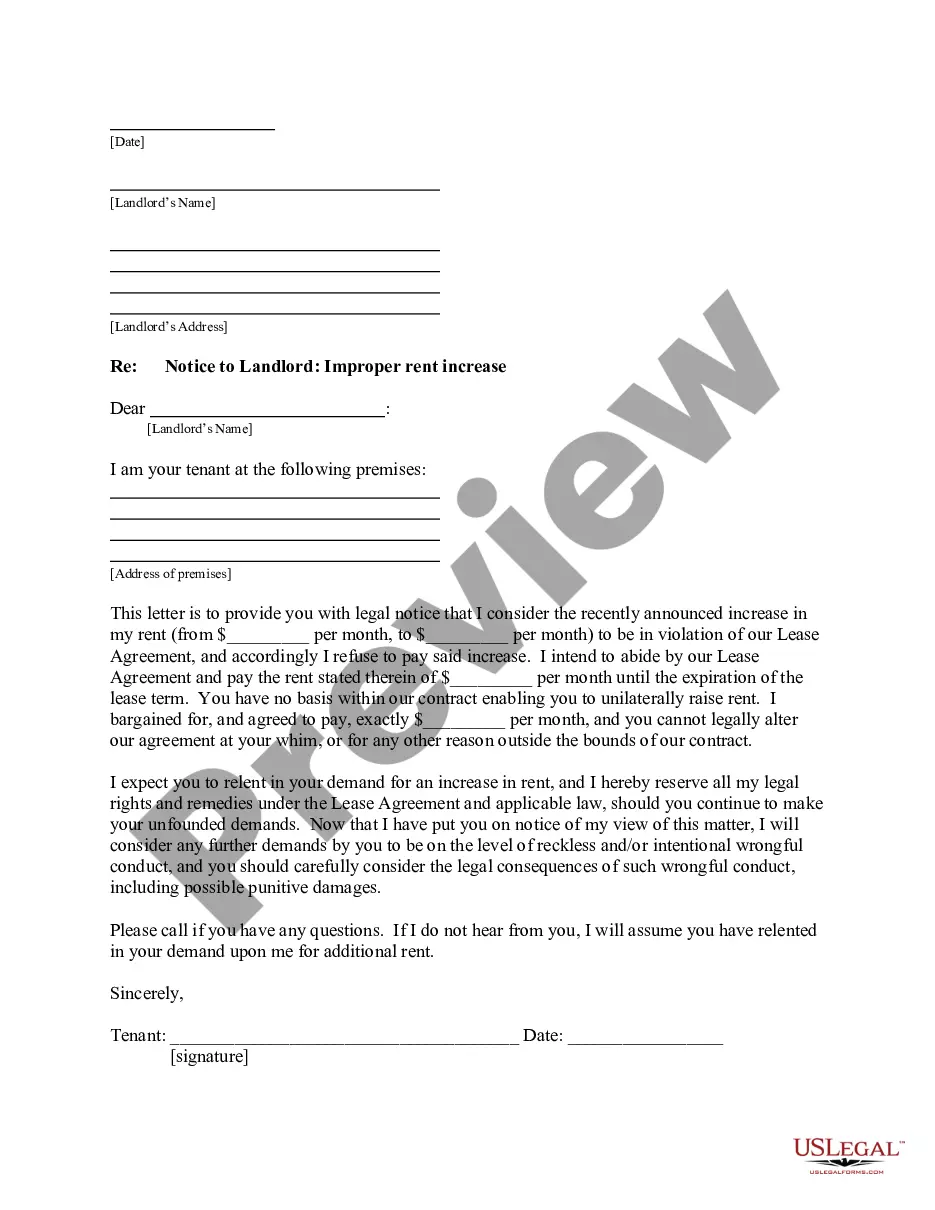
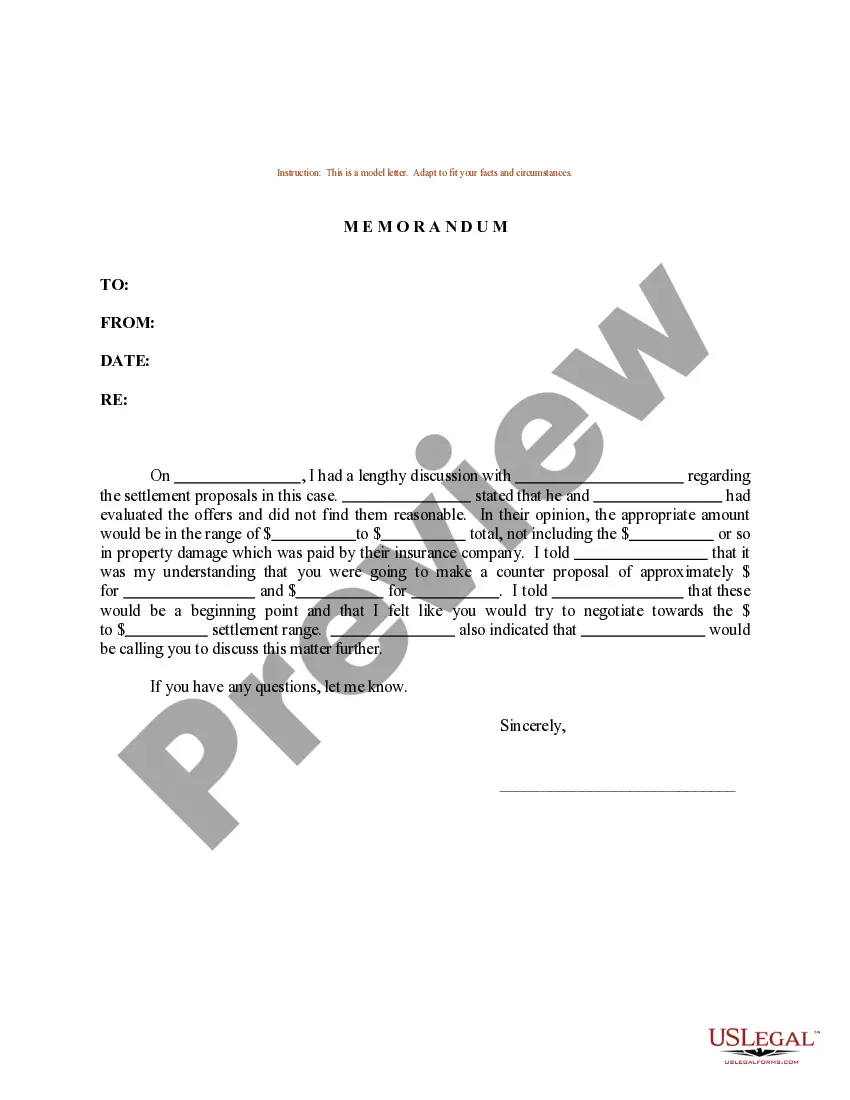
Memo regarding Settlement Negotiations
Understanding this form
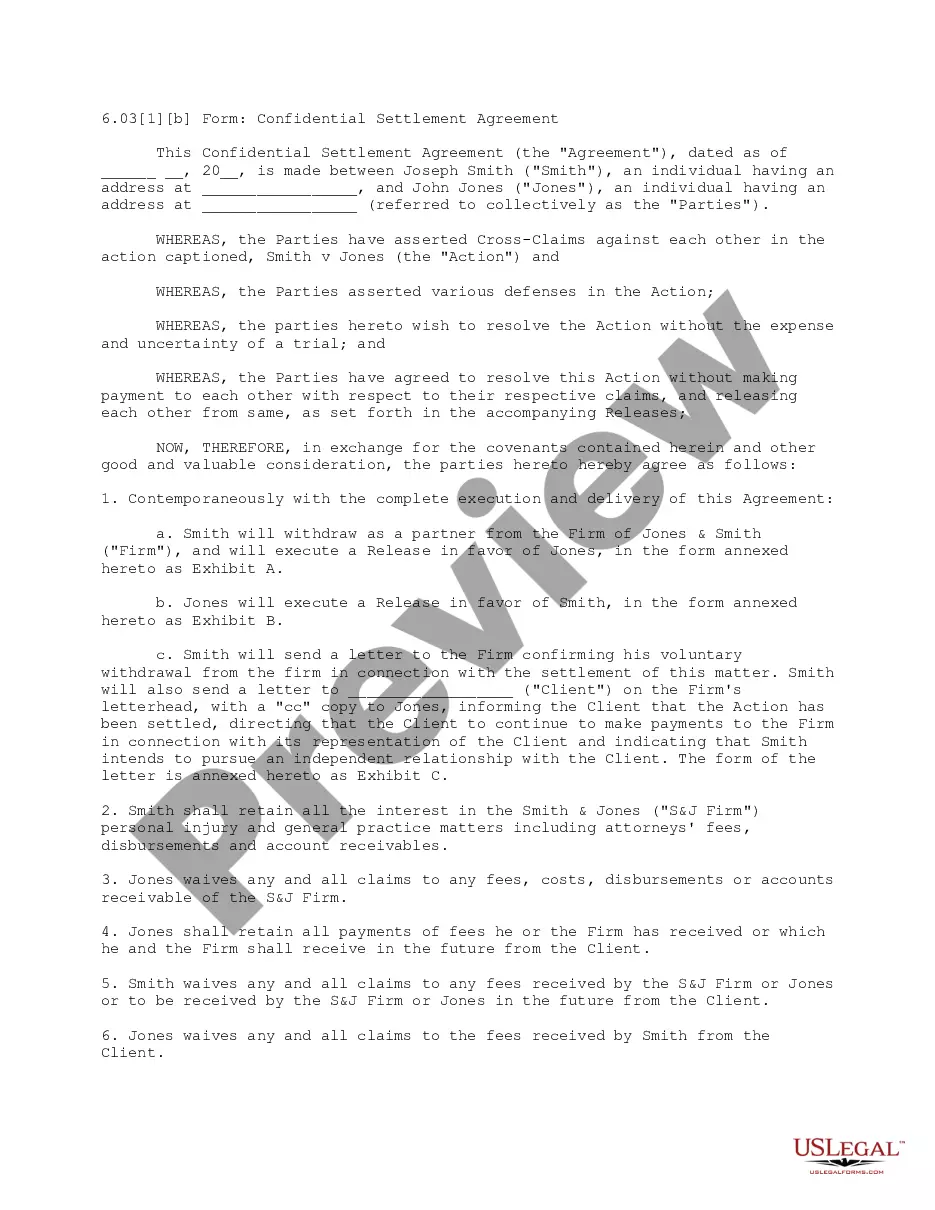
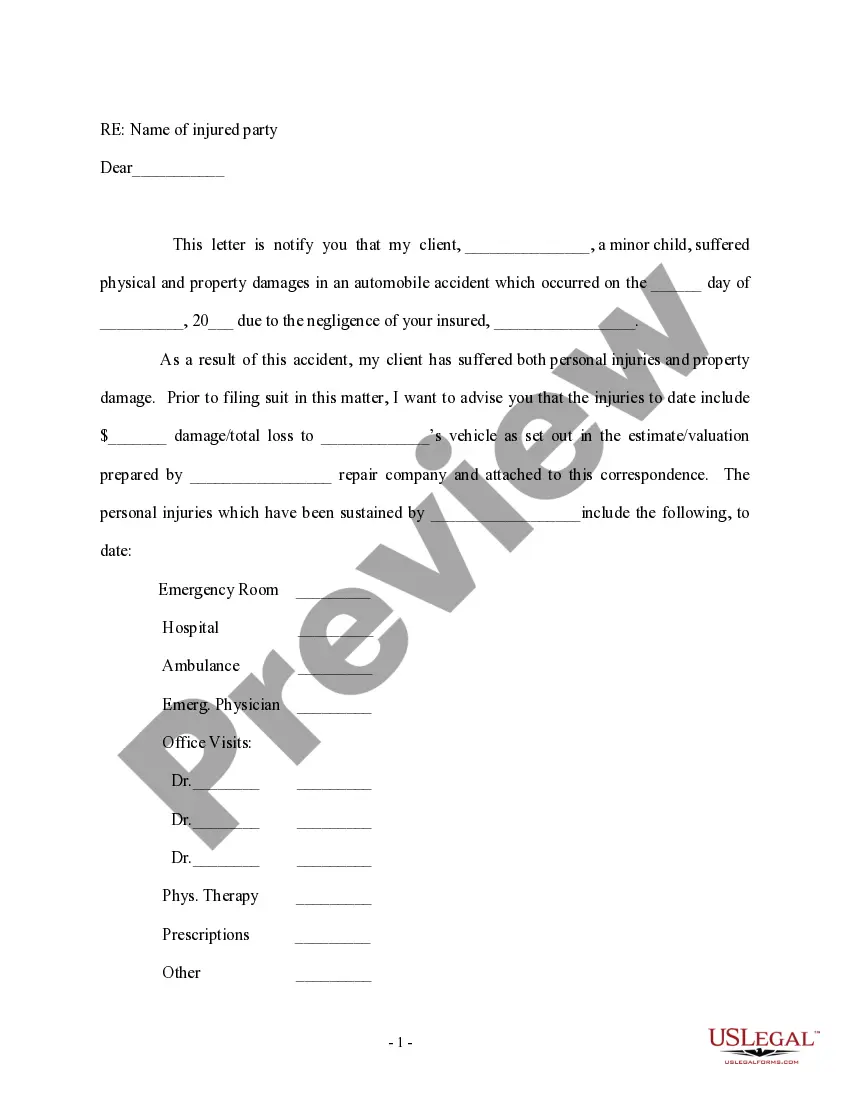
The Memo regarding Settlement Negotiations is a formal letter template designed to facilitate communication during settlement discussions in legal disputes. This document outlines the negotiation process, terms, and conditions agreed upon by parties, distinguishing it from other legal correspondence by focusing specifically on settlement negotiations. This form helps ensure that both parties have a clear understanding of the negotiation context.
Key parts of this document
- Introduction: A brief overview of the settlement discussions.
- Terms of Settlement: Specific conditions and agreements reached during negotiations.
- Timeline: Important dates regarding the negotiation process.
- Signatures: Sections for the parties involved to sign and date the memo.


When this form is needed
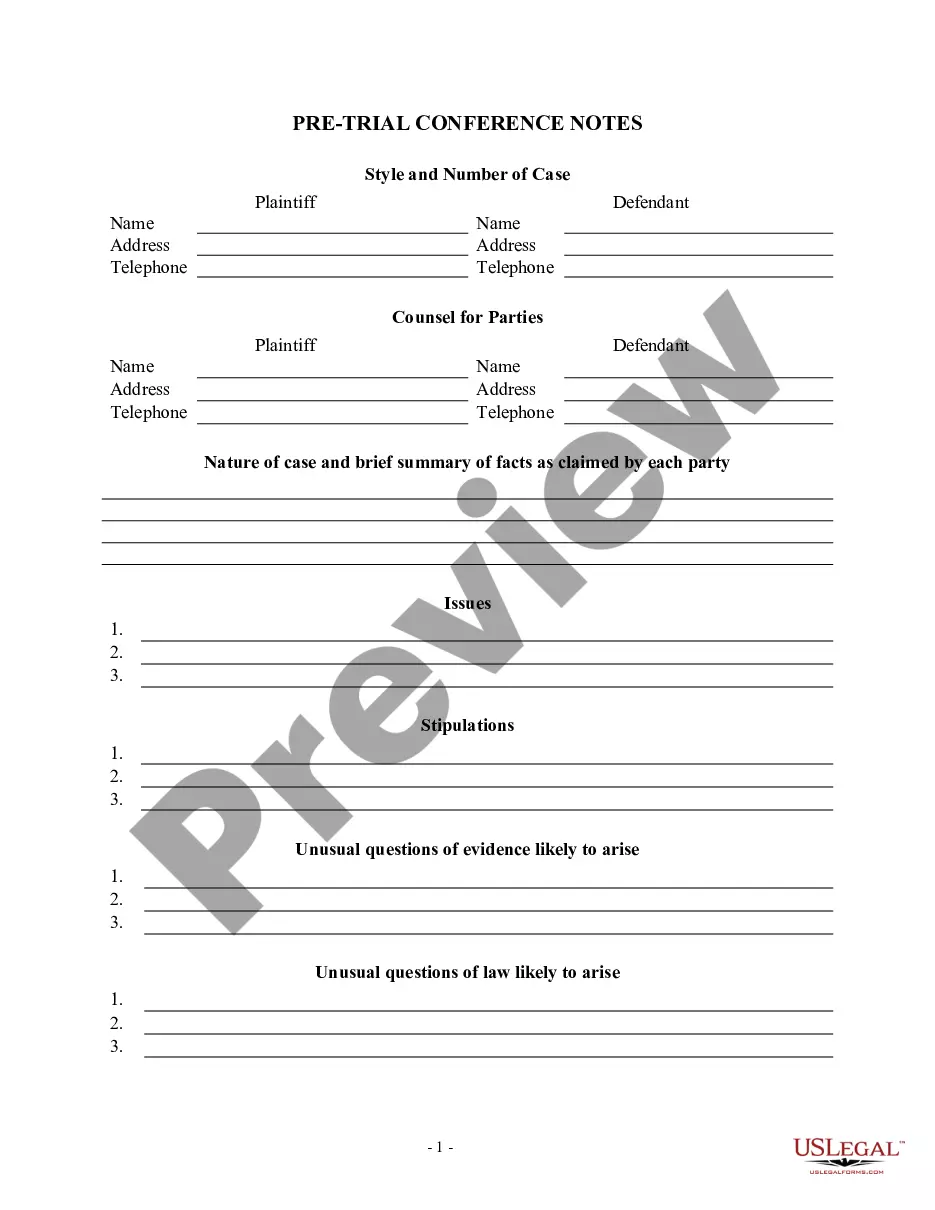
This form is useful in scenarios where parties are engaged in settlement negotiations related to a legal dispute. It serves as a record of the discussions held, the terms proposed, and any agreements reached. Use this memo when you need to formally document the status of negotiations or when preparing for further legal proceedings.
Who this form is for
- Individuals or parties involved in legal disputes considering settlement.
- Attorneys who need to communicate negotiation terms to their clients.
- Businesses or organizations seeking to resolve conflicts outside of court.
Completing this form step by step
- Identify the parties: Clearly state the names and contact information of all parties involved.
- Specify negotiation terms: Outline the proposed terms of settlement discussed in the negotiations.
- Include a timeline: Add important dates relevant to the negotiation process.
- Obtain signatures: Ensure all parties sign and date the memo to acknowledge agreement.
Does this form need to be notarized?
This form does not typically require notarization to be legally valid. However, some jurisdictions or document types may still require it. US Legal Forms provides secure online notarization powered by Notarize, available 24/7 for added convenience.
Get your form ready online
Our built-in tools help you complete, sign, share, and store your documents in one place.
Make edits, fill in missing information, and update formatting in US Legal Forms—just like you would in MS Word.
Download a copy, print it, send it by email, or mail it via USPS—whatever works best for your next step.
Sign and collect signatures with our SignNow integration. Send to multiple recipients, set reminders, and more. Go Premium to unlock E-Sign.
If this form requires notarization, complete it online through a secure video call—no need to meet a notary in person or wait for an appointment.
We protect your documents and personal data by following strict security and privacy standards.

Make edits, fill in missing information, and update formatting in US Legal Forms—just like you would in MS Word.

Download a copy, print it, send it by email, or mail it via USPS—whatever works best for your next step.

Sign and collect signatures with our SignNow integration. Send to multiple recipients, set reminders, and more. Go Premium to unlock E-Sign.

If this form requires notarization, complete it online through a secure video call—no need to meet a notary in person or wait for an appointment.

We protect your documents and personal data by following strict security and privacy standards.
Common mistakes to avoid
- Failing to clearly define all parties involved in the negotiations.
- Omitting key terms or conditions of the settlement discussion.
- Not including dates or timelines that are crucial for understanding the context.
- Neglecting to ensure all parties sign and date the document.
Benefits of using this form online
- Convenience: Easily download and customize the form at your pace.
- Editability: Modify the template to suit your specific negotiation details.
- Reliability: Access a professionally drafted form to ensure legal adequacy.
Looking for another form?


Form popularity
FAQ
An offer. This is what one party proposes to do, pay, etc. Acceptance. Valid consideration. Mutual assent. A legal purpose. A settlement agreement must also not be "unconscionable." This means that it cannot be illegal, fraudulent, or criminal.
2714 Retain relevant documents. 2714 Decide whether (and when) to make offer. 2714 Evaluate the reasons for settling. 2714 Assess motivating factors to settle. 2714 Confirm client's ability to settle. 2714 List all covered parties. 2714 List all legal issues to be settled.
The agreement should list the rights, claims, obligations, or interests that will be released in the settlement as well as any claims or obligations that are not part of the settlement.
Step One: Calculate Special Damages. First, you must calculate special damages. Step Two: Calculate General Damages. Step Three: Adjust the Value of Your Claim. Step Four: Make Your Settlement Offer.
Some people wonder if they can save even more by money by writing their own settlement agreement and not seeking the help of a divorce attorney at all. While there is no legal requirement that you have a lawyer draft your settlement agreement, it is certainly a good idea to do so.
A Settlement Agreement (formerly known as a Compromise Agreement) is a legally binding agreement between you and your employer. This usually provides for a severance payment by the employer in return for your agreement not to pursue any claims in a Tribunal or a Court.
You need to have your written agreement notarized. Make sure, when you sign the agreement, that you understand everything you are agreeing to. This type of agreement is often called a marital settlement agreement or MSA.
Settlement negotiations occur during mediation. Plaintiffs, defendants, and their attorneys gather outside of the courtroom to talk through the issues and try to agree on a monetary value. If the parties agree to a settlement negotiation, the parties will sign the agreement, and it will act like a contract.