Self-Employed Independent Contractor Consideration For Hire Form
What is this form?
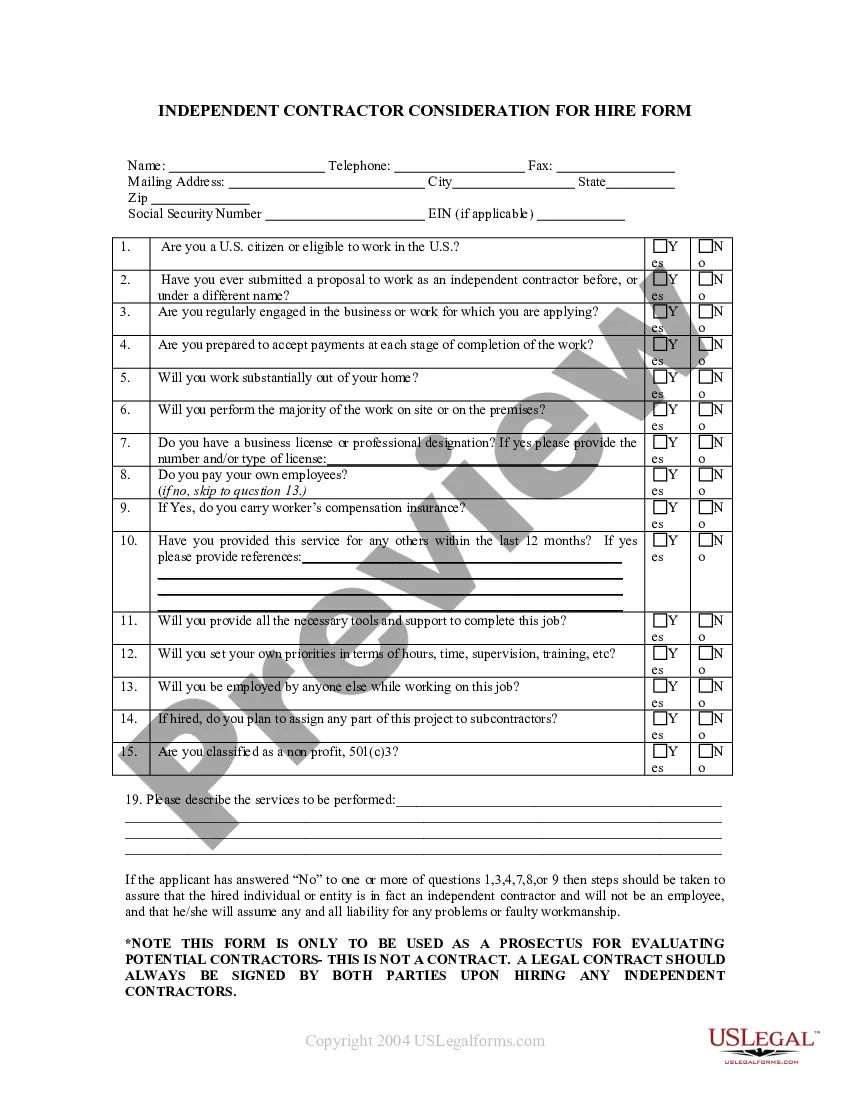
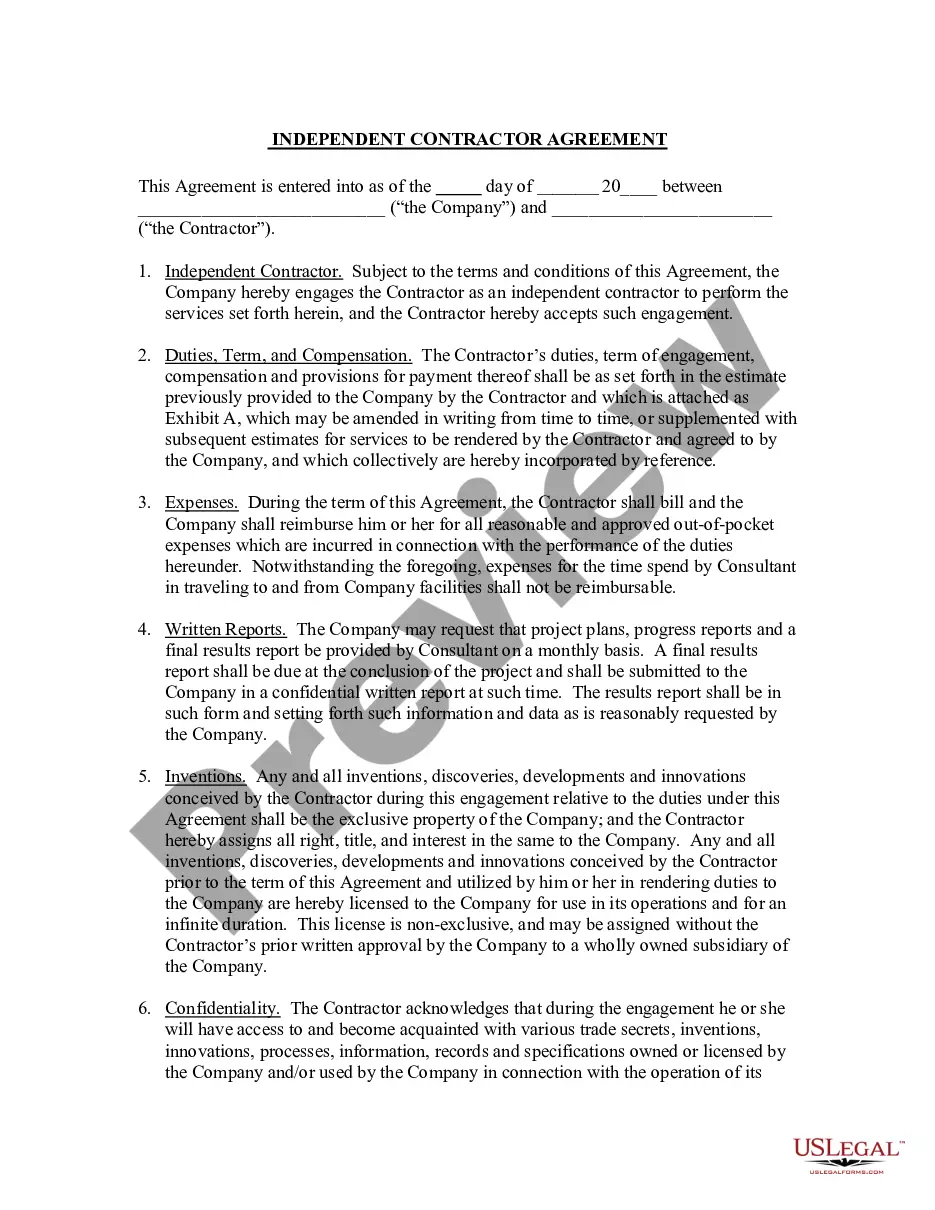
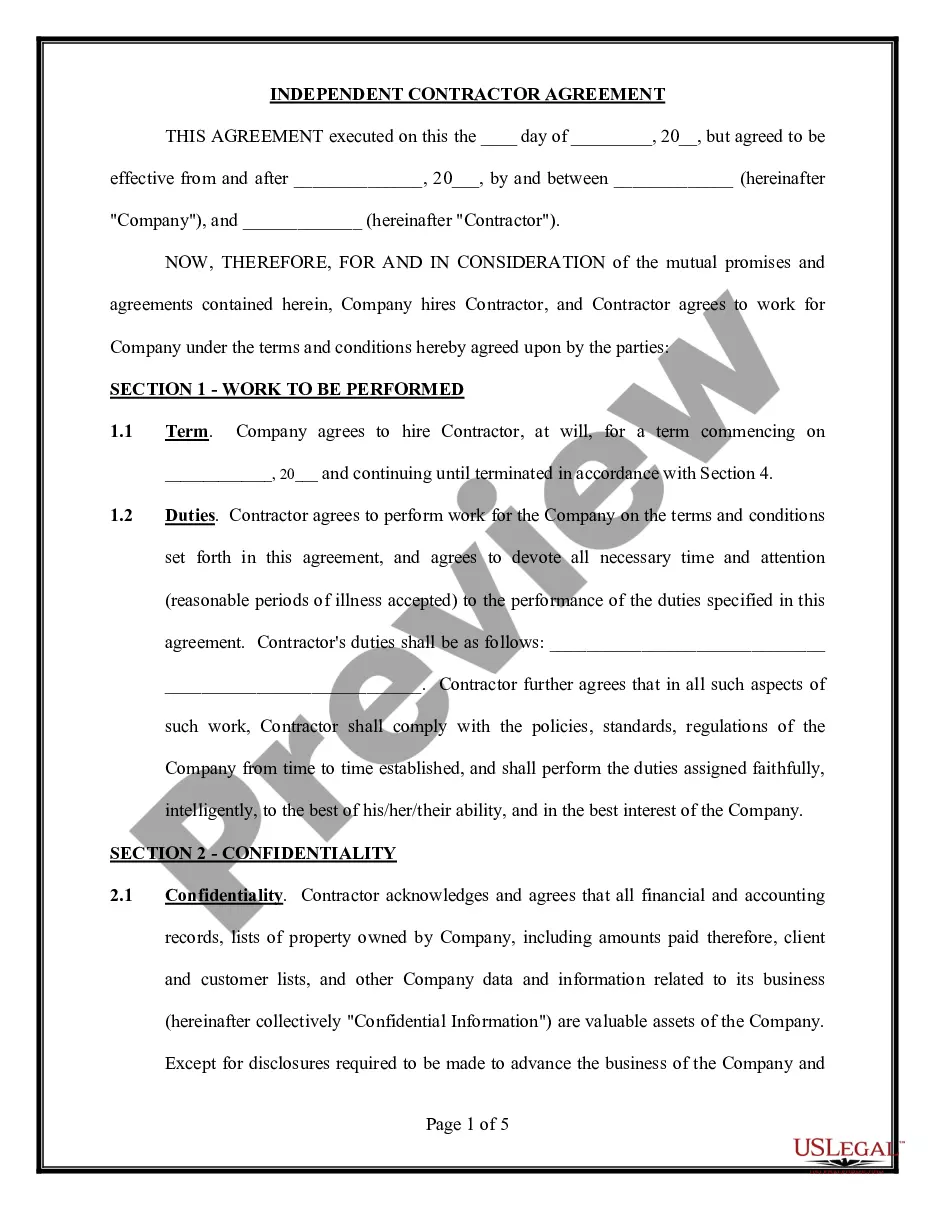
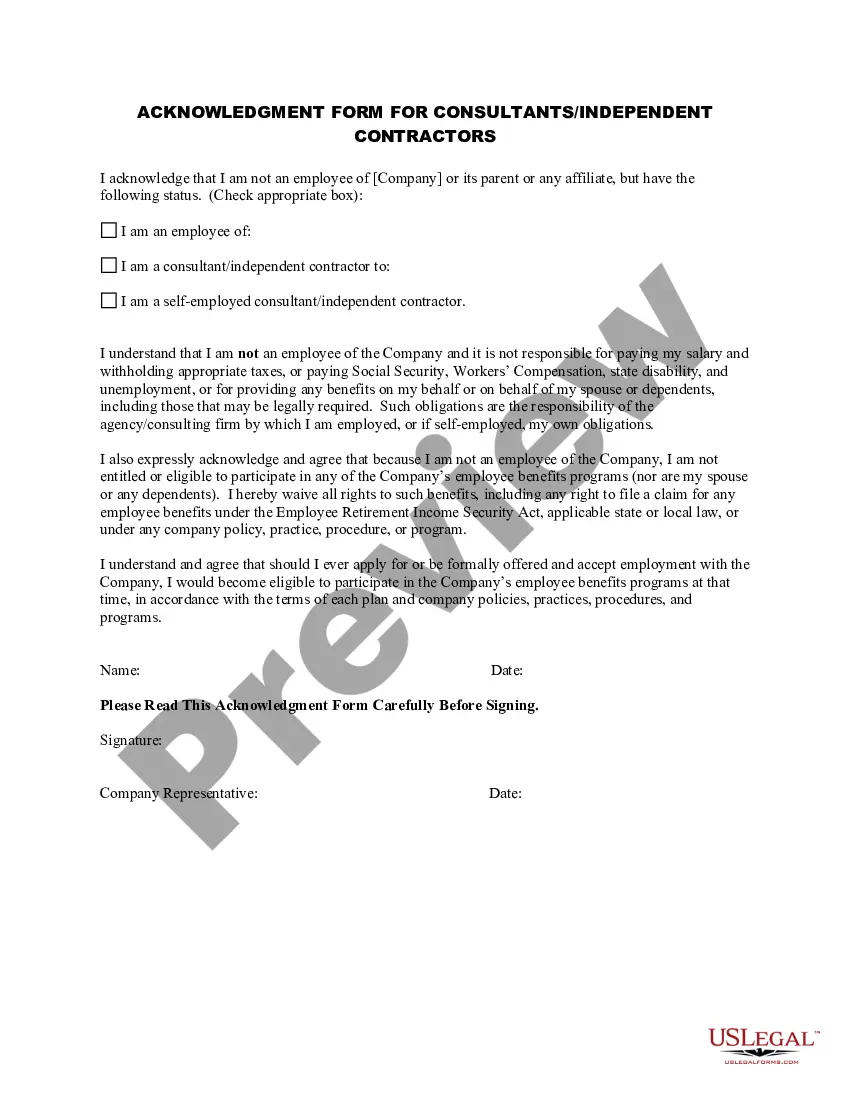
The Self-Employed Independent Contractor Consideration For Hire Form is designed for employers to assess whether a prospective applicant qualifies as an independent contractor. This form serves as an evaluation tool rather than a binding contract. It helps to ensure that the individual meets the necessary criteria and will not be treated as an employee, thus delineating the responsibilities and liabilities associated with the hire.
Key components of this form
- Questions about previous service provision to other clients.
- Confirmation of workers' compensation insurance coverage.
- Details about tools and support the contractor will provide.
- Inquiries regarding the ability to set priorities and schedules.
- Space to describe services to be performed.

Situations where this form applies
This form should be used when an employer is considering hiring an independent contractor and needs to confirm that the individual meets specific independent contractor criteria. It is particularly useful when preparing to engage contractors for projects where the employer needs to delineate responsibility and ensure liability provisions are understood.
Who can use this document
- Employers looking to hire independent contractors.
- Business owners needing to ensure compliance with independent contractor regulations.
- Human resource personnel responsible for contractor evaluations.
Completing this form step by step
- Begin by filling out the personal information of the applicant.
- Answer the initial questions regarding the candidate's independent contractor status.
- Provide detailed references if the applicant has offered similar services previously.
- Describe the specific services the contractor will provide.
- Review the answers and ensure that any "No" responses are addressed before hiring.
Notarization guidance
This form does not typically require notarization to be legally valid. However, some jurisdictions or document types may still require it. US Legal Forms provides secure online notarization powered by Notarize, available 24/7 for added convenience.
Get your form ready online
Our built-in tools help you complete, sign, share, and store your documents in one place.
Make edits, fill in missing information, and update formatting in US Legal Forms—just like you would in MS Word.
Download a copy, print it, send it by email, or mail it via USPS—whatever works best for your next step.
Sign and collect signatures with our SignNow integration. Send to multiple recipients, set reminders, and more. Go Premium to unlock E-Sign.
If this form requires notarization, complete it online through a secure video call—no need to meet a notary in person or wait for an appointment.
We protect your documents and personal data by following strict security and privacy standards.

Make edits, fill in missing information, and update formatting in US Legal Forms—just like you would in MS Word.

Download a copy, print it, send it by email, or mail it via USPS—whatever works best for your next step.

Sign and collect signatures with our SignNow integration. Send to multiple recipients, set reminders, and more. Go Premium to unlock E-Sign.

If this form requires notarization, complete it online through a secure video call—no need to meet a notary in person or wait for an appointment.

We protect your documents and personal data by following strict security and privacy standards.
Mistakes to watch out for
- Failing to verify whether the applicant meets independent contractor criteria.
- Skipping required questions which may impact liability assessments.
- Not retaining a copy for records after the evaluation.
Why use this form online
- Easy download for immediate use and convenient completion.
- Editable format to customize based on specific hiring needs.
- Reliability ensured by access to templates drafted by licensed attorneys.
Legal use & context
- This form is not a contract but a tool for assessing independent contractor status.
- It is important to follow up with a formal contract once the hiring decision is made.
- Proper classification helps mitigate risk of misclassification claims.
Key takeaways
- This form helps determine independent contractor status early in the hiring process.
- Accuracy in completion is crucial to avoid misclassification and associated legal risks.
- Employers need to establish clear expectations with contractors through a separate contract.
- Understanding local laws is essential for using this form correctly across different states.
Looking for another form?

Form popularity
FAQ
Finally, the new stimulus bill provides independent contractors with paid sick and paid family leave benefits through March 14, 2021.Under CARES Act II, unemployed or underemployed independent contractors who have an income mix from self-employment and wages paid by an employer are still eligible for PUA.
Simply put, being an independent contractor is one way to be self-employed. Being self-employed means that you earn money but don't work as an employee for someone else.An independent contractor is someone who provides a service on a contractual basis.
If you received a 1099 form instead of a W-2 , then the payer of your income did not consider you an employee and did not withhold federal income tax or Social Security and Medicare tax. A 1099-MISC or NEC means that you are classified as an independent contractor and independent contractors are self-employed.
Here's a simple rule: If you work as an independent contractor, it's up to you to pay income and self-employment taxes (Social Security and Medicare taxes) on the payments you receive.You must also pay a 12.4% Social Security tax and 2.9% Medicare tax on such income.