Sample Letter for Interpleader Action
About this form
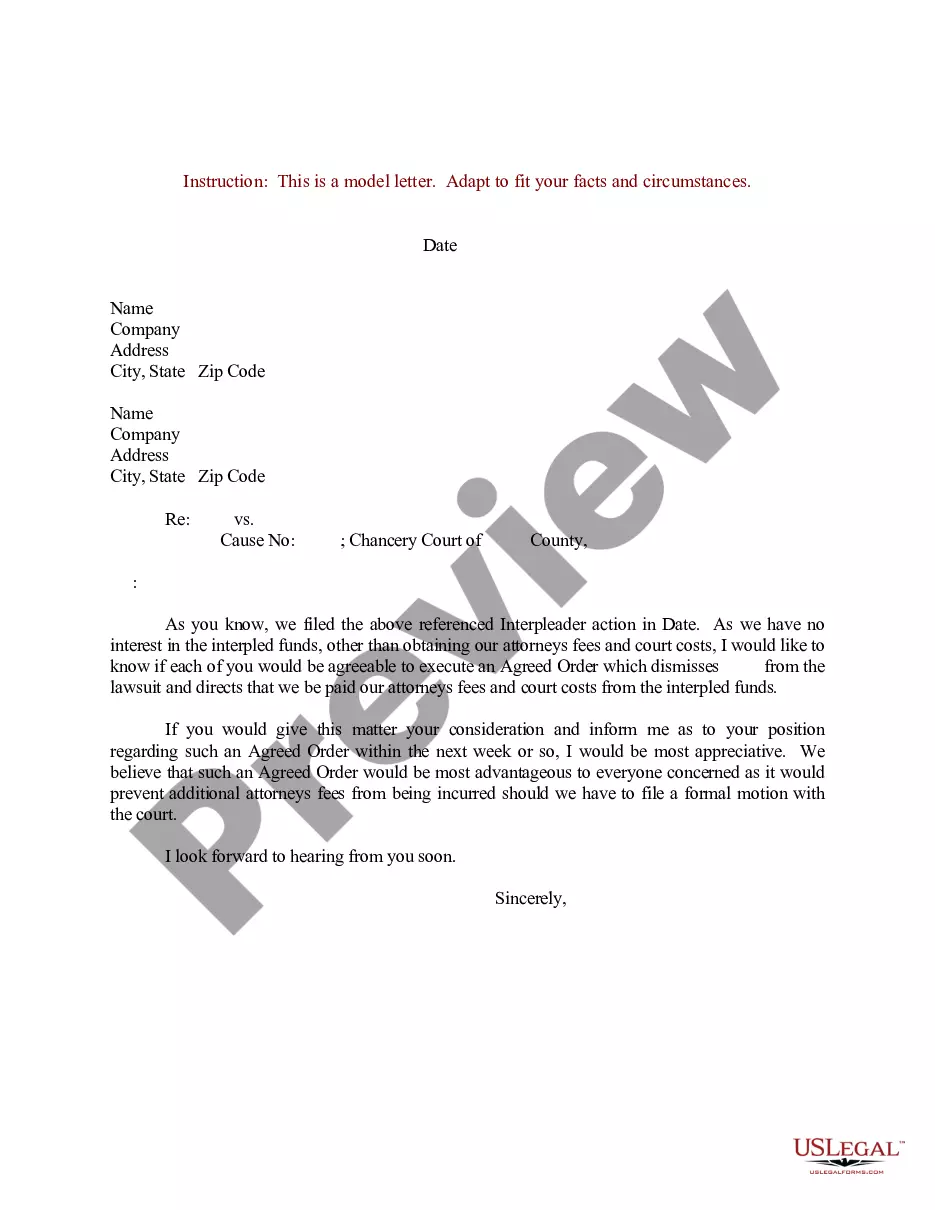
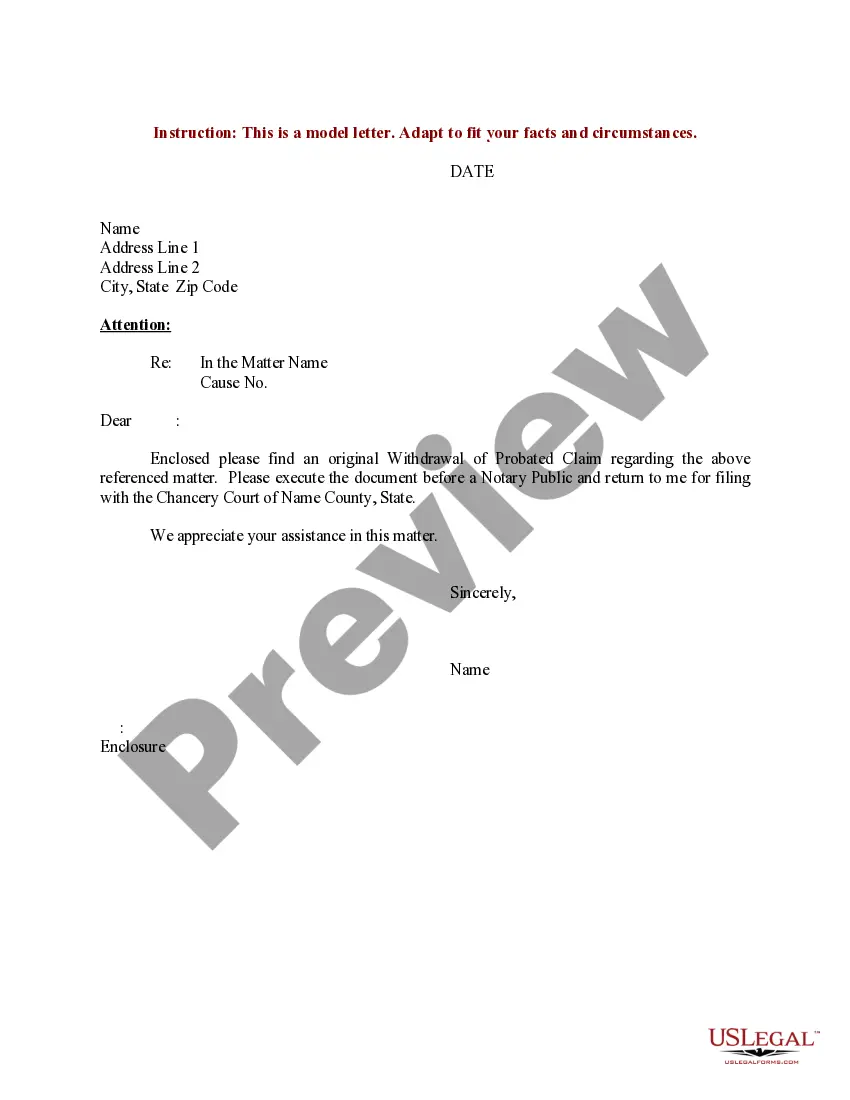
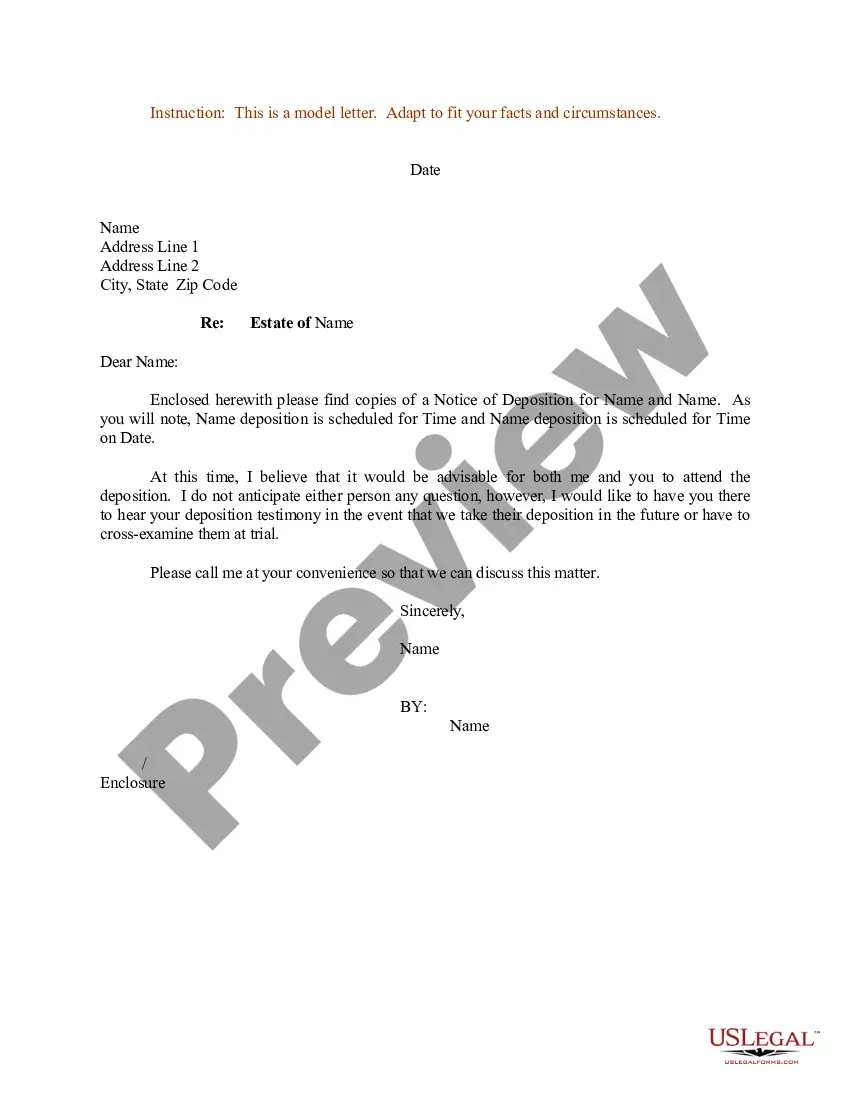
The Sample Letter for Interpleader Action is a template document designed to outline communication regarding a legal interpleader action. This form serves to notify involved parties and can help avoid unnecessary legal disputes by proposing an Agreed Order. Unlike other legal forms, this sample letter focuses on facilitating cooperation among parties involved in a dispute over rights or property without the need for immediate court intervention.
Key components of this form
- Date: Indicates when the letter was created.
- Sender's information: Includes name, company, and address of the sender.
- Recipient's information: Name and address of the other party involved.
- Request for consideration: A request for the recipient to respond regarding the Agreed Order.
- Closing section: Expresses appreciation and anticipation of a timely response.

When to use this form
This form is useful in situations where two or more parties cannot agree on who is entitled to a certain asset or right. It is commonly used in cases involving disputes over insurance claims, estate assets, or contractual obligations. Sending this letter can help initiate dialogue and potentially lead to a resolution without the need for formal legal proceedings.
Who this form is for
This sample letter is intended for:
- Individuals involved in a legal dispute over property or rights.
- Attorneys representing clients in interpleader actions.
- Beneficiaries or claimants in estate or insurance disputes.
How to complete this form
To complete the Sample Letter for Interpleader Action, follow these steps:
- Identify the date you are writing the letter.
- Fill in your information, including your name, company, and address.
- Provide the recipient's name and address accurately.
- Clearly express your request for their consideration of the Agreed Order.
- Sign the letter and include your name at the end.
Notarization guidance
Notarization is not commonly needed for this form. However, certain documents or local rules may make it necessary. Our notarization service, powered by Notarize, allows you to finalize it securely online anytime, day or night.
Get your form ready online
Our built-in tools help you complete, sign, share, and store your documents in one place.
Make edits, fill in missing information, and update formatting in US Legal Forms—just like you would in MS Word.
Download a copy, print it, send it by email, or mail it via USPS—whatever works best for your next step.
Sign and collect signatures with our SignNow integration. Send to multiple recipients, set reminders, and more. Go Premium to unlock E-Sign.
If this form requires notarization, complete it online through a secure video call—no need to meet a notary in person or wait for an appointment.
We protect your documents and personal data by following strict security and privacy standards.

Make edits, fill in missing information, and update formatting in US Legal Forms—just like you would in MS Word.

Download a copy, print it, send it by email, or mail it via USPS—whatever works best for your next step.

Sign and collect signatures with our SignNow integration. Send to multiple recipients, set reminders, and more. Go Premium to unlock E-Sign.

If this form requires notarization, complete it online through a secure video call—no need to meet a notary in person or wait for an appointment.

We protect your documents and personal data by following strict security and privacy standards.
Common mistakes to avoid
- Failing to include accurate recipient information.
- Not specifying the nature of the Agreed Order clearly.
- Omitting important dates or deadlines for response.
Benefits of completing this form online
- Easy access to a well-drafted template created by licensed attorneys.
- Convenience of downloading and customizing the form as needed.
- No need for physical visits to a lawyer; complete the process online.
Looking for another form?









Form popularity
FAQ
You typically must initiate your interpleader action by filing your complaint with the clerk of the court in the county where the money or property at issue is located. Depending on the defendants and the amount of money at stake, federal court may be proper.
Interpleader is a kind of procedure whereby a person in possession of property not being his own, and being claimed from such person (possession) by two or more other persons (so called claimants), by which the matter can be brought to court for adjudication over ostensibly valid and enforceable competing claims over
Interpleader is defined as an equitable remedy now governed by statute, whereby a holder of money such as an escrow deposits funds or property with the Court.
Interpleader suit in C.P.C is defined in section 88 with order no XXXV. An interpleader suit means if any person claims any property of her husband or her parents and in case the owner of the property is dead without transferring the property, then the second owner has to claim the property from the bank or authority.
Interpleader is defined as an equitable remedy now governed by statute, whereby a holder of money such as an escrow deposits funds or property with the Court.The governing statute for an interpleader action is California Code of Civil Procedure §386 et seq.
A way for a holder of property to initiate a suit between two or more claimants to the property.Interpleader avoids the problem of A being sued separately by both B and C, and potentially losing the same piece of property twice.
Intransitive verb. : to go to trial with each other in order to determine a right on which the action of a third party depends.