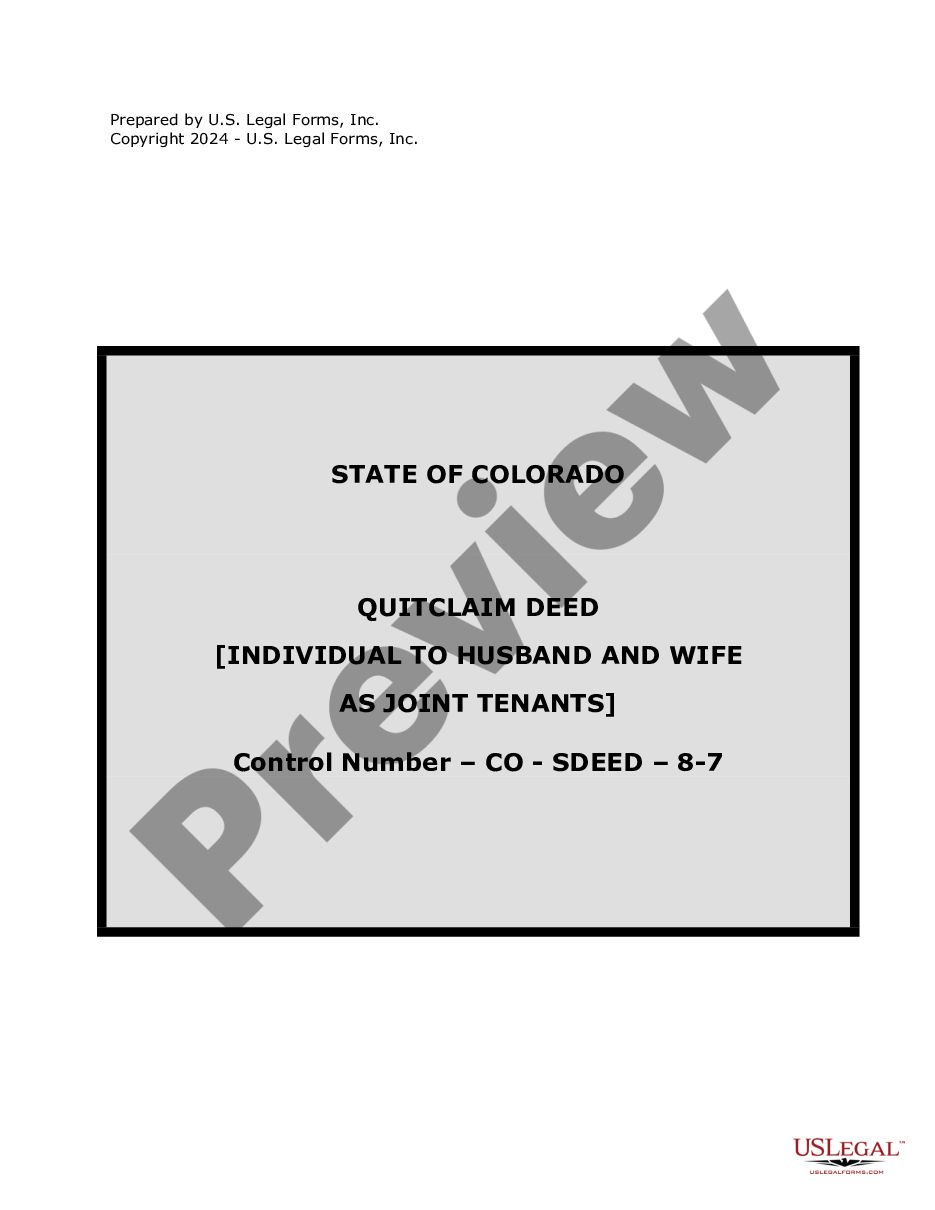
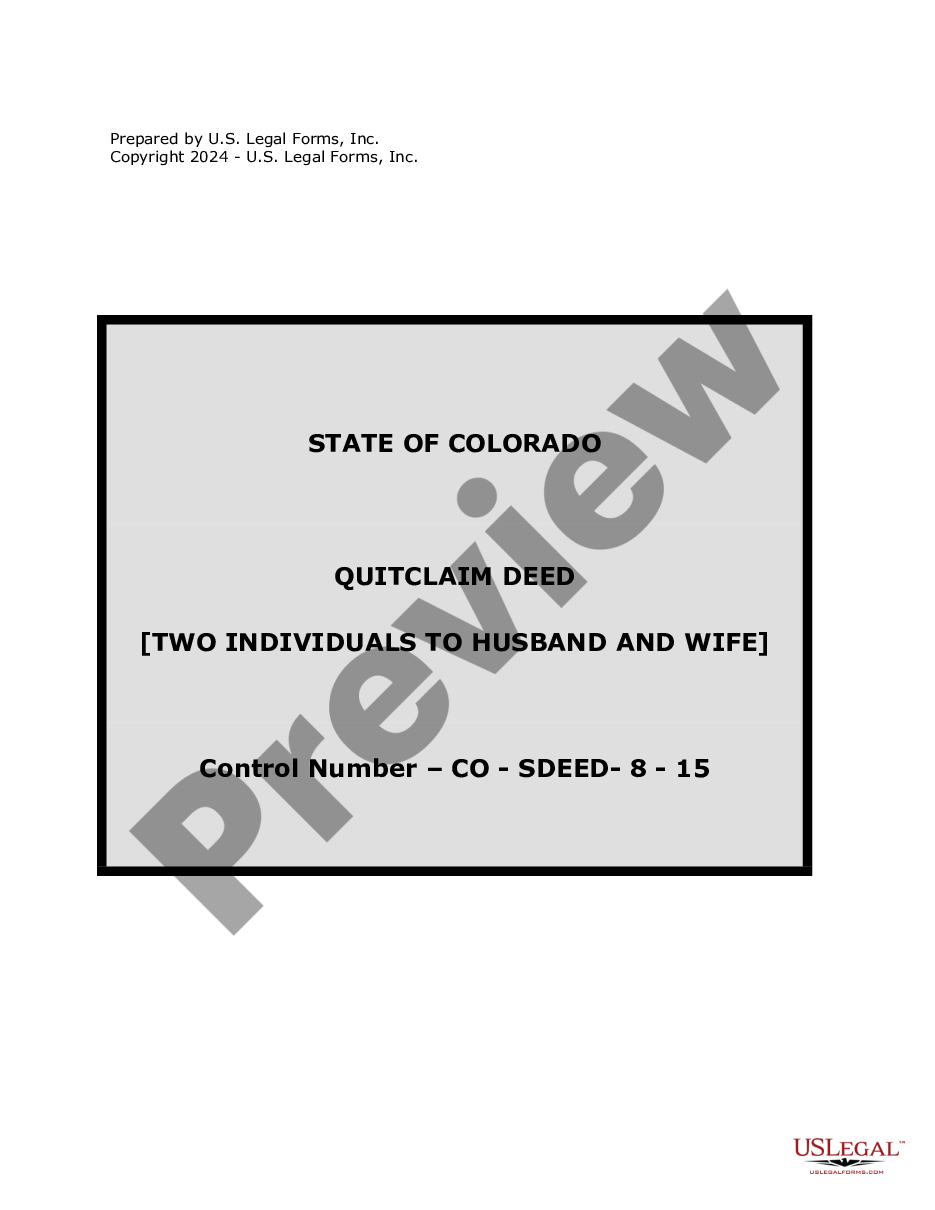
Colorado Quitclaim Deed for Individual to Husband and Wife as Joint Tenants
About this form
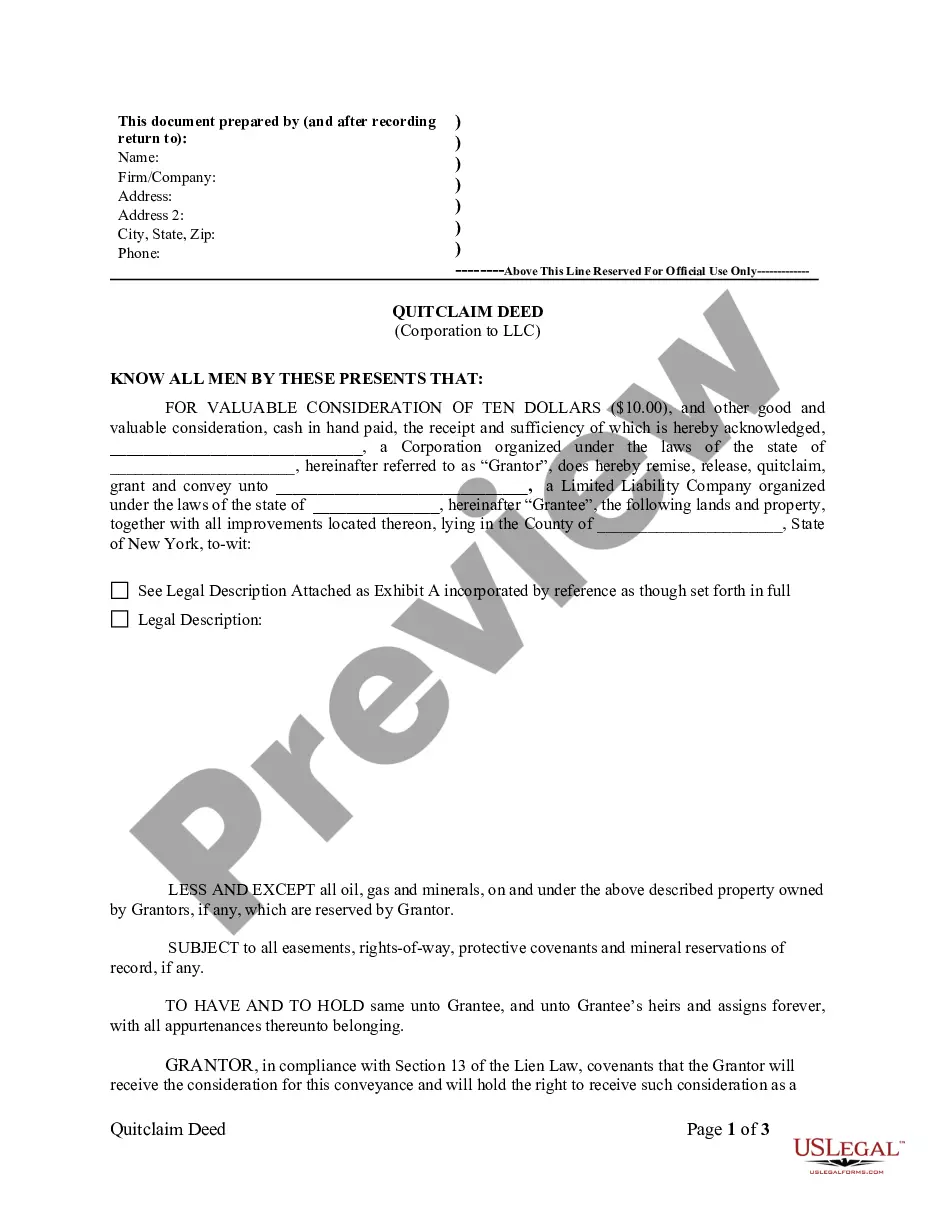
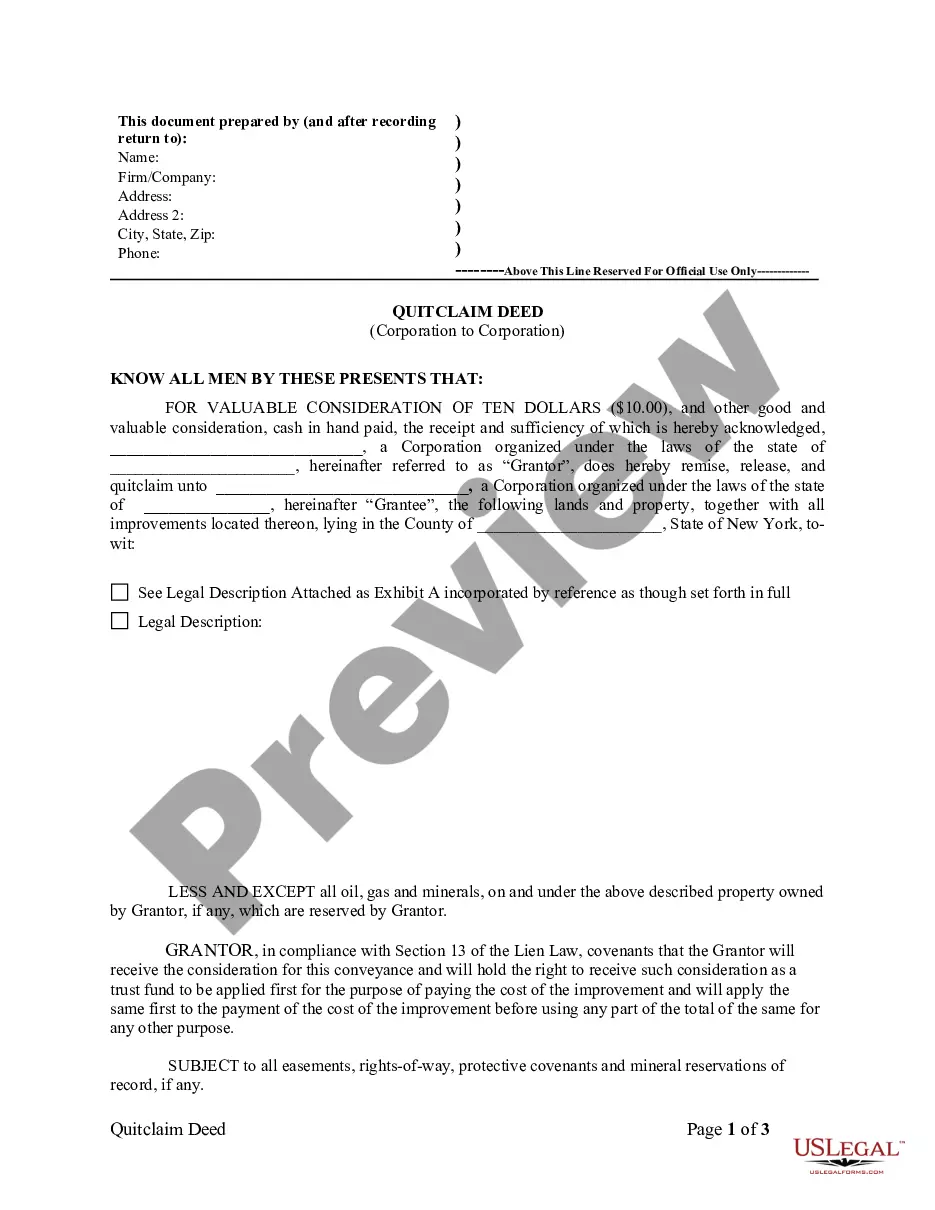
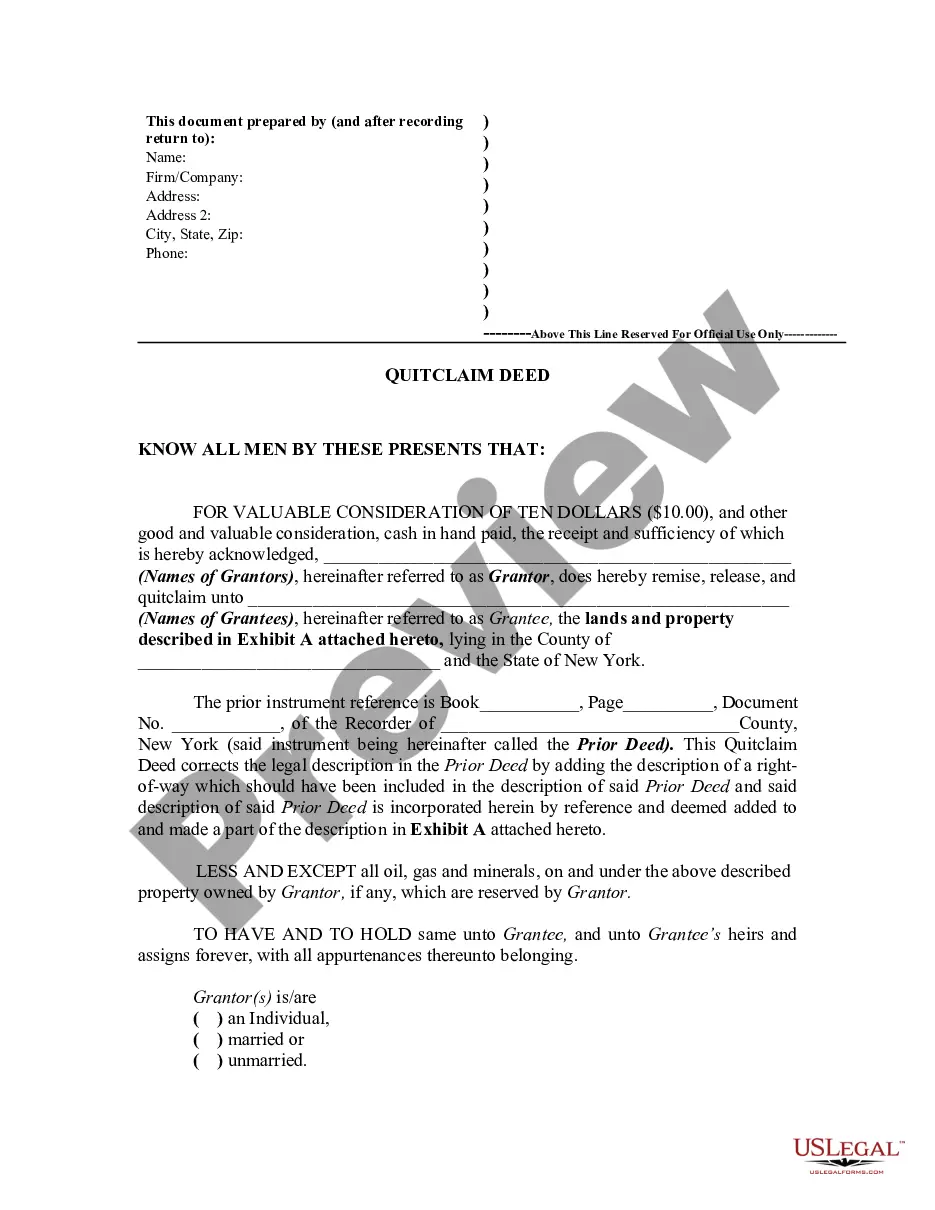
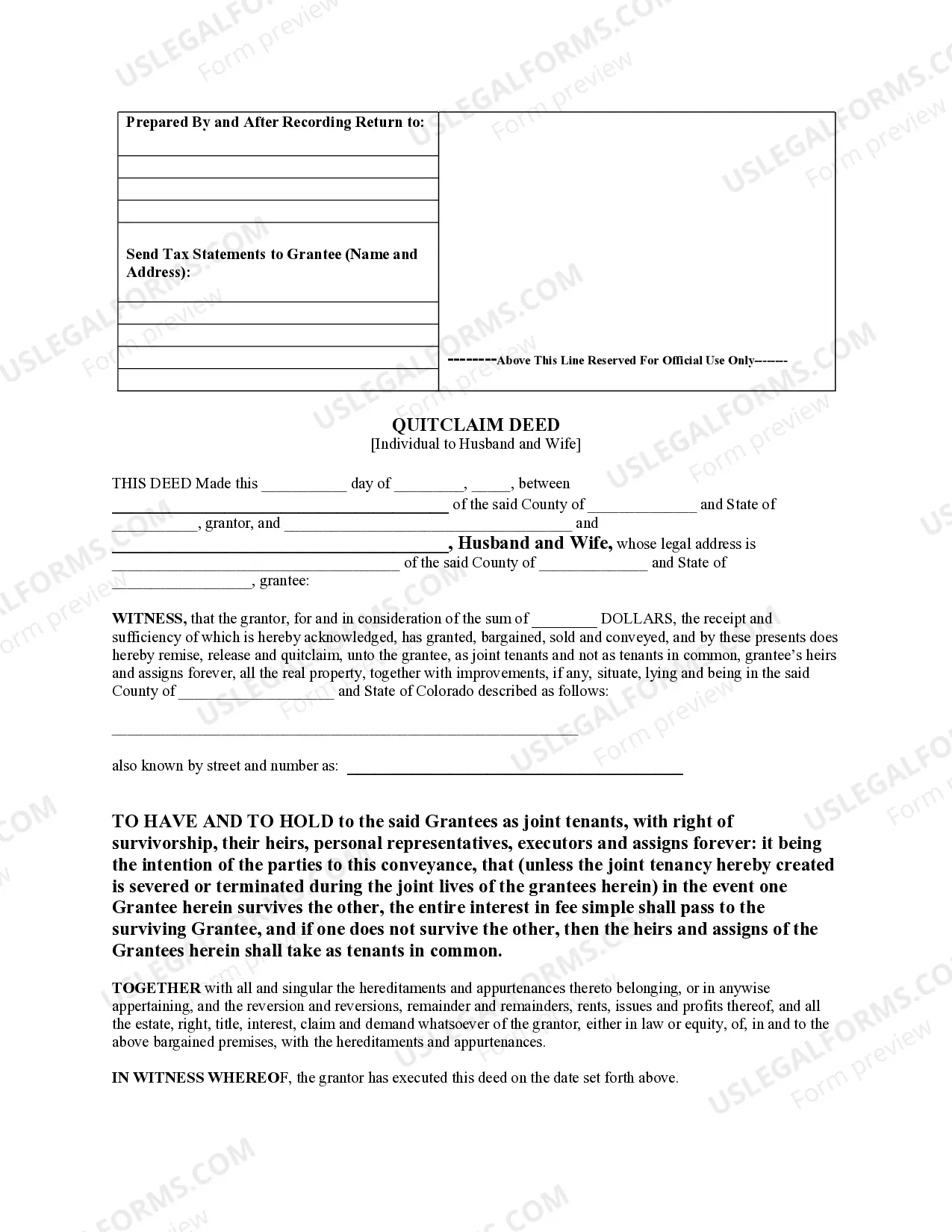
The Quitclaim Deed for Individual to Husband and Wife as Joint Tenants is a legal document that allows an individual to transfer ownership of real estate to a married couple, who will hold the property as joint tenants. This means that both spouses have equal rights to the property, and in the event of one spouse's death, the surviving spouse automatically receives full ownership without the need for probate. Unlike a warranty deed, this quitclaim deed does not guarantee the property is free of claims or liens.
Form components explained
- Grantor and grantee information: Identifies the individual transferring the property and the husband and wife receiving it.
- Property description: Details the real estate being transferred, including its physical address and legal description.
- Joint tenancy clause: Indicates the ownership structure of the property, emphasizing rights of survivorship.
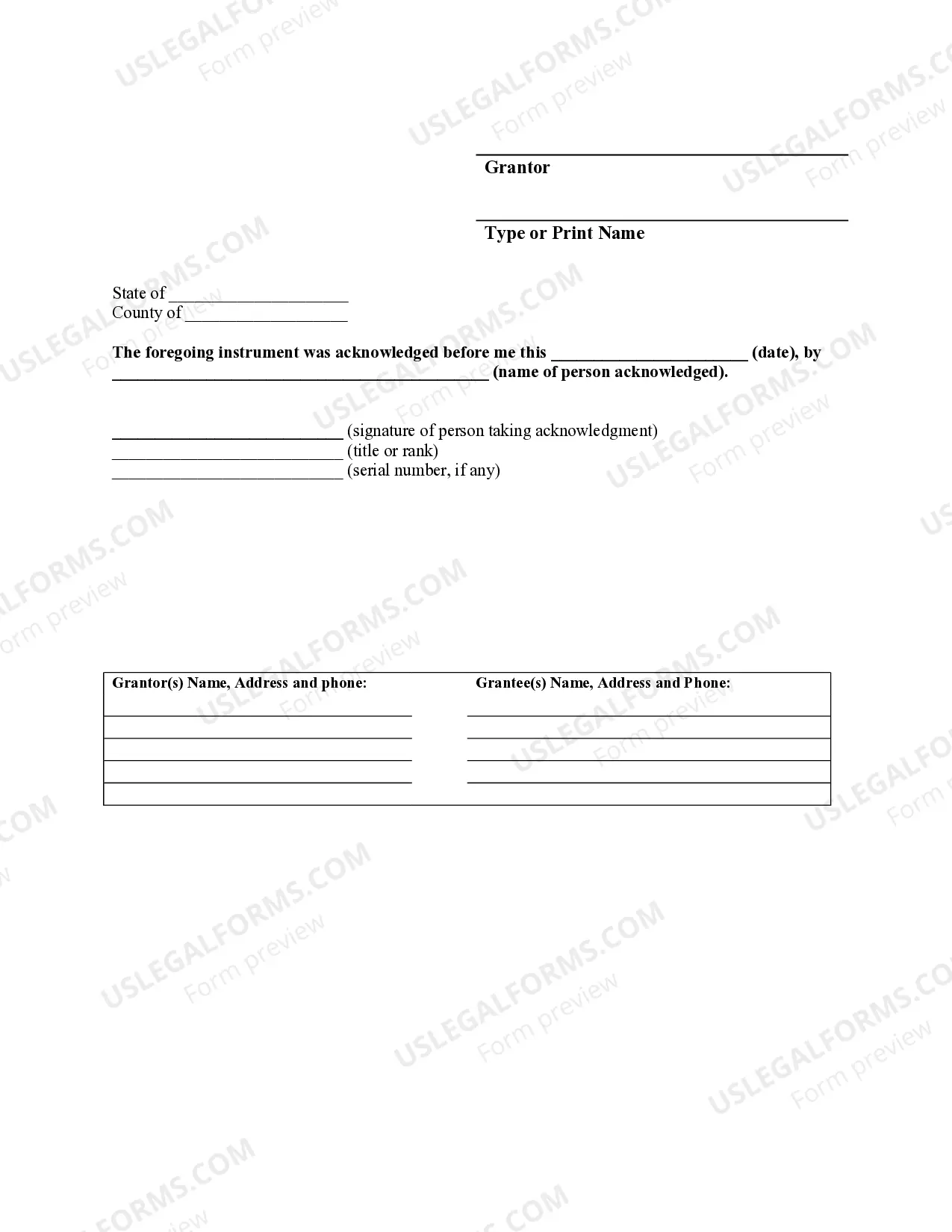
- Execution section: Contains the signature lines and a notary acknowledgment for validation.





When to use this form
This form is used when an individual wishes to transfer real estate to a married couple, allowing them to hold the property together as joint tenants. It is particularly useful in situations such as gifting property to family members, rearranging ownership among spouses, or consolidating property ownership within a household.
Intended users of this form
- Individuals looking to transfer real estate ownership to a husband and wife.
- Couples who wish to establish or clarify their joint ownership of property.
- Homeowners wanting to simplify estate planning and avoid probate issues for their property.
Steps to complete this form
- Identify the parties: Fill in the names and addresses of the grantor and grantees.
- Specify the property: Include a complete legal description and the physical address of the property being transferred.
- Enter the consideration amount: Indicate the sum of money involved in the transaction, even if it is a nominal amount.
- Sign the document: The grantor needs to sign the deed in the presence of a notary.
- Notarize the deed: Ensure the document is notarized to be legally valid.
Does this document require notarization?
This form must be notarized to be legally valid. US Legal Forms provides secure online notarization powered by Notarize, allowing you to complete the process through a verified video call.
Get your form ready online
Our built-in tools help you complete, sign, share, and store your documents in one place.
Make edits, fill in missing information, and update formatting in US Legal Forms—just like you would in MS Word.
Download a copy, print it, send it by email, or mail it via USPS—whatever works best for your next step.
Sign and collect signatures with our SignNow integration. Send to multiple recipients, set reminders, and more. Go Premium to unlock E-Sign.
If this form requires notarization, complete it online through a secure video call—no need to meet a notary in person or wait for an appointment.
We protect your documents and personal data by following strict security and privacy standards.

Make edits, fill in missing information, and update formatting in US Legal Forms—just like you would in MS Word.

Download a copy, print it, send it by email, or mail it via USPS—whatever works best for your next step.

Sign and collect signatures with our SignNow integration. Send to multiple recipients, set reminders, and more. Go Premium to unlock E-Sign.

If this form requires notarization, complete it online through a secure video call—no need to meet a notary in person or wait for an appointment.

We protect your documents and personal data by following strict security and privacy standards.
Typical mistakes to avoid
- Failing to provide a complete and accurate property description.
- Not having the deed notarized, which may lead to challenges in validity.
- Not confirming proper title ownership before transferring the property.
- Incorrectly detailing the consideration amount, leading to potential legal disputes.
Benefits of using this form online
- Convenience: Easily download and fill out the form from anywhere.
- Editability: Make necessary changes before finalizing the document.
- Time-saving: Complete the process quickly without the need for in-person visits to a lawyer.
- Reliability: Use a trusted source offering attorney-drafted forms.
Looking for another form?



Form popularity
FAQ
A quitclaim deed can be considered bad primarily due to its inherent risks and legal implications. With a Colorado Quitclaim Deed for Individual to Husband and Wife as Joint Tenants, the buyer receives no warranty on the title, which could lead to ownership disputes or financial liabilities. Moreover, if existing liens or encumbrances exist, the buyer may be held accountable without any recourse. To mitigate such risks, it often helps to consult with legal experts or use platforms like uslegalforms to ensure proper documentation and understanding.
A significant disadvantage for a buyer receiving a Colorado Quitclaim Deed for Individual to Husband and Wife as Joint Tenants is the lack of guarantees regarding the property's title. Unlike a warranty deed, a quitclaim deed does not provide any assurance that the seller actually owns the property or that there are no existing debts or claims against it. This means the buyer assumes all risks associated with the property’s title. Therefore, it is essential to conduct thorough due diligence before accepting such a deed.
Yes, a quitclaim deed must be notarized in Colorado to be legally binding. The notarization process helps verify the identities of the parties involved and confirms that they are signing the deed willingly. Remember, once the quitclaim deed is notarized, it needs to be recorded with the county clerk and recorder to ensure proper public notice of the property transfer.
To fill out a Colorado quitclaim deed, you need to include essential details such as the names of the granter and grantee, the legal description of the property, and the intention to transfer ownership. Remember to sign the deed in front of a notary public. For assistance, you can use the uslegalforms platform to access templates and guidance tailored for the Colorado Quitclaim Deed for Individual to Husband and Wife as Joint Tenants.
Filling out a quit claim deed in Colorado involves several key steps. First, provide the legal names of the individuals involved in the transaction. Then, accurately describe the property, and indicate that the deed is a quit claim deed. Finally, sign the form in front of a notary, and submit it to the county clerk and recorder’s office for recording.
To properly fill out a quit claim deed, begin by identifying the parties involved, including the grantor and grantee. Clearly describe the property, using the legal property description found on a tax document or previous deed. Additionally, include the date of the transfer and have the document signed and notarized to ensure its validity.
Yes, Colorado recognizes joint tenancy with right of survivorship. This means that if one joint tenant passes away, their share automatically transfers to the surviving tenant. This arrangement is commonly used by couples, such as in the case of a Colorado Quitclaim Deed for Individual to Husband and Wife as Joint Tenants, ensuring smooth transition of property ownership.
The Colorado Quitclaim Deed for Individual to Husband and Wife as Joint Tenants is the correct form for establishing joint tenancy with rights of survivorship in Colorado. This legal document allows both spouses to hold equal shares in the property, and it ensures that in the event of one spouse's passing, the other automatically inherits the entire property. It is crucial for couples to complete this deed correctly to avoid any future disputes or legal complications regarding property ownership. You can utilize platforms like US Legal Forms to access templates and guidance for completing your quitclaim deed smoothly.
A quitclaim deed itself does not establish joint tenancy; however, a Colorado Quitclaim Deed for Individual to Husband and Wife as Joint Tenants effectively creates joint tenancy. By specifying joint tenancy on the deed, both spouses gain equal ownership rights and survivorship benefits. To secure these benefits, ensure that you clearly state the joint tenancy intention on the quitclaim deed before executing it.
Filling out a quitclaim deed to add a spouse involves several steps. First, download the Colorado Quitclaim Deed for Individual to Husband and Wife as Joint Tenants from platforms like US Legal Forms to ensure you use the correct format. You'll need to provide details such as the names of both parties, the property description, and sign the document. Don’t forget to have it notarized and recorded with your local county clerk's office.