Proposal to increase common stock regarding to pursue acquisitions - transactions providing profit and growth
About this form
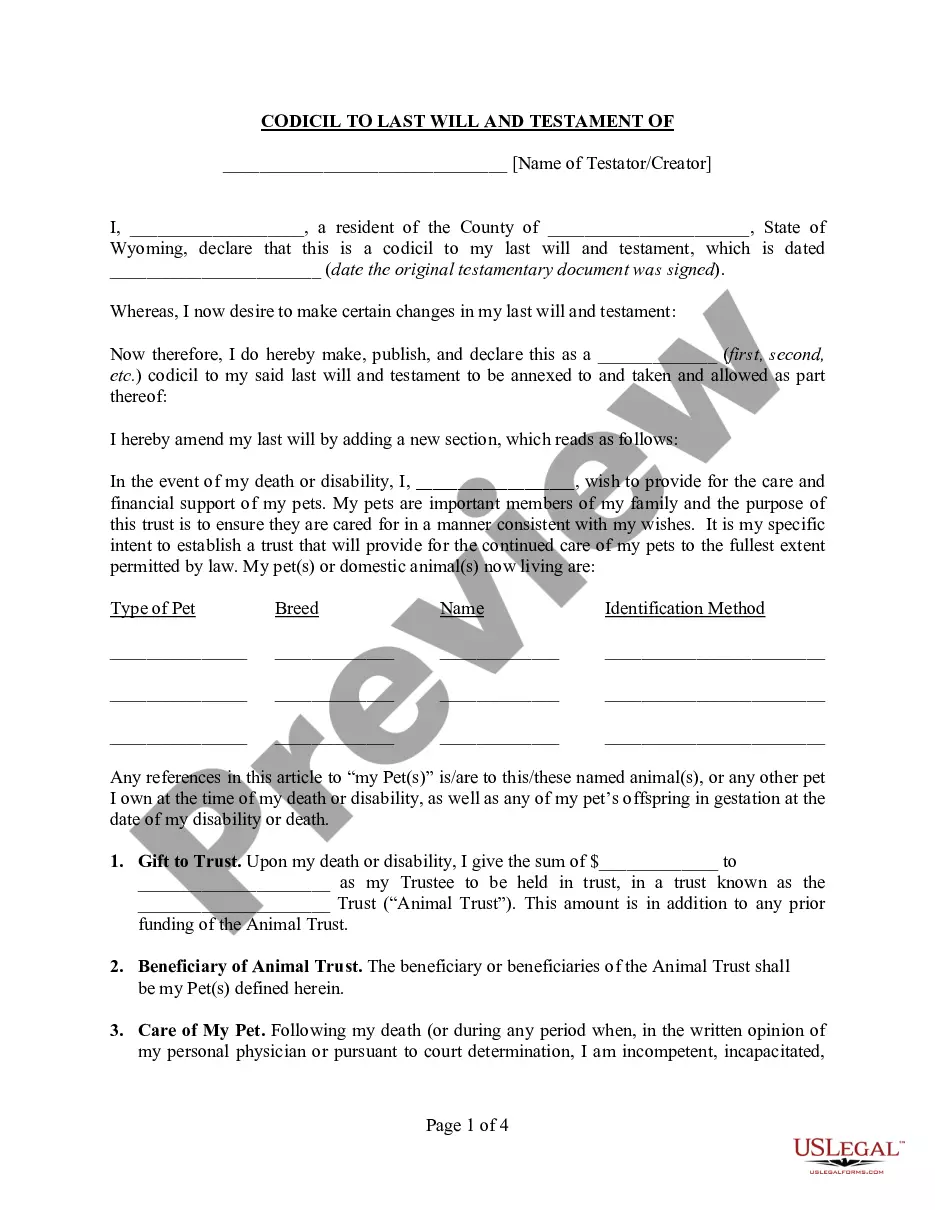
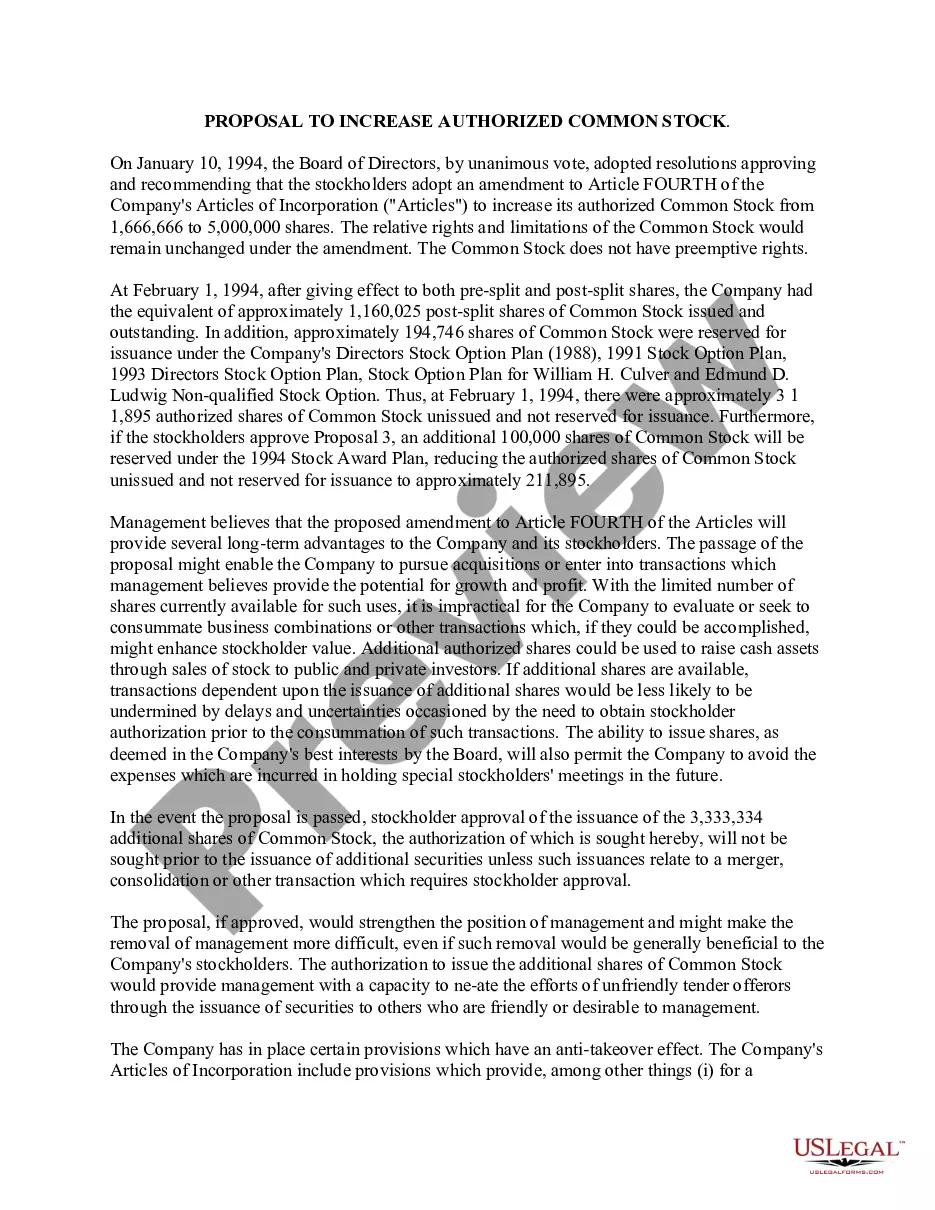
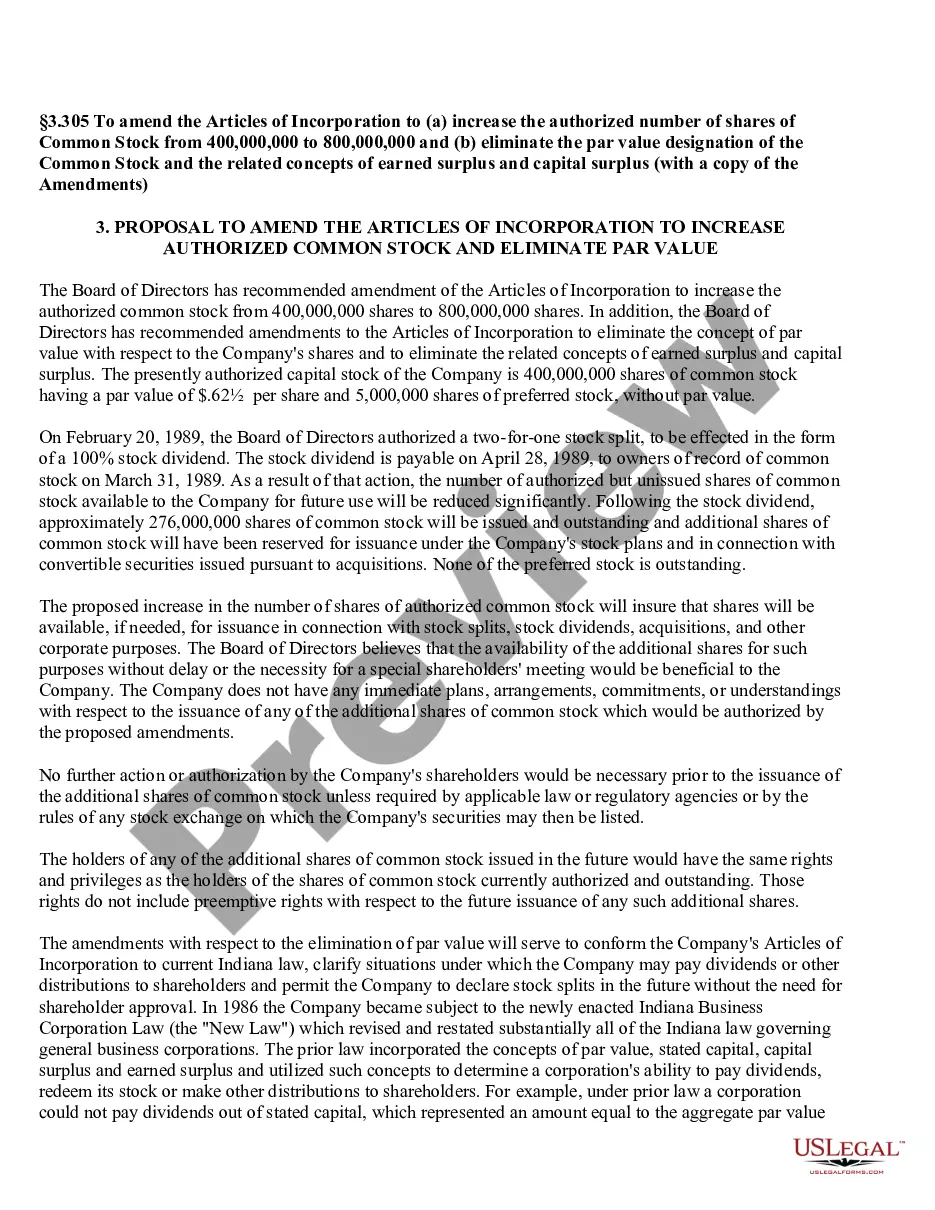
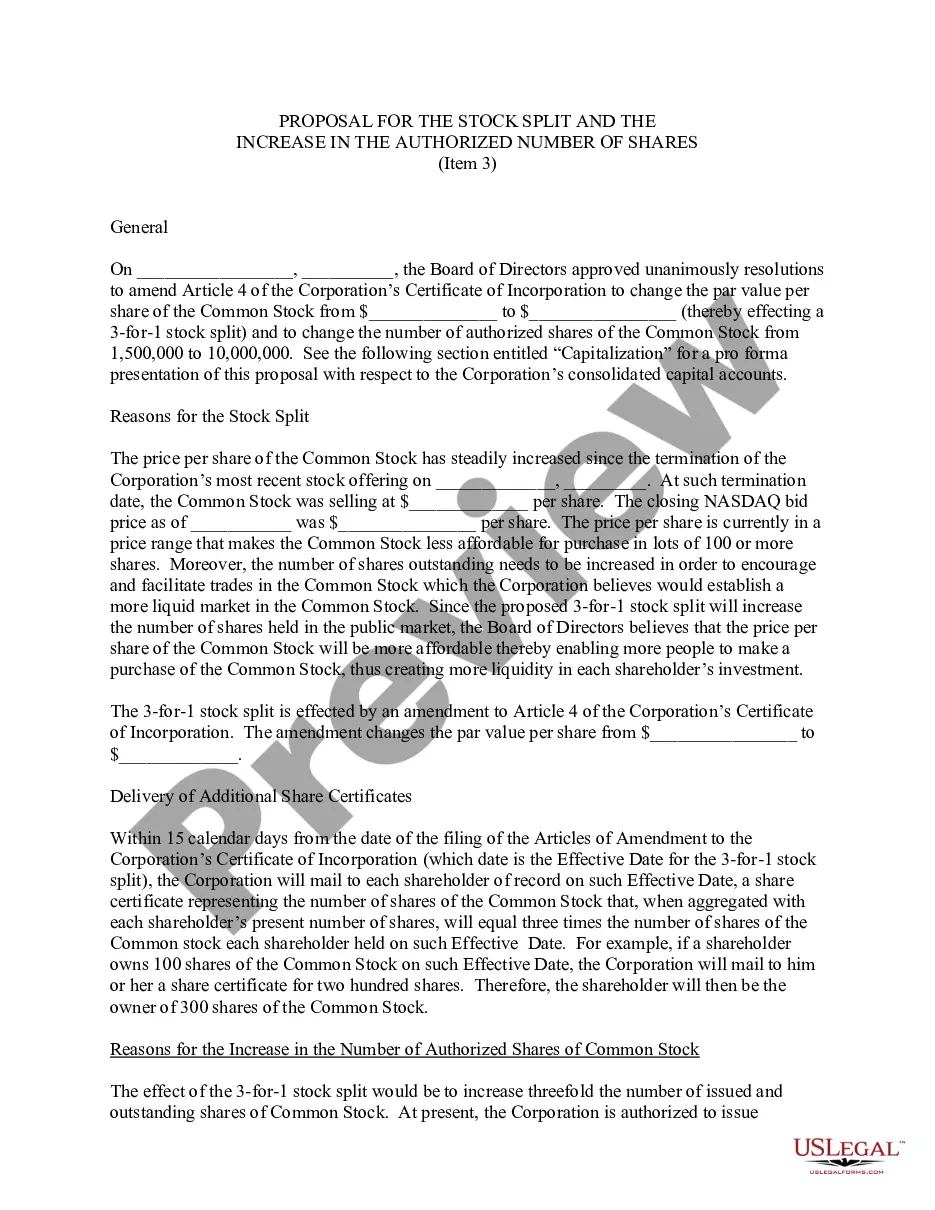
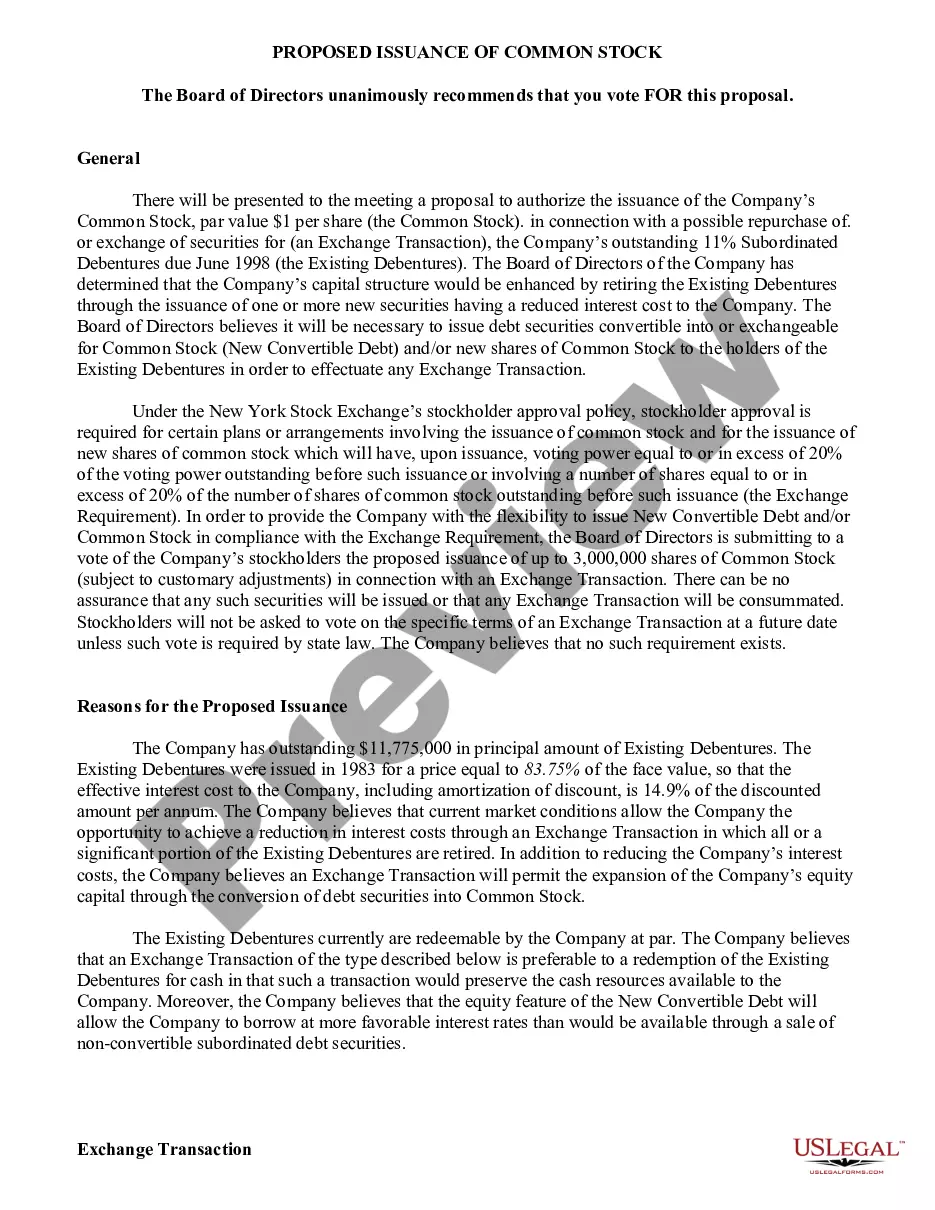
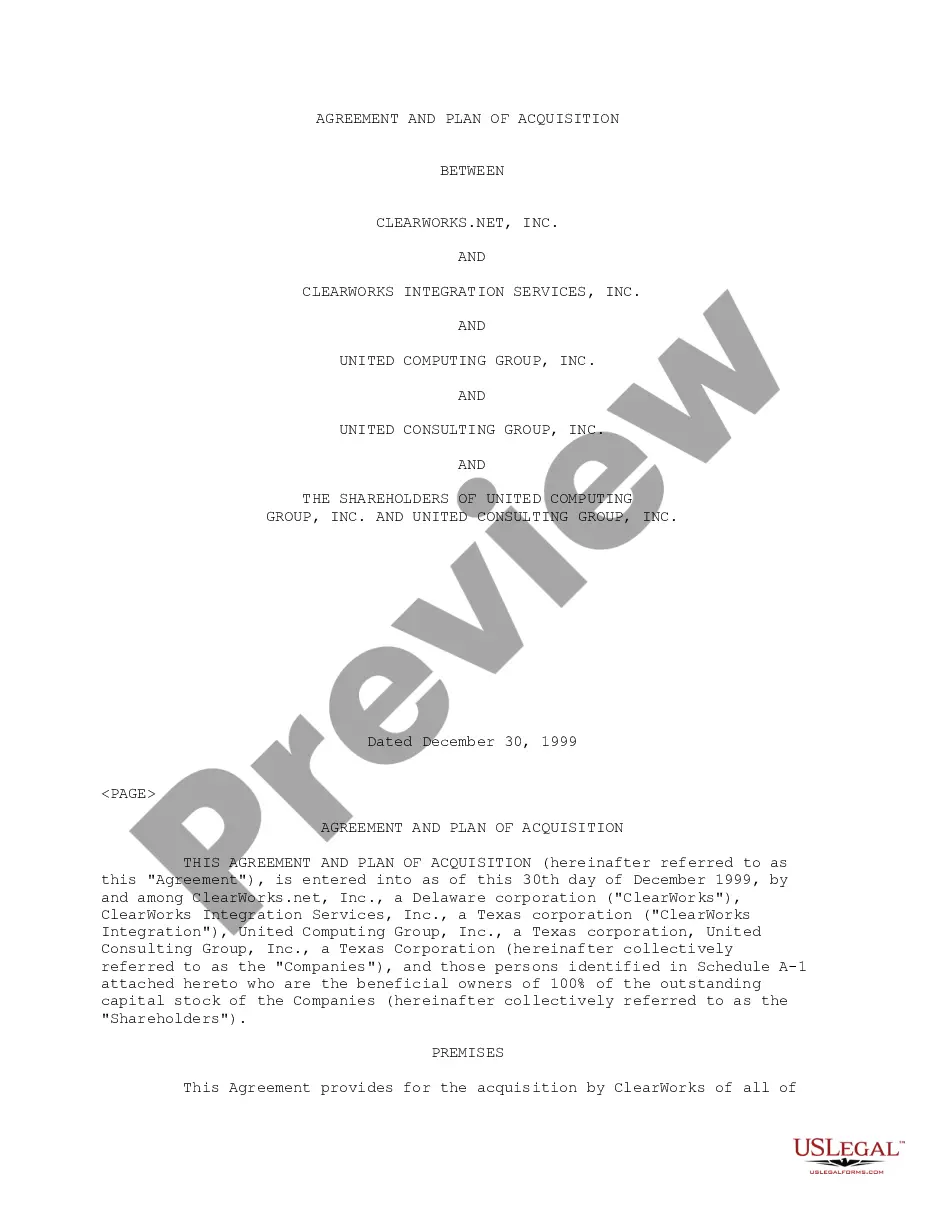
This Proposal to increase common stock regarding to pursue acquisitions is a legal document used by companies to seek approval for increasing their authorized shares of common stock. The form specifically addresses the intention to enhance company growth and profit through acquisitions and other transactions. Unlike other corporate proposals, this document outlines the company's current share situation and justifications for the increase, making it a vital tool for businesses looking to raise capital or pursue strategic opportunities.
Key parts of this document
- Title and date of the proposal
- Details of the proposed increase in common stock
- Justification for the amendment to the Articles of Incorporation
- Impact of the proposal on current shareholders
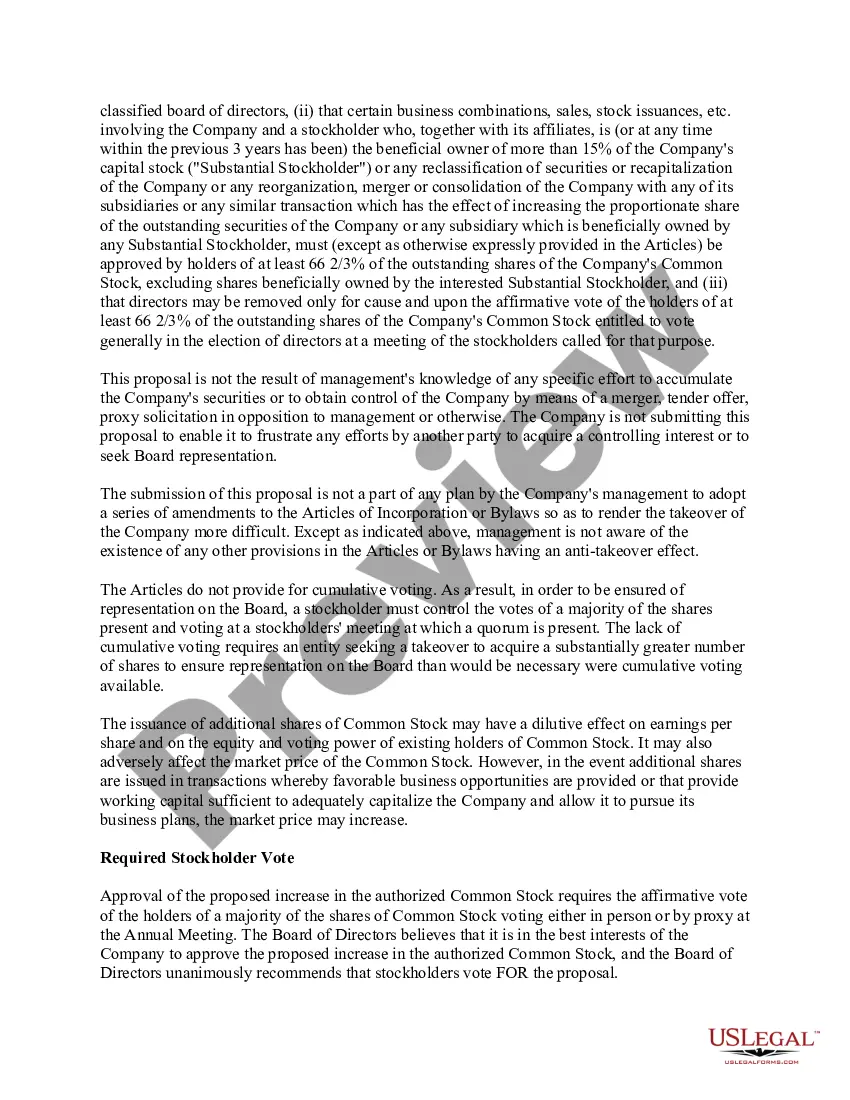
- Voting requirements for stockholder approval
- Management's recommendations and conclusions

When this form is needed
This form should be used when a corporation seeks to increase its authorized common stock to facilitate growth opportunities, such as pursuing acquisitions or financing strategies. This situation may arise when the company's existing stock is insufficient to support planned investments or strategic business moves.
Who needs this form
- Corporations looking to increase their authorized shares of common stock
- Corporate Board of Directors responsible for proposing amendments
- Stockholders voting on significant company decisions
- Legal representatives advising corporations on corporate governance
Steps to complete this form
- Fill in the title and date of the proposal accurately.
- Provide necessary details about the current and proposed stock amounts.
- Include a rationale for the increase, highlighting growth and acquisition opportunities.
- Specify voting requirements and include board recommendations.
- Review the completed document for accuracy and compliance.
Does this form need to be notarized?
This form does not typically require notarization unless specified by local law. However, it is advisable to verify local requirements or consult a legal advisor for your specific jurisdiction.
Get your form ready online
Our built-in tools help you complete, sign, share, and store your documents in one place.
Make edits, fill in missing information, and update formatting in US Legal Forms—just like you would in MS Word.
Download a copy, print it, send it by email, or mail it via USPS—whatever works best for your next step.
Sign and collect signatures with our SignNow integration. Send to multiple recipients, set reminders, and more. Go Premium to unlock E-Sign.
If this form requires notarization, complete it online through a secure video call—no need to meet a notary in person or wait for an appointment.
We protect your documents and personal data by following strict security and privacy standards.

Make edits, fill in missing information, and update formatting in US Legal Forms—just like you would in MS Word.

Download a copy, print it, send it by email, or mail it via USPS—whatever works best for your next step.

Sign and collect signatures with our SignNow integration. Send to multiple recipients, set reminders, and more. Go Premium to unlock E-Sign.

If this form requires notarization, complete it online through a secure video call—no need to meet a notary in person or wait for an appointment.

We protect your documents and personal data by following strict security and privacy standards.
Mistakes to watch out for
- Failing to accurately represent the existing stock situation.
- Neglecting to outline clear justification for the increase.
- Omitting required voting information or board recommendations.
- Using outdated or incorrect formatting for the corporate documents.
Benefits of using this form online
- Convenient access to the latest legal templates.
- Edit and customize the form to fit specific corporate needs.
- Quick download and easy integration into corporate documents.
- Assurance of compliance with legal standards.
Looking for another form?


Form popularity
FAQ
Section 1: Project Information. Section 2: Project Summary. Section 3: Project Methodology. Section 4: Project Risk Management. Section 5: Project Costs. Section 6: Conclusion. Section 7: Appendix.
State your purpose. Do this clearly and concisely so that the reader knows immediately why you are writing. Give some background information. State a solution to the problem. Show costs. Conclusion.
Solicited proposals. Proposals submitted in response to a specific call issued by a sponsor. Unsolicited proposals. Preproposals. Continuation or non-competing proposals. Renewal or competing proposals.
Identify the problem. Describe the solution, and the steps to get there. Explain why you're the right person to do it. Tell them what it costs.
1 Planning: 2 Sketch your problem or point of improvement. 3 Sketch your proposed solution. 4 Define your reader. 5 Writing: 6 Draft the problem your idea will solve. 7 Include who the proposal will effect. 8 Draft the proposed solution to the problem.
A service proposal template is used to propose samples when a service is requested by an individual or an organization and brief them about the service provided.
Describe precisely the services that your company offers. Explain how the services would benefit the prospective client. Extend an invitation to collaborate with the client in business. Keep the content of the letter professional. Address the reader formally and politely.
Here's the general structure of a proposal: As you can see, a proposal generally consists of: Introduction: A brief overview of the problem, solution, costs, and benefits. Issue: The main definition of the issue, including subject, purpose, main argument, background information and importance.
State your purpose. Do this clearly and concisely so that the reader knows immediately why you are writing. Give some background information. State a solution to the problem. Show costs. Conclusion.