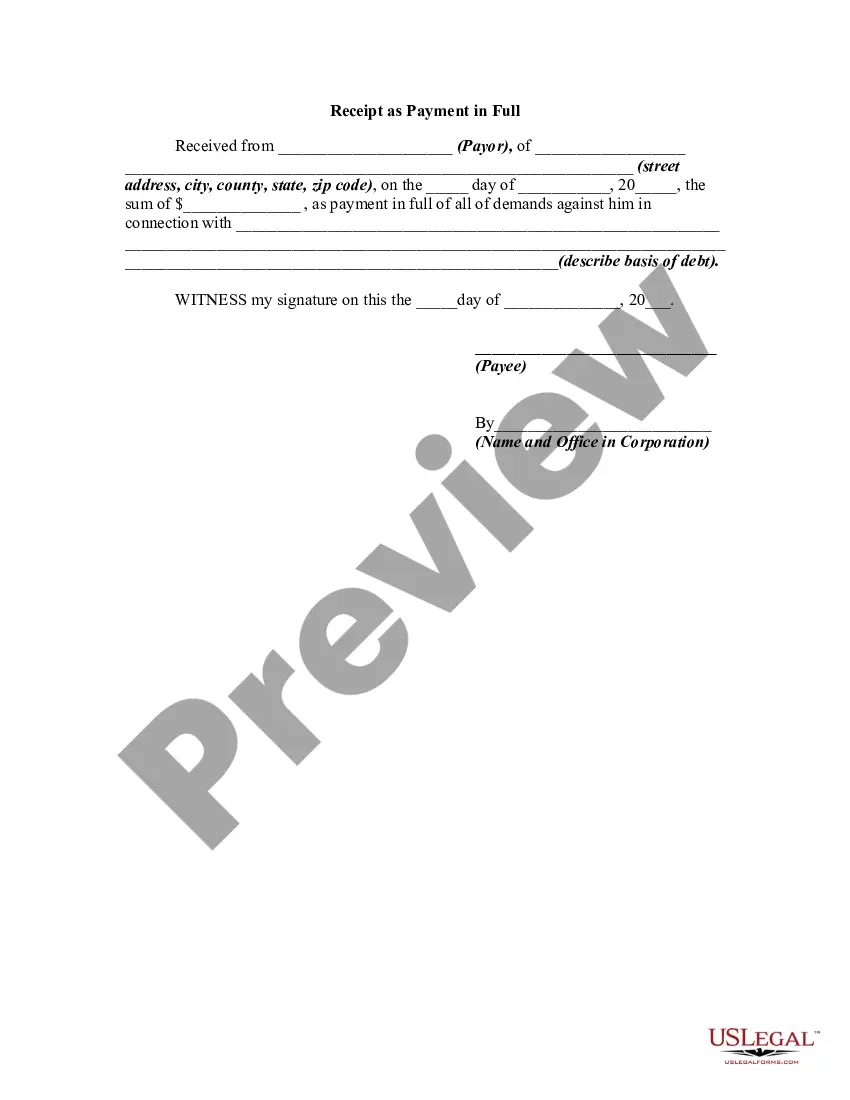
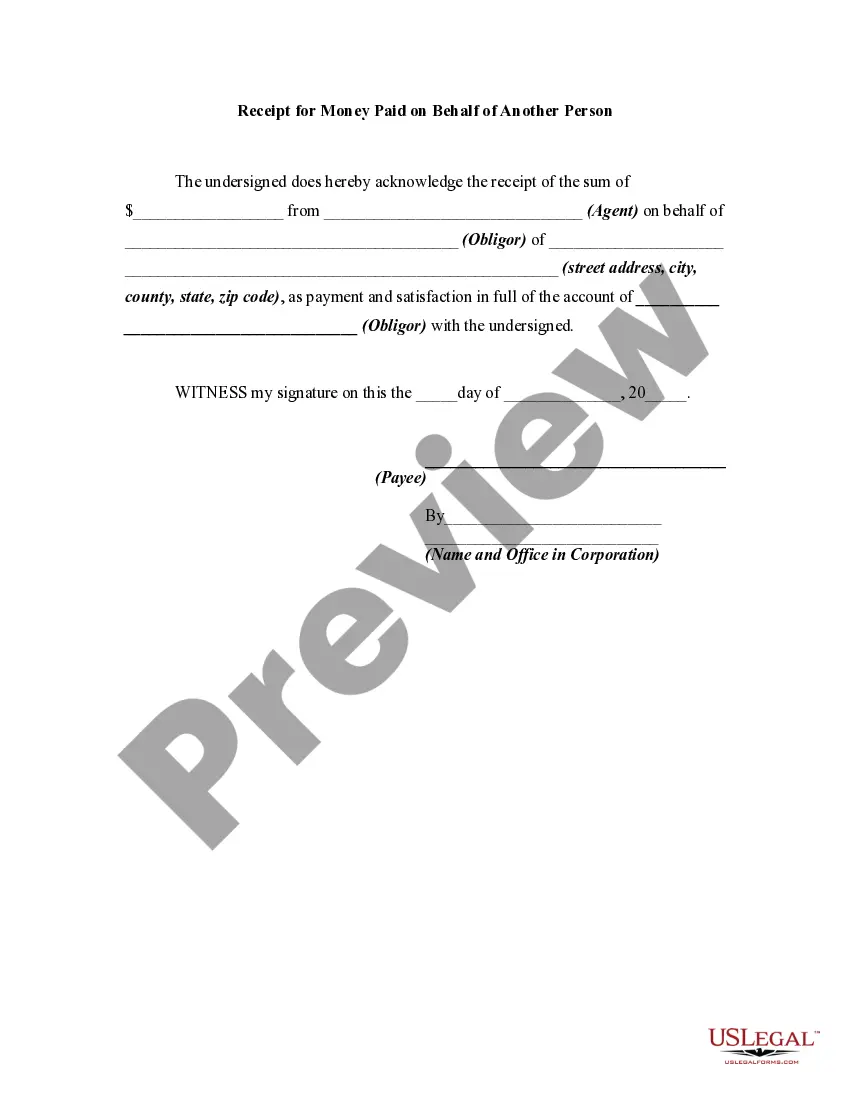
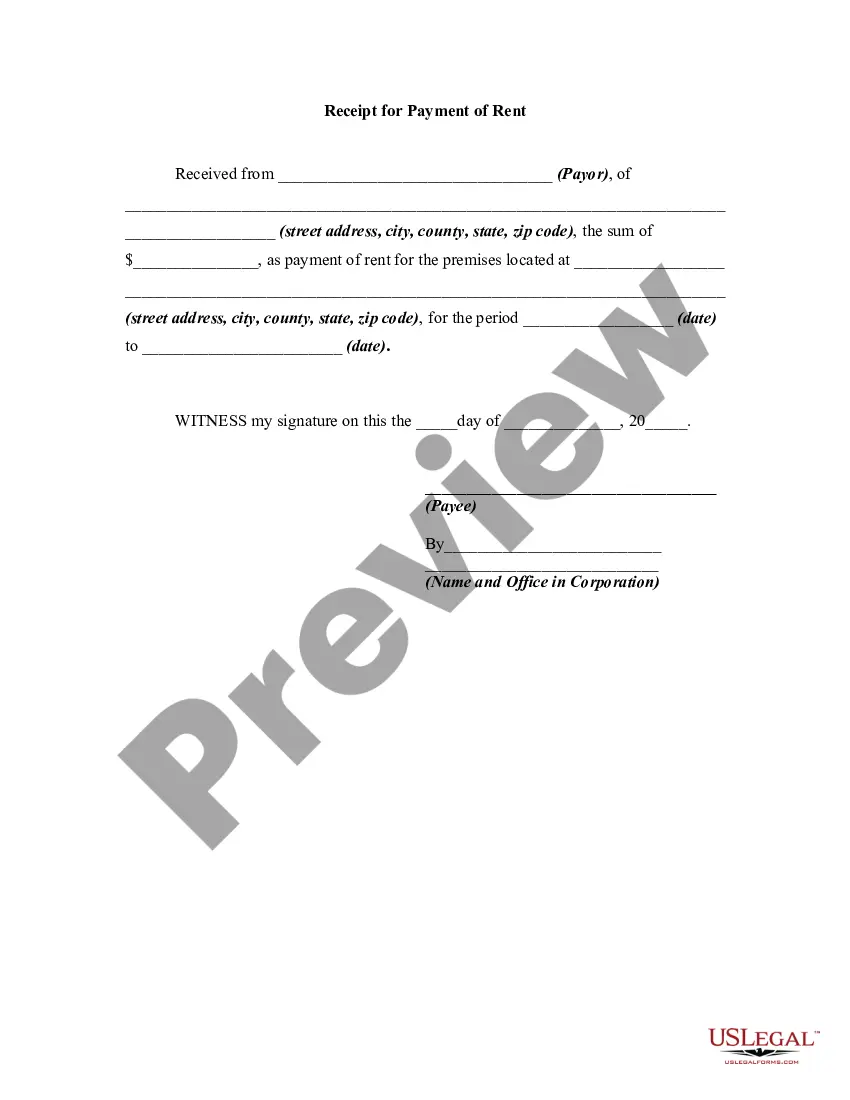
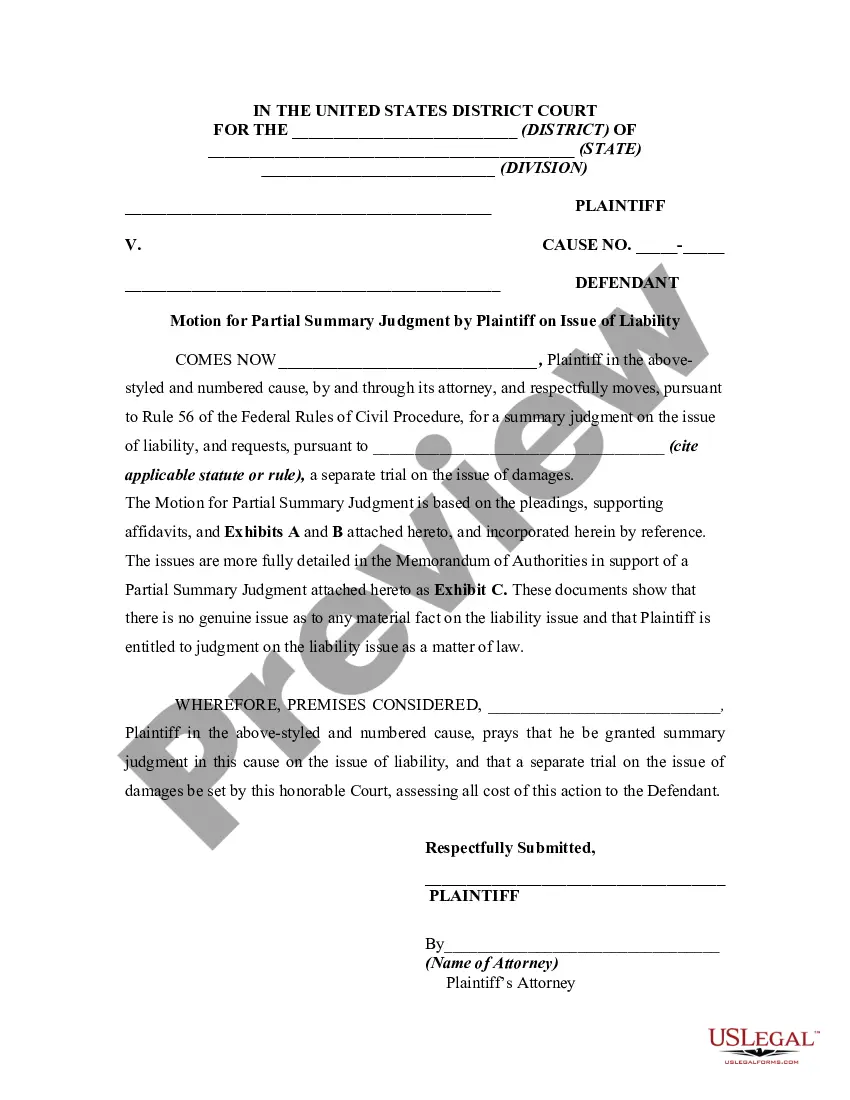
Wyoming Letter from Landlord to Tenant that Sublease granted - Rent Paid by Subtenant, Old Tenant Released from Liability for Rent
What this document covers
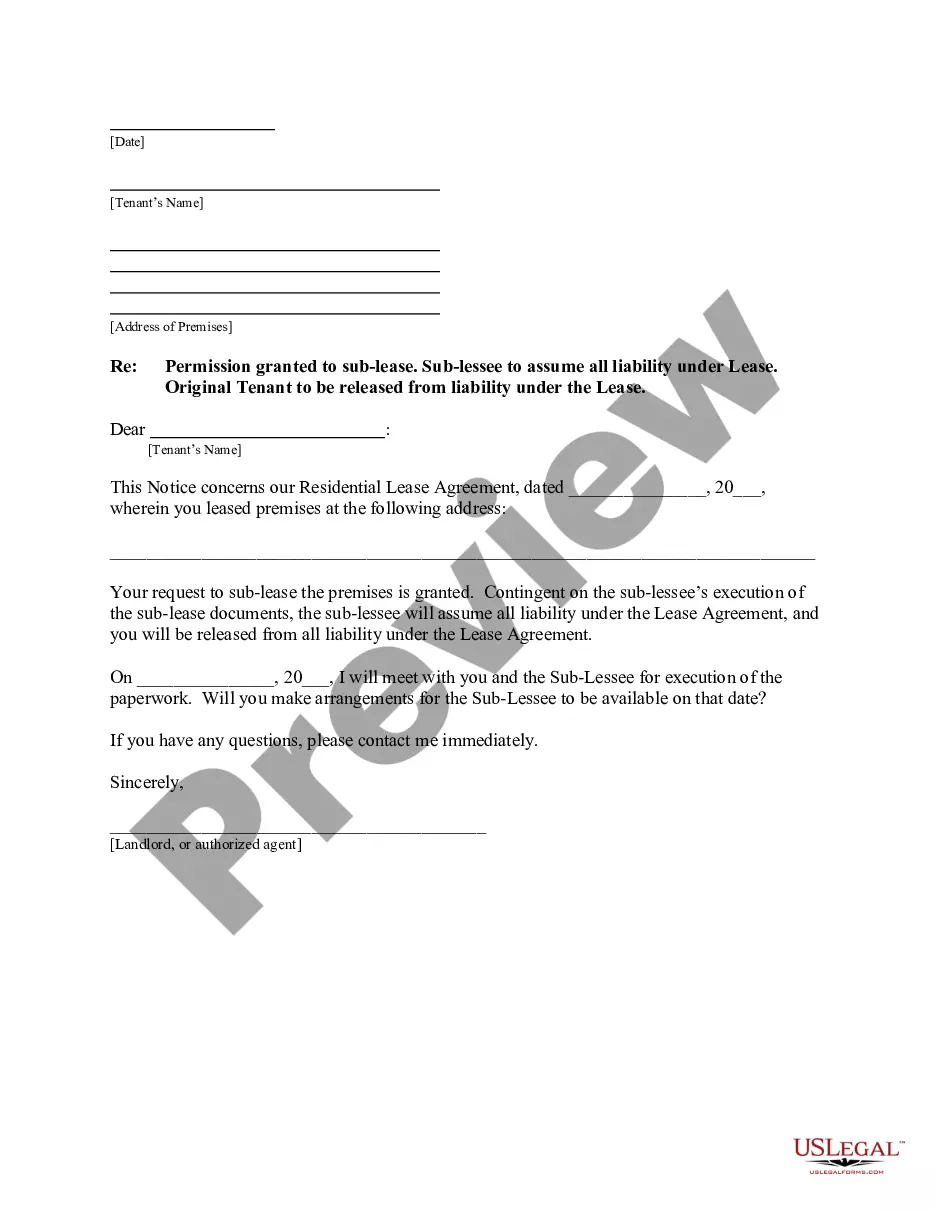
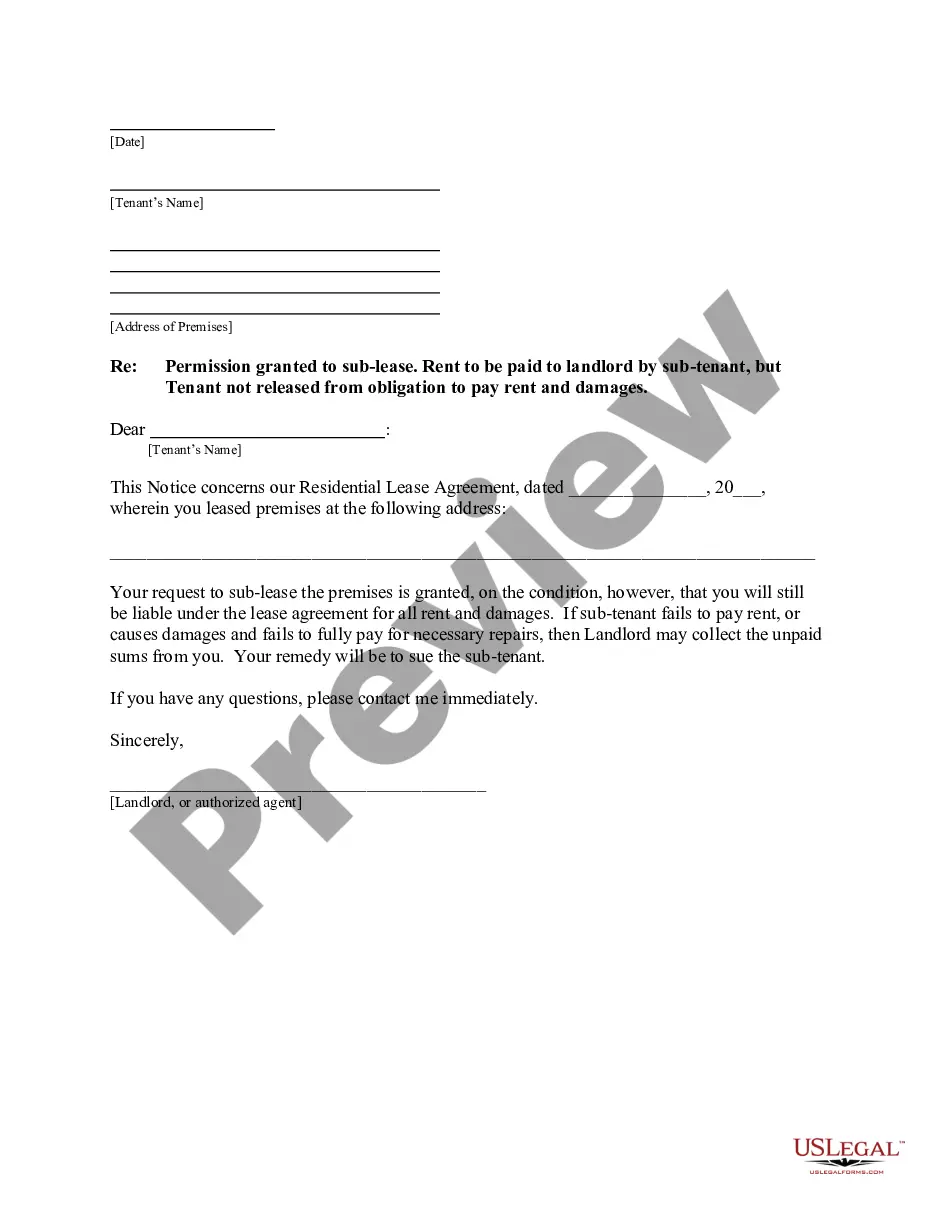
This Letter from Landlord to Tenant indicates that a sublease has been granted. In this arrangement, rent will be paid by the subtenant, and the original tenant will be released from liability for rent payments. This form is essential for documenting the agreement between the landlord, tenant, and subtenant, clarifying the responsibilities of each party and ensuring that liability is appropriately managed.
Key parts of this document
- Statement granting approval for the sublease.
- Condition for the assumption of liability by the subtenant.
- Release of the original tenant from further liability under the lease agreement.
- Scheduled date for paperwork execution.
- Contact information for the landlord or authorized agent.
Situations where this form applies
This form should be used when a tenant wishes to sublease their rental property to another person. It is crucial when the subtenant needs to take over the rental obligations, allowing the original tenant to be released from those obligations. This document helps prevent future disputes about rent responsibilities and ensures that all parties are aware of their rights and duties.
Intended users of this form
- Landlords looking to formalize an approved sublease.
- Tenants who wish to sublease their rented property.
- Subtenants who will pay rent directly to the landlord.
How to complete this form
- Identify the parties involved: the landlord, original tenant, and subtenant.
- Clearly state the approval of the sublease and any conditions attached.
- Specify the date when the paperwork is to be executed with relevant parties.
- Include contact details for the landlord or authorized agent.
- Have the landlord sign the letter as confirmation.
Does this document require notarization?
This form does not typically require notarization unless specified by local law. It is advisable to check local regulations to confirm if notarization is necessary for validity.
Get your form ready online
Our built-in tools help you complete, sign, share, and store your documents in one place.
Make edits, fill in missing information, and update formatting in US Legal Forms—just like you would in MS Word.
Download a copy, print it, send it by email, or mail it via USPS—whatever works best for your next step.
Sign and collect signatures with our SignNow integration. Send to multiple recipients, set reminders, and more. Go Premium to unlock E-Sign.
If this form requires notarization, complete it online through a secure video call—no need to meet a notary in person or wait for an appointment.
We protect your documents and personal data by following strict security and privacy standards.

Make edits, fill in missing information, and update formatting in US Legal Forms—just like you would in MS Word.

Download a copy, print it, send it by email, or mail it via USPS—whatever works best for your next step.

Sign and collect signatures with our SignNow integration. Send to multiple recipients, set reminders, and more. Go Premium to unlock E-Sign.

If this form requires notarization, complete it online through a secure video call—no need to meet a notary in person or wait for an appointment.

We protect your documents and personal data by following strict security and privacy standards.
Typical mistakes to avoid
- Failing to accurately state the date for signing the documents.
- Not including all parties' names and details.
- Neglecting to clarify the release of liability for the original tenant.
Benefits of using this form online
- Convenient access to editable templates tailored by licensed attorneys.
- Immediate availability allows users to complete forms at their convenience.
- Reliable legal formatting ensuring compliance with state requirements.
Main things to remember
- This letter formalizes the subleasing agreement between the landlord and tenant.
- It releases the original tenant from financial obligations regarding the rent.
- Proper completion and delivery of this form are crucial for legal protection.
- Always consult local laws to ensure compliance when subleasing.
Looking for another form?






Form popularity
FAQ
A Residential Sublease is a legally binding contract made between the original tenant of a rental property (sublandlord) and a new tenant (also known as a subtenant or a sublessee). The sublease gives the subtenant the right to share or to take over the rented premises from the original tenant.
A sublease is a legally binding contract made between a tenant and a new tenant (also known as a subtenant or a sublessee).Usually, the first tenant must get consent from the landlord before he/she is allowed to sublease the premises.
Writing Your Sublease. State the name of the parties and the date of the contract. Identify the full names of each party and what their role is in the contract. The original leaseholder of the property is the Tenant and the person subletting the property is the Subtenant.
Record a liability calculated as the present value of the remaining minimum lease payments due under the original (head) lease, reduced by the present value of any estimated sublease income, Write off the deferred rent from the original lease, and. Record a loss on the income statement for the difference.
If a court finds you guilty of the first offence of unlawful subletting, you can be fined in the magistrates' court.At the magistrates' court, you can get up to six months in prison or a fine, or both. At the Crown Court the maximum penalty is imprisonment for two years or a fine, or both.
A tenant has signed a lease or rental agreement with a landlord. A subtenant, on the other hand, is someone who subleases or rents all or part of the rental property from a tenant, and does not sign a lease or rental agreement with the landlord.
Subleasing occurs when the tenant transfers a part of their legal tenancy to a third-party as a new tenant.That means that if a new subtenant does not pay rent for three months, the original tenant that subleased the property is liable to the landlord for the overdue rent amount and any late fees.
A subtenant is not a cotenant and does not have a direct relationship with your landlord. As their landlord, you can (and should) require them to pay rent directly to you and evict them if they fail to follow through. This differs from a cotenant, who can be evicted only by your landlord.
If a tenant is subletting without consent, it's likely they will have broken terms in their tenancy agreement. This breach of contract means that the landlord can take action to evict them from their home. Possession proceedings can be started quickly, but it's important to follow the correct legal process.