Limited Authorization to Inspect and Copy Medical Records
About this form
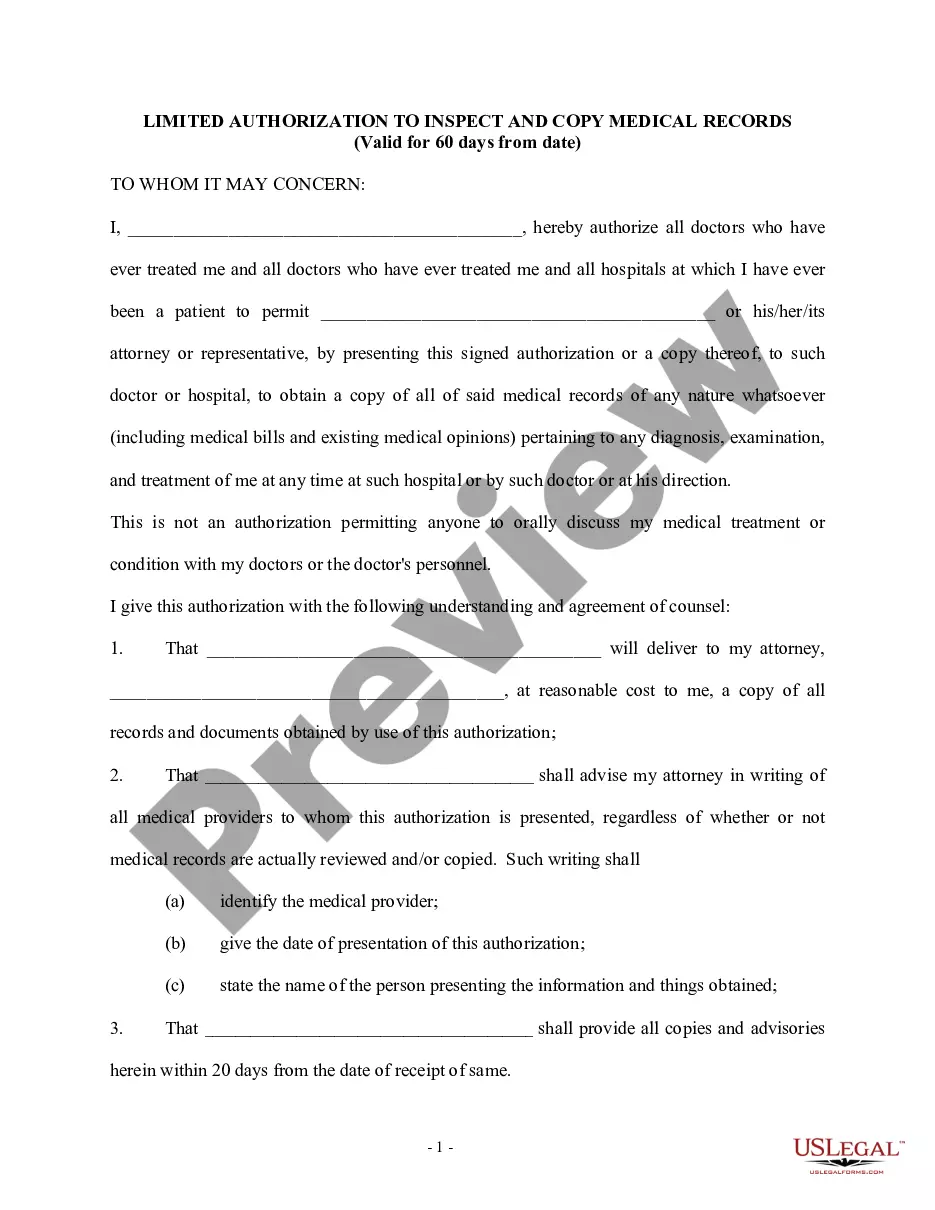
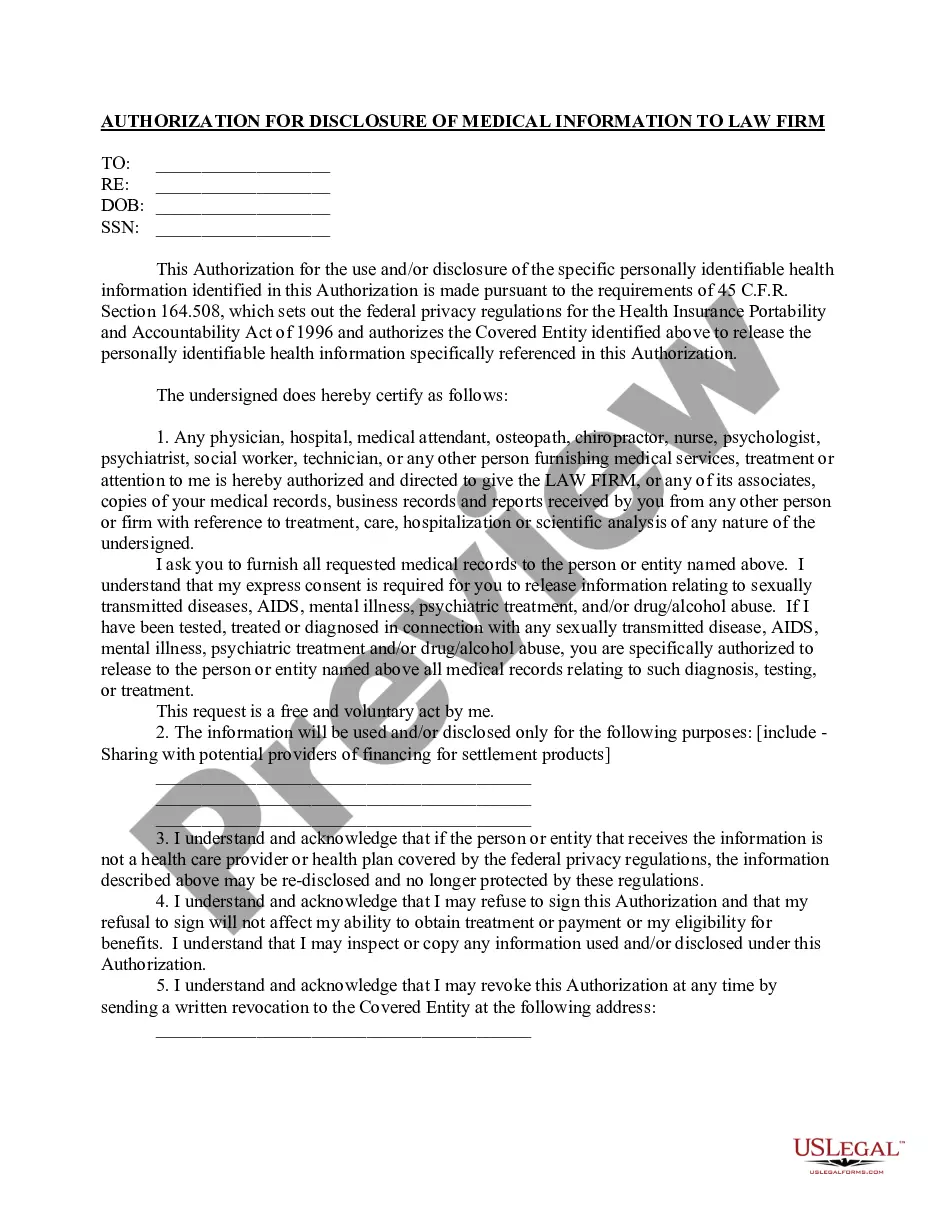
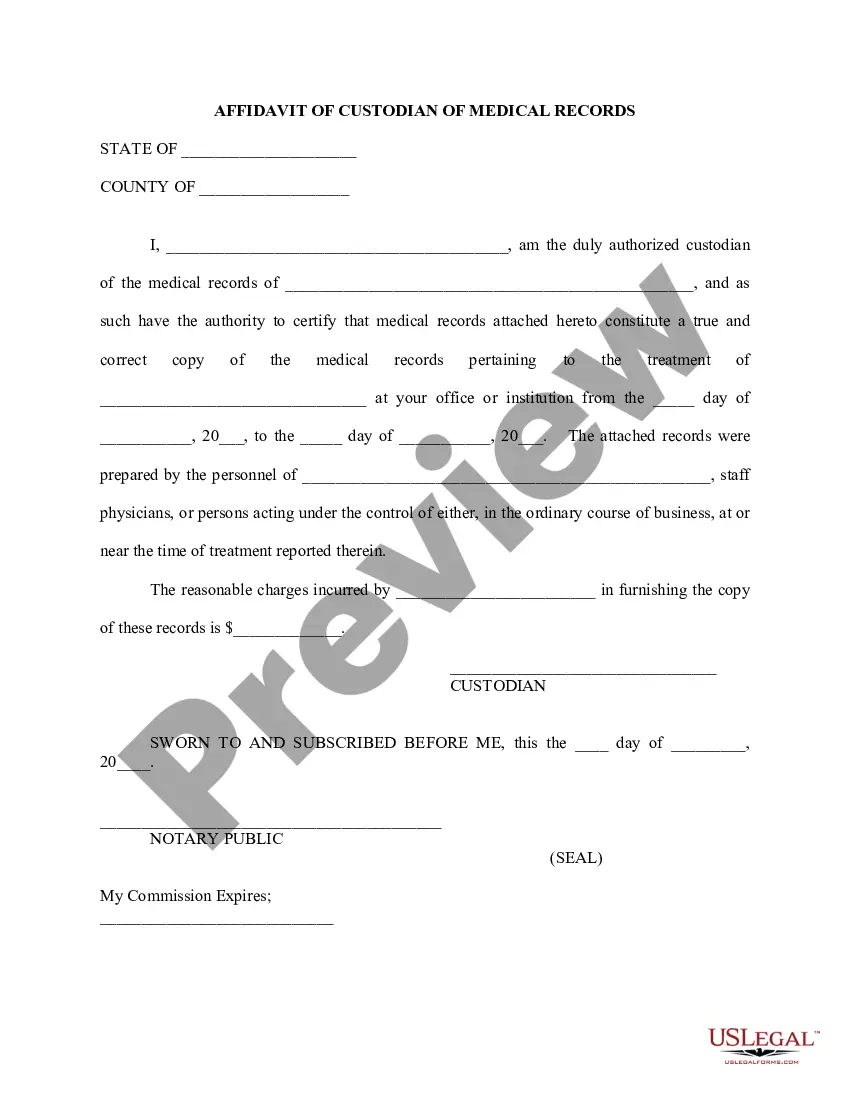
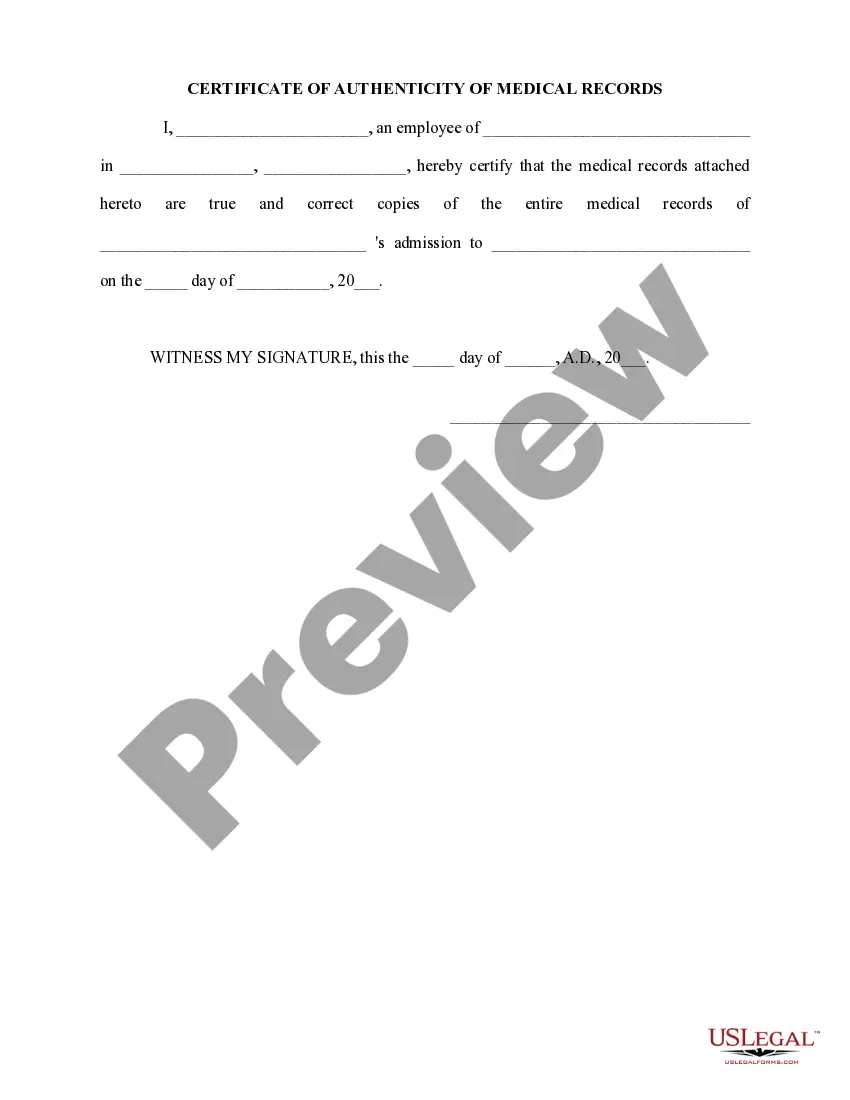
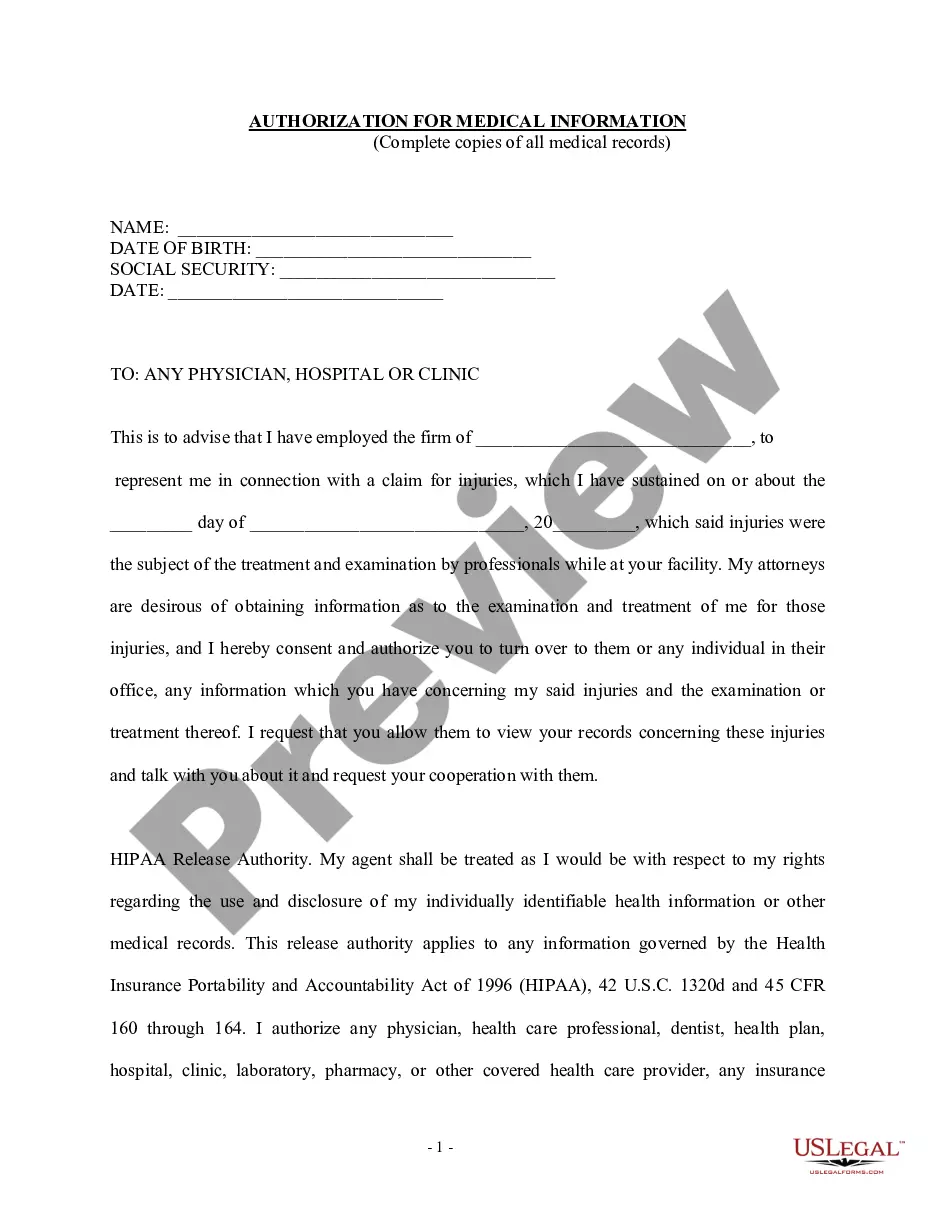
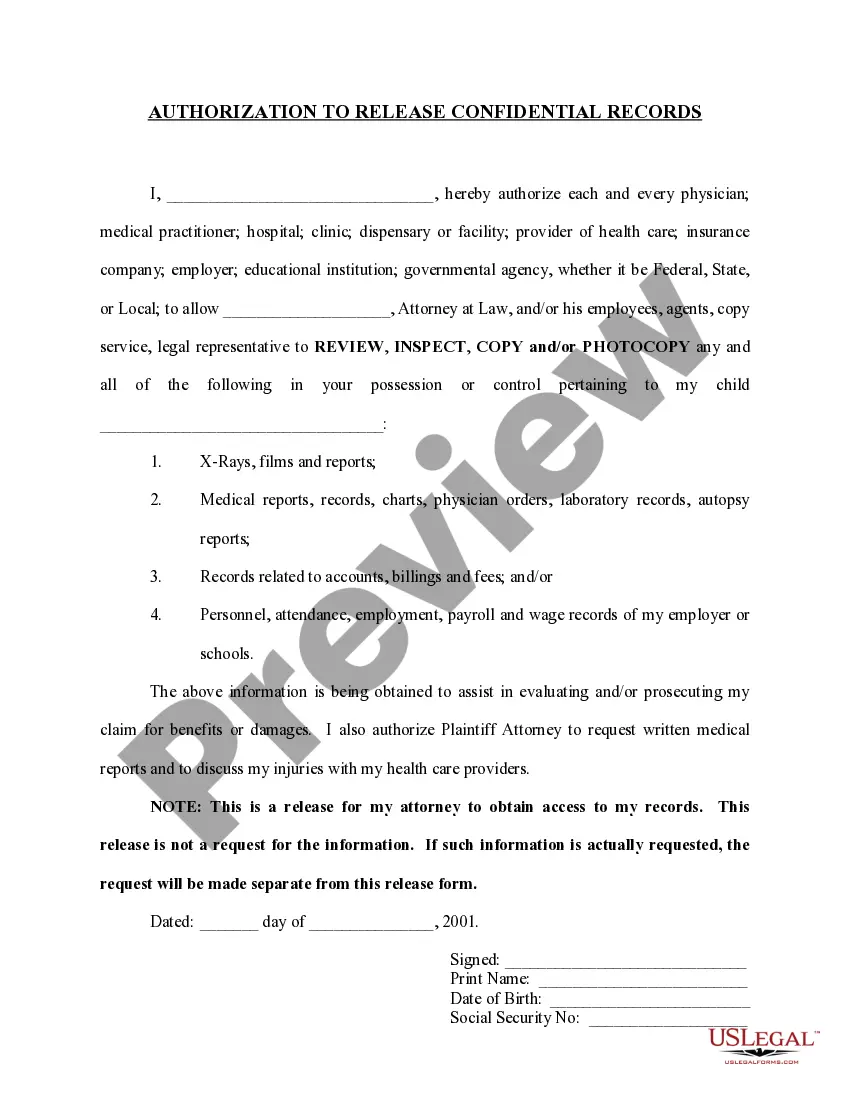
The Limited Authorization to Inspect and Copy Medical Records is a legal document that grants an attorney permission to obtain a client's medical records from healthcare providers. This form differs from other medical release forms by limiting the scope of authorization to specific attorneys and ensuring that only written records are shared, without verbal discussions about the patient's medical condition. It provides control over the disclosure of individually identifiable health information governed by HIPAA regulations.
Key parts of this document
- Identification of the patient and the authorized attorney.
- Authority granted to obtain medical records from all previous healthcare providers.
- Clear statement that verbal discussions about the medical condition are not permitted.
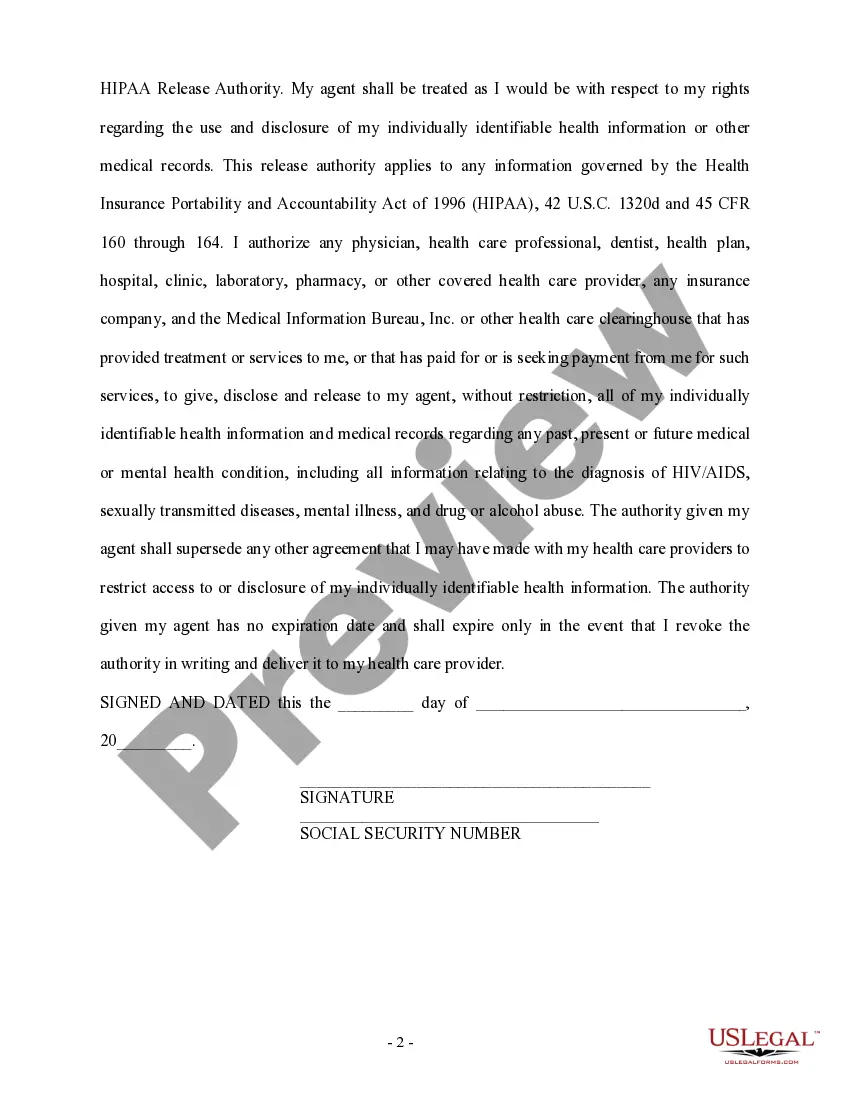
- HIPAA release authority, allowing disclosure of sensitive health information.
- Requirements for the attorney to report on the usage of the authorization.
- Expiration terms of the authorization.
When to use this document
This form should be used when a client needs to authorize their attorney to access their medical records for purposes related to legal representation, such as in personal injury cases, medical malpractice claims, or insurance disputes. It allows for the collection of necessary medical documentation while maintaining privacy constraints under HIPAA.
Who should use this form
- Patients who are involved in a legal case requiring medical documentation.
- Attorneys handling cases related to health conditions or injuries.
- Individuals seeking to maintain control over their medical record disclosures.
How to complete this form
- Identify yourself as the patient by filling in your name and Social Security number.
- Clearly state the name of the attorney who will be authorized to access your medical records.
- Specify all healthcare providers that you authorize to release your medical records.
- Sign and date the form to validate the authorization.
- Keep a copy of the completed form for your records and provide the original to your attorney.
Does this form need to be notarized?
This form does not typically require notarization to be legally valid. However, some jurisdictions or document types may still require it. US Legal Forms provides secure online notarization powered by Notarize, available 24/7 for added convenience.
Get your form ready online
Our built-in tools help you complete, sign, share, and store your documents in one place.
Make edits, fill in missing information, and update formatting in US Legal Forms—just like you would in MS Word.
Download a copy, print it, send it by email, or mail it via USPS—whatever works best for your next step.
Sign and collect signatures with our SignNow integration. Send to multiple recipients, set reminders, and more. Go Premium to unlock E-Sign.
If this form requires notarization, complete it online through a secure video call—no need to meet a notary in person or wait for an appointment.
We protect your documents and personal data by following strict security and privacy standards.

Make edits, fill in missing information, and update formatting in US Legal Forms—just like you would in MS Word.

Download a copy, print it, send it by email, or mail it via USPS—whatever works best for your next step.

Sign and collect signatures with our SignNow integration. Send to multiple recipients, set reminders, and more. Go Premium to unlock E-Sign.

If this form requires notarization, complete it online through a secure video call—no need to meet a notary in person or wait for an appointment.

We protect your documents and personal data by following strict security and privacy standards.
Common mistakes
- Not including all relevant healthcare providers, which can limit access to needed records.
- Failing to sign and date the form, rendering it invalid.
- Using unclear or vague language when describing the scope of authorization.
Why use this form online
- Convenience of immediate access to a legally vetted form.
- Editability allows for customization to your specific situation.
- Reliable and secure storage of your completed document for future reference.
Looking for another form?









Form popularity
FAQ
Under the Data Protection Act 1998, you have a legal right to read your own medical notes, so long as your doctor believes that you are able to understand and make decisions about your own health.
When a patient requests to inspect or obtain a copy of their PHI, you must comply in a timely manner. First, inform the patient you accepted the request and then provide the access no later than 30 days after receiving the request.
A: The HIPAA privacy rule does not prohibit healthcare organization employees from accessing their own records. In fact, the privacy rule gives individuals the right to access their PHI.Instead, they require employees to request access to their PHI through the HIM department, just as they do all other patients.
HIPAA gives patients the right to get copies of all of their medical records. Patients also have the right to viewusually at the medical provider's officestheir original medical records. HIPAA does allow health care providers to withhold certain types of medical records, including: psychotherapy notes.
Yes. Hospital staff have also been fired for looking at their own medical records.The reason is because while on the clock, working as a hospital employee, the person must do their job.
Yes. The law provides that the health care provider can deny access to the minor's record requested by the parent or guardian if it is believed that disclosure will have a detrimental effect on the provider's treatment relationship with the minor patient.
No. It is NOT a HIPAA violation to view your own medical record.
A. It is not a violation per se, given the employee is accessing his or her own PHI. It is common practice, though, to prohibit employees from looking up their own records. Many covered entities require employees to request access to their own medical records in the same manner as any other patient.
There are hundreds of ways that HIPAA Rules can be violated, although the most common HIPAA violations are: Impermissible disclosures of protected health information (PHI) Unauthorized accessing of PHI.Failure to manage risks to the confidentiality, integrity, and availability of PHI.