Tenant Self-Help Right
Overview of this form
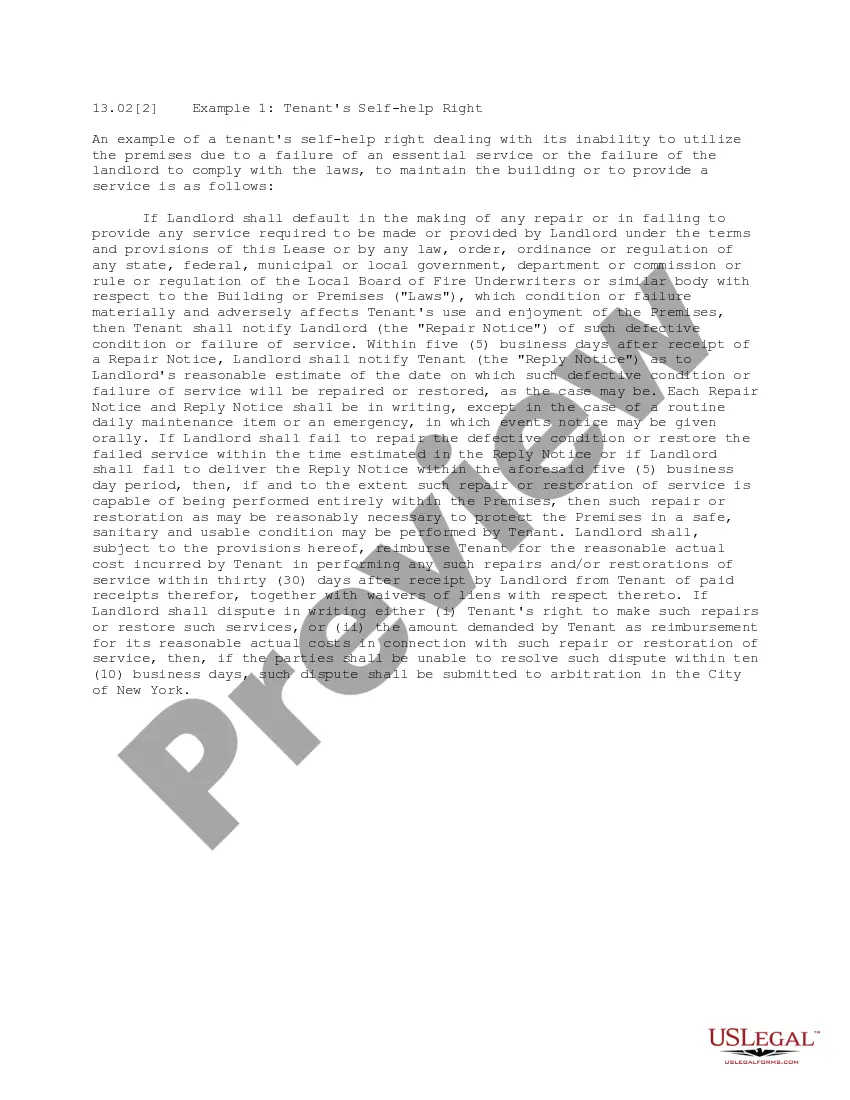
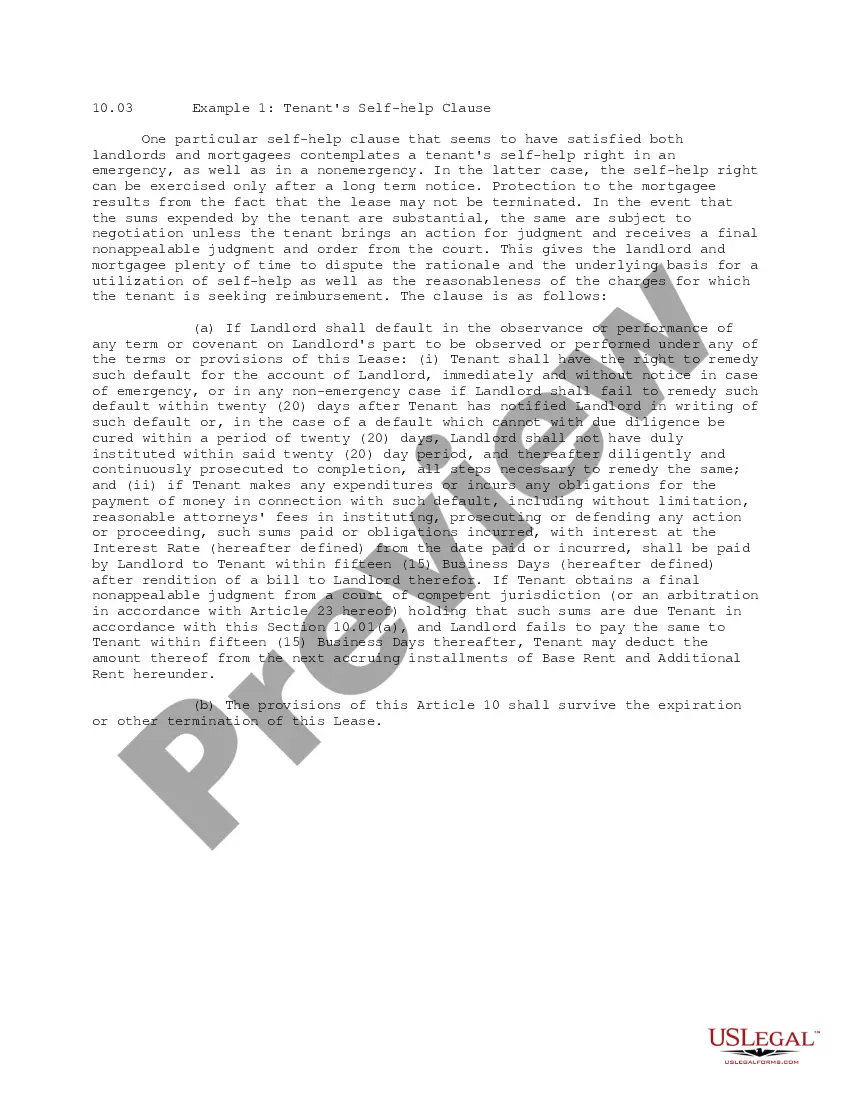
The Tenant Self-Help Right form outlines a tenant's rights when a landlord fails to provide essential services or maintain the premises. This form is crucial for tenants who face disruptions in their ability to use rented properties, enabling them to take necessary actions. It differs from general lease agreements by specifically addressing tenants' rights to remedy problems when landlords do not comply with their obligations.
Form components explained
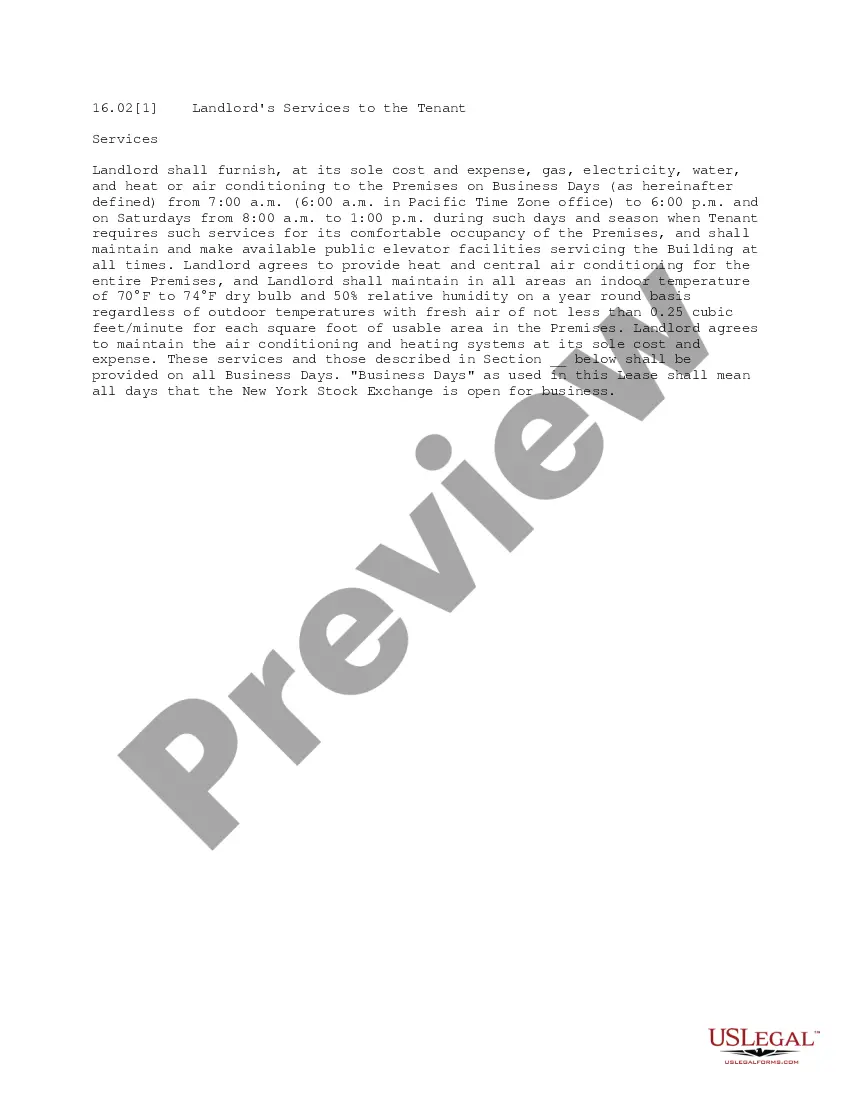
- Notification clause: Describes how tenants must notify landlords of defective conditions.
- Response timeframe: Outlines the landlord's obligation to respond within five business days.
- Repair rights: Details the tenant's right to carry out repairs if the landlord fails to act.
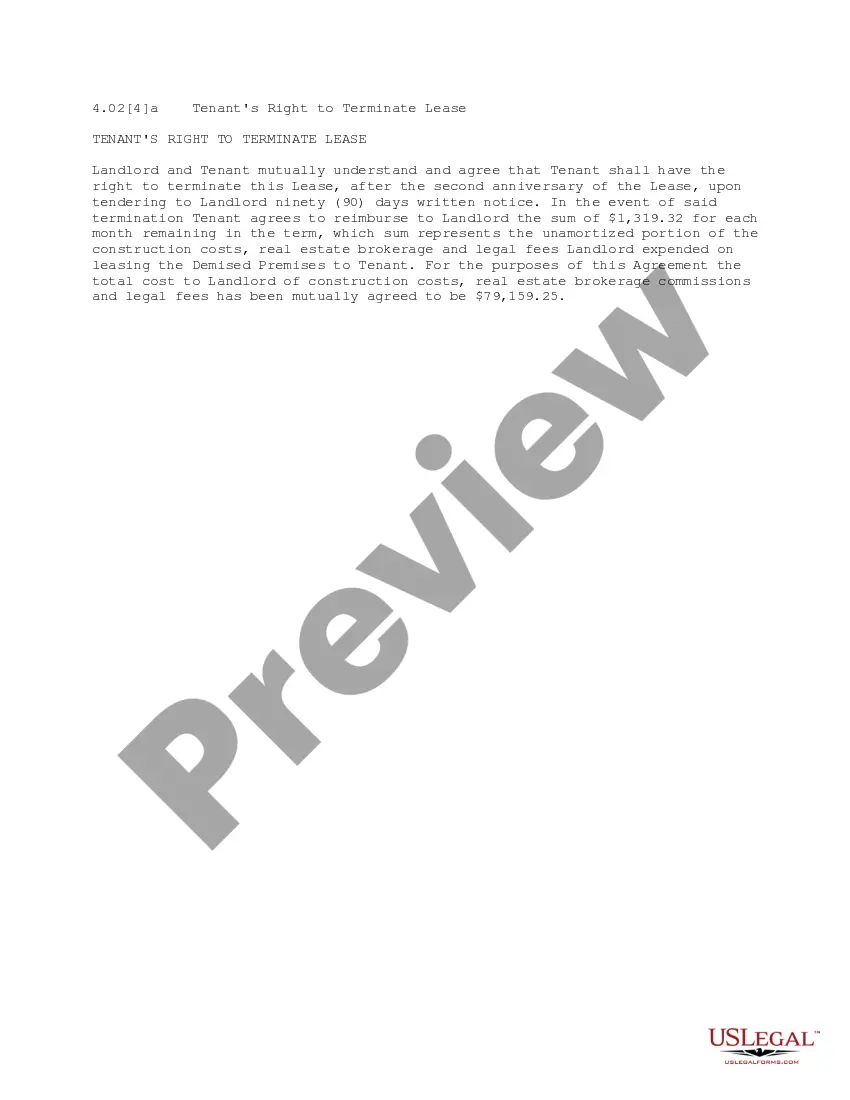
- Reimbursement clause: Specifies how tenants can seek reimbursement for repair costs.
- Dispute resolution: Establishes arbitration as a method for resolving disagreements between the tenant and landlord.
When to use this form
This form is used when tenants are unable to use their rented premises due to the landlord's failure to provide essential services, such as plumbing, heating, or electricity. It is applicable when the landlord has not acted within the agreed timeframe to repair such services or address legal compliance issues. If you are experiencing any significant disruption that affects your enjoyment and use of the property, this form is necessary for you to take action legally.
Who should use this form
- Tenants experiencing issues with essential services in their rented premises.
- Individuals seeking to understand their rights regarding landlord obligations.
- Renters who have communicated the need for repairs without sufficient response from the landlord.
- Those wanting to ensure proper legal procedures are followed in repair situations.
Completing this form step by step
- Identify the parties involved: Enter the names of the tenant and landlord.
- Describe the property: Provide details about the premises being leased.
- Document the issue: Clearly state the specific service or repair that is deficient.
- Communicate the notice: Send a written Repair Notice to the landlord detailing the issue.
- Record the response: Keep a copy of the landlordâs Reply Notice regarding their repair timeline.
Notarization requirements for this form
Notarization is not commonly needed for this form. However, certain documents or local rules may make it necessary. Our notarization service, powered by Notarize, allows you to finalize it securely online anytime, day or night.
Get your form ready online
Our built-in tools help you complete, sign, share, and store your documents in one place.
Make edits, fill in missing information, and update formatting in US Legal Forms—just like you would in MS Word.
Download a copy, print it, send it by email, or mail it via USPS—whatever works best for your next step.
Sign and collect signatures with our SignNow integration. Send to multiple recipients, set reminders, and more. Go Premium to unlock E-Sign.
If this form requires notarization, complete it online through a secure video call—no need to meet a notary in person or wait for an appointment.
We protect your documents and personal data by following strict security and privacy standards.

Make edits, fill in missing information, and update formatting in US Legal Forms—just like you would in MS Word.

Download a copy, print it, send it by email, or mail it via USPS—whatever works best for your next step.

Sign and collect signatures with our SignNow integration. Send to multiple recipients, set reminders, and more. Go Premium to unlock E-Sign.

If this form requires notarization, complete it online through a secure video call—no need to meet a notary in person or wait for an appointment.

We protect your documents and personal data by following strict security and privacy standards.
Avoid these common issues
- Failing to provide written notice to the landlord before taking action.
- Not documenting communications regarding the repair issues.
- Underestimating repair costs, leading to disputes over reimbursements.
- Neglecting to follow the required timeframes for notifications and repairs.
Benefits of using this form online
- Convenience of immediate access to a legally vetted form.
- Editable templates allow for customization to meet specific issues.
- Reliable structure simplifies the legal process for users.
Legal use & context
- This form provides a legal framework for tenants to address service failures.
- Using this form can strengthen tenants' positions in disputes with landlords.
- It emphasizes the importance of communication and documented interactions in rental agreements.
Looking for another form?
Form popularity
FAQ
Be calm, objective, and rational. Keep written records of everything. Teach tenants how they should treat you. Try to get your tenants on your side. Ask the terrible tenants to leave. Begin the eviction process. Hire a property manager.
Be calm, objective, and rational. Keep written records of everything. Teach tenants how they should treat you. Try to get your tenants on your side. Ask the terrible tenants to leave. Begin the eviction process. Hire a property manager.
Write down every instance of bad behavior and document the actions you took. With past due rent payments, contact credit reporting bureaus. This can prompt tenants to pay to protect their credit score from a dip. If this action doesn't get you the money you're owed, seek the help of a debt collection company.
Create a Formal Request Process for Repairs and Maintenance. Include a Deductible in Your Lease. Provide a Schedule. Don't Be Afraid to Say No. Consider Using a Professional Property Management Company.
Tell Them The Problem & Consequences. Explain the reason that you want the tenant to go. Offer Them a Way Out. Let the tenant know that you are willing to give them a lump sum of cash in agreement for leaving the property. The Release.
Tell Them The Problem & Consequences. Explain the reason that you want the tenant to go. Offer Them a Way Out. Let the tenant know that you are willing to give them a lump sum of cash in agreement for leaving the property. The Release.
Begin the letter with the date on which you mail or deliver the letter in person. Include your name, address and phone number, followed by the tenant's name and address. You can also insert a subject line that summarizes the reason for the letter to vacate. Start with a salutation, followed by your tenant's name.
If a tenant has a mental or physical disability or is sixty or older, and that tenant has a physical or mental disability that requires the tenant to relocate because of a need for care or treatment that cannot be provided in the rental unit, the tenant can terminate the lease.
Tenant Remedies This means the tenant would ask that the landlord be ordered to pay for any financial loss that the tenant incurred because of the landlord's breach.