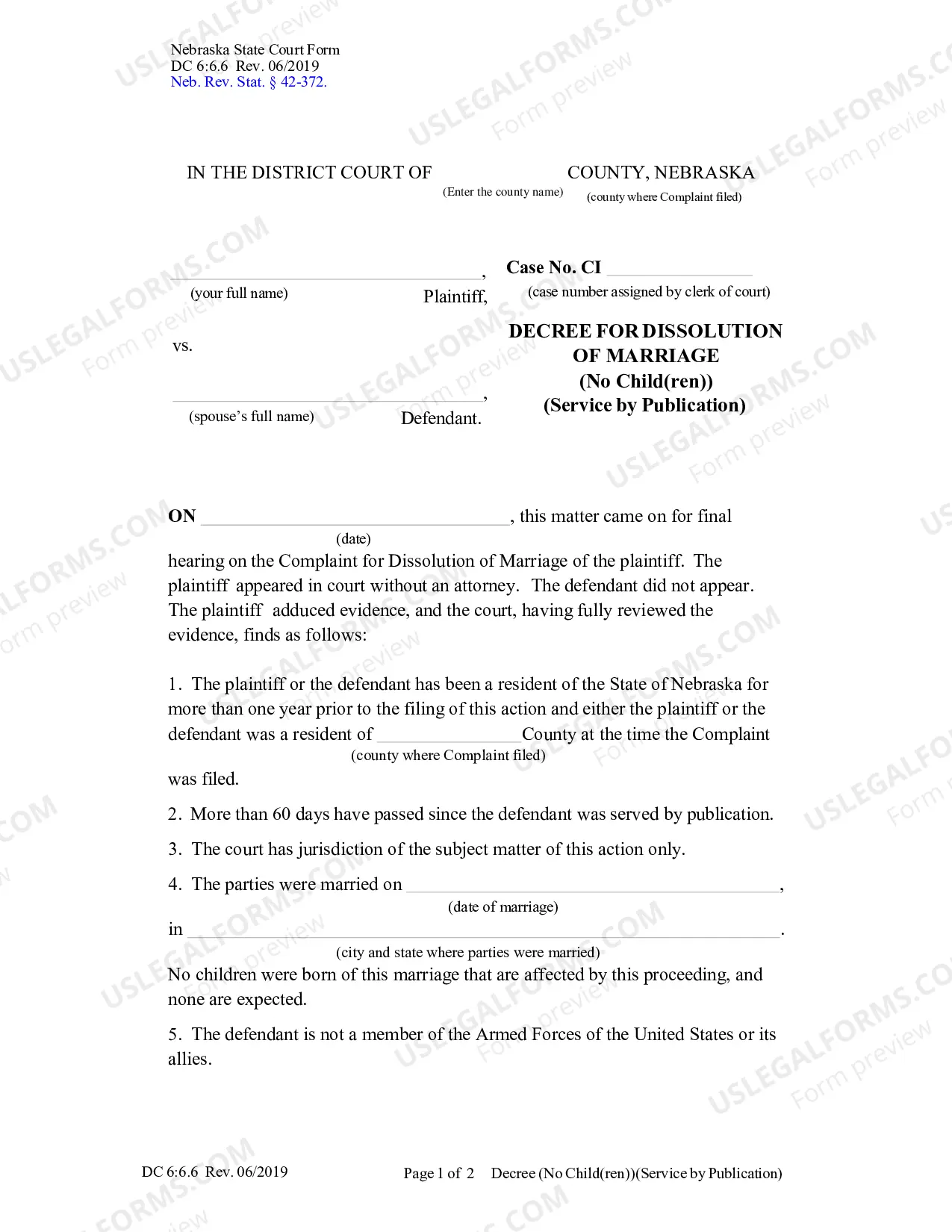
Vendor Services Terms and Conditions of Use
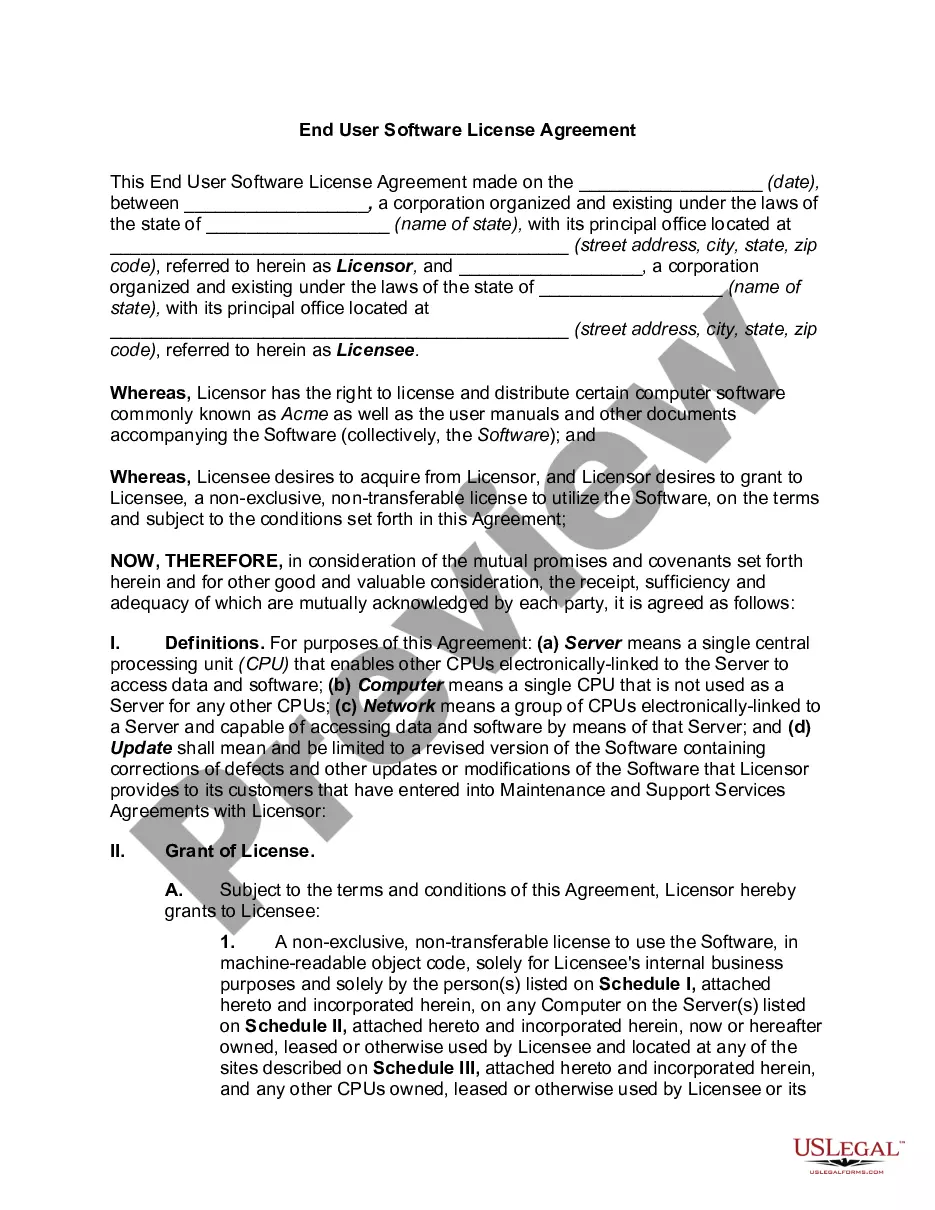
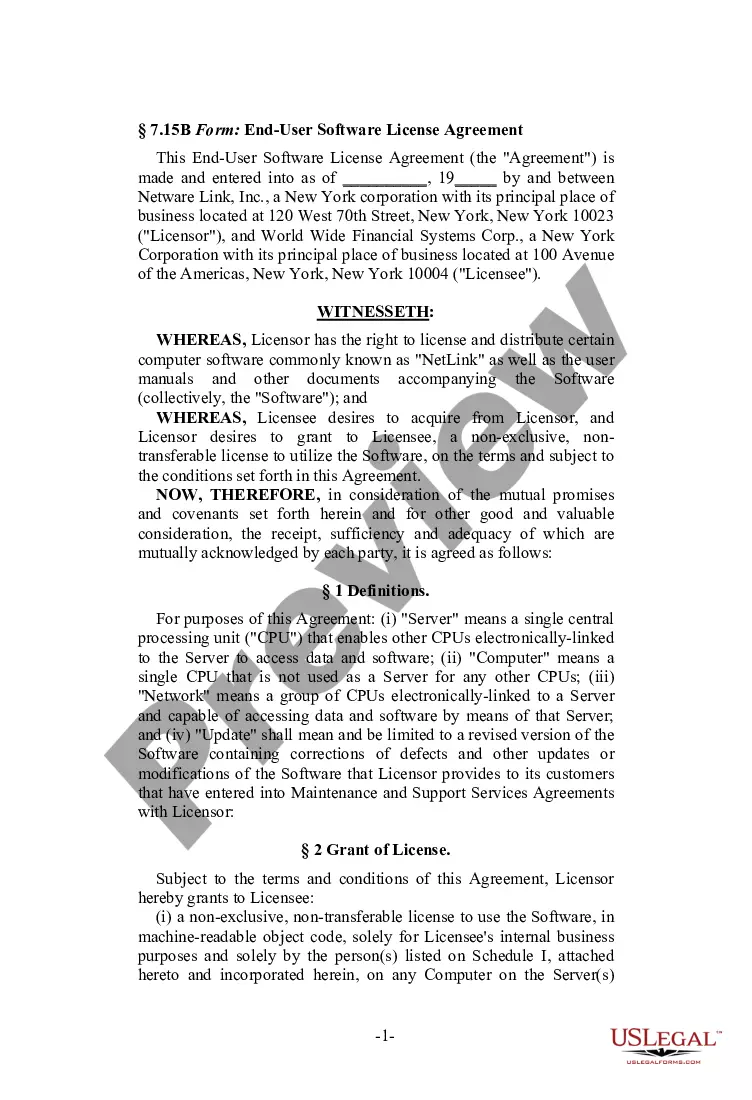
What is this form?
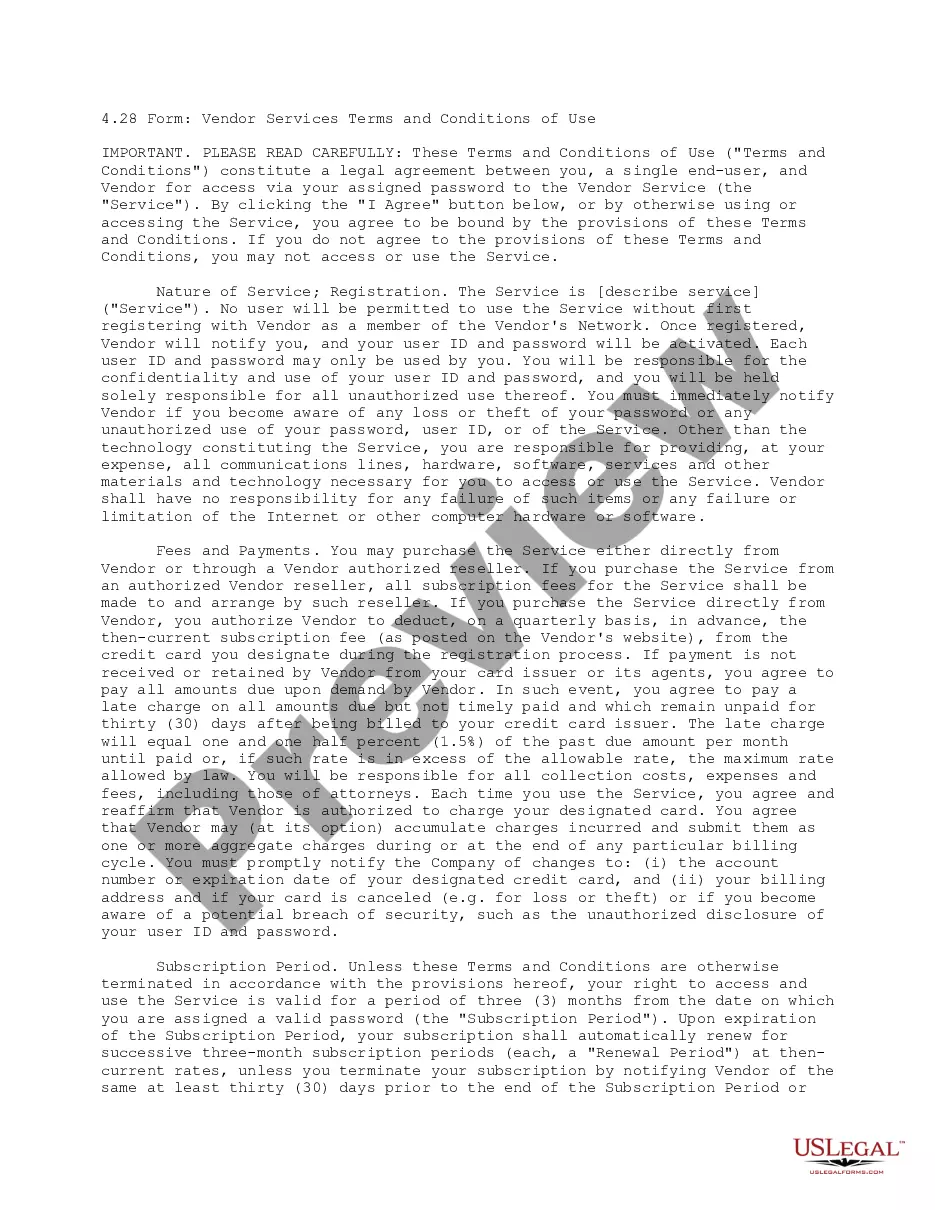
The Vendor Services Terms and Conditions of Use is a legal agreement that outlines the terms under which a company or individual can access vendor services. This form includes "click through" acceptance language that confirms the user's agreement to the terms and sets guidelines that differ from simpler service agreements by providing in-depth provisions on registration, fees, and licensing rights.
Key parts of this document
- Description of the service provided and registration requirements.
- Details on fees, payments, and subscription renewal periods.
- License grant outlining user rights to access the service.
- Intellectual property rights pertaining to the service.
- Indemnification clause protecting the vendor from individual user claims.
- Limitation of liability and warranty disclaimers.


When this form is needed
You should use the Vendor Services Terms and Conditions of Use when you are registering to access a vendor service that requires acceptance of legal terms. This form ensures both parties understand their rights and obligations and is typically needed prior to using any paid or subscription-based vendor services.
Who can use this document
- Businesses or individuals looking to access vendor services.
- Anyone needing to formalize an agreement for a subscription or service access.
- Service providers who wish to ensure users agree to terms before granting access.
Steps to complete this form
- Read the terms carefully to understand your rights and obligations.
- Register with the vendor to receive your user ID and password.
- Enter your credit card information and billing details accurately.
- Click the "I Agree" button to confirm your acceptance of the terms.
- Retain a copy of the terms for your records.
Does this form need to be notarized?
Notarization is generally not required for this form. However, certain states or situations might demand it. You can complete notarization online through US Legal Forms, powered by Notarize, using a verified video call available anytime.
Get your form ready online
Our built-in tools help you complete, sign, share, and store your documents in one place.
Make edits, fill in missing information, and update formatting in US Legal Forms—just like you would in MS Word.
Download a copy, print it, send it by email, or mail it via USPS—whatever works best for your next step.
Sign and collect signatures with our SignNow integration. Send to multiple recipients, set reminders, and more. Go Premium to unlock E-Sign.
If this form requires notarization, complete it online through a secure video call—no need to meet a notary in person or wait for an appointment.
We protect your documents and personal data by following strict security and privacy standards.

Make edits, fill in missing information, and update formatting in US Legal Forms—just like you would in MS Word.

Download a copy, print it, send it by email, or mail it via USPS—whatever works best for your next step.

Sign and collect signatures with our SignNow integration. Send to multiple recipients, set reminders, and more. Go Premium to unlock E-Sign.

If this form requires notarization, complete it online through a secure video call—no need to meet a notary in person or wait for an appointment.

We protect your documents and personal data by following strict security and privacy standards.
Common mistakes to avoid
- Failing to read the terms thoroughly before agreeing.
- Not keeping your user ID and password confidential.
- Overlooking to notify the vendor of changes in billing information.
- Assuming the subscription will end automatically without notice.
Benefits of completing this form online
- Convenient access to legal terms from any location.
- Editable fields for personal and payment information.
- Immediate confirmation of service agreements, ensuring clarity.
Legal use & context
- This form legally binds users to the terms once accepted.
- Protects both the vendor and the user from potential disputes regarding service use.
- Establishes a clear framework for subscription and renewal terms.
Summary of main points
- The form establishes a legal agreement for service use.
- Users must accept the terms to gain access to vendor services.
- It outlines payments, fees, and obligations for both parties.
- Proper completion ensures clarity and protection from legal disputes.
Looking for another form?








Form popularity
FAQ
Begin your letter by clearly indicating the parties involved in the agreement. Clearly state the reason for your agreement in your first paragraph giving description of all details such as stake holder ratio, payment period etc.
1Use clear and concise language.2Try and use language that is friendly and positive and explain the rational for provisions that might otherwise appear too strong.3Make sure the information is set out in a well-structured and logical way.How To Write Effective Terms And Conditions\nwww.jonathanlea.net > how-to-write-effective-terms-and-conditions
Simply put, a Vendor Agreement is a business contract between two parties covering the exchange of goods or services in return for compensation. Vendor Agreements establish the business relationship conditions and include details on each party's obligations under the contract.
1Identify the customer and service provider.2Describe the services being provided.3Outline a payment schedule.4Establish terms about confidentiality, non-solicitation, and non-competition.5Address ownership of materials.6Personalize your Service Agreement.
Products Or Services Provided. Prices And Payment. Shipping And Delivery. Guarantees And Warranties. Returns, Refunds And Complaints. Limitation Of Liability. Intellectual Property Rights. Future Changes.
1) Scope Of The Services Or Products. 2) Contract Length And Duration. 3) Price And How It Will Be Paid. 4) How To Get Out Of The Contract. 5) What Happens If Someone Doesn't Follow The Vendor Agreement.
Writing Your Terms and Conditions. Start with a statement regarding the acceptance of your terms and conditions. Your very first paragraph should always be an acceptance of terms clause. This clause ensures that your users understand that by using your service they are accepting the terms and conditions.
Details of the business and vendor. The details of the business and vendor, like the names, address and office address must be in the vendor contract. Details of goods and services. Payment terms. Period of functionality. Confidentiality. Exclusivity. Intellectual Property. Indemnity.