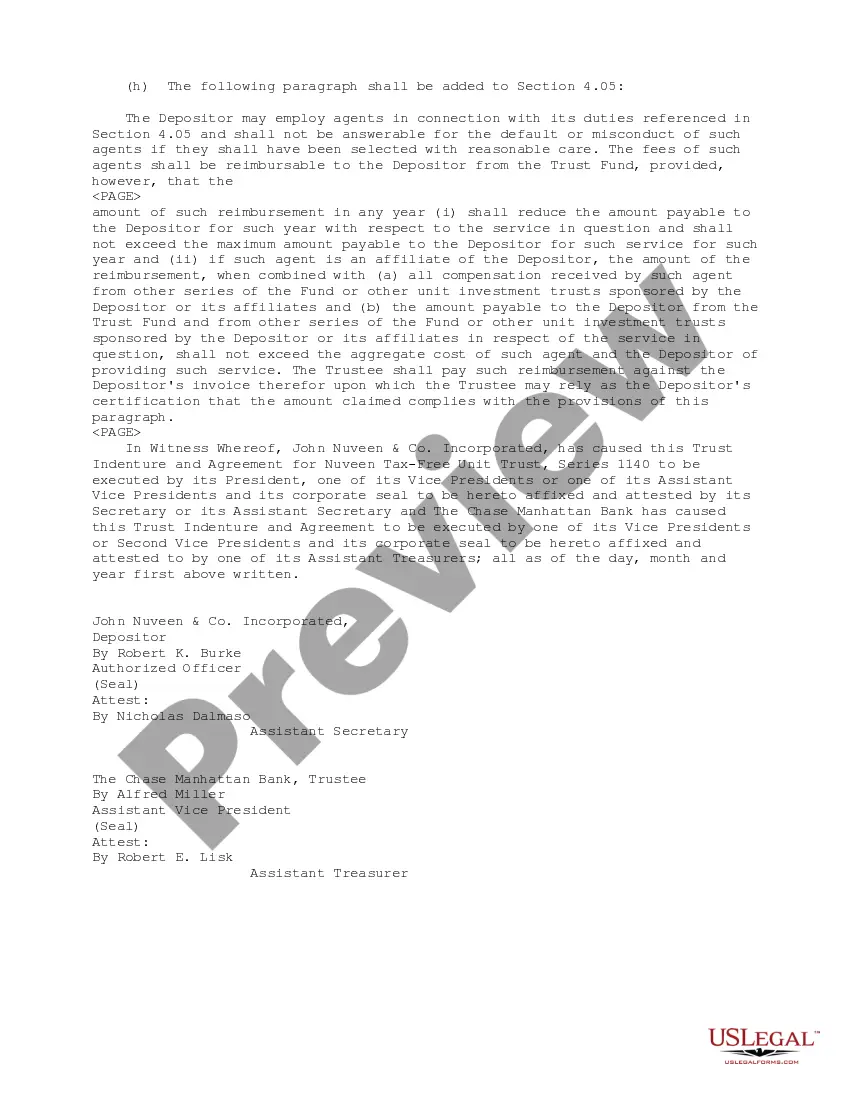
Trust Indenture and Agreement between John Nuveen and Co., Inc. and Chase Manhattan Bank regarding terms and conditions for Nuveen Tax Free Unit Trust, Series 1140
What is this form?
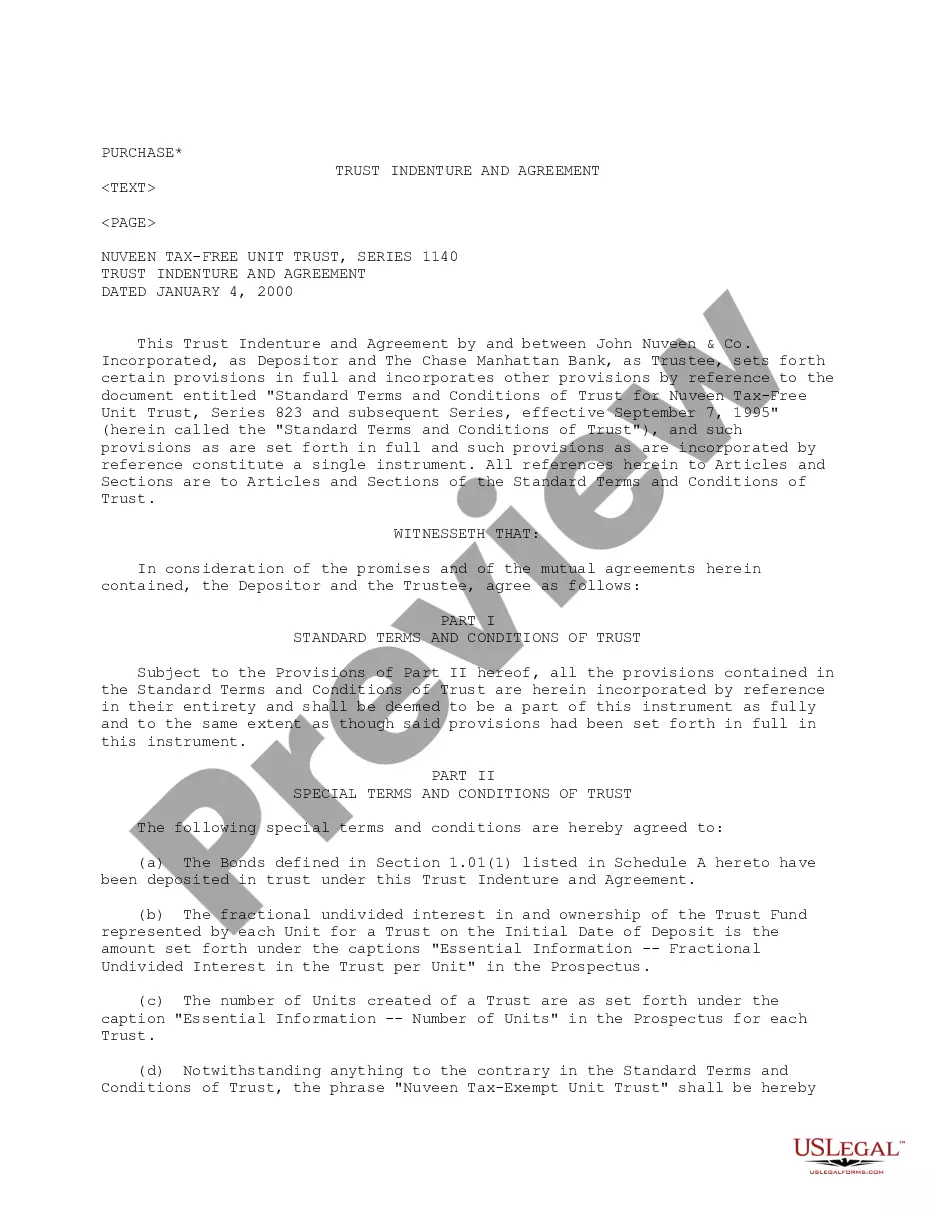
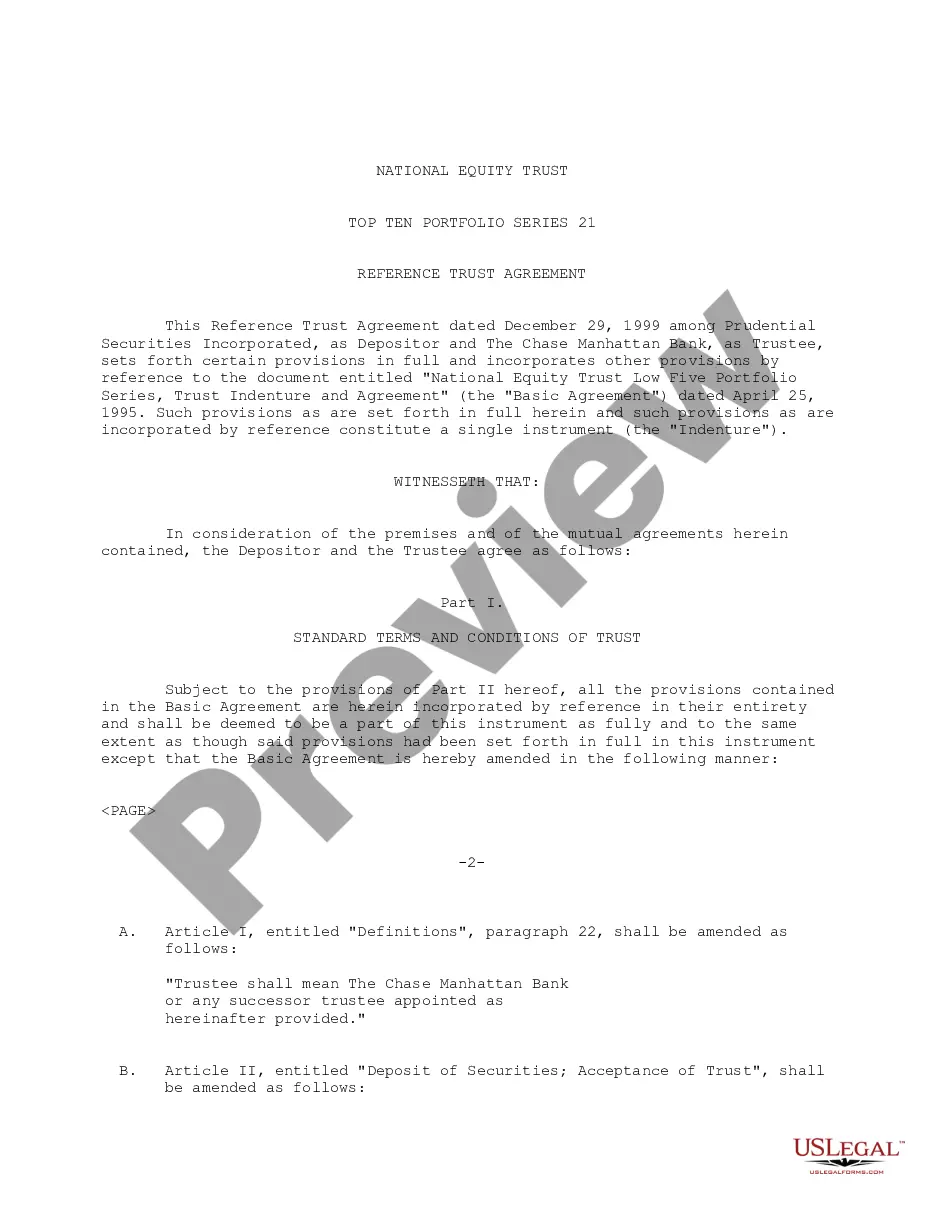
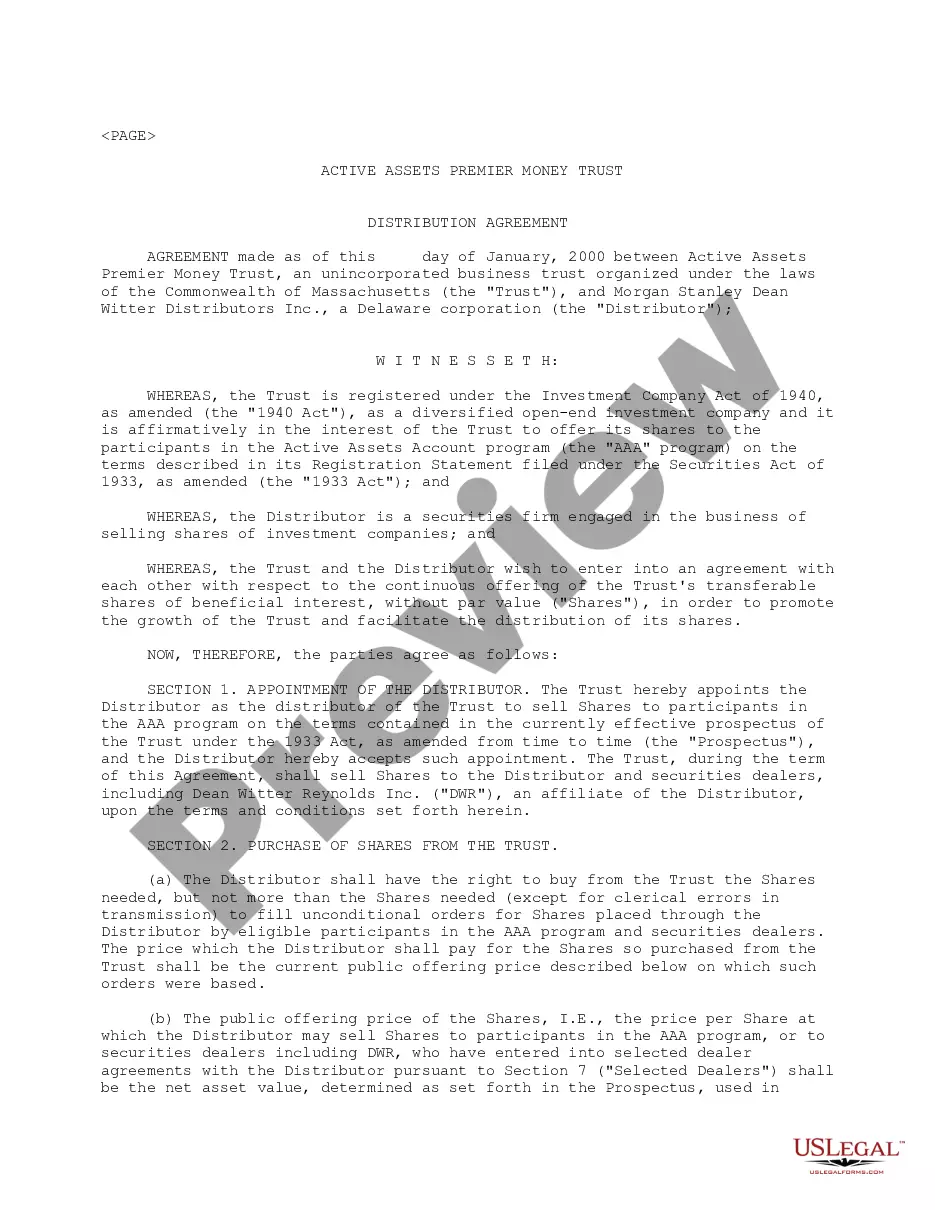
The Trust Indenture and Agreement between John Nuveen and Co., Inc. and Chase Manhattan Bank outlines the terms and conditions governing the Nuveen Tax-Free Unit Trust, Series 1140. This legal document establishes the roles and responsibilities of the Depositor and Trustee while detailing the specific provisions that govern the trust's operation, differing from generic trust agreements by its unique structure and stipulations tailored to this particular trust series.
Key components of this form
- Identification of the parties involved: John Nuveen and Co., Inc. as the Depositor and Chase Manhattan Bank as the Trustee.
- Incorporation of Standard Terms and Conditions of Trust effective September 7, 1995.
- Special Terms and Conditions outlining the unique attributes of the trust.
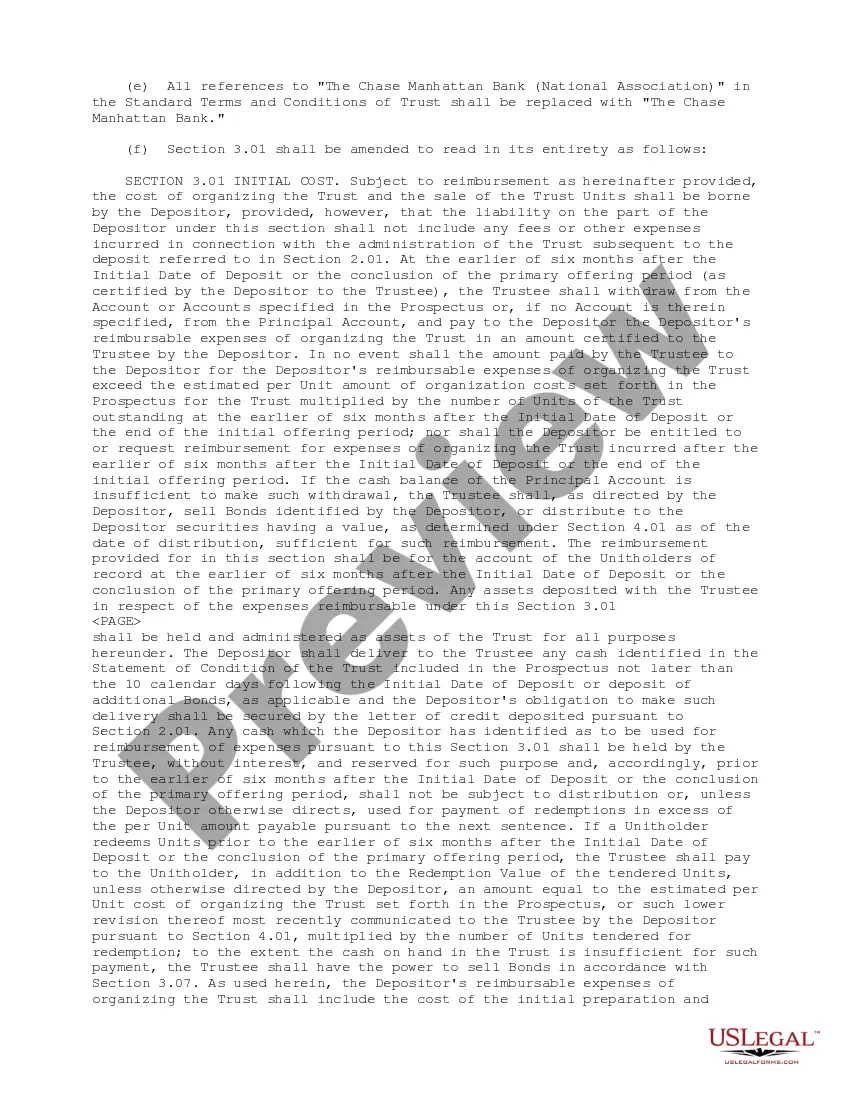
- Provisions for the costs associated with organizing the Trust and managing Trust Units.
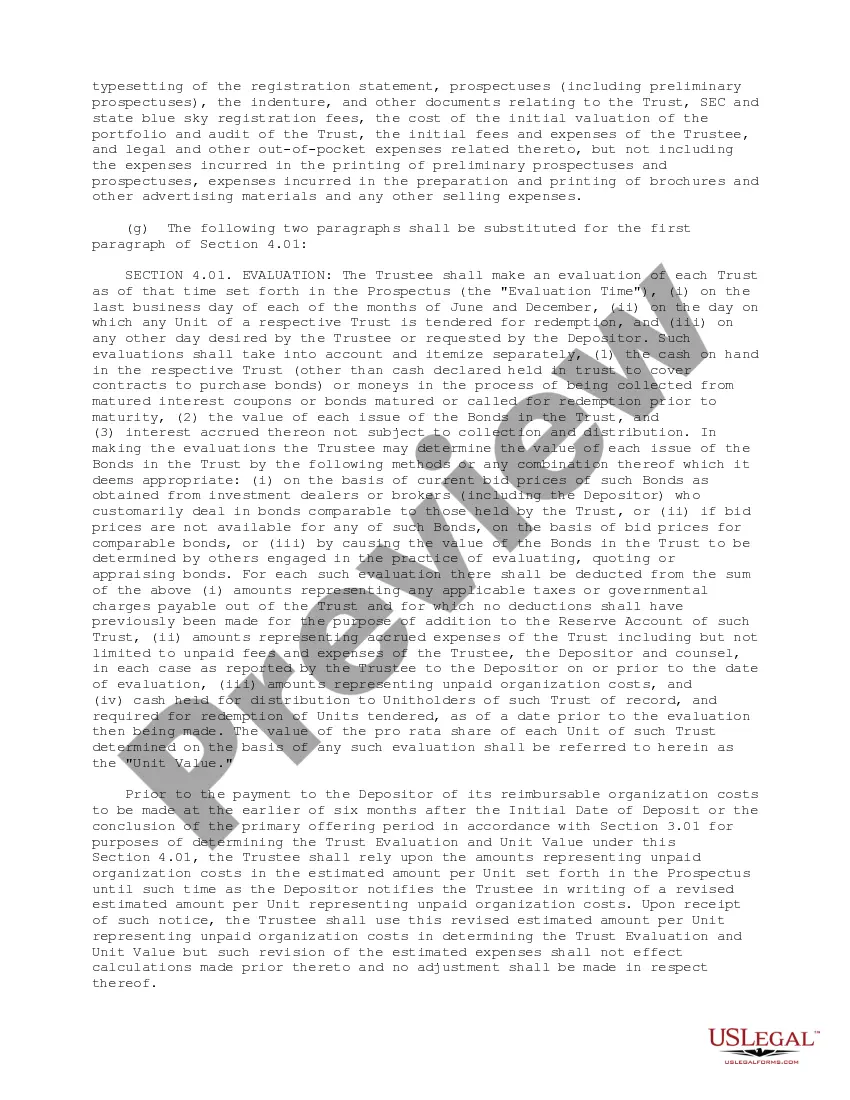
- Evaluation procedures for each Trust Unit to determine its market value.
When this form is needed
This form is used when establishing a trust for tax-exempt investments. It is particularly helpful for investors looking to create a tax-free income stream through Unit Trusts, especially for those who wish to define the specific terms and conditions under which the Trust operates. This might include advanced investors, financial advisors, or estate planners seeking to manage or protect their clients' investments efficiently.
Who should use this form
- Individuals or entities interested in investing in tax-free municipal bonds.
- Financial professionals managing client portfolios focused on tax advantages.
- Estate planners looking to incorporate tax-exempt trusts in their asset management strategies.
- Trustees and fiduciaries responsible for the administration of such trusts.
Steps to complete this form
- Identify the parties involved: Clearly state the names of the Depositor and Trustee.
- Include the trust details: Fill out the specific information regarding the tax-free units and the trust's intended purpose.
- Specify any special terms and conditions particular to your Trust: Make any necessary amendments or customizations in the designated sections.
- Provide documentation of any costs associated with the organization of the Trust mentioned in the agreement.
- Finalize with signatures: Ensure all parties sign the document as required to validate the agreement.
Is notarization required?
In most cases, this form does not require notarization. However, some jurisdictions or signing circumstances might. US Legal Forms offers online notarization powered by Notarize, accessible 24/7 for a quick, remote process.
Get your form ready online
Our built-in tools help you complete, sign, share, and store your documents in one place.
Make edits, fill in missing information, and update formatting in US Legal Forms—just like you would in MS Word.
Download a copy, print it, send it by email, or mail it via USPS—whatever works best for your next step.
Sign and collect signatures with our SignNow integration. Send to multiple recipients, set reminders, and more. Go Premium to unlock E-Sign.
If this form requires notarization, complete it online through a secure video call—no need to meet a notary in person or wait for an appointment.
We protect your documents and personal data by following strict security and privacy standards.

Make edits, fill in missing information, and update formatting in US Legal Forms—just like you would in MS Word.

Download a copy, print it, send it by email, or mail it via USPS—whatever works best for your next step.

Sign and collect signatures with our SignNow integration. Send to multiple recipients, set reminders, and more. Go Premium to unlock E-Sign.

If this form requires notarization, complete it online through a secure video call—no need to meet a notary in person or wait for an appointment.

We protect your documents and personal data by following strict security and privacy standards.
Mistakes to watch out for
- Failing to clearly identify all parties involved can lead to disputes later.
- Neglecting to incorporate special terms that reflect the unique needs of the Trust.
- Not keeping records of all costs related to organizing the Trust, which could affect reimbursements.
- Omitting required signatures may render the Trust Indenture invalid.
Advantages of online completion
- Convenience of downloading and editing the form to suit individual needs.
- Reliability of having a document drafted by licensed attorneys, ensuring legal compliance.
- Easy access to updates or changes in laws affecting trust agreements.
Legal use & context
- This form provides a legally binding agreement that defines the relationship between the Depositor and Trustee.
- Ensures compliance with relevant tax laws regarding tax-free investments.
- Helps protect the interests of all parties involved by clearly outlining rights and obligations.
Summary of main points
- The Trust Indenture is essential for establishing tax-free Unit Trusts effectively.
- It is important to incorporate both standard and special terms relevant to the trust.
- Using this form correctly can help avoid common mistakes that might invalidate the trust.
Looking for another form?
Form popularity
FAQ
Indenture refers to a legal and binding agreement, contract, or document between two or more parties.Historically, indenture has also referred to a contract binding one person to work for another for a set period of time (indentured servant), particularly European immigrants.
As nouns the difference between indenture and deed is that indenture is (legal) a contract which binds a person to work for another, under specified conditions, for a specified time (often as an apprentice) while deed is an action or act; something that is done.
Mortgage Trust Indenture (MTI) is a contractual agreement used to secure the obligations of the borrower with several lenders.A Mortgage Participation Certificate (MPC) is issued by the Trustee in favor of each lender as an evidence of the lender's participation in the MTI pool of assets.
Congress passed the Trust Indenture Act of 1939 to protect bond investors. It prohibits the sale of any debt securities in a public offering unless they are issued under a qualified indenture.With the act, trustees are required to make a list of the investors available so they can communicate with each other.