Credit Agreement regarding extension of credit
Description
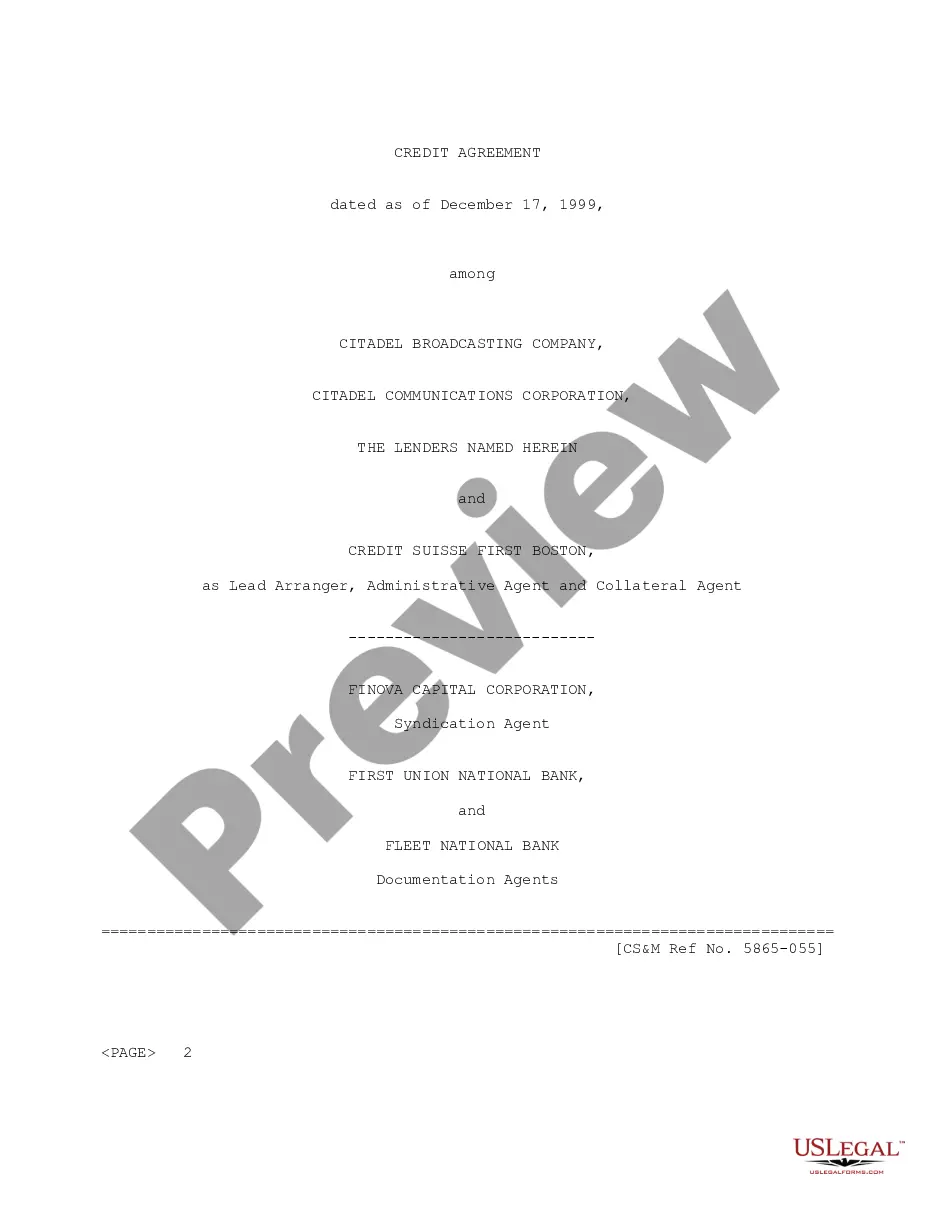
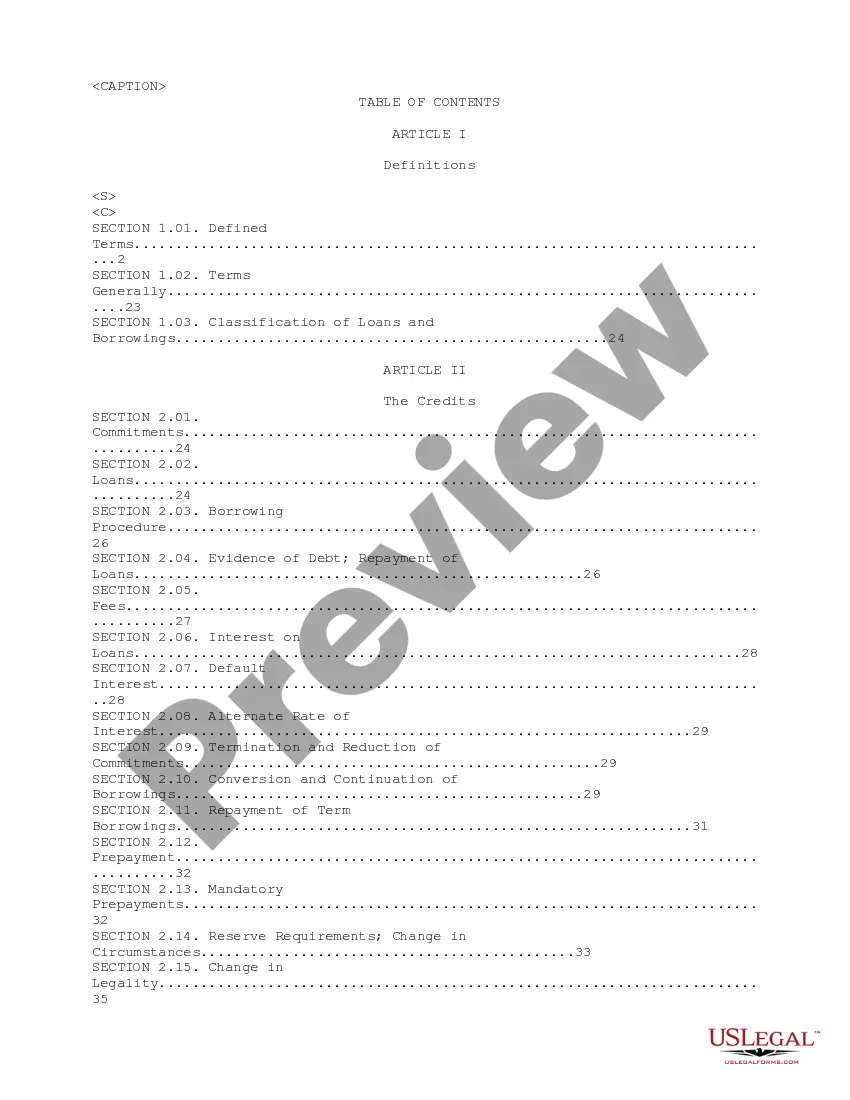
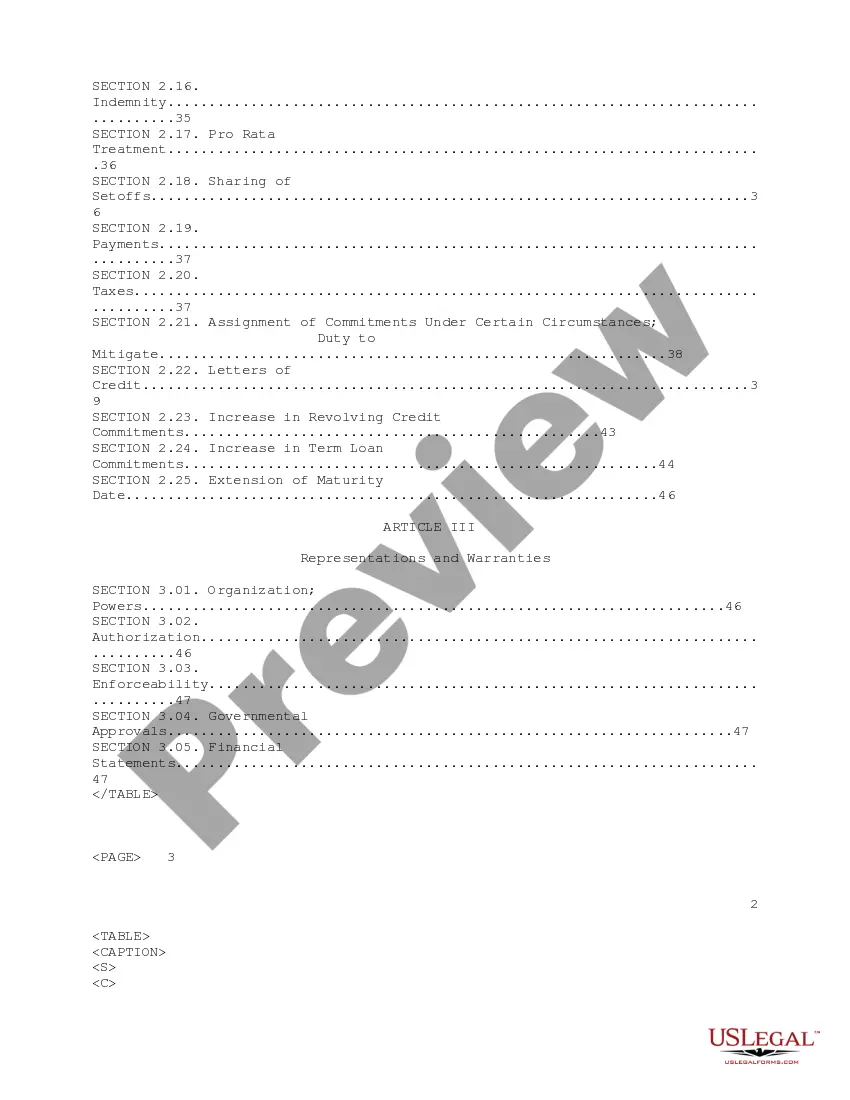
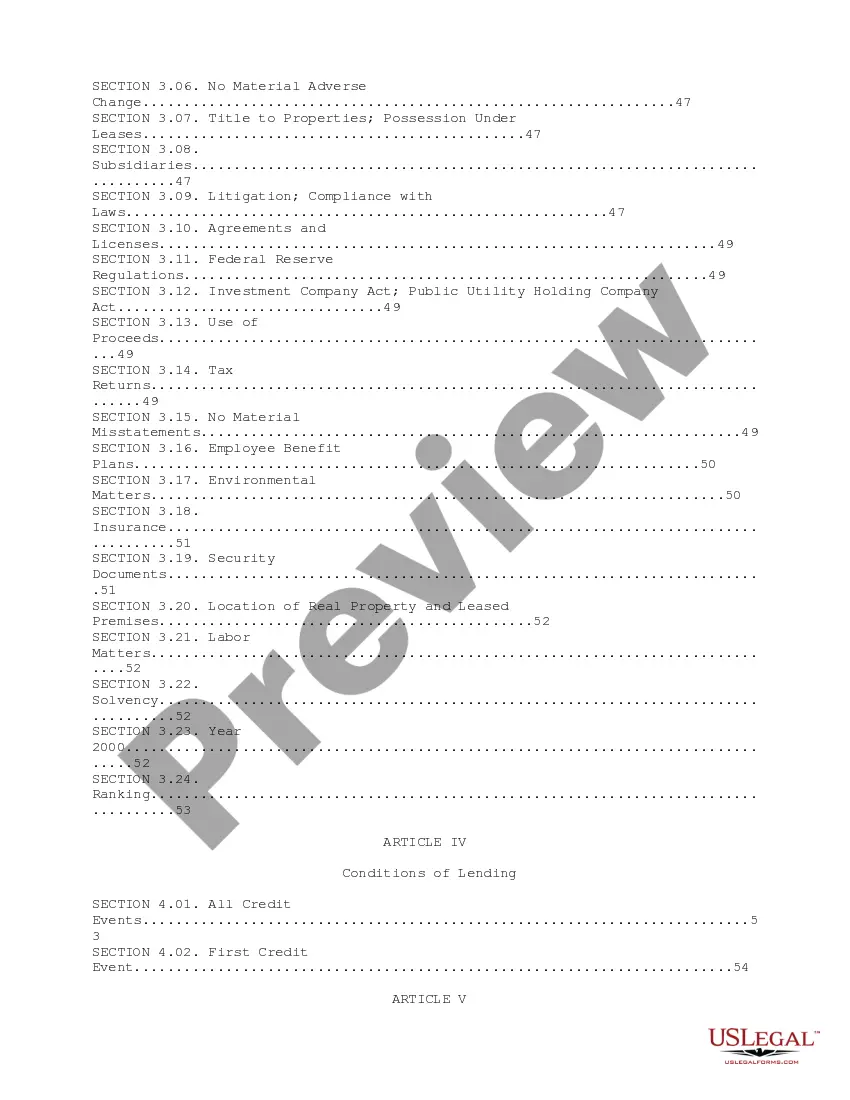
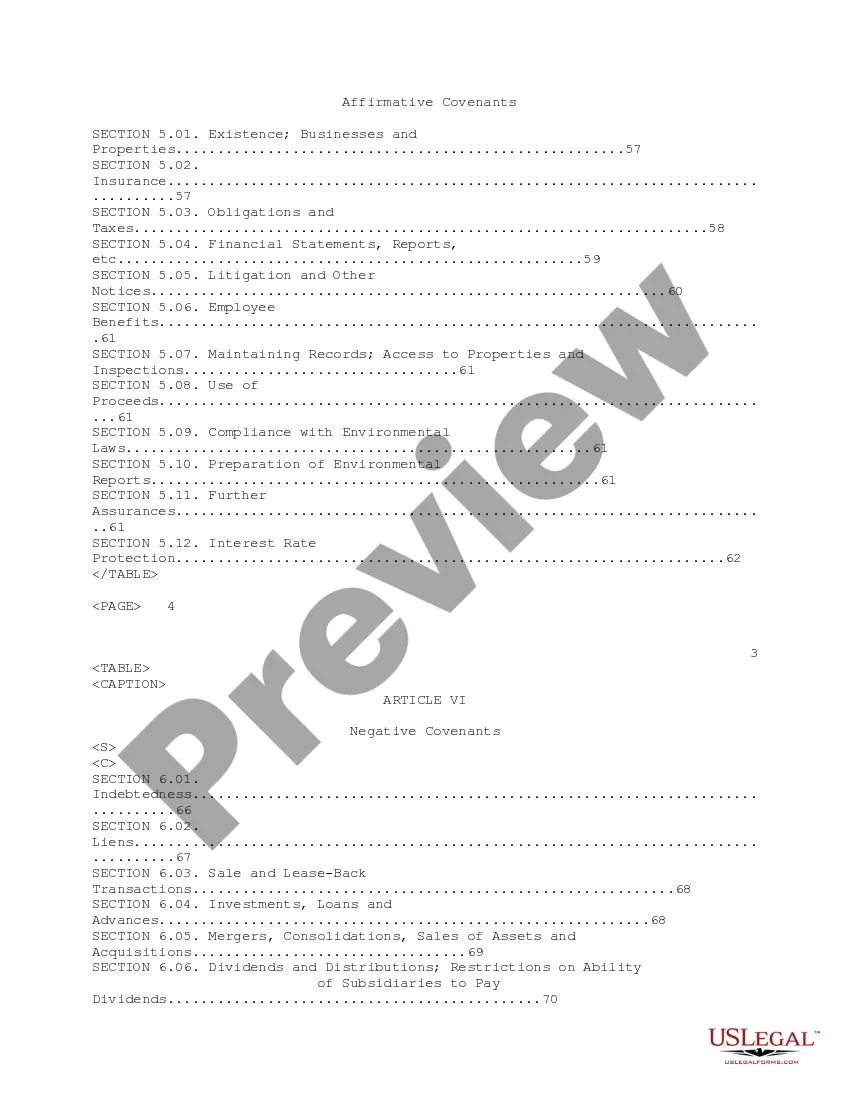
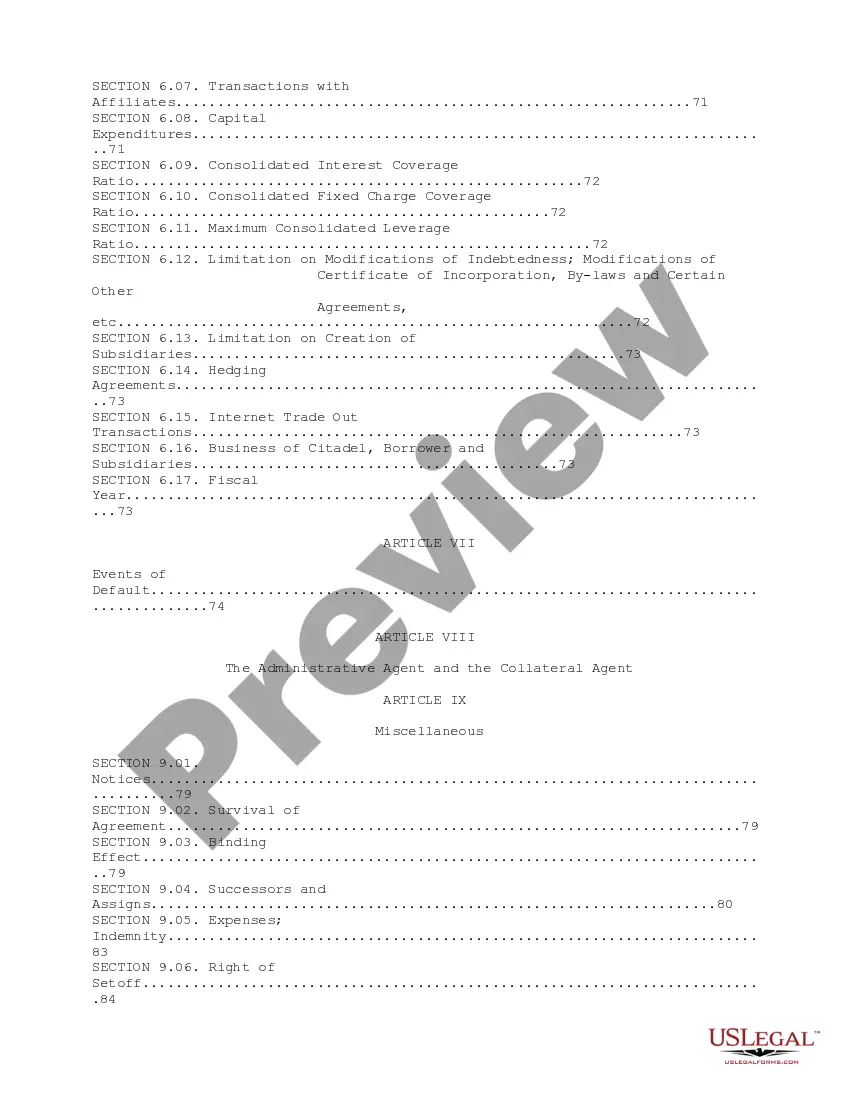
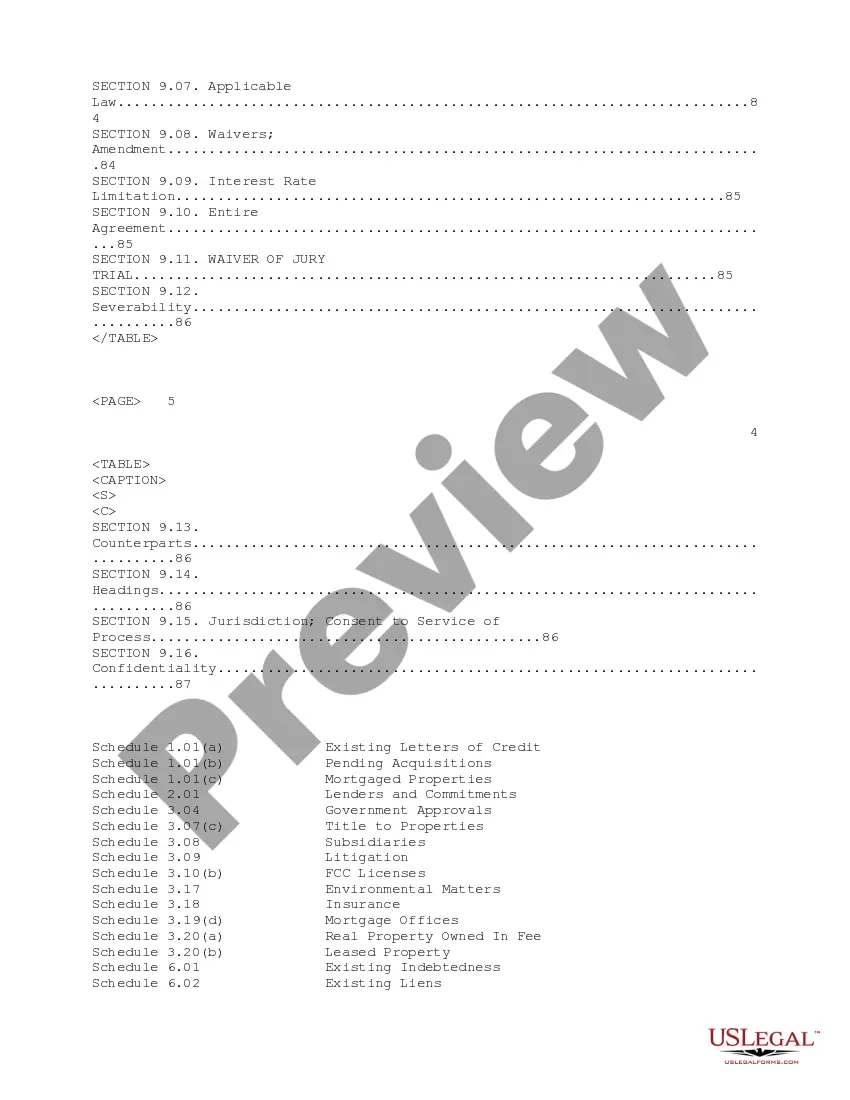
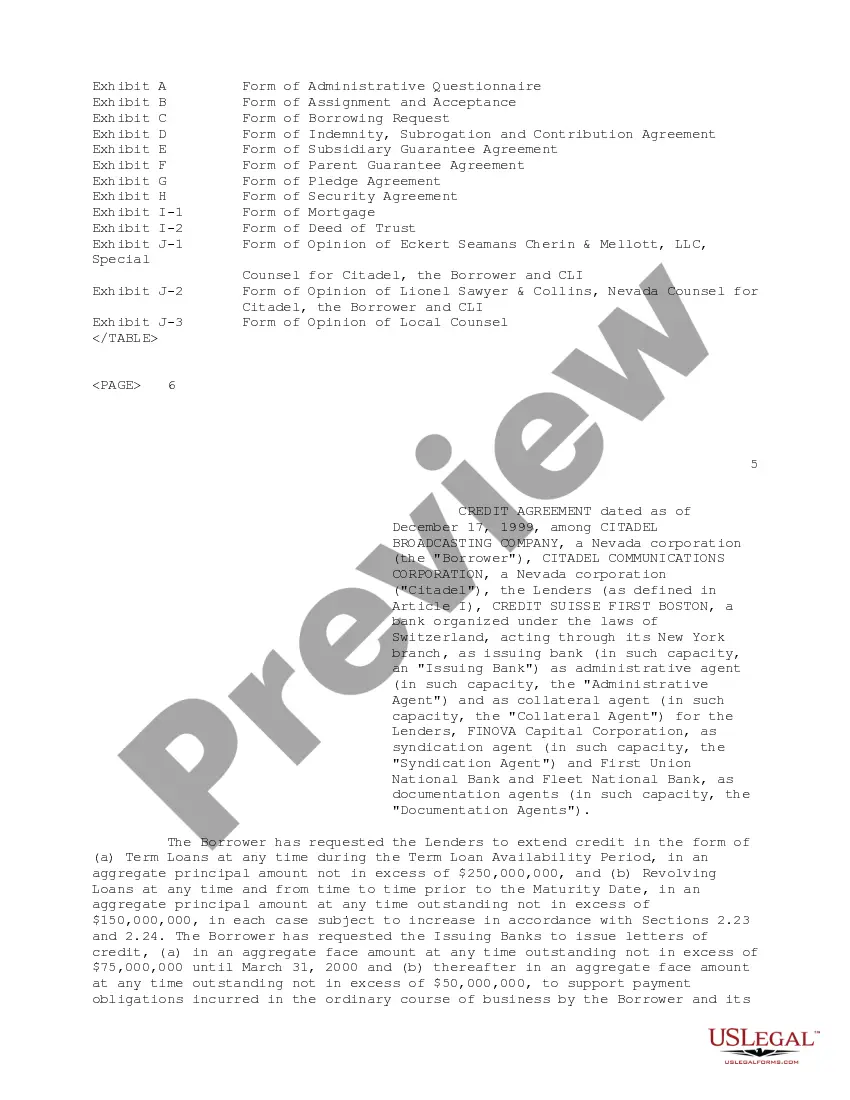








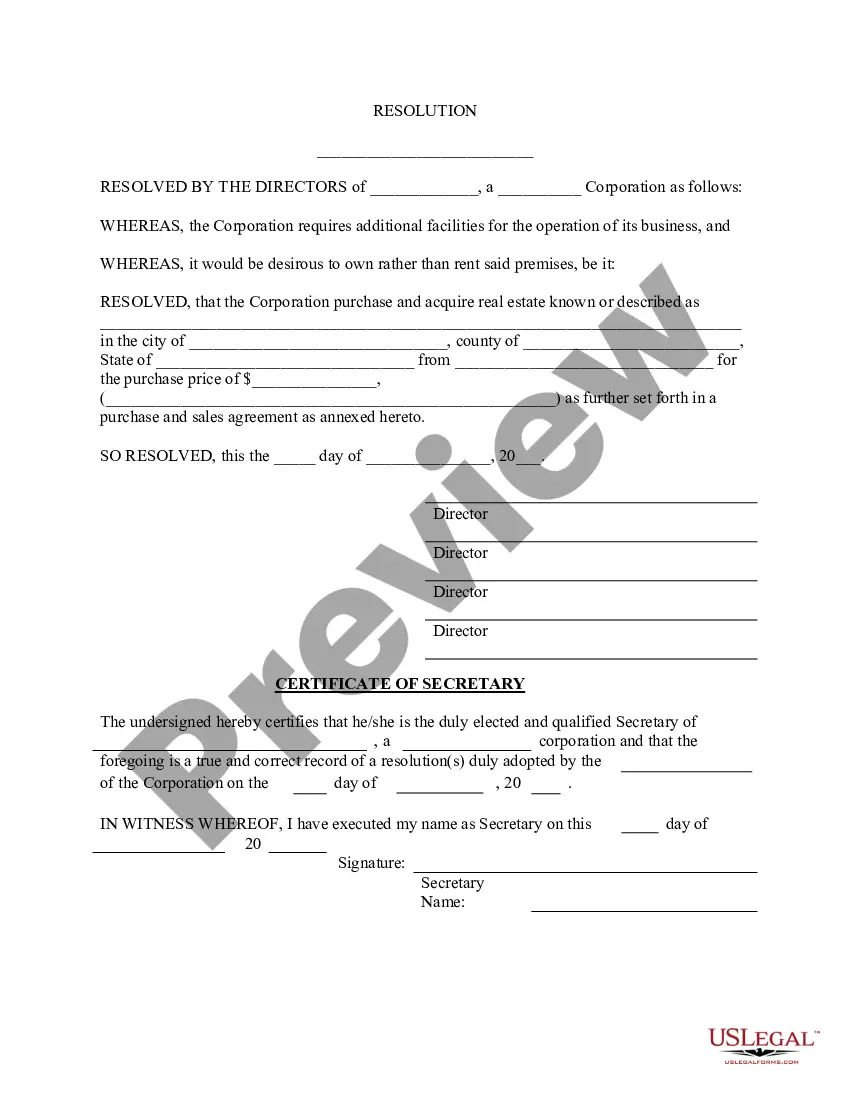
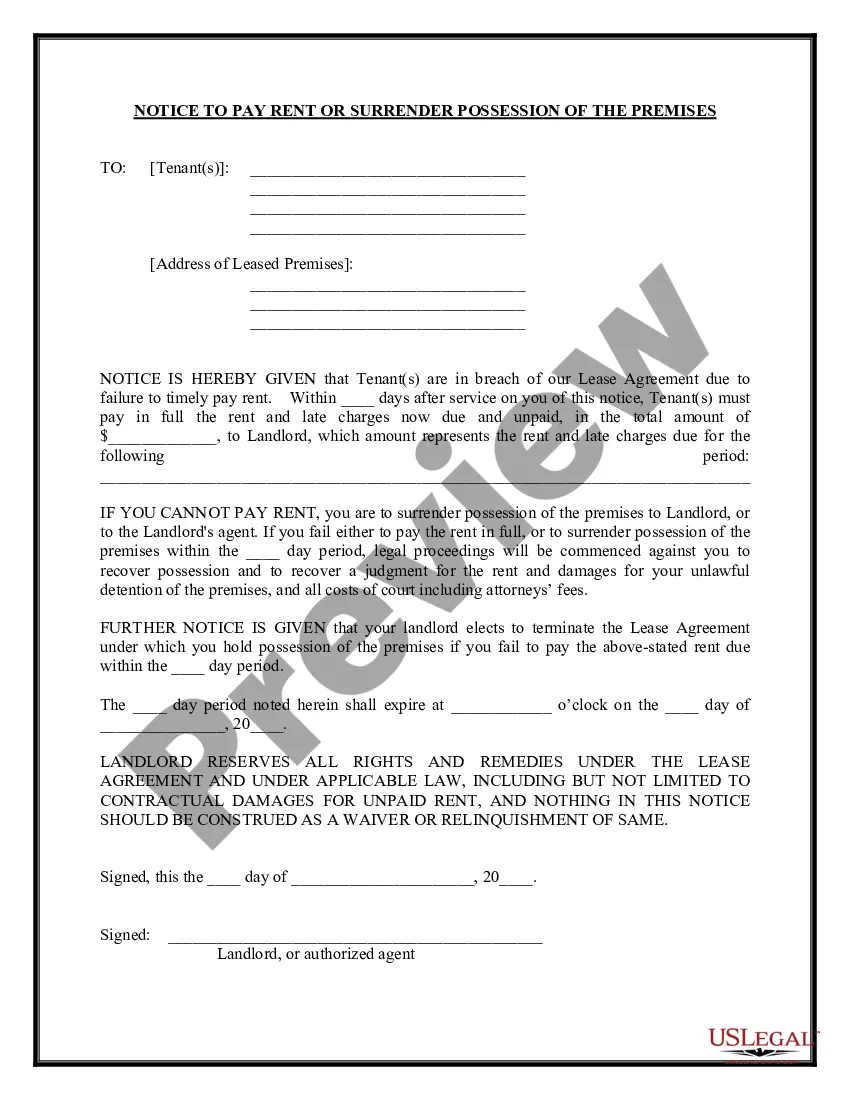
How to fill out Credit Agreement Regarding Extension Of Credit?
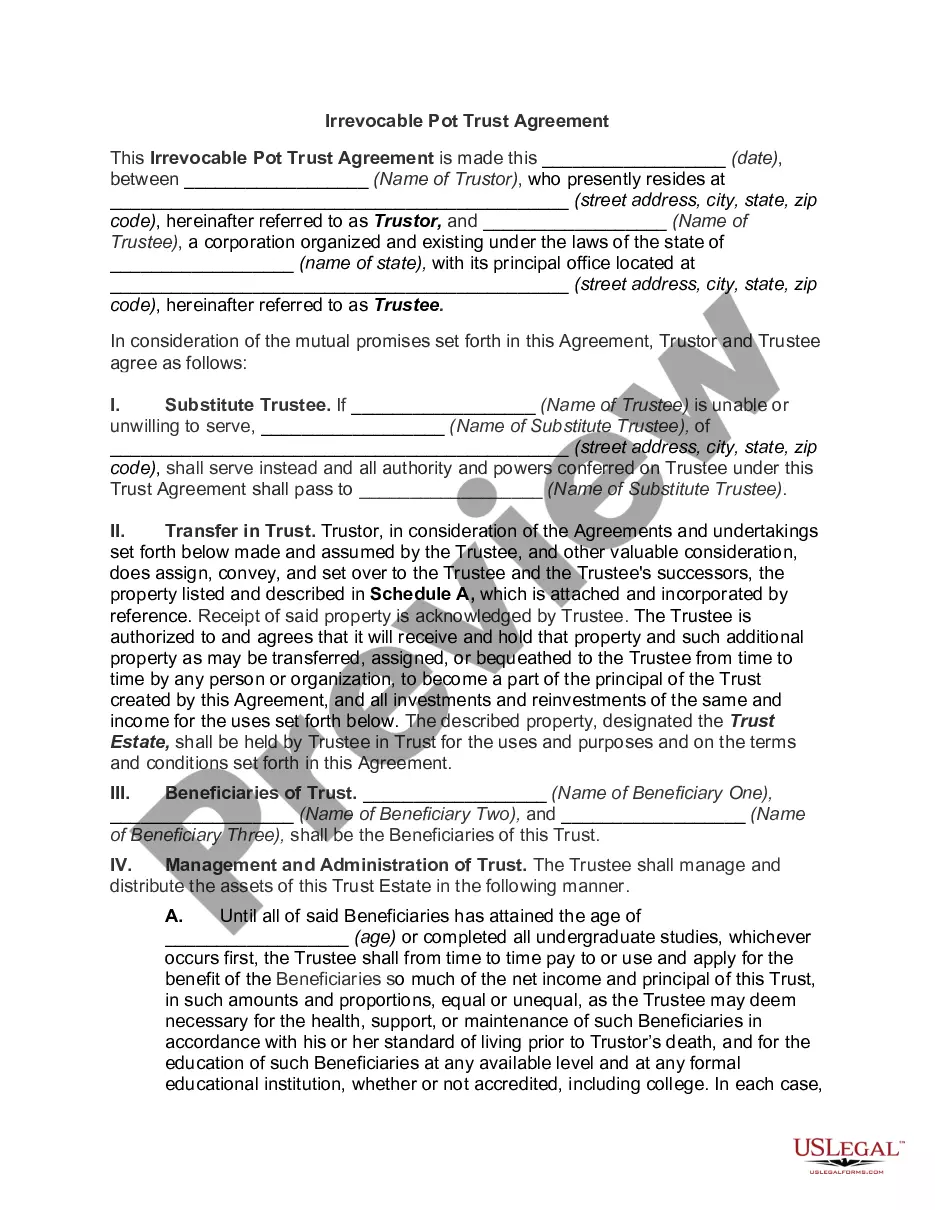
When it comes to drafting a legal document, it is easier to delegate it to the experts. However, that doesn't mean you yourself cannot find a sample to utilize. That doesn't mean you yourself cannot get a sample to utilize, however. Download Credit Agreement regarding extension of credit straight from the US Legal Forms web site. It provides numerous professionally drafted and lawyer-approved forms and samples.
For full access to 85,000 legal and tax forms, users just have to sign up and choose a subscription. Once you’re registered with an account, log in, find a particular document template, and save it to My Forms or download it to your device.
To make things less difficult, we’ve included an 8-step how-to guide for finding and downloading Credit Agreement regarding extension of credit quickly:
- Make confident the document meets all the necessary state requirements.
- If possible preview it and read the description before purchasing it.
- Click Buy Now.
- Choose the appropriate subscription to suit your needs.
- Create your account.
- Pay via PayPal or by debit/credit card.
- Choose a needed format if a few options are available (e.g., PDF or Word).
- Download the file.
As soon as the Credit Agreement regarding extension of credit is downloaded it is possible to complete, print out and sign it in almost any editor or by hand. Get professionally drafted state-relevant papers within a matter of minutes in a preferable format with US Legal Forms!
Form popularity
FAQ
It covers, among other types of insider loans, extensions of credit by a member bank to an executive officer, director, or principal shareholder of the member bank; a bank holding company of which the member bank is a subsidiary; and any other subsidiary of that bank holding company.
Components of extending credit are creating invoices, collecting payments and clearing invoices, depositing and reconciling.
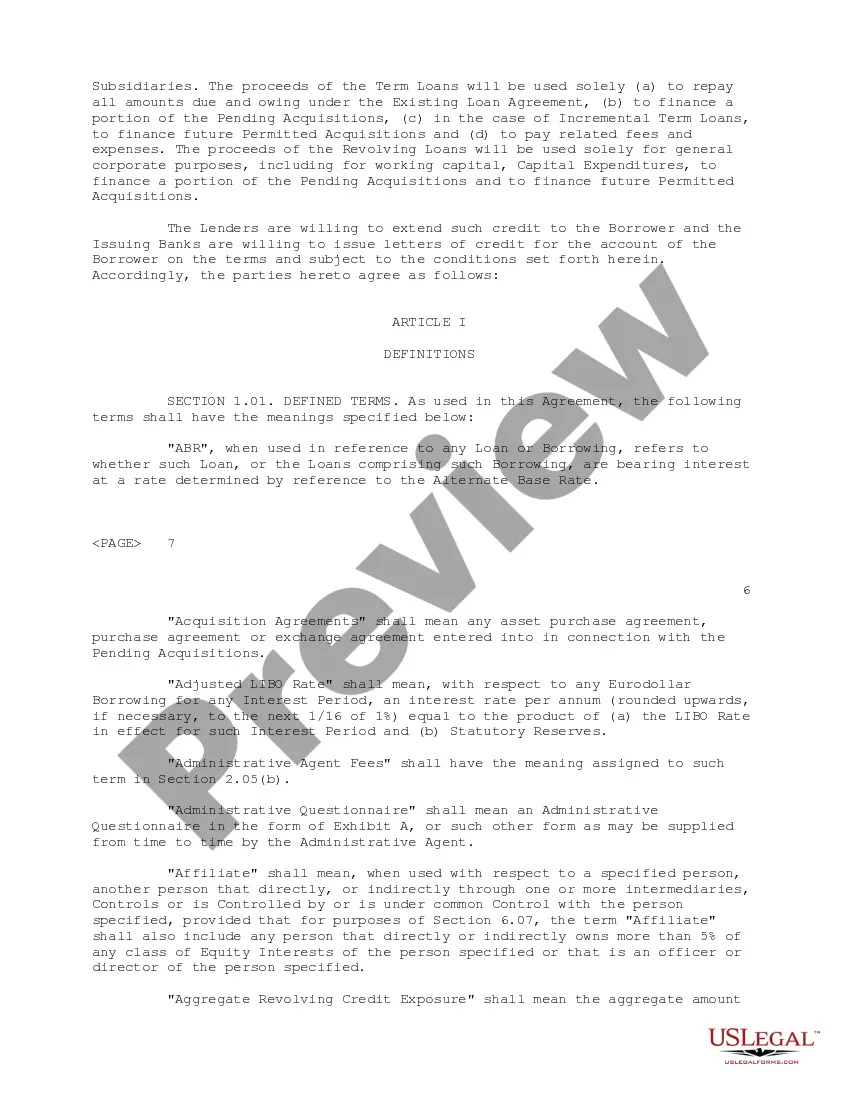
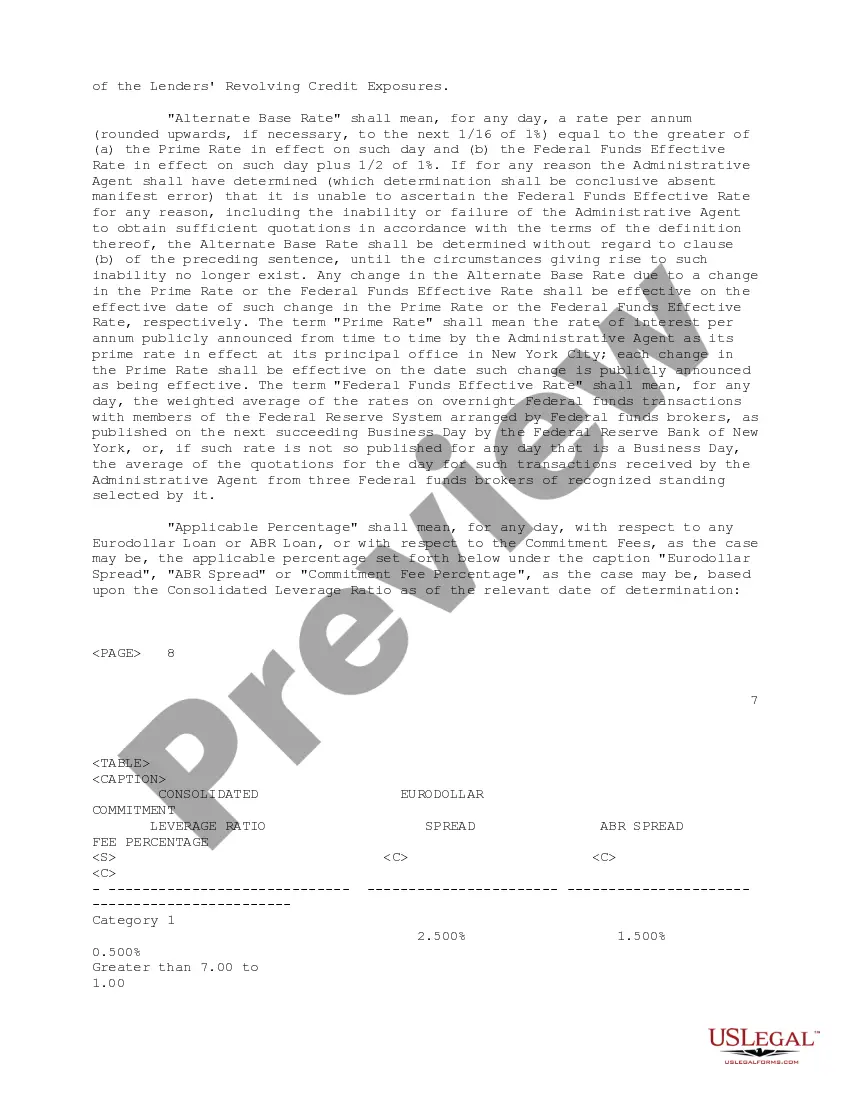
Extension of Credit means, as to any Lender, the making of a Loan by such Lender, any conversion of a Loan from one Type to another Type, any extension of any Loan or the issuance, extension or renewal of, or participation in, a Letter of Credit or Swingline Loan by such Lender.
Open-end credit refers to any type of loan where you can make repeated withdrawals and repayments. Examples include credit cards, home equity loans, personal lines of credit and overdraft protection on checking accounts.
(12 CFR 215 and 12 USC 375a and 12 USC 375b) 12 CFR 31 and 12 CFR 215.12 apply Regulation O to national banks and federal savings associations, respectively.
Section 215.3 Extension of credit. Defines "extension of credit" and notes that the term encompasses making and renewing a loan, granting a line of credit, and extending credit in any manner. Section 215.4 General prohibitions.
The bank should keep records showing that it actually conducted an annual survey. A bank is also required to maintain records of any extensions of credit to insiders, including the amount and terms of each extension of credit. 12 C.F.R. § 215.8(b)(2).
There are many different types of credit plans, including charge accounts, credit cards, single payment loans, installment loans, and mortgage loans. There are also many different sources of credit. Various sources of loans provide different types of loans for varying lengths of time.
Revolving Credit. This form of credit allows you to borrow money up to a certain amount. Charge Cards. This form of credit is often mistaken to be the same as a revolving credit card. Installment Credit. Non-Installment or Service Credit.