Irrevocable Pot Trust Agreement
What is this form?
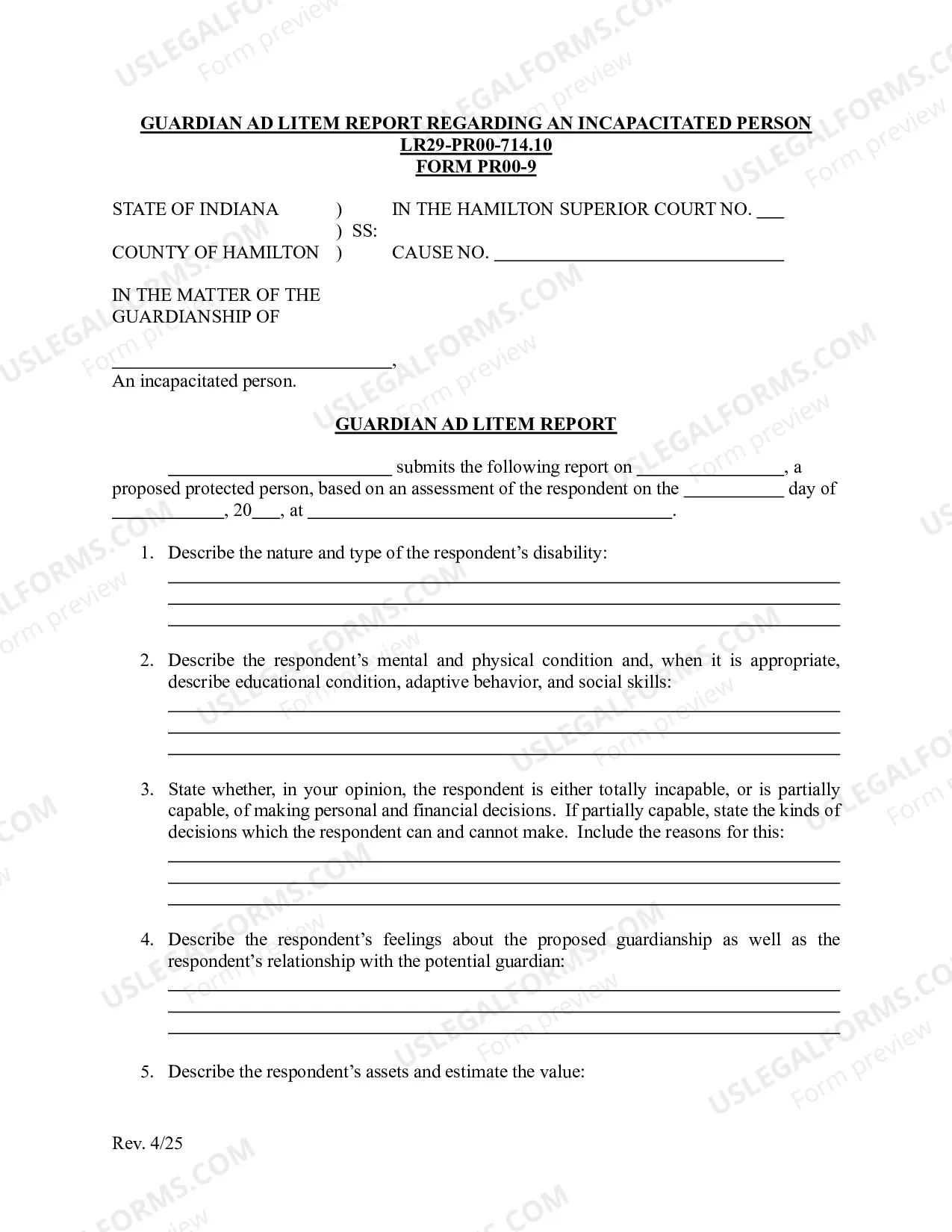
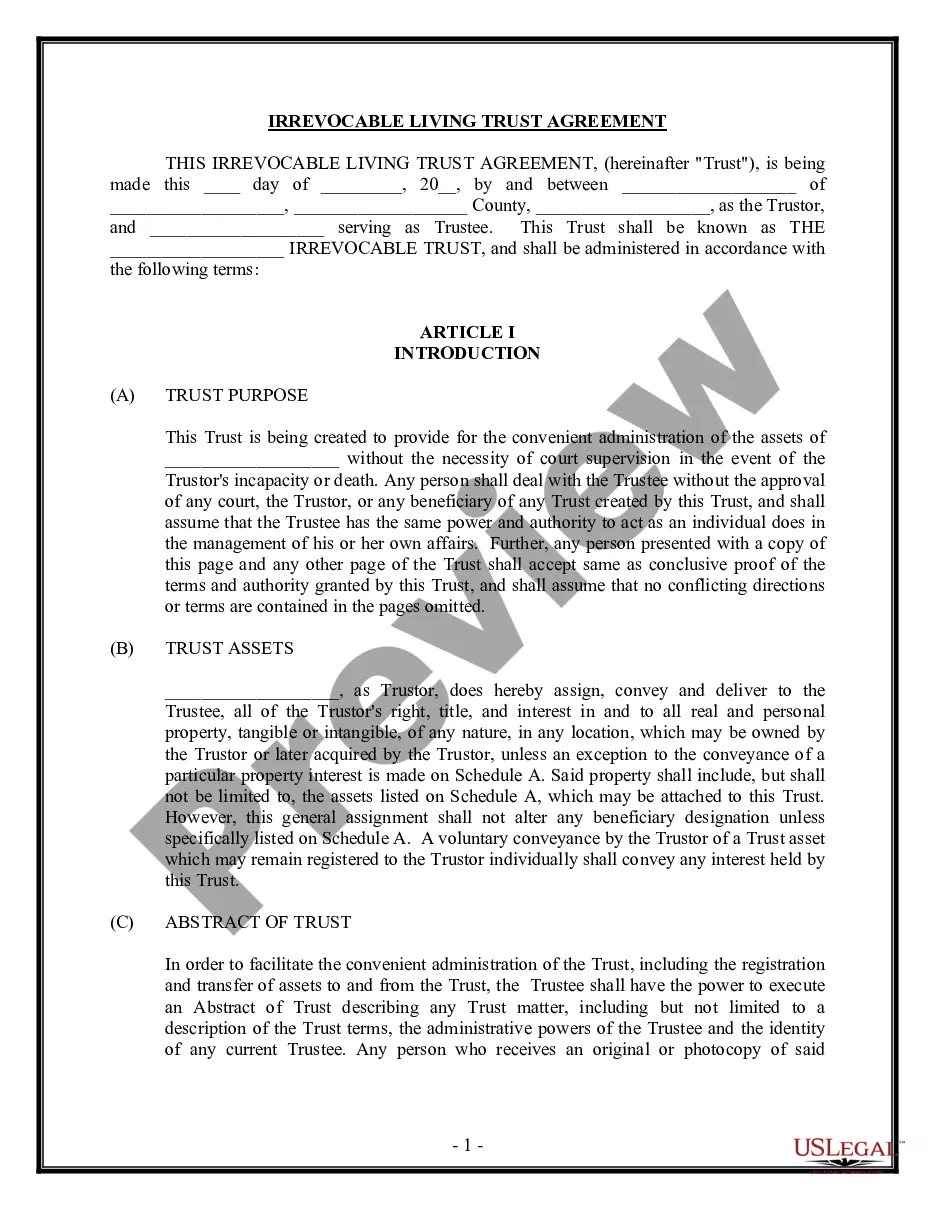
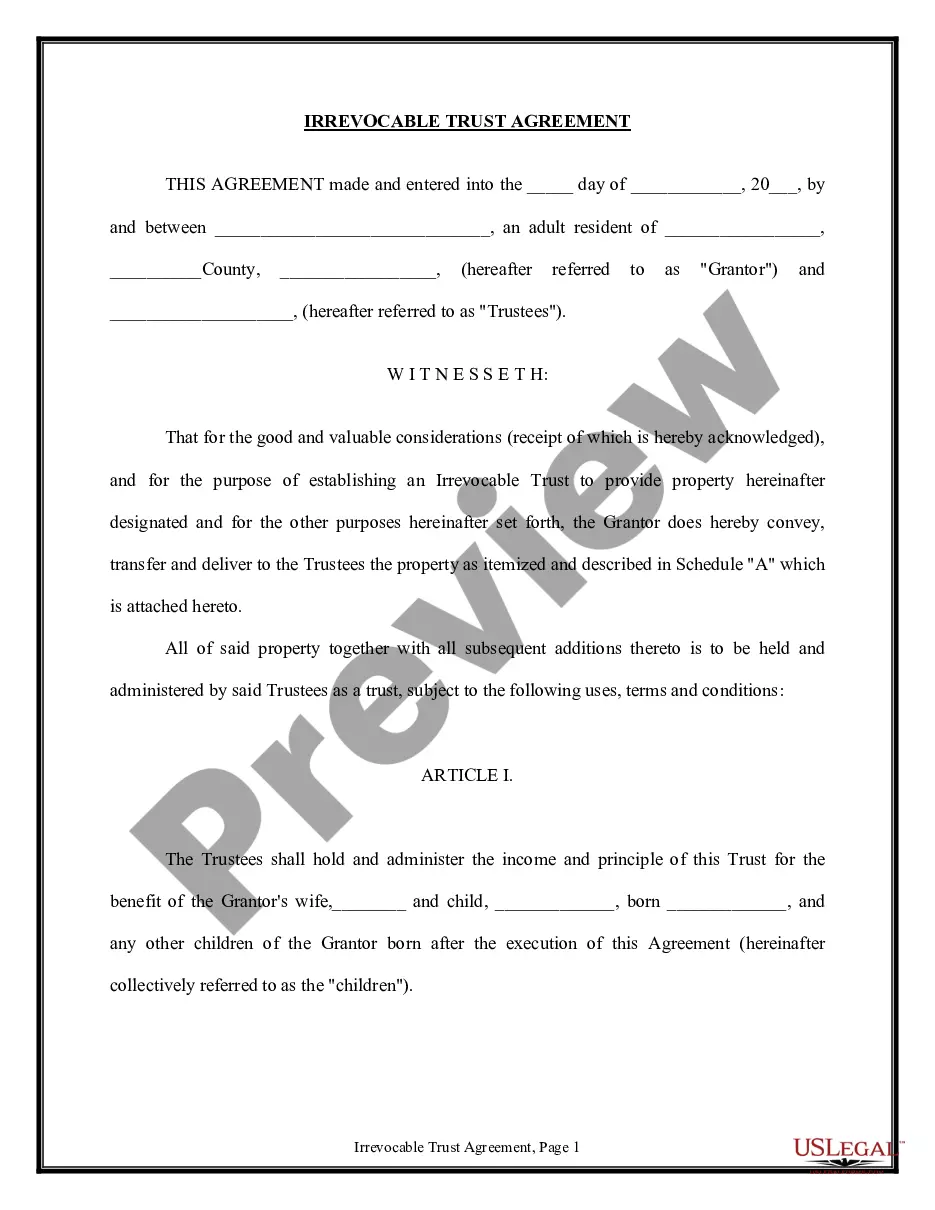
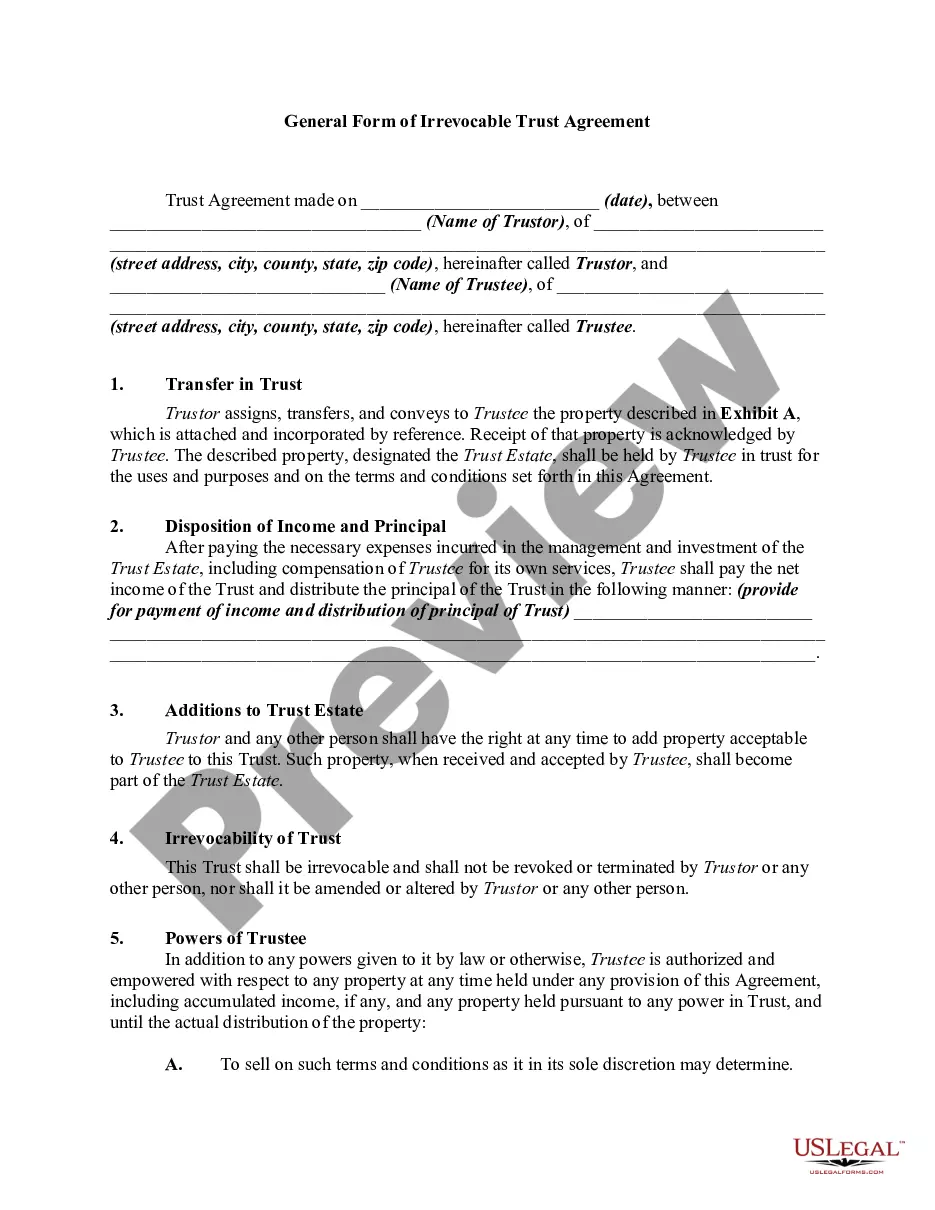
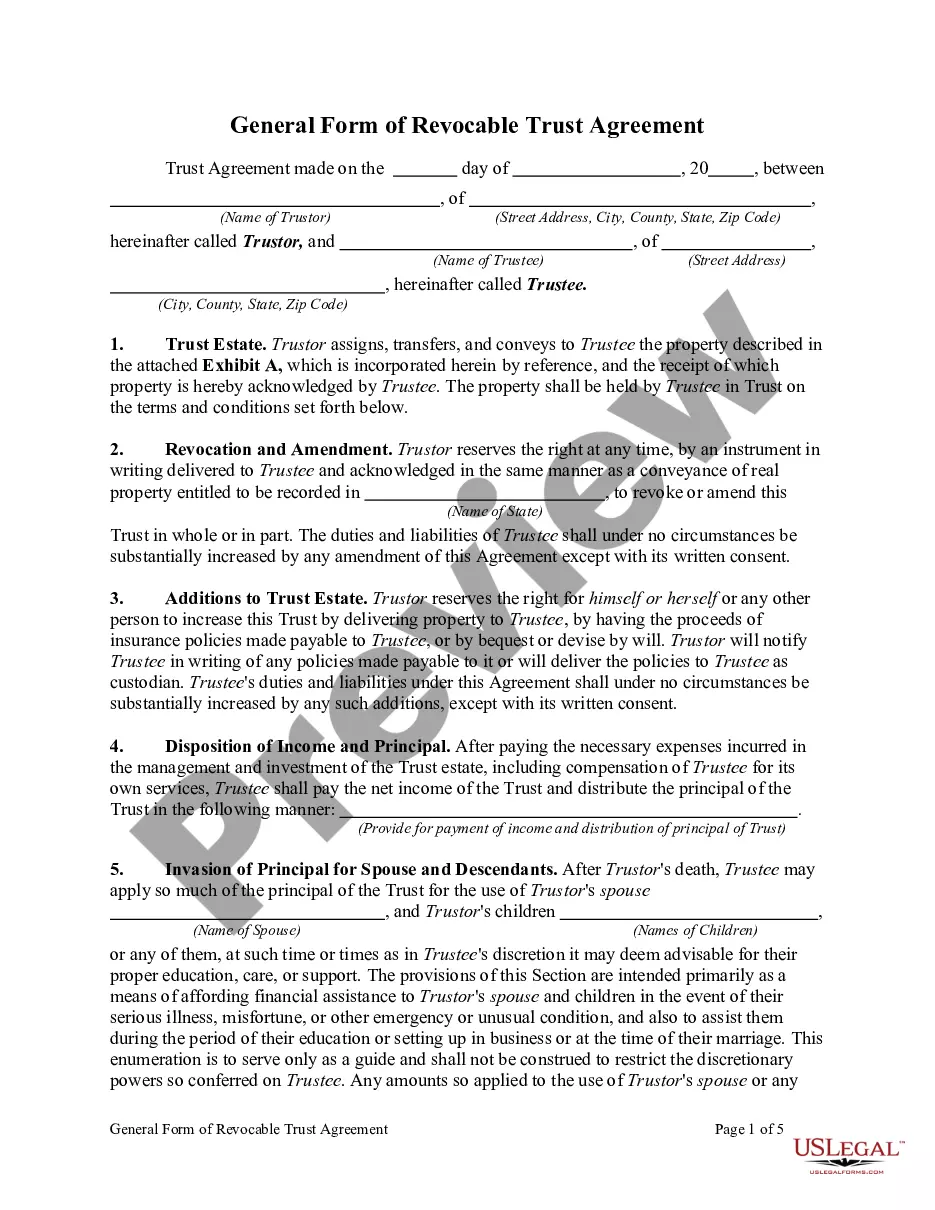
The Irrevocable Pot Trust Agreement is a legal document that establishes a trust which cannot be modified or terminated without the consent of the beneficiaries. This type of trust holds assets for multiple beneficiariesâtypically childrenâuntil certain conditions are met, such as reaching a specific age or completing educational milestones. Unlike a revocable trust, where the Trustor retains rights to change or dissolve the trust, an irrevocable trust provides tax benefits by removing assets from the Trustor's taxable estate.
What’s included in this form
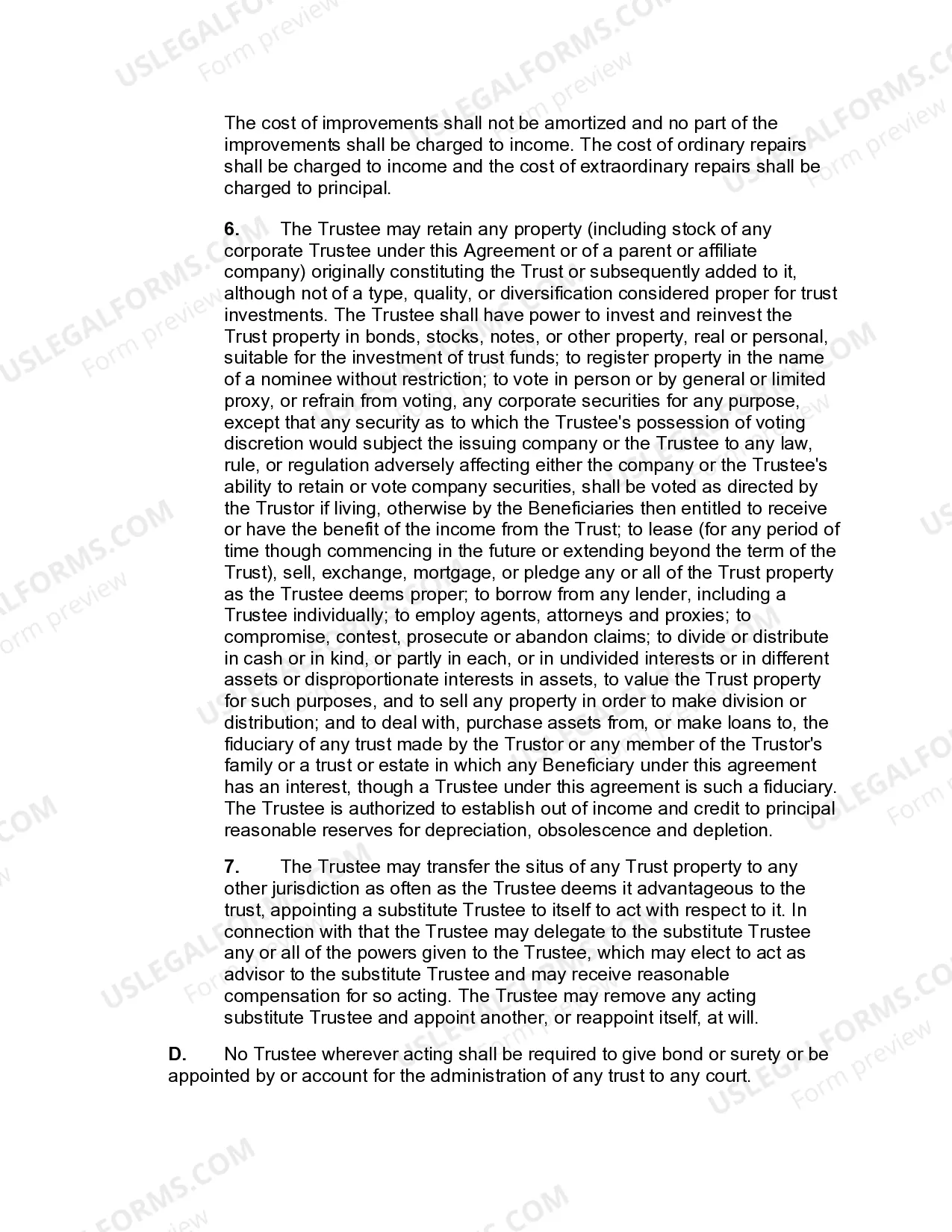
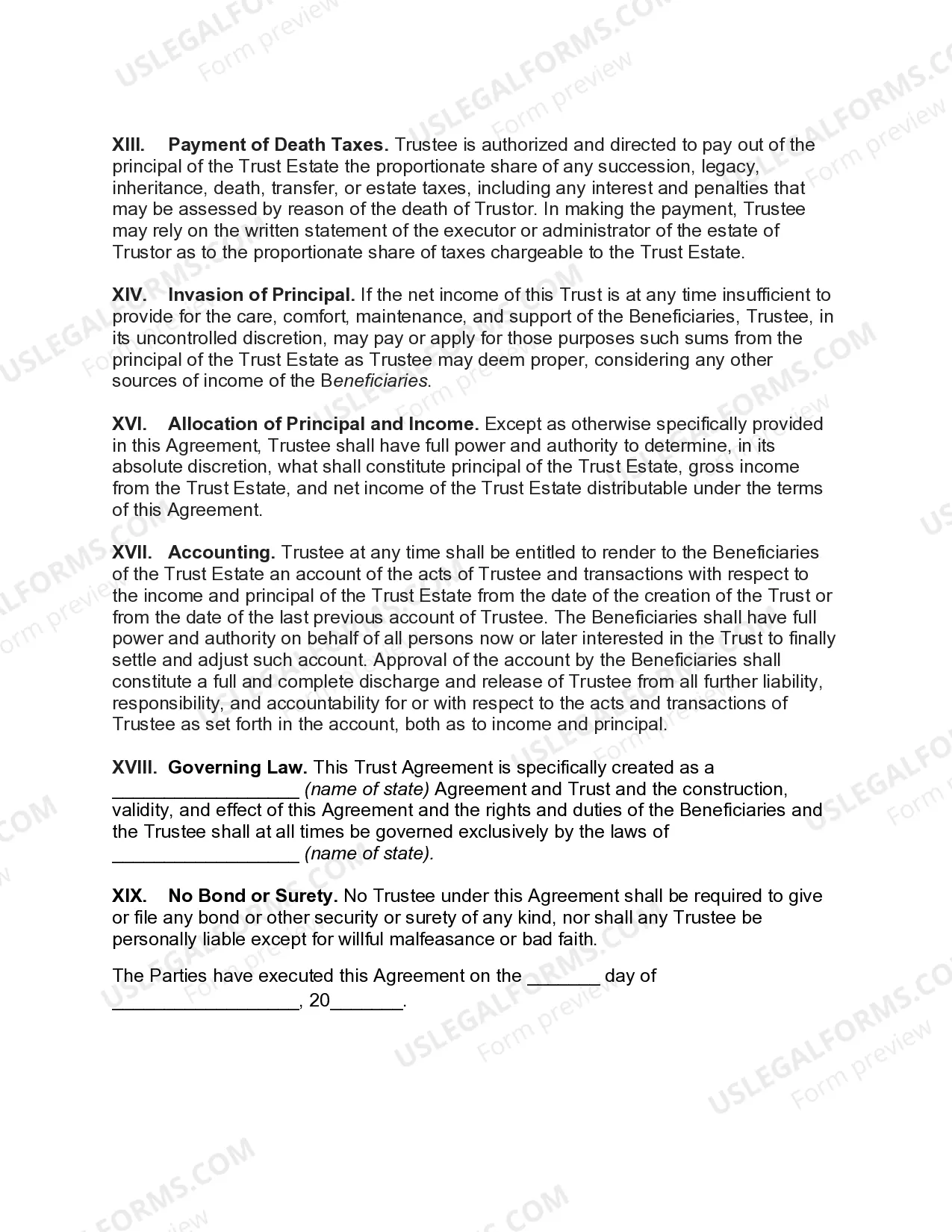
- Substitute Trustee: Designation of a replacement trustee if the primary trustee is unable or unwilling to serve.
- Transfer in Trust: Assignment of property into the trust, establishing the Trust Estate.
- Beneficiaries of Trust: Identification of individuals entitled to benefit from the trustâs assets.
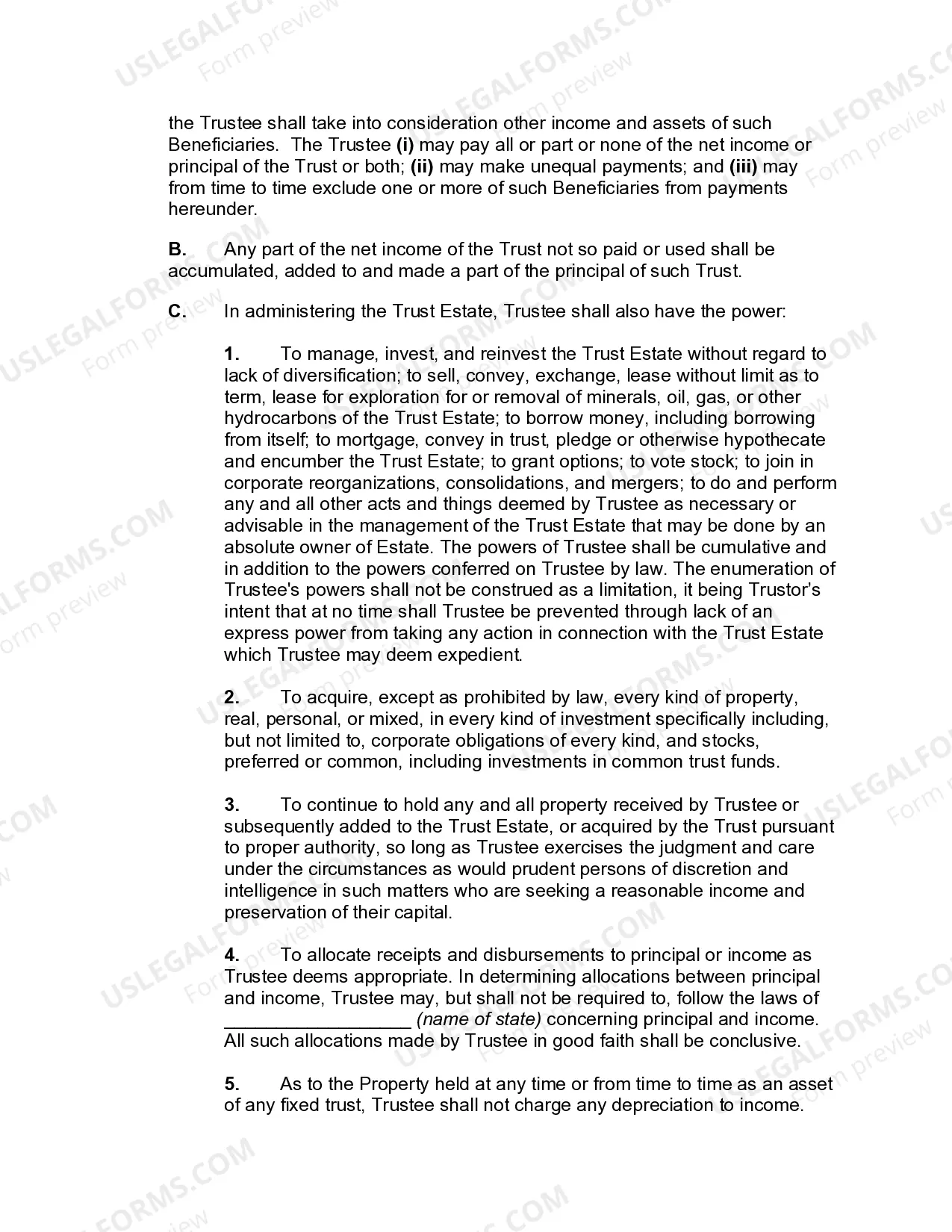
- Management and Administration: Guidelines for how the trustee will manage and distribute the trustâs assets.
- Spendthrift Provisions: Protection of beneficiaries' interests from creditors and legal claims.
- Distribution of Trust: Instructions for how and when the trust's principal will be distributed to the beneficiaries.



Situations where this form applies
This form is useful in various scenarios, including when parents want to ensure financial support for their children while maintaining control over the distribution of assets. It is particularly beneficial when the parents wish to delay distributions until the children complete their education or reach a certain age. This trust structure can also provide tax advantages and protect assets from creditors.
Who needs this form
- Trustors: Individuals looking to establish a trust for managing and protecting assets for their children.
- Trustees: Appointed individuals or organizations responsible for managing the trust's assets and ensuring compliance with the trust terms.
- Beneficiaries: Children or other designated individuals who will ultimately benefit from the trust upon reaching specified conditions.
Instructions for completing this form
- Identify the parties involved: Enter the names and addresses of the Trustor and Trustee.
- Designate the beneficiaries: Clearly list all beneficiaries who will benefit from the trust.
- Specify the property: Attach a detailed list of assets being transferred into the trust.
- Set conditions: Indicate the age or conditions that beneficiaries must meet to receive distributions.
- Sign the document: Ensure all parties sign and date the agreement in the presence of a notary, if required.
Does this form need to be notarized?
This form does not typically require notarization unless specified by local law. However, having the agreement notarized can provide additional legal weight and protect against future disputes.
Get your form ready online
Our built-in tools help you complete, sign, share, and store your documents in one place.
Make edits, fill in missing information, and update formatting in US Legal Forms—just like you would in MS Word.
Download a copy, print it, send it by email, or mail it via USPS—whatever works best for your next step.
Sign and collect signatures with our SignNow integration. Send to multiple recipients, set reminders, and more. Go Premium to unlock E-Sign.
If this form requires notarization, complete it online through a secure video call—no need to meet a notary in person or wait for an appointment.
We protect your documents and personal data by following strict security and privacy standards.

Make edits, fill in missing information, and update formatting in US Legal Forms—just like you would in MS Word.

Download a copy, print it, send it by email, or mail it via USPS—whatever works best for your next step.

Sign and collect signatures with our SignNow integration. Send to multiple recipients, set reminders, and more. Go Premium to unlock E-Sign.

If this form requires notarization, complete it online through a secure video call—no need to meet a notary in person or wait for an appointment.

We protect your documents and personal data by following strict security and privacy standards.
Typical mistakes to avoid
- Failing to properly identify the beneficiaries can lead to disputes in the future.
- Not including sufficient details in the property description may cause legal challenges.
- Omitting necessary signatures can invalidate the trust.
- Not considering tax implications of the transferred assets can result in unexpected liabilities.
Why complete this form online
- Convenience of completing the form at your own pace from any location.
- Editability allows for easy customization to fit specific needs and circumstances.
- Access to forms drafted by licensed attorneys, ensuring legal accuracy and compliance.
Looking for another form?

Form popularity
FAQ
To the extent they do distribute income, they issue k-1s to the beneficiaries who received the income, who must report it on their income tax returns, whether or not they are the grantor of the trust. The trust then pays taxes on any undistributed income.
The main reasons for setting up an irrevocable trust are for estate and tax considerations. The benefit of this type of trust for estate assets is that it removes all incidents of ownership, effectively removing the trust's assets from the grantor's taxable estate.
A revocable living trust will not protect your assets from a nursing home. This is because the assets in a revocable trust are still under the control of the owner. To shield your assets from the spend-down before you qualify for Medicaid, you will need to create an irrevocable trust.
To oversimplify, the rule stated that a trust couldn't last more than 21 years after the death of a potential beneficiary who was alive when the trust was created. Some states (California, for example) have adopted a different, simpler version of the rule, which allows a trust to last about 90 years.
The main downside to an irrevocable trust is simple: It's not revocable or changeable. You no longer own the assets you've placed into the trust. In other words, if you place a million dollars in an irrevocable trust for your child and want to change your mind a few years later, you're out of luck.
The trustee of an irrevocable trust can only withdraw money to use for the benefit of the trust according to terms set by the grantor, like disbursing income to beneficiaries or paying maintenance costs, and never for personal use.
A 'beneficial owner' is any individual who ultimately, either directly or indirectly, owns or controls the trust and includes the settlor or settlors, the trustee or trustees, the protector or protectors (if any), the beneficiaries or the class of persons in whose main interest the trust is established.
The main reasons for setting up an irrevocable trust are for estate and tax considerations. The benefit of this type of trust for estate assets is that it removes all incidents of ownership, effectively removing the trust's assets from the grantor's taxable estate.