Sample Letter for Motion in Limine - Notice of Motion
What this document covers
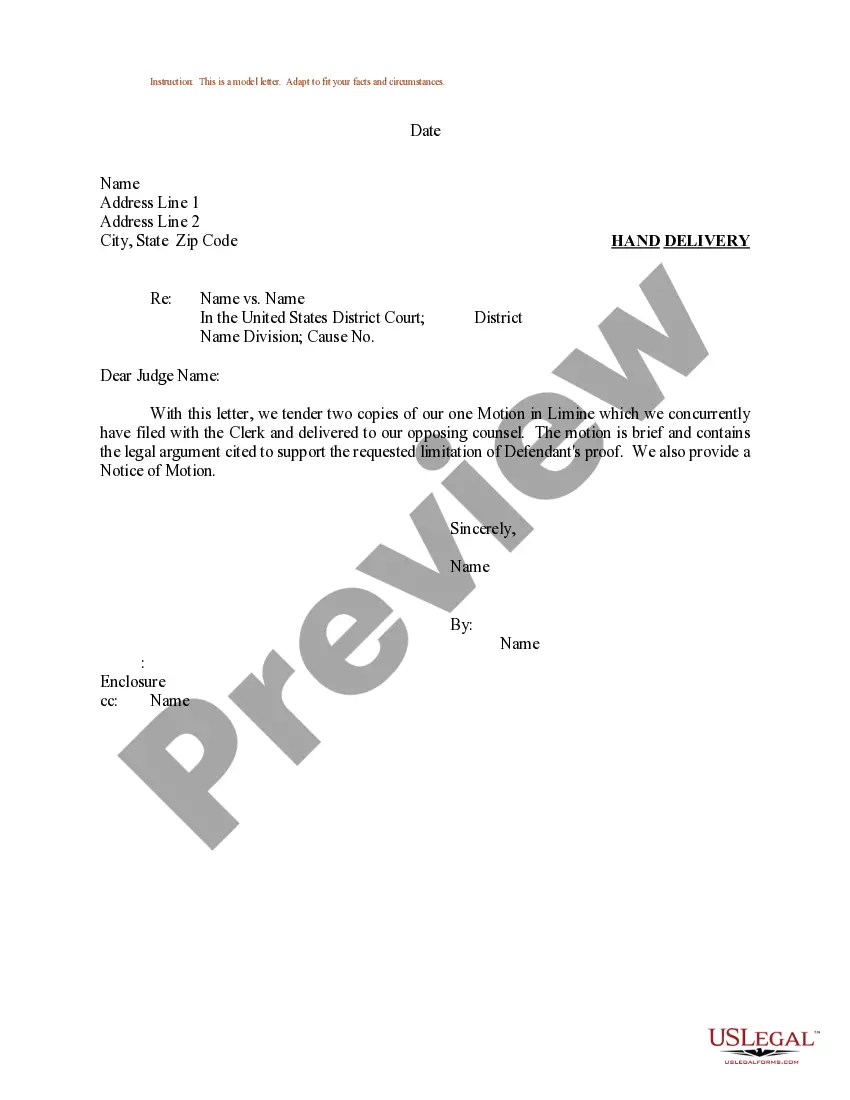
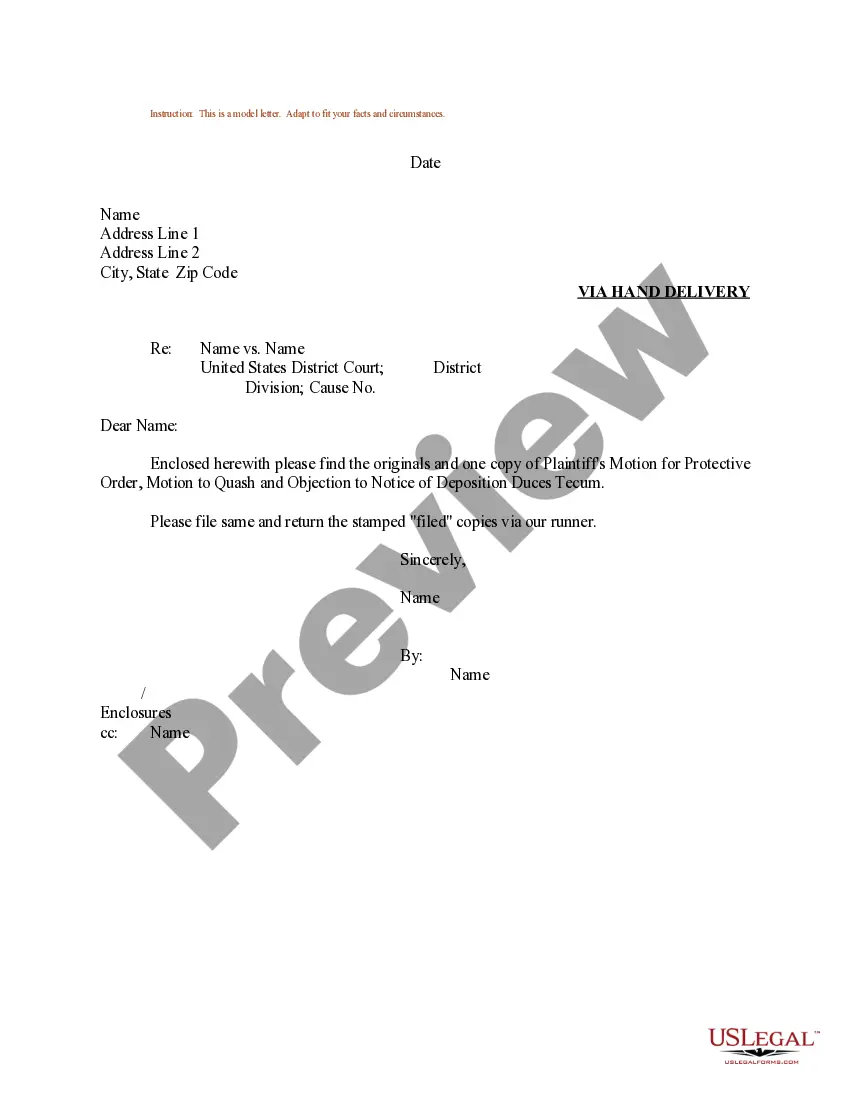
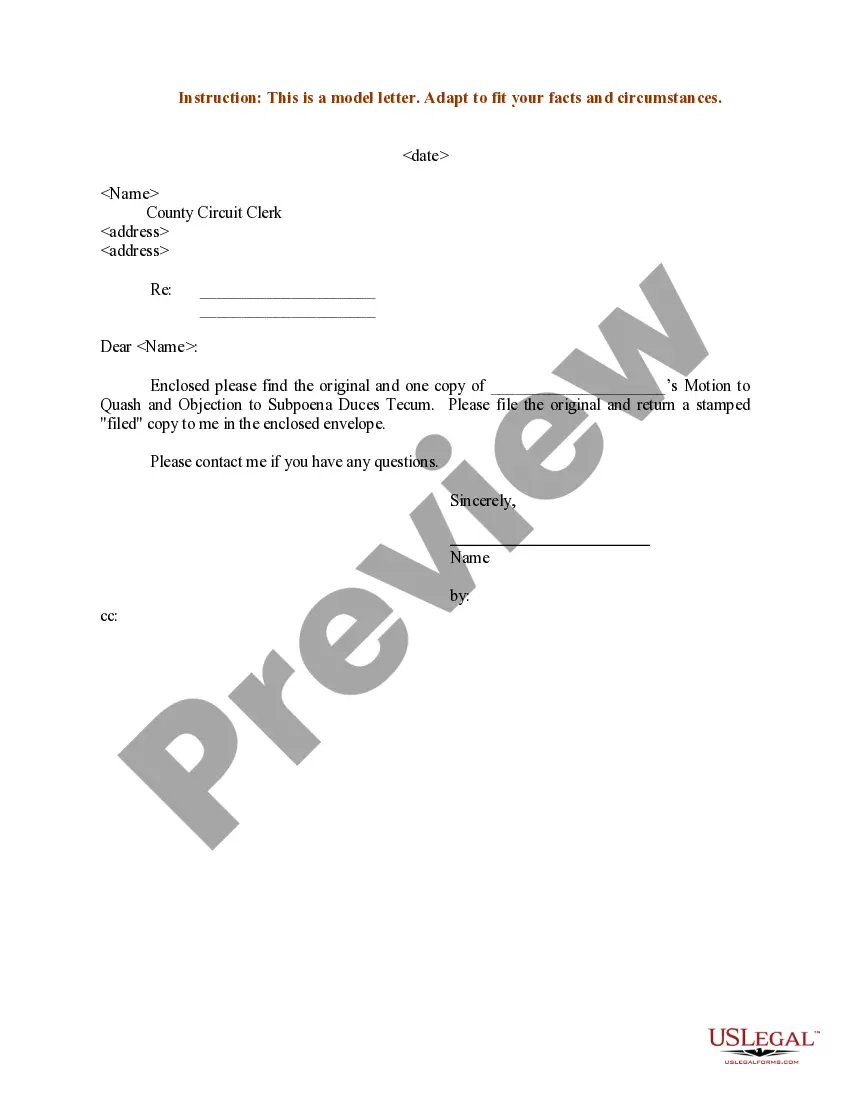
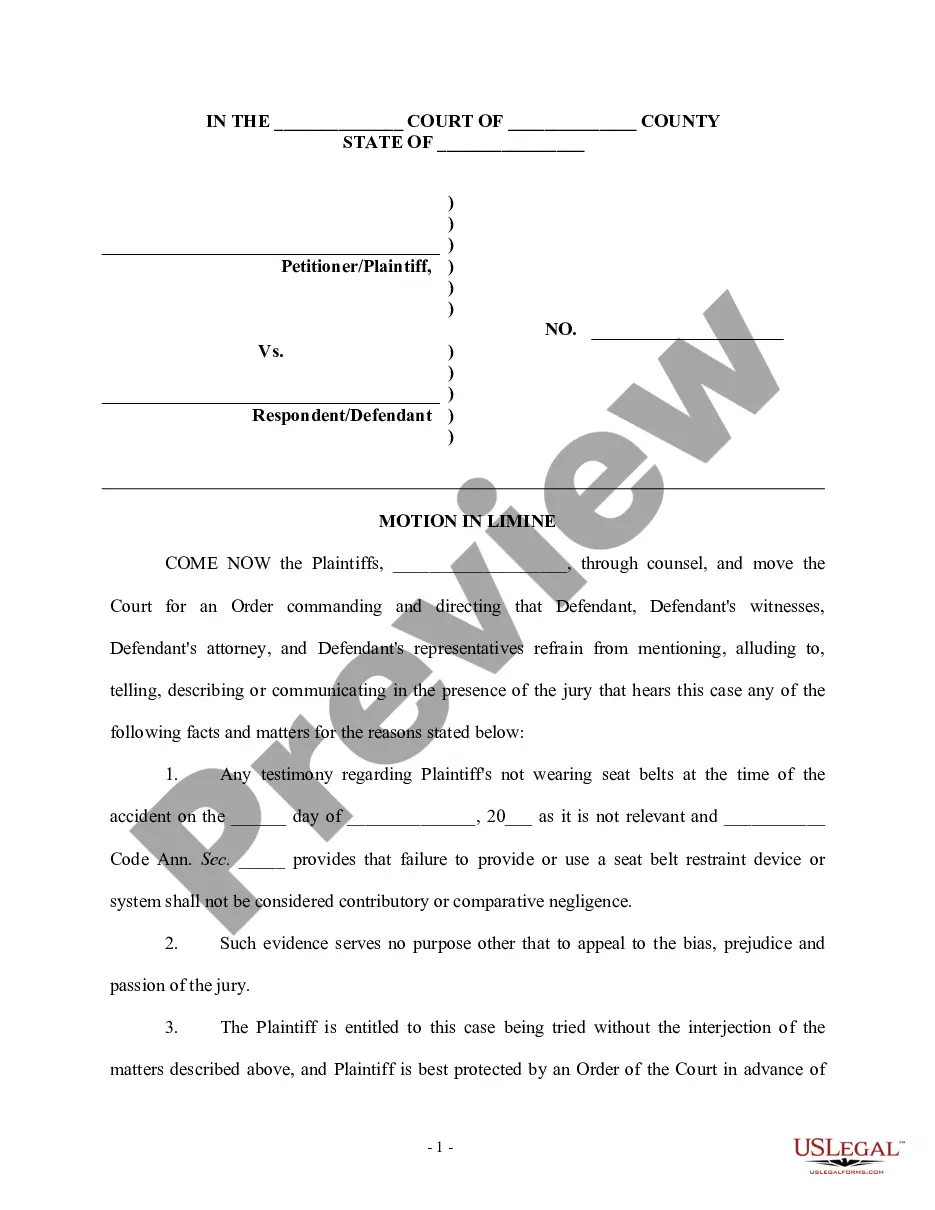
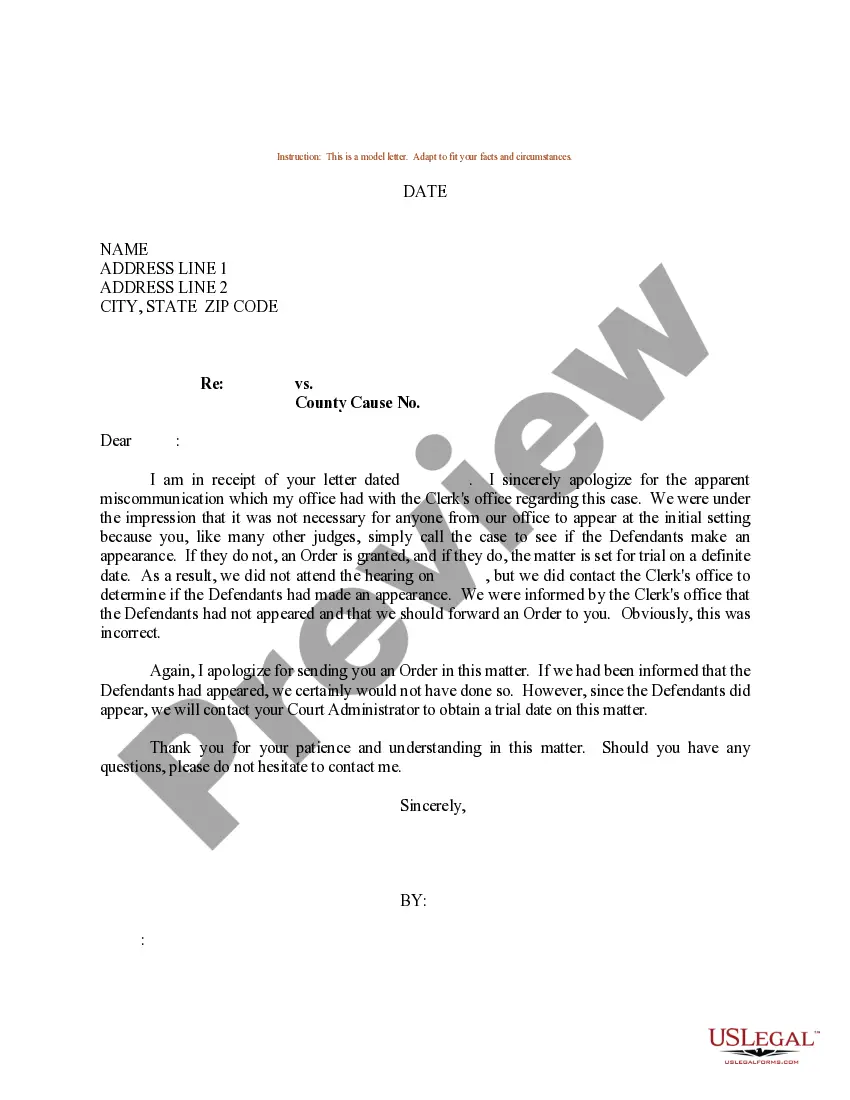
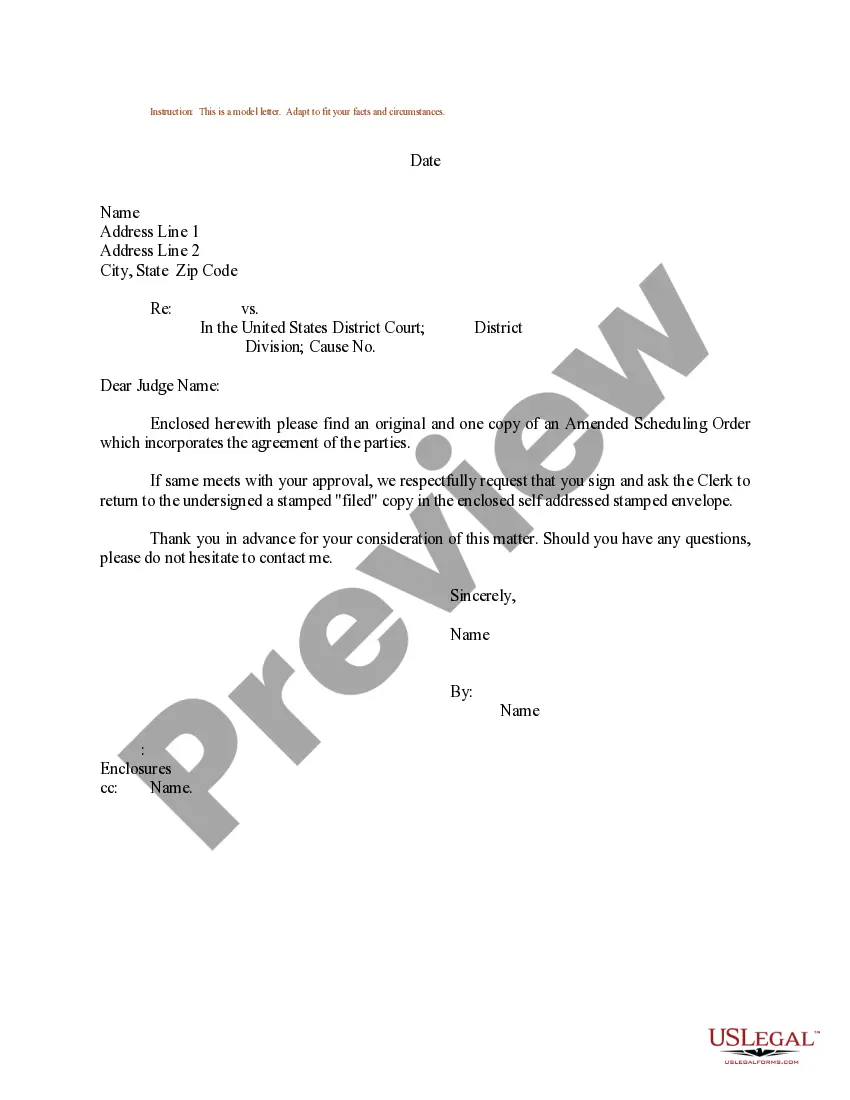
This Sample Letter for Motion in Limine - Notice of Motion is a template designed to assist parties in formally requesting the exclusion of specific evidence during trial. Unlike other legal forms, this letter provides a clear format for notifying the court and other parties involved of the request, ensuring that proper legal protocol is followed.
Key parts of this document
- Date of the letter
- Sender's name and address
- Recipient's name and address
- Subject line referencing the case name
- Introduction and purpose of the motion
- Conclusion and signature line
When to use this document
This form is essential when a party wants to suppress evidence that may be prejudicial or irrelevant in a legal proceeding. It is commonly used in civil and criminal cases where certain testimonies or documents are deemed inappropriate for consideration by the jury or judge.
Who should use this form
- Attorneys representing clients in legal matters
- Defendants or plaintiffs in civil or criminal cases
- Individuals seeking to present a motion to exclude evidence
Instructions for completing this form
- Enter the date in the designated field.
- Fill in your name and address clearly.
- Provide the recipient's name and address.
- State the case name in the subject line.
- Draft an introductory paragraph that outlines the motion's purpose.
- Conclude with your signature and printed name.
Does this form need to be notarized?
This form does not typically require notarization to be legally valid. However, some jurisdictions or document types may still require it. US Legal Forms provides secure online notarization powered by Notarize, available 24/7 for added convenience.
Get your form ready online
Our built-in tools help you complete, sign, share, and store your documents in one place.
Make edits, fill in missing information, and update formatting in US Legal Forms—just like you would in MS Word.
Download a copy, print it, send it by email, or mail it via USPS—whatever works best for your next step.
Sign and collect signatures with our SignNow integration. Send to multiple recipients, set reminders, and more. Go Premium to unlock E-Sign.
If this form requires notarization, complete it online through a secure video call—no need to meet a notary in person or wait for an appointment.
We protect your documents and personal data by following strict security and privacy standards.

Make edits, fill in missing information, and update formatting in US Legal Forms—just like you would in MS Word.

Download a copy, print it, send it by email, or mail it via USPS—whatever works best for your next step.

Sign and collect signatures with our SignNow integration. Send to multiple recipients, set reminders, and more. Go Premium to unlock E-Sign.

If this form requires notarization, complete it online through a secure video call—no need to meet a notary in person or wait for an appointment.

We protect your documents and personal data by following strict security and privacy standards.
Mistakes to watch out for
- Failing to include the date or correct parties' details.
- Neglecting to provide a clear purpose for the motion.
- Not following state-specific formatting rules.
Why complete this form online
- Easy access to a professionally drafted template.
- Editable format allows for customization based on your needs.
- Time-saving convenience compared to drafting from scratch.
What to keep in mind
- The Sample Letter for Motion in Limine alerts the court and opposing party of a request to exclude evidence.
- Proper completion of the form ensures adherence to court procedures.
- This form is beneficial for both legal professionals and individuals representing themselves.
Looking for another form?
Form popularity
FAQ
Your motion in limine should be broken into two sections: (1) Factual Background and (2) Argument. The Factual Background section of your Memorandum should include all of the facts necessary for the judge to resolve every issue raised in your motion. appropriate, include procedural posture, as well.
Motions in limine can be made verbally and must take place outside the presence of the jury.Please note that because the phrase in limine is a direct foreign language borrowing, it is appropriate to present it in italics.
A motion in limine is a motion filed by a party to a lawsuit which asks the court for an order or ruling limiting or preventing certain evidence from being presented by the other side at the trial of the case.
Examples of motions in limine would be that the attorney for the defendant may ask the judge to refuse to admit into evidence any personal information, or medical, criminal or financial records, using the legal grounds that these records are irrelevant, immaterial, unreliable, or unduly prejudicial, and/or that their
Just as with your motion to stay, begin your motion for reconsideration by stating who you are, what you are asking of the judge, and which rule gives you permission to ask. From there on out, use the rule itself as a general outline for your motion.
Generally, a party in a lawsuit files a motion in limine to exclude evidence from a trial because the evidence isn't relevant or because its prejudicial effect substantially outweighs its probative value. You can oppose the motion in limine by drafting and filing your own motion in opposition.
Motions in limine should be used only for their original purpose to challenge evidence that is so inadmissible and prejudicial that its mere mention in the presence of the jury would lead to an unfair trial.On appeal this ruling of the trial court was affirmed.
The term in limineor on the thresholdmisleadingly suggests that any motion filed shortly before the start of trial is a motion in limine.There are many advantages to an advance ruling on the evidentiary issues outside the presence of the jury, and motions in limine are a powerful tool for astute trial attorneys.
There is also authority for the proposition that if a motion in limine is denied, the party opposing the evidence can be the first to offer the objectionable evidence without waiving the merits of the evidentiary objection on appeal.