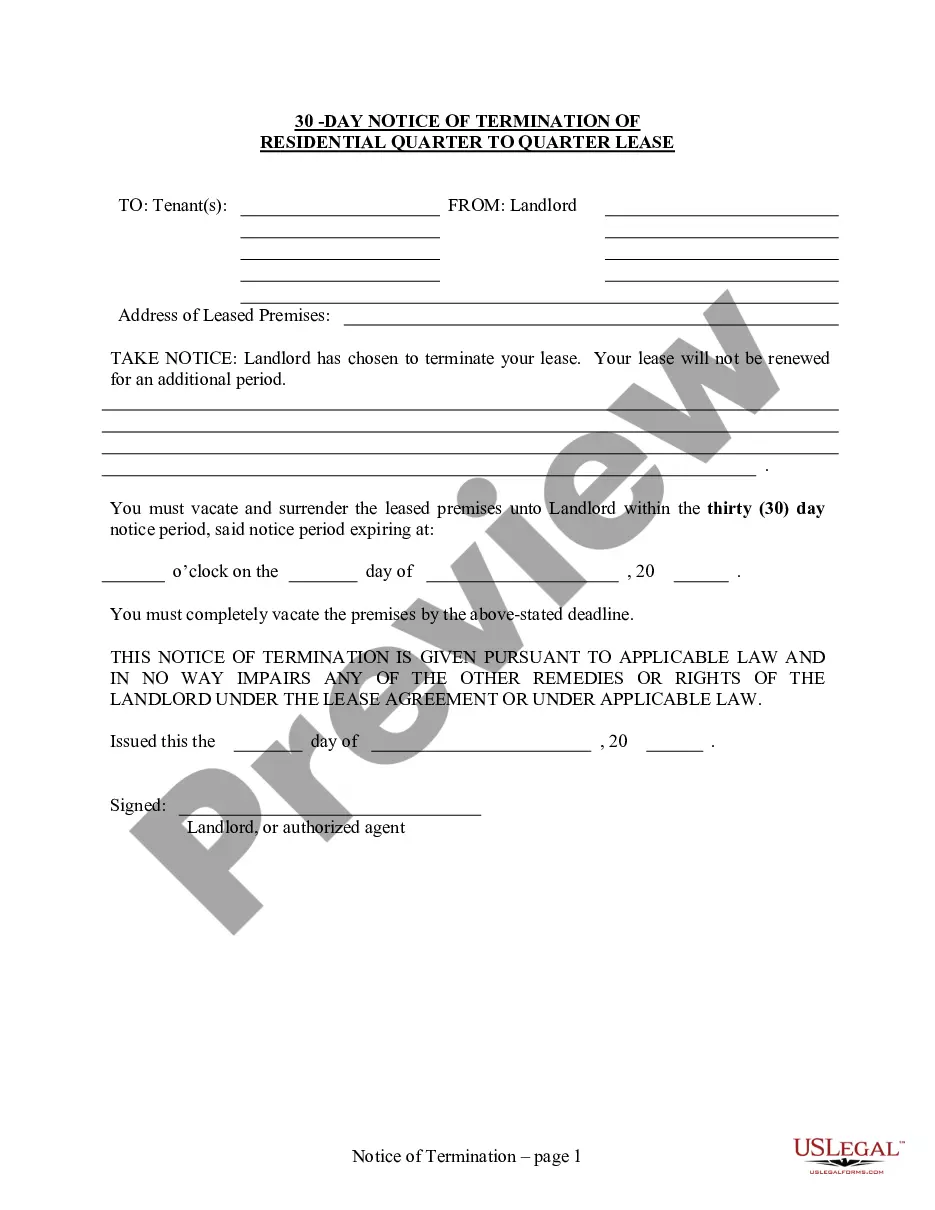
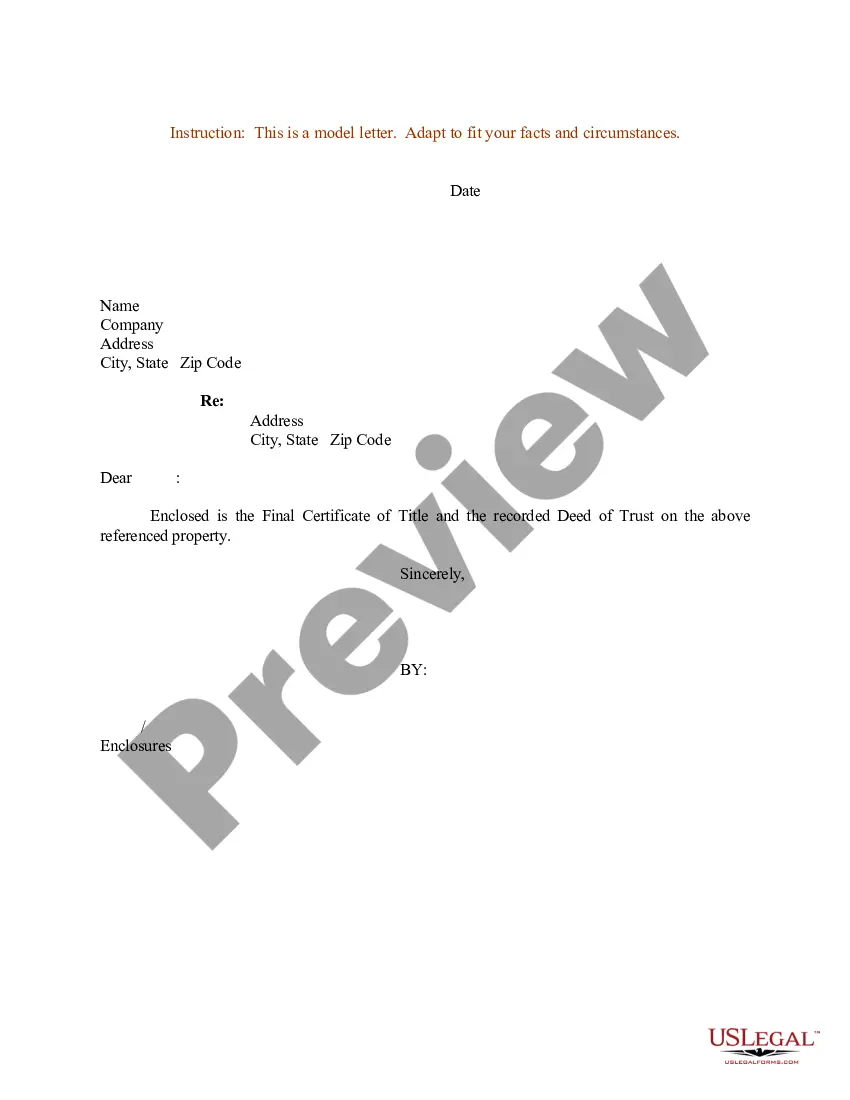
Sample Letter for Deed of Trust and Final Certificate of Title
About this form
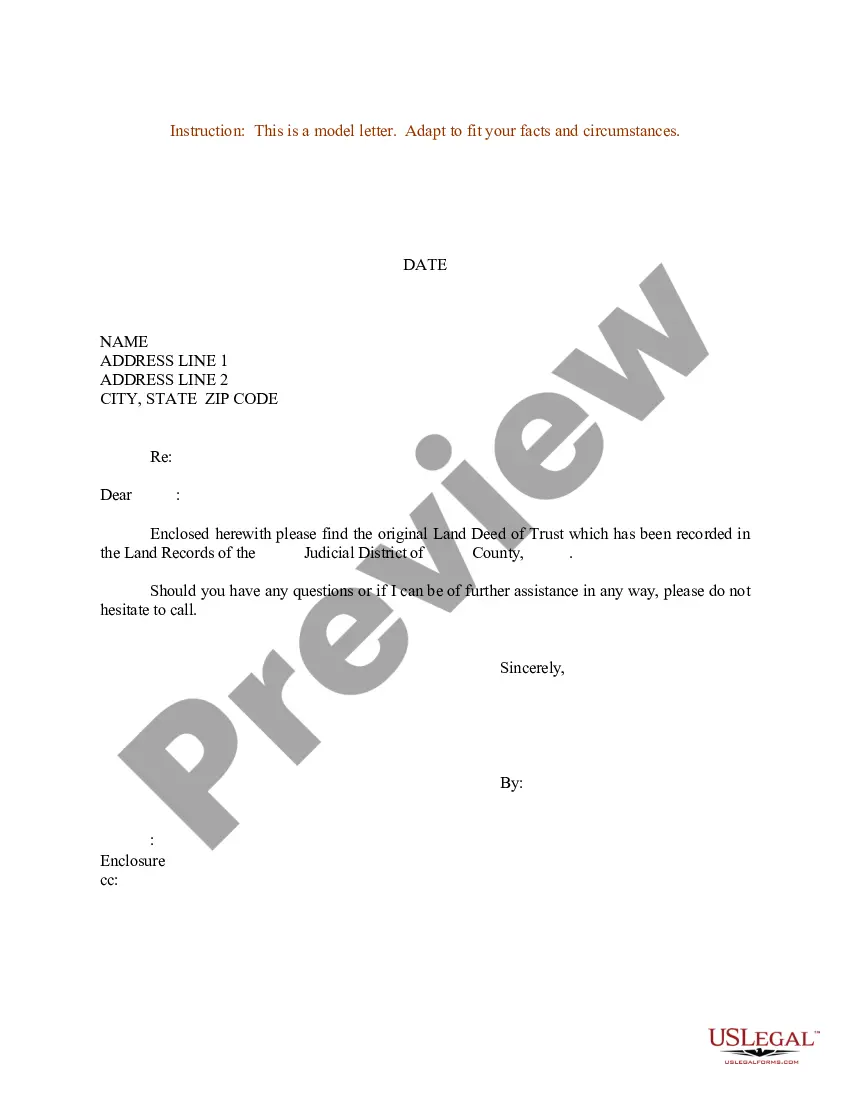
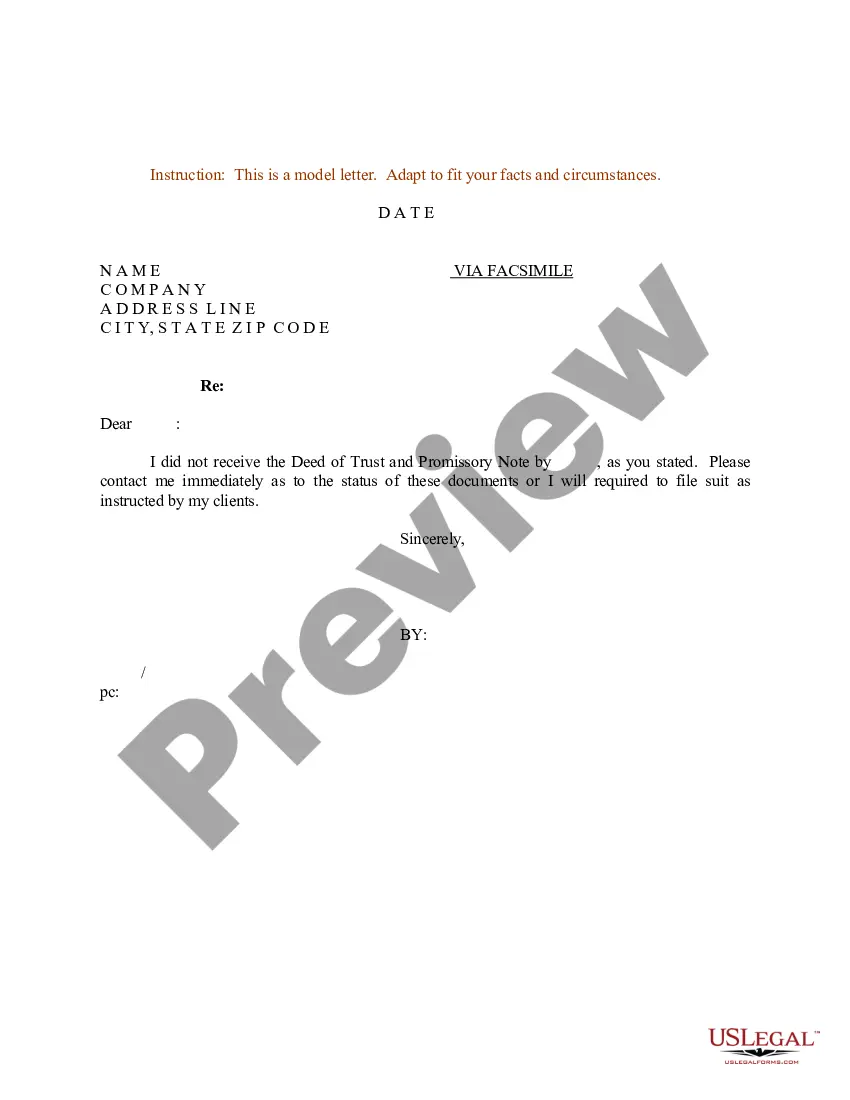
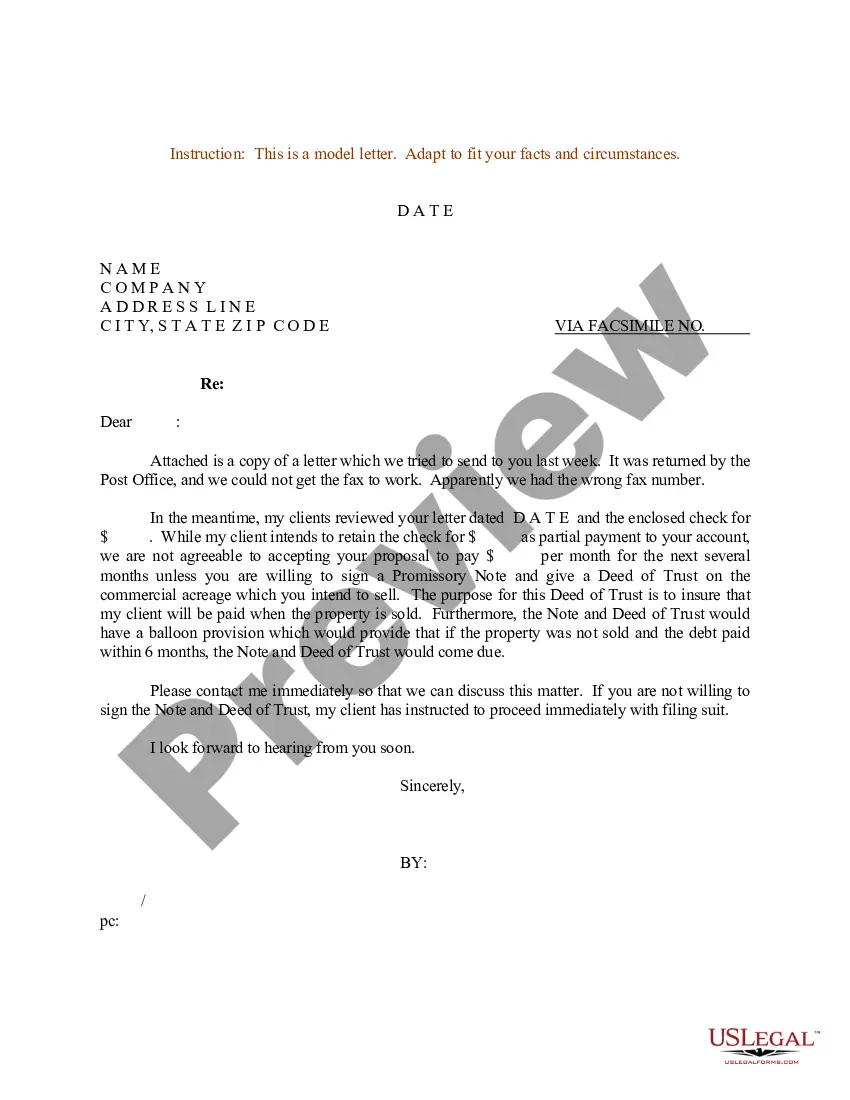
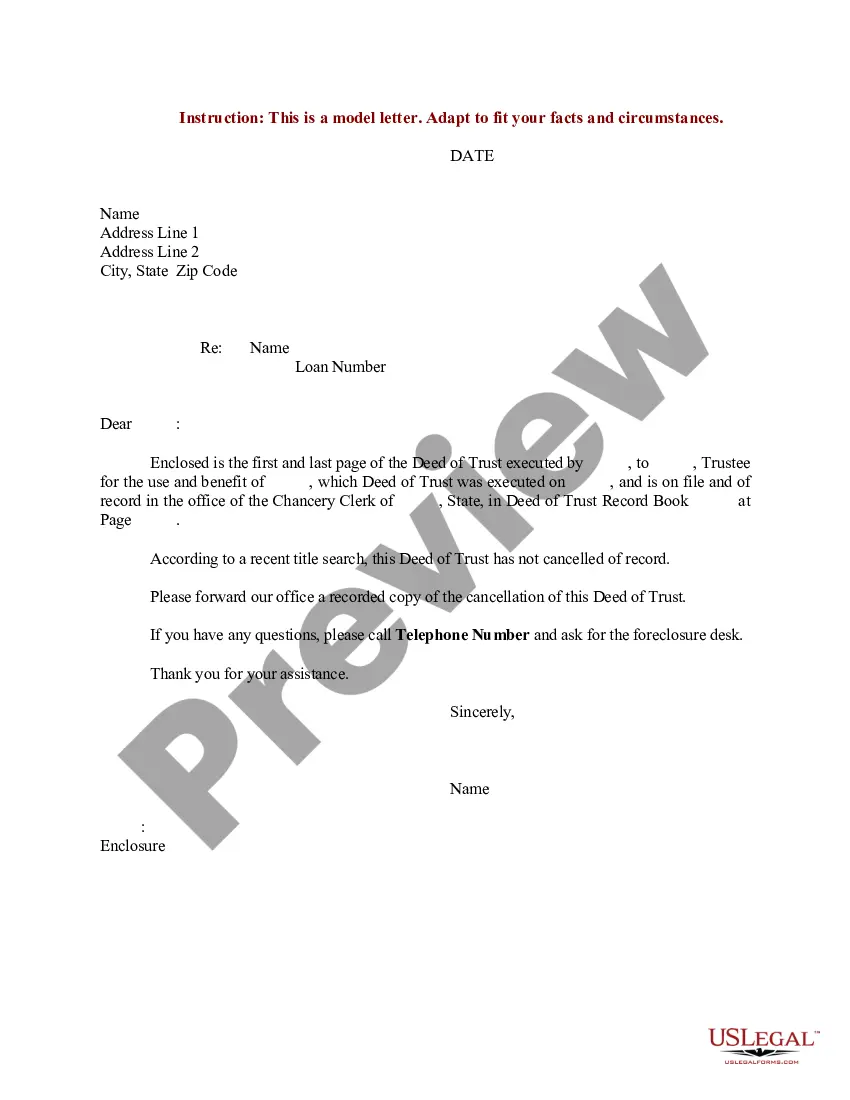
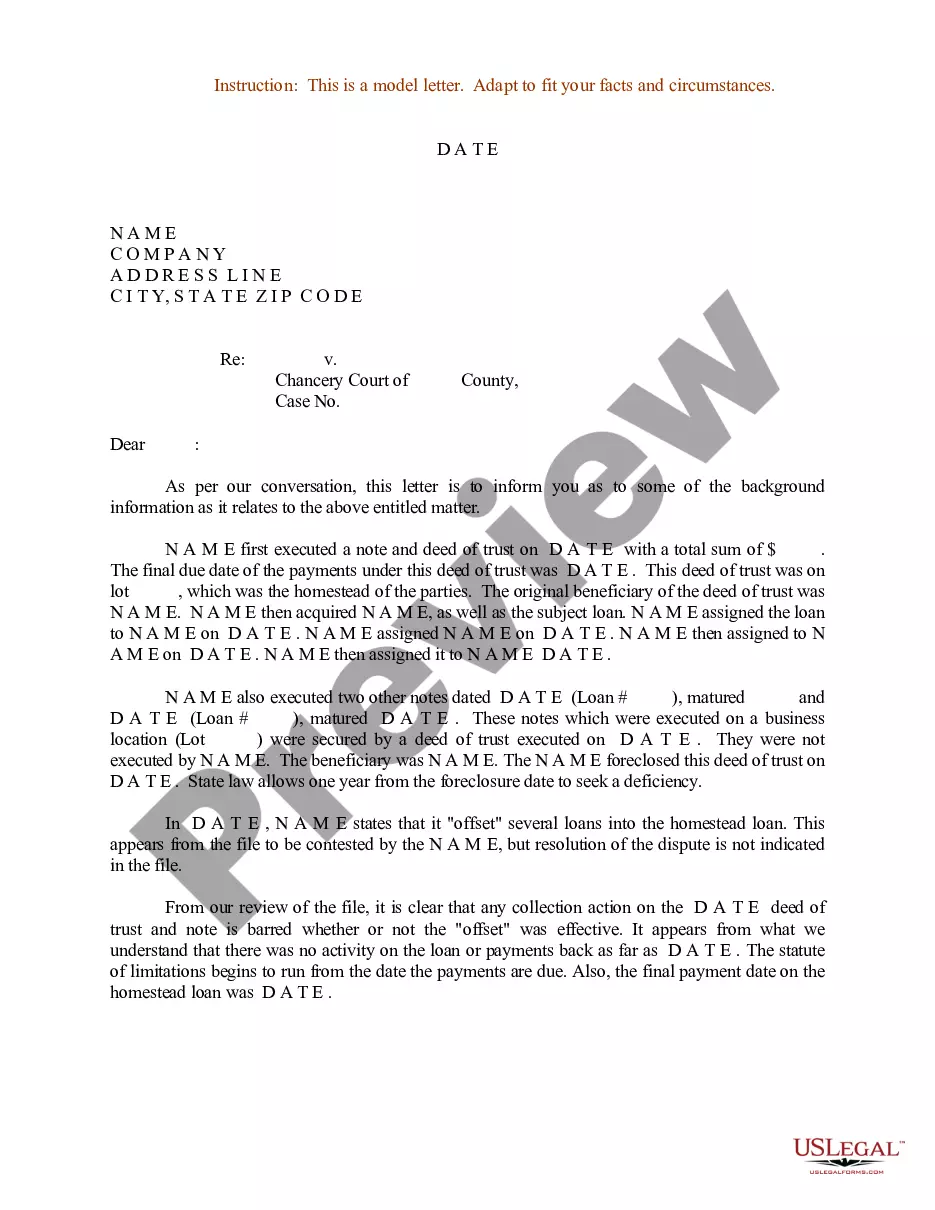
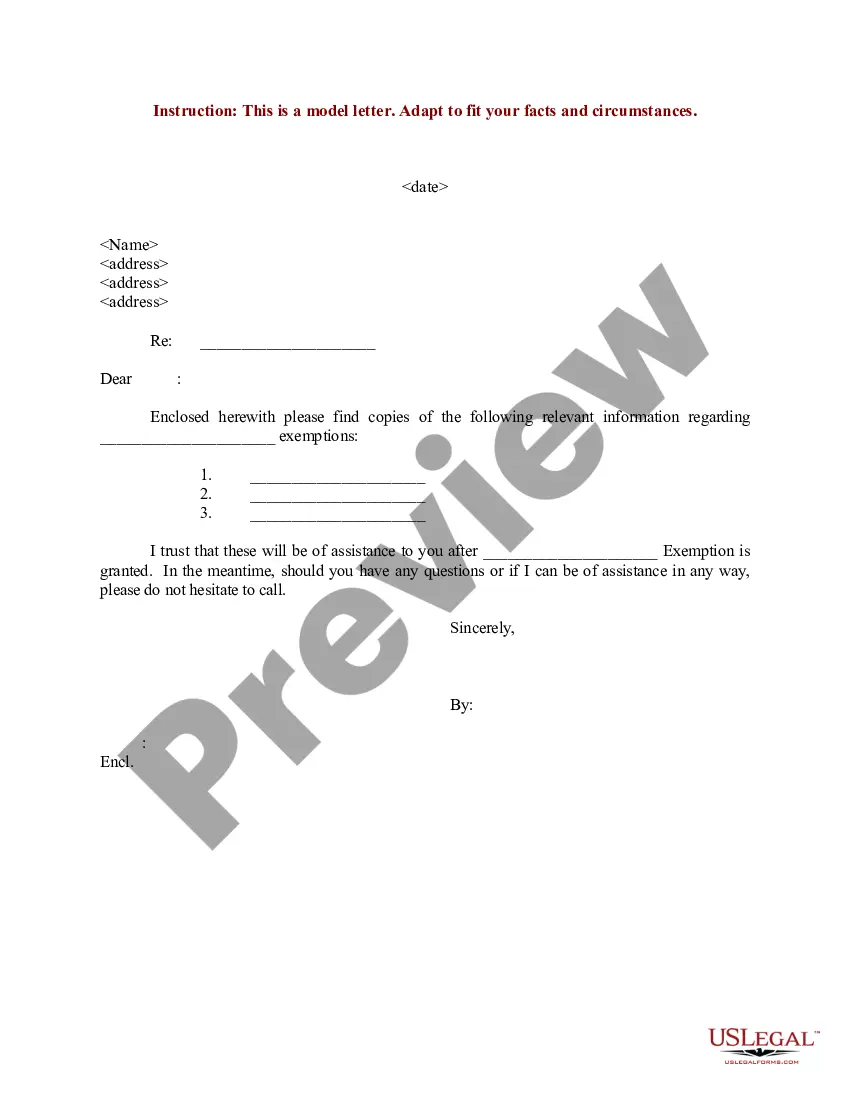
The Sample Letter for Deed of Trust and Final Certificate of Title is a template designed to communicate important information regarding a deed of trust and the final documentation of property ownership. This form serves as a formal notification to relevant parties about the completion and acknowledgment of a transaction, ensuring clarity and legal compliance. Unlike other forms focused solely on deeds or certificates, this sample letter integrates aspects of both, making it a valuable resource for property owners and real estate professionals alike.
Main sections of this form
- Date of completion
- Sender's name and contact information
- Recipient's name and address
- Description of the deed of trust
- Details of the final certificate of title
- Signature section for acknowledgment
When to use this form
This form is useful when finalizing a real estate transaction that involves a deed of trust. You should use it to formally notify all parties involved about the concluding documents associated with the property, including the final certificate of title. It is particularly important when dealing with lenders and buyers to ensure all legalities are properly communicated and understood.
Who should use this form
This letter is suitable for:
- Real estate agents facilitating property transactions
- Property owners completing transactions
- Lenders involved with deeds of trust
- Attorneys representing clients in real estate matters
How to complete this form
- Begin by entering the date of the letter.
- Fill in your name and contact details as the sender.
- Include the recipient's name and address to ensure proper delivery.
- Clearly describe the deed of trust related to the property.
- Provide details pertaining to the final certificate of title.
- Sign the letter to finalize the communication.
Notarization guidance
This form needs to be notarized to ensure legal validity. US Legal Forms provides secure online notarization powered by Notarize, allowing you to complete the process through a verified video call, available anytime.
Get your form ready online
Our built-in tools help you complete, sign, share, and store your documents in one place.
Make edits, fill in missing information, and update formatting in US Legal Forms—just like you would in MS Word.
Download a copy, print it, send it by email, or mail it via USPS—whatever works best for your next step.
Sign and collect signatures with our SignNow integration. Send to multiple recipients, set reminders, and more. Go Premium to unlock E-Sign.
If this form requires notarization, complete it online through a secure video call—no need to meet a notary in person or wait for an appointment.
We protect your documents and personal data by following strict security and privacy standards.

Make edits, fill in missing information, and update formatting in US Legal Forms—just like you would in MS Word.

Download a copy, print it, send it by email, or mail it via USPS—whatever works best for your next step.

Sign and collect signatures with our SignNow integration. Send to multiple recipients, set reminders, and more. Go Premium to unlock E-Sign.

If this form requires notarization, complete it online through a secure video call—no need to meet a notary in person or wait for an appointment.

We protect your documents and personal data by following strict security and privacy standards.
Common mistakes
- Failing to include complete recipient information.
- Not specifying the correct details about the deed of trust.
- Omitting the date or signature, leading to legal issues.
- Using unclear language that may confuse the reader.
Advantages of online completion
- Convenience of immediate access and download.
- Editability allows for customization to fit specific scenarios.
- Reliability with legally vetted content prepared by licensed attorneys.
Legal use & context
- This sample letter serves to properly document the final stages of a deed of trust.
- It is enforceable as long as all parties acknowledge and retain copies for their records.
- Improper use or failure to communicate effectively can lead to disputes.
What to keep in mind
- The Sample Letter for Deed of Trust and Final Certificate of Title is essential for finalizing property transactions.
- Complete the form accurately to avoid common mistakes.
- Use the form conveniently online with trust in its legal validity.
Looking for another form?






Form popularity
FAQ
Some owners are put off using solicitors duke to the deed of trust cost. Individuals can write out their own, and use someone else as a witness. However, this may have errors or not be a legally binding document. The investment of getting a deed of trust when buying a property is often worth it in the long term.
A deed of trust includes most of the same information as a mortgage, including:A legal description of the property that's used as security or collateral for the mortgage. The names of parties: trustee, trustor, and beneficiary. The inception and maturity dates of the loan.
Some owners are put off using solicitors duke to the deed of trust cost. Individuals can write out their own, and use someone else as a witness. However, this may have errors or not be a legally binding document. The investment of getting a deed of trust when buying a property is often worth it in the long term.
Party information: names and addresses of the trustor(s), trustee(s), beneficiary(ies), and guarantor(s) (if applicable) Property details: full address of the property and its legal description (which can be obtained from the County Recorder's Office)
How much each person contributes to the deposit, and how much will be repaid to them. What percentage of the property each person will own, and how the money will be split if the property is sold. How much each person will pay towards the mortgage, and how the mortgage will ultimately be paid off.
A deed of trust is a written instrument with three parties: The trustor, who is the borrower and homeowner. The beneficiary, who is the lender. The trustee, who is a third party such as an insurance company or escrow management agency that holds actual title to the property in trust for the beneficiary.
Party information: names and addresses of the trustor(s), trustee(s), beneficiary(ies), and guarantor(s) (if applicable) Property details: full address of the property and its legal description (which can be obtained from the County Recorder's Office)
While both a deed of trust and a mortgage provide a security interest for the lender in the property, the lender does not hold the security interest as is the case in a traditional mortgage.The deed of trust is what secures the promissory note.