Further Assurances
Overview of this form
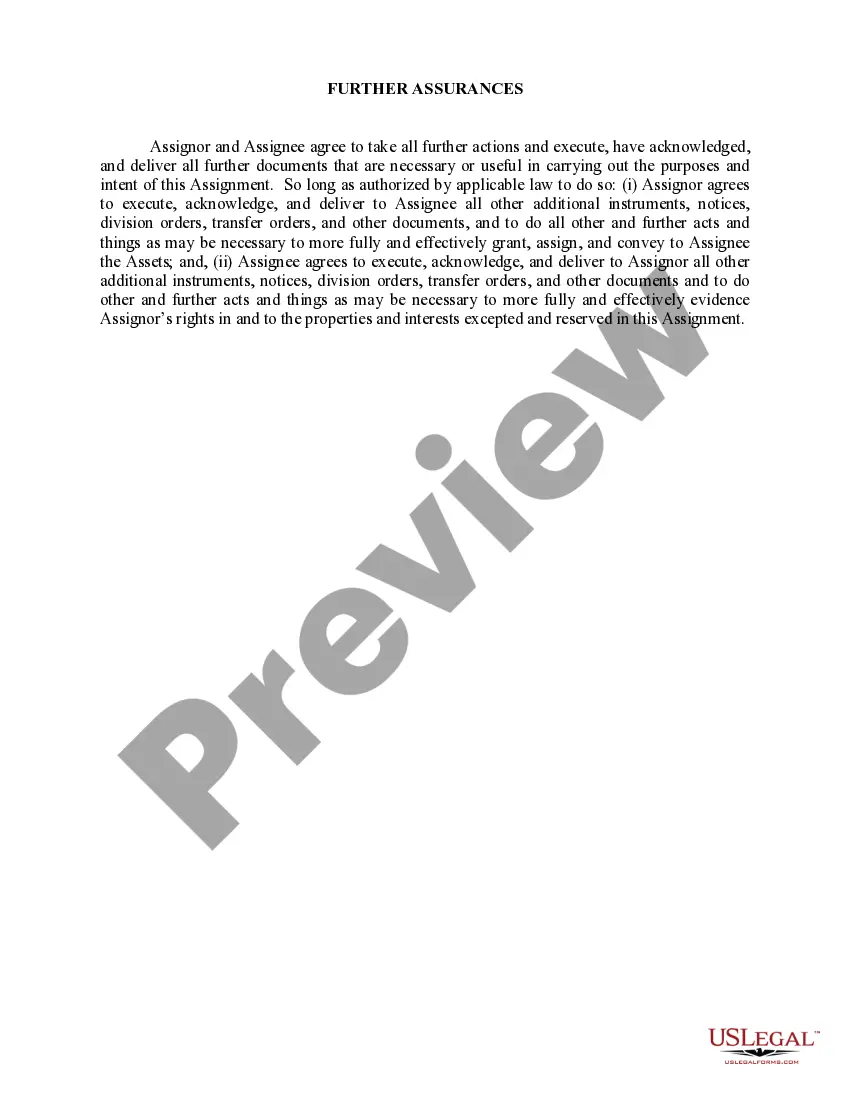
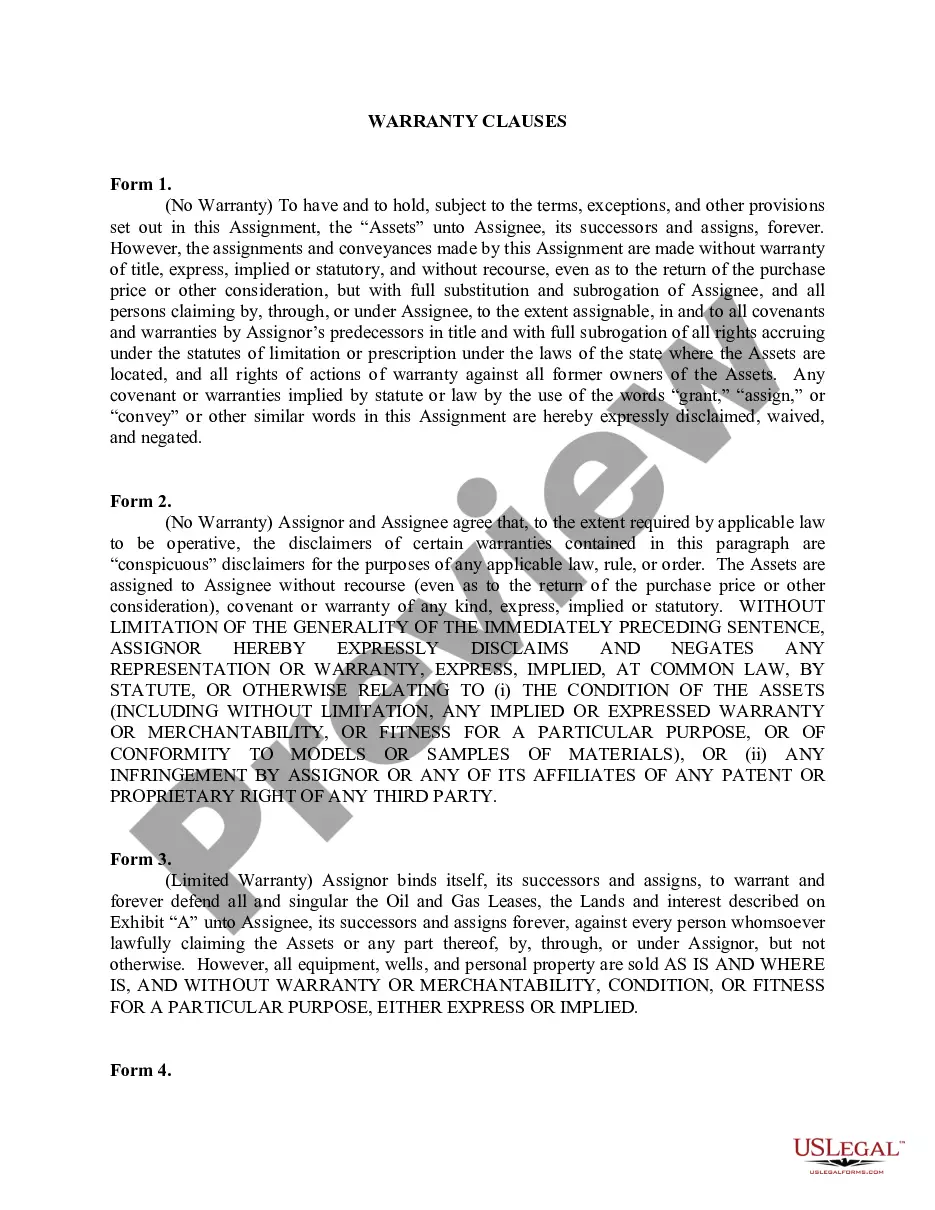
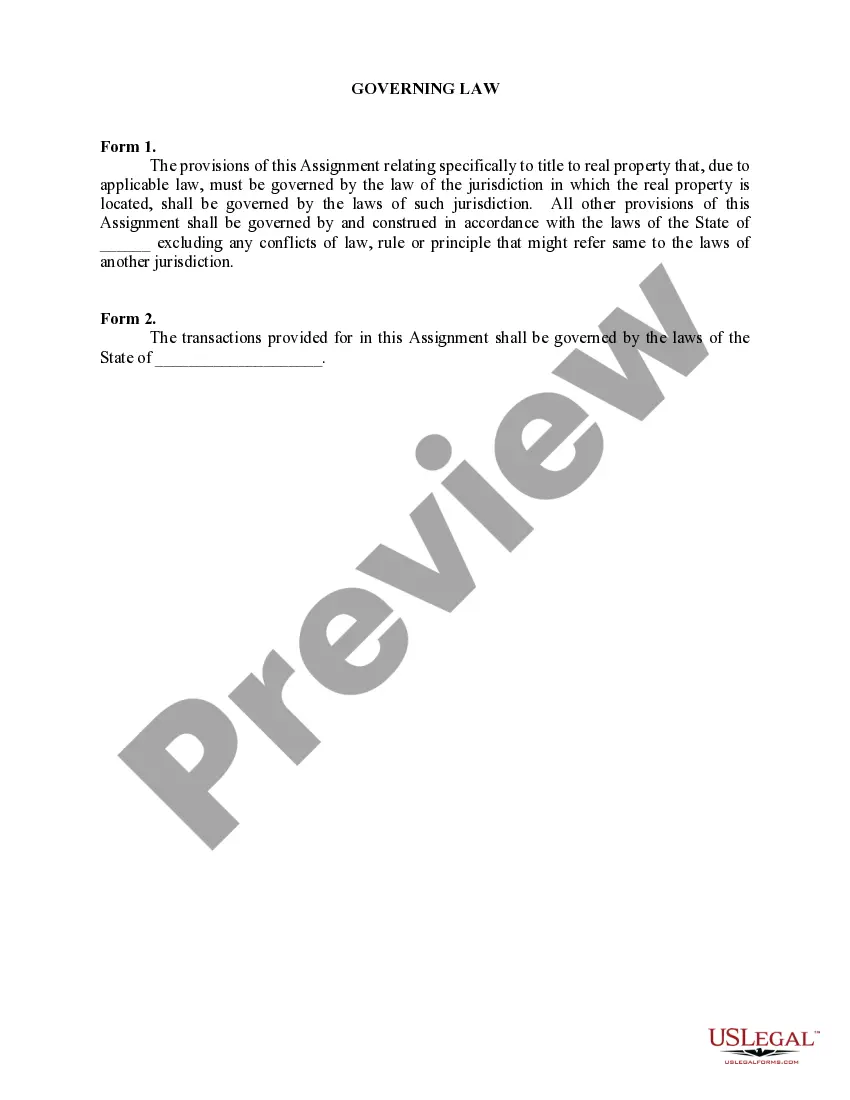
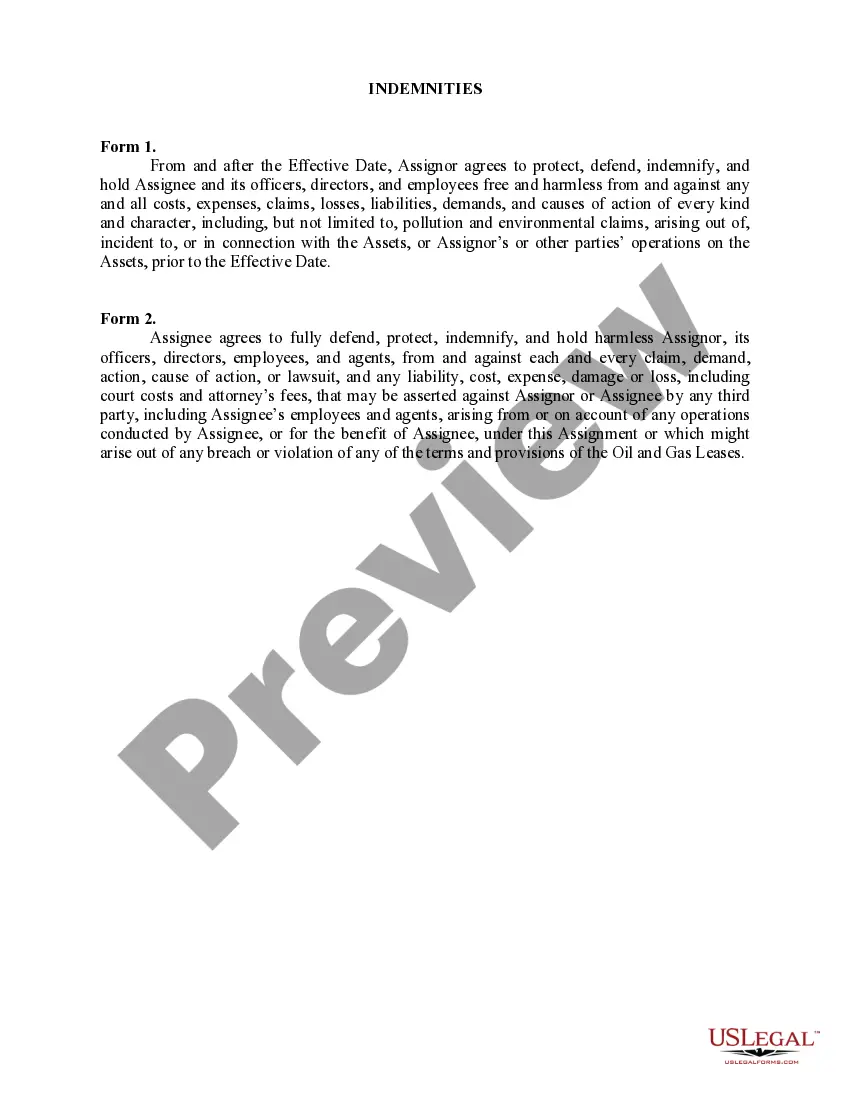
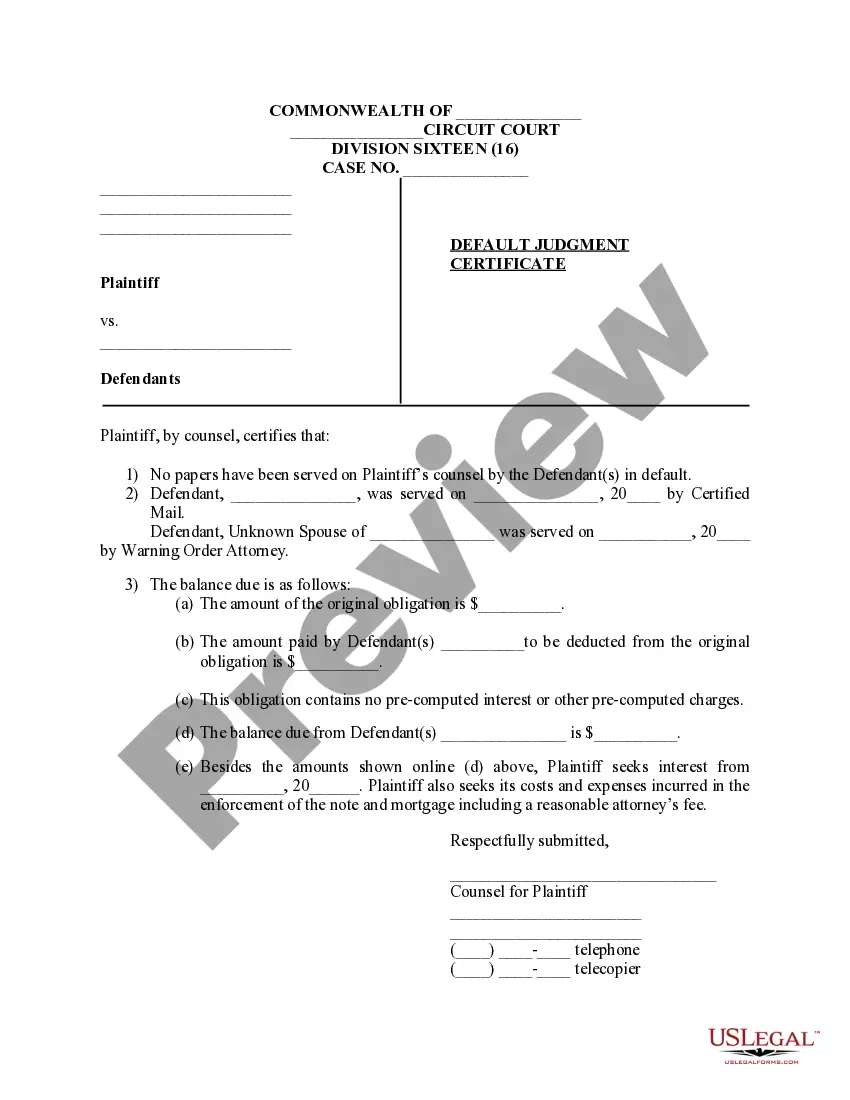
The Further Assurances form is a legal document that outlines the commitments of the assignor and assignee to undertake all necessary actions to support the assignment and conveyance of specific assets. This form is essential for ensuring both parties agree to act in accordance with the terms of the assignment, differentiating it from other contractual documents by explicitly detailing the further actions required to finalize and enforce the agreement.
Main sections of this form
- Agreement to take further actions: The assignor and assignee agree to perform any additional actions or execute necessary documents to uphold the assignment's intent.
- Specific instruments and documents: The form mandates the execution of further instruments, such as notices, division orders, and transfer orders, to facilitate the assignment.
- Legal compliance: Both parties must ensure that their actions adhere to applicable laws for the assignment to be valid.
Situations where this form applies
This form is typically used in situations where property or interests are being assigned from one party to another. It is particularly relevant when the initial assignment does not cover all necessary transfer details, or when additional paperwork is needed to enforce rights or clear titles associated with the assets being transferred.
Intended users of this form
This form is intended for:
- Individuals or entities acting as assignors, transferring ownership or rights to another party.
- Individuals or entities acting as assignees, receiving ownership or rights from the assignor.
- Legal professionals aiding clients in the asset transfer process.
Completing this form step by step
To complete the Further Assurances form, follow these steps:
- Identify the parties involved: Clearly state the assignor and assignee's names and contact information.
- Detail the assets being transferred: Specify the assets or rights subject to the assignment.
- Include necessary actions: Outline any additional actions required by both parties to validate the assignment.
- Review legal compliance: Ensure that all obligations meet applicable state laws.
- Sign and date the document: Both parties should sign and date the form to finalize the agreement.
Notarization guidance
This form does not typically require notarization unless specified by local law. However, having the signatures notarized may enhance the document's credibility and enforceability.
Get your form ready online
Our built-in tools help you complete, sign, share, and store your documents in one place.
Make edits, fill in missing information, and update formatting in US Legal Forms—just like you would in MS Word.
Download a copy, print it, send it by email, or mail it via USPS—whatever works best for your next step.
Sign and collect signatures with our SignNow integration. Send to multiple recipients, set reminders, and more. Go Premium to unlock E-Sign.
If this form requires notarization, complete it online through a secure video call—no need to meet a notary in person or wait for an appointment.
We protect your documents and personal data by following strict security and privacy standards.

Make edits, fill in missing information, and update formatting in US Legal Forms—just like you would in MS Word.

Download a copy, print it, send it by email, or mail it via USPS—whatever works best for your next step.

Sign and collect signatures with our SignNow integration. Send to multiple recipients, set reminders, and more. Go Premium to unlock E-Sign.

If this form requires notarization, complete it online through a secure video call—no need to meet a notary in person or wait for an appointment.

We protect your documents and personal data by following strict security and privacy standards.
Avoid these common issues
Common mistakes to avoid when using this form include:
- Failing to specify all relevant assets and rights accurately.
- Not including all necessary signatures from both parties.
- Overlooking state-specific legal requirements, which may affect the assignment's validity.
Why use this form online
Benefits of using this form online include:
- Convenience: Access the form anytime, anywhere, from any device.
- Editability: Easily customize the form to fit your specific needs.
- Reliability: Forms are drafted by licensed attorneys, ensuring legal accuracy.
Legal use & context
- This form is legally enforceable once executed by both parties.
- It may be subject to additional requirements based on local jurisdiction.
- Does not eliminate the need for other essential legal documentation related to the transfer.
Quick recap
Key takeaways regarding the Further Assurances form include:
- It ensures all parties are committed to fulfilling actions necessary for asset assignment.
- The form may need to be tailored to meet specific state requirements.
- Completing the form accurately is crucial to avoid legal complications in the assignment process.
Looking for another form?
Form popularity
FAQ
A further assurances clause evidences the agreement of the contracting parties to do everything necessary to complete the transactions contemplated by the contract.A further assurances clause may indicate, for example, that the parties' intentions support the implication of a term requiring good faith performance.
Clauses are specific provisions or sections in your contract that address a specific aspect of the agreement. Clauses clearly define each party's duties, rights, and privileges under the terms of the contract.
A section, phrase, paragraph, or segment of a legal document, such as a contract, deed, will, or constitution, that relates to a particular point. A document is usually broken into several numbered components so that specific sections can be easily located.
A general warranty deed is a deed used to legally transfer real property from one person to another. This type of deed offers the most protection for the buyer.
They are (1) covenant for seisin; (2) covenant of the right to convey; (3) covenant against encumbrances; (4) covenant for QUIET ENJOYMENT; (5) covenant of general WARRANTY; and (6) covenant for further assurances.
A covenant of further assurances is the related promise that the grantor will do whatever is necessary to remove a defect associated with title, such as an encumbrance, if it arises, and if the problem is not fixed, damages will be awarded. The express promise of doing whatever is necessary is a huge promise.
1 : the possession of land or chattels. 2 : the possession of a freehold estate in land by one having title thereto.
Obligations of all parties. Ownership. Termination rights. Confidentiality. Limitation/indemnification of liability.