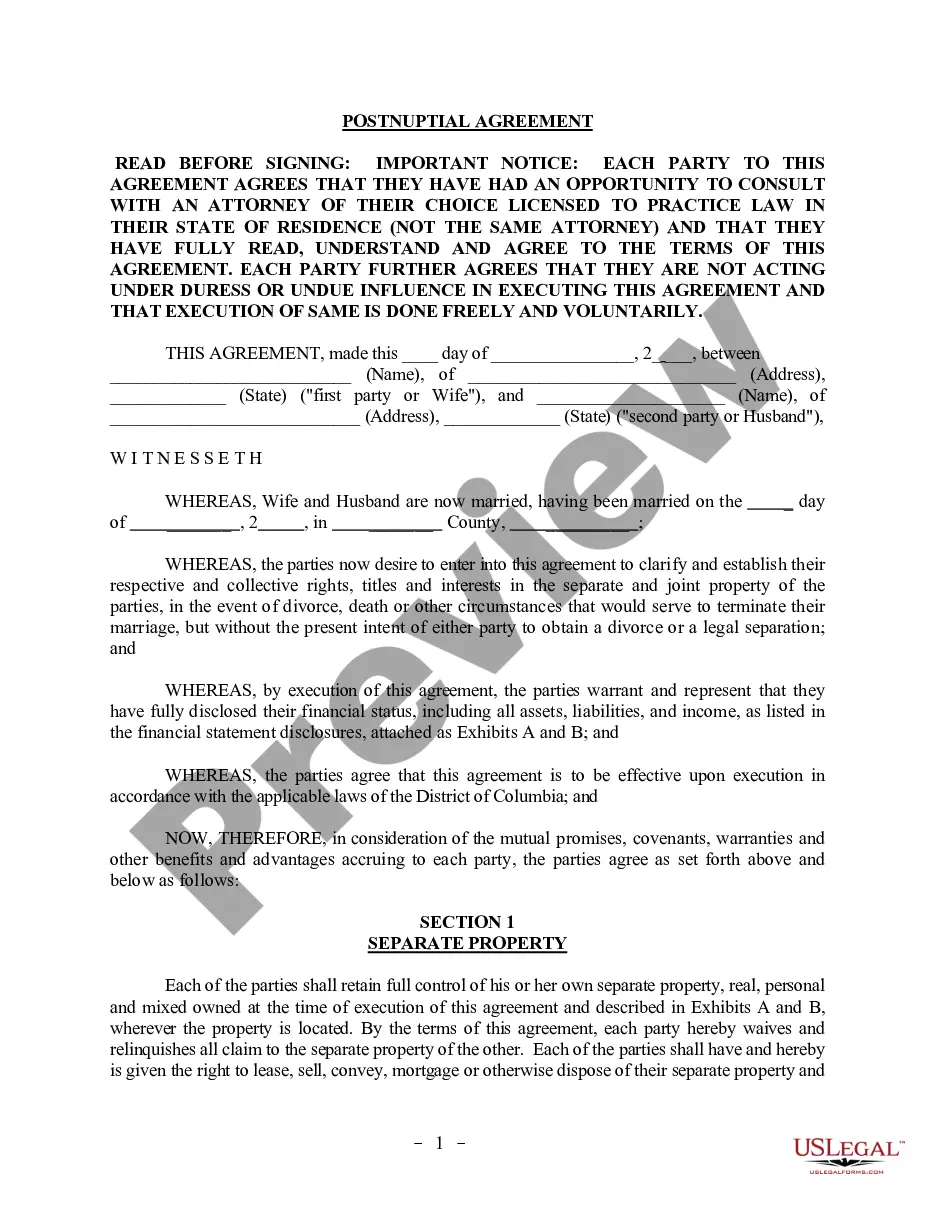
District of Columbia Postnuptial Property Agreement

What this document covers
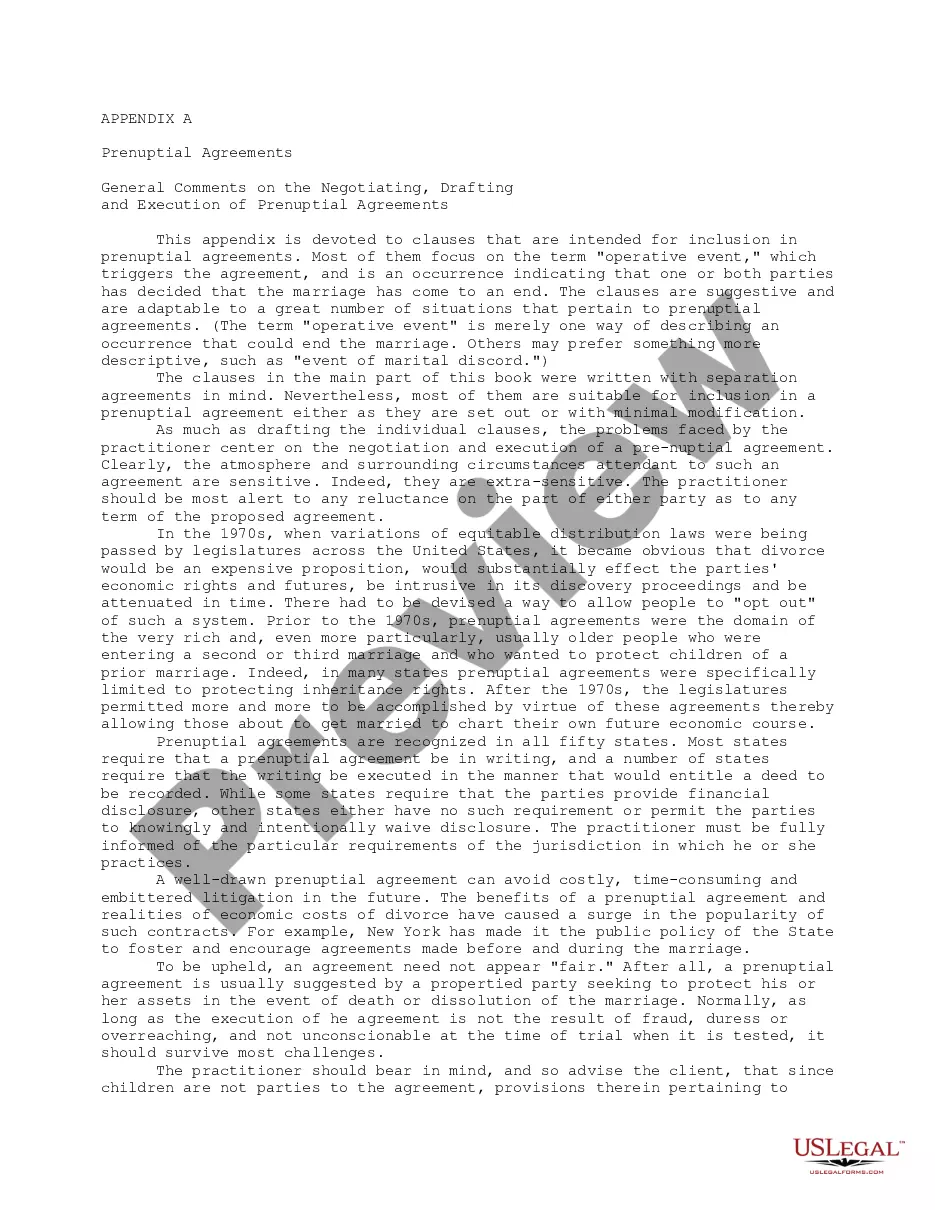
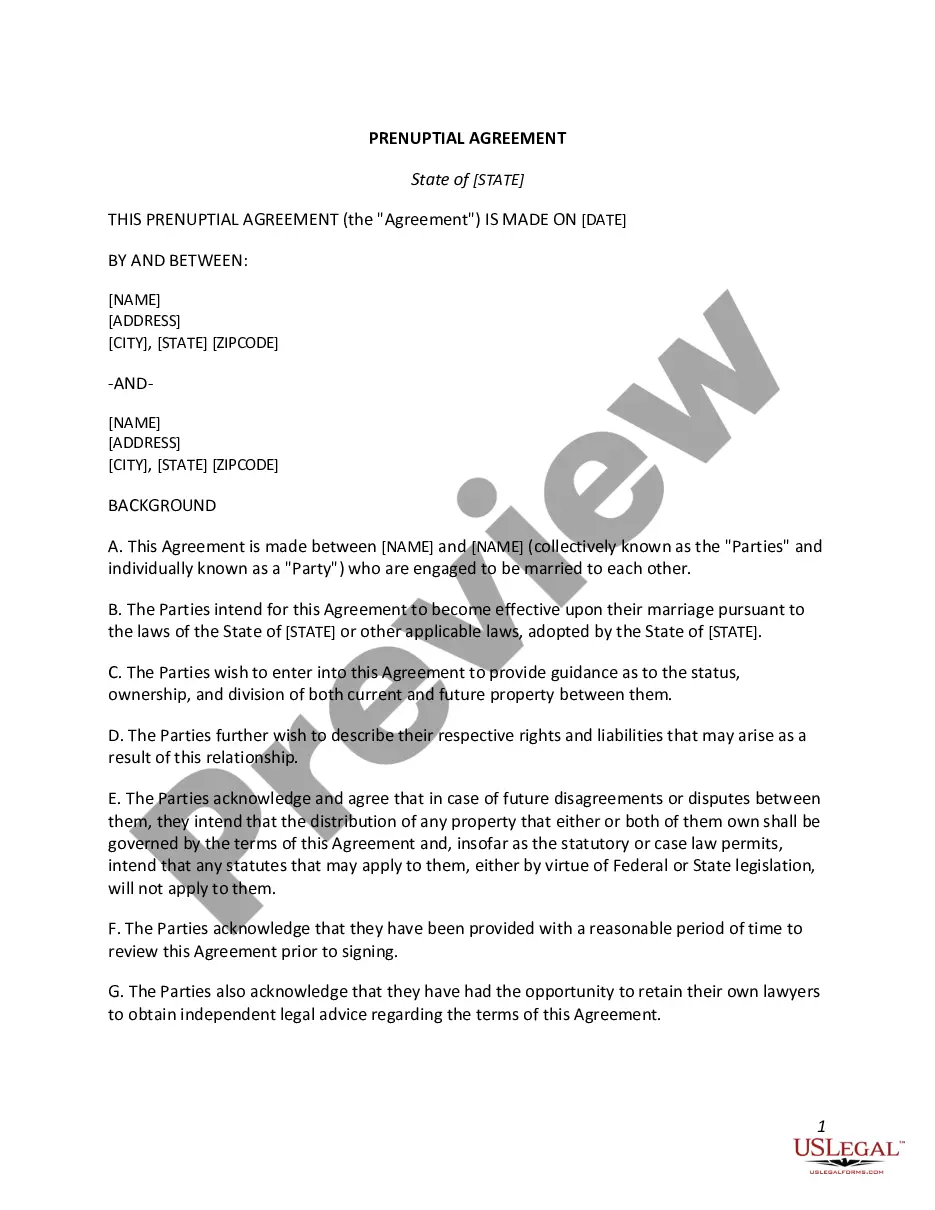
The Postnuptial Property Agreement is a legal document designed to outline and clarify the rights and responsibilities of spouses regarding their separate and joint property. Unlike a prenuptial agreement, which is set before marriage, this agreement is entered into after the marriage has taken place. It ensures that both parties are informed about their financial situations and agree on the management and division of their assets, especially in cases of separation or divorce.
What’s included in this form
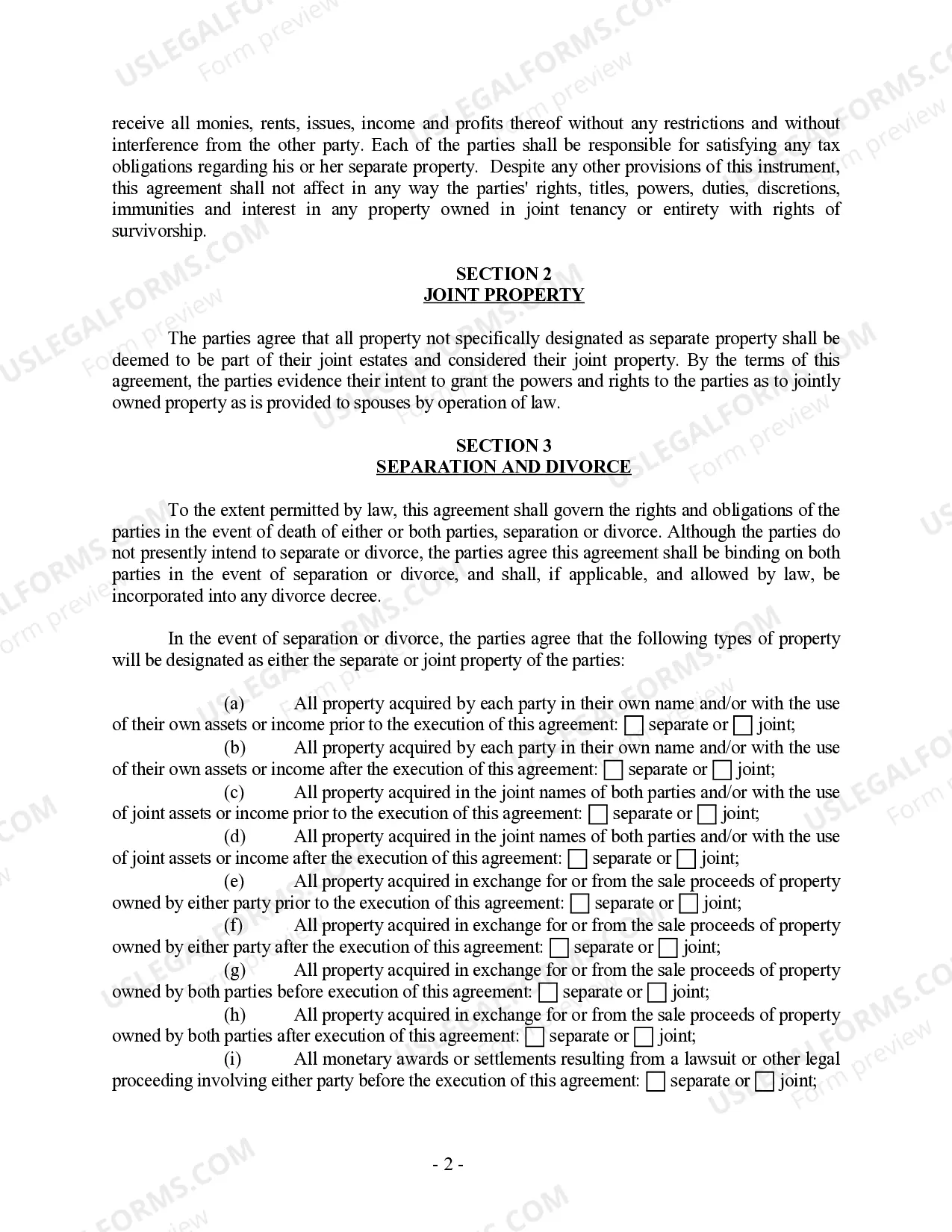
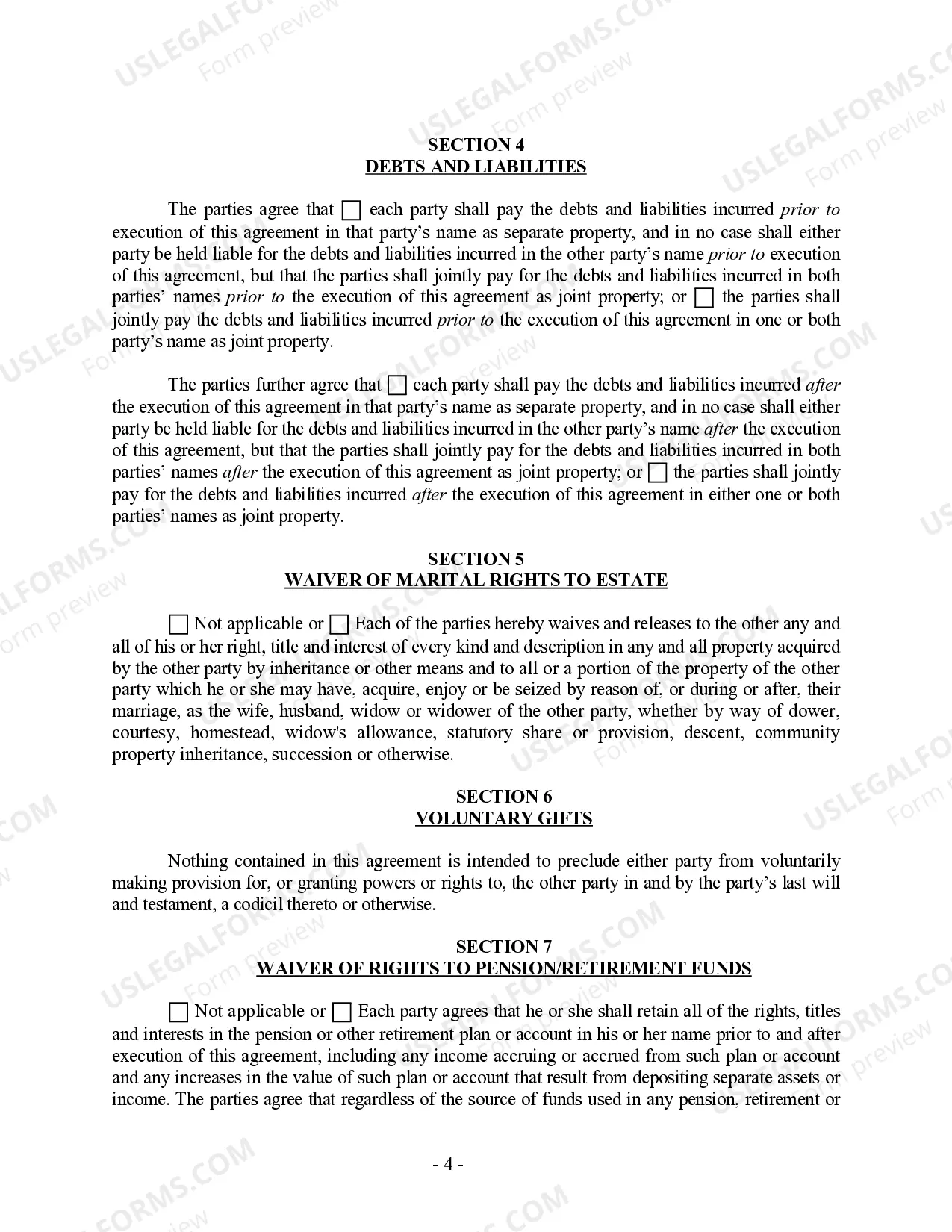
- Identification of separate and joint properties.
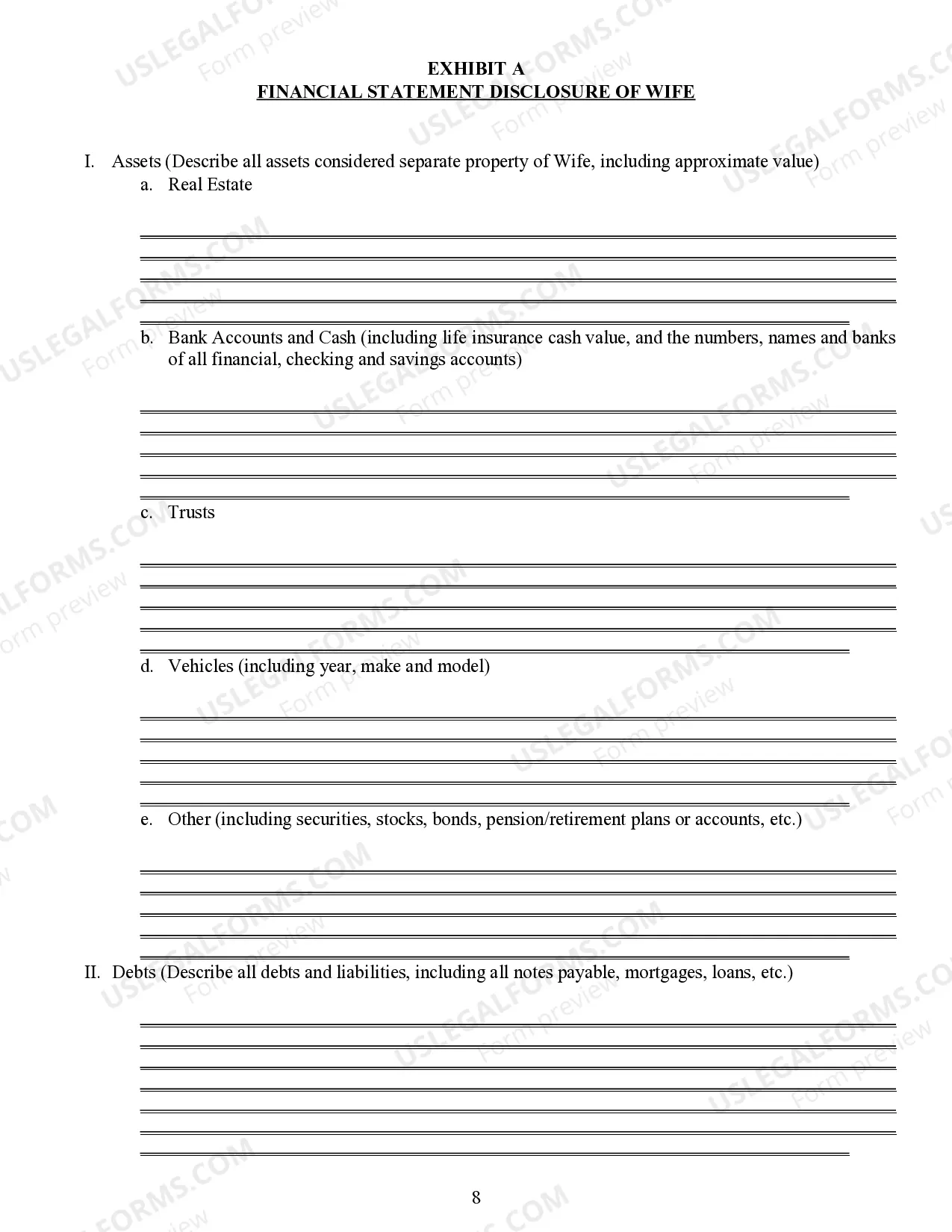
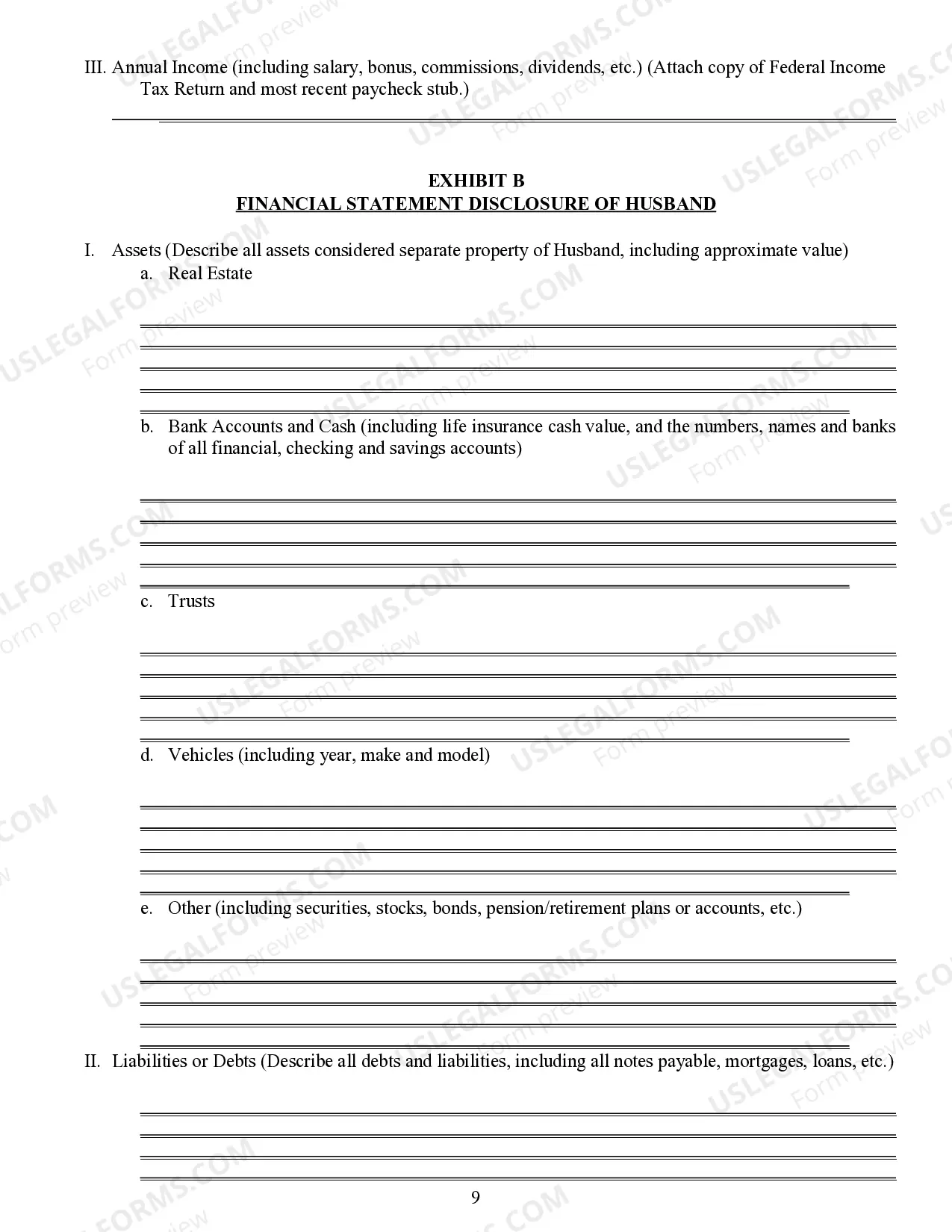
- Disclosure of financial status by both parties.
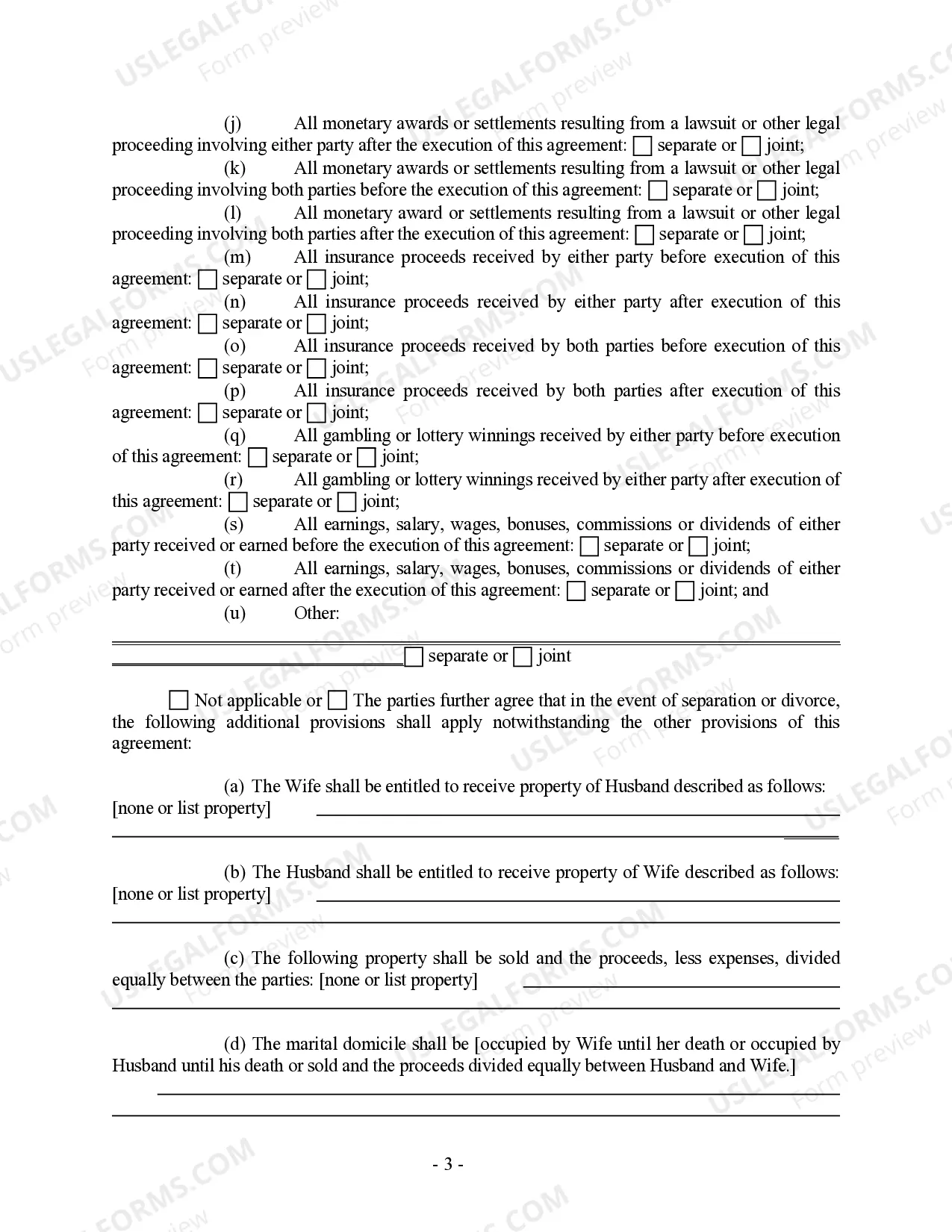
- Provisions regarding property in the event of separation or divorce.
- Details regarding debts and liabilities incurred after the agreement's execution.
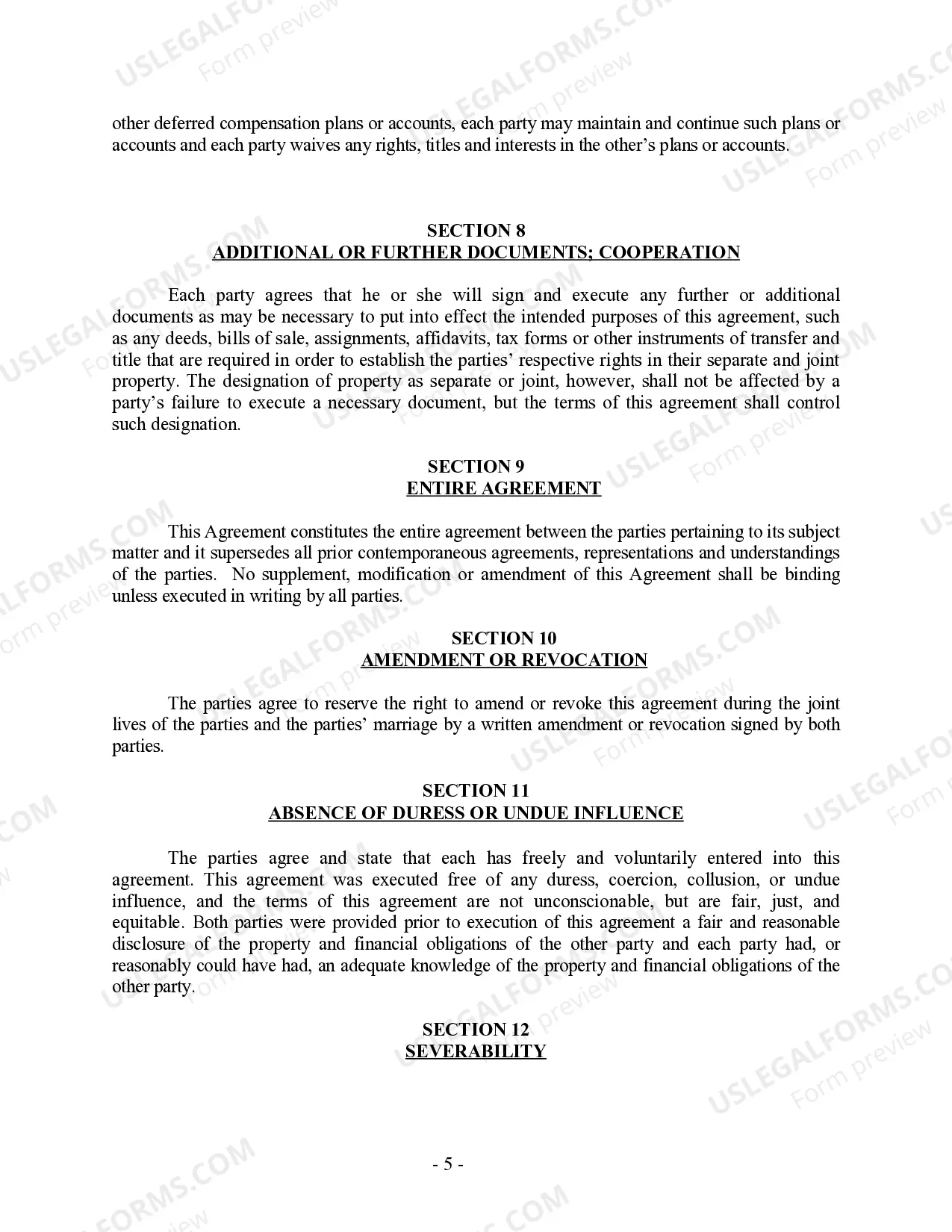
- Waivers of certain marital rights concerning property and inheritances.
Situations where this form applies
This form is useful in various situations, including:
- After marriage, if spouses want to clarify their property rights.
- If one or both spouses have acquired significant assets and wish to protect them.
- When couples are considering separation or divorce and want to outline the division of assets before legal proceedings begin.
- To establish clear terms for the management of joint and separate property.
Who this form is for
- Married couples looking to define their property rights after marriage.
- Individuals who have substantial separate assets they wish to protect.
- Spouses preparing for potential separation or divorce.
How to prepare this document
- Identify the parties involved by entering their names and addresses.
- Fully disclose the financial status of each party, including assets and liabilities.
- Specify which properties are to be classified as separate and which as joint.
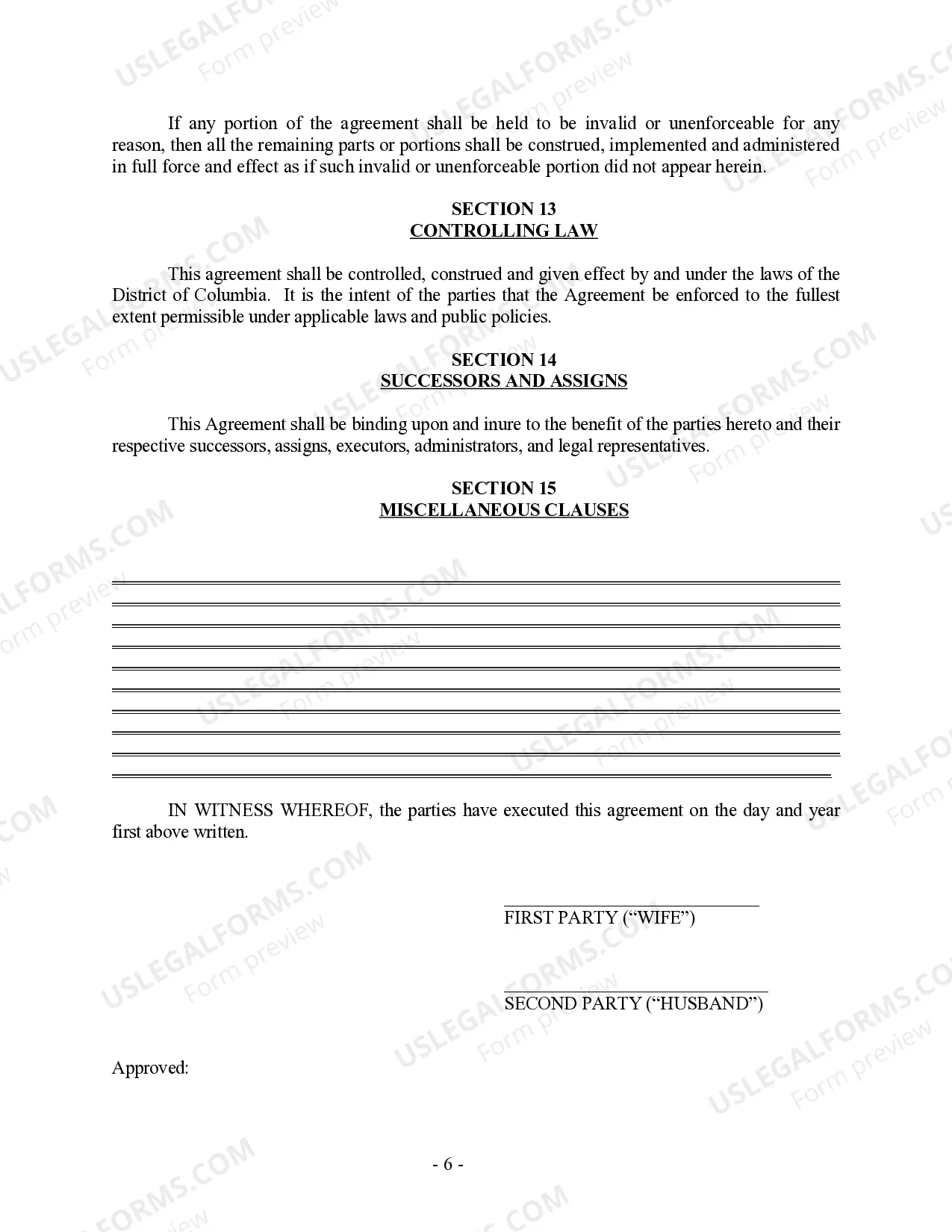
- Sign the agreement in the presence of a notary public to validate the document.
- Keep copies of the agreement for personal records; consider discussing with an attorney for clarification.
Does this form need to be notarized?
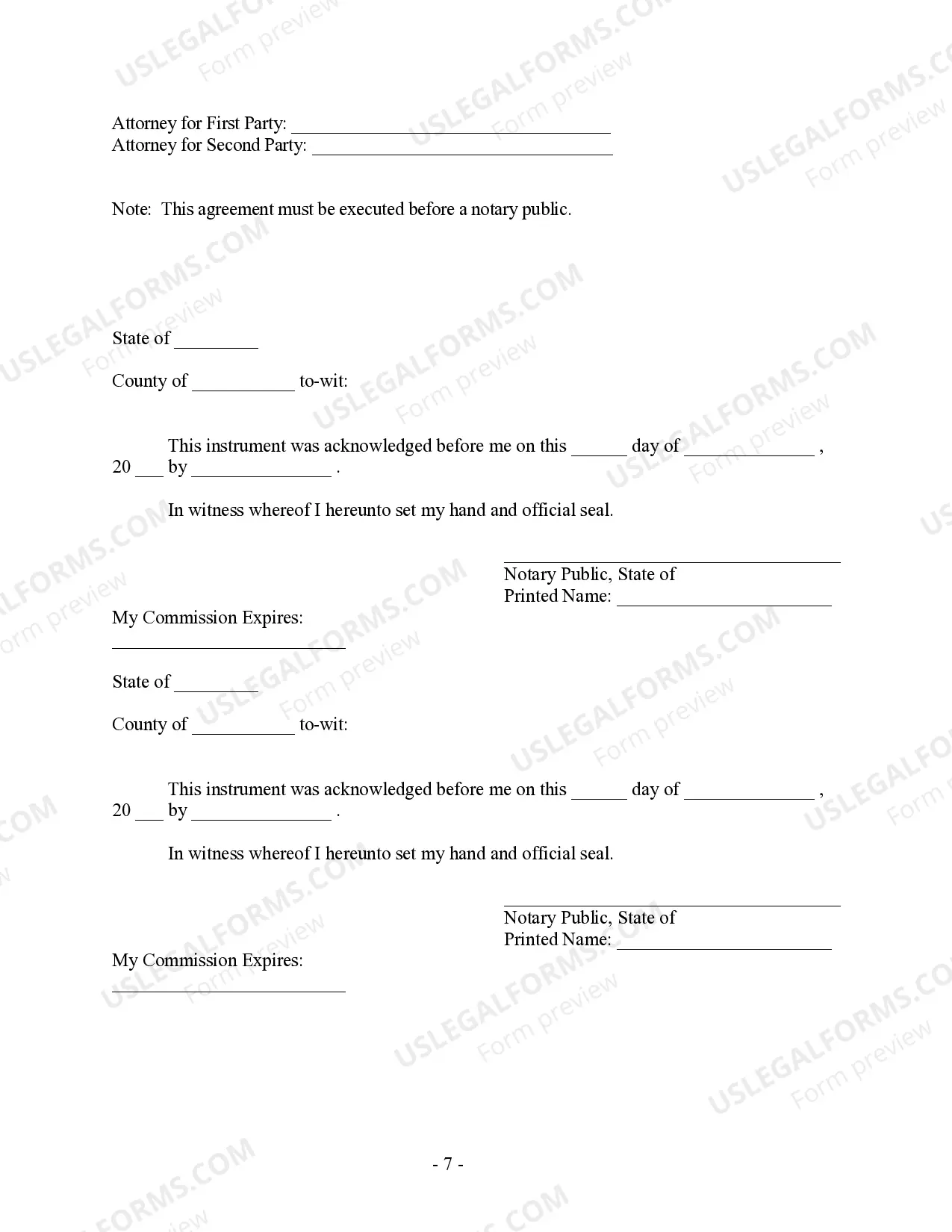
Yes, this form must be notarized to be legally valid. A notary public must witness the signatures of both parties to confirm that the agreement was made voluntarily and without duress. This step adds an additional layer of protection and authenticity to the form.
Get your form ready online
Our built-in tools help you complete, sign, share, and store your documents in one place.
Make edits, fill in missing information, and update formatting in US Legal Forms—just like you would in MS Word.
Download a copy, print it, send it by email, or mail it via USPS—whatever works best for your next step.
Sign and collect signatures with our SignNow integration. Send to multiple recipients, set reminders, and more. Go Premium to unlock E-Sign.
If this form requires notarization, complete it online through a secure video call—no need to meet a notary in person or wait for an appointment.
We protect your documents and personal data by following strict security and privacy standards.

Make edits, fill in missing information, and update formatting in US Legal Forms—just like you would in MS Word.

Download a copy, print it, send it by email, or mail it via USPS—whatever works best for your next step.

Sign and collect signatures with our SignNow integration. Send to multiple recipients, set reminders, and more. Go Premium to unlock E-Sign.

If this form requires notarization, complete it online through a secure video call—no need to meet a notary in person or wait for an appointment.

We protect your documents and personal data by following strict security and privacy standards.
Avoid these common issues
- Failing to disclose all assets or financial obligations accurately.
- Not having both parties consult with separate legal counsel.
- Insufficiently defining what constitutes joint and separate property.
- Neglecting to notarize the agreement, which may undermine its validity.
Benefits of using this form online
- Easy access to expertly drafted legal templates.
- Convenience of downloadable forms that can be filled out at your own pace.
- Professional review options to ensure compliance with legal standards.
- Ability to edit and customize the form to fit individual needs.
Legal use & context
- This agreement is enforceable in a court of law, provided it meets the requirements of the District of Columbia.
- It allows for clarity regarding property distribution in case of separation or divorce.
- Proper execution, including notarization, is crucial for enforceability.
What to keep in mind
- The Postnuptial Property Agreement helps define property rights for married couples.
- Complete transparency regarding financial disclosures is necessary.
- This agreement can help avoid disputes and legal complications in the event of a divorce or separation.
- Consultation with legal counsel is recommended to ensure the agreement is fair and valid.
Looking for another form?


Form popularity
FAQ
Postnuptial agreements do hold up in court when they are structured properly according to legal standards. In the District of Columbia, judges will typically enforce these agreements if they have been fairly negotiated and properly documented. To strengthen your District of Columbia Postnuptial Property Agreement, consider hiring a legal expert for advice. This can significantly increase your chances of court acceptance.
A postnuptial agreement can be declared invalid for several reasons, including insufficient consideration or lack of understanding by one spouse. If either party was coerced or misrepresented information, the agreement may also be invalid. In the District of Columbia, adhering to specific legal guidelines ensures your District of Columbia Postnuptial Property Agreement remains valid. Engaging a knowledgeable professional can help you avoid common pitfalls.
Yes, a well-crafted postnuptial agreement can hold up in court, provided it meets all legal criteria. In the District of Columbia, courts generally honor these agreements as long as they are fair and both parties have had ample opportunity to review them. It is critical to document your District of Columbia Postnuptial Property Agreement correctly to ensure enforceability. Legal assistance can guide you through this process.
A postnuptial agreement may be voided if it lacks essential elements such as full disclosure of assets, voluntary consent from both parties, or meets specific legal requirements. In the District of Columbia, an agreement can also be challenged if it is deemed unconscionable or was signed under duress. To avoid complications, always ensure that your District of Columbia Postnuptial Property Agreement is drafted carefully. Consulting professionals can help verify its validity.
To obtain a District of Columbia Postnuptial Property Agreement, start by discussing your intentions with your spouse. It's important to communicate openly about why you believe a postnuptial agreement would benefit both of you. Next, consider consulting a family law attorney who can guide you through the legal requirements specific to the District of Columbia. You can also explore platforms like USLegalForms, which provide templates and resources to help you create a legally binding postnuptial agreement efficiently.
To write a District of Columbia Postnuptial Property Agreement, start by outlining your shared and individual assets. Clearly define the terms regarding property division in case of separation or divorce. It’s crucial to ensure both parties fully understand and agree to the terms. Additionally, consider using a trusted platform like UsLegalForms to simplify the process and ensure legal compliance.
Certainly, you can write your own District of Columbia Postnuptial Property Agreement. However, make sure it meets all legal requirements to avoid potential conflicts. There are templates and guides available to assist you in this process. However, enlisting the help of a legal professional is often advisable to protect your interests.
In a District of Columbia Postnuptial Property Agreement, certain topics are prohibited. For instance, you can't include provisions about child custody or child support. Additionally, agreements that encourage divorce or are unlawful cannot be enforced. Always consult with a legal expert to understand the limitations and ensure your agreement is valid.
Yes, you can write your own District of Columbia Postnuptial Property Agreement. However, it's important to ensure that it complies with state laws. If not properly drafted, your agreement may face challenges in court. For a thorough approach, consider using a professional service to guide you through the process.
To file a District of Columbia Postnuptial Property Agreement, you typically do not need to file it with a court. Instead, both spouses should sign the agreement in the presence of a notary to ensure it is valid. Once signed, keep the original document in a safe place and consider informing your attorney about it for further legal support. Using platforms like US Legal Forms can help guide you through the necessary steps to finalize your agreement properly.