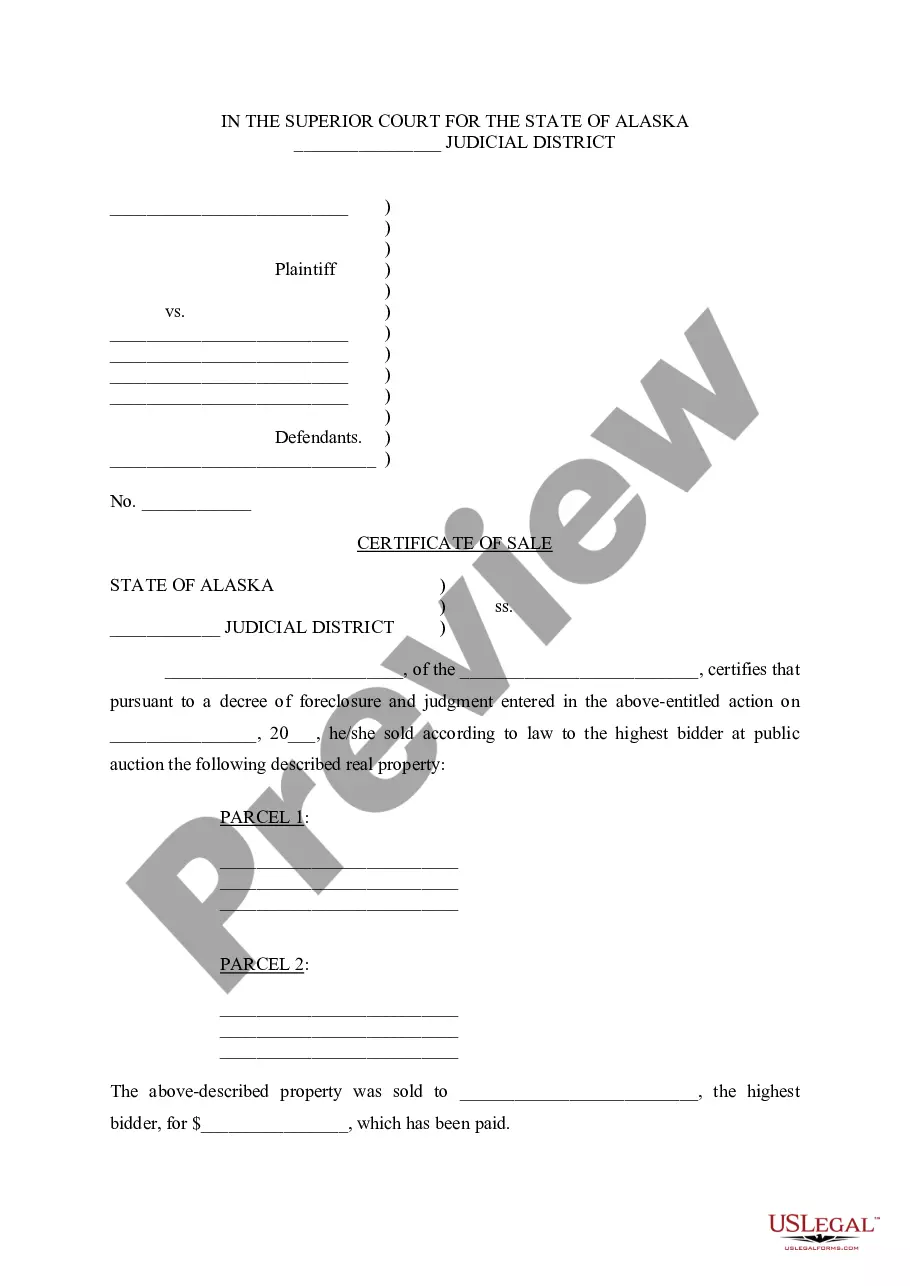
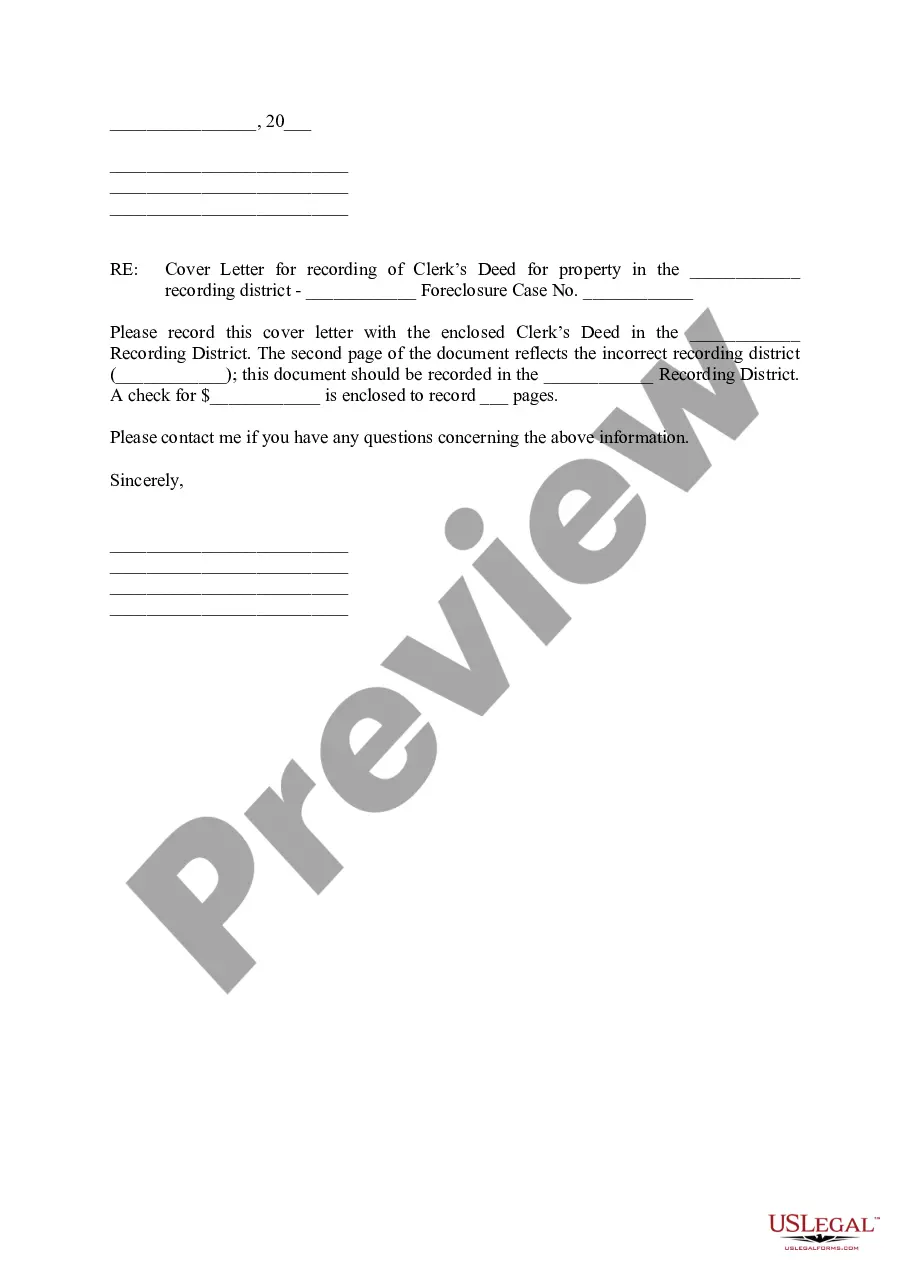
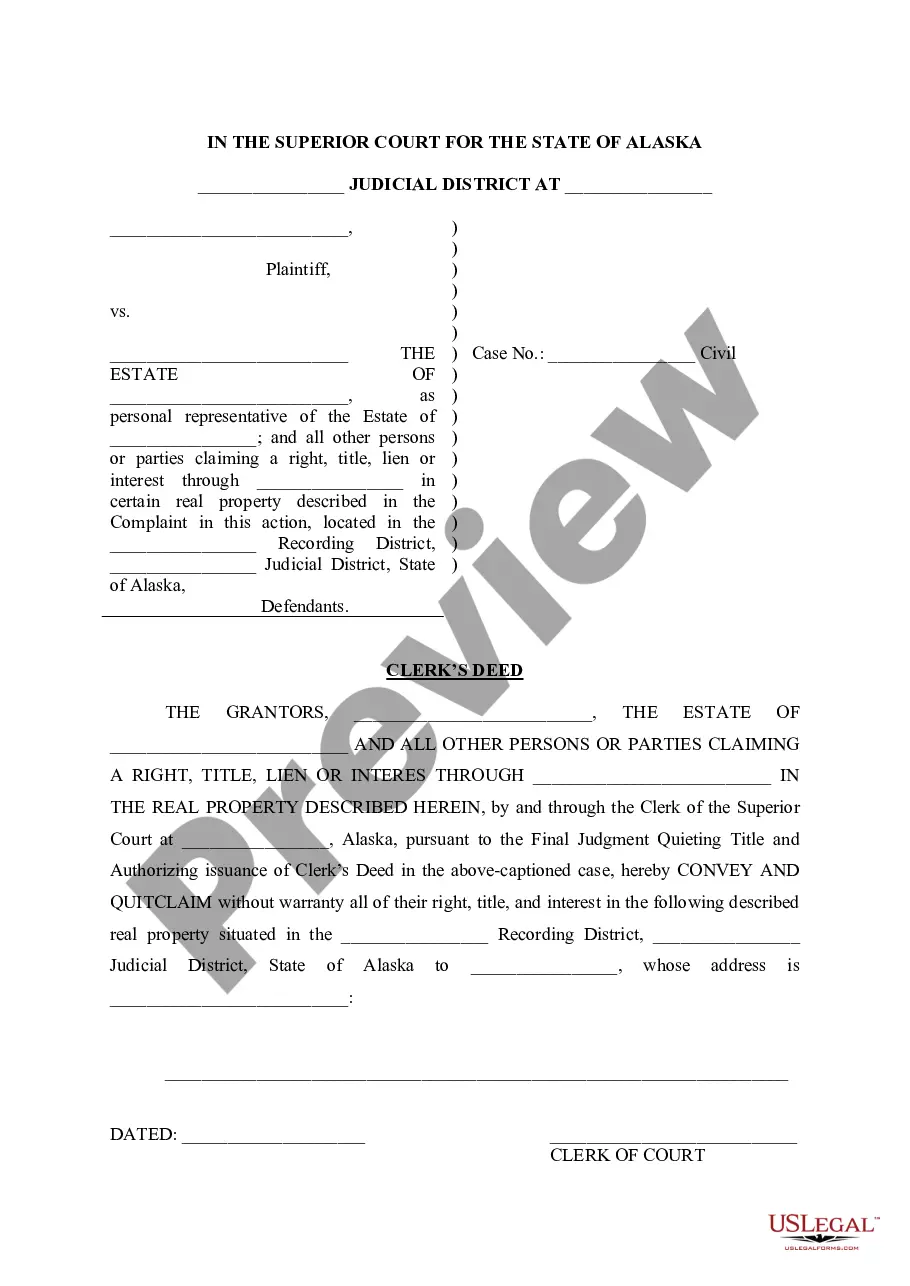
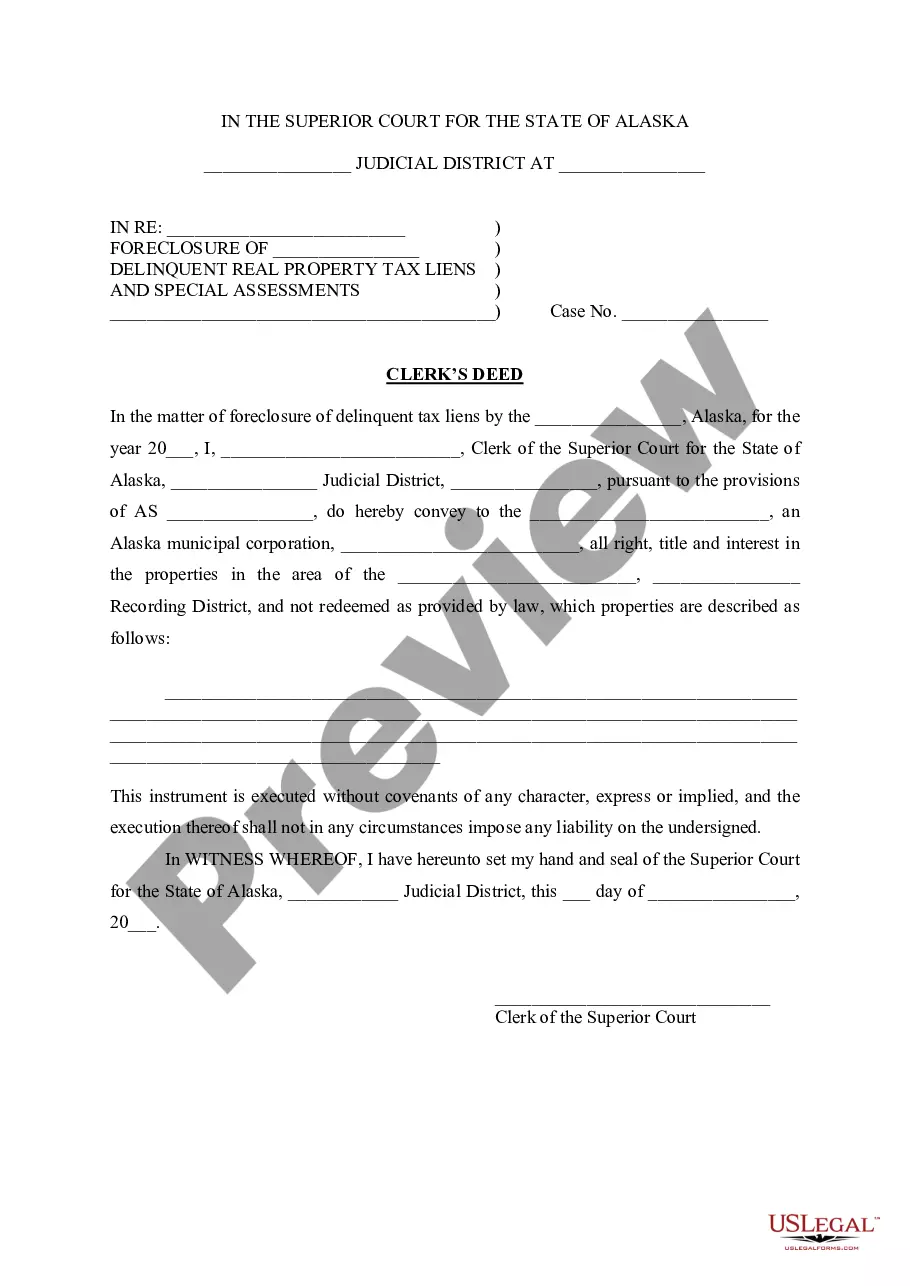
Sample Letter for Land Deed of Trust
What this document covers
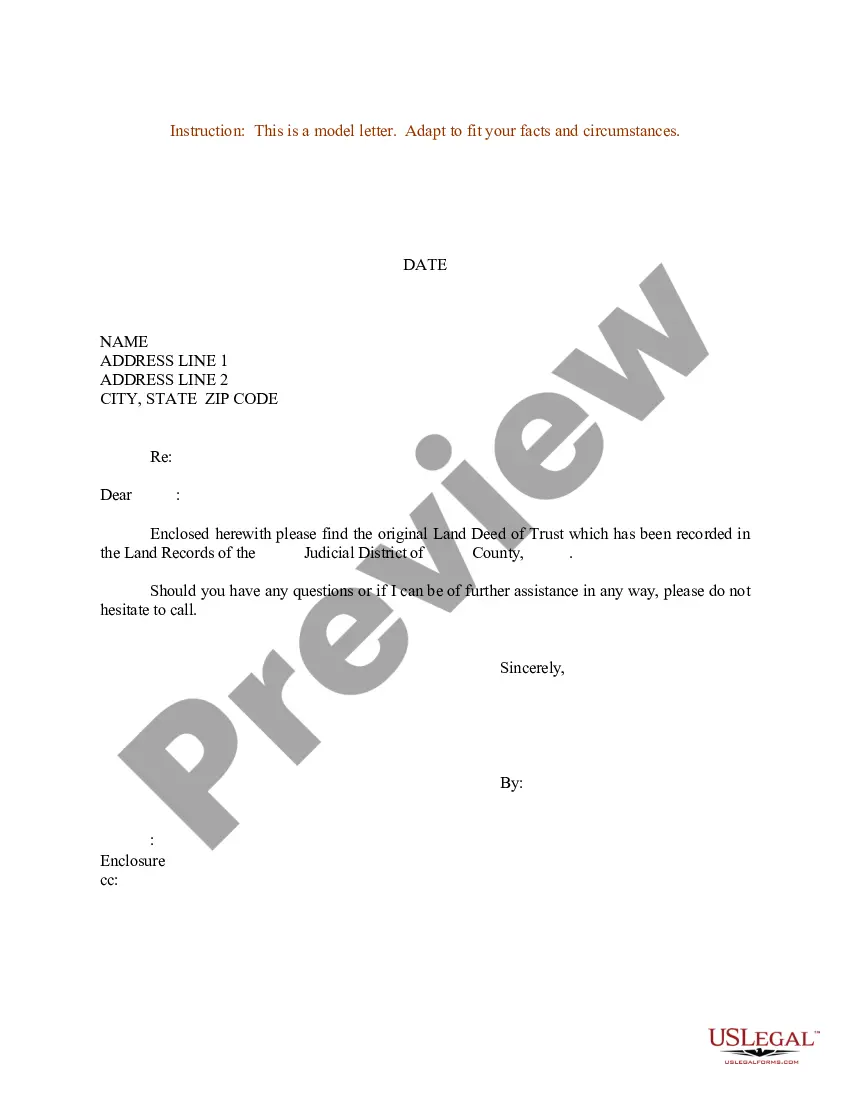
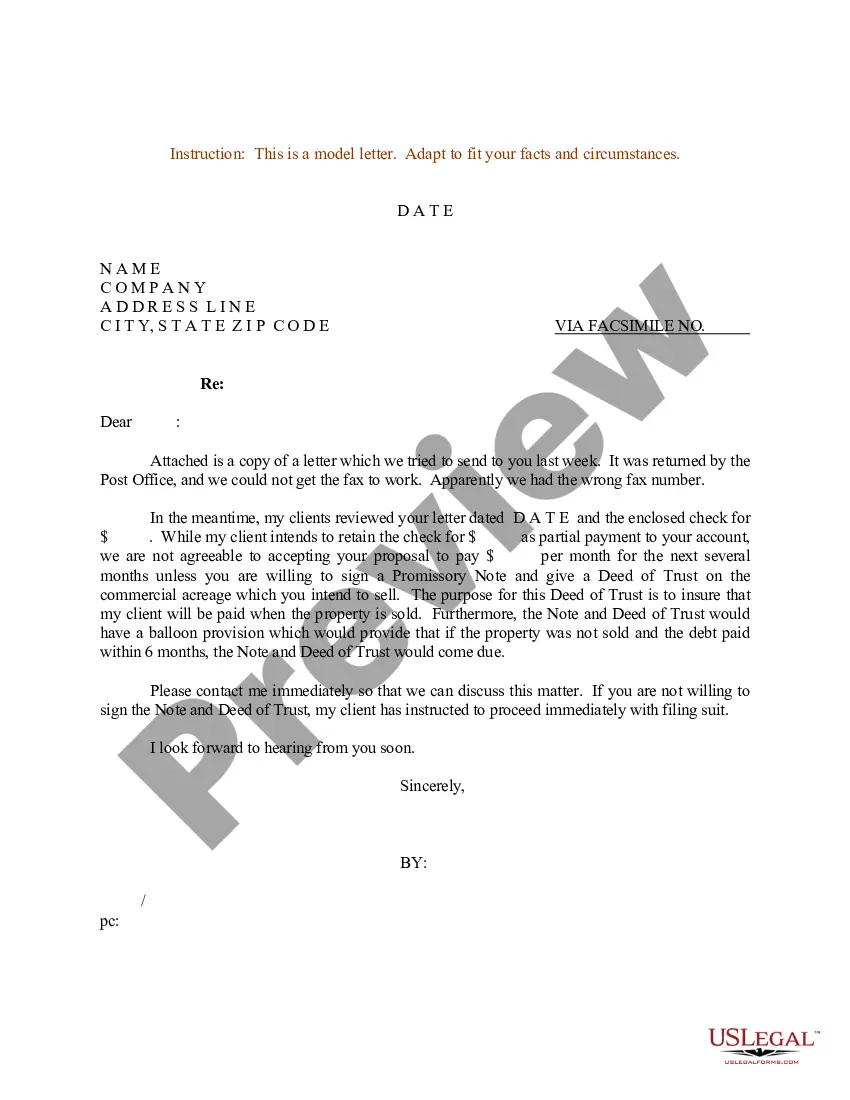
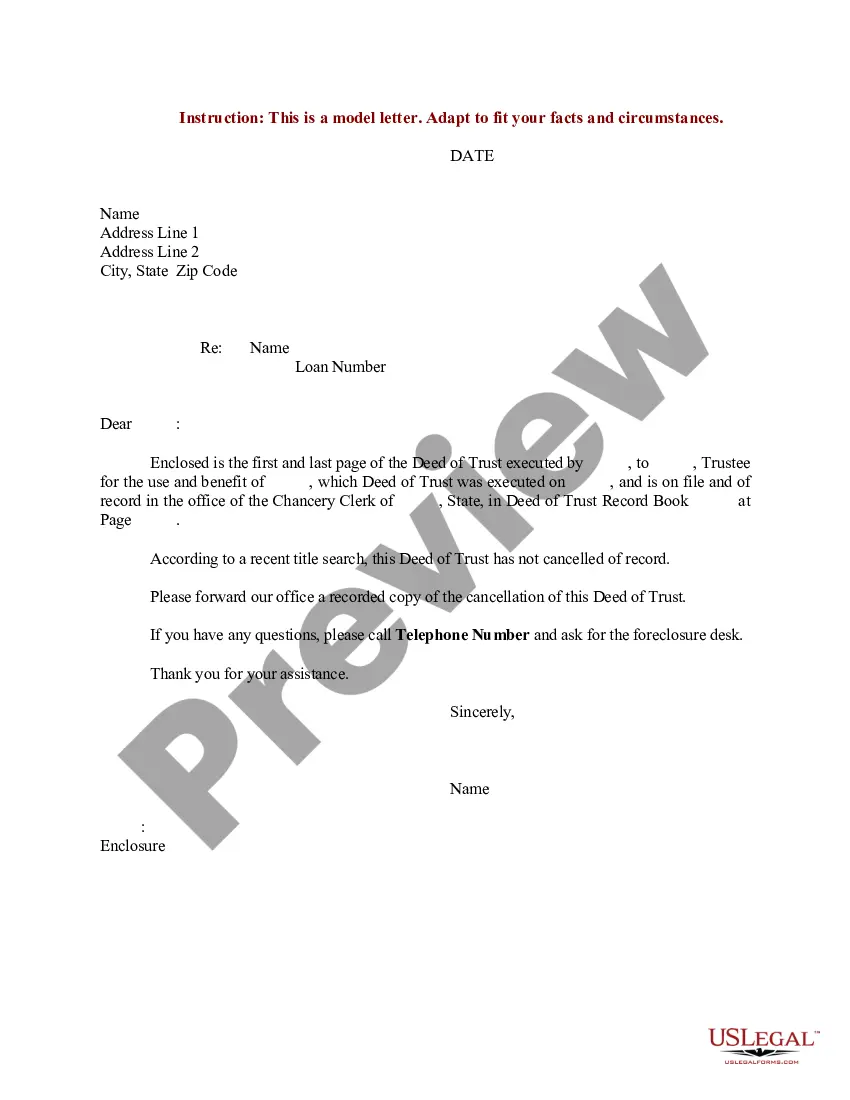
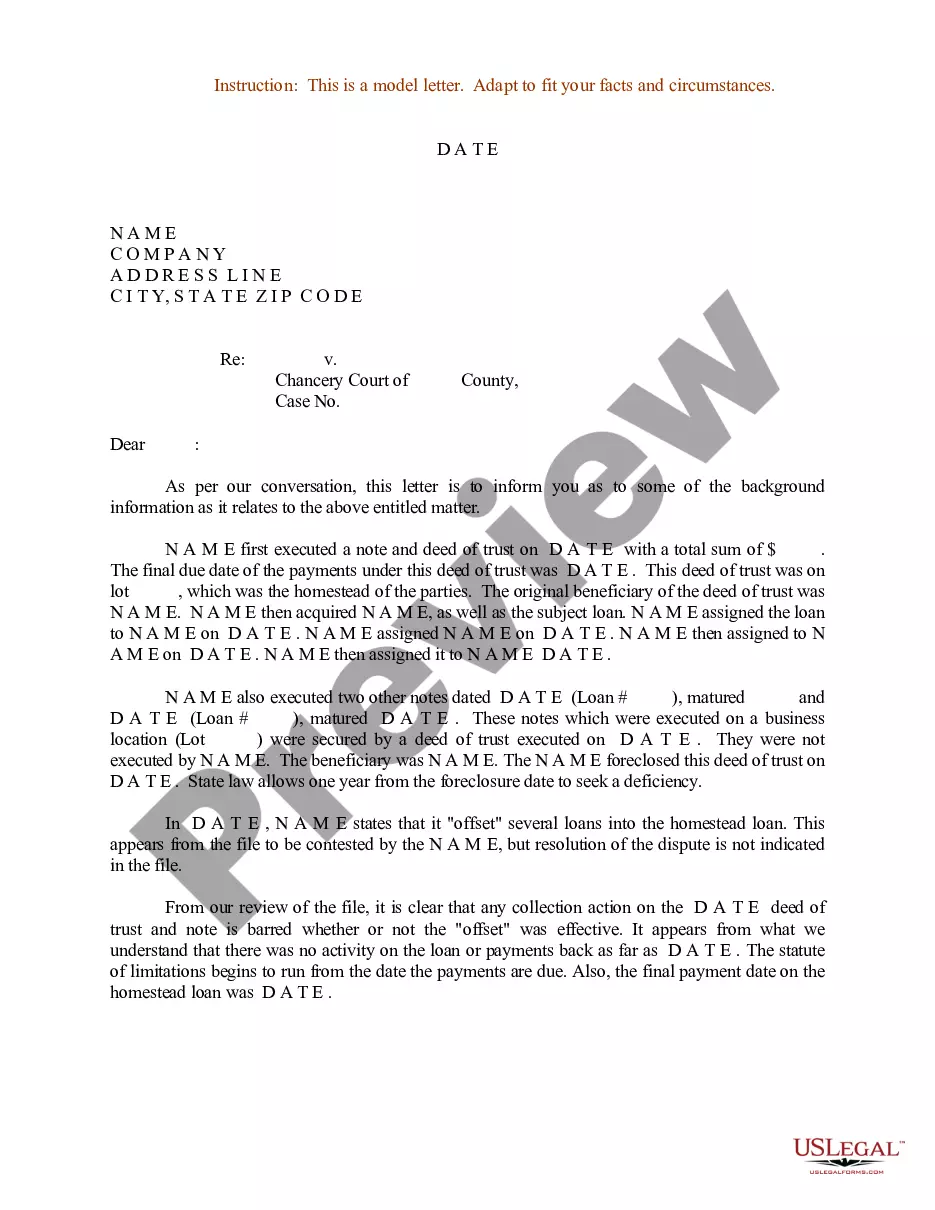
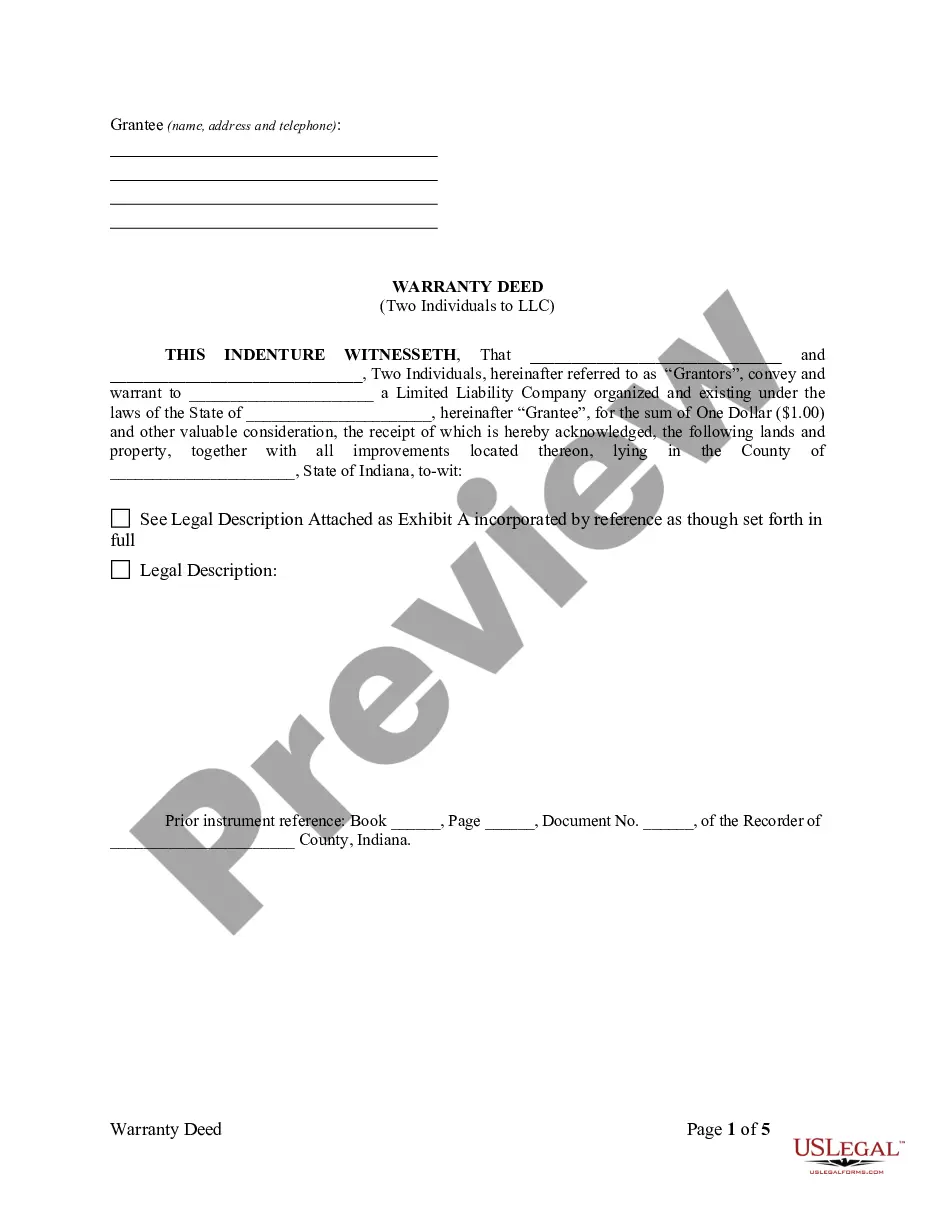
The Sample Letter for Land Deed of Trust is a template designed to formally request the establishment of a trust deed for a specific property. This sample letter serves as a guideline, outlining the necessary information to be included when initiating a land deed of trust. Unlike other property documents, this sample letter specifically focuses on the intention to create a trust rather than executing the deed itself.
Form components explained
- Date: Specify the date of the letter.
- Sender's name: Include the name of the individual or entity sending the letter.
- Sender's address: Provide complete address details for the sender.
- Recipient's name: Include the name of the individual or entity the letter is addressed to.
- Recipient's address: Provide complete address details for the recipient.
- Subject line or introduction: State the purpose of the letter clearly.
When this form is needed
This form is useful when you need to request the initiation of a land deed of trust with a lender or legal representative. Typical scenarios include securing a mortgage loan, establishing a trust arrangement for property ownership, or clarifying the assigned fiduciary roles in property management. This form helps to convey the request formally and can serve as part of a larger documentation process.
Who needs this form
This form is intended for:
- Property owners looking to establish a land deed of trust.
- Individuals or entities involved in real estate transactions.
- Lenders requiring formal requests for trust deeds from borrowers.
- Legal professionals drafting documents for clients who need to create a trust.
Instructions for completing this form
- Identify the parties: Determine who is sending and receiving the letter.
- Specify the property: Include details about the property involved in the deed of trust.
- Enter the date: Write the date the letter is created.
- Provide addresses: Fill in the complete addresses for both sender and recipient.
- Clarify the purpose: Clearly state the intention of establishing a trust deed within the letter content.
Notarization requirements for this form
This form does not typically require notarization unless specified by local law.
Get your form ready online
Our built-in tools help you complete, sign, share, and store your documents in one place.
Make edits, fill in missing information, and update formatting in US Legal Forms—just like you would in MS Word.
Download a copy, print it, send it by email, or mail it via USPS—whatever works best for your next step.
Sign and collect signatures with our SignNow integration. Send to multiple recipients, set reminders, and more. Go Premium to unlock E-Sign.
If this form requires notarization, complete it online through a secure video call—no need to meet a notary in person or wait for an appointment.
We protect your documents and personal data by following strict security and privacy standards.

Make edits, fill in missing information, and update formatting in US Legal Forms—just like you would in MS Word.

Download a copy, print it, send it by email, or mail it via USPS—whatever works best for your next step.

Sign and collect signatures with our SignNow integration. Send to multiple recipients, set reminders, and more. Go Premium to unlock E-Sign.

If this form requires notarization, complete it online through a secure video call—no need to meet a notary in person or wait for an appointment.

We protect your documents and personal data by following strict security and privacy standards.
Common mistakes
- Neglecting to include all parties' addresses.
- Using vague language instead of clear, direct statements.
- Failing to date the letter, which can lead to confusion about the timeline.
- Omitting essential property details that are vital for trust establishment.
Benefits of completing this form online
- Convenience: Access the template anytime from anywhere.
- Editability: Customize the letter to fit specific needs effortlessly.
- Reliability: Use a trusted template drafted by legal professionals.
Main things to remember
- The Sample Letter for Land Deed of Trust is a formal request template.
- It is essential for initiating the trust deed process for a property.
- Properly filling out the form prevents common errors and ensures clarity.
Looking for another form?
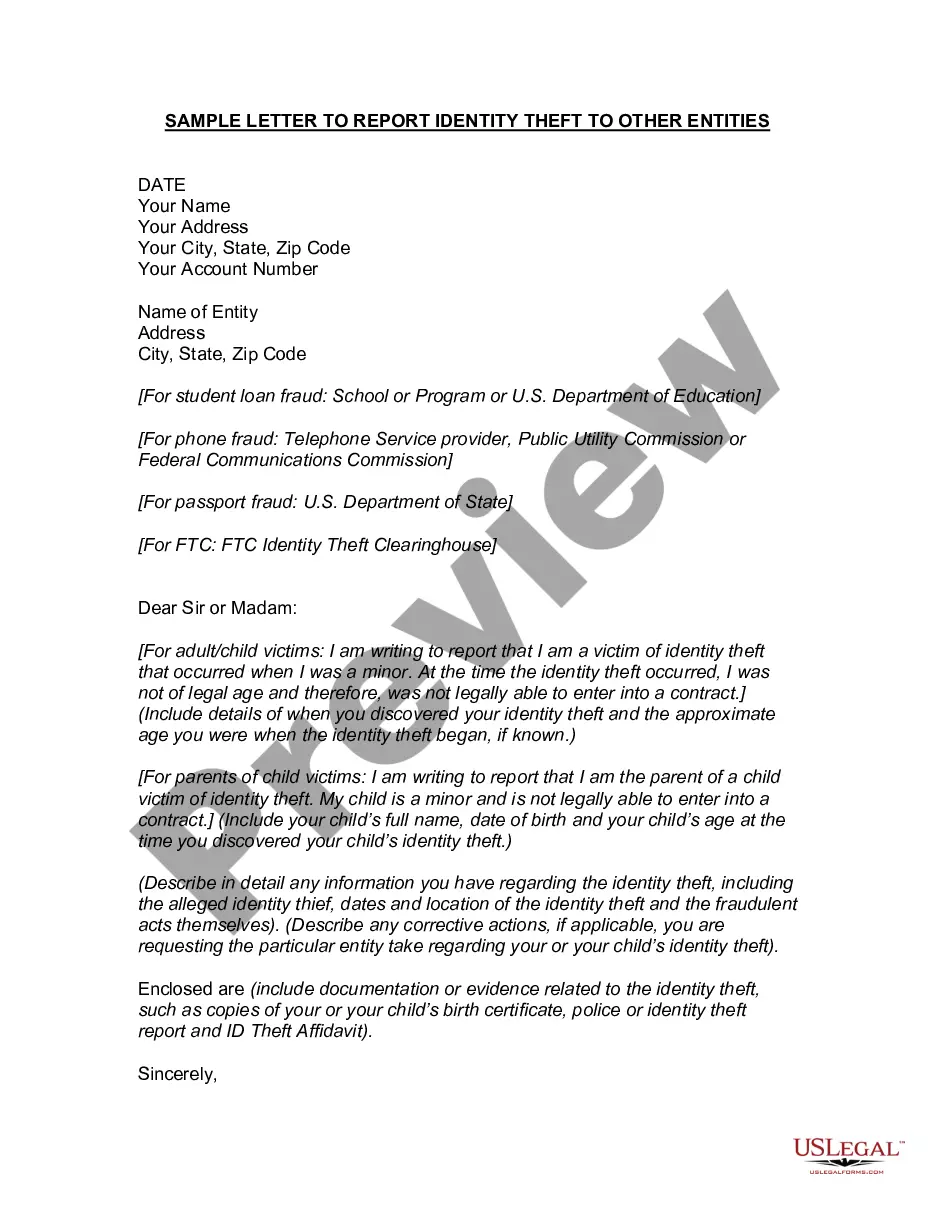
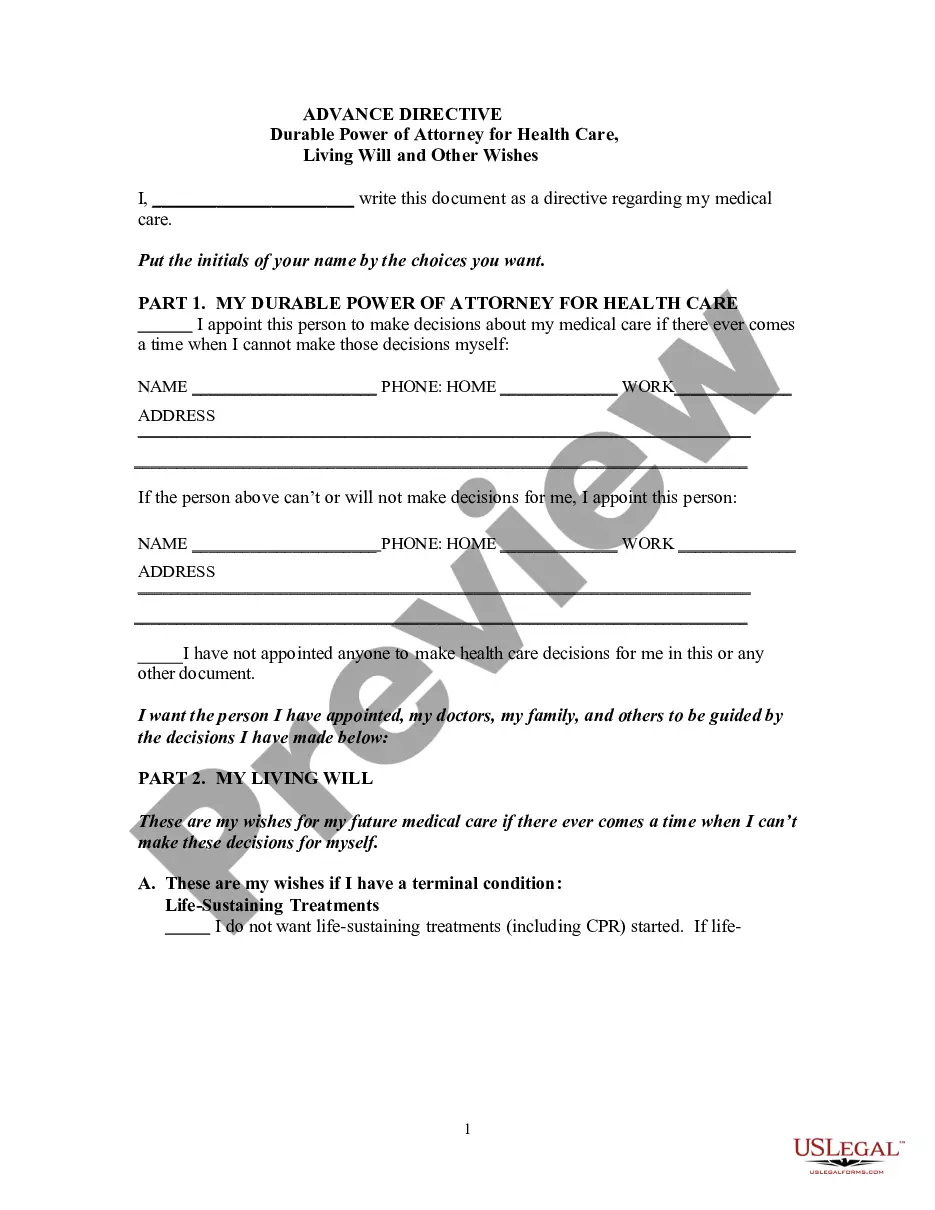
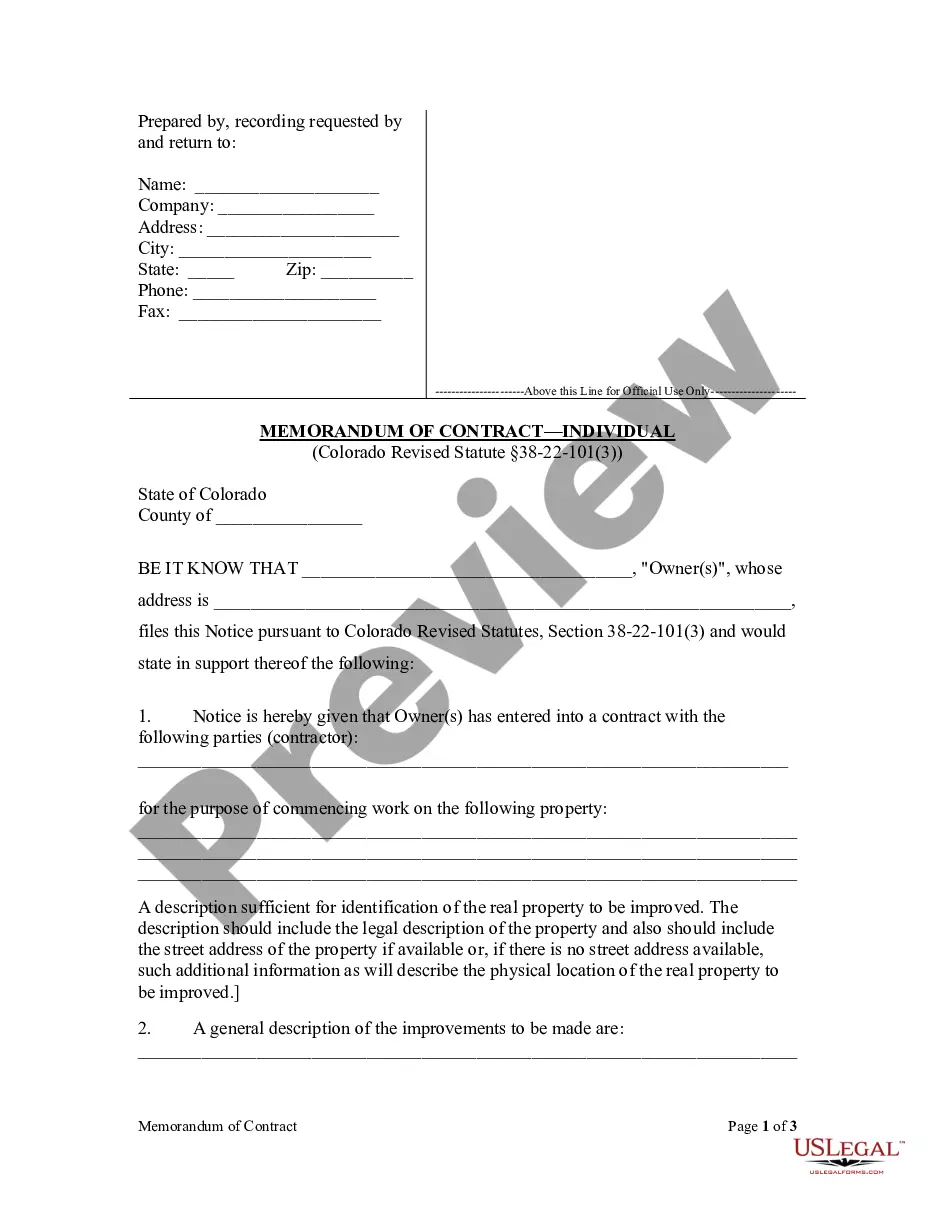
Form popularity
FAQ
A deed of trust includes most of the same information as a mortgage, including:A legal description of the property that's used as security or collateral for the mortgage. The names of parties: trustee, trustor, and beneficiary. The inception and maturity dates of the loan.
Party information: names and addresses of the trustor(s), trustee(s), beneficiary(ies), and guarantor(s) (if applicable) Property details: full address of the property and its legal description (which can be obtained from the County Recorder's Office)
A trust deedalso known as a deed of trustis a document sometimes used in real estate transactions in the U.S. It is a document that comes into play when one party has taken out a loan from another party to purchase a property.
Party information: names and addresses of the trustor(s), trustee(s), beneficiary(ies), and guarantor(s) (if applicable) Property details: full address of the property and its legal description (which can be obtained from the County Recorder's Office)
A Deed of Trust is essentially an agreement between a lender and a borrower to give the property to a neutral third party who will serve as a trustee. The trustee holds the property until the borrower pays off the debt.
When you are ready to sign a deed of trust, the parties will need to sign in the presence of a notary public.The deed of trust must then be recorded with the county where the property is located, and each of the parties (the trustor, trustee, and lender) should keep a copy of the recorded document.
The terms "title" and "deed of trust" are associated with real estate transactions. They're closely related to each other, but are slightly different. The title to your property contains a detailed history of past owners and liens. A deed of trust is a type of security instrument used by your mortgage lender.
Yes, there are key differences between the two. With a deed, you transfer the ownership of the property to one party. In contrast, a deed of trust does not mean the holder owns the property. In an arrangement involving a deed of trust, the borrower signs a contract with the lender with details regarding the loan.
A deed of trust is a written instrument with three parties: The trustor, who is the borrower and homeowner. The beneficiary, who is the lender. The trustee, who is a third party such as an insurance company or escrow management agency that holds actual title to the property in trust for the beneficiary.