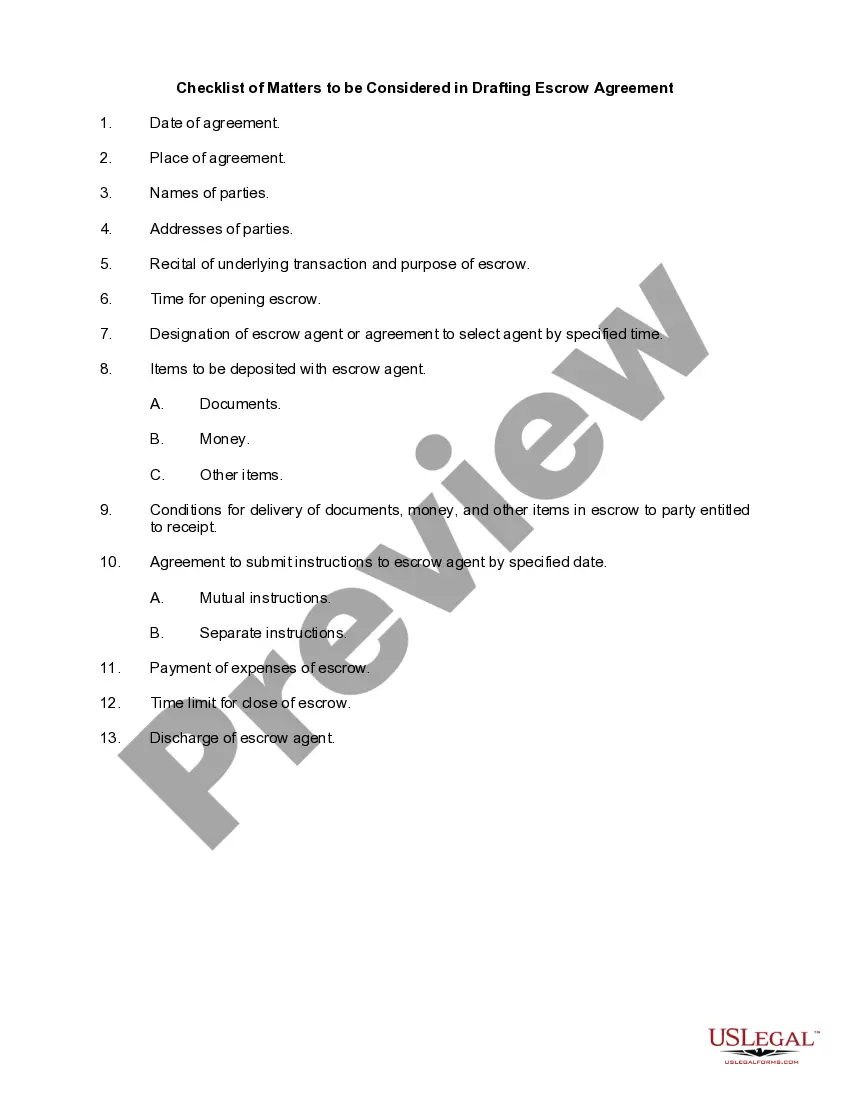
Checklist of Matters to be Considered in Drafting Escrow Agreement
What this document covers
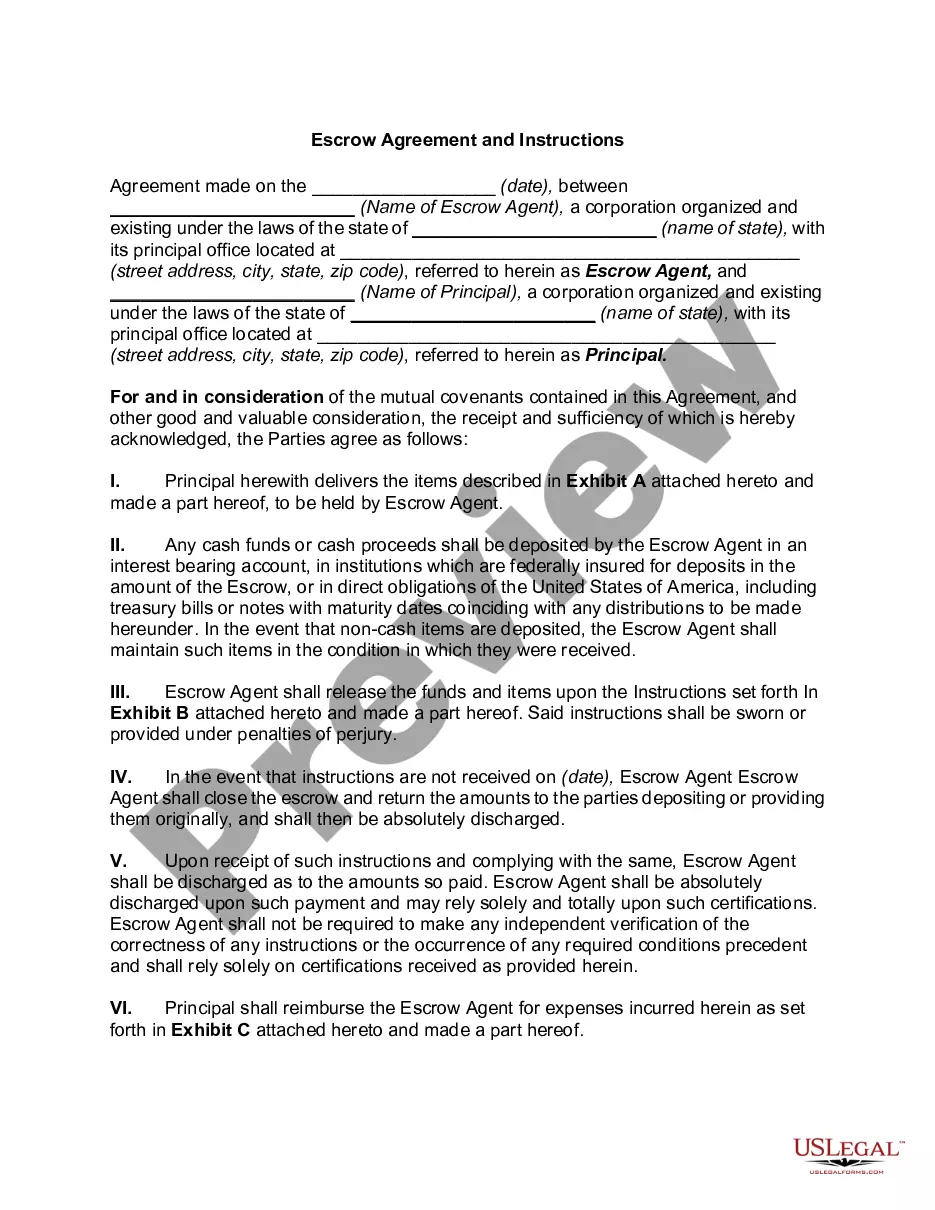
The Checklist of Matters to be Considered in Drafting Escrow Agreement is a guide that outlines important factors and provisions for creating an effective escrow agreement. This legal document ensures that a third party, called the escrow agent, holds something of value until specific conditions are met. Unlike other agreements, this form is tailored to help individuals solidify the terms surrounding the escrow arrangement, particularly within real estate transactions.
Key components of this form
- Date of agreement.
- Place of agreement.
- Names of parties involved.
- Addresses of all parties.
- Recital of underlying transaction and purpose of escrow.
- Time for opening escrow.
- Designation of escrow agent or agreement to select one by a specified time.
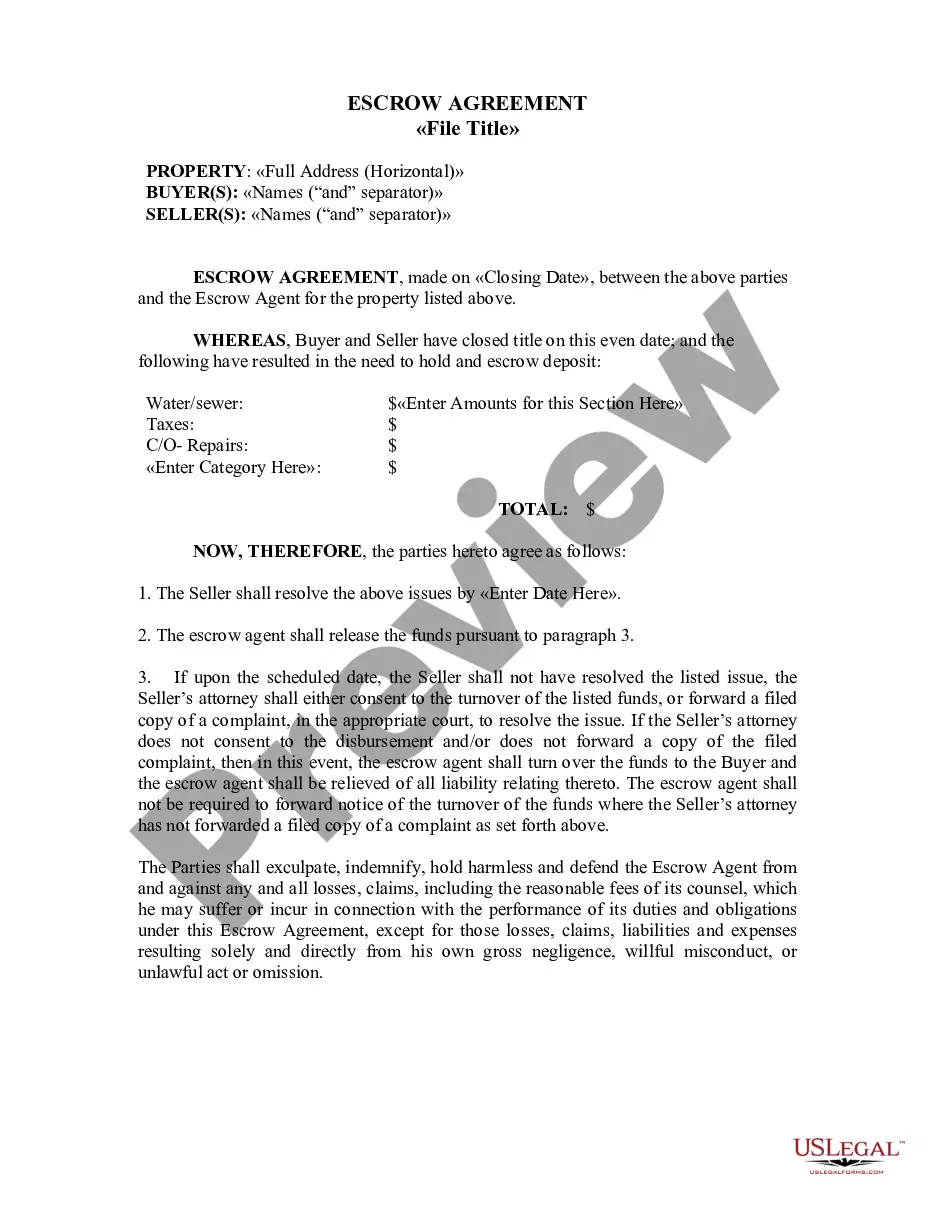
- Items to be deposited with the escrow agent, including documents, money, and other items.
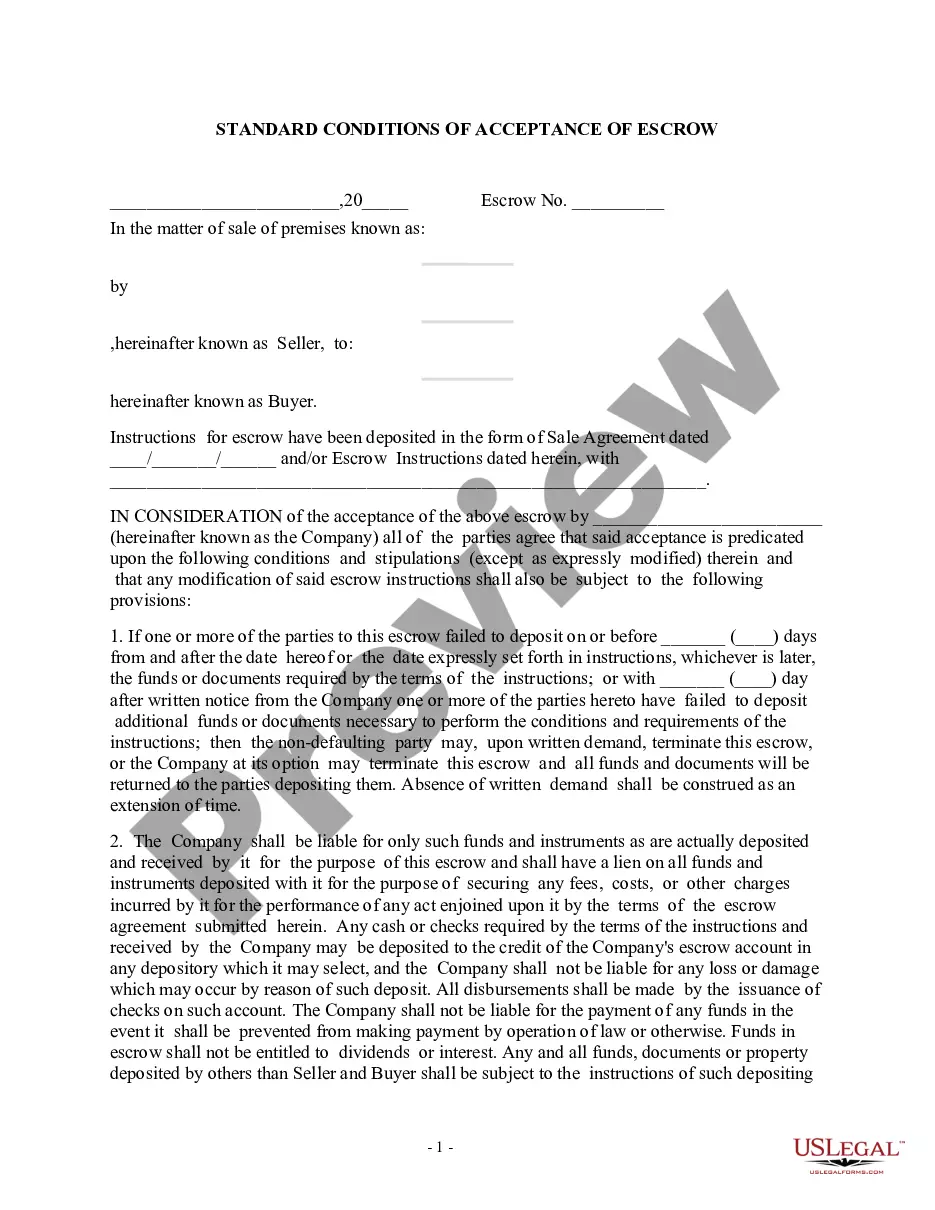
- Conditions for the delivery of documents, money, and other items in escrow to the entitled party.
- Agreement to submit instructions to the escrow agent by a specified date.
- Payment of escrow expenses.
- Time limit for closing escrow.
- Discharge of the escrow agent.
Common use cases
This form is essential when preparing an escrow agreement in various situations, particularly in real estate transactions. Use it when you need to establish clear terms for the handling of funds or documents by a neutral third party until specific conditions are fulfilled, such as the completion of a property sale or the fulfillment of contractual obligations.
Who can use this document
- Buyers and sellers in real estate transactions.
- Real estate agents facilitating a property sale.
- Individuals or businesses entering contracts that require escrow services.
- Lawyers representing clients in escrow-related matters.
Instructions for completing this form
- Identify and list the parties involved in the agreement.
- Specify the date and place where the agreement is being made.
- List the items to be deposited with the escrow agent, including documents and payment details.
- Clearly outline the conditions for releasing the escrow items once stipulations are met.
- Include the timeframe for opening escrow and closing the transaction.
Notarization requirements for this form
Notarization is generally not required for this form. However, certain states or situations might demand it. You can complete notarization online through US Legal Forms, powered by Notarize, using a verified video call available anytime.
Get your form ready online
Our built-in tools help you complete, sign, share, and store your documents in one place.
Make edits, fill in missing information, and update formatting in US Legal Forms—just like you would in MS Word.
Download a copy, print it, send it by email, or mail it via USPS—whatever works best for your next step.
Sign and collect signatures with our SignNow integration. Send to multiple recipients, set reminders, and more. Go Premium to unlock E-Sign.
If this form requires notarization, complete it online through a secure video call—no need to meet a notary in person or wait for an appointment.
We protect your documents and personal data by following strict security and privacy standards.

Make edits, fill in missing information, and update formatting in US Legal Forms—just like you would in MS Word.

Download a copy, print it, send it by email, or mail it via USPS—whatever works best for your next step.

Sign and collect signatures with our SignNow integration. Send to multiple recipients, set reminders, and more. Go Premium to unlock E-Sign.

If this form requires notarization, complete it online through a secure video call—no need to meet a notary in person or wait for an appointment.

We protect your documents and personal data by following strict security and privacy standards.
Typical mistakes to avoid
- Failing to specify clear conditions for the release of escrow items.
- Not including all necessary party details such as names and addresses.
- Ignoring the payment of escrow-related expenses.
- Not ensuring mutual instructions are submitted by agreed dates.
Why complete this form online
- Immediate access to a professionally drafted form tailored to your needs.
- Easy download and edit options to customize the agreement.
- Reliable and up-to-date legal information, ensuring compliance.
Legal use & context
- Escrow agreements are legally binding contracts that require proper execution to be enforceable.
- Misunderstandings regarding conditions may lead to disputes, highlighting the importance of clear documentation.
- The form helps ensure compliance with state-specific laws governing escrow arrangements.
What to keep in mind
- Clearly outline the roles and responsibilities in the escrow arrangement.
- Ensure all parties are included and informed of their obligations.
- Utilize the checklist to avoid common drafting mistakes and facilitate a smooth transaction.
Looking for another form?
Form popularity
FAQ
Escrows are voluntarily completed by full performance/execution and closing, or the escrow may be terminated by mutual consent. The termination of the sale escrow is accomplished by cancellation of the escrow, and by rescission or cancellation of the residential purchase agreement, or other form of agreement of sale.
It's a binding agreement between the party who makes the promise and the one to whom the promise is made. Written documents are held in escrow until the underlying agreement is accomplished.Any written document executed in accordance with all the necessary legal formalities may be put into escrow.
While your loan servicer is the one responsible for handling your property tax and insurance payments, mistakes are made, and you are the one who will be held liable for the full, on-time payment.
Your mortgage lender or servicer is allowed to collect the amount of your homeowners insurance and property tax payments, plus a cushion, month in and month out, in escrow. While it's nice to not have to think about making these payments, this pro can be a con for savers who may be able to put the funds to better use.
Each month, the lender deposits the escrow portion of your mortgage payment into the account and pays your insurance premiums and real estate taxes when they are due. Your lender may require an escrow cushion, as allowed by state law, to cover unanticipated costs, such as a tax increase.
In real estate, escrow is typically used for two reasons: To protect the buyer's good faith deposit so the money goes to the right party according to the conditions of the sale. To hold a homeowner's funds for taxes and insurance.
Escrow protects all of the relevant parties in a real estate transaction, including the seller, the home buyer, and the lender, by ensuring that no escrow funds from your lender and other property change hands until all of the conditions in the agreement have been met.
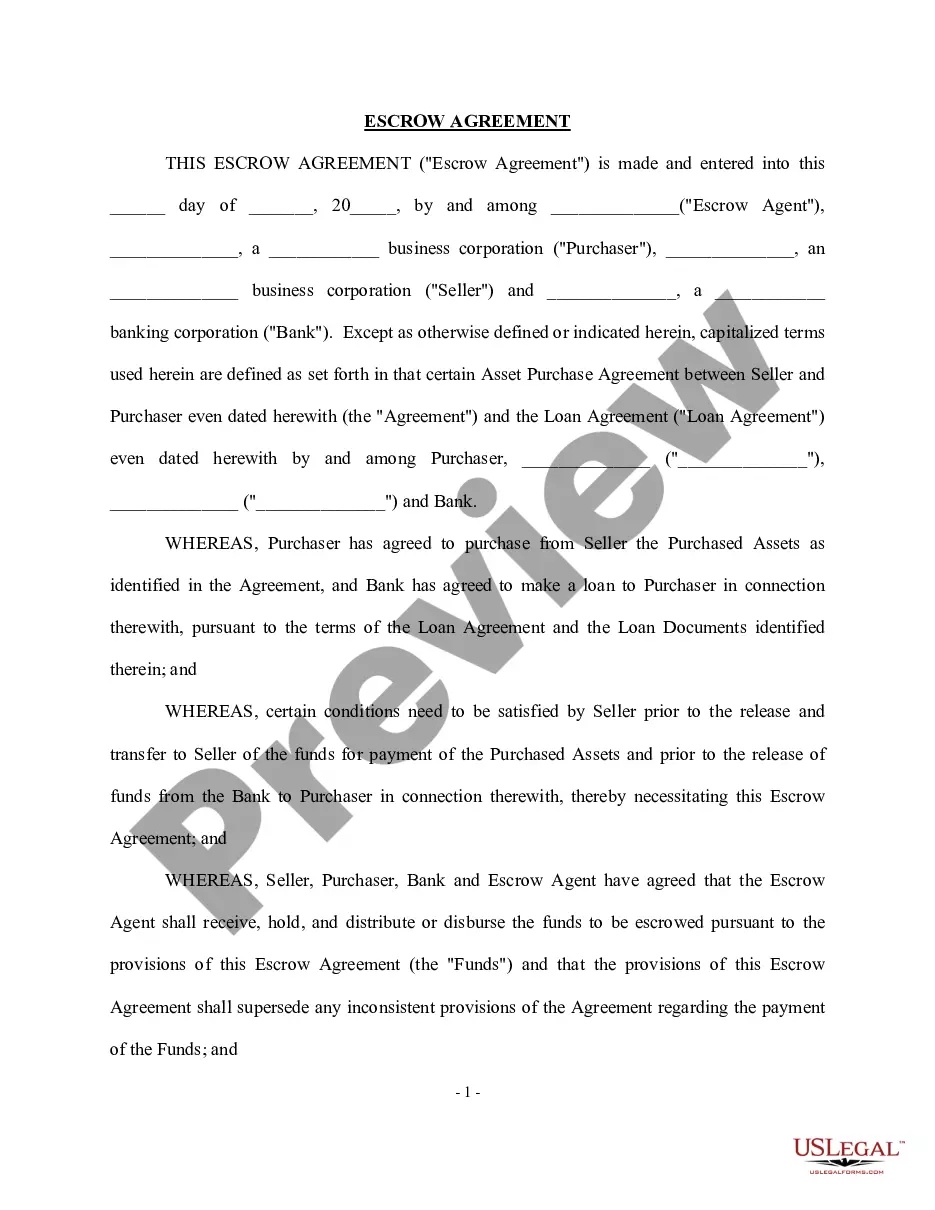
An escrow agreement is a contract that outlines the terms and conditions between parties involved, and the responsibility of each. Escrow agreements generally involve an independent third party, called an escrow agent, who holds an asset of value until the specified conditions of the contract are met.