Book Publishing Contract
Understanding this form
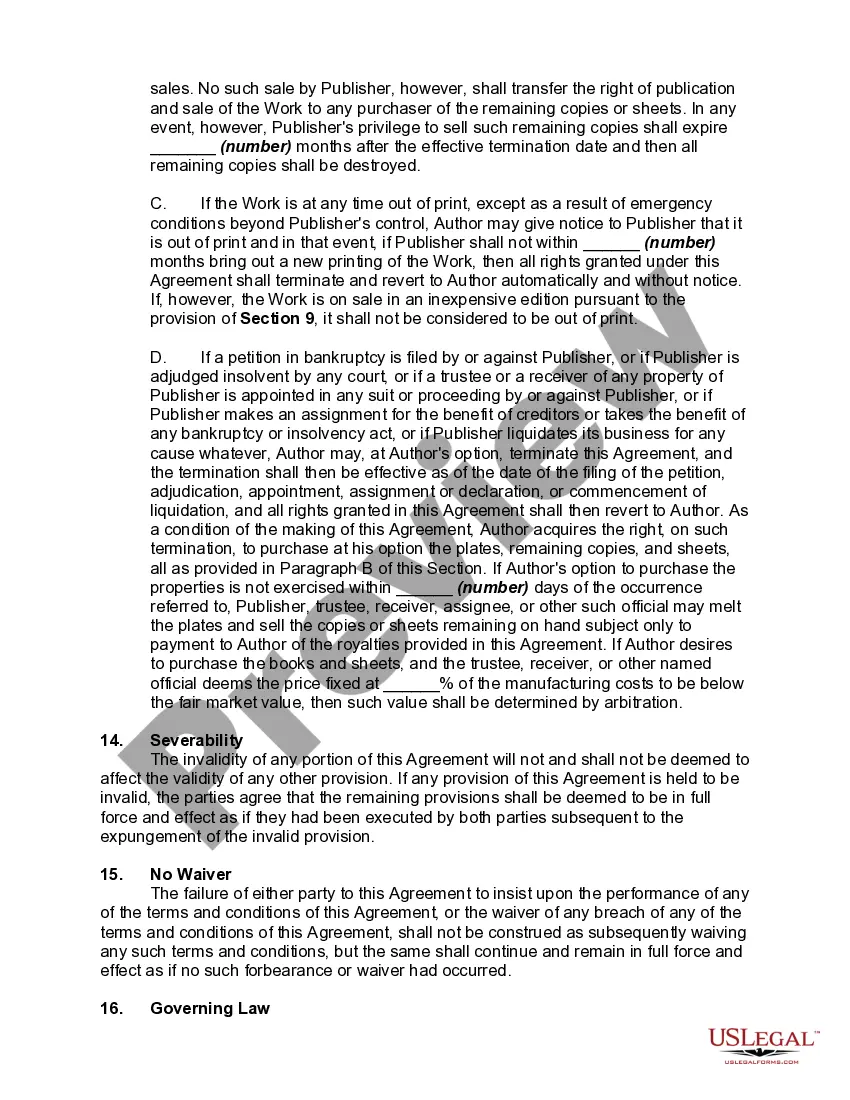
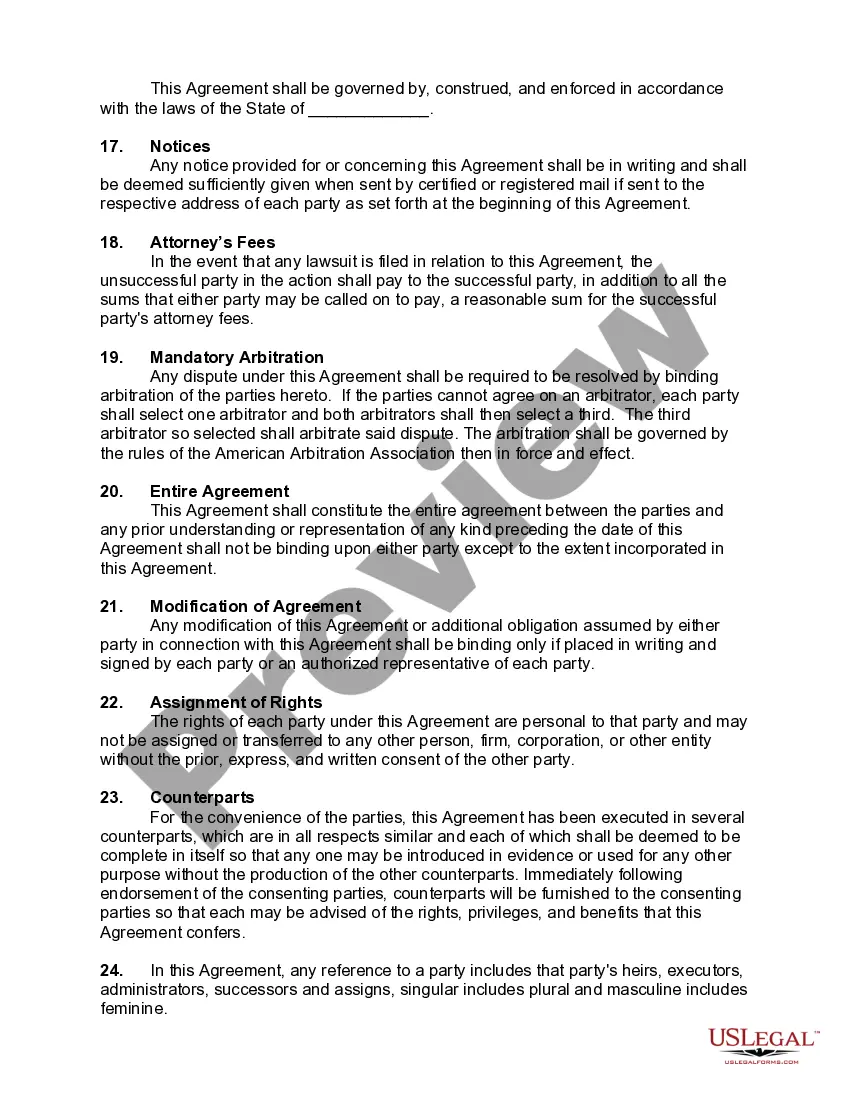
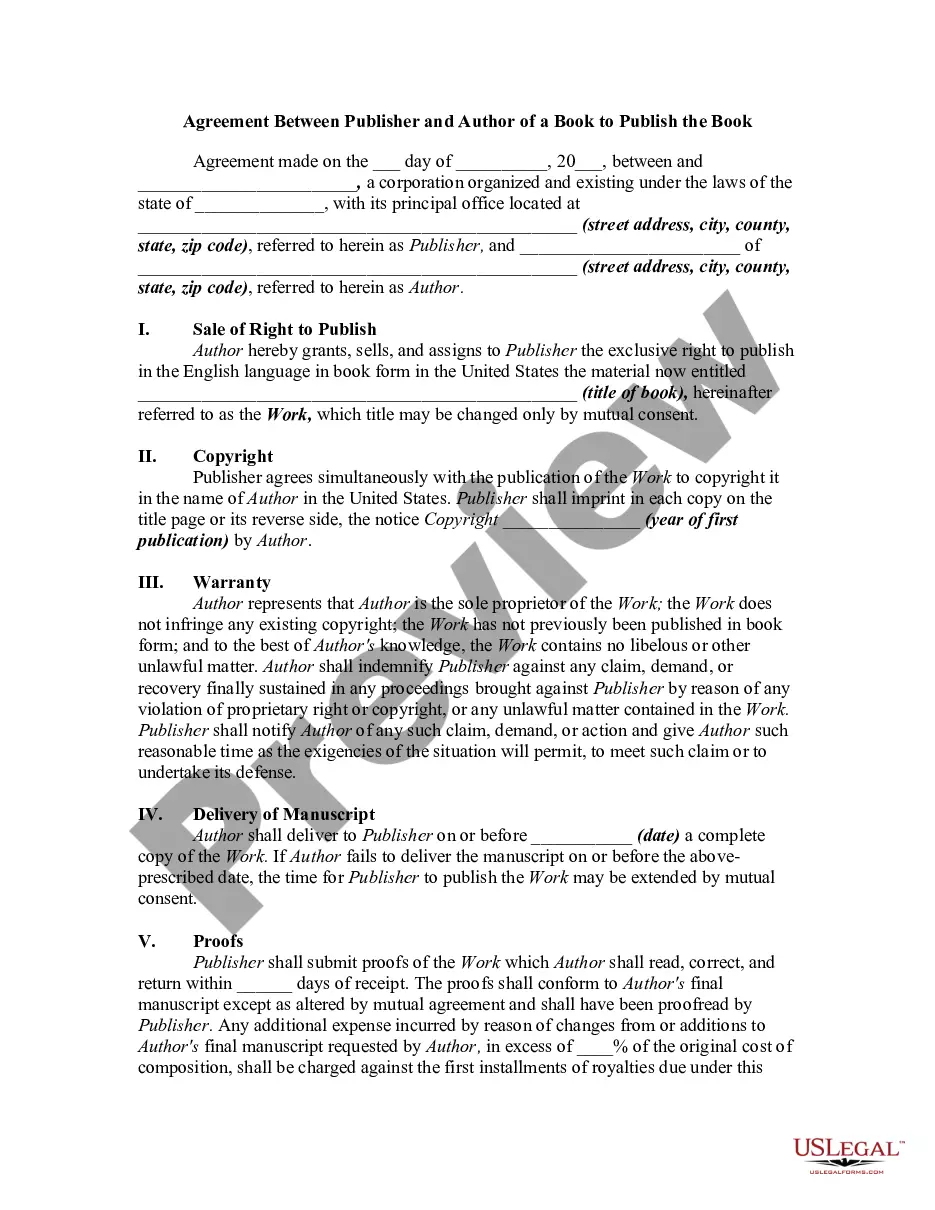
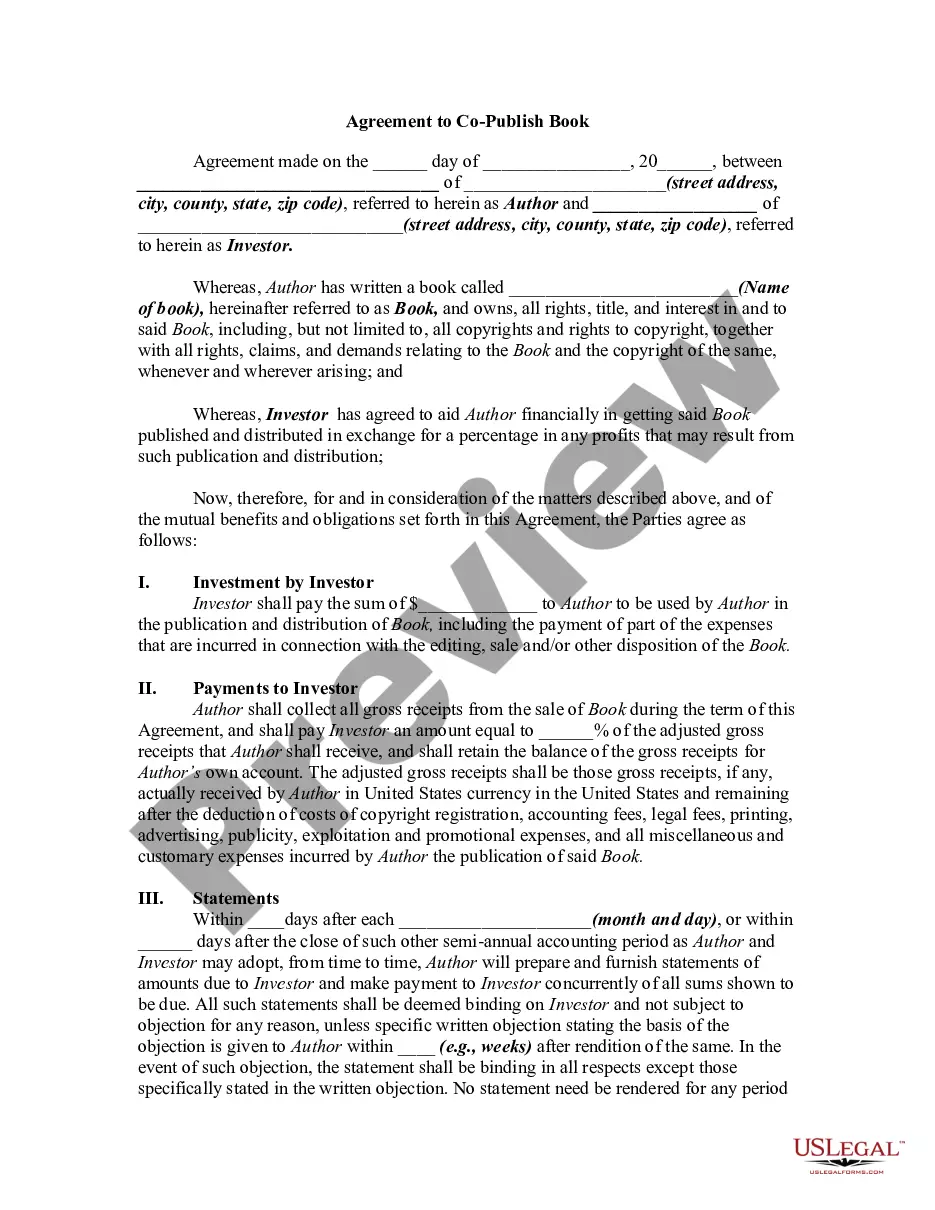
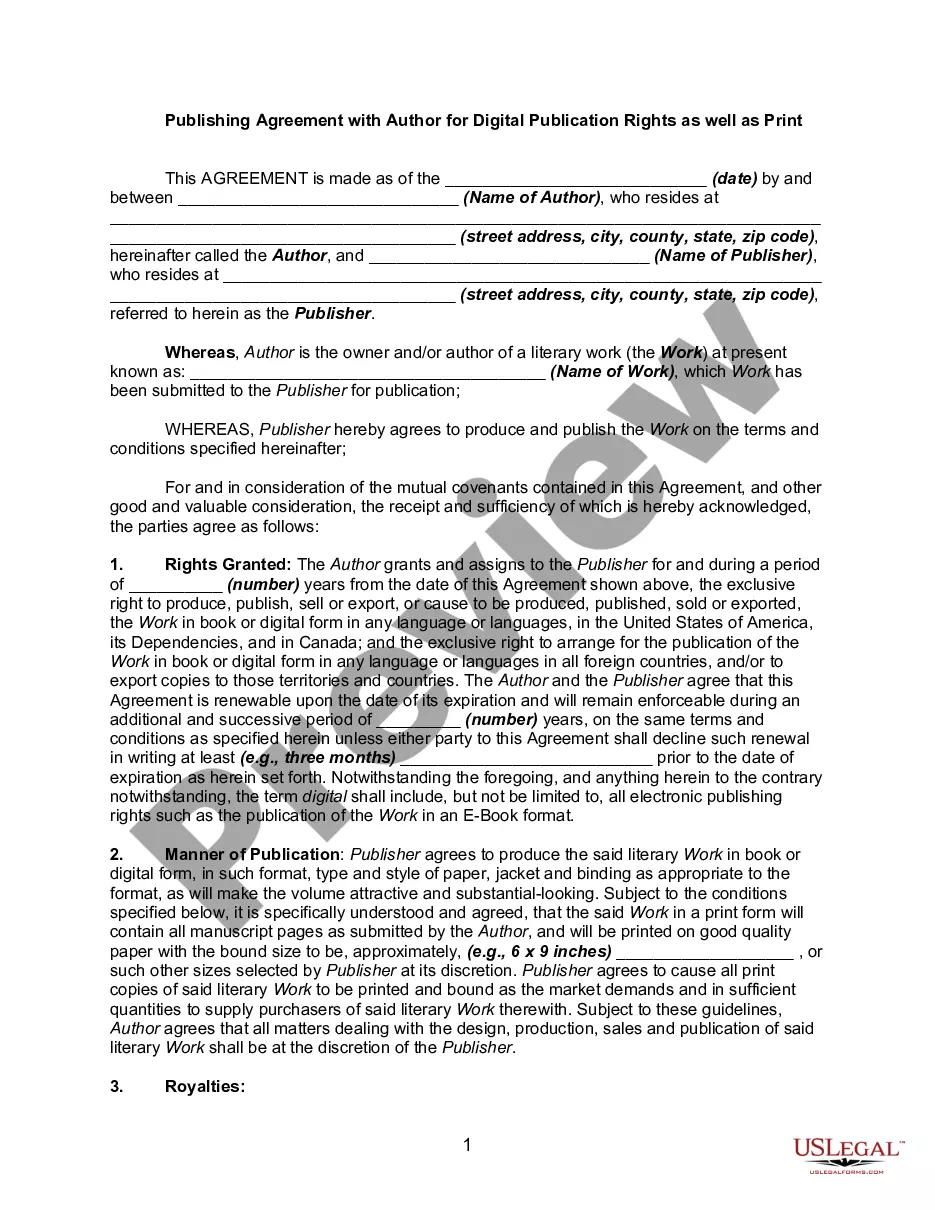
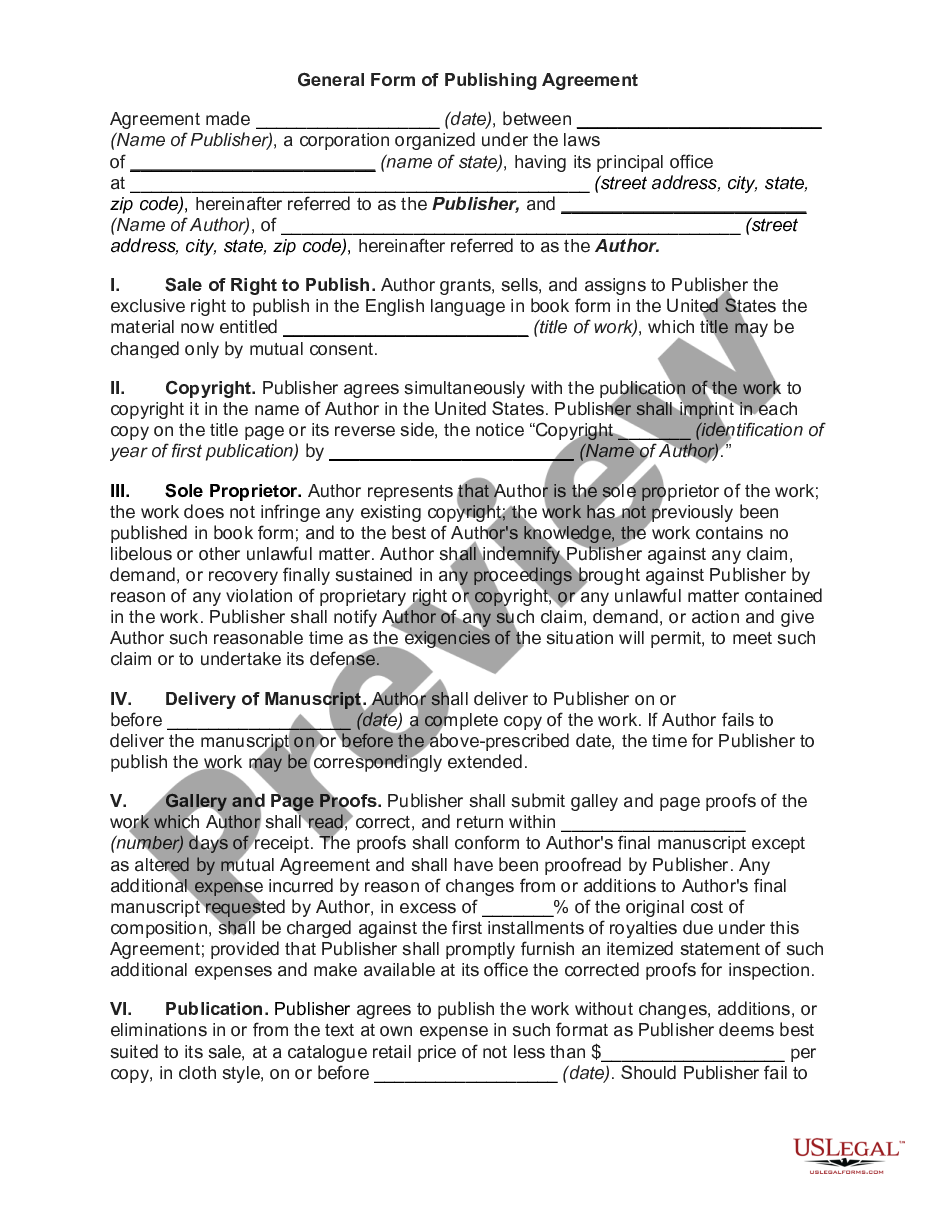
The Book Publishing Contract is a legal agreement between an author and a publisher. It outlines the terms and conditions under which the publisher can publish and distribute the author's work. This form ensures that both parties understand their rights and obligations, including copyright ownership and royalty payments. Unlike general publishing agreements, this contract specifically addresses the sale of publishing rights for a specific work, making it essential for authors looking to protect their intellectual property while enabling their work to reach a wider audience.
Key parts of this document
- Date of agreement and parties involved (Author and Publisher).
- Grant of exclusive publishing rights to the Publisher.
- Author's warranty regarding originality and copyright status of the work.
- Delivery timeline for the manuscript and review of proofs.
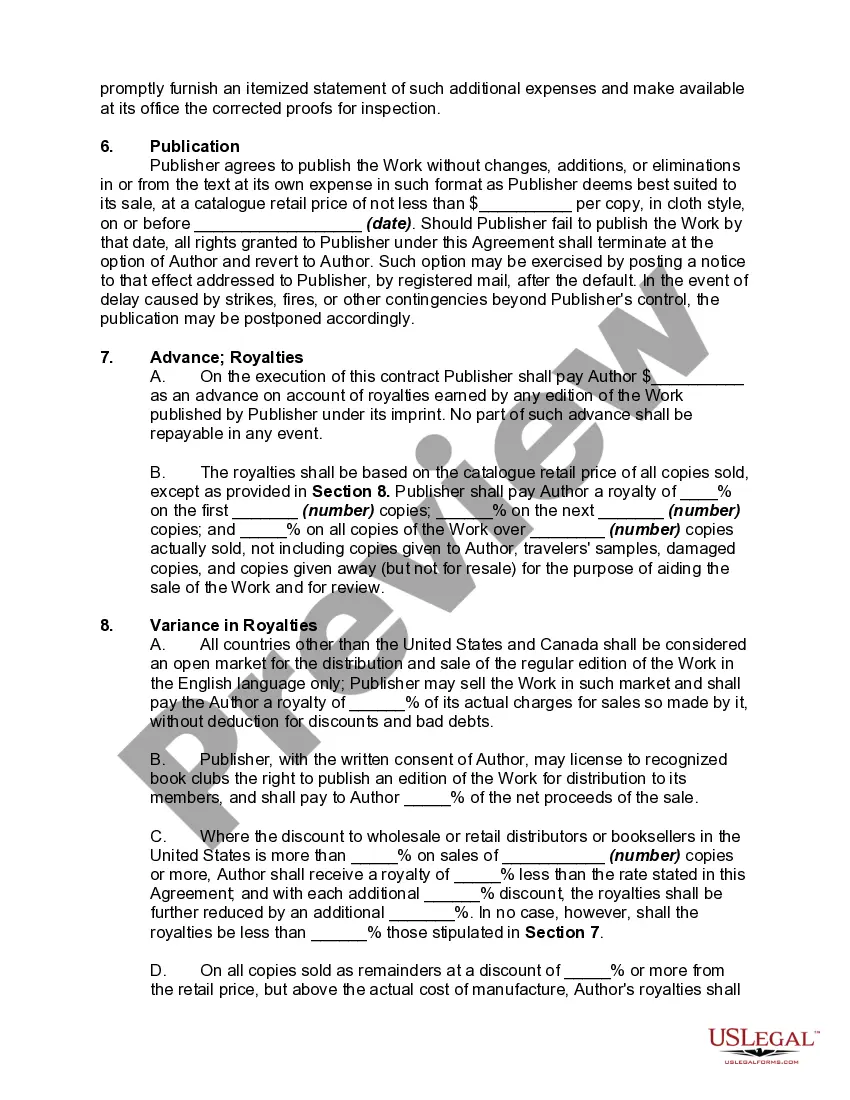
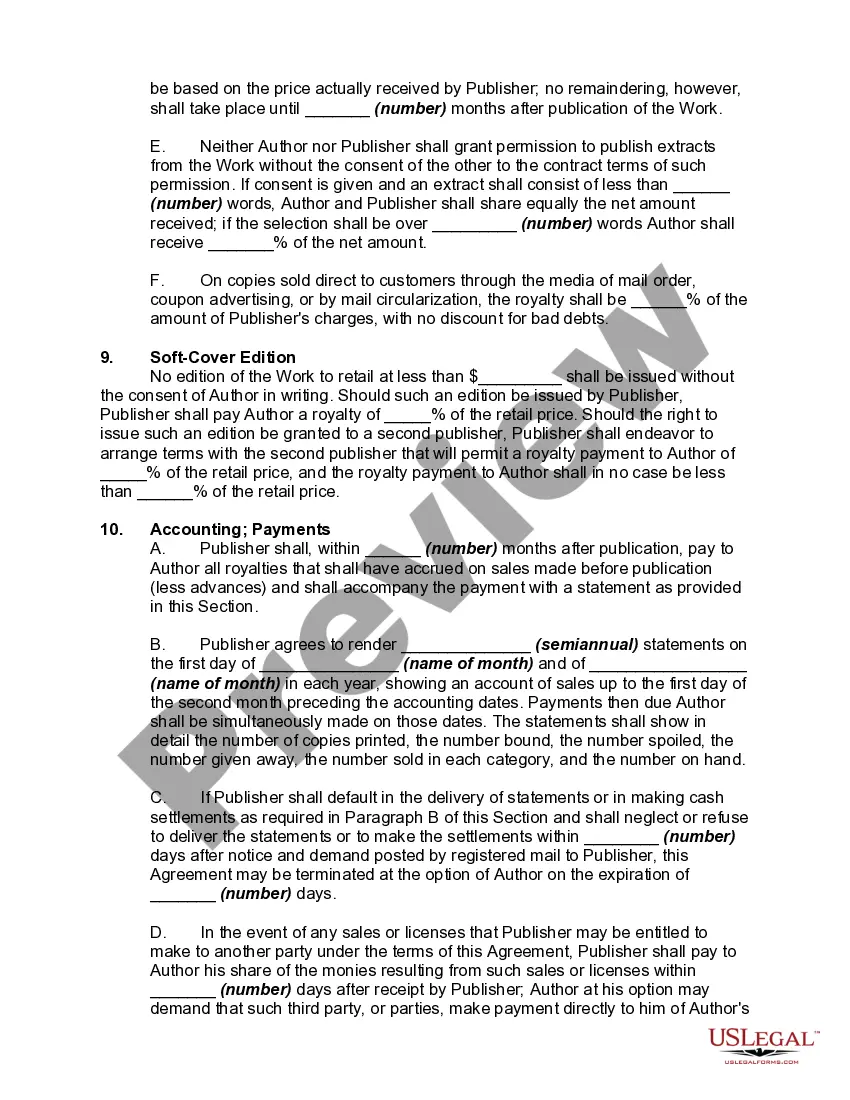
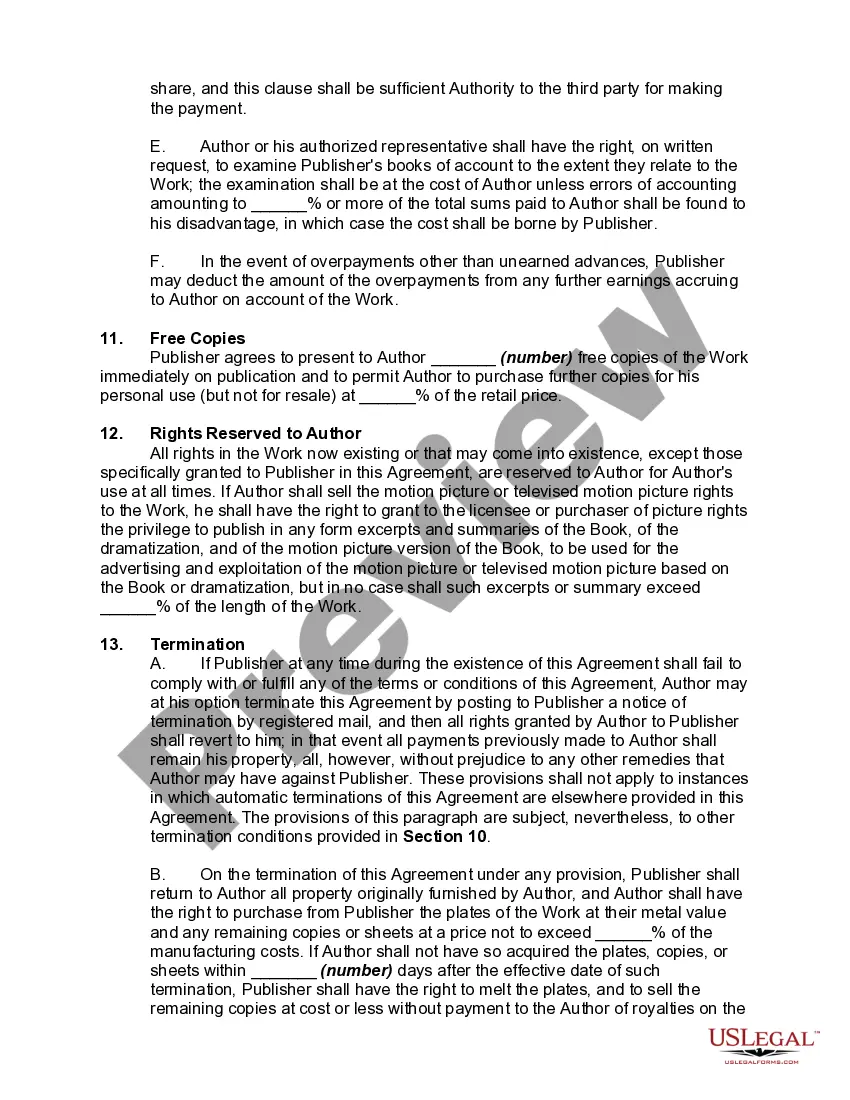
- Terms related to royalty payments and advances.
- Conditions for publication, including pricing and rights termination.

When to use this document
This Book Publishing Contract should be used when an author is ready to publish a book and is seeking to establish a formal agreement with a publisher. It is applicable when the author has completed their manuscript and wants to protect their rights while ensuring fair compensation for their work. Authors should also use this contract when negotiating terms that will govern their relationship with the publisher, including royalties, promotional rights, and publication timelines.
Intended users of this form
- Authors looking to publish their original works.
- Independent publishers seeking to formalize their contracts with authors.
- Writers who want to ensure their copyright and royalties are protected.
- Agents representing authors in publishing agreements.
Instructions for completing this form
- Identify the parties involved, entering the names and addresses of both the Author and Publisher.
- Specify the title of the work and the date of agreement.
- Detail the rights being granted, including exclusivity and geographical limitations.
- Enter the publication and manuscript delivery deadlines.
- Outline royalty rates, advance payments, and any additional costs.
- Ensure both parties sign the contract to formalize the agreement.
Notarization guidance
This form does not typically require notarization unless specified by local law. It is advisable to verify local requirements regarding notarization to ensure legal enforceability.
Get your form ready online
Our built-in tools help you complete, sign, share, and store your documents in one place.
Make edits, fill in missing information, and update formatting in US Legal Forms—just like you would in MS Word.
Download a copy, print it, send it by email, or mail it via USPS—whatever works best for your next step.
Sign and collect signatures with our SignNow integration. Send to multiple recipients, set reminders, and more. Go Premium to unlock E-Sign.
If this form requires notarization, complete it online through a secure video call—no need to meet a notary in person or wait for an appointment.
We protect your documents and personal data by following strict security and privacy standards.

Make edits, fill in missing information, and update formatting in US Legal Forms—just like you would in MS Word.

Download a copy, print it, send it by email, or mail it via USPS—whatever works best for your next step.

Sign and collect signatures with our SignNow integration. Send to multiple recipients, set reminders, and more. Go Premium to unlock E-Sign.

If this form requires notarization, complete it online through a secure video call—no need to meet a notary in person or wait for an appointment.

We protect your documents and personal data by following strict security and privacy standards.
Common mistakes to avoid
- Failing to clarify the copyright ownership terms.
- Omitting specific publication dates or deadlines.
- Not detailing the royalty payment structure clearly.
- Neglecting to sign the contract or have it witnessed if required.
Why complete this form online
- Immediate access to a legally vetted contract template.
- Ability to download and edit the form as needed.
- Convenient and fast process for both parties.
- Clear and comprehensive terms that protect both the author and publisher.
Legal use & context
- The agreement is legally binding once signed by both parties.
- Ensures copyright protection for the author, safeguarding their intellectual property rights.
- Clarifies obligations, minimizing the risk of misinterpretation or disputes over terms.
Quick recap
- The Book Publishing Contract is essential for protecting an author's rights when publishing.
- It outlines key terms, including copyright, royalties, and publication timelines.
- Both authors and publishers should thoroughly review the agreement to ensure mutual understanding.
Looking for another form?

Form popularity
FAQ
Self-published authors can make between 40% 60% royalties on a single book sale while traditionally published authors usually make between 10%-12% royalties. First-time authors who want to traditionally publish can get an advance, which is usually $10,000 (usually not that much more for a first-timer).
Some of the most essential clauses of a standard (boilerplate) book publishing contract are: Grant of Rights, Subsidiary Rights, Delivery and Acceptance, Publication, Copyright, Advance (if there is any), Royalties, and Out of Print.
Go to writers conferences where agents appear, search their websites, find their names in the acknowledgment pages of books you like, find a friend who has a good agent, and subscribe to Publisher's Marketplace for the latest book deals between agents and editors.
Decide Why You Want to Publish a Book. Write Your Book. Get Feedback Before Publishing Your Book. Choose a Book Title. Hire a Great Book Editor. Design a Book Cover that Converts. Create Your Kindle Direct Publishing Account. Format and Upload your Book.
Pay a standard royalty on hardcover books: 10% of the book's retail price on the first 5000 copies sold, 12.5% on the next 5000 copies sold, and 15% thereafter. Royalties for most trade-paper books are 7.5% of the retail price, and mass market books pay a bit less than that.
The average author with a first-time book deal can expect to receive an advance of $5,000 to $15,000. Once your book is released, you won't see another dime until you have earned back that advance$1.25 at a timeuntil the advance is paid back in full.
Typically, an author can expect to receive the following royalties: Hardback edition: 10% of the retail price on the first 5,000 copies; 12.5% for the next 5,000 copies sold, then 15% for all further copies sold. Paperback: 8% of retail price on the first 150,000 copies sold, then 10% thereafter.
Under standard royalties, an author gets roughly 20 to 30% of the publisher's revenue for a hardcover, 15% for a trade paperback, and 25% for an eBook. So, very roughly, every hardcover release that earns out brings the author something like 25% of all revenue earned by the publisher.