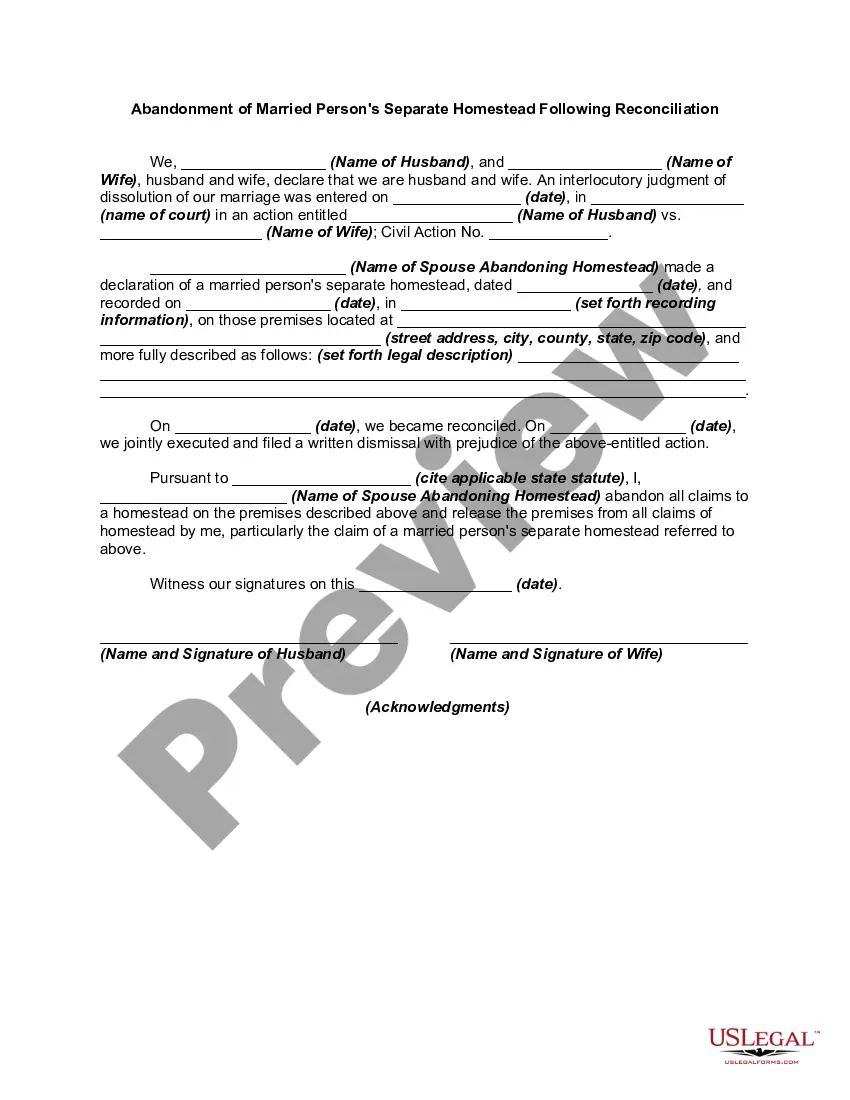
Abandonment of Married Person's Separate Homestead Following Reconciliation
What is this form?
The Abandonment of Married Person's Separate Homestead Following Reconciliation form is a legal document used by married couples to formally declare the abandonment of a homestead property after reconciling. This form differs from other homestead-related documents as it specifically addresses the situation where a couple has previously divorced or separated but has reconciled and wishes to clarify their homestead rights. By using this form, couples can avoid future disputes regarding property claims and establish a clear understanding of their intentions regarding the homestead property.
Key components of this form
- Names of both spouses involved in the declaration.
- Date of the interlocutory judgment of dissolution of marriage.
- Details of the homestead declaration, including recording information.
- Date of reconciliation between the spouses.
- Joint execution date of the written dismissal of the divorce action.
- Legal release of claims to the homestead property by the abandoning spouse.
- Signature section for both spouses and acknowledgment space.
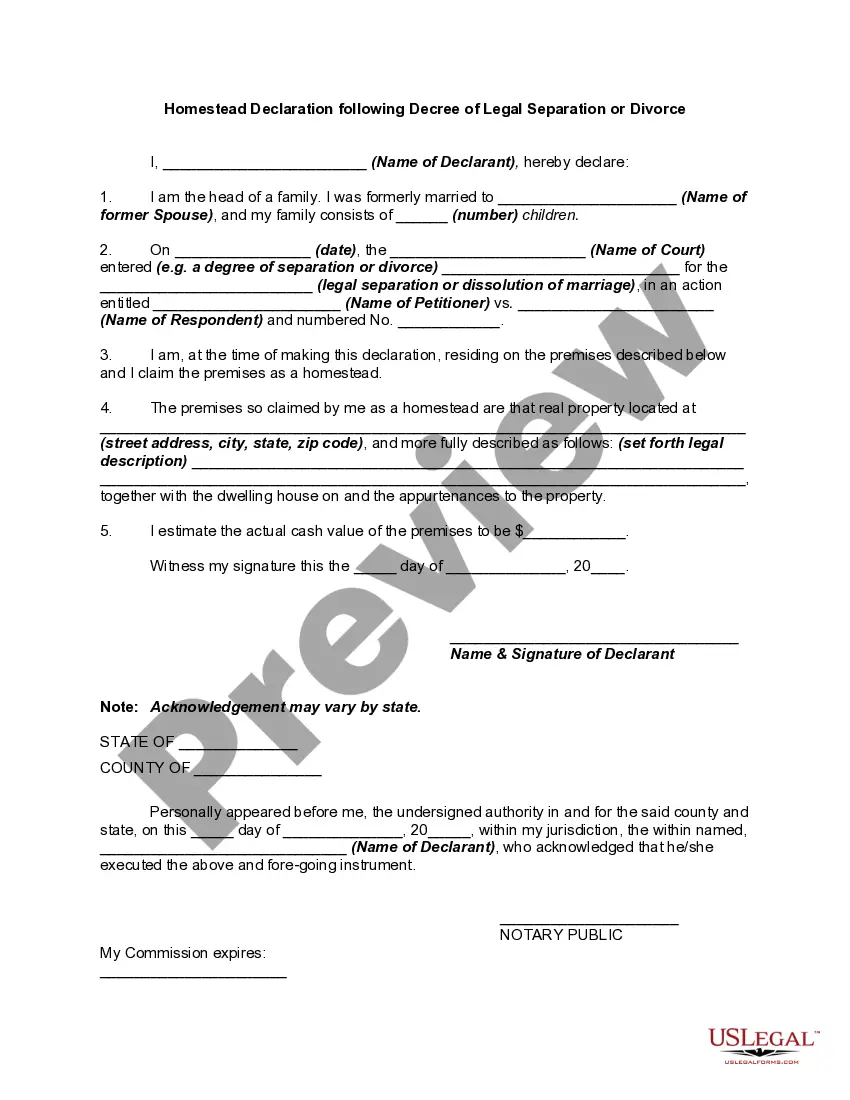

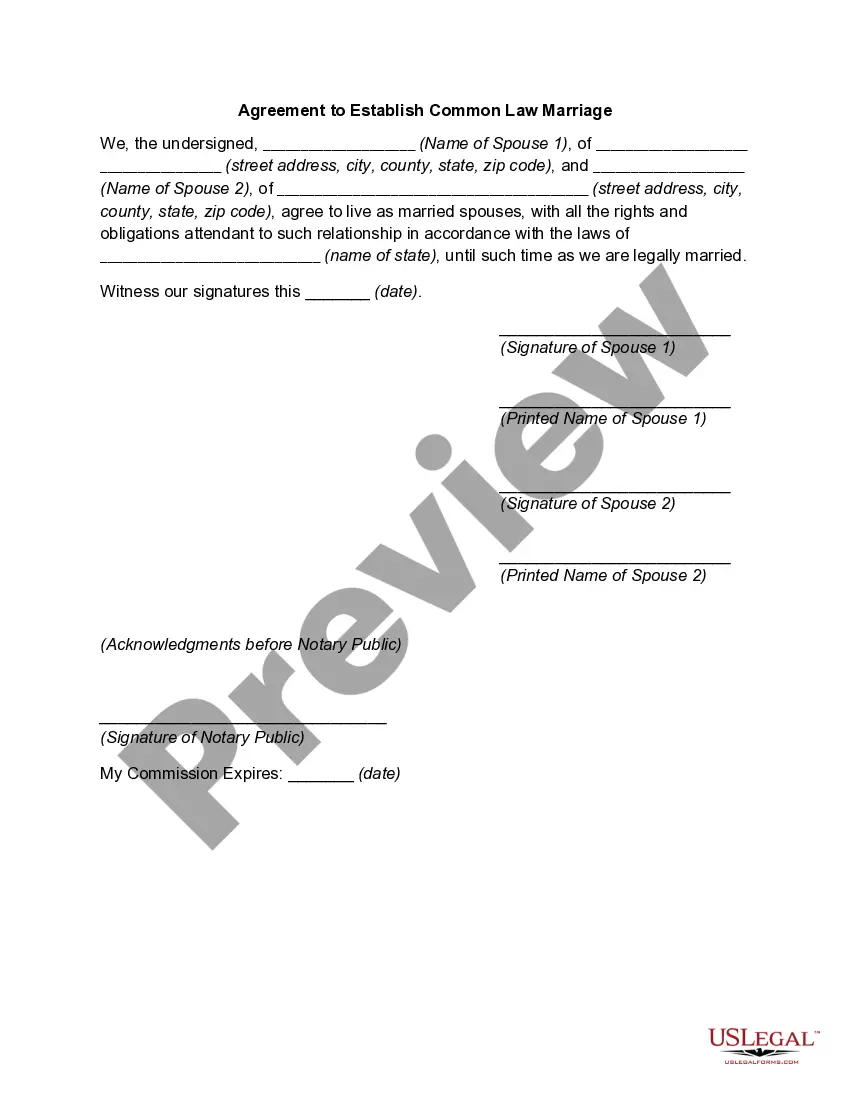
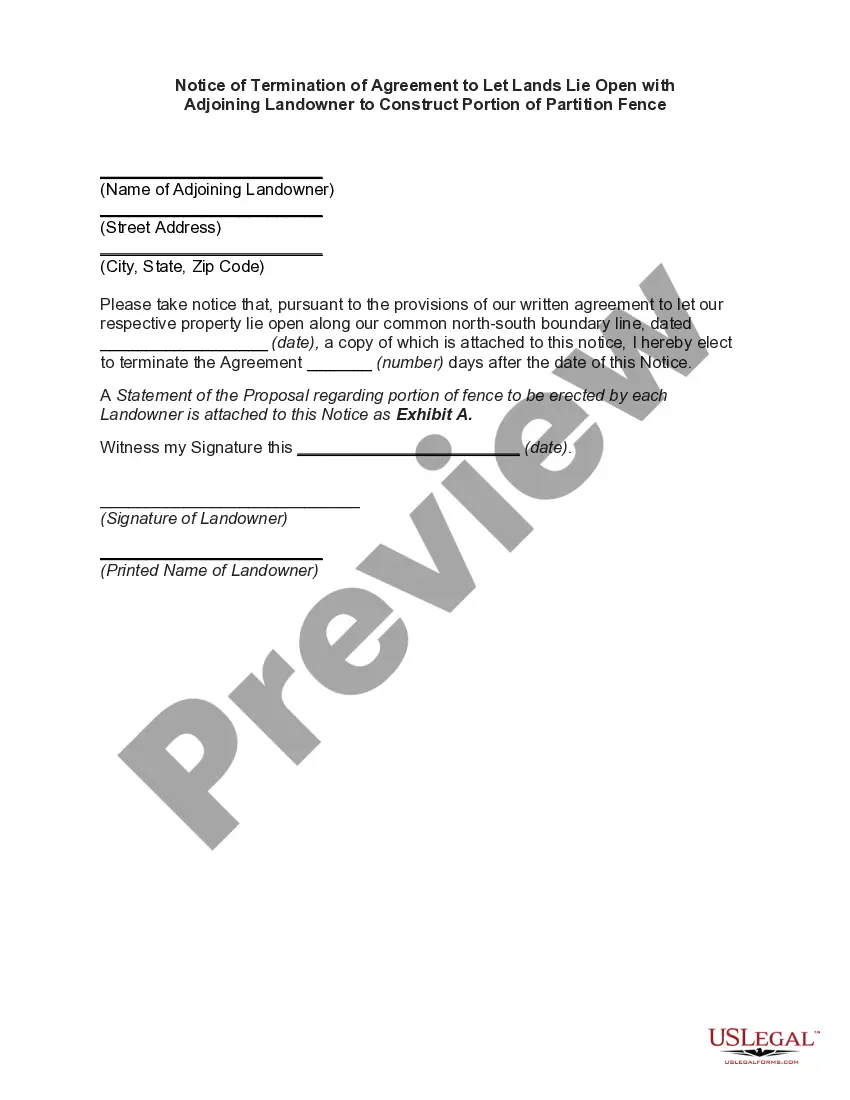
When this form is needed
This form should be used when a married couple has reconciled after a period of separation or divorce and wishes to abandon a previously declared separate homestead property. It is particularly necessary when one spouse previously declared a homestead but now wants to release their claims after reconciliation, ensuring both parties agree on their intentions concerning the property. Using this form helps prevent future legal disputes about the homestead status.
Intended users of this form
- Married couples who have reconciled after a divorce or legal separation.
- Spouses seeking to formally abandon claims to a homestead property.
- Individuals needing to clarify property rights and intentions after reconciliation.
Steps to complete this form
- Identify and enter the names of both spouses at the beginning of the form.
- Provide the date and details of the original dissolution judgment.
- Clearly describe the homestead property, including its street address and legal description.
- Indicate the date of reconciliation between the spouses.
- Fill in the date of filing the written dismissal of the divorce action.
- Both spouses must sign the document, witnessing the abandonment of the homestead claim.
Does this document require notarization?
Notarization is not commonly needed for this form. However, certain documents or local rules may make it necessary. Our notarization service, powered by Notarize, allows you to finalize it securely online anytime, day or night.
Get your form ready online
Our built-in tools help you complete, sign, share, and store your documents in one place.
Make edits, fill in missing information, and update formatting in US Legal Forms—just like you would in MS Word.
Download a copy, print it, send it by email, or mail it via USPS—whatever works best for your next step.
Sign and collect signatures with our SignNow integration. Send to multiple recipients, set reminders, and more. Go Premium to unlock E-Sign.
If this form requires notarization, complete it online through a secure video call—no need to meet a notary in person or wait for an appointment.
We protect your documents and personal data by following strict security and privacy standards.

Make edits, fill in missing information, and update formatting in US Legal Forms—just like you would in MS Word.

Download a copy, print it, send it by email, or mail it via USPS—whatever works best for your next step.

Sign and collect signatures with our SignNow integration. Send to multiple recipients, set reminders, and more. Go Premium to unlock E-Sign.

If this form requires notarization, complete it online through a secure video call—no need to meet a notary in person or wait for an appointment.

We protect your documents and personal data by following strict security and privacy standards.
Typical mistakes to avoid
- Failing to include both spouses' names and signatures.
- Neglecting to accurately describe the property or provide the correct legal description.
- Using a wrong date for the reconciliation or the court judgment.
- Not filing the document with the appropriate court or local authority if required by state law.
Benefits of completing this form online
- Convenience of downloading and completing the form at your own pace.
- Access to accurate legal language drafted by licensed attorneys.
- Immediate availability, removing the need for in-person visits to a lawyer's office.
- Ability to edit the form as needed before finalizing and signing.
Legal use & context
- This form serves to prevent ambiguity over property claims post-reconciliation.
- Abandonment of homestead claims must align with state homestead laws for proper enforcement.
Looking for another form?



Form popularity
FAQ
One such fault ground is willful desertion and abandonment. In order for a party to prove willful desertion or abandonment he/she must prove (1) that the deserting spouse intended to end the marriage; (2) that the deserted spouse did nothing to justify the desertion; and (3) the desertion was against the wishes of
What is Considered Abandonment in a Marriage? Marital abandonment occurs when one spouse deliberately severs all ties with his or her family with no intention of returning. This includes no longer taking care of financial obligations and support without a good reason.
Filing a divorce using abandonment as the ground for your request, you'll first need to file a petition for divorce with your local court. It's important to review your state's residency requirements, which often require you or your spouse to live in the state for a specific period of time before you file.
A spouse who leaves the marital home after an argument and remains gone for days or even weeks has not legally abandoned the spouse if he or she returns. Spousal abandonment is a desertion without cause that continues for a specific length of time, usually one year.
Spousal abandonment, also known as desertion, refers to the deliberate abandonment of a spouse with the intention of ending the marriage and without justification.The spouse that left did so without justification. The spouse that remains in the marital home did not consent to the separation.
What Is Considered Marital Abandonment? Legally, an individual is required to take care of an ailing dependent spouse or any minor children. If the spouse leaves the family and is unreachable or refuses to take care of the family financially, this can be considered criminal spousal abandonment.
The Family Law Act 1996 also grants the following home rights: The right to stay in your home unless a court order excludes it. The right to ask the court to enable you to return to your home (if you have moved out) The right to know of any repossession action taken out by your mortgage lender.