Report to Creditor by Collection Agency Regarding Judgment Against Debtor
What this document covers
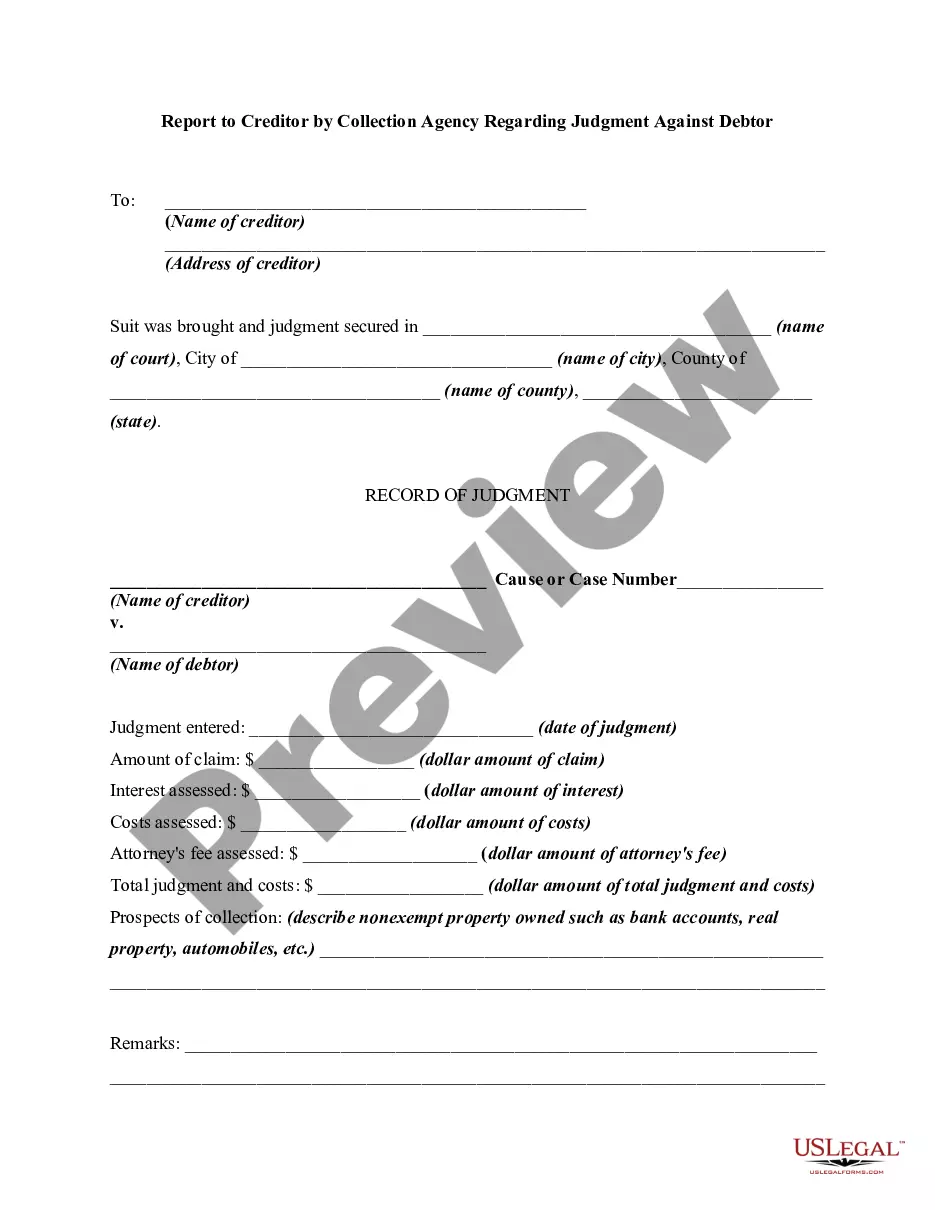
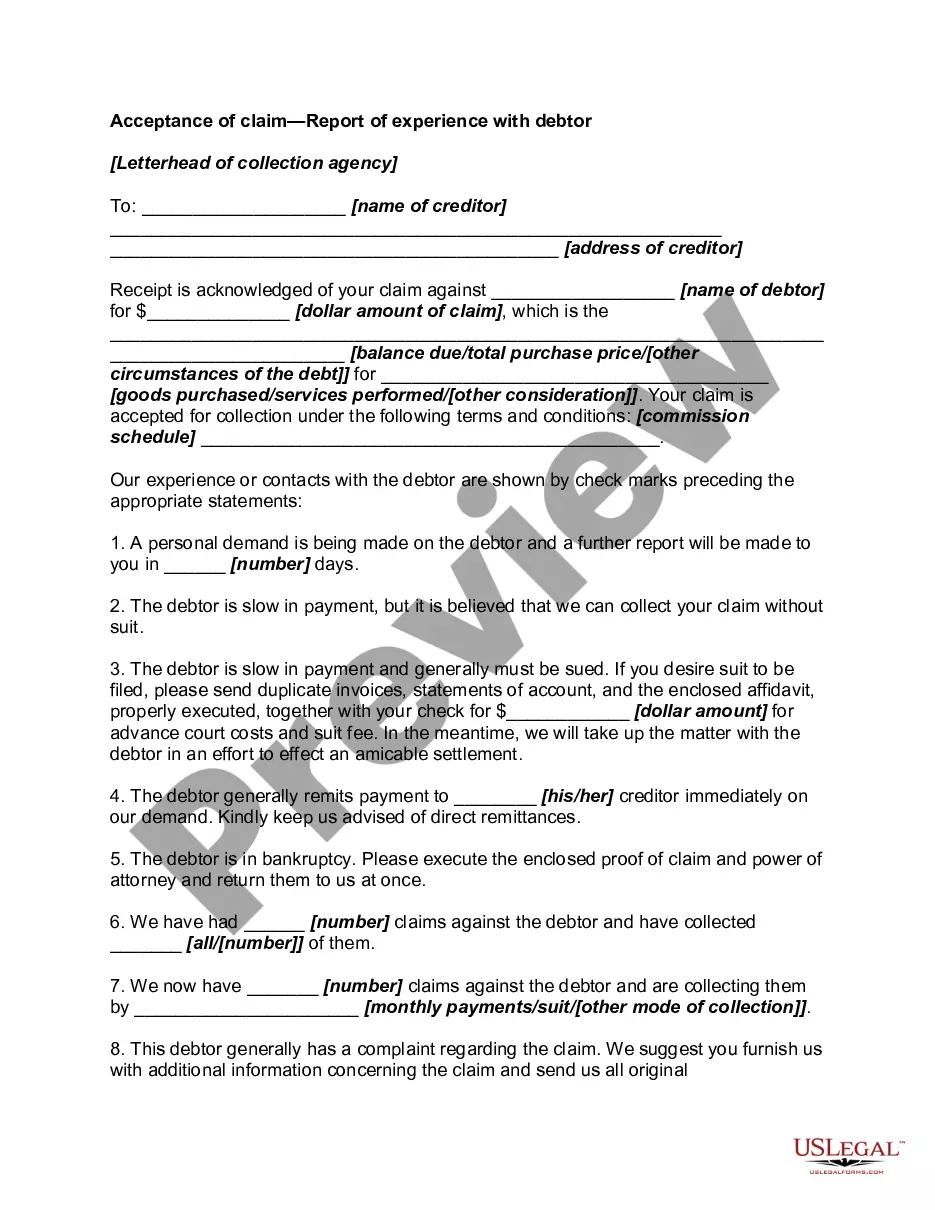
The Report to Creditor by Collection Agency Regarding Judgment Against Debtor is a legal document used by collection agencies to inform creditors about the details of a judgment secured against a debtor. This form is crucial for creditors to understand the status of debt collection efforts, including the amount awarded by the court and information about the debtor's nonexempt properties. It differs from similar forms in that it specifically addresses the record of judgments secured and the prospects for collection.
Key parts of this document
- Name and address of the creditor
- Name of the court and jurisdiction details
- Record of judgment including case number
- Detailed breakdown of claim amounts including interest and costs
- Description of debtor's nonexempt property and collection prospects
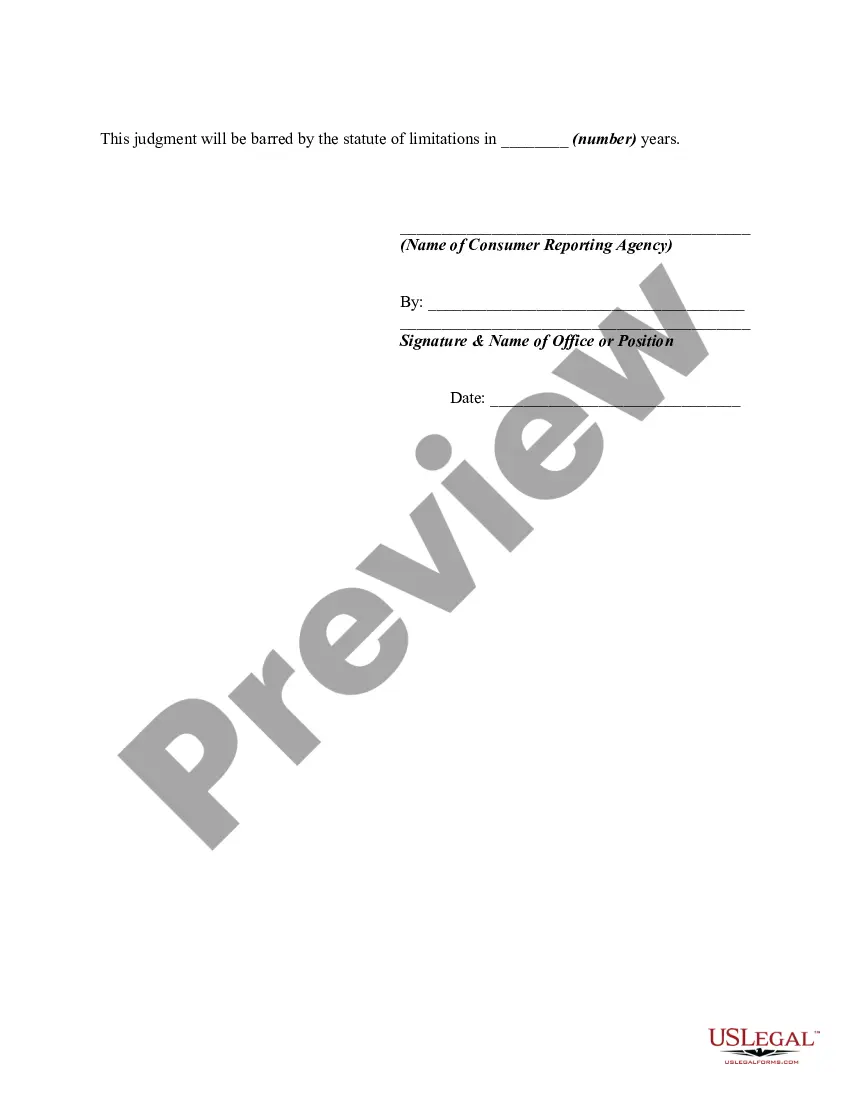
- Signature and position of the reporting agency official
When this form is needed
This form should be used when a collection agency has successfully secured a judgment against a debtor and wishes to report this information to the original creditor. It is essential in situations where the creditor needs to understand what actions have already been taken regarding debt recovery and what the potential for further collection might be.
Who this form is for
- Collection agencies reporting to creditors
- Creditors seeking updates on judgment collections
- Legal professionals involved in debt recovery
Instructions for completing this form
- Identify the creditor by filling in their name and address.
- Provide the name of the court and relevant jurisdiction details.
- List the case number along with the judgment date and details of the claim amounts.
- Describe any nonexempt property owned by the debtor to indicate collection prospects.
- Sign the report and include your title and the date.
Notarization guidance
In most cases, this form does not require notarization. However, some jurisdictions or signing circumstances might. US Legal Forms offers online notarization powered by Notarize, accessible 24/7 for a quick, remote process.
Get your form ready online
Our built-in tools help you complete, sign, share, and store your documents in one place.
Make edits, fill in missing information, and update formatting in US Legal Forms—just like you would in MS Word.
Download a copy, print it, send it by email, or mail it via USPS—whatever works best for your next step.
Sign and collect signatures with our SignNow integration. Send to multiple recipients, set reminders, and more. Go Premium to unlock E-Sign.
If this form requires notarization, complete it online through a secure video call—no need to meet a notary in person or wait for an appointment.
We protect your documents and personal data by following strict security and privacy standards.

Make edits, fill in missing information, and update formatting in US Legal Forms—just like you would in MS Word.

Download a copy, print it, send it by email, or mail it via USPS—whatever works best for your next step.

Sign and collect signatures with our SignNow integration. Send to multiple recipients, set reminders, and more. Go Premium to unlock E-Sign.

If this form requires notarization, complete it online through a secure video call—no need to meet a notary in person or wait for an appointment.

We protect your documents and personal data by following strict security and privacy standards.
Typical mistakes to avoid
- Not including complete creditor information, such as the name and address.
- Failing to accurately report judgment details, including the correct amounts.
- Omitting the description of the debtor's nonexempt properties.
- Not signing the form or providing the position title of the signatory.
Why use this form online
- Convenient access to legal form templates anytime.
- Edit and customize the form easily to fit specific needs.
- Reliable legal assurance with templates drafted by licensed attorneys.
What to keep in mind
- The form is essential for collection agencies and creditors reporting court judgments.
- Accurate completion is crucial for effective debt recovery.
- Always adhere to state-specific requirements when using this form.
Looking for another form?
Form popularity
FAQ
A simple way to collect a judgment is by deducting money out of the debtor's paycheck using a wage garnishment. The debtor must have a decent income because both the federal government and states cap the amount you can take, and certain types of income, like Social Security, are off-limits.
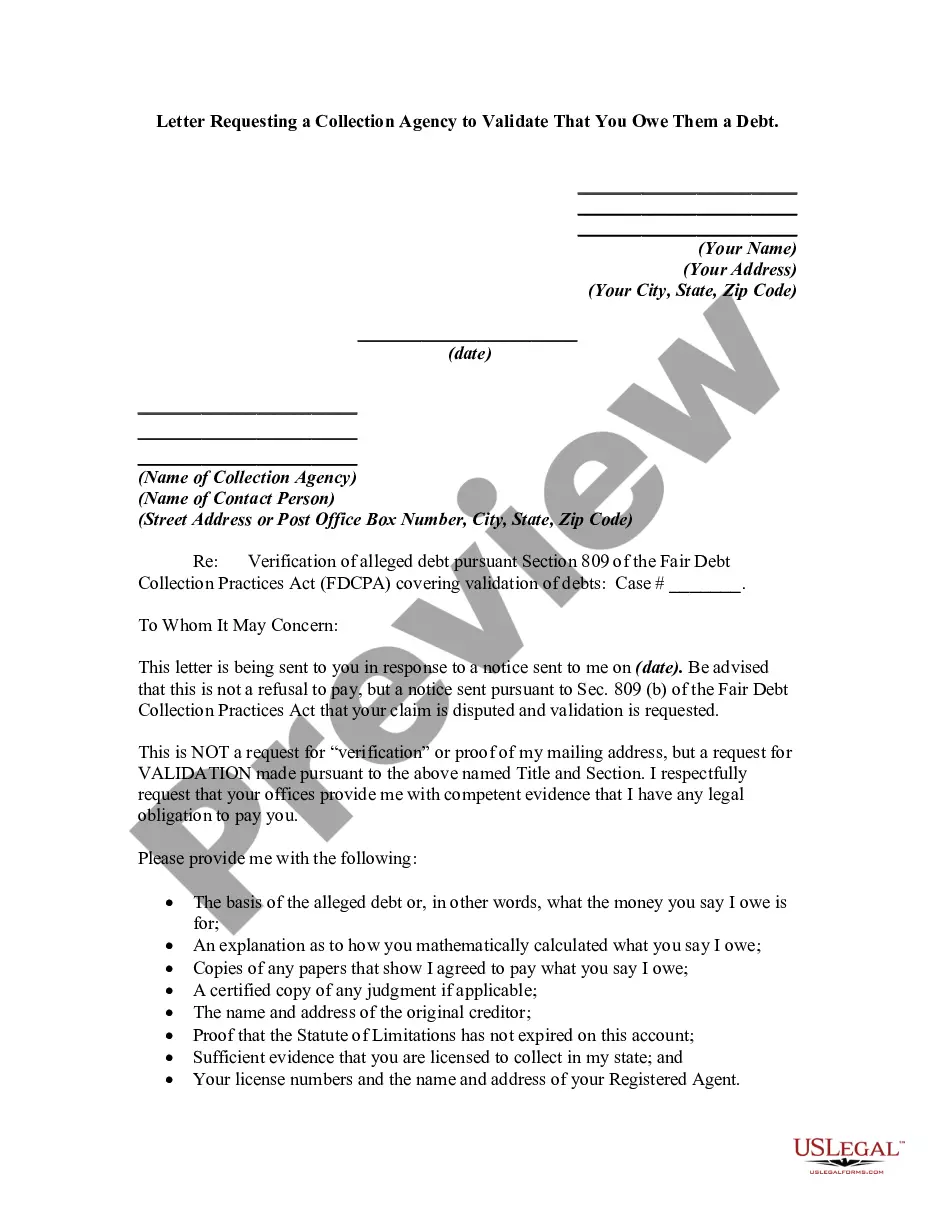
Dear debt collector: I am responding to your contact about collecting a debt. You contacted me by phone/mail, on date and identified the debt as any information they gave you about the debt. You can contact me about this debt, but only in the way I say below.
Collecting a Judgment.Collecting a judgment can be just as challenging as winning the lawsuit in some cases. If the defendant has stable finances, they should pay the judgment uneventfully. If the defendant is going through financial difficulties, on the other hand, you may need to force them to pay you.
In many situations, one of the best ways to collect a judgment after winning a case is to put a lien on the debtor's property. This gives you a claim to the property and, in some cases, the property will be sold at public auction in order to satisfy the debt that is owed.
Before a person or a company to whom you owe money can win a judgment against you, they must first file a lawsuit in court. If you ignore the lawsuit, the court will enter an automatic judgment against you, known as a default judgment.
Give your sheriff or other local official (known as a levying officer) information about the judgment and where the debtor works. This officer will collect the money and give it to you.
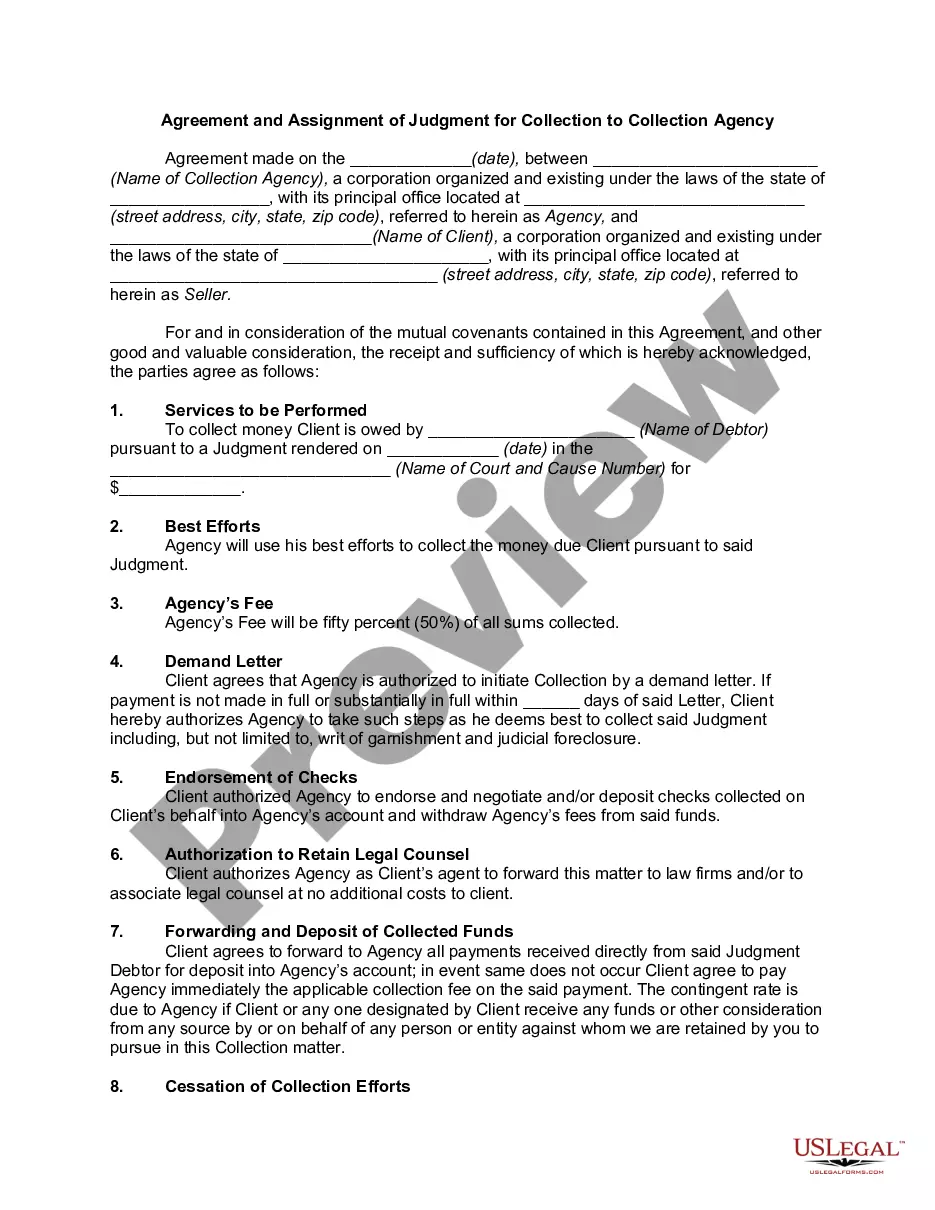
You can ask a lawyer or collection agency to help you collect your judgment. But you may have to pay a percentage of the judgment in fees (some agencies charge only 15 percent or 20 percent). They may also ask you to assign the right to your judgment to them.
The company, creditor or collection agency has legal ways to pursue payment. One of those options is to sue you. If they are successful, the court issues a judgment against you.
Once a creditor has a judgment, there are three primary ways that the creditor may try to collect the judgment amount: garnishments, bank account levies, and liens. A wage garnishment is an earnings withholding order from a court.A judgment creditor can also potentially take the money out of your bank account.