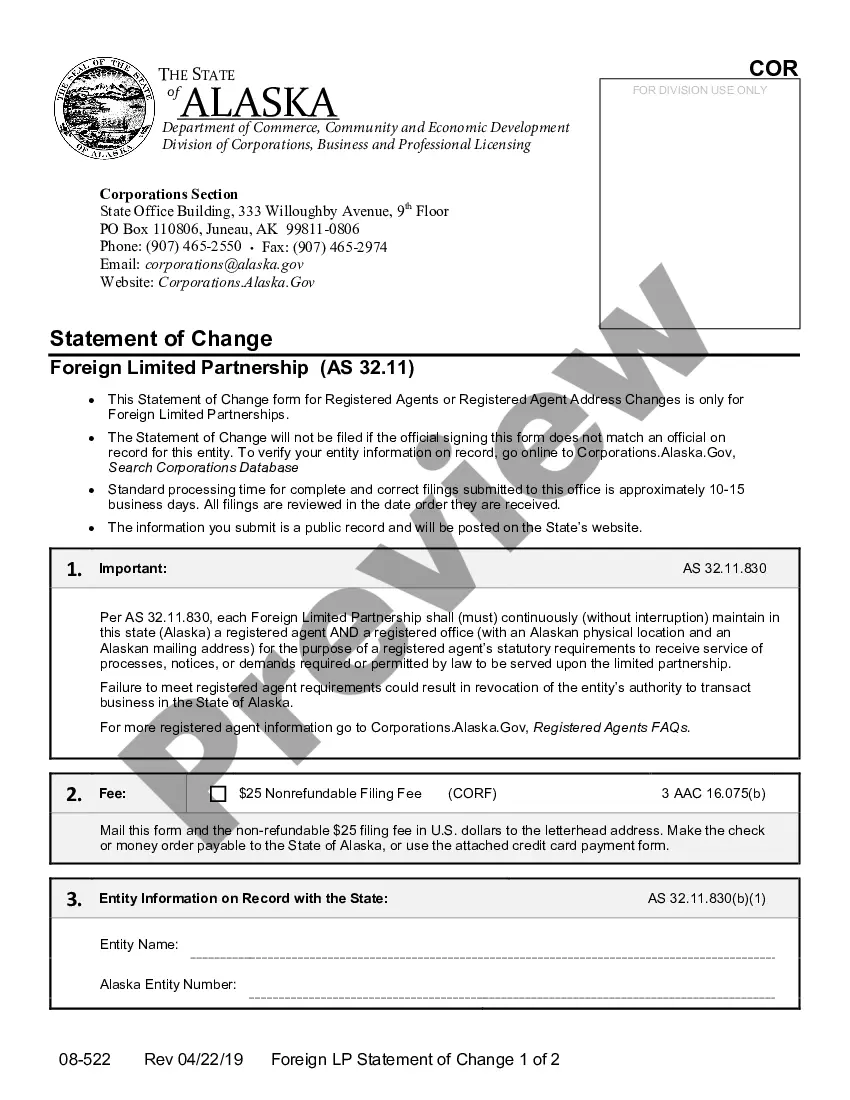
Irrevocable Funeral Trust - Prearranged Funeral Trust Account
Overview of this form
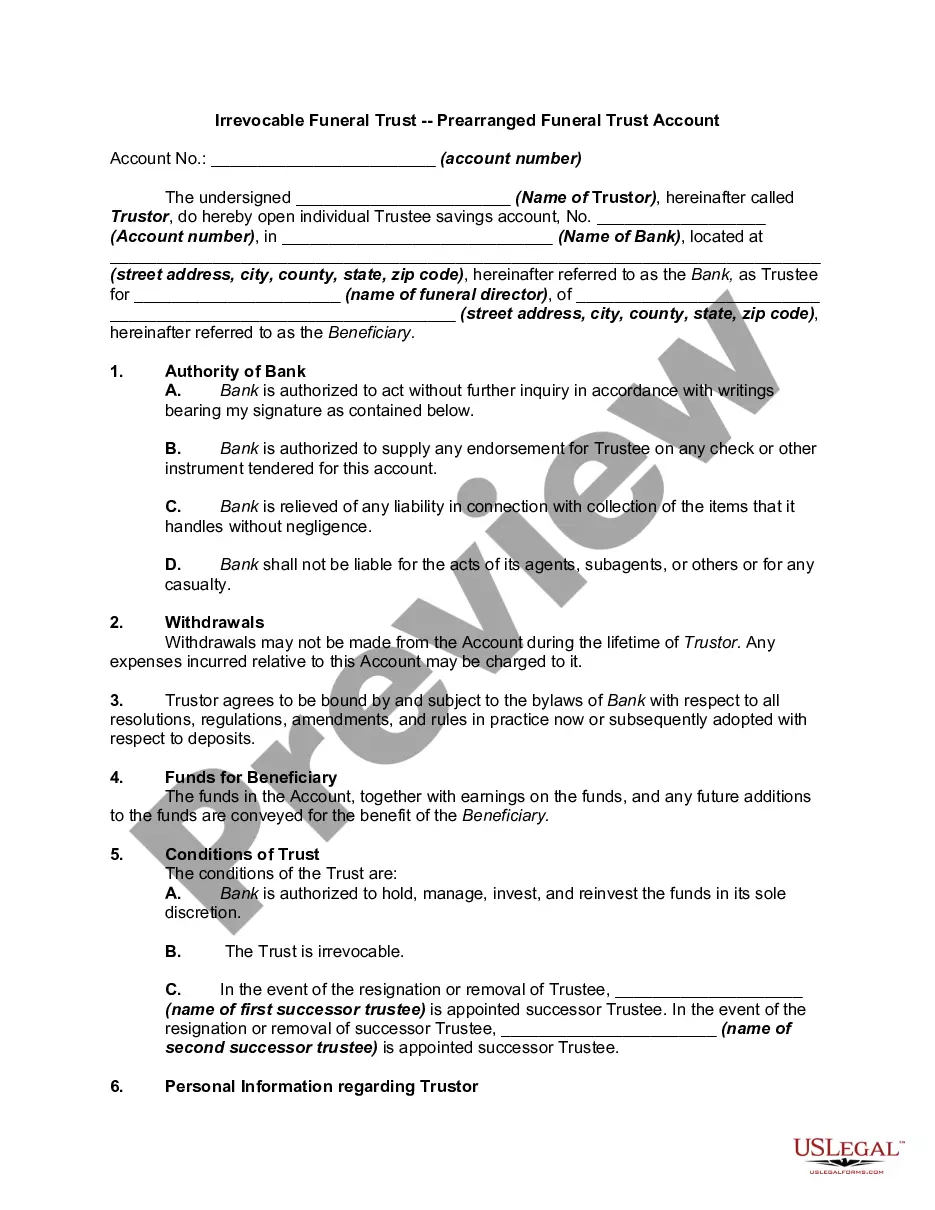
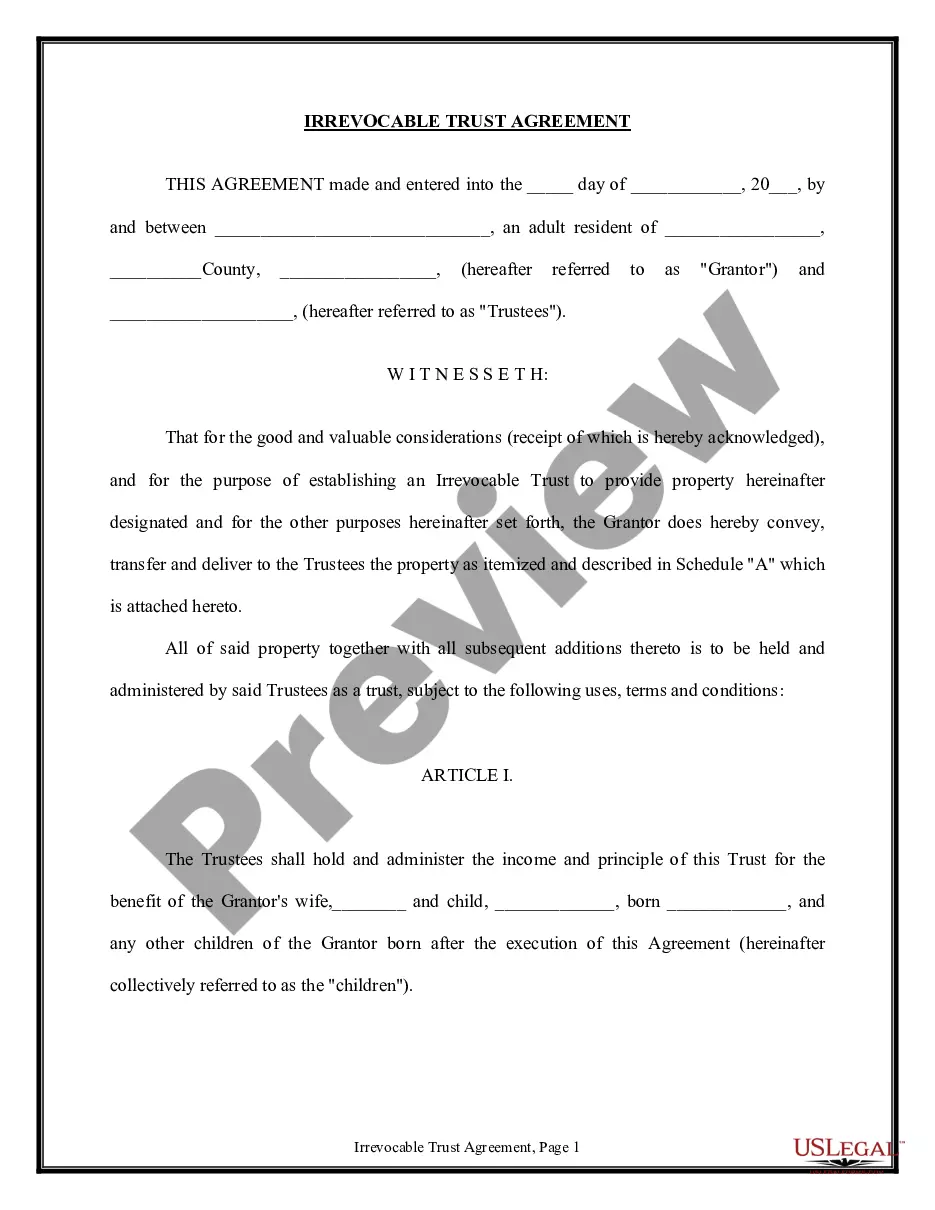
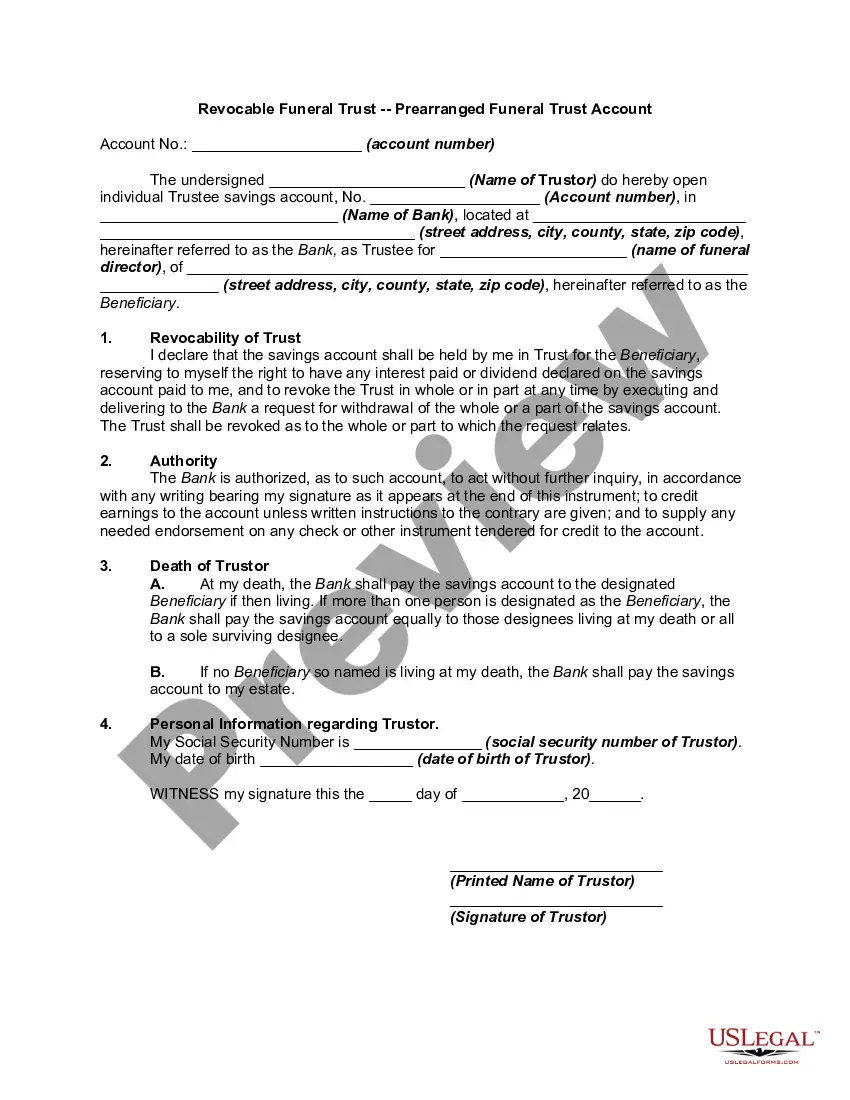
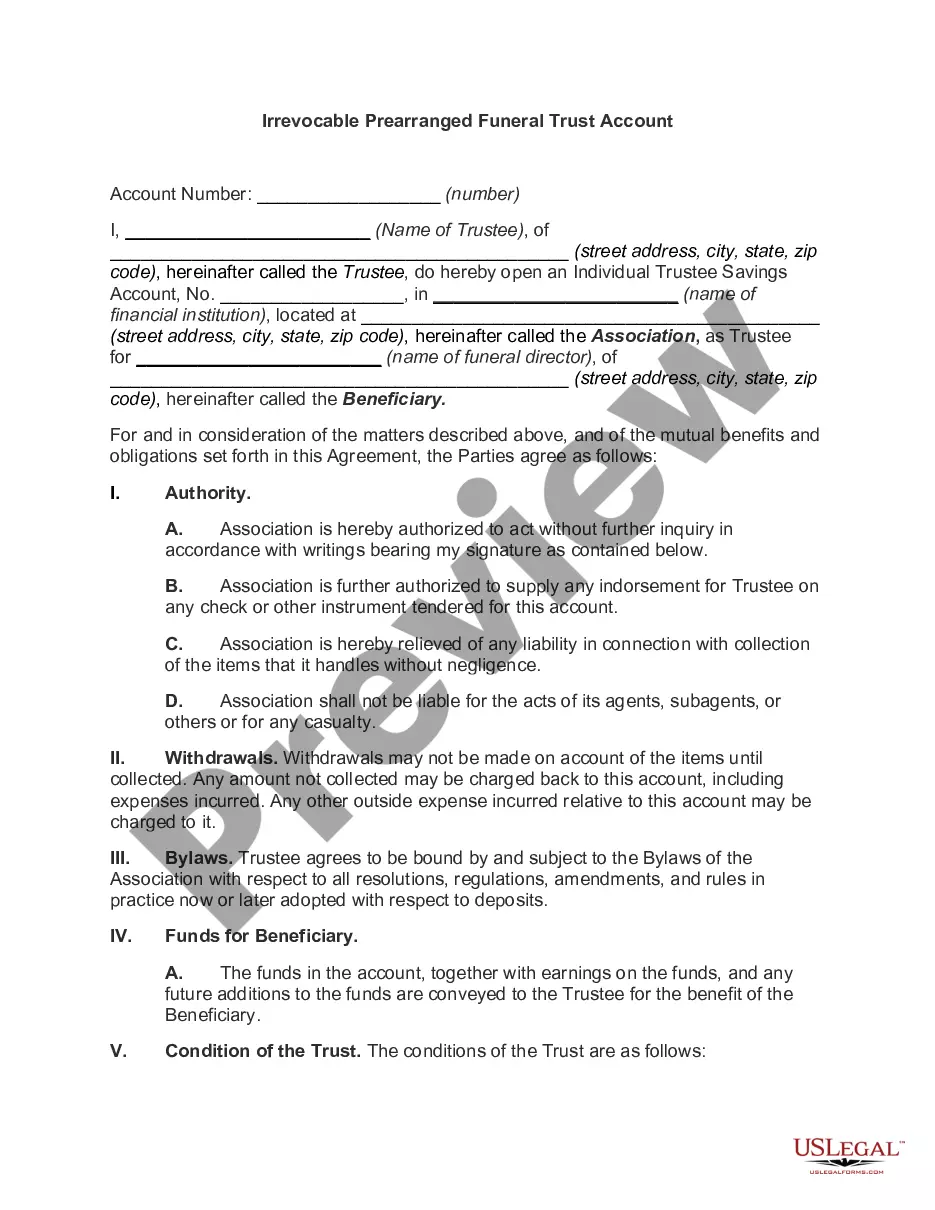
The irrevocable funeral trust is a legal form used to create a prearranged funeral trust account. It establishes a contract between an individual and a funeral home, outlining the services to be provided at the time of death and the funds allocated for those services. This form differs from other types of trusts by being irrevocable, meaning the terms cannot be changed or canceled once established. This ensures that the funds are specifically reserved for the funeral expenses of the designated beneficiary.
Main sections of this form
- Account number: Identifies the specific funeral trust account.
- Trustor's information: Includes the name and personal details of the individual creating the trust.
- Bank details: Specifies the banking institution managing the trust funds.
- Beneficiary information: Names the funeral director and provides the associated address.
- Conditions of the trust: States that the trust is irrevocable and outlines the powers of the bank as trustee.
- Withdrawal restrictions: Indicates that funds cannot be accessed by the Trustor during their lifetime.
When this form is needed
This form should be used when an individual wants to prearrange funeral services and secure funding for those services. It is ideal for those seeking peace of mind by ensuring that their funeral expenses are covered according to their wishes. Using this form can help mitigate the financial burden on family members during a difficult time.
Who can use this document
- Individuals planning their funeral arrangements in advance.
- Those looking to ensure that specific funeral services are paid for and organized ahead of time.
- Anyone wanting to relieve family members of the financial and logistical burden of arranging a funeral.
Instructions for completing this form
- Identify yourself as the Trustor and enter your full name and personal information.
- Provide the account number for the trust and the banking institution's details.
- Name the funeral director who will oversee the arrangements and include their address.
- Clarify the irrevocable nature of the trust and the conditions for fund management.
- Sign and date the form to make it legally binding.
Does this form need to be notarized?
In most cases, this form does not require notarization. However, some jurisdictions or signing circumstances might. US Legal Forms offers online notarization powered by Notarize, accessible 24/7 for a quick, remote process.
Get your form ready online
Our built-in tools help you complete, sign, share, and store your documents in one place.
Make edits, fill in missing information, and update formatting in US Legal Forms—just like you would in MS Word.
Download a copy, print it, send it by email, or mail it via USPS—whatever works best for your next step.
Sign and collect signatures with our SignNow integration. Send to multiple recipients, set reminders, and more. Go Premium to unlock E-Sign.
If this form requires notarization, complete it online through a secure video call—no need to meet a notary in person or wait for an appointment.
We protect your documents and personal data by following strict security and privacy standards.

Make edits, fill in missing information, and update formatting in US Legal Forms—just like you would in MS Word.

Download a copy, print it, send it by email, or mail it via USPS—whatever works best for your next step.

Sign and collect signatures with our SignNow integration. Send to multiple recipients, set reminders, and more. Go Premium to unlock E-Sign.

If this form requires notarization, complete it online through a secure video call—no need to meet a notary in person or wait for an appointment.

We protect your documents and personal data by following strict security and privacy standards.
Common mistakes to avoid
- Failing to properly fill out all required fields, leading to incomplete agreements.
- Not specifying the funeral director or the beneficiary correctly.
- Overlooking state-specific legal requirements that may affect the validity of the form.
- Not signing the form, rendering it unenforceable.
Why use this form online
- Convenience of immediate access from anywhere, allowing quick establishment of funeral arrangements.
- Editability, enabling users to customize the form according to specific needs.
- Reliability, with forms created by licensed attorneys to ensure compliance with legal requirements.
Main things to remember
- The Irrevocable Funeral Trust helps secure and prearrange funeral expenses.
- This trust cannot be undone, providing peace of mind to the Trustor.
- Make sure to consult local regulations for compliance.
- Providing complete and accurate information is essential to avoid delays.
Looking for another form?

Form popularity
FAQ
There are two kinds of prepaid funeral contracts: revocable and irrevocable. Revocable means you can cancel the contract and get most of your money back. Irrevocable means you cannot cancel the contract, but you can transfer it to a different funeral home if you want to.
Typically, a funeral home or cemetery will help you set up a trust when you are entering into a contract with them. You can open an individual trust account with a bank and deposit your money in a savings account or certificate of deposit. Bonds or life insurance may also be used to fund the trust.
The Internal Revenue Service defines a funeral trust as a 'pooled income fund' set up by a funeral home/cemetery to which a person transfers property to cover future funeral and burial costs. Funeral trusts allow people to pay funeral expenses in advance, and that can spare survivors a lot of difficult decisions.
A funeral trust, or qualified funeral trust, is a special financial vehicle that allows you to set aside money for anticipated funeral costs. When you establish a trust, you make arrangements with a cemetery or funeral home to provide services upon death. The beneficiary of the trust is the funeral service provider.
The Internal Revenue Service defines a funeral trust as a 'pooled income fund' set up by a funeral home/cemetery to which a person transfers property to cover future funeral and burial costs. Funeral trusts allow people to pay funeral expenses in advance, and that can spare survivors a lot of difficult decisions.
Definition: Irrevocable Funeral Trusts A trust is a legal agreement in which an individual (called the Trustmaker or Grantor) sets aside a certain amount of money for a specific purpose or person.Irrevocable means the trust cannot be changed, reversed, or dissolved for any reason.
Paying the Bills Powers of a trustee or executor include paying bills for funeral expenses incurred by a decedent's estate. This means a trustee can write checks using the estate's bank accounts to satisfy funeral costs, including paying for a burial plot and any viewing time at a funeral home.